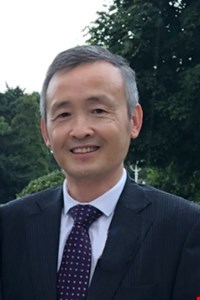
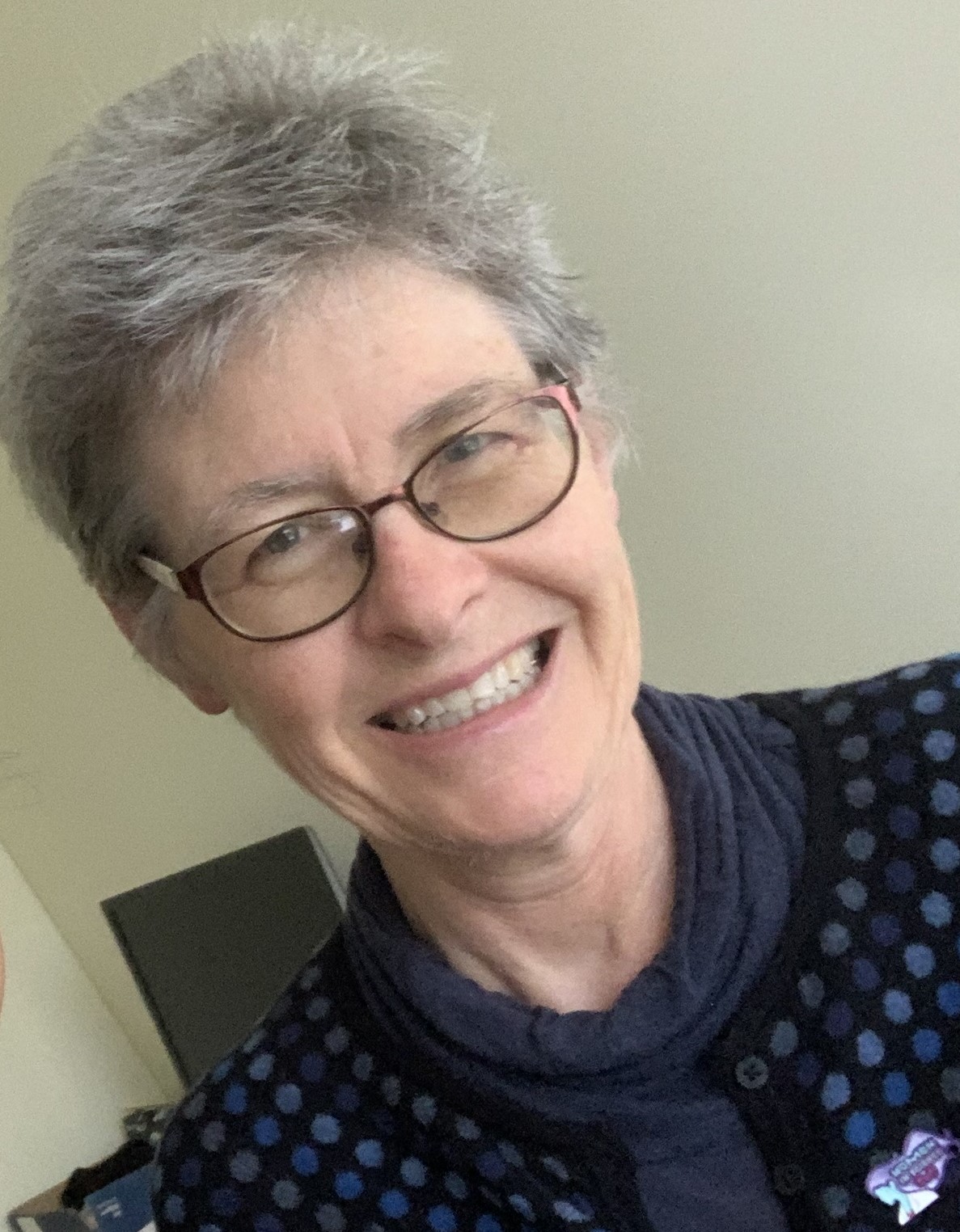
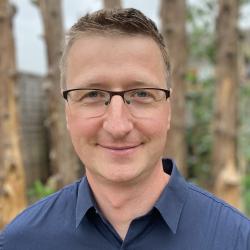
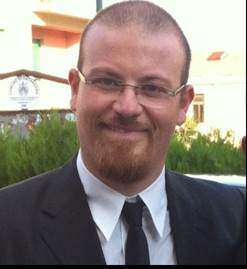
Darko Sarvan is an Associate Professor in the Department of General Education Subjects at the University of Belgrade . His research spans atmospheric physics, environmental radioactivity, climate science, and econophysics, with a focus on interdisciplinary applications of statistical mechanics and time series analysis. Current affiliation: University of Belgrade, Department of General Education Subjects Email: darko.sarvan@vet.bg.ac.rs Research Interests Atmospheric Physics: Studying beryllium-7, lead-210, and cesium-137 dynamics in surface air Climate Science: Analyzing temperature trends, long-term persistence, and teleconnection indices Econophysics: Applying fractal and statistical techniques to stock market data from transitional economies Radioecology: Investigating radiological impacts in urban environments and biological specimens like mosses Article Trends reflect collaborations with institutions across Europe, focusing on climatic modeling, radioactivity monitoring, and cross-disciplinary applications of physics principles to biological and financial systems.
Agnieszka Łagoda serves as a Lecturer in the Department of Machine Technology and Materials Science at Opole University of Technology's Faculty of Mechanical Engineering. Her academic role encompasses teaching Metrology, Selected Measurement Techniques and Systems, Quality Engineering, and Ergonomics within the mechanical engineering curriculum. Her research spans Additive Manufacturing and Metal Recycling with significant contributions to Biomaterials and Dental Biomechanics . Core competencies include metal atomization processes, sustainable metal waste recycling, 3D printing applications, and dental implant stress analysis. This interdisciplinary focus bridges industrial manufacturing and biomedical engineering. Analysis of her 12 publications (2015-2025) reveals a strategic evolution from dental materials research toward advanced metal recycling for additive manufacturing. Recent high-impact work on ultrasonic atomization of recycled metal powders demonstrates her leadership in sustainable production methods, while foundational studies on dental implant mechanics showcase technical depth in biomechanical modeling and material testing.
Professor Xiaohui Liu is a distinguished Professor of Computing at Brunel University London, serving within the Computer Science department of the College of Engineering, Design and Physical Sciences. He maintains his office in the Wilfred Brown Building (Room 218) and has established himself as a leading figure in intelligent data analysis and artificial intelligence research. With over 20 years of academic leadership, Professor Liu has held significant visiting appointments including Honorary Pascal Professor at Leiden University (2004), Visiting Scientist at Harvard Medical School (2005), and Visiting Professor at the Chinese Academy of Sciences (2010). Professor Liu's research spans intelligent data analysis, deep learning, dynamical systems, human factors, innovative AI applications, optimisation, statistical pattern recognition, and trustworthy decision making. His work bridges theoretical advances with practical implementations across various industries, demonstrating exceptional translational impact. He has pioneered approaches that integrate artificial intelligence with data science to enable effective data interpretation and trustworthy decision-making systems, with applications spanning healthcare, manufacturing, and business domains. Analysis of Professor Liu's recent publications reveals a strong focus on transformer architectures, transfer learning, and optimization techniques applied to real-world problems. His work demonstrates consistent innovation in neural network architectures, particularly for anomaly detection, fault diagnosis, and recommendation systems. The publications show interdisciplinary applications spanning manufacturing, healthcare, digital marketing, and network science, reflecting his commitment to solving practical challenges through advanced computational methods. Clarivate Highly Cited Researcher for 11 consecutive years (2014-2024) World's top 2% of scientists by Stanford University (2020-2024) ScholarGPS Highly Ranked Scholar – Lifetime: Neural Network (2022-2024) Daniel Berg Award (2023) Research.com United Kingdom Leader Award in Computer Science (2023-2025) IDA Founders Award (2025) Professor Liu has secured substantial research funding from diverse sources including the European Commission, Innovate UK, Royal Society, and EPSRC. His current projects include AI-assisted tax assessment, intelligent data-driven pipelines for manufacturing certified metal parts, and maintenance models for zero-unexpected-breakdowns. He leads collaborative efforts through knowledge transfer partnerships with industry partners like Veritas Advisory Limited and has directed multiple European Commission-funded initiatives focused on IoT platforms, water resource management, and predictive maintenance systems. His research group actively mentors PhD students and collaborates with international partners across multiple continents. Professor Liu leads research activities within the IEHS and CSSB research groups at Brunel University, fostering interdisciplinary collaboration between computer scientists, engineers, and domain experts. His teams integrate expertise in neural networks, optimization algorithms, and statistical pattern recognition to develop innovative solutions for complex real-world problems. The research environment emphasizes both theoretical rigor and practical application, with strong industry partnerships ensuring that research outputs deliver tangible societal and economic impact.
Abiel Kidane is a Researcher at the Max Planck Institute for Marine Microbiology in the Department of Biogeochemistry . His work focuses on trace metal availability and its regulation of microbial community composition and functionality in aquatic environments, bridging geochemistry, microbiology, and global elemental cycles. Email: akidane@mpi-bremen.de Phone: +49 421 2028-6050 Room: 3200, Celsiusstr. 1, Bremen, Germany Research Interests include: Trace metal cycling in marine and freshwater environments Single-cell microbial metabolism under varying metal availability Biogeochemical interactions in anoxic and oxic habitats Carbon and nitrogen cycling mediated by microorganisms Geochemical constraints on microbial community dynamics Publication Trends reveal expertise in: Stable isotope analysis for tracking microbial processes Secondary Ion Mass Spectrometry (SIMS) applications Thaumarchaeota nitrification mechanisms Sulfide deposit formation and microbial signatures Diamond carbon source tracing Conference Participation includes presentations at: EGU Conference (2015, Vienna, Austria) Geo-Analysis (2015, Leoben, Austria) Goldschmidt Conference (2015, Prague, Czech Republic) SGA Conference (2015, Nancy, France) German Mineralogical Association Meeting (2014, Jena, Germany)
Associate Professor Michele Catherine Madigan , affiliated with the School of Optometry and Vision Science at the University of New South Wales , is a leading researcher in ocular pathogenesis spanning development to aging. Her work focuses on three core areas: Ocular tumor microenvironment, particularly uveal melanoma therapy development Age-related retinal and choroidal changes in AMD Meibomian gland biology in dry eye disease . Her research approach combines human donor tissue analysis with in vitro models to study disease mechanisms. Key methodologies include Transcriptomic profiling of ocular cells Environmental challenge models for ocular surface Melanocyte biology in tumor and aging contexts Specializing in ocular anatomy and immunology, she advances understanding of posterior eye inflammation and therapeutic interventions. Recent publications highlight her expertise in ocular aging markers, environmental pollutant impacts on eye health, and transcriptomic approaches to retinal degeneration. Her work reveals connections between Melanocortin system regulation Smoke exposure effects on ocular surface Metabolic pathways in photoreceptor protection These studies demonstrate her commitment to translational vision science. Scientific recognition includes: 2021 Scientia Education Academy Highly Commended for student engagement 2020 Dean’s Excellence Award for Diversity & Inclusion Multiple School-level Community Engagement Awards Her research is supported by ARC Discovery Grants and Ophthalmic Research Institute of Australia funding.
Markus Fuchs is Professor of Physical Geography and Managing Director of the Institute of Geography at Justus Liebig University of Giessen. He has held this position since 2011, following academic appointments at the University of Bayreuth and the University of Cincinnati. His research focuses on Quaternary landscape evolution, geomorphological processes, and dating methods, with fieldwork spanning Germany, Spain, Israel, Jordan, Namibia, Armenia, and the USA. Dr. Fuchs serves as Vice President of DEUQUA (German Quaternary Association) and on the Advisory Board of DGGM (German Society for Geomorphology). He is also 2nd Chairman of the Giessen Geographical Society and serves on the editorial boards of Quaternary Science Journal and Archaeological and Anthropological Sciences. His research interests center on geomorphology , Quaternary environmental reconstruction , geoarchaeology , and luminescence dating techniques. His work bridges physical geography with archaeological questions, particularly examining human-environment interactions throughout the Quaternary period. Recent publications demonstrate his leadership in advancing luminescence dating methodologies , particularly infrared-radiofluorescence (IR-RF), and applying these techniques to diverse environments from Arctic Sweden to the Negev Highlands. His research shows increasing integration of multiple dating methods to address complex questions of landscape evolution. Vice President of DEUQUA (German Quaternary Association) Advisory Board DGGM (German Society for Geomorphology) 2nd Chairman of the Giessen Geographical Society Editorial Board Member of Quaternary Science Journal Dr. Fuchs actively supervises student projects focused on paleoclimate, paleoenvironment, and geoarchaeology, often in collaboration with other faculty members. His research is supported by numerous DFG projects examining landscape development across multiple continents and geological timescales. He leads research teams investigating sediment archives as records of both natural environmental change and human impacts on landscapes.
Dr. Svetlana Khamnueva-Wendt serves as a Researcher at the Institute for Ecosystem Research, Christian-Albrechts-University of Kiel, specializing in geoarchaeology and soil science. Her work investigates human-environment interactions during the Holocene, pedogenesis in anthropogenic contexts, and soil memory applications for paleoenvironmental reconstruction through geo- and pedoarchives. Education: PhD in Environmental Science (2017), CAU Kiel: Thesis on landscape development and soil transformation in Viking settlement Hedeby MSc in Environmental Management (2012), CAU Kiel: Thesis on grain size distribution as cultural landscape indicator at Neolithic burial mound Königsgrab Diploma in Soil Science (2009), Lomonosov Moscow State University: Thesis on electrolytes concentration effects in Western Siberian oil field soils Research Focus: Integrates soil micromorphology and quantitative morphometric analysis to study anthropogenic soil formation in archaeological contexts. Key methodologies include colluvial deposit analysis and land surface memory detection to reconstruct prehistoric land use impacts across European and Pacific sites. Publication Trends: Research spans Viking Age settlements (Hedeby), Mediterranean archaeology (Tiryns), and Pacific sites (Easter Island), consistently addressing human-induced soil transformation through multi-proxy approaches. Dominant themes include colluvial deposit classification, soil memory applications, and Holocene landscape evolution at Neolithic earthworks. Current Role: As core member of the Geoarchaeology and Environmental Risks team, she conducts field investigations and laboratory analyses on archaeological sites across Germany, Greece, and Easter Island, collaborating with interdisciplinary teams at institutions including University of Tübingen and German Archaeological Institute.
Guillaume Decocq is a Professor of Plant and Fungal Sciences and Hospital Practitioner at the University of Picardy Jules Verne, affiliated with the Faculty of Science. He directs the research unit "Ecology and Dynamics of Anthropized Systems" (Edysan), heads the PRiMAX Functional Unit at Amiens University Hospital, and co-leads the "Environment" axis within the SFR Condorcet research federation. His educational background encompasses dual doctorates in Pharmacy and Botany. Research focuses on human impacts on forest biodiversity across temperate/tropical systems, integrating historical ecology, landscape dynamics, and spatio-temporal analysis. Key investigations examine nitrogen deposition effects, fragmentation legacies, and microclimate buffering in plant communities. Recent publications (2023-2025) demonstrate interdisciplinary convergence between forest ecology, environmental health, and socio-ecological systems. Dominant trends include westward range shifts linked to nitrogen pollution, invasive species adaptation mechanisms, and antifungal resistance as an environmental threat, reflecting methodological integration of field ecology with public health metrics. Prof. Decocq has supervised 10 graduate students including Justin Kassi N'Dja and Aurélien Jamoneau. He coordinates major projects such as smallFOREST (BiodivERsA), METAFOR, and GENESYS, securing EU and national funding for forest biodiversity and environmental risk assessment. Teaching spans pharmacy botany (PACES to Master's level) and ecology programs, including direction of the "Field Botany" continuing education diploma.
Dr. Matthew Brudenell is a Senior Academic Staff member at the Department of Archaeology , University of Cambridge. He serves as the Director of the Cambridge Archaeological Unit , leading fieldwork and research initiatives. Email : mjb73@cam.ac.uk Contact : Storey's Way, Cambridge CB3 0DT; 01223 327802 His research expertise spans: Material Culture and Artefact Analysis with a focus on Bronze Age and Iron Age societies Field Methods in landscape archaeology, particularly in Eastern England and Fenland environments Settlement Landscape Studies examining long-term human-environment interactions Recent publications highlight his work on: Bronze Age settlements and salt production Iron Age defensive structures and material culture Fenland dynamics and their impact on prehistoric communities Archaeobotanical evidence like millet cultivation Excavation synthesis along infrastructure corridors Dr. Brudenell has contributed extensively to journals like the Proceedings of the Prehistoric Society and Antiquity , as well as monographic series including the Cambridge Archaeological Journal and Oxford Journal of Archaeology .
Dr. Julie Christin Belo is a research scientist at GEOMAR Helmholtz Centre for Ocean Research Kiel, affiliated with the Research Unit for Magmatic and Hydrothermal Systems. She holds a PhD magna cum laude from Kiel University (2012-2015) and completed diploma studies in Geology and Paleontology at the same institution (2006-2012). Her career includes positions as Post-Doctoral Researcher at GEOMAR, University of Heidelberg, and visiting scientist appointments at Lamont Doherty Earth Observatory and Boston University. Belo's research focuses on tephrostratigraphy in marine and terrestrial environments, physical volcanology with emphasis on explosive processes, and volcano-climate interactions. Her investigations span volcanic systems worldwide including the Azores, Central America, Japan, and the Andes. She leads multiple research projects examining volcanic records in marine sediments and their connections to paleoclimate. Her scientific publications demonstrate consistent focus on volcanic processes with recent emphasis on: tephra correlation techniques, reconstruction of volcanic histories from marine records, volcanic impacts on climate systems, and geochemical analysis of eruptive products. Studies frequently integrate field observations, laboratory analyses, and marine sediment core data. Scientific Awards: Island Arc Award 2020 Fulbright Travel Grant (2016-2017) Research Leadership: Belo serves as Principal Investigator for several major projects including VolCLimA (Volcano-Climate Interaction: Azores case study), IBM Tephra (Izu-Bonin Arc tephrostratigraphy), and MarDATA 'Volcanism and Climate' initiative. She has participated in numerous marine research expeditions as sediment laboratory head and scientific team member across the Atlantic, Pacific and Indian Oceans.
Prof. Dr. Martin Frank is a leading scientist at GEOMAR Helmholtz Centre for Ocean Research Kiel, where he serves as Spokesperson for Research Area 1: Ocean Circulation and Climate Dynamics since 2020. He works in the Department of Paleo-Oceanography, operating a modern trace-metal-clean laboratory and an MC-ICP mass spectrometer. His research focuses on reconstructing past ocean circulation and its relationship with climate using geochemical and isotopic proxy indicators. Dr. Frank's research interests span multiple interconnected fields of marine science: Paleoceanography : Reconstructing ocean circulation patterns and their relationships with past climate on different timescales Geochemical Proxies : Developing and applying radiogenic (Nd, Pb, Hf, Sr), stable (Si, Fe, Ba, Mo), and cosmogenic (10Be) isotope systems Continental Weathering : Investigating relationships between weathering inputs from continents, nutrient utilization, biological productivity, and climate Marine Archives : Extracting proxy signals from marine sediments, manganese/iron crusts, and nodules Modern Ocean Processes : Understanding processes controlling proxy indicators in the present-day water column through participation in the GEOTRACES program His recent publications demonstrate a strong focus on isotope geochemistry applied to understanding ocean circulation, continental weathering inputs, and biogeochemical cycling. Major trends in his work include the use of multiple isotope systems (particularly neodymium, hafnium, and barium) to trace water masses and continental inputs, investigations of river-ocean interfaces (particularly the Amazon and Congo systems), and studies of hydrothermal inputs to the ocean. His work bridges modern process studies with paleoceanographic reconstructions, providing critical insights into how the ocean system operates across different timescales. Dr. Frank actively participates in the internationally coordinated GEOTRACES program, which aims to improve the understanding of biogeochemical cycles and large-scale distribution of trace elements and their isotopes in the marine environment. His laboratory at GEOMAR operates advanced analytical facilities including a trace-metal-clean laboratory and MC-ICP mass spectrometer, enabling high-precision isotope measurements critical for his research.
Gregory A. Smith is an Associate Professor in the Department of Biological Sciences at Kent State University, where he coordinates the Stark Campus Biological Sciences program. His research focuses on terrestrial vertebrate ecology, particularly how human-altered landscapes impact wildlife population dynamics and community structure. Dr. Smith teaches a range of courses including Life on Planet Earth, Conservation Biology, Wildlife Resources, and Vertebrate Zoology. His research interests center on wildlife ecology and conservation, with emphasis on urban and human-impacted landscapes. Dr. Smith integrates field work with technological innovations including drone technology, smartphone apps, and citizen science platforms to study animal ecology and inform conservation management decisions. He also maintains a strong interest in science education, particularly strategies to recruit, retain, and graduate STEM majors. Dr. Smith's recent publications reveal a strong focus on urban wildlife ecology, particularly coyotes and white-tailed deer in northeastern Ohio, as well as innovative applications of technology in conservation. His work demonstrates consistent themes of human-wildlife interactions, adaptation to urban environments, and the application of ecological theory to practical conservation problems. His research often involves multi-trophic approaches examining complex interactions within ecosystems. Distinguished Teaching Award Finalist, Kent State Alumni Association Faculty Recognition Award ("Teaching that made a difference."), University Teaching Council Distinguished Teaching Award Finalist (Three Times), Kent State University at Stark National Residence Hall Honorary "Favorite Faculty," University of Akron Elected Full Member, Sigma Xi, The Scientific Research Honor Society Dr. Smith has successfully mentored numerous undergraduate researchers and has served in various leadership roles including Chair of the Biological Diversity Working Group for The Wildlife Society and Associate Editor for The Ohio Journal of Science. His grant portfolio includes significant funding from the Herbert W. Hoover Foundation, Ohio Department of Transportation, and National Science Foundation, demonstrating his ability to secure competitive research support. Dr. Smith leads the Wildlife Ecology and Conservation Lab, which provides field research opportunities for students studying wildlife in urban and natural environments across northeastern Ohio.
Anne-Marie Nuttall is a researcher affiliated with the University of the Highlands and Islands (UHI) Inverness, contributing to glaciology, physical geography, and geoscience education. Her work intersects with UN Sustainable Development Goals (SDGs) through academic qualifications and research focused on environmental systems. Academic Background: BSc (Imperial College), MPhil in Polar Studies (Cambridge), PhD in Arctic Glaciology (Bristol). Research Focus: Glacier dynamics, sediment transport, Arctic and alpine environments, and pedagogical innovations in geography education. Scientific Trends: Combines field studies (Finsterwalderbreen, Morteratsch Glacier, Greenland) with remote sensing techniques to analyze glacial hydrology, surging mechanisms, and climate impacts. Recent work explores geoscience education technologies like virtual field guides. External Roles: Serves as external examiner for BA (Hons) Geography at University College Cork.
Dr. Teresa D. Golden is a Professor in the Department of Chemistry at the University of North Texas (UNT), where she has been a faculty member since 1997. She is the founding Director of UNT's Forensic Science Program, a FEPAC-accredited initiative, and played a key role in developing the Chemistry Department's Professional Science Masters (PSM) degrees. Her research focuses on analytical, forensic, and materials chemistry, with particular emphasis on electrodeposition of nanomaterials, corrosion protection, and chromatographic methods. Research Interests : Corrosion and materials chemistry, electrodeposition of nanomaterials, bioanalytical applications, and forensic document examination using chromatography and spectroscopy. Instrumentation : Students in her group gain expertise in electrochemistry, X-ray diffraction, scanning electron microscopy, Raman spectroscopy, and mass spectrometry. Dr. Golden's work spans interdisciplinary areas, including the synthesis of metal-clay nanocomposites, development of artificial bone materials, and forensic analysis of synthetic opioids. Her group's publications reflect trends in corrosion-resistant coatings, ionic liquid applications, and forensic toxicology. Funding for her research includes NIH (2024-2026) and NIJ (2019-2022) grants. Notable students in her group include 2025 PhD graduates Karen Reyes and Ashlee Juel, along with current researchers Richard McCrary and Darshan Karunarathne. Alumni from her program have secured positions in academia, industry, and research institutions.
Dr. Luca Caracciolo is a researcher at the Chair of Geology (Prof. Dr. Stollhofen) within the GeoZentrum Nordbayern at Friedrich-Alexander-Universität Erlangen-Nürnberg. He specializes in Quantitative Provenance Analysis (QPA), sediment routing systems, and diagenesis, with applications to hydrocarbon and geothermal reservoir characterization. His work integrates sedimentary petrology, detrital geochemistry, and low-temperature thermochronology to link sediment composition with tectonic and climatic drivers.