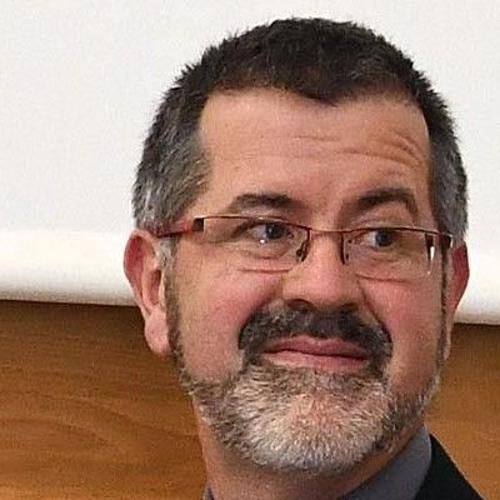
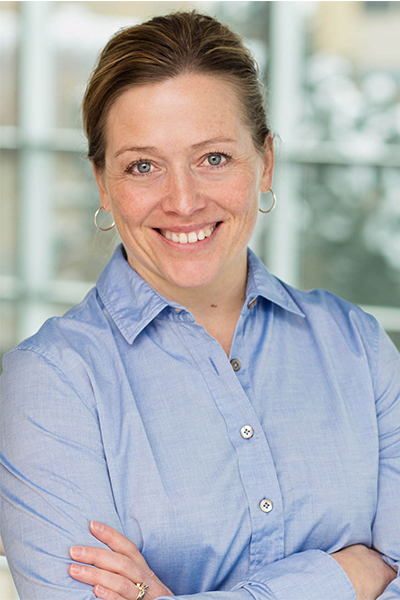
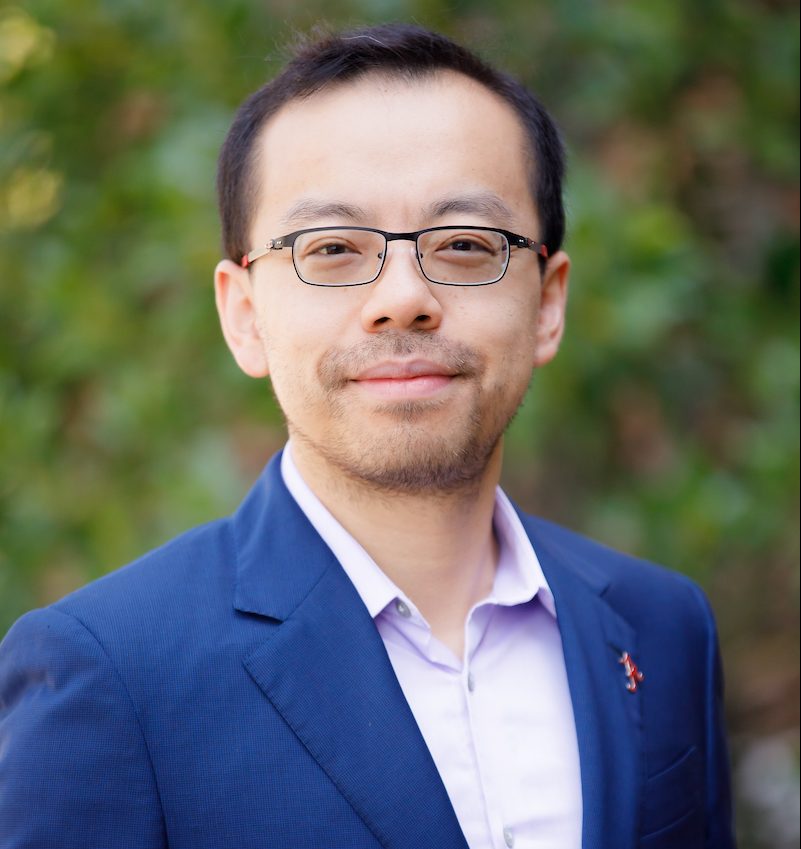
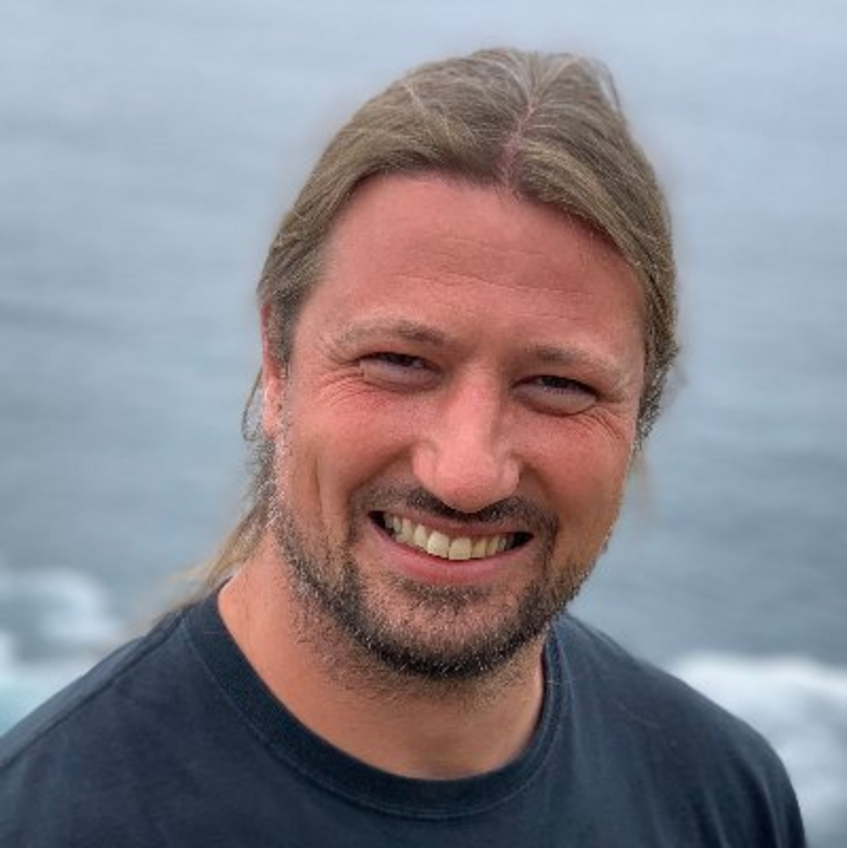
Matthew Reid is an Associate Professor in the Department of Civil and Environmental Engineering at Cornell University , leading the Biogeochemistry and Ecosystem Engineering Research Group. His work integrates (geo)chemical and microbiological tools with systems modeling to address water quality challenges. Ph.D., Princeton University (2014) Marie Curie Postdoctoral Fellow at EPFL (2014-2017) U.S. Peace Corps Volunteer in Tanzania (2004-2006) Research focuses on: Nonpoint Source Nutrient Pollution Geogenic Metalloid Contaminants Climate Change Impacts on Hydro-Biogeochemical Processes Woodchip Bioreactor Systems His NSF CAREER Award supports innovation in denitrification technologies. Recent publications examine carbon cycling, contaminant dynamics, and sensor-driven water quality control. NSF CAREER Award (2023) Community-Engaged Practice and Innovation Award (2023) Franco-American Commission Scholar (2025) Reid teaches Cornell's Environmental Engineering Laboratory and Water Chemistry courses, emphasizing STEM education principles. His research group applies interdisciplinary methods to optimize aquatic ecosystem management.
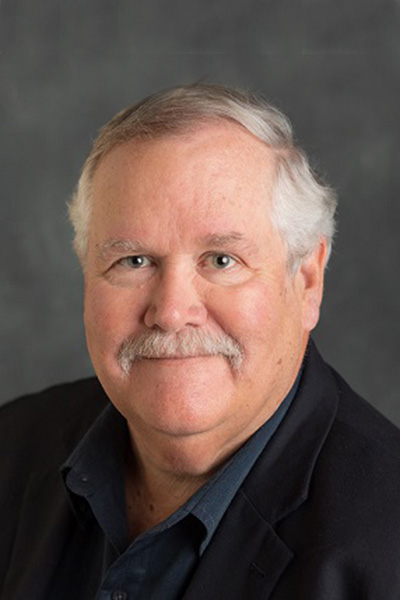
Juan Manuel Garrido Fernández is an Associate Professor in the Department of Chemical Engineering at the University of Santiago de Compostela (USC), affiliated with the Higher Technical School of Engineering. He leads the BIOGROUP research team focused on Environmental Biotechnology within the Center for Interdisciplinary Research in Environmental Technologies (CRETUS). His academic career includes a PhD in Chemistry-Chemical Engineering (1996) and a degree in Industrial Chemistry (1991), both from USC. He has completed research stays at Delft University of Technology (Netherlands) and the Centre International Sur L'Eau et L'Environment (France). His research emphasizes wastewater treatment technologies, particularly membrane bioreactors (MBRs) , anaerobic processes , and nitrogen/phosphorus recovery . Key projects involve optimizing MBR systems for treating urban/industrial effluents, enriching N-damo bacteria for methane/nitrogen removal, and developing struvite crystallization for phosphorus recovery. He collaborates with companies like Aqualia and AECID. Recent work addresses emerging contaminants (microplastics, antibiotic resistance) and low-impact wastewater treatment. He teaches courses on Chemical Reactors , Environmental Technology , and Advanced Wastewater Treatment at the undergraduate and master's levels. Supervised 4 PhD and 7+ master's students. His funding includes European projects (LIFE SIAMEC) and national grants (PID2022-141203OB-I00). Publications focus on bioprocess optimization, membrane fouling, and microbial community analysis. He holds patents for MBR systems and struvite processes. Current lab initiatives explore metabolic pathways in N-damo communities and decentralized wastewater treatment solutions.
Taavo Tenno is an Associate Professor (0.70 FTE) at the University of Tartu's Chair of Colloid and Environmental Chemistry, part of the Faculty of Science and Technology. He also serves as a board member of aqua consult baltic OÜ since 2011. His research focuses on anaerobic biowaste treatment and nitrogen removal technologies, with emphasis on wastewater treatment processes and microbial interactions. Education: PhD in Molecular Medicine (2001), Uppsala University, Sweden Chemistry studies (1989–1993), University of Tartu Research Interests: Taavo Tenno’s work addresses challenges in sustainable wastewater management, including anaerobic digestion optimization, nitrogen cycle engineering, and biofilm-based technologies. His research integrates chemical modeling, microbial ecology, and process engineering to enhance environmental sustainability. Key Projects (as Project Manager): Interreg BSR project IWAMA (2016–2019) Autotrophic nitrogen removal technology implementation (2014–2016) Biogas process optimization (2010–2015) Publications: His recent work explores antibiotic resistance in anammox biofilms, bioelectrochemical nitrogen removal, and process modeling for wastewater systems. These studies highlight advancements in microbial process control and sustainable environmental technologies. Labs/Teams: Active in the University of Tartu’s environmental chemistry and biotechnology research groups, collaborating on interdisciplinary projects involving chemical engineering and microbiology.
Dr. Terry C. Hazen is the UT/ORNL Governor's Chair Professor in the Department of Civil & Environmental Engineering at the University of Tennessee, Knoxville , with additional appointments in Microbiology, Earth and Planetary Sciences, Genome Science and Technology, and the Bredesen Center. He leads the Hazen Lab, a multidisciplinary research group focused on microbial ecology and environmental engineering. Education: Bachelor of Science (Biology), Michigan State University, 1973 Master of Science (Biology, Parasitology), Michigan State University, 1974 Ph.D. (Parasitology-Ecology, Microbiology-Immunology), Wake Forest University, 1978 His research centers on microbial ecology , particularly in the context of bioremediation , biofuels , enhanced oil recovery , and water quality . He investigates systems biology and environmental stress responses from the molecular to ecosystem level. His recent work explores groundwater microbial communities , nitrous oxide emissions , denitrification , and microbial genomics for nuclear nonproliferation monitoring . The most recent publications highlight advanced work in reactive transport modeling , microbial community assembly , enrichment cultures , and dissolved organic matter analysis using machine learning. These studies are largely conducted at the ENIGMA Field Research Center at Oak Ridge, focusing on contaminated subsurface environments. Scientific Awards and Recognition: ASM Award for Environmental Research (2021) UT/ORNL Governor's Chair Professor Seaborg Fellow Chancellor’s Fellowship (advised student) NSF Fellowship (advised postdoc) Dr. Hazen has advised numerous Ph.D. and M.S. students and mentored many postdoctoral fellows and research associates. His lab has received significant recognition, with several members listed among the Stanford World’s Top 2% Cited Scientists . He has been actively involved in national and international responses to oil spills , including the Deepwater Horizon and Peru Repsol incidents. His lab holds multiple patents in bioremediation technologies and maintains strong collaborations with Oak Ridge National Laboratory . Laboratories and Facilities: The Hazen Lab operates at both the University of Tennessee (SERF and Tickle Engineering Building) and Oak Ridge National Laboratory (JIBS), utilizing state-of-the-art equipment for microbial and environmental research.
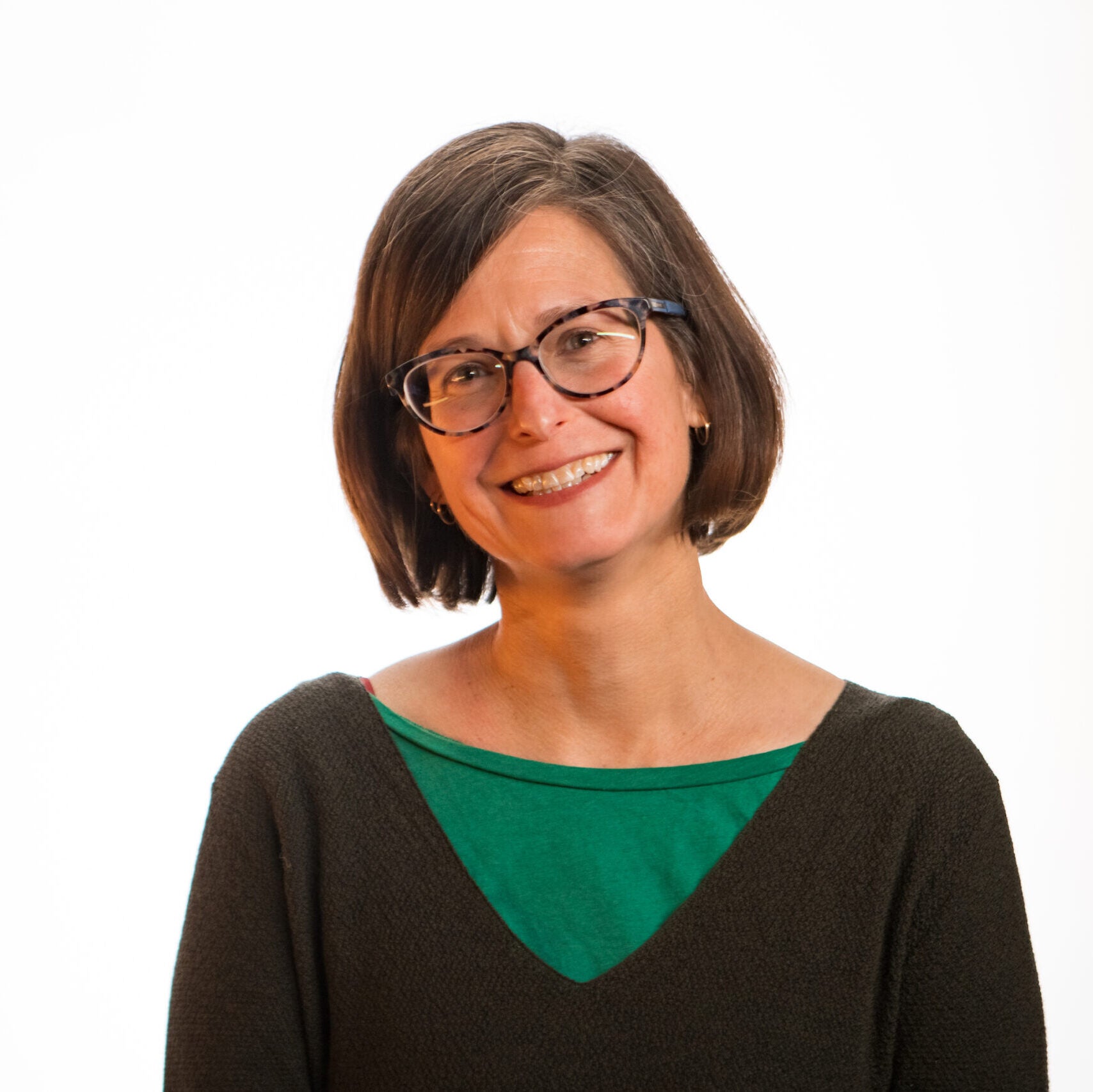
Rebecca S. Robinson is a Professor at the University of Rhode Island's Graduate School of Oceanography, specializing in Marine Geology and Geophysics. Her research focuses on the biogeochemical cycles of nitrogen and carbon in both modern and geological contexts, linking these processes to climate change and ocean circulation. Ph.D. in Marine Geology and Geochemistry, University of Michigan (2001) M.S. in Earth Sciences, University of Southern California (1997) A.B. in Geology, Bryn Mawr College (1995) Her work integrates biogeochemistry , nitrogen cycling , and carbon dynamics to understand Earth's climate systems across timescales. She investigates how human activities alter coastal nutrient dynamics and how these changes affect greenhouse gas emissions and primary production. Recent publications highlight her expertise in nitrogen isotopes as proxies for paleoceanographic conditions (e.g., deglacial nutrient shifts, Cretaceous anoxia) and modern studies on coastal estuaries and oceanic productivity . Robinson leads the Robinson Lab , which conducts fieldwork such as sediment core processing, groundwater monitoring, and benthic lander deployments, often in collaboration with international institutions. Lab members include Kayly, Sam, Catherine, Basia, Colin, and Isabel.
Dr. Ji Lu is a Postdoctoral Research Fellow and ARC DECRA Fellow at the Australian Centre for Water and Environmental Biotechnology (CWEB) within the Faculty of Engineering, Architecture and Information Technology at the University of Queensland. He holds a PhD from the same institution (awarded 2020) focused on environmental contaminants and antibiotic resistance dissemination. His research investigates the spread of antibiotic resistance in environmental and engineered systems, with emphasis on: Impacts of non-antibiotic pharmaceuticals (e.g., antidepressants, triclosan) on horizontal gene transfer Nanoparticle-mediated antibiotic resistance propagation Virus persistence in water systems (including SARS-CoV-2 wastewater surveillance) Novel disinfection technologies (e.g., photo-Fenton processes) against resistant pathogens Analysis of his 15 most recent publications (2020-2025) reveals dominant themes in environmental antimicrobial resistance, particularly concerning pollutants (pharmaceuticals, microplastics, nanoparticles), disinfection byproducts, and wastewater-based epidemiology. His work consistently integrates molecular microbiology with environmental engineering solutions. Awards include: ARC Discovery Early Career Researcher Award (2024-2026) Advance Queensland Industry Research Fellowship (2020-2023) Dr. Lu supervises PhD students in projects on antimicrobial resistance drivers in urban water ecosystems and emerging contaminant removal. He leads ARC DECRA-funded research on pollutant-mediated antimicrobial resistance and collaborates on wastewater treatment innovation.
Francisco Jardim de Almada Nascimento is an Associate Professor in Marine Ecotoxicology at the Department of Ecology, Environment and Plant Sciences (DEEP) at Stockholm University. His research focuses on understanding how ecosystems respond to anthropogenic and environmental disturbances both structurally and functionally, with particular emphasis on Baltic Sea ecosystems. His main research interests include: Responses of benthic communities to eutrophication Species interaction effects on benthic ecosystem processes Structuring factors of metazoan biodiversity in benthic habitats Toxicity of mixtures of contaminants on ecosystem function Dr. Nascimento is actively involved in two major research projects: NEMOte BARCODing (2019-2023), which employs state-of-the-art eDNA sequencing techniques and DNA metabarcoding to improve monitoring tools for Baltic benthic ecosystems; and a project (2023-2027) investigating the environmental risks associated with seabed mining for rare earth elements in the Baltic Sea. His research utilizes advanced molecular techniques including eDNA and eRNA sequencing to understand benthic biodiversity and ecosystem functioning. His publication record demonstrates a strong focus on the impacts of anthropogenic disturbances on marine ecosystems, examining how factors like bottom trawling, recreational boating, pollution, and changing phytoplankton communities affect benthic biodiversity and ecosystem processes. His work often involves interdisciplinary collaborations and employs cutting-edge molecular methods to address complex environmental questions. Dr. Nascimento is also involved with the Baltic Sea Fellows network, an interdisciplinary group of young researchers focused on Baltic Sea research, and leads his own research group focusing on ecosystem responses to disturbances. He teaches courses in Ecotoxicology, Marine Biology, and Ecology at both undergraduate and graduate levels, and is interested in supervising BSc and MSc projects related to marine ecology and ecotoxicology.
Bethany Neilson is a Professor in the Department of Civil and Environmental Engineering at Utah State University with a dual appointment at the Utah Water Research Laboratory (UWRL). She currently serves as the CEE Water Division Head and Director of the Logan River Observatory, leading significant research efforts in mountain hydrology and water resources. Her work bridges engineering, environmental science, and practical water management applications across diverse watershed systems. Dr. Neilson's research focuses on groundwater/surface water interactions and their effects on instream water quality and temperature regimes across various environments including desert rivers, arctic systems, agricultural rivers, mountain streams, and regulated river reaches. Her current work emphasizes understanding mountain hydrology in the Logan River watershed, with projects examining groundwater exchanges in karst regions, snow depth variability using LiDAR technology, and micro-plastic transport from pristine to urban areas. Her recent publications demonstrate an integration of traditional hydrologic modeling with machine learning approaches, particularly for snow-dominated karst watersheds. The research shows increasing emphasis on understanding climate change impacts on water resources, with applications to water management in the western United States. 2024 Utah AWRA Academic Sector Award Multiple USU teaching and mentorship awards (2012-2017) IGN International Academy Fellowship (2014) UCOWR Ph.D Dissertation Award (2007) Dr. Neilson has mentored numerous graduate students working on diverse projects related to hydrology, water quality, and watershed management. Her research is supported by various grants that address critical water resource challenges, particularly in the western United States where water scarcity and management are pressing concerns. She leads the Logan River Observatory, which provides long-term hydrologic data to inform state-wide water management decisions. Her laboratory work includes extensive field instrumentation in the Logan River watershed, with a focus on understanding how karst geology influences water movement and storage. This work has direct applications for water management in regions with similar geological characteristics across the western United States.
Johannes Friedl is an Adjunct Senior Lecturer at Queensland University of Technology and Senior Scientist at the Institute of Soil Research, University of Natural Resources and Life Sciences Vienna (BOKU). With a PhD in Environmental Science from Queensland University of Technology (2017), he specializes in soil nitrogen and carbon cycling within terrestrial ecosystems, focusing on greenhouse gas emissions and microbial pathways in agricultural systems across climate zones. Key Appointments : 2023: Adjunct Senior Lecturer, Queensland University of Technology 2023: Senior Scientist, Institute of Soil Research, BOKU Core Expertise : Stable isotope techniques Biogeochemical modeling Nutrient loss mitigation Climate-agriculture interactions His research integrates high-resolution sensor data , molecular analysis , and 15N tracer methods to optimize nitrogen management in pastures and sugarcane systems. Recent work emphasizes emission hotspots and dual N2O/N2 measurement for accurate biogeochemical modeling. Selected Scientific Awards : 2020: Future Leaders Project Award, QUT 2017: QUT Vice-Chancellor’s Performance Award 2016: Soil Science Australia Thesis Award 2015: QUT Faculty Publication Award As a community reviewer for journals like Agriculture, Ecosystems & Environment and Biogeosciences , he contributes to advancing nitrogen cycle research. His international collaborations span institutions in Australia, Denmark, and Austria.
Dr. Daqian Jiang is an Assistant Professor in the Department of Civil, Construction and Environmental Engineering at The University of Alabama. His research focuses on integrating bioelectrochemical technologies and life cycle assessment to address environmental challenges such as contaminant removal, sustainable infrastructure, and wastewater treatment. He earned a B.S. in Environmental Science from Renmin University of China, followed by two M.S. degrees in Science, Technology and Environmental Policy and Statistics from the University of Minnesota, and a Ph.D. in Environmental Engineering from the University of Connecticut. Bioelectrochemical contaminant removal Life cycle assessment Antibiotic resistance gene mitigation Photocatalytic oxidation Green building materials Urban sustainability His recent publications highlight advancements in denitrification, selenium treatment systems, and PFAS remediation, with a strong emphasis on sustainability and material innovation. He has received national grants to support his research and is affiliated with the Center for Water Quality Research at The University of Alabama.
Dr. Daan Speth is a Senior Scientist at the Centre for Microbiology and Environmental Systems Science , University of Vienna. He specializes in microbial ecology and bioinformatics, focusing on nitrogen and carbon cycles in wastewater and marine environments. PhD from Radboud University (Netherlands) Postdoctoral research at Caltech (USA) and Max Planck Institute of Marine Microbiology (Germany) Since 2023: Researcher at University of Vienna Dr. Speth’s research spans microbial community analysis via metagenomics, protein evolution in anaerobic microorganisms, and biogeochemical cycling of nitrogen/arsenic/methane. His work includes hydrothermal vent microbiomes, wastewater denitrification, and symbiotic nitrogen fixation in marine systems. Recent publications highlight trends in anaerobic respiration , metagenomic resource development , hydrothermal vent diversity , methanotrophy evolution , and novel bacterial taxa in agricultural systems . Key themes include microbial interactions, environmental adaptation, and computational biology. He currently collaborates with the DOME division at University of Vienna, applying sequence-based bioinformatics to global microbiome studies. His work integrates evolutionary and functional analysis of key protein families in anoxic environments.
Isabelle Seyssiecq is a Lecturer at Aix-Marseille University. She serves as Director of Second Year Studies for the DUT in Chemistry at the IUT of Aix-Marseille. Her research focuses on the rheology of complex fluids, with dual applications in wastewater treatment plant sludge optimization and biomedical bronchial mucus analysis. Current affiliations: Water and Waste Treatment team, M2P2 Research Institute Research themes: Hybrid bioreactors for pollutant removal, synthetic mucus characterization, rheological modeling of non-Newtonian fluids Her recent publications highlight innovations in: Hybrid membrane bioreactors for simultaneous nitrification/denitrification Advanced rheological models for wastewater sludge and respiratory fluids Biochemical removal of pharmaceutical micropollutants Impact of ionic strength on biofilm reactor performance Her work bridges environmental engineering and biomedical materials research, with a particular emphasis on process optimization through fluid dynamics analysis.
Dirk Erler is a Professor at the Faculty of Science and Engineering , Southern Cross University, specializing in aquatic nutrient cycling and nutrient/energy recovery systems. His work bridges natural biogeochemical processes and engineered environmental solutions. Education: PhD from the University of Southern California (USC) Research Interests: Dirk's research focuses on two main areas: (1) quantifying nutrient cycles in aquatic systems using stable isotopes and (2) developing sustainable strategies for nutrient/energy recovery from wastewater. His work addresses greenhouse gas dynamics, paleobiogeochemical reconstructions, and pollution mitigation aligned with circular economy principles. Publications: His recent articles highlight advancements in wastewater nutrient recovery via biochar, nitrous oxide emission mechanisms in engineered systems, and nitrogen cycling dynamics in coral reefs and tropicalized marine ecosystems. Teaching: Dirk serves as unit assessor for Aquatic Science and Catchment Management and Water and Wastewater Engineering , integrating his research expertise into curriculum development. Supervision: He actively mentors undergraduate and postgraduate researchers, though specific advisees are not named in the provided text. Scientific Awards: No awards are explicitly mentioned in the profile.
André Frainer is an Associate Professor in Freshwater and Terrestrial Ecology at the Department of Arctic and Marine Biology, UiT The Arctic University of Norway. His research focuses on cross-ecosystem interactions, particularly between freshwater and terrestrial systems, and how human-induced disturbances impact biodiversity-ecosystem functioning relationships. He contributes to teaching in Arctic inland waters and global change courses. UiT The Arctic University of Norway: Associate Professor in Freshwater and Terrestrial Ecology Research Interests: Meta-ecosystem analysis, nutrient cycling across ecosystem boundaries, climate change impacts on biodiversity, invasive species dynamics, and ecological network analysis Frainer's scientific contributions include groundbreaking work on decomposition processes in riverine ecosystems, climate-driven reorganization of Arctic marine communities, and integration of sociocultural values into biodiversity assessments. His research demonstrates how species traits and functional diversity influence ecosystem services across multiple environments. Scientific contributions have been recognized through shortlisting for the prestigious Southwood Prize (British Ecological Society, 2019). He has published extensively in top journals including Global Change Biology, Science, and PNAS, with notable work on: Climate feedback mechanisms through microbial decomposition Functional biogeography of Arctic marine fish Impacts of anthropogenic activities on decomposition rates Meta-ecosystem dynamics across freshwater-terrestrial-marine boundaries Parasitism in biodiversity-ecosystem functioning relationships Equity improvements in scientific peer review Frainer actively participates in Arctic research networks and the Fram Centre's AMINOR research school, contributing to ecosystem assessments and climate risk analyses in the High North.
Distinguished Professor Huu Hao Ngo is a world-leading environmental engineering researcher at the University of Technology Sydney , serving as Deputy Director of the Centre for Technology in Water and Wastewater and co-director of the Joint Research Centre for Protective Infrastructure Technology and Environmental Green Bioprocess with Tianjin Chengjian University. His work focuses on sustainable water treatment technologies, bioprocessing innovations, and zero-emission systems. Key research themes: Wastewater treatment, environmental biotechnology, membrane processes, resource recovery As a prolific scholar with over 750 publications and 62,000 citations, Ngo leads in membrane bioreactor development (notably the patented GemFloc bioflocculant) and sustainable bioprocessing. His recent work explores biochar-assisted systems, advanced oxidation processes, and microbial community engineering for wastewater treatment. 2025 article highlights: Enhanced membrane fouling mitigation, novel biochar catalysts for antibiotic removal, sulfate reduction optimization, and hydrogen production analysis Scientific recognition includes: Clarivate Highly Cited Researcher (Environment/Ecology, Biology/Biochemistry) SciVal World #1 ranking in Waste Management Scholar GPS™ Top 2 Environmental Scientist Research Magazine Field Leader awards He supervises PhD students globally, delivers keynote lectures worldwide, and serves as Editor-in-Chief of Chemical Engineering Journal and several other top-tier publications.