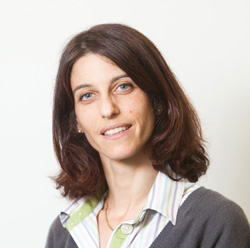
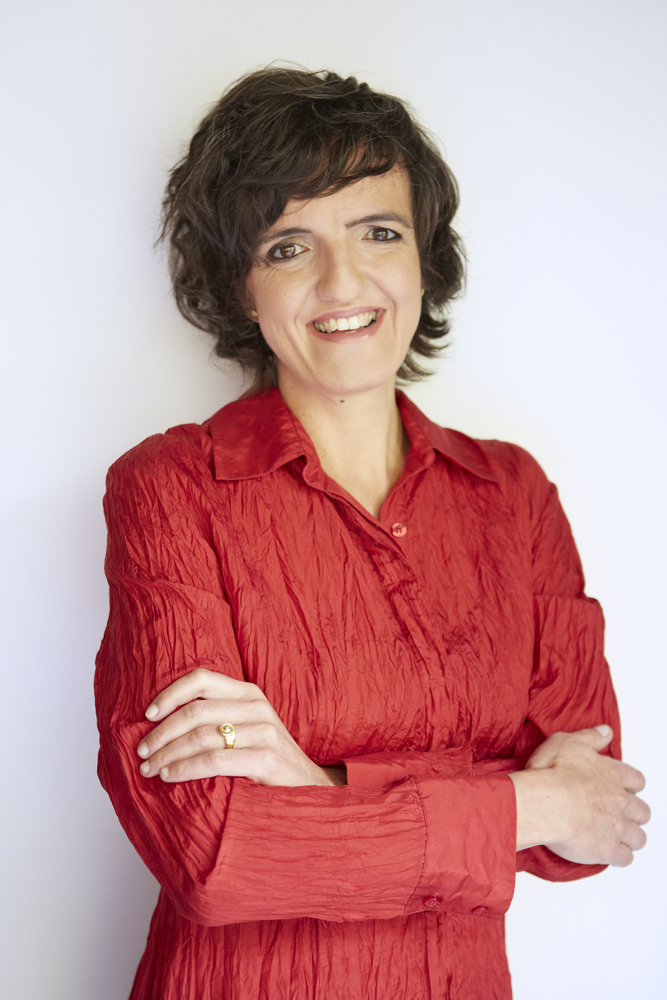
Caterina Ducati is a Professor of Nanomaterials at the Department of Materials Science & Metallurgy, University of Cambridge. Her research focuses on nanomaterials, their structure-property relationships, and applications in energy technologies, particularly photovoltaics, photocatalysis, and optoelectronics. Research Interests: In situ electron microscopy of nanomaterials under external stimuli (electrical, thermal, photonic), growth mechanisms of nanostructures (carbon nanotubes, semiconductor nanowires), and degradation processes in energy devices. Methodologies: Advanced characterization via HAADF STEM, TEM, and development of tools for real-time nanoscale observation. Recent publications highlight her work on perovskite solar cells, battery materials (Li, Zn, Na-ion), and ferroelectric thin films. She actively investigates degradation mechanisms in energy devices and develops novel fabrication techniques for nanocomposites. Scientific Recognition: A&B Post-doctoral Fellowship winners (institutional award) She supervises research groups utilizing the Wolfson Electron Microscopy Suite and contributes to interdisciplinary collaborations in materials for sustainability and healthcare applications.
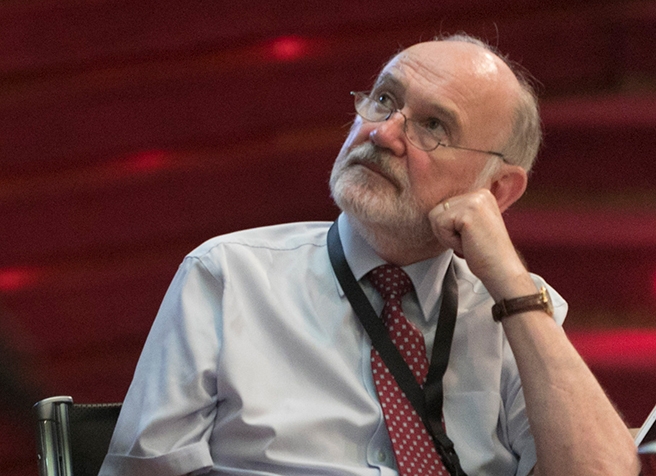
John Kilner is a Senior Research Investigator at Imperial College London, formerly holding the BCH Steele Professorship of Energy Materials and serving as Head of the Department of Materials and Dean of the Royal School of Mines. His research focuses on ionic and mixed-conducting ceramics, particularly for applications in fuel cells, oxygen separators, and sensors. He pioneered isotopic exchange SIMS techniques to study oxygen exchange and diffusion in oxide ceramics, with recent work centered on intermediate-temperature fuel cells and interfacial phenomena in solid electrolytes. Prof. Kilner's academic background includes over 30 years of research in materials science, leading to over 250 publications and multiple patents in fuel cell and gas separation technologies. He co-founded CeresPower Ltd, a successful spinout company. His work bridges fundamental materials science with applied energy technologies, emphasizing solid-state ionics and ceramic electrolyte development. Publications span advancements in garnet solid electrolytes, lithium-ion conductivity enhancement strategies, and in-operando microscopy analysis of battery materials. His contributions to the Journal of Solid State Ionics as European Editor highlight his role in shaping the field's academic discourse. Notably, Kilner advises doctoral research such as William Manalastas Wang’s thesis on ceramic lithium-ion electrolytes. His research team actively explores next-generation battery materials with a focus on improving energy density and stability through advanced ceramic engineering and surface analysis techniques.
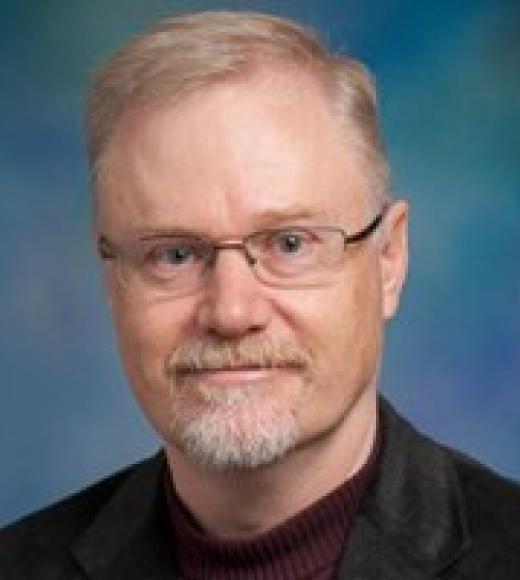
Joel Zylberberg is an Adjunct Assistant Professor at the University of California, Los Angeles (UCLA), affiliated with the Department of Ophthalmology within the School of Medicine . His research bridges Computational Neuroscience , Neural Networks , and Machine Learning , focusing on how neural activity and biological mechanisms inform artificial intelligence and visual cortex dynamics . Joel's work explores retinal computation , population coding , and neural adaptation , often analyzing mouse visual cortex and neurophysiological data . His recent publications highlight trends in dynamic retinal processes , stimulus-driven network topology , and brain-inspired machine learning , emphasizing the interplay between biophysics and computational modeling . Collaborators include Greg Field (UCLA), Richard Born (Harvard), and Michael DeWeese (UC Berkeley), with affiliations spanning institutions like University of Washington and University of California, San Diego (UCSD). His work appears in journals such as Nature Neuroscience , Neuron , and PLOS Computational Biology .
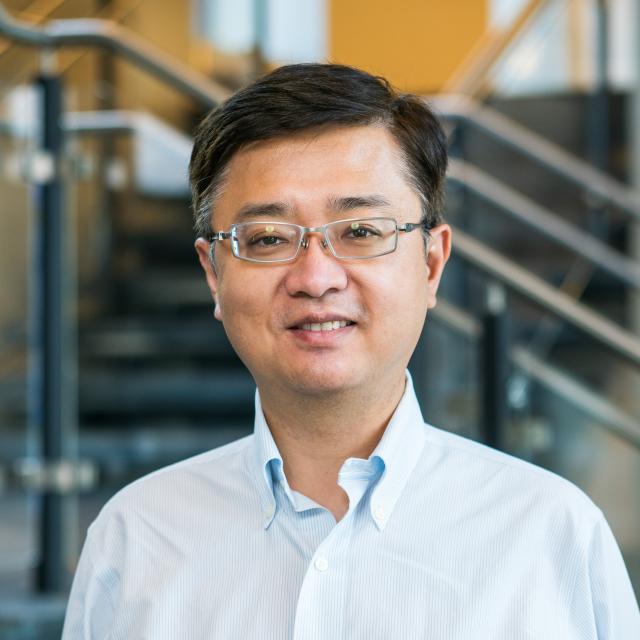
Harikesh S. Wong is an Assistant Professor of Biology and Core Member at the Ragon Institute of MGH, MIT, and Harvard. His research focuses on understanding how immune responses are controlled in tissues to balance host protection against threats like pathogens and tumors while avoiding excessive damage. He combines immunology, microscopy, computational methods, and gene manipulation to study immune response regulation in intact tissues. Education: PhD in 2016 from University of Toronto; BSc in Biochemistry from McMaster University (2010) His lab investigates mechanisms of immune homeostasis, including regulatory T cell feedback circuits and mesoscale T cell antigen discrimination. Recent work explores autoimmune disease susceptibility linked to IL-2 feedback circuit fragility and the role of commensal bacteria in liver immune zonation. Key findings include demonstrating how local regulatory T cells prune self-activated T cells and how interleukin 2 circuitry variations influence autoimmune risk. Articles highlight interdisciplinary approaches to dissect immune system control mechanisms. No scientific awards explicitly mentioned. Grants and advising details are not provided in the text. Labs/Teams: Wong Lab at the Ragon Institute focuses on immune system design principles and disease-related breakdowns in control mechanisms.
Dr. Hongli (Julie) Zhu is an Associate Professor in the Department of Mechanical and Industrial Engineering at Northeastern University's College of Engineering. Her research focuses on sustainable energy storage, multifunctional materials, and advanced manufacturing, with emphasis on developing environmentally friendly biomass-derived materials, all solid-state batteries, and flow batteries. She leads the ZHU Lab at Northeastern University, which is dedicated to creating safer, cheaper, and higher performance energy storage solutions while exploring multifunctional materials derived from nature. Dr. Zhu received her PhD from South China University of Technology and Western Michigan University (2004-2009). She conducted postdoctoral research at KTH Royal Institute of Technology in Sweden (2009-2011), focusing on biodegradable and renewable biomaterials from natural wood, followed by additional postdoctoral work at the University of Maryland (2012-2015), where she researched nanocellulose and energy storage. Dr. Zhu's research spans multiple disciplines at the intersection of materials science, energy storage, and sustainable manufacturing. Her work addresses critical challenges in energy storage technology, including developing all solid-state batteries, flow batteries, and high energy density battery systems. She has pioneered research in sustainable biomass-derived materials, particularly investigating cellulose, hemicellulose, and lignin for applications in bendable, implantable, and biocompatible electronics. Her lab also focuses on advanced manufacturing techniques, including high-speed roll-to-roll processing for emerging advanced materials and devices. Analysis of Dr. Zhu's publication record reveals a strong focus on next-generation battery technologies, particularly solid-state systems. Her research demonstrates significant contributions to understanding and improving lithium dendrite suppression, electrode architecture optimization, and interface stabilization in solid-state batteries. She has also made substantial advances in sustainable materials derived from natural resources, developing applications for cellulose nanostructured fibers, paper, and aerogel/hydrogel systems. MRS Communications Early Career Distinguished Presenters and JMR Distinguished Invited Speakers (2024) Selected in Stanford University List of Top 2% Scientists Worldwide (2021-2024) College of Engineering Faculty Fellow (2023) Soren Buus Outstanding Research Award (2022) Women in Materials Science, Advanced Materials (2021 and 2022) Women Scientists at the Forefront of Energy Research, ACS Energy Letters (2020) Innovator of the Year 2013, Maryland Jakob Wallenberg Scholarship, Sweden Dr. Zhu has secured significant research funding from various sources, including the National Science Foundation and Department of Energy. Her current projects include "Uncovering the mechano-electro-chemo mechanism of fresh Li in sulfide based all solid-state batteries through operando studies" (NSF), "Enabling Advanced Electrode Architecture through Printing Technique" (DOE), and "Engineering the Metal Sulfide Interface in All Solid State Batteries through Operando Study" (NSF). She collaborates with industry partners including Rogers Corporation and has developed patented technologies related to sustainable materials and energy storage. Dr. Zhu serves as Codirector of Advanced & Intelligent Manufacturing, Editor of Progress in Materials Science, and on the Editorial Advisory Board of Chemical Society Reviews. The ZHU Lab at Northeastern University is a highly interdisciplinary research group that bridges scales from the nanoscopic to macroscopic and system level. The lab's work has led to numerous patents, including "Natural fiber composites as a low-cost plastic alternative" and "Fire-retardant Nanocellulose Aerogel, and Methods of Preparation and Uses Thereof." The group focuses on making energy storage safer, cheaper, and higher performing while exploring multifunctional materials derived from nature, with particular emphasis on applying high-speed roll-to-roll manufacturing to emerging advanced materials and devices.
Steve Luck is a Distinguished Professor at the University of California, Davis, holding appointments in the Department of Psychology and the Center for Mind and Brain (CMB). He served as CMB Director from 2009–2019 and is affiliated with the UC Davis MIND Institute and the Center for Neuroscience. His research focuses on attention, working memory, and cognitive dysfunction in psychiatric disorders (e.g., schizophrenia), employing ERP recordings, eye tracking, and behavioral methods. He is a leading developer of ERP methodologies, including the ERPLAB Toolbox and global ERP Boot Camp workshops. Education: Ph.D., Neurosciences, UC San Diego, 1993 M.S., Neurosciences, UC San Diego, 1989 B.A., Psychology, Reed College, 1986 Research Interests: Dr. Luck explores mechanisms of cognitive control, with a focus on working memory's role in guiding attention. His lab investigates ERP correlates of attentional deficits in schizophrenia and develops standardized ERP protocols. Recent work emphasizes multivariate decoding of EEG signals and transdiagnostic neurocognitive biomarkers. Awards: Troland Award (2001) APA Distinguished Scientific Award (1998) McGuigan Young Investigator Prize (2004) Elected Fellow, Society of Experimental Psychologists and AAAS Teaching & Leadership: Professor Luck pioneered hybrid course formats in Cognitive Science and teaches advanced topics in perception and cognitive neuroscience. He co-founded the UC Davis Cognitive Science major and advocates for innovative undergraduate education models. Labs & Collaborations: The Luck Lab integrates clinical and basic research, collaborating globally on ERP method development and schizophrenia biomarker studies. Key projects include ERP Core resources and the CNTRACS consortium for neurocognitive reliability studies.
Miler T. Lee is an Associate Professor at the University of Pittsburgh , focusing on gene regulation during early embryonic development through high-throughput experimental and computational genomics. He earned his Ph.D. in Genomics and Computational Biology in 2009 from the University of Pennsylvania under Dr. Junhyong Kim, followed by postdoctoral work with Dr. Antonio Giraldez at Yale University. Joining the university in 2016, his research spans maternal-to-zygotic transition (MZT), RNA stability, pluripotency networks, and evolutionary developmental biology, utilizing model organisms like zebrafish, Xenopus, and Hydractinia symbiolongicarpus. Key Research Themes: Maternally inherited RNA dynamics during embryogenesis Mechanisms of RNA degradation and transcriptome remodeling Evolution of pluripotency networks in hybrid species Role of zinc signaling in fertilization barriers Computational tools for RNA regulation and sensing Scientific Awards: Pan-American Society for Evolutionary Developmental Biology Junior Faculty Award (2024) Outstanding New Investigator – International Xenopus Board (2023) Basil O'Connor Scholar – March of Dimes (2017-2019) Recent publications highlight his work on enhancer classification, RNA degradation mechanisms, and cross-species MZT comparisons. His lab develops innovative methods like RESA for regulatory sequence analysis and studies evolutionary divergence in RNA localization patterns. While the articles span computational and experimental approaches, they consistently address RNA's role in cellular identity, developmental timing, and evolutionary adaptation. Applications include understanding pluripotency, designing RNA biosensors, and elucidating fertilization barriers. Prospective Ph.D. students are encouraged to contact him for opportunities in gene regulation, development, evo-devo, and computational genomics.
Prof. Dr. Gaia Tavosanis is a faculty member at RWTH Aachen University , affiliated with the Department of Developmental Biology . Her research focuses on the cellular and molecular mechanisms underlying neuronal resilience and dynamics in Drosophila , particularly during development and adult life. Research Interests Her work investigates dendritic structural remodeling, lipid metabolism in neuronal health, and the role of the Drosophila mushroom body in sensory processing and memory formation. These studies integrate genetic models, advanced imaging techniques, and functional analyses to uncover conserved biological principles. Publications Trends Recent publications highlight her expertise in neurodevelopmental mechanisms, lipid metabolism in neurons, and computational ethology using Drosophila . Key themes include dendritic plasticity, disease modeling, and neural circuitry optimization. Contact Email: gaia@devbiol.rwth-aachen.de Phone: +49 241 80 20870 Address: Worringerweg 3, 52074 Aachen, Germany
Karl Farrow is a Senior Lecturer at the Faculty of Sciences , KU Leuven , affiliated with the Department of Biology and the Animal Physiology and Neurobiology unit. He is also a member of the VIB-KU Leuven Center for Neuro Electronics Research Flanders (NERF) and the KU Leuven Brain Institute . Dr. Farrow's research focuses on neurobiology and visual processing , particularly the role of retinal ganglion cells and neural circuits in the superior colliculus . His work explores direction selectivity, motion perception, and adaptive mechanisms in visual systems under varying ambient conditions. His recent projects include dissecting the neural basis of threat responses in the superior colliculus, studying evolutionary influences on innate behavior circuits, and developing tools like a single-objective light sheet microscope for 3D tissue analysis. Collaborative efforts involve synaptic transmission studies in amyloid-beta precursor protein interactions.
Dr. Barbara L. Hempstead is a Professor of Neuroscience and Medicine at Weill Cornell Medical College, where she has held positions since 2001 and 2002 respectively. Her research focuses on neurotrophin signaling mechanisms, particularly the roles of BDNF and its receptors in neuroinflammation, synaptic plasticity, and neurodegenerative diseases. She has made significant contributions to understanding proBDNF/proNGF signaling pathways in neuronal apoptosis and vascular biology. Education: M.D., Ph.D., Washington University School of Medicine (1982) B.A., Tufts University (1976) Dr. Hempstead's work bridges molecular neuroscience and cardiovascular biology, with a particular interest in receptor stoichiometry (p75NTR, TrkB), neurotrophin-induced synaptic remodeling, and therapeutic applications of neurotrophin modulators in Huntington's disease and post-seizure neuronal injury. Her lab investigates how genetic variants like BDNF Val66Met influence anxiety-related behaviors, social memory, and neurodegenerative disease progression through altered neurotrophin trafficking and signaling. Her recent publications highlight neuroinflammatory mechanisms (2023), immune-neurotrophin interactions (2022), and molecular pathways involving BDNF prodomain structure (2020) and SorCS2-mediated receptor trafficking (2017-2020). While no scientific awards are explicitly mentioned in the scraped text, her funded research (National Institute on Aging, NIMH) demonstrates sustained recognition of her work in neurotrophin biology. Dr. Hempstead's lab develops in vitro and in vivo models to study neurotrophin-receptor dynamics, including 3D culture systems for angiogenesis research and transgenic mouse models for Huntington's disease. Her interdisciplinary approach combines molecular neurobiology with vascular physiology to uncover novel therapeutic targets for neurological and cardiovascular conditions.
Ju Lu serves as an Assistant Professor at Lehigh University with office location in Iacocca Hall (room 0111), contactable via phone (610.758-3687) and email (jul724@lehigh.edu). Her academic position reflects active engagement in neuroscience research and education within the university's life sciences framework. Education Background: Ph.D. in Neurobiology from Harvard University (2008) B.Eng. in Microelectronics from Tsinghua University (2002) Research Focus: Dr. Lu's work pioneers investigations into neural circuit dynamics and synaptic plasticity mechanisms using advanced optical imaging technologies. Her research spans: Cortical circuit reorganization during motor skill acquisition across species Stress-induced synaptic alterations mediated by microglia in prefrontal circuits Therapeutic applications of psychedelic compounds for neural circuit restoration Development of three-photon microscopy for deep-brain imaging Genetically-encoded neurotransmitter sensors for in vivo studies This multidisciplinary approach bridges molecular neuroscience, systems-level circuit analysis, and translational mental health applications. Publication Trends: Analysis of Dr. Lu's 15 most recent publications (2016-2023) reveals an evolving trajectory from foundational studies on dendritic spine plasticity toward translational neuroscience. Early work emphasized optical imaging methodology and basic plasticity mechanisms, while her 2021-2023 publications increasingly focus on stress-related circuit disruptions and psychedelic therapeutics. A consistent thread involves combining high-resolution in vivo imaging with behavioral models to establish causal links between neural circuit dynamics and cognitive functions. Honors and Awards: No scientific awards or fellowships were documented in the provided materials. Mentorship and Funding: While specific student mentees and grant funding details are not specified in the source text, her extensive collaborative publication record indicates active supervision of research personnel and successful acquisition of research support. Research Infrastructure: Her methodological expertise in advanced microscopy suggests utilization of specialized imaging facilities, though no dedicated laboratory or research team is explicitly identified in the available documentation.
Silvia Arber holds a joint appointment as Full Professor for Neurobiology/Cell Biology at the Biozentrum, University of Basel, and serves as Senior Group Leader at the Friedrich Miescher Institute (FMI) in Basel, Switzerland. Her laboratory investigates the organization, function, and development of neuronal circuits controlling motor behavior, with a particular focus on how these circuits enable precise movement control. Arber obtained her PhD in 1996 from the Friedrich Miescher Institute under Pico Caroni, followed by postdoctoral training with Thomas Jessell at Columbia University (1996-2000), where she studied transcription factors in spinal cord neuronal differentiation. Her educational background includes Biology II studies at the Biozentrum of the University of Basel with graduation in Cell Biology (1987), a diploma thesis at the FMI (1990), and graduate work at the FMI (1992). Her research program centers on elucidating how neuronal circuits orchestrate accurate motor behavior in response to sensory cues and voluntary movement initiation. Using mouse as a model system, her laboratory employs multi-faceted approaches including advanced mouse genetics, viral technologies for transsynaptic circuit tracing, optogenetics and pharmacogenetics for functional manipulation, quantitative behavioral analysis, electrophysiology, and gene expression profiling. Her work has revealed precise synaptic interactions within dedicated motor circuit modules throughout the nervous system and how these impact function, with implications for understanding diseases causing motor deficits and spinal cord injury. Analysis of Arber's publication record shows a consistent focus on motor circuit organization, with particular emphasis on transcriptional control mechanisms, circuit connectivity mapping, and the relationship between developmental processes and functional circuit organization. Her work bridges molecular, cellular, and systems neuroscience, providing fundamental insights into how the nervous system controls movement. The Brain Prize (2022) Elected to the National Academy of Sciences of the United States (2020) Physiological Society Annual Review Prize Lecture (2019) Pradel Research Award (2018) W. Alden Spencer Award (2018) Louis-Jeantet Prize for Medicine (2017) ERC Advanced Grant (2010-2015) EMBO Member (2005) EMBO Young Investigator Award (2001) While specific students are not listed in the provided materials, Arber's laboratory has received significant research funding including an ERC Advanced Grant (2010-2015) and multiple prestigious awards supporting her research program. Her laboratory at the Biozentrum (Room 11.038) collaborates closely with the Friedrich Miescher Institute, where she serves as Senior Group Leader. The research group employs cutting-edge technologies for neural circuit analysis and has contributed fundamental insights into motor circuit organization, with implications for understanding and potentially treating movement disorders and spinal cord injuries.
Magnus Richardson is a Professor at the University of Warwick, affiliated with the Mathematics for Real-World Systems Centre for Doctoral Training (CDT), where he previously served as Director (2016–2020) and currently acts as Deputy Director. His research focuses on theoretical neuroscience, mathematical modeling of neural systems, and neurodegenerative diseases. He has led significant grants, including the UKRI-funded £5M renewal for the CDT, extending its operations until 2028. Richardson has supervised numerous doctoral students, including Alice Wang, Ivana Del Popolo, and alumni such as Dr. Emily Hill and Dr. Robert Gowers. His work bridges computational neuroscience and experimental biology, investigating topics like synaptic plasticity, adenosine signaling, and the impact of protein aggregates (e.g., tau, α-synuclein) on neuronal function. Richardson’s teaching includes modules on mathematical biology and machine learning. His GitHub repositories reflect his computational contributions, including neural modeling frameworks for integrate-and-fire neurons. Key research themes include understanding how synaptic inputs and neuromodulators influence neuronal dynamics, and developing mathematical tools to analyze neural systems under pathological conditions. Richardson’s grants and collaborations highlight his role in advancing interdisciplinary research at the intersection of mathematics, neuroscience, and computational biology.
Prof. Thomas Kuner is a Professor and Director of the Department of Functional Neuroanatomy at the University of Heidelberg's Medical Faculty. He holds a medical degree (MD) from Heidelberg (1998) and completed postdoctoral work at Duke University and the Marine Biological Laboratory. Since 2000, he has led a research group at the Max Planck Institute for Medical Research, followed by habilitation in Physiology (2003) and appointment as Professor of Anatomy and Cell Biology (2006). Research Focus: His work focuses on neuroanatomy, synaptic transmission mechanisms, and pain research. Key projects include investigations into the structural and functional properties of synapses (e.g., calyx of Held), the role of presynaptic proteins like Mover, and the molecular basis of pain signaling via the SFB 1158 consortium. His lab uses advanced imaging techniques (e.g., STED microscopy) and genetic models to study neuronal circuits and synaptic plasticity. Funding & Collaborations: Kuner's research is supported by grants from the DFG (e.g., SFB 1158), the Baden-Württemberg Foundation, and other national/international bodies. His interdisciplinary approach bridges cellular neuroscience, molecular biology, and clinical applications in pain management. Teaching & Leadership: He oversees the Institute of Anatomy and Cell Biology, contributing to graduate programs in medical education and anatomy. His team includes postdocs and technicians, with collaborations extending to imaging technology development and medical education innovation.
Kimberly Keil Stietz is an Assistant Professor in the Department of Comparative Biosciences at the University of Wisconsin-Madison School of Veterinary Medicine. Her research focuses on environmental toxicology, neurotoxicology, and urology, particularly examining how developmental exposure to polychlorinated biphenyls (PCBs) affects urinary function. Education: B.S. in Biology, St. Norbert College (2010) Ph.D. in Comparative Biosciences, University of Wisconsin-Madison (2014) Postdoctoral research in neurotoxicology, University of California-Davis (2015-2019) Stietz's lab investigates the effects of environmental contaminants on the lower urinary tract, emphasizing PCB exposure during development. Using in vitro and in vivo mouse models, the lab studies disruptions in bladder epithelium organization, nerve fiber patterning, inflammation, and peripheral-central nervous system crosstalk. Key projects include analyzing PCB impacts on bladder barrier function, innervation patterns, inflammatory responses, and dorsal root ganglia signaling. Recent publications highlight her work on PCB effects across multiple domains: adult female bladder contractility (2023), prostatic collagen changes (2023), machine learning-aided metabolite analysis (2023, 2022), and developmental PCB exposure links to voiding physiology (2022). Her 2021 studies explored behavioral phenotypes in PCB-exposed mice, dendritic effects, and bladder inflammation, while 2019 work included host-microbe interactions and open-source uroflowmetry tools.