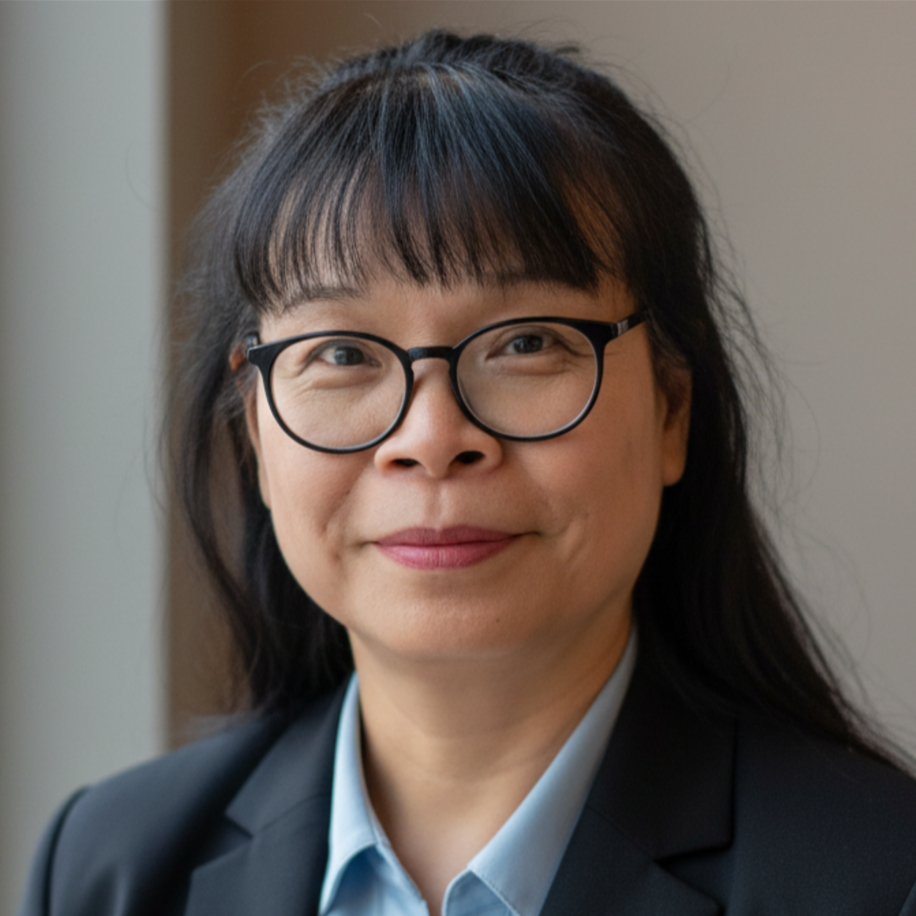
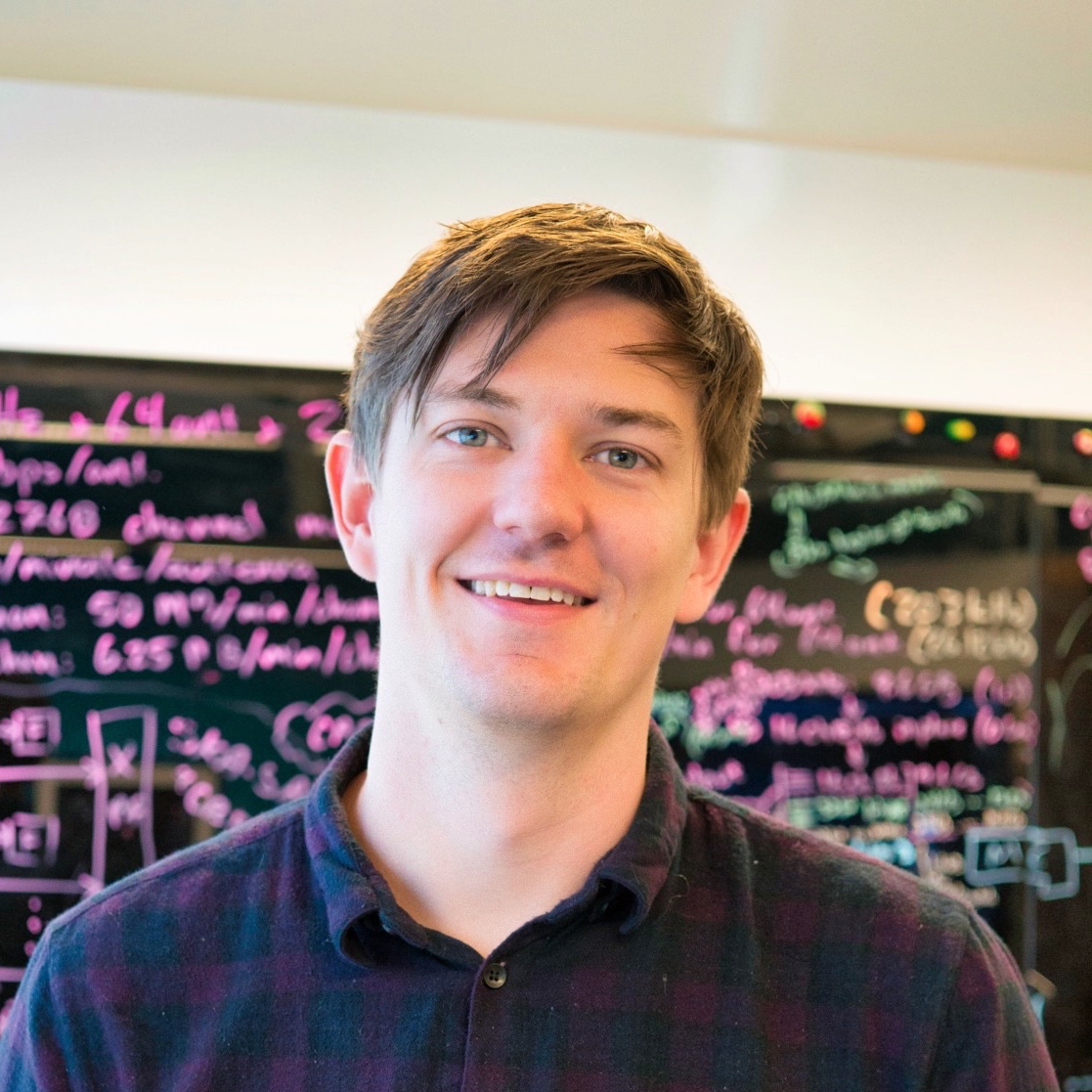
Ba-Ngu Vo is Professor at Curtin University's School of Elec Eng, Comp and Math Sci, specializing in random finite sets and multi-target tracking. His research develops Bayesian filtering methods for applications in sensor fusion and signal processing. His publications focus on advanced algorithms for multi-object estimation, trajectory analysis, and sensor network optimization. Recent work includes innovations in 3D multi-object tracking and efficient Gibbs sampling techniques. Professor Vo collaborates internationally on projects involving autonomous systems, drone coordination, and real-time tracking technologies.
Professor Benchawan Wiwatanapataphee holds a PhD from Curtin University (1998) and has extensive academic experience, previously serving as a Professor and Deputy Head of the Department of Mathematics at Mahidol University until 2015. Since 2015, she has been an Associate Professor (now Professor) in the School of Electrical Engineering, Computing and Mathematical Sciences at Curtin University. Her research focuses on computational mathematics, including applications in biomedical engineering, finance, and nanotechnology. Notable contributions include modeling blood flow in coronary arteries, heat transfer in steel casting, and epidemic spread dynamics. She has supervised over 20 PhD and 12 MSc students, secured nine national research grants (including ARC and Thailand Research Funds), and published over 50 peer-reviewed papers. Awards include the Third World Academy of Science Award (1999) and Royal Thai decorations such as the Chakrabarti Mala Medal (2019). She has held editorial roles for journals like Cogent Mathematics and guest-edited special issues in Mathematical Problems in Engineering. Teaching expertise spans Advanced Numerical Analysis, Supply Chain Modeling, and Computational Mathematics. Active in interdisciplinary research, her work bridges theoretical mathematics with practical applications in healthcare, industry, and finance.
Dr. Danny Price is an Adjunct Senior Lecturer at Curtin University, affiliated with the Curtin Research Institute and Curtin Institute of Radio Astronomy (CIRA). He holds a position as SKA-Low Operations Scientist and is part of the Faculty of Science and Engineering within the School of Electrical Engineering, Computing and Mathematical Sciences (EECMS). His research focuses on low-frequency radio astronomy, instrumentation, digital signal processing, 21-cm cosmology, fast radio bursts (FRBs), pulsars, and technosignatures related to SETI. Price has contributed to developing novel file formats like SDHDF and optimizing beamforming techniques for large-scale radio telescopes. His work spans Breakthrough Listen projects targeting nearby stars, galaxies, and the Galactic Center, leveraging advanced machine learning and GPU computing for signal analysis. He has also been involved in infrastructure development for the Square Kilometer Array (SKA) and collaborates globally on radio transient monitoring systems. His teaching contributions span multiple disciplines including the Centre for Aboriginal Studies, Business and Law, Health Sciences, Humanities, and Science & Engineering. Affiliated across Curtin's campuses in Australia, Dubai, Malaysia, Mauritius, and Singapore, Price emphasizes interdisciplinary approaches to radio astronomy challenges. His publications highlight advancements in search pipelines for FRBs and technosignatures, hardware management systems, and the application of cutting-edge computational methods in radio instrumentation. While no formal awards are listed, his research has produced impactful work in cosmic dawn studies and pulsar timing methodologies.
Professor Mohamed Shahin is a faculty member at Curtin University's School of Civil and Mechanical Engineering, part of the Faculty of Science and Engineering. He currently holds the position of Professor and serves in the Office of the Provost. His primary roles include advancing research in geotechnical engineering and mentoring students. He is affiliated with multiple professional societies, including Engineers Australia, American Society of Civil Engineers (FASCE), and the International Society for Soil Mechanics & Geotechnical Engineering. Prior to his current role, he has held positions including Associate Professor (2012–2020), Senior Lecturer (2009–2011), and Lecturer (2006–2009) at Curtin University. His research focuses on computational geomechanics, ground improvement techniques (e.g., bio-cementation and geopolymer stabilization), and transportation geotechnics. He has pioneered innovations in microbial-induced calcite precipitation (MICP) for soil stabilization and has contributed extensively to railway track dynamics and infrastructure resilience. Shahin has authored over 200 peer-reviewed articles, edited several books, and holds editorial roles in journals like Geosciences and Canadian Geotechnical Journal . His work has earned prestigious awards, including the Fredlund Award (2018) and recognition in global rankings like Research.com. He actively promotes sustainable engineering solutions and has supervised numerous graduate students, fostering the next generation of geotechnical professionals. His research extends to subsea infrastructure, corrosion-resistant alloys, and AI-driven modeling, addressing challenges in offshore pipelines and environmental geotechnics. He leads initiatives in ground improvement for transportation systems and collaborates internationally on projects involving bio-cementation and geopolymer applications. Awards highlight his contributions to both research and teaching, including awards from Curtin University for excellence in innovation and pedagogy. His work bridges theoretical advancements with practical applications, ensuring civil infrastructure resilience in diverse environments.
Assoc. Professor Moeava Tehei is an academic leader in targeted nanotherapies and medical radiation physics at the University of Wollongong (UOW), School of Physics, within the Faculty of Engineering and Information Sciences. He leads the Targeted Nano-Therapies team at the Centre for Medical Radiation Physics (CMRP) and serves as Head of Postgraduate Studies in Physics (2024–present). He holds a PhD in Physics from Grenoble Alpes University (France, 2002) and has over two decades of expertise in radiation-based cancer therapies, synchrotron applications, and nanoparticle research. Research interests span targeted nanoparticle-enhanced radiotherapy, synchrotron microbeam radiation therapy (MRT), and multimodal cancer treatment strategies. His work integrates biophysics, nanotechnology, and clinical translation, with a focus on glioblastoma and other brain cancers. Key contributions include pioneering the use of high-Z nanoparticles as radiosensitizers and advancing preclinical models for MRT efficacy testing. Tehei has secured over $2 million in competitive grants, including an NHMRC Project Grant as lead CI. He founded the Targeted Nano-Therapies team (2012) and co-organized major conferences like Radiation 2012 and Innovation in Radiation Applications 2017. His editorial roles include membership on the boards of Scientific Reports (Nature) and Journal of Nanotheranostics . Award-winning research includes the French Neutron Society's Thesis Prize and Biophysics Society's Young Researcher Prize. His students have won national awards in biomedical engineering and physics. Current leadership roles include Faculty Education Committee membership and integrity officer duties at UOW. Key facilities used: Australian Synchrotron, preclinical imaging systems (IVIS SpectrumCT), and advanced flow cytometry setups. Research aligns with SDGs 3 (Health) and 9 (Innovation in Industry).
Dr. Elette Engels is an Associate Research Fellow at the University of Wollongong's School of Physics and the Australian Nuclear Science and Technology Organisation (ANSTO). Her work focuses on advancing cancer treatment through synchrotron-based therapies, including microbeam radiation therapy and FLASH radiotherapy. She holds a PhD in Medical Physics (2021) and has published extensively in radiobiology, nanoparticles, and medical imaging. Engels has received awards such as the 2022 ACPSEM PhD Thesis Award and the 2022 AINSE SAAFE Scholarship for international research. Education: PhD in Medical Physics (University of Wollongong, 2021); BSc (Advanced Honours) in Medical and Radiation Physics (2015). Research interests include synchrotron radiation applications, nanoparticle-enhanced therapies, and preclinical radiotherapy. She leads projects funded by NHMRC, ANSTO, and DAAD grants, focusing on improving radiation dose modulation and treatment efficacy. Engels teaches first-year physics courses (PHYS141/142/143) and collaborates with multidisciplinary teams at ANSTO and the Australian Synchrotron. Funding Highlights: NHMRC Grant (2025-2028): Microbeam Therapy for Cancer Treatment ANSTO Synchrotron Access Programs (2023-2024): Dose Measurement Studies DAAD Australia-Germany Joint Cooperation (2022-2024): 3D Dosimetry Algorithms Awards: ACPSEM MedPhys Prize (2017, 2020) AIP NSW/ACT Postgraduate Excellence Award (2017) Best Presentation Awards at International Conferences (2017-2021) Lab/Collaborations: Imaging & Medical Beam Line at Australian Synchrotron, ANSTO, and international teams at ESRF (France).
Manish Narsipura Sreenivasa is a Senior Lecturer at the School of Mechanical, Materials, Mechatronic and Biomedical Engineering, University of Wollongong (since 2018). Previously, he held postdoctoral roles at the University of Heidelberg (Germany) and University of Tokyo (Japan), focusing on neuromuscular system modeling. He earned his Ph.D. in Systems Engineering from the University of Toulouse-Jean Jaurès (France). His research integrates computational neuroscience, biomechanics, and robotics to develop assistive devices like exoskeletons and prosthetics. Key areas include patient-specific orthosis design, neuromusculoskeletal modeling for clinical interventions, and spinal exoskeleton optimization. He leads projects funded by the EU H2020 (Spexor) and Australian grants. Fields of Expertise: Biomechanics, Medical Robotics, Wearable Technologies Awards: Hengstberger Award (2015), Leopold Escande Thesis Prize (2010), IEEE Best Paper (2010) Supervision: Active advisor for 6 Ph.D./Master’s students in biomechanics and robotics His recent work emphasizes human-device interaction in exosuits, sensory feedback systems for prosthetics, and ergonomic solutions for construction workers. He collaborates with orthopedic departments and industry partners to translate research into clinical applications.
Dr. Leah Barclay is a Senior Lecturer in Design and Discipline Lead at the University of the Sunshine Coast's School of Business and Creative Industries. She holds a PhD (Griffith University) and BMus (Honours) from the Queensland Conservatorium Griffith University. Her work bridges sound art, design, and science to address environmental challenges, focusing on ecoacoustics, acoustic ecology, and conservation technology. Key projects include Biosphere Soundscapes (mapping UNESCO reserve soundscapes) and River Listening (freshwater ecosystem monitoring via hydrophones and AR). She leads interdisciplinary initiatives like Listening to Country , collaborating with Indigenous communities to integrate acoustic ecology into cultural preservation. Her research has been supported by grants from the Australia Council, Lowitja Institute, and Ian Potter Cultural Trust. Awarded the 2019 APRA AMCOS Experimental Music Prize, Barclay's work has been exhibited globally, including at the Smithsonian Museum and COP21 Paris. She advocates for deep listening as a tool for climate action and community reconnection with nature. Professional memberships include the World Forum for Acoustic Ecology and Climate Reality Leadership Corps.
Ruitao Feng is a Lecturer in IT (Cybersecurity) at the Faculty of Science and Engineering, Southern Cross University. He holds an adjunct role as a Research Fellow at Nanyang Technological University (Singapore). His expertise spans cybersecurity, software engineering, and AI-driven security solutions. He earned his Ph.D. in Computer Science from NTU (2016–2021) and a Bachelor’s degree from Tianjin University (2010–2014). His research focuses on security and quality assurance in software systems, particularly leveraging AI4Sec & SE for intrusion detection, malware analysis, and vulnerability detection. He actively collaborates with students and researchers to advance these fields. He teaches courses like DATA2001 Database Systems and INFO6002 Cybersecurity Essentials . Ruitao is recruiting self-motivated Ph.D. candidates with strong programming skills and seeks honors/minor thesis students from SCU. His work has been published in top-tier conferences/journals (CORE A/A*, CCF A) in computer security and software engineering.
Dr. Jee Ra is a researcher affiliated with the School of Mathematics, Physics and Computing at the University of Southern Queensland. Their work focuses on integrating advanced technologies like UAV systems, machine learning, and remote sensing to address challenges in mining geotechnics, environmental monitoring, and precision agriculture. Key research areas include coal spoil characterization, vegetation resilience modeling, and automated geospatial analysis. Education: Bachelor of Science in Physics, Seoul Women's University Graduate Diploma in Education, University of Technology Sydney Master of Science, University of Southern Queensland Doctor of Philosophy, University of Southern Queensland Research interests span geomatics, environmental impact assessment, and high-throughput plant phenotyping. Their recent work emphasizes fusion of spectral data with structural analysis for applications in mine rehabilitation and crop disease forecasting. Over 20+ peer-reviewed publications since 2013 demonstrate expertise in multidisciplinary approaches combining AI, IoT, and geospatial technologies. Key Trends in Publications: A growing focus on UAV-based solutions for spoil pile mapping and vegetation analysis, with increasing emphasis on transfer learning algorithms and automated hyperspectral index derivation. Work also bridges engineering and environmental sciences through 3D point cloud analysis and LiDAR applications in mining and agriculture. Collaborative Work: Active in developing open-source tools for thermal/multispectral image analysis and IoT-enabled sensors for in-field crop measurements. Contributions to sustainable mining practices include remote sensing-based wetland assessment and geotechnical stability analysis of mine dumps.
Ickjai Lee is an Associate Professor at the School of IT, James Cook University, specializing in geoinformatics and intelligence informatics. He leads the Information Technology department and has held roles including Senior Lecturer and Lecturer since 2003. He obtained his PhD in 2002 from the University of Newcastle, Australia. Research Interests: Geospatial data mining, trajectory analysis, Voronoi tessellations, mobile AR, and IoT applications. Projects: Includes VR healthcare trials, AI-driven vehicle damage assessment, and environmental monitoring systems. His work focuses on applying machine learning and geospatial techniques to solve real-world problems in health, environmental, and urban domains. Notable achievements include best paper awards at international conferences and faculty citations for teaching excellence. He collaborates on interdisciplinary projects, such as using AR for marine growth monitoring and developing tools for crime pattern analysis. His research also involves large-scale ecoacoustic data analysis and VR-based education platforms. Lee has supervised numerous PhD students exploring topics like differential privacy in biokinetics, spatio-temporal anomaly detection, and VR in cultural heritage preservation.
Abdul Hafeez-Baig is Associate Professor of Information Systems in the School of Business at the University of Southern Queensland. He holds a BSc from Punjab University, BBus and PhD from USQ, and MBA/MIS from Griffith University. His research focuses on health information systems, telehealth adoption, mobile technologies in healthcare, cybersecurity policy, and AI applications in medical diagnostics. Recent work explores deep learning models for medical image analysis and disease prediction. Publications demonstrate strong cross-disciplinary focus, integrating computer science with healthcare applications. Research trends include neural networks for medical imaging, telehealth systems analysis, and AI-driven diagnostic tools. He maintains additional expertise as accredited translator for Punjabi and Urdu languages.
Jim Shiau is an Associate Professor in Geotechnical Engineering at the University of Southern Queensland (USQ), affiliated with the School of Engineering. He holds a PhD from the University of Newcastle, Australia, and has over 25 years of academic and professional experience in geotechnical engineering, including post-doctoral research under Laureate Professor Scott Sloan. His research focuses on geotechnical stability, tunneling, sinkhole analysis, and machine learning applications in civil engineering. Shiau has organized multiple international conferences and is recognized for contributions to geotechnical education using innovative teaching methods like project-based learning and video-based online instruction. He received a USQ Teaching Award for his pedagogical innovations. Education: PhD (Geotechnical Engineering, University of Newcastle, 2001), MEng (Civil Engineering, University of New South Wales, 1992). Early career involved geotechnical design for metro projects and high-rise buildings. His professional experience bridges academia and industry, emphasizing practical applications of geotechnical principles. Research Interests: Shiau specializes in advanced numerical methods (finite element limit analysis), stability of underground structures (tunnels, foundations), sinkhole mechanisms, and integration of machine learning for predictive modeling. His work addresses challenges in soft ground tunnelling, soil-structure interaction, and seismic resilience of geotechnical systems. Recent projects include studies on pipeline burst impacts, 3D trapdoor stability, and optimization of pile foundations using metaheuristic algorithms. Labs/Teams: Leads the Research Laboratory for Tunnelling and Sinkhole Analysis. Collaborates internationally on projects involving computational geomechanics and geotechnical risk assessment. Active in mentoring early-career researchers through conference organization and editorial roles in journals like Tunnelling and Underground Space Technology .
Commonwealth Scientific and Industrial Research OrganisationAustralia
Changming Sun is a Conjoint Professor at UNSW's School of Computer Science and Engineering and Principal Research Scientist at CSIRO Data61. His research spans computer vision, stereo imaging, 3D reconstruction, and deep learning applications. He develops algorithms for image matching, feature detection, and motion analysis. Sun's work has applications in digital agriculture, medical imaging, manufacturing, and environmental monitoring. He leads projects on efficient stereo matching, linear feature detection, and circular path optimization techniques for image analysis. Educational Background: PhD in Computer Vision (Imperial College London) BSc (Beijing University of Aeronautics and Astronautics)
Dr. Cheng Cheng is a Senior Research Officer at the Australian National University's School of Engineering. He holds a Bachelor of Engineering (Honours) and PhD from ANU. His research focuses on renewable energy integration, decarbonization pathways, energy system modeling, and GIS analysis. He specializes in optimizing off-river pumped hydro energy storage systems. Cheng leads multiple renewable energy projects funded by government and industry grants, and has developed methodologies for energy demand forecasting and least-cost optimization. His work bridges theoretical energy modeling with practical implementation through collaborative outreach activities. Education: B.Eng(Hons) & PhD (Australian National University) Research interests emphasize sustainable energy transitions, with particular attention to geospatial analysis for energy infrastructure planning. His recent projects include developing frameworks for integrating renewable generation with storage solutions. Over 150 publications span machine learning applications in energy systems, astrophysics, and bioinformatics. Awards include academic fellowships supporting his interdisciplinary work. Cheng collaborates with industry partners to translate research into policy and technology. He directs the ANU's Renewable Energy Integration Lab (RE100), advancing grid stability solutions through innovative storage technologies. His work has been recognized in special issues of journals focusing on robust machine learning applications.