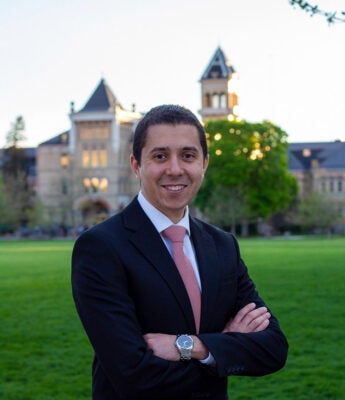
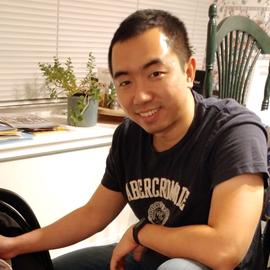
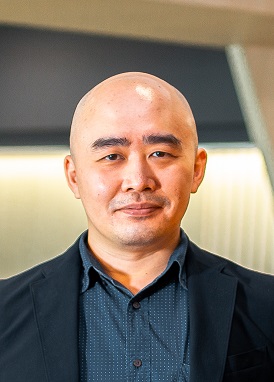
Aser Abbas is an Assistant Professor in the Department of Civil and Environmental Engineering at the University of Rhode Island . His expertise lies in geotechnical and structural engineering, with a focus on earthquake engineering, soil-pile interaction, and machine learning applications. Ph.D., Civil and Environmental Engineering, Utah State University (2024) M.E., Systems and Material Engineering, Alabama A&M University (2020) M.Sc., Structural Engineering, Mansoura University (2017) B.S., Civil Engineering, Mansoura University (2012) Dr. Abbas’s research spans geophysical subsurface imaging, soil dynamics, and data-driven modeling. He has pioneered the use of neural networks for seismic wavefield analysis and developed novel methodologies for characterizing soil behavior under extreme loads. His recent publications highlight trends in geotechnical earthquake engineering , deep foundation mechanics , and machine learning for soil modeling . Key topics include Rayleigh wave attenuation, DAS sensor data, and fracture process zone analysis. Contact: aser.abbas@uri.edu
Yichuan Zhu is an Assistant Professor in the Department of Civil and Environmental Engineering at Temple University's College of Engineering. He leads the Computational Geosystems Group (CGG), focusing on interdisciplinary research at the intersection of civil engineering, geosciences, and computer science. Research Interests: Dr. Zhu’s work centers on applying machine learning, uncertainty quantification, and computational modeling to geotechnical and geological challenges. Key areas include granular mechanics, landslide characterization, remote sensing applications, risk and reliability assessment, and AI-driven geosystem modeling. His research combines physical principles with data-driven techniques to enhance predictive accuracy and decision-making in complex earth systems. Publication Trends: His recent publications (2021–2025) reflect a strong emphasis on integrating machine learning (including transformers and Bayesian deep learning) with traditional geomechanical models. Topics span tunnel safety, jet grouting, seismic site response, and landslide susceptibility, demonstrating a consistent focus on uncertainty-aware, AI-enhanced solutions for geotechnical problems. Professional Recognition and Activities: Chair, Session MS 0706 (Natural Hazards), EMI/PMC 2024 Conference Presented at Geotechnical Frontiers 2025 and Geo-Congress 2024 Actively recruiting fully-funded Ph.D. students Advising and Teaching: Dr. Zhu advises Ph.D. students, including Dr. Khabiri, whose dissertation informed recent conference presentations. He teaches core undergraduate and graduate courses in soil mechanics, foundation engineering, and geotechnical earthquake engineering (CEE 2011, CEE 3331, CEE 4821–4823, CEE 5821–5823). His lab, the Computational Geosystems Group, supports ongoing research in AI and computational geosciences. Research Group: The Computational Geosystems Group (CGG) conducts cutting-edge research in probabilistic modeling, geosystem simulation, and data-driven geotechnics. The team is actively expanding, with funded positions available for graduate researchers.
Farbod Khosro Anjom is a fixed-term Assistant Professor and researcher in the Department of Environmental, Land, and Infrastructure Engineering (DIATI) at Politecnico di Torino, Italy. He is affiliated with the College of Environmental and Land Engineering and specializes in Applied Geophysics (GEOS-04/B). He actively contributes to research, teaching, and academic service, including serving as an Associate Editor for the journal Geophysical Prospecting since 2024. His research focuses on applied geophysics with applications in environmental and mining engineering. Key areas include seismic monitoring of landslides and periglacial bodies, machine learning for event classification in passive seismic data, and geophysical characterization of deep and near-surface mines. He employs techniques such as ambient noise tomography, surface wave analysis, and well logging to study geological discontinuities and subsurface structures. His recent publications (2024–2025) highlight a strong trend in integrating machine learning with geophysical data for hazard detection and resource exploration. The works span journal articles and conference proceedings, emphasizing practical applications in mining, landslide early warning, and glacier monitoring. These reflect a multidisciplinary approach combining geophysics, environmental engineering, and data science. He is actively involved in teaching at both PhD and Master’s levels. He is the main teacher for the PhD course Deep Learning Applications in Environmental Engineering and Geoscience (2024/25 and 2025/26) and a course collaborator for Geophysical Exploration and Monitoring and Well Logging and Well Testing in the Master’s program in Georesources and Geoenergy Engineering. Scientific Editorial Role: Associate Editor, Geophysical Prospecting (2024–present) Farbod Khosro Anjom supervises PhD students, notably Valeria Strallo in the Civil and Environmental Engineering PhD program (39th cycle, 2023–ongoing). While specific grants are not mentioned in the text, his active research output and editorial role suggest ongoing research funding and academic leadership. He is part of a research team within DIATI focused on Applied Geophysics, collaborating closely with researchers such as Chiara Colombero, M. Manzi, and V. Socco.
Mohsen Assadi is a Professor at the Department of Energy and Petroleum Engineering, Faculty of Science and Technology, University of Stavanger (UiS), Norway. His work focuses on sustainable energy technologies, particularly micro gas turbines, hydrogen energy systems, geothermal applications, and AI-driven energy modeling. He actively collaborates with researchers across Europe and contributes to the clean energy transition through techno-economic and performance analyses. Research Interests: His research spans key areas in modern energy systems, including micro gas turbines , hydrogen and fuel-flexible combustion , geothermal energy , thermal energy storage , smart grids , and artificial intelligence applications in energy . He emphasizes techno-economic feasibility, decarbonization strategies, and system integration for residential, industrial, and urban environments. The recent publications highlight a strong trend toward AI-enhanced modeling for heating and cooling prediction, optimization of microgrids with hydrogen and renewables, and innovative energy storage solutions such as subsea pumped hydro and wastewater thermal reservoirs. His work bridges engineering fundamentals with real-world sustainability challenges. Scientific Awards: No scientific awards mentioned in the provided text. Advising and Grants: While specific students or grants are not listed, Dr. Assadi frequently co-authors with early-career researchers and engineers, suggesting an active mentoring and advisory role in research projects. His publications appear in high-impact journals and conferences in energy and engineering, indicating sustained research funding and collaborative project involvement. Labs and Teams: Though not explicitly named, his research output suggests involvement in energy systems labs focused on microturbines, geothermal applications, and AI-based energy modeling at the University of Stavanger. He collaborates with interdisciplinary teams across thermodynamics, fluid mechanics, and sustainable urban infrastructure.
Privatdozent Dr. Yunteng Wang is a faculty member at the Institute of Geotechnical Engineering within the Department of Landscape, Water and Infrastructure at the University of Natural Resources and Life Sciences, Vienna (BOKU). He earned his Habilitation in Geotechnical Engineering from BOKU University in 2024 and previously served as an FWF Lise Meitner Research Fellow at the institution (2021-2024). His academic background includes a Ph.D. in Engineering from Chongqing University, China (2013-2019) and a Bachelor's degree in Civil Engineering from the same university (2009-2013). Dr. Wang's research focuses on advanced computational methods in geomechanics, particularly in the areas of: Geomechanics and rock mechanics Peridynamics and phase-field modeling Fracture and localization phenomena Data-driven approaches and machine learning applications Geothermal energy extraction mechanics His recent publications demonstrate a strong trend toward integrating traditional geomechanical modeling with cutting-edge computational techniques, including sophisticated numerical frameworks that combine peridynamics, phase-field methods, and data-driven strategies to address complex fracture and failure phenomena in geological materials. His work spans from fundamental theoretical developments to practical applications in geothermal energy and infrastructure engineering. Dr. Wang has been recognized with notable awards including the Acta Geotechnica Best Paper Prize (2019) and the Excellent Doctoral Dissertation award from the Chinese Society for Rock Mechanics & Engineering (2020). He currently leads three significant research projects funded by the European Commission and industry partners, focusing on: Solid and Fluid Phase Transition of Granular Materials (2026-2030) Modern numerical methods for high-fidelity simulation of geohazards (2025-2029) CO2 enhanced development of HDR and safe capping (2023-2025) Dr. Wang serves as an active member of the scientific community, reviewing for prestigious journals including Computers & Structures, Rock Mechanics and Rock Engineering, Acta Geotechnica, GEOTECTONICS, Geofluids, and Engineering Fracture Mechanics, while also evaluating proposals for organizations like the Vienna International School of Earth and Space Sciences (VISESS).
Professor Hadi Khabbaz is a distinguished academic at the School of Civil and Environmental Engineering, University of Technology Sydney (UTS), where he has served since 2008. Holding a PhD in Geotechnical Engineering from UNSW (1997), MSc in Geo-environmental Engineering, and BSc (Honours) in Civil Engineering from Shiraz University, he serves as Head of Discipline for Geotechnical & Transport Engineering and Deputy Head of School (Research). Current academic appointment: Professor at UTS Key roles: Head of Discipline, Deputy Head of School (Research) Professional memberships: Chair of Australian Geomechanics Society (Sydney) His research program focuses on unsaturated soil mechanics , ground improvement techniques , and railway geomechanics , with particular emphasis on soil behavior modeling and problematic soils . Recent work explores machine learning applications in geotechnical analysis and smart infrastructure development . Article trends reveal expertise in geotechnical modeling using advanced computational methods, recycled material applications for sustainable infrastructure, and machine learning integration in geotechnical engineering. His work spans landfill mechanics , pile foundation analysis , and environmental geotechnics . Scientific recognition includes 1999 Joint Section Award for outstanding paper Three best paper awards with colleagues and students As an academic leader, he supervises research students and has developed courses like Advanced Soil Mechanics and Foundation Design and Geotechnical Aspects of Landfill Design . His funded research portfolio includes projects with ARC Discovery Grants and industry partnerships addressing infrastructure challenges.
Dr. Choo Chung Siung is a Senior Lecturer at Swinburne University of Technology Sarawak, Faculty of Engineering, Computing and Science, where he serves as Director of the Centre for Innovative Society. With 12 years of combined academic and industry experience, he teaches soil mechanics and geotechnical engineering to future civil engineers. Dr. Choo obtained his Bachelor of Engineering in Civil Engineering (1st Class Honours) in 2010 and completed his PhD at Swinburne University of Technology. His research focuses on tunnelling and trenchless technologies, numerical modeling of soil-structure interaction, machine learning applications in geotechnical engineering, upcycling industrial wastes for construction, and geoeducation innovations. Analyzing his recent publications reveals a strong emphasis on pipe jacking forces in weathered geological formations, with increasing integration of machine learning techniques in geotechnical analysis. His work bridges traditional geotechnical engineering with modern computational approaches, particularly in the context of Southeast Asian geological conditions. Vice-Chancellor's 2019 Industry Engagement Award (Highly Commended), Swinburne University of Technology International Convention Scholarship Award (ICSA) 2019/2020, Sarawak Convention Bureau Best Civil Engineering Graduate 2010, Cahya Mata Sarawak IEM Gold Medal Award 2009, Institution of Engineers Malaysia Dr. Choo actively supervises research students and has secured multiple research grants from both industrial sources and the Ministry of Higher Education's Fundamental Research Grant Scheme. His professional engagement extends to numerous industry organizations, where he serves as a committee member and technical expert. As Director of the Centre for Innovative Society, he leads interdisciplinary research initiatives that address regional engineering challenges.
Halil İbrahim Fedakar serves as Associate Professor and Head of the Department of Civil Engineering at Abdullah Gül University's Faculty of Engineering, where he has held progressively senior positions since 2016. His academic leadership includes departmental accreditation coordination and committee roles for student affairs and graduation processes. His educational trajectory features: Post Doctorate in Civil Engineering at Iowa State University (2018-2019) Doctorate in Civil Engineering from Gaziantep University (2012-2016) Postgraduate in Civil Engineering from Erciyes University (2010-2012) Undergraduate in Civil Engineering from Cukurova University (2004-2008) Fedakar's research centers on critical geotechnical challenges including sustainable road materials development, soil stabilization techniques using industrial by-products, and prediction modeling for soil behavior. His experimental work frequently incorporates artificial neural networks and machine learning to enhance traditional geotechnical methods, with recent focus on resilient infrastructure design under dynamic loading conditions. Analysis of his 22 Web of Science publications reveals growing emphasis on environmentally sustainable solutions since 2017, particularly utilizing wastewater sludge ash and alternative binders for soil improvement. His work bridges fundamental soil mechanics with practical transportation engineering applications, evidenced by publications in Transportation Research Record and Road Materials and Pavement Design. Key recognition includes: TUBITAK International Post-Doctoral Research Fellowship (2018-2019) Fedakar currently co-supervises one postgraduate student while leading a TUBITAK project on alternative cementitious materials. His research group maintains strong industry connections through departmental accreditation activities and practical project implementations. The team emphasizes experimental validation of novel stabilization techniques with direct applications in Turkish infrastructure projects. He actively contributes to academic service as Department Head and through extensive peer-review activities for international journals, maintaining strong connections with global research communities in geotechnical engineering.
Dr. Jenny Jenkins is an Assistant Professor in the Department of Earth Sciences at Durham University, specializing in deep Earth structure through seismic imaging techniques. Her research addresses fundamental questions about mantle convection, crustal formation, and core-mantle boundary dynamics using observational seismology. Education: PhD in Deep Earth Seismology, University of Cambridge (2013-2017) MESci Geophysics with Geology, University of Liverpool (2009-2013) Research Focus: Employing an observation-driven approach, Dr. Jenkins investigates seismic discontinuities, mantle plumes, and subduction zones. Her work integrates body wave seismic imaging , ambient noise analysis , and mineral physics to unravel Earth's structure from crustal to core-mantle boundary scales. Current projects target ultra-low velocity zones (ULVZs) and their role in planetary dynamics. Publication Trends: Recent work (2016-2025) shows evolving focus from Icelandic crustal studies to deep Earth heterogeneities, with increasing emphasis on ULVZ characterization near Hawaii. Her research bridges fundamental seismology with applied contexts like geothermal systems and infrastructure monitoring, demonstrating methodological innovation across geophysical subdisciplines. Scientific Recognition: 2018 Keith Runcorn Prize - Royal Astronomical Society PhD Thesis prize Mentorship & Service: Actively supervises graduate students while championing diversity through leadership in Durham's Earth Science EDI Group and the Unlearning Racism in Geoscience (URGE) initiative. Her departmental roles reflect commitment to inclusive geoscience practices and educational outreach. Ongoing Research: Developing advanced seismic imaging techniques to map ULVZ morphology at kilometer-scale resolution, with implications for understanding mantle thermochemical structure and core-mantle interactions.
Jinki Kim serves as an Assistant Professor in the Department of Mechanical Engineering at Georgia Southern University, where he has been a faculty member since 2018. His research program bridges mechanical systems, materials science, and computational methods, with particular emphasis on experimental techniques for structural assessment and manufacturing processes. Professor Kim's academic credentials include a Ph.D. in Mechanical Engineering from the University of Michigan (2017), complemented by both M.S. and B.S. degrees in Mechanical and Aerospace Engineering from Seoul National University (2008 and 2006 respectively). His educational foundation supports his interdisciplinary research approach spanning mechanical systems and experimental dynamics. Research interests center on Smart Materials and Structures , Structural Health Monitoring , and Advanced Manufacturing , with specific expertise in video-based motion estimation, piezoelectric systems, and machine learning applications. His work demonstrates strong connections to piezoelectric engineering (81% fingerprint match) and structural health monitoring (51%), while contributing to UN Sustainable Development Goals in sustainable industrialization. Recent projects integrate deep learning with traditional engineering methods to solve practical problems in bioprinting and infrastructure assessment. Publication trends from 2023-2024 reveal significant focus on applying computational techniques to manufacturing and structural monitoring challenges. Five recent papers demonstrate consistent methodology using video-based vibration analysis combined with machine learning, particularly in bio-printing quality control and soil mechanics characterization. This work shows increasing interdisciplinary collaboration across mechanical, civil, and biomedical engineering domains. Professor Kim currently leads an active NSF grant ($500,000, 2023-2025) as Principal Investigator for bio-printed construct evaluation research. While specific student advising details aren't provided in the source material, his educational publication suggests active engagement in curriculum development for mechatronics and machine learning integration. His research group likely supports graduate students working on video-based monitoring systems and manufacturing applications. Though no formal lab name is specified, Professor Kim's research group focuses on experimental validation of structural systems using non-contact measurement techniques. The group's work combines mechanical testing with computational analysis, particularly in additive manufacturing quality assurance and structural health monitoring applications, utilizing video-based vibrometry as a core methodology.
Edward Leon Hajduk is a Teaching Professor in the Civil and Environmental Engineering Department at the Francis College of Engineering, University of Massachusetts Lowell. With over 17 years of professional experience in geotechnical engineering and as a registered professional engineer in South Carolina (previously registered in multiple states), Hajduk brings extensive industry expertise to his academic role. He has received numerous teaching awards including the University of Massachusetts Lowell Teaching Excellence Award in 2010 and 2015. Education D.Eng in Engineering (2006), University of Massachusetts Lowell MS in Civil Engineering (1999), University of Massachusetts Lowell BS in Civil Engineering (1995), University of Massachusetts Lowell Other (1986), Assabet Valley Regional Vocational High School Hajduk's research interests span both geotechnical engineering and engineering education. In geotechnical engineering, he specializes in deep foundations, soil property evaluation through in-situ testing, construction vibrations, and geotechnical instrumentation. His work includes significant projects like the Morris Island Lighthouse Foundation Stabilization and the Old Charleston High School renovation. In engineering education, he focuses on using student response devices (clickers) to improve cognitive development and critical thinking skills in civil engineering students. Hajduk's publications primarily focus on two major areas: geotechnical engineering (particularly pile foundations and soil mechanics) and engineering education (specifically the use of technology in the classroom). His geotechnical work often involves field testing of pile capacity, vibration monitoring during construction, and instrumentation for foundation projects. His education research centers on interactive learning techniques and assessment methods in engineering classrooms. Scientific Awards Faculty Award for Teaching Excellence (2015), University of Massachusetts Lowell Teaching Excellence Award (2010), University of Massachusetts Lowell Engineer of the Year (2009), Charleston Engineers Joint Council Charleston Business Journal Top 40 Under 40 Award (2005) Technical Merit Award (2005), American Society of Civil Engineers South Carolina Section Driven Pile Project of the Year (2004), Pile Driving Contractors Association ASCE Student Chapter Faculty Advisor of the Year for Region 1 (2013 and 2014) Hajduk has been actively involved in advising and securing research funding. He has received numerous grants from organizations including the Pile Driving Contractors Association, The Citadel Foundation, URETEK ICR, and the US Army Small Business Technology Transfer program. His sponsored research includes projects on geotechnical materials databases, in-situ soil analysis devices, long-term monitoring of the Morris Island Lighthouse, and evaluation of ground vibration mitigation techniques. These projects demonstrate his strong connections between academic research and practical engineering applications. While specific lab information isn't detailed in the provided text, Hajduk's work involves significant field testing and instrumentation for geotechnical projects. His research on pile foundations, soil mechanics, and construction vibrations suggests he works with teams focused on field data collection and analysis. His collaborations with organizations like Save The Light, The Citadel, and various engineering associations indicate active participation in professional research teams addressing real-world geotechnical challenges.