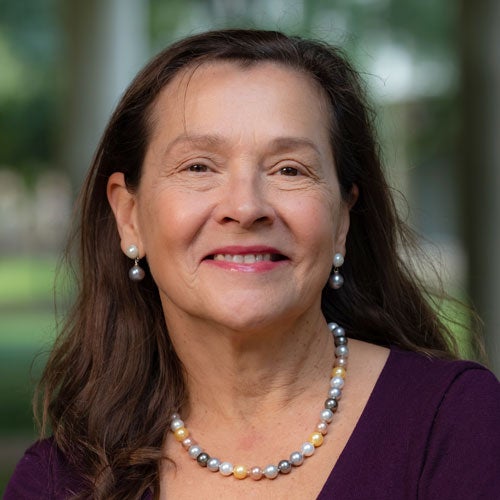
Prof. Eleni Chatzi is a Full Professor and Chair of Structural Mechanics at ETH Zurich's Department of Civil, Environmental and Geomatic Engineering. She holds a PhD from Columbia University (2010) and has held roles from Assistant to Full Professor at ETH since 2010. Her research focuses on intelligent structural monitoring and data-driven asset management, emphasizing nonlinear dynamics and sensor integration. Affiliations : Institute of Structural Engineering, European Academy of Wind Energy (EAWE President), Swiss Community for Computational Methods (SWICCOMAS Chair) Research interests include Structural Health Monitoring (SHM), system identification, and advanced simulation tools. She pioneered work on data-driven diagnostics and self-aware infrastructure, supported by grants like the ERC Starting Grant (2015). Awards include the 2020 Walter L. Huber Prize and 2024 SHM Person of the Year Award. Her work spans wind energy infrastructure, metamaterials for vibration control, and AI-driven structural analytics. Over 600 publications and 200k+ citations highlight her impact. She teaches computational science and structural dynamics in ETH's programs and collaborates globally on sustainable infrastructure projects.
Professor Robert McLaughlin is a faculty member in the School of Biomedicine at the University of Adelaide, affiliated with the Faculty of Health and Medical Sciences. He leads the Bioengineering Imaging Group and serves as Managing Director of the start-up Miniprobes. His research focuses on developing optical imaging technologies, including non-invasive tools for blood flow assessment and miniaturized imaging probes. He has secured over $14M in research grants and holds an h-index of 45 with 98 journal papers, 7 patents, and 2 book chapters. Prof. McLaughlin’s career includes roles at the University of Oxford and Siemens Medical Solutions, followed by academic leadership since 2007. His innovations span optical coherence tomography (OCT), fluorescence imaging, and dual-modality systems for clinical applications. Awards include the 2014 WA Innovator of the Year, 2015 Australian Innovation Challenge, and 2016 South Australian Premier’s Research Fellowship. His research emphasizes practical medical solutions, such as imaging needles for deep-tissue diagnostics and optical devices for real-time surgical monitoring. The Bioengineering Imaging Group collaborates with industry and academia to translate technologies into clinical practice.
Yongmin Liu is a Professor in Mechanical and Industrial Engineering and Electrical & Computer Engineering at Northeastern University, and a member of the Cross-College Magnetics Center. He holds a PhD in Applied Science and Technology from UC Berkeley (2009), with earlier degrees from Nanjing University. His research focuses on nano-optics, metamaterials, plasmonics, and their applications in optical devices and systems. His interdisciplinary work bridges engineering, physics, and AI, with notable contributions to metasurface design and optical neural networks. Education: PhD, Applied Science and Technology, UC Berkeley (2009) M.S. and B.S., Physics, Nanjing University (2003, 2000) Research Interests: Nano-optics, nanoscale materials engineering, metamaterials, plasmonics, and applied physics. His group develops novel optical materials and devices for applications like super-resolution imaging, efficient light harvesting, and biomedical detection. Recent projects include AI-driven photonic materials design and meta-optical neural networks. Key Achievements: Recipient of the Søren Buus Outstanding Research Award (2024) NSF CAREER Award (2017) and ONR Young Investigator Award (2016) Elected SPIE Fellow (2023) and Optica Fellow (2023) Lab & Collaborations: Head of the Yongmin Liu Research Group, collaborating with institutions like Georgia Tech and Purdue University. Recent grants include a $1.5M NSF DMREF grant for AI-driven photonic materials and a $468K NSF grant for meta-optical neural networks.
Dr. Richard Fair is the Lord-Chandran Distinguished Professor of Engineering at Duke University, with a career spanning semiconductor physics, digital microfluidics, and lab-on-a-chip systems. His research group collaborates with faculty across Duke, Harvard, and Stanford in bioengineering, genomics, and environmental science to develop applications-driven microfluidic platforms. Ph.D. in Electrical and Computer Engineering, Duke University (1969) B.S.E.E., Duke University (1964) M.S.E.E., Pennsylvania State University (1966) Research interests focus on electrowetting-based microfluidics for biosensing, diagnostics, and synthetic biology applications. Key innovations include adaptive droplet routing , magnetic bead manipulation , and integrated optical sensors for real-time analyte detection in environmental and medical contexts. Recent publications emphasize deep reinforcement learning for biochip automation, fluorescent nucleosome detection , and inorganic ion analysis in aerosols. Collaborations with institutions like Advanced Liquid Logic and NSF-funded projects highlight his interdisciplinary approach. IEEE Third Millennium Medal (2000) Solid State Science and Technology Award (Electrochemical Society, 2003) Gordon E. Moore Medal (2009) Fellow, IEEE and Electrochemical Society Grants include NSF awards with Nan Jokerst and Krish Chakrabarty for adaptive lab-on-a-chip optical control, DARPA funding for genomic engineering platforms, and collaborations with the Desert Research Institute on airborne particle sensing. His lab develops scalable solutions for environmental monitoring, clinical diagnostics, and synthetic biology applications.
Cecilia Mascolo is a Professor of Mobile Systems at the University of Cambridge , specifically in the Department of Computer Science and Technology . She co-directs the Centre for Mobile, Wearable System and Augmented Intelligence and is a Fellow of Jesus College, Cambridge . Her research focuses on mobile systems , machine learning for mobile health , and earable technology . She has been awarded prestigious grants such as the ERC Advanced Research Grant (2019-2025) and the EPSRC Open Research Fellowship (2025-2030). Currently on sabbatical at Harvard University , her work bridges systems and machine learning for health applications. Education: PhD in Computer Science from the University of Bologna, Italy. Previous Affiliation: Faculty at University College London before 2008. Her research spans mobile and wearable systems for health and behavior monitoring, focusing on on-device machine learning , uncertainty-aware models , and audio-based diagnostics . Key areas include federated learning , edge computing , and respiratory disease progression analysis via wearables. She explores earable technology for physiological monitoring, gait analysis, and even toothbrushing tracking using in-ear sensors. Her recent publications highlight advancements in earable-based health monitoring , including heart rate estimation , respiratory rate detection , and ECG analysis using machine learning. She emphasizes longitudinal health data from consumer devices, advocating for scalable diagnostics beyond traditional clinical standards. Scientific Awards: ERC Advanced Research Grant EPSRC Open Research Fellowship Best Paper Award - IEEE Percom 10-Year Impact Award - ACM Ubicomp Computer Laboratory Ring Hall of Fame Best Paper Award Student: Andrea Ferlini - ACM SIGMOBILE Doctoral Dissertation Runner-up She leads the Mobile Systems Research Laboratory , mentoring a team of 15 researchers (postdocs and PhD students), and has graduated over 25 PhD students. Her teaching includes Mobile Health courses at the University of Cambridge, and she serves as Director of Studies for Computer Science at Jesus College.
Adam de la Zerda is an Associate Professor at Stanford University's Department of Structural Biology (School of Medicine) and Electrical Engineering (by courtesy). He develops advanced optical molecular imaging technologies combining nanoparticle contrast agents and adaptive OCT systems for cancer and ophthalmic disease research. Technion-Israel Institute of Technology (BSc, 2005) Stanford University (PhD, 2011) UC Berkeley (Postdoctoral Fellowship) Research Themes : Virtual biopsy using machine learning-enhanced OCT Gold nanorod-based molecular contrast agents Speckle noise reduction for cellular resolution Needle beam optical coherence tomography angiography His 15 most recent publications demonstrate technical innovations in: Metasurface optics for extended depth-of-field Spectral deconvolution of multiple contrast agents Speckle modulation for improved diagnostic clarity Noninvasive lymphatic system mapping Scientific Honors : Pew-Stewart Scholar for Cancer Research AFOSR Young Investigator NIH Early Independence Award Forbes 30 Under 30 (x2) Chan Zuckerberg BioHub Investigator His lab team has developed clinical prototypes including OcuBell Inc. 's ophthalmic imaging systems and Visby Medical 's diagnostic platforms. Current research spans from in vivo glycoprotein imaging to de novo biosensor development for real-time disease monitoring in awake animal models.
Professor B M Azizur Rahman is a distinguished academic in the field of photonics at City University London, where he has served as Professor of Photonics in the Department of Electrical and Electronic Engineering since 2000. Previously, he was Reader in Photonics (1996-2000) and Lecturer (1988-1996) at the same institution. His academic journey began with a BEng (1971-1976) and MSc (1976-1979) from Bangladesh University of Engineering and Technology, followed by a PhD from University College London (1979-1982). His educational background laid the foundation for his extensive research career focusing on photonics, integrated waveguides, and optical sensors. Professor Rahman has made significant contributions to fields including plasmonic biosensors, fiber optic sensing technologies, supercontinuum generation, and metamaterial-based sensing systems. His research bridges theoretical modeling with practical applications in environmental monitoring, healthcare diagnostics, and engineering solutions. An analysis of his most recent publications (2022-2025) reveals a strong focus on advanced sensing technologies with applications across multiple domains. His work demonstrates expertise in combining photonics principles with nanotechnology, artificial intelligence, and novel materials to develop highly sensitive detection systems. Key research trends include the integration of deep learning with optical sensing, development of plasmonic-enhanced biosensors, and innovative waveguide designs for improved optical performance. Professor Rahman has maintained a highly productive research career with over 443 publications documented in his ORCID profile. His work shows extensive international collaboration with researchers from institutions in the UK, Bangladesh, Thailand, and other countries. While specific grant information is not provided in the available data, his sustained publication record across high-impact journals indicates successful research funding and supervision of numerous research projects over his career. His research group appears to focus on experimental photonics, computational modeling of optical systems, and development of novel sensing platforms.
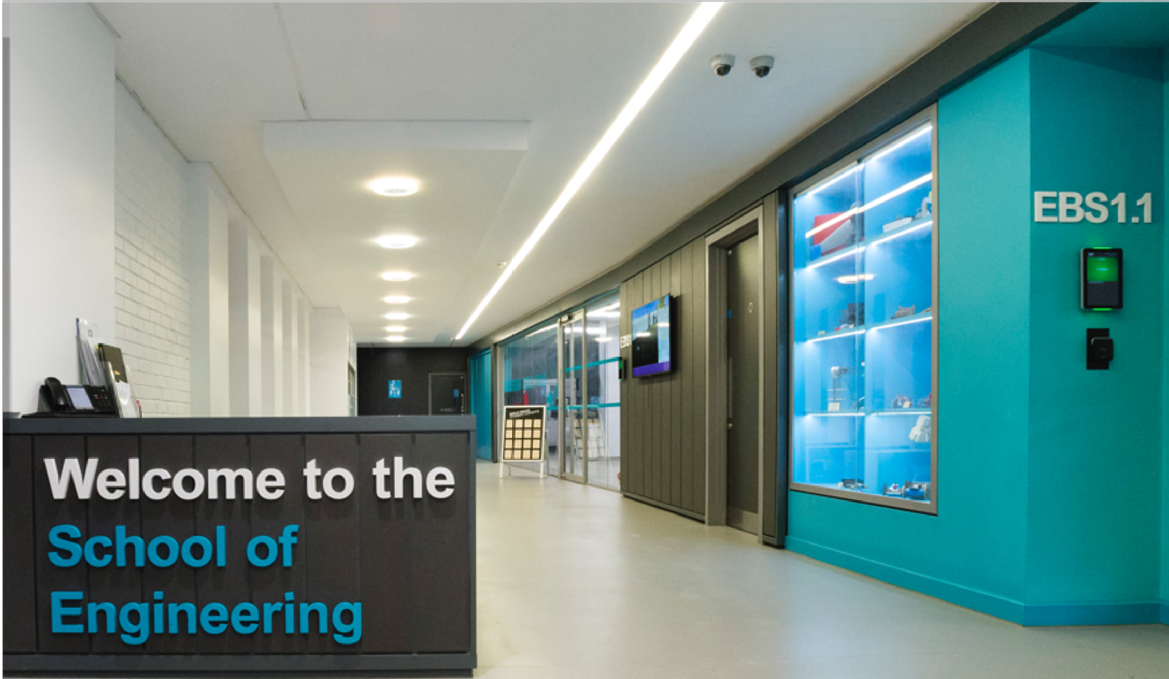
Dr. Tianhua Xu is a Reader in the School of Engineering at the University of Warwick and an Honorary Lecturer in the Department of Electronic and Electrical Engineering at University College London (UCL). He holds a Ph.D. in Optical Communications and Intelligent Signal Processing from KTH Royal Institute of Technology in Sweden, followed by postdoctoral and research roles at KTH, RISE Acreo, DTU, and UCL. His research focuses on optical communication systems, intelligent signal processing, machine learning, optical sensing, and advanced energy systems. He has secured major grants, including a €1.8M EU Horizon Europe project (SPAR) and a £285K UK National Grid initiative. Dr. Xu serves as an Associate Editor for IEEE Transactions on Communications and the Journal of the European Optical Society-RP, and chairs technical groups in the Optical Society of America. He has authored over 200 publications, including invited book chapters, with a Google Scholar h-index of 32. Current projects involve smart photonic sensing, energy storage systems, and deep learning in optical networks. His lab oversees six PhD students and multiple postdoctoral researchers. He actively recruits students through global scholarships and oversees vibrant research teams in optical communications, sensing, and energy systems.
Naomi J. Halas is a University Professor at Rice University, holding appointments in the Department of Electrical and Computer Engineering, Biomedical Engineering, Chemistry, and Physics & Astronomy. She is the Stanley C. Moore Professor in Electrical and Computer Engineering and serves as Director of both the Smalley-Curl Institute and the Laboratory for Nanophotonics. As a University Professor, she holds Rice's highest faculty rank, a distinction awarded to only 10 individuals (and only the second woman) in Rice's 111-year history. Halas is a pioneering researcher in the field of plasmonics, having created the concept of the "tunable plasmon" and invented a family of nanoparticles with resonances spanning the visible and infrared regions of the spectrum. Her research spans fundamental studies of coupled plasmonic systems as well as applications in biomedicine, optoelectronics, machine learning-enabled chemical sensing of environmental toxins, and plasmon-based photocatalysis. She is the author of more than 400 refereed publications, has over 30 issued patents, has presented more than 600 invited talks, and has been cited more than 130,000 times. Her recent publications demonstrate a strong focus on practical applications of plasmonics, particularly in water purification, environmental toxin detection, and cancer treatment. Her work combines nanotechnology with machine learning approaches to create innovative solutions for pressing global challenges in healthcare, environmental sustainability, and energy. The interdisciplinary nature of her research is reflected in publications spanning journals from Nature Water and PNAS to ACS Catalysis. Benjamin Franklin Medal in Chemistry (2025) - For the creation and development of nanoshells for biomedical and chemical applications Mildred Dresselhaus Prize in Nanoscience and Nanomaterials (2024) American Physical Society Frank Isakson Prize for Optical Effects in Solids Willis E. Lamb Award Wood Prize of Optica National Security Science and Engineering Faculty Fellow (Vannevar Bush Fellow) of the U.S. Department of Defense Halas has co-founded two companies based on her research: Nanospectra Biosciences, developing photothermal therapies for prostate cancer (nearing FDA approval), and Syzygy Plasmonics, a deep decarbonization platform. She has advised numerous students who have gone on to successful careers in academia and industry. Her research has been supported by significant grants from NSF, DoD, and other funding agencies. She serves as an advisor to the Mathematical and Physical Sciences Directorate of the National Science Foundation. Halas leads the Laboratory for Nanophotonics at Rice University, where her team focuses on designing new optically active nanostructures, developing nanofabrication strategies, characterizing physical properties of these materials, and prototyping applications of technological and societal interest. Her group is dedicated to producing PhD research scientists with expanded skill sets who can develop solutions beyond traditional disciplinary boundaries.
Michael Daniele is an Associate Professor at North Carolina State University, jointly appointed in the Department of Electrical & Computer Engineering and the Joint Department of Biomedical Engineering . His research focuses on bioelectronics engineering, particularly in developing microsystems for monitoring, mimicking, and augmenting biological functions. He leads the @BiointerfaceLab , exploring wearable/implantable biosensors, microphysiological systems, and process analytical technologies for biomanufacturing. Education : Ph.D. in Materials Science & Engineering (Clemson University, 2012) Bachelor's in Materials Science & Engineering (Rutgers University, 2009) Research Highlights : Developing "injury-on-a-chip" models for coagulation studies Pioneering hydrogel microneedles for diagnostic devices Advancing light-controlled peptide ligands for protein purification Collaborating with Novartis on viral vector manufacturing Award Recognition : 2024 William F. Lane Outstanding Teaching Award 2019 NSF CAREER Award 2022 University Faculty Scholar Grants & Initiatives : Co-leader of the NC-Viral Vector Initiative (2023–present) NSF-funded projects in biosensor integration and biomanufacturing His work bridges engineering and medicine, with applications in gene therapy, wearable diagnostics, and precision agriculture.
Professor Bianxiao Cui is the Job and Gertrud Tamaki Professor of Chemistry at Stanford University and a fellow of the Wu Tsai Stanford Neuroscience Institute. Her research integrates biophysics, cell biology, chemistry, and nanotechnology to develop tools for studying the nano-bio interface, membrane curvature, electrophysiology, and signal transduction in health and disease. Ph.D. in Chemistry, University of Chicago (2002) B.S. in Material Science & Engineering, University of Science & Technology of China (1998) Her group bridges biochemistry, material science, and neuroscience to probe cellular processes at nanoscale. Key projects include: Mechanisms of Membrane Curvature: How nanoscale topography regulates integrin adhesions, ER-PM contacts, and ion channel activity. Electrophysiological Tools: Nanoelectrode arrays (NEAs) and electrochromic optical recording (ECORE) for scalable, label-free action potential monitoring. Protein Relocalization: Using shuttle proteins to rewire subcellular localization for disease intervention. Recent articles highlight advancements in 3D cell adhesion , AI-driven electrophysiology , and optogenetic pain models . Her work spans biochemical assays, nanofabrication, and in vivo studies . Scientific Awards: Ono Pharma Breakthrough Science Initiative Award (2022-2025) NIH New Innovator Award (2012-2017) NSF CAREER and INSPIRE Awards Packard and Searle Fellowships Teaching & Advising: She mentors PhD students in Chemistry and Biophysics, including Krishna Raghavan and Pengwei Sun , and supervises postdoctoral fellows like Dr. Wei Zhang . She teaches Biophysical Chemistry and advises on cellular nanomechanics and optogenetics . Labs & Collaborations: The Cui Lab collaborates with the Melosh and Khosla labs, focusing on cell-material interactions and neurotechnology development (e.g., Kirigami electronics for organoid stimulation).
Dr. Stephen Warren-Smith is a Senior Research Fellow at the Future Industries Institute, University of South Australia (UniSA), where he conducts cutting-edge research in optical fiber technology and photonics. He is affiliated with the Laser Physics and Photonic Devices Laboratories within UniSA STEM (Science, Technology, Engineering and Mathematics), and serves as a Research Degree Supervisor for graduate students. Dr. Warren-Smith's primary research interests span optical fiber technology, photonics, and biosensors, with a particular focus on developing novel fiber optic sensing platforms for biomedical and environmental applications. His work encompasses microstructured optical fibers, fluorescence sensing, and the integration of machine learning techniques for enhanced sensor performance. He has made significant contributions to the fields of harmonic generation in optical fibers, NV center-based quantum sensing, and multimode fiber applications. Analysis of Dr. Warren-Smith's recent publications reveals a strong trend toward developing sophisticated fiber optic sensing platforms with diverse applications. His work demonstrates increasing integration of advanced materials (like diamond with NV centers) and computational methods (particularly deep learning) to overcome traditional limitations in optical sensing. The research spans fundamental physics of light-matter interactions in fibers to practical applications in medical diagnostics, environmental monitoring, and industrial process control. A notable pattern is the development of multi-parameter sensing capabilities within single fiber platforms, enabling simultaneous measurement of various physical and chemical properties. Dr. Warren-Smith has secured significant research funding including ARC Future Fellowships (FT200100154), ARC Discovery Projects (DP190102896), and support from the Australian National Fabrication Facility (Optofab Node) utilizing Commonwealth and South Australian State Government resources. His research has received substantial citation counts, with several papers cited multiple times in Web of Science and Scopus. Dr. Warren-Smith leads research activities within the Laser Physics and Photonic Devices Laboratories at UniSA STEM. His team specializes in the design, fabrication, and characterization of advanced optical fiber devices, with particular expertise in microstructured optical fibers, suspended core fibers, and integrated photonic sensing platforms. The laboratory maintains strong connections with the Australian National Fabrication Facility (Optofab Node) for advanced device fabrication capabilities and collaborates extensively with institutions including RMIT University, University of Melbourne, University of Adelaide, and international partners in China.
Verena Siewers is a Research Professor at the Department of Biology and Biological Engineering, Chalmers University of Technology. Her work focuses on synthetic biology and metabolic engineering of yeast cell factories for producing biofuels, pharmaceuticals, nutraceuticals, and bioplastics, with particular emphasis on developing biosensor tools for pathway optimization. Key research themes: yeast-based biosensors, lipid metabolism engineering, CRISPRi/a applications, and dynamic gene regulation Notable projects include: Development of acetic acid tolerance mechanisms Optimization of fatty acid ethyl esters production Engineering phosphoketolase pathways for acetyl-CoA overproduction Her recent articles reveal trends in: CRISPR-mediated pathway engineering Stress response transcriptional profiling Heterologous plant gene expression in yeast Promoter and transcription factor engineering Funding sources: VINNOVA Novo Nordisk Foundation Carl Tryggers Stiftelse EU Horizon grants Swedish Research Council (VR) Formas
Zhang Yang is an Associate Professor at the School of Medical Engineering, Harbin Institute of Technology (Shenzhen), with a joint appointment as Visiting Professor at the University of Tokyo starting in July 2024. He holds a PhD from the University of Cambridge's Department of Pathology and an M.Phil. from the University of Hong Kong's HKU-Pasteur Research Center. Previously, he served as an Assistant Professor at Harbin Institute of Technology (Shenzhen) from September 2015 to December 2020. His research integrates computational and experimental approaches to address challenges in pathogen and cancer research. On the computational side, his work focuses on developing AI-powered microscopic imaging systems, applying deep learning to analyze multi-omics data (including proteins, DNA, miRNAs, LncRNAs, and mRNAs), and utilizing deep learning in cheminformatics for drug discovery. On the experimental side, his laboratory combines imaging, high-throughput sequencing, mass spectrometry, and chemical biology to understand disease mechanisms at the molecular level. His publication record demonstrates significant impact, with over 50 SCI-indexed papers in high-impact journals including Nature Communications, Briefings in Bioinformatics, Bioinformatics, Analytical Chemistry, and Trends in Biotechnology. His work has been cited by prestigious journals such as Nature Reviews Methods Primers and Nature Communications, with three ESI highly cited papers. His research spans multiple interdisciplinary fields, combining artificial intelligence with biomedical applications to advance diagnostic and therapeutic approaches. World's Top 2% Scientists 2021 Fellow of the Royal Society of Biology Three ESI Highly Cited Papers Five authorized national invention patents As an academic leader, he serves as Associate Editor for BMC Biology and Frontiers in Microbiology, Academic Editor for PLOS Genetics, Editorial Board Member for Communications Biology, and Guest Editor for a Special Issue on AI in analytical chemistry in Trends in Analytical Chemistry. His laboratory actively collaborates with international institutions, with graduates pursuing further studies at Hong Kong Chinese University, Hong Kong University of Science and Technology, Hong Kong Polytechnic University, Macau University, and the University of New South Wales. He teaches Introduction to Modern Biology for undergraduates and Bioanalytical Chemistry for graduate students.
Shakil Mahmud is a Visiting Assistant Professor in the Department of Electrical and Computer Engineering at the University of Mississippi. His research focuses on medical device security, embedded systems, and hardware security for cyber-physical systems. He holds a B.S. in Electrical Engineering from Ahsanullah University of Science and Technology (2015) and a Ph.D. in Computer Science and Engineering from the University of South Florida (2023). His recent work emphasizes enhancing safety and reliability in closed-loop medical systems through biosignal modeling, hardware emulation platforms (PEP), and trojan resilience strategies. He explores design trade-offs in bioimplantable devices and efficient implementations of AI architectures on constrained platforms. Key research themes include FPGA security, IoT medical device reliability, and false alarm mitigation in IoMT systems. His publications span topics like hardware obfuscation, real-time biomedical signal processing, and neural network optimization for embedded systems.