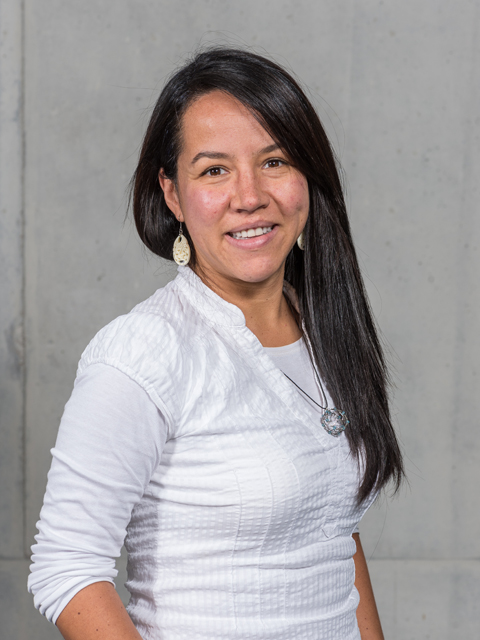
Saba Joshi is a Lecturer in the Department of Politics at the University of York, where she contributes to research and teaching in political science, gender studies, and international development. Her work is centered on gender, land dispossession, and resistance in South and Southeast Asia. Education: PhD in International Relations and Political Science, Graduate Institute of International and Development Studies (2020) Masters in International Studies (Politics), Graduate Institute of International and Development Studies (2012) Master's in Politics and International Relations, Jawaharlal Nehru University (2009) BA in History (Honours), St Stephen's College, University of Delhi (2007) Her research interests lie at the intersection of feminist political ecology, legal geographies, and agrarian transformation, with a focus on women's resistance to land grabbing, gendered impacts of climate change, and decolonial research practices. She employs qualitative, ethnographic, and feminist methodologies to examine how marginalized communities, particularly women, navigate dispossession and assert agency. The trends in her recent publications reveal a strong thematic consistency: gendered resistance to land dispossession, feminist legal geographies, and the contradictions of international development governance. Her work critically engages with how gender expertise is institutionalized (or marginalized) in food security and land governance policies, especially in Cambodia and India. She also contributes to methodological debates on decolonizing research and feminist epistemologies. Scientific Awards: Enloe Award (2022) Saba Joshi is the Principal Investigator on multiple funded research projects, including those supported by The British Academy, focusing on gender, agriculture, climate change, and land-use change in South and Southeast Asia. She actively supervises PhD students and collaborates with international scholars. Her work bridges academic research with activism, emphasizing participatory and ethical research practices. She is actively involved in academic networks and has presented her research in seminars, workshops, and international conferences, contributing to global dialogues on land justice, feminist theory, and decolonial scholarship.