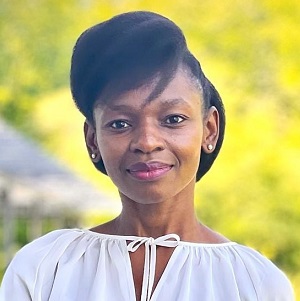
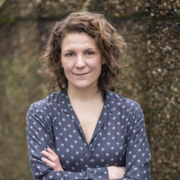
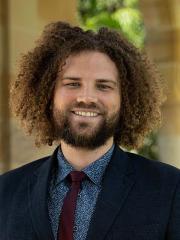
Dr. Billian Otundo is a postdoctoral researcher at the Cluster of Excellence Africa Multiple and habilitation candidate at the Department of English Linguistics, University of Bayreuth (Germany). She investigates multilingual African learning spaces through translanguaging frameworks, focusing on the intersection of language, identity, and digital innovations in Kenya. Her research integrates quantitative and qualitative methodologies with tools like SPSS, R, Praat, and MAXQDA. Co-convener of Postdoctoral Working Groups at Africa Multiple Collaborating with University of Cologne’s Phonetic Laboratory on Kenyan English and Kiswahili intonation Research Interests: Sociolinguistics, World Englishes, Translanguaging, Code-switching, Sociophonetics, Decolonisation of Linguistics Curriculum, and Educational Linguistics. She examines language attitudes, variation in intonation, and inclusion policies in African education systems. Scientific Awards: DFG Postdoctoral Grant (2022) TWAS-DFG Cooperation Grant (2021) NWO-WOTRO Funding (2018) BIGSAS Doctoral Fellowship (2011-2015) Dr. Otundo actively contributes to academic service as an editorial board member of the Journal of Linguistics, Literary and Communication Studies and the Africa Multiple publication series. She founded the Philippines-Kenya Education Network and consults on inclusive policy design for Kenya’s Bungoma County Government.
Dr. Victoria Odeniyi is a Research Fellow at the University of the Arts London's Decolonising Arts Institute, where she leads institutional decolonization initiatives. Her academic journey includes a PhD in Applied Linguistics from Canterbury Christ Church University (2020) and a Master of Education from the University of Sheffield (2015). She has held senior academic roles including Senior Teaching Fellow at University College London (2016-2020) and Research Assistant on the Mellon-funded Reading Peer Review project (2018-2019). Her research focuses on multilingualism, decolonial pedagogy, and educational equity. Key projects include the Reimagining Conversations initiative (2020-2022) promoting multilingualism in arts education and editorial leadership for the In Other Words Dictionary Project . She supervises doctoral research in language studies and education, specializing in areas like colonial language structures and intercultural communication. Professional activities include committee memberships with the Professional, Work-based and Academic Literacies (PAWBL) SIG and peer review roles for journals like Language Assessment Quarterly . She is affiliated with UCL's International Centre for Intercultural Studies and actively contributes to international conferences on decolonial methodologies and linguistic equity.
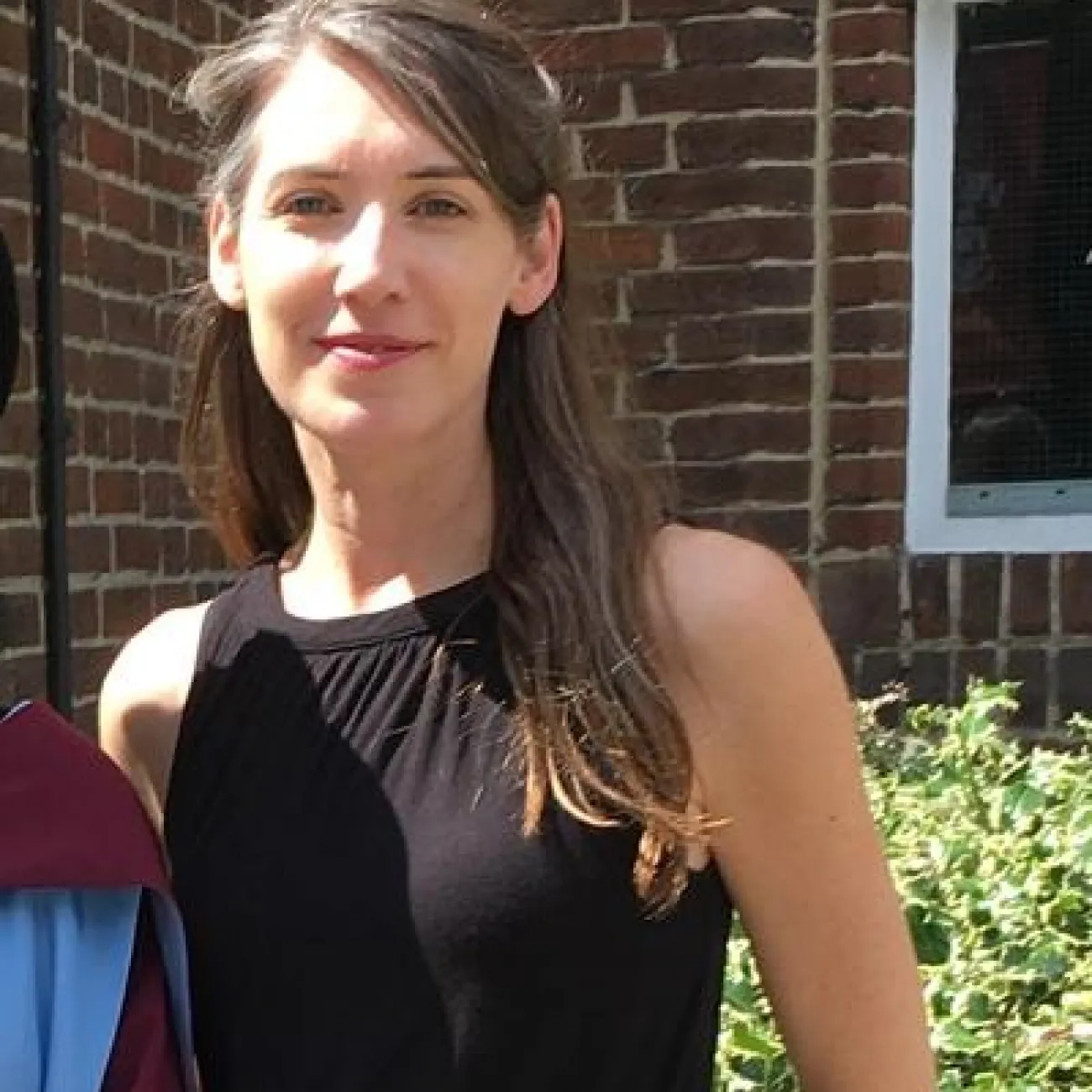
Dr. Anne-Marie McCallion is a Lecturer in Philosophy at Manchester Metropolitan University within the Department of History, Politics & Philosophy. She holds a BA from Durham University, an MA from the University of Sheffield, and a PhD from the University of Manchester. Her research focuses on decolonising philosophy and education, with current investigations into liberal justice frameworks and critiques from Marxist, critical race, and indigenous perspectives. Her research explores: Theoretical foundations of decolonisation in academic disciplines Intersections of gender, race, and philosophical discourse Critical analyses of diversity initiatives in higher education Her publications demonstrate a consistent focus on feminist philosophy and educational reform, with recent works examining women's philosophical contributions and decolonisation methodologies. Article analyses reveal strong thematic focus on gender representation, curriculum diversity, and epistemological critiques. While no scientific awards are documented, she collaborates with AQA and the British Philosophical Association to develop educational resources promoting diversity in philosophy curricula. She convenes modules including Gender, Race and Sexuality, Philosophy of Education, and Feminist Ethics, and welcomes supervision of postgraduate research in feminist ethics, Wittgenstein studies, and Marxist philosophy. She maintains active involvement with the Diversity Reading List project and is developing a podcast on underrepresented philosophical traditions funded by the University of Manchester.
Professor Stephanie Jones is a Professor of Literature and Law at the University of Southampton. Her research focuses on intersections between literature, law, postcolonial studies, and marine/maritime literatures. She holds a BA and LLB from the Australian National University, and a PhD from the University of Cambridge. Her current research explores piracy representations in legal/fictional texts, the critical role of creative writing in environmental issues, and the power of literature to interrogate human rights frameworks. She is affiliated with prominent research groups including the Centre for Modern and Contemporary Writing (CMCW) and the Southampton Marine and Maritime Institute. Teaching includes foundational modules like 'English on the Move' and 'Literary Transformations,' advanced topics such as 'Decolonising Modernity,' and MA programs emphasizing eco-criticism and postcolonial studies. She supervises interdisciplinary PhD projects focused on marine worlds, coastal cultures, and environmental discourse. Notable collaborations include the COAST Network+ for coastal resilience and research on Somali women's poetry. Her work integrates creative writing with environmental challenges, reflecting a commitment to interdisciplinary scholarship.
Dr. Harry Kuchah Kuchah is an Associate Professor of Language, Social Justice, and Education at the University of Birmingham’s School of Education, within the Department of Education and Social Justice. He concurrently serves as Chair of the British Council English Language Advisory Group and has consulted for organizations including the British Council, the Council of Europe, and Windle Trust International. His research focuses on social and epistemic justice in language education, particularly in TESOL and English Medium Education (EME). He investigates classroom practices that decentre and decolonise education, context-appropriate pedagogies, and the impact of language policies on multilingual learners in sub-Saharan Africa. Notable projects include a British Council ELTRA study on multilingual learners in Cameroon and an ESRC-funded study on girls’ educational experiences in Rwanda. He has co-edited books including International Perspectives on Teaching English in Difficult Circumstances (2018), Ethical and Methodological Issues in Researching Young Language Learners (2021), and Teacher Research in Africa (2022). His work aligns with UN SDGs 4 and 5, emphasizing equitable education access and gender equality. Dr. Kuchah Kuchah’s professional activities include postgraduate supervision, grant leadership (e.g., British Council ELTRA project), and collaborative research with global institutions. His contributions bridge academic research with policy advocacy in multilingual educational contexts.
Dr. Meenakshi Sarkar is a Lecturer in Human Resource Management & Diversity Management at the Leeds University Business School, University of Leeds. She specializes in decolonisation of workplaces, diversity management, and the sociological analysis of occupational segregation. Her research focuses on marginalized groups like British Pakistani taxi drivers and undocumented migrants. She currently serves as Deputy Programme Director for the MA HRM and co-leads the Decolonisation initiative at LUBS. Qualifications include a PhD (2019) and MA in HRM (2013) from the University of Leeds, alongside earlier degrees in English Literature from the University of Calcutta. She holds Fellow status with the Higher Education Academy and is a member of professional associations like BSA and BUIRA. Her teaching spans modules like Diversity Management, Strategic HRM, and Management Consulting Projects at both undergraduate and postgraduate levels. Research outputs include studies on Bourdieusian analysis of taxi driver employment patterns and comparative labor market policies in the UK and Denmark. Awardees include CERIC's 2018 poster prize, BSA's 2017 poetry award for reflective research, and numerous academic competition recognitions. Current projects include an upcoming 2027 textbook on decolonizing DEI frameworks.
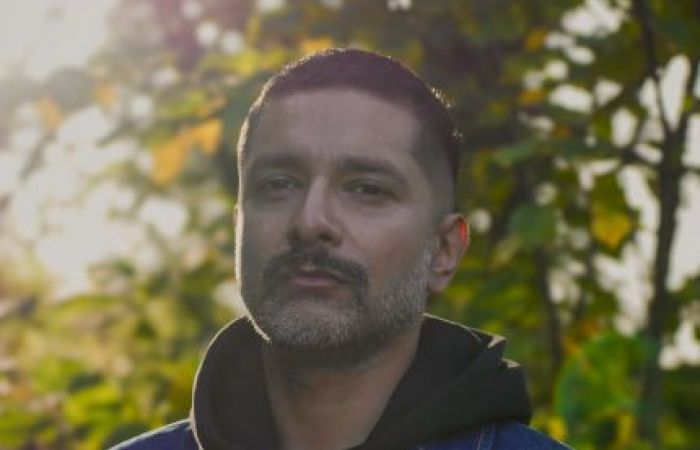
Javier Gil Guerrero is a Research Professor at the University of Navarra , Spain, based at the Institute for Culture and Society (ICS) and a core member of the RELSOC research group (Religion and Civil Society). His work sits at the crossroads of religious studies, international relations and Middle Eastern history. Education: PhD in History, University of Navarra, 2014. Thesis: Opening Pandora's Box: Jimmy Carter, the Persian Gulf and the Rise of Militant Islam, 1977–1981 (supervised by Dr Jaume Aurell Cardona). Research Interests: Guerrero’s scholarship centres on the complex interplay between religion and politics , with particular emphasis on US foreign policy toward the Middle East , Iranian intellectual history , Islamic political thought , and the comparative study of revolutionary symbolism and mobilisation . He has developed a distinctive line of inquiry that links global decolonisation debates with Islamic liberation theology, re-evaluating figures such as Ali Shariati and Ziya Gökalp against Western philosophical traditions. Across more than forty publications since 2014, his work reveals a consistent focus on: The Carter administration’s dilemmas in the Persian Gulf. The ideological roots and ritual dimensions of the Iranian Revolution. Trans-historical exchanges between Iran and the Hispanic world. The adaptation of Christian liberation-theology paradigms within Shiʿi political thought. Scientific Recognition & Awards: No specific named prizes or fellowships are recorded in the provided corpus. Advising & Grants: No doctoral or master’s students are listed in the supplied information; grant data are likewise absent. Laboratories & Teams: Guerrero conducts his research within the RELSOC Group at the ICS, an interdisciplinary environment that fosters collaboration between historians, political scientists and scholars of religion.
Mónica Moreno Figueroa is a Professor of Sociology at the University of Cambridge and a Fellow in Social Sciences at Downing College, Cambridge. She is a Black-mestiza, Mexican-British woman whose research focuses on the intersectional lived experience of 'race' and racism in Mexico and Latin America, antiracism and academic-based impact, feminist theory, intersectionality, and racism. She is an expert in qualitative research methods and visual methodologies and thrives in interdisciplinary collaborations. She is currently leading the development of a new research institute on Global Race, Racism and Anti-Racism in the Department of Sociology, secured with seed funding from the W.K.K. Foundation. Her research interests center on understanding the intersectional lived experience of 'race' and racism in Mexico and Latin America, antiracism and academic-based impact, feminist theory, intersectionality, and racism. She is particularly interested in the global flows of notions of race, the workings of racism, and exploring the current 'turn to antiracism' in Latin America and the Global South. Her work examines the emotional impact of oppression for social transformation, the everyday experience of racism, and issues of institutional and structural racism within mestizo contexts. Her most recent publications reveal a strong focus on anti-racism in Latin America, internalized racism, and the politics of mestizaje. The articles demonstrate an interdisciplinary approach spanning sociology, critical race studies, feminist theory, and Latin American studies. Key themes include racial visibility, naming racism, structural inequality, and the emotional dimensions of racial oppression. Her work consistently bridges theoretical frameworks with practical anti-racist organizing. British Academy Mid-Career fellowship 2022-23 for the project: 'Internalised Oppression, Defensiveness and Resentment' Commendation for 'Innovative Teaching' in the University of Cambridge Student Union's Student-Led Teaching Awards (May 2018) Pilkington Teaching Prize in recognition of excellence of teaching at the University of Cambridge (June 2017) Commendation for 'Supporting Students' in the University of Cambridge Student Union Student-Led Teaching Awards (May 2016) Cambridge University Student Union's Women's Campaign 'Academic of the Year' Award 2015-16 (June 2016) As an academic advisor, Professor Moreno Figueroa supervises doctoral students interested in the lived experience of 'race' and racism, racism and antiracism in Latin America, intersectionality, feminist theory, and the interconnections between beauty, emotions & race. She has secured significant funding for her research projects, including a £1m ESRC grant for the 'Latin American Antiracism in a Post-Racial Age' project. She co-leads the Decolonise Sociology Working Group and runs the End Everyday Racism project, a web-based platform to report and monitor racism in higher education. Professor Moreno Figueroa has been deeply involved in institutional anti-racism work, serving as the University of Cambridge Race Equality Co-Champion from 2017-2021 and as a member of the University of Cambridge Legacies of Enslavement Advisory Board from 2019-2022. Since 2010, she has co-led COPERA (Collective for the Elimination of Racism in Mexico), dedicated to making racism public.
Dr Delwar Hussain is a Lecturer in Social Anthropology at the School of Social and Political Science, University of Edinburgh. His work focuses on ethnographic studies of gender, sexuality, and urban life in South Asia, particularly Bangladesh, India, and Pakistan, while also examining intersections with colonialism, modernization, and decolonization. Education: PhD in Anthropology, University of Cambridge (2011) Key Research Themes: Queer Inheritance, Borderlands, Urban Anthropology, Gender & Sexuality, Postcolonial Geopolitics Grants: Wellcome Trust grant (2025) for queer inheritance ethnography Delwar’s research spans ethnographic fieldwork on the Bangladesh-India border, urban transformations in Dhaka, and critical analysis of legal systems and freedom of speech in Bangladesh. He has contributed extensively to public scholarship through media outlets like The Guardian and Open Democracy , blending academic rigor with narrative storytelling in works such as Boundaries Undermined and the forthcoming An Anthropology of Drowning . His publications highlight tensions between state institutions, religious extremism, and human rights, particularly through case studies of bloggers and secular activists in Bangladesh. Delwar supervises doctoral and postdoctoral students in Social Anthropology and South Asian Studies, emphasizing interdisciplinary approaches.
Prof. Susan Legene is a Full Professor at the Vrije Universiteit Amsterdam, holding dual appointments in the Faculty of Social Sciences and Humanities (Department of Art and Culture, History, Antiquity) and the Network Institute. Her research focuses on colonialism, decolonisation, cultural heritage, and UNESCO policies, with a particular emphasis on museum collections and societal reconciliation. She leads major projects like Pressing Matter (NWA/NWO 2021–2025), addressing colonial heritage ownership, and Colonial Normativity (2019–2025), exploring corruption and difference in imperial histories. Research Expertise: Colonialism, migration histories, historiography, e-humanities Awards: DIVE+ Prize for Digital Humanities (2017) Key Projects: UNESCO policy analysis, ancestral remains repatriation, transnational life-writing Her work intersects with policy-making, advising Dutch ministries on decolonial heritage frameworks and serving on boards like the NWO Supervisory Committee for Colonial Context Collections. She has supervised 21 PhD theses and collaborates internationally across disciplines.
Dr Emily Baughan is a Senior Lecturer in 19th/20th Century British History at the University of Sheffield’s School of History, Philosophy and Digital Humanities. She holds a Ph.D. from the University of Bristol and has held prestigious fellowships at Columbia University, the Library of Congress, and the University of Cape Town. Her research focuses on humanitarianism, imperialism, and the political economy of childhood, with a particular emphasis on the intersections of welfare, decolonization, and postcolonial states. Her first book, Saving the Children: Humanitarianism, Internationalism and Empire (2021), was shortlisted for major prizes and examines British humanitarianism’s role in shaping global power structures. Her current project, Love’s Labour: a history of childcare , explores the political economy of childhood and tensions between state policies and family care. She is a 2024 BBC New Generation Thinker and serves on the editorial board of Modern British History . Dr Baughan’s research interests include imperial history, welfare state dynamics, and the global history of care work. She has collaborated with Save the Children UK on archival projects and advises on humanitarian policy. Her work bridges academic rigor with public engagement, including media appearances on BBC Radio 4 and contributions to Tribune and Jacobin . Education: B.A. and M.A. from the University of Bristol; Ph.D. in History from the University of Bristol. Awards: RHS Whitbread Prize (shortlisted), SHCY Grace Abbott Book Prize (shortlisted), Fellow of the Royal Historical Society. Professional Roles: Co-convenor of the Race, Equality, and Decolonisation Working Party at Sheffield; advisor on the Wellcome Trust-funded Save the Children archives project. Her teaching includes courses on the British welfare state and humanitarianism’s imperial dimensions. She supervises Ph.D. students in areas such as British imperial history, humanitarianism, and postcolonial welfare studies.
Sean Mitchell is a Teaching Professor at the School of Business, The University of Queensland. He works as a Principal Learning Designer and can be contacted at sean.mitchell@uq.edu.au or +61 7 334 68173. His office is located in Room 227, Colin Clark Building, St. Lucia Campus. Research focuses on indigenising and decolonising business curricula Active in curriculum development and pedagogical strategies In 2025, he co-authored a chapter addressing Indigenous knowledge integration in business education, reflecting his commitment to cultural inclusivity and academic reform.
Asha Venkatesh is a Senior Lecturer at the University of Aberdeen, School of Medicine, Medical Sciences and Nutrition, where she plays a key role in anatomy education and academic leadership. She serves as Course Coordinator for Year 2 MBChB Anatomy, Assessment Lead for Anatomy (MBChB), and Co-lead for Equality, Diversity, and Inclusion (EDI) and the Athena Swan Self-Assessment Team within her School. Her work focuses on enhancing medical education through innovative teaching methods, inclusive curriculum design, and digital assessment strategies. Her research interests lie at the intersection of anatomy education, clinical application, and pedagogical innovation. She is particularly known for integrating radiology into anatomy teaching, developing e-learning tools, and promoting inclusive and ethical anatomy education. Her work emphasizes student engagement, curriculum reform, and the use of technology to enhance learning outcomes in medical and biomedical sciences. Dr. Venkatesh's recent publications reflect a strong trend toward inclusive, technology-enhanced, and clinically relevant anatomy education. Themes include online assessment, gamification of learning, decolonisation of curricula, and addressing neurophobia in medical students. Her scholarly output spans journals such as Journal of Anatomy , Medical Teacher , and Biomedical Visualisation , with increasing focus on equity, ethics, and innovation in anatomical sciences. AUSA and University of Aberdeen Best Undergraduate Lecturer 2020 AUSA and University of Aberdeen Best Undergraduate Supervisor 2021 AUSA and University of Aberdeen Best Undergraduate Supervisor 2022 Dr. Venkatesh actively supervises undergraduate research projects in Biomedical Sciences and MBChB electives, and has contributed to curriculum development with funded initiatives in e-learning and assessment reform. She has served on numerous university and national committees, contributing to academic governance and quality assurance. Her external roles include being an External Examiner at the Universities of Glasgow, Dundee, and Manchester, and leadership in the Anatomical Society and TEPARG. She is a member of the Trans European Pedagogic Anatomical Research group (TEPARG), the Anatomy Associations Advisory Committee, and was Lead Organiser of the Scottish Anatomists Group (2014–2021). She also serves as Membership Officer of the Anatomical Society (2022–2024) and reviews for major journals and textbooks in anatomy and medical education.
Dr Joanne Norcup is an interdisciplinary researcher, educator, and artist with current honorary academic affiliations at the University of Warwick, University of Nottingham, and the Open University. She holds the title of Honorary Research Fellow at the Yesu Persaud Centre for Caribbean Studies, University of Warwick (2019–present), and is an Honorary Associate Professor in the Department of Geography, University of Nottingham . Since 2022, she has served as an Associate Lecturer in the Faculty of Arts and Social Sciences at the Open University , teaching modules such as DD213 (Environment and Society) and D225 (Changing Geographies of the United Kingdom). PhD in Historical and Cultural Geography, University of Glasgow (2015) Masters in Cultural Geography (Research), ESRC funded (1995–1996) Undergraduate degree in Geography, with means-tested grant (1992–1995) Her research integrates historical, cultural, and geographical perspectives to examine decolonial practices, anti-racist education, and the geographies of Caribbean diasporas in the UK. She is particularly known for her work on the Photos and Phantasms exhibition, the history of public libraries, and the recovery of the Contemporary Issues in Geography and Education (CIGE) journal archives. Her current research projects include Decolonising the Learned Society (DLS) and Of, From, For: British Caribbean Centres and their Historical Geographies . The 15 most recent articles and presentations reflect a strong focus on decolonizing archives, visual culture, Caribbean historical geographies, and public engagement through media. Themes include colonial biography, institutional memory, diasporic knowledge spaces, and the role of popular culture in shaping geographical understanding. Her publications span academic journals, edited volumes, and public-facing writing, including a regular column in The Beestonian . Dr Norcup has received notable recognition for her contributions: Lifetime Honorary Fellowship, Royal Geographical Society (2022) British Academy / Leverhulme Trust Small Grant (2019/2020) Shortlisted for Journal of Historical Geography Paper of the Year (2015) UCL Fawcett Fellowship (2004) She has served as a peer reviewer for journals such as Journal of Historical Geography , Transactions of the Institute of British Geography , and Area . From 2017 to 2024, she held leadership roles in the Historical Geography Research Group (HGRG), including Conference Officer and Chair-elect, where she organized events and initiated virtual writing retreats. She is a Fellow of the Royal Geographical Society (FRGS), a member of the Royal Historical Society, Society of Authors, and the Society for Caribbean Studies. Dr Norcup founded Geography Workshop Productions (2015–2024), which produced creative academic works including the acclaimed Landscapes of Detectorists (2020). She also founded Leftfield Yoga Studios (2022), reflecting her commitment to holistic practice and mind-body integration. Her work bridges academia, public engagement, and artistic expression, emphasizing accessibility, equity, and community.
Selena Nemorin is a Senior Lecturer in the Faculty of Education, Culture & Society at Monash University , specializing in digital sociology, critical theories of technology, and educational equity. She leads educational technology units at undergraduate and postgraduate levels. Research Focus: AI in education, surveillance studies, decolonial frameworks, and human-machine interactions. Key Projects: Investigating youth-led AI use in Global South settings and human rights policies in post-secondary institutions. Her recent publications address ethical challenges of AI in education, decolonization, and ethnographic studies in Ghanaian schools. She tweets @digiteracy . Grants Spencer Foundation : Funding the project Empowering Minds: Youth-Led AI and Critical Consciousness in the Global South (2025–2026).