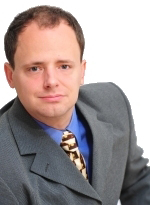
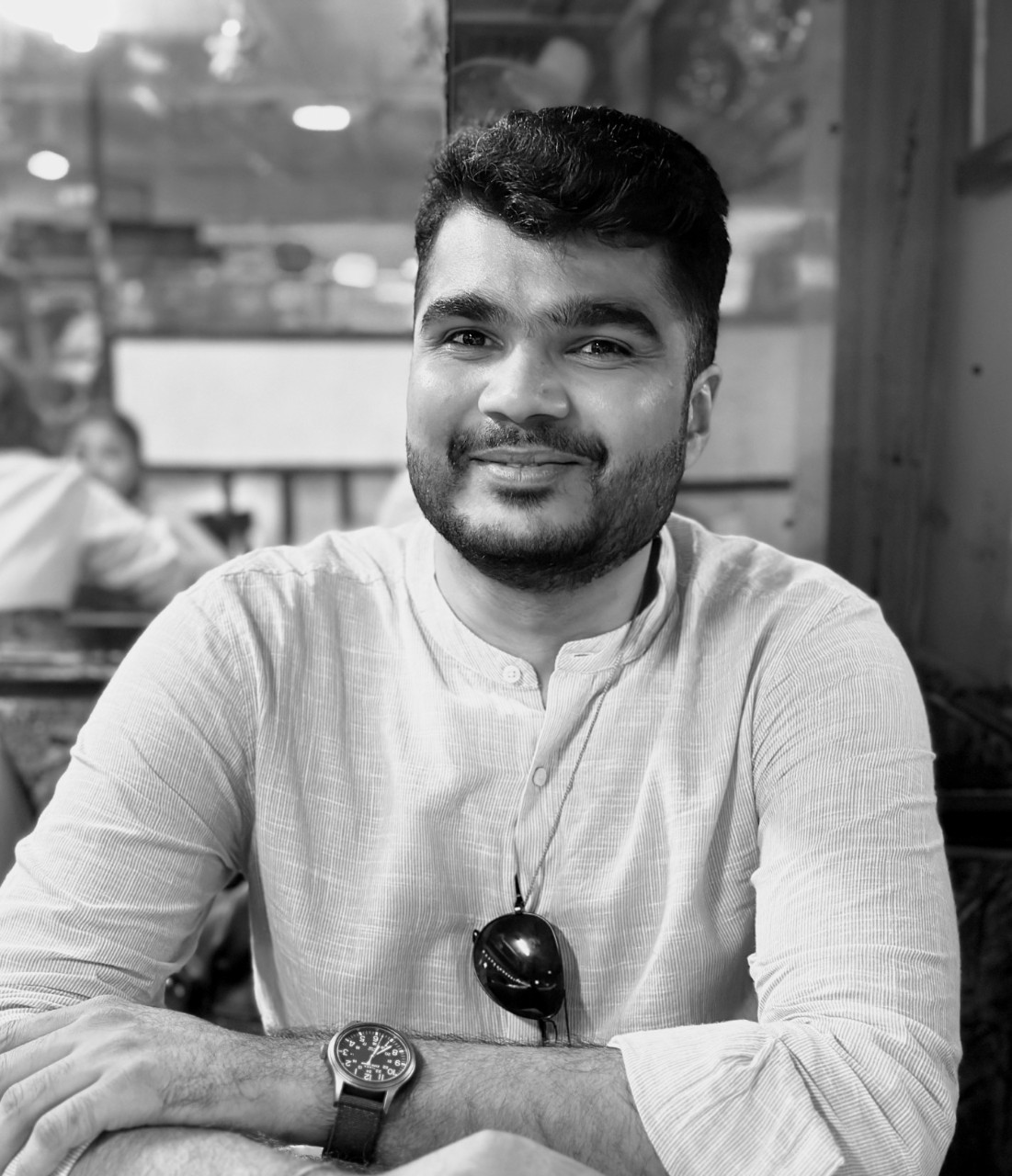
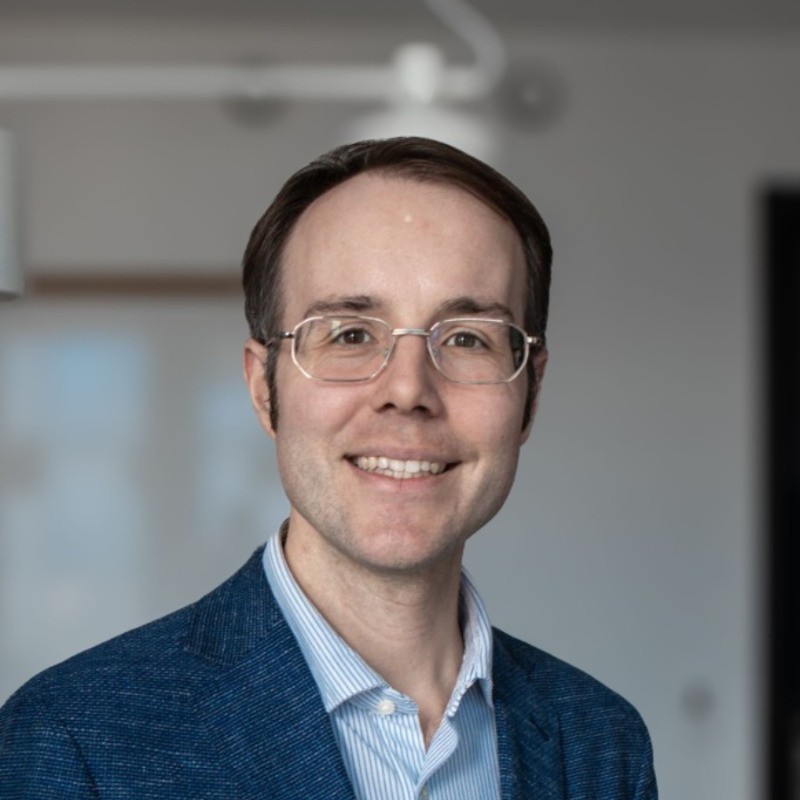
Christoph Koch is a Full Professor in the School of Computer and Communication Sciences at EPFL (Ecole Polytechnique Federale de Lausanne) , Switzerland. He has held academic positions at Cornell University (2007-2010, 2006), Saarland University (2005-2007), and TU Vienna (2001-2005). His research focuses on database systems, logic, programming languages, and data management.
Prof. Dr. Timothy Roscoe is a Full Professor in the Department of Computer Science at ETH Zurich. His research focuses on operating systems, networking, and distributed systems. He was inducted as an ACM Fellow in 2014 for contributions to these fields. Previously, he worked at Intel Research Berkeley, UC Berkeley (Adjunct Professor), and Sprint Labs. His work includes foundational contributions to systems like PlanetLab, P2 Declarative Networking, and the Nemesis OS. Roscoe holds a PhD from the University of Cambridge and has led projects in cloud computing, wide-area network measurement, and secure systems design. His current research emphasizes hardware-software co-design, formal verification of systems, and scalable memory architectures. Education: PhD in Computer Science, University of Cambridge (1995) Key Roles: Principal Researcher at Intel Berkeley Lab, Visiting Researcher at National ICT Australia Research Highlights: Contributions to distributed systems (PlanetLab), declarative networking (P2), and secure microkernels (seL4 integration). Current projects address challenges in disaggregated memory systems, coherent interconnects, and trustworthy embedded systems. Awards: ACM Fellow (2014), numerous grants and industry collaborations. Labs/Teams: Systems Group at ETH Zurich, focusing on OS design, hardware architectures, and formal methods.
Keval Vora is an Associate Professor at the School of Computing Science, Simon Fraser University. His research focuses on scalable solutions for modern data analytics systems, particularly in graph processing and distributed computing. He leads the Parallel Data and Computing Lab (PDCL), developing systems like Peregrine , GraphBolt , and GraphBolt . Contact: TASC1 9419, keval@sfu.ca. Education: PhD in Computer Science from the University of California, Riverside (2017). Previously worked at Morgan Stanley on low-latency trading software. Teaching: Courses include Distributed Systems (CMPT 431) and Special Topics in Networks and Systems (CMPT 982). Advises graduate and undergraduate students on projects involving distributed systems and graph analytics. Research Interests: Parallel/Distributed Computing, Irregular Big Data Processing, High-Performance Computing. His work emphasizes efficient techniques with provable guarantees for large-scale systems. Software Contributions: Peregrine (pattern-based analytics), GraphBolt (dynamic graph processing), and Lumos (disk-based graph processing). These systems address challenges in scalability, efficiency, and real-time data handling.
Ugur Cetintemel is the Khosrowshahi University Professor of Computer Science at Brown University, where he has been since completing his PhD at the University of Maryland in 2001. His research focuses on data management systems, database systems, distributed systems, and stream processing, with recent work integrating AI techniques into database systems. He teaches courses such as Database Management Systems and Data Science fundamentals. Notable contributions include the Aurora and Borealis stream processing engines, S-Store for transaction processing, and DBPal for natural language interfaces. His work emphasizes scalable, efficient systems for large-scale data challenges. Education: PhD in Computer Science, University of Maryland, 2001 MS in Computer Science, Bilkent University, 1996 BS in Computer Science, Bilkent University, 1994 Research Interests: Data management, stream processing, distributed systems, predictive analytics, and AI integration with databases. Key projects include optimizing database systems for modern hardware, developing real-time stream processing frameworks, and exploring interactive data exploration techniques. Grants & Advising: Extensive contributions to grants and collaborations, though specific grant details are not listed. Supervises graduate students in areas like database systems and machine learning integration. Part of the Brown Data Management Group. Labs/Teams: Leads research within the Brown Data Management Group, focusing on advancing database systems for big data and real-time analytics.
David Armitage is the Lloyd C. Blankfein Professor of History at Harvard University, where he serves as Chair of the Committee on Degrees in Social Studies and teaches intellectual history and international history. He also holds affiliations with the Harvard Department of Government, Harvard Law School, and is an Honorary Professor at the University of Sydney and Queen's University Belfast. Previously, he chaired Harvard's Department of History (2012-14, 2015-16) and taught at Columbia University for eleven years before joining Harvard in 2004. Armitage was born in Britain and educated at the University of Cambridge and Princeton University. His academic journey includes: Undergraduate studies at University of Cambridge PhD at Princeton University Teaching position at Columbia University (1993-2004) Professorship at Harvard University (2004-present) Honorary positions at University of Sydney, Queen's University Belfast, and St Catharine's College, Cambridge Professor Armitage specializes in intellectual history, international history, and global history, with particular expertise in the history of political thought, empires, and international law. His scholarly approach emphasizes the longue durée perspective, seeking to understand historical phenomena across extended time periods rather than narrow chronological frames. He has been a leading voice in advocating for historians to engage with "big history" that spans centuries, arguing that contemporary challenges like climate change and economic inequality require historical understanding that transcends the short-term thinking prevalent in modern politics and policy. His extensive publication record demonstrates consistent engagement with foundational texts and concepts in political theory, declarations of independence, civil wars, and oceanic history. Armitage's work shows a clear trajectory toward increasingly global and interdisciplinary approaches, connecting intellectual history with legal, political, and environmental frameworks. His scholarship bridges early modern and contemporary history, examining how historical concepts continue to shape modern international relations and political thought. Armitage's significant contributions to historical scholarship have been recognized with prestigious awards: Caird Medal from the National Maritime Museum (2006) for "conspicuously important work ... of a nature that involves communicating with the public" Walter Channing Cabot Fellow from Harvard (2008) for "achievements and scholarly eminence in the fields of literature, history or art" LittD from Cambridge University (2015), the university's highest degree, for "distinction by some original contribution to the advancement of science or of learning" As an advisor and mentor, Armitage has guided numerous graduate students through doctoral programs at Harvard and previously at Columbia. His scholarly leadership extends to co-editing two major book series with Cambridge University Press ( Ideas in Context and Cambridge Oceanic Histories ), serving on the Steering Committee of the Center for Early Modern Political Thought at the Folger Shakespeare Library, and contributing to various academic organizations. His work has attracted significant research funding supporting his global historical investigations. Professor Armitage is deeply involved in collaborative scholarly initiatives, particularly through his work with the Harvard Academy for International and Area Studies, where he serves as a Senior Scholar. His research often involves interdisciplinary teams examining oceanic histories, international law, and global political thought. He has been instrumental in developing the "Cambridge Oceanic Histories" series, which brings together scholars from multiple disciplines to explore the historical significance of oceans as connective spaces rather than barriers.
Xiaohui Yu is a Professor and Graduate Program Director in the School of Information Technology at York University. He holds a BSc from Nanjing University, an MPhil from the Chinese University of Hong Kong, and a PhD from the University of Toronto. His research focuses on the intersection of data management and machine learning, including ML-based database systems, large-scale machine learning, and spatio-temporal data analysis in contexts like intelligent transportation systems and social networks. Supported by grants from NSERC and industry partners, his work has been published in top venues such as SIGMOD, VLDB, and TKDE. He serves as an Associate Editor for journals like IEEE TKDE and ACM TKDD, and actively participates in conference program committees. Education: BSc (Nanjing University), MPhil (Chinese University of Hong Kong), PhD (University of Toronto). Research Interests: Big data management, database systems, machine learning, spatio-temporal data analytics, and video query processing. Recent articles emphasize ML-driven database components, efficient video query optimization, and scalable algorithms for large-scale data. His work addresses challenges in query processing, indexing, and real-time systems. Service: Serves on editorial boards (e.g., Information Systems), and chairs/workshops (e.g., Symposium on Data Markets). Active in program committees for SIGMOD, ICDE, and other leading conferences. Advising & Grants: Directs graduate programs and leads research groups. Collaborates with industry on data marketplaces and AI model integration. No specific student names listed, but actively recruits PhD/Master’s candidates.
Mohsen Lesani is an Associate Professor in the Computer Science and Engineering Department at the University of California, Santa Cruz's Baskin School of Engineering. His research focuses on reliability and security of software systems, particularly concurrent and distributed systems, with recent emphasis on secure replicated systems and distributed machine learning. Dr. Lesani received his PhD from UCLA, MS in artificial intelligence from Sharif University of Technology, and BS in software engineering from University of Tehran. He was previously a postdoc at MIT. His educational background provides a strong foundation for his interdisciplinary research spanning programming languages, distributed systems, and security. His research interests center on creating reliable and secure distributed systems. Current projects include resilient and secure distributed systems, heterogeneous and reconfigurable secure distributed systems, automatic analysis and synthesis of replicated objects, verification of distributed systems, data analytics, secure exchange across blockchains, machine learning for performance models, domain-specific languages and type systems, and automatic fence insertion for concurrent systems. His work bridges theoretical foundations with practical implementations to address real-world challenges in distributed computing. Lesani's research has been recognized with several prestigious awards including the NSF CAREER award in 2020 and DARPA YFA award in 2022. His work has also received the SIGPLAN Research Highlight in 2019, a distinguished paper award at OOPSLA 2018, and a best paper award at ISSRE 2015. These accolades reflect the impact and quality of his contributions to the field. He actively mentors PhD students in the Safe and Secure Software (S3) lab, including Xiao Li, Eric Chan, Javad Saber-Latibari, and Tejas Mane. His research has been supported by multiple NSF grants, demonstrating sustained funding for his innovative work. Lesani serves on program committees for major conferences including POPL, PLDI, OOPSLA, and DISC, contributing to the academic community. Lesani leads the Safe and Secure Software (S3) lab at UC Santa Cruz, where his team works on cutting-edge research in distributed systems, programming languages, and security. The lab fosters a collaborative environment where theoretical insights are translated into practical systems that address real-world challenges in reliability and security of distributed applications.
Dr Andrea Greve is a Lecturer in the Department of Psychology at the University of Cambridge . Her research focuses on cognitive processes related to memory, prediction error, and learning mechanisms. Key areas of interest include declarative memory formation, semantic predictions, and the influence of novelty on memory retention. She has explored topics such as word learning in variable-choice paradigms, the role of hippocampal lesions in memory binding, and predictive coding in neuroimaging contexts. Her work integrates experimental psychology with neuroscience methodologies, particularly leveraging neuroimaging techniques to investigate memory systems. Notable contributions include studies on false memory effects, the nonmonotonic relationship between object-location memory and expectedness, and the impact of prior knowledge on memory encoding. Dr. Greve has also contributed to methodological advancements, such as improved MRI anonymization for MEG coregistration. While her research spans multiple decades, recent efforts (2023–2025) emphasize predictive frameworks and their applications in understanding cognitive phenomena like semantic surprise and episodic memory formation. Her findings challenge traditional assumptions about fast mapping in adults and highlight the importance of integrating computational models with empirical data. Dr. Greve collaborates extensively with neuroimaging and cognitive science teams, contributing to interdisciplinary projects that bridge theoretical and applied research in memory systems. Her work maintains a strong focus on methodological rigor, particularly in experimental design and data interpretation.
Zsofia Zavecz is a Research Associate at the University of Cambridge Department of Psychology. Her work focuses on the neurophysiological mechanisms underlying sleep and memory consolidation, with particular emphasis on electrophysiological correlates of lucid dreaming and sleep-dependent learning. Research highlights include: Investigation of EEG functional connectivity during statistical learning Study of transcranial stimulation effects on probabilistic learning Analysis of sleep restriction impacts on hormonal regulation Exploration of cognitive reserve mechanisms in sleep disorders Her neuroscientific investigations span procedural memory systems, neural oscillations, and cross-population studies in both healthy individuals and pediatric sleep-disordered breathing patients.
Kelly Bennion serves as an Associate Professor in the Psychology and Child Development Department at California Polytechnic State University. Her research examines how real-life variables—such as emotion, stress, physiological arousal, and sleep—affect memory encoding and consolidation using behavioral experiments, eye tracking, polysomnography, and neuroimaging. She investigates how sleep selectively enhances memories for emotionally salient or future-relevant information in ecologically valid contexts. (78 words) Her educational background includes: Ph.D. and M.A. in Psychology (Cognitive Neuroscience concentration) from Boston College Ed.M. in Mind, Brain, and Education from Harvard Graduate School of Education B.A. in Psychology and Spanish (summa cum laude, Phi Beta Kappa) from Middlebury College Dr. Bennion's work focuses on memory prioritization mechanisms during sleep-wake cycles, particularly how emotional arousal and physiological stress modulate consolidation. She explores real-world applications including educational strategies and mental health interventions, emphasizing the interaction between cortisol levels and sleep-dependent memory processing. Her multi-method approach bridges laboratory findings with naturalistic memory phenomena. (92 words) Analysis of her 2020-2025 publications reveals three dominant research streams: (1) sleep's role in enhancing emotional and future-relevant memories through selective consolidation, (2) cross-episode memory integration via semantic relatedness and surprise mechanisms, and (3) interdisciplinary extensions into public health (postpartum interventions) and environmental toxicology (bisphenol A effects). Her methodology increasingly combines behavioral metrics with physiological monitoring to capture memory dynamics in complex scenarios. (68 words) Dr. Bennion actively mentors undergraduate researchers, evidenced by student co-authorships on publications including Jackson (2019) on school shooter perceptions. While specific grant details aren't provided, her sophisticated research infrastructure implies substantial external funding. She teaches core psychology courses including Research Methods, Biopsychology, and Memory, emphasizing hands-on methodology training. Her laboratory maintains advanced capabilities for sleep monitoring, eye tracking, and neuroimaging to investigate memory consolidation across physiological states. (76 words)
Dr Thomas Paul Colley holds dual roles as Senior Lecturer in Defence and International Affairs at the Royal Military Academy Sandhurst and Senior Visiting Research Fellow in the Department of War Studies at King’s College London. His work bridges academic research and strategic policy application across multiple domains. Research Expertise Propaganda and strategic communication in conflict Strategic narratives in international relations Military strategy communication dynamics Insurgency and counterinsurgency frameworks Climate change strategic communication Social media analysis for defense applications Disinformation impact assessment Scientific Contributions 2022 : News Wars (book, with Martin Moore) 2021 : Book chapter on diplomatic engagement 2020 : Multiple high-impact articles on disinformation and insurgency Awards & Recognition Recipient of King’s College London’s Rising Star Teaching Excellence Award Featured expert in major UK media (BBC, The Times, The Independent) Consulting for UK government agencies (Home Office, Cabinet Office, DSTL) Teaching & Supervision Co-convenor of MA War Studies flagship modules PhD supervision on UK combatant memory of Afghanistan Global defense engagement training for international officers
Emanuel Sallinger is a Full Professor at TU Wien's Databases and Artificial Intelligence Group and Vice Dean of Academic Affairs for Business Informatics and Data Science. He leads the Knowledge Graph Lab, focusing on scalable knowledge-based systems, reasoning in knowledge graphs, and AI integration. His research spans computational logic, database theory, and blockchain applications. Education: PhD in Computer Science (awarded 'sub auspiciis praesidentis rei publicae'), Master's degrees in Computational Intelligence and Informatics Management, and a Bachelor's in Software and Information Engineering. Research Interests: Knowledge graphs (construction, reasoning, scalability), logic-based systems, AI/ML integration with databases, enterprise architecture modeling, and financial knowledge systems. His work emphasizes practical applications like enterprise modeling, sustainable waste management, and regulatory compliance. Grants & Projects: Lead Vienna Science and Technology Fund (WWTF)-funded Knowledge Graph Lab. Involved in projects like 'Knowledge Graph-driven Tour Management' (sustainability), 'SustainGraph' (waste processing), and 'Enterprise Architecture Knowledge Graphs'. Teaching: Offers courses on Knowledge Graphs, Generative AI, Database Systems, and research methodology. Supervises doctoral and master's students in AI, databases, and knowledge representation. Labs/Teams: Knowledge Graph Lab at TU Wien, collaborating with industry on blockchain-based systems, financial AI, and enterprise architecture frameworks.
Ziming Zhang is an Assistant Professor in the Department of Electrical and Computer Engineering at Worcester Polytechnic Institute (WPI) , with additional affiliations in Data Science and Robotics Engineering. He previously held research roles at Mitsubishi Electric Research Laboratories (MERL) and Boston University. PhD in Computing (2013) from Oxford Brookes University , UK MS in Computing Science (2010) from Simon Fraser University , CA BS in Computer Science and Technology (2005) from Northeastern University , China Research interests span computer vision , machine learning , and their applications in point cloud processing , medical imaging , autonomous driving , and IoT . He leads the Vision, Intelligence, and System Laboratory (VISLab) at WPI. Recent publications focus on 3D reconstruction , hyperbolic learning , and robust classifiers . Awards include the R&D100 Award 2018 and NSF funding for data-efficient deep learning. PhD Students: Yecheng Lyu (co-supervised), Guojun Wu (co-supervised), Hangrui Zhang, Xuechu Yu Master's Students: Yun Yue, Yuping Shao Visiting Scholars: Fangzhou Lin His lab partners with industry and academic institutions, focusing on autonomous systems , robotics , and scientific imaging projects.
Anthony Sali is an Assistant Professor of Psychology at Wake Forest University's College of Arts & Sciences. His research focuses on cognitive control mechanisms, attentional flexibility, and neural substrates of behavior. He explores how attentional systems adapt to environmental demands and how these processes are disrupted in developmental disorders like ADHD. Key research areas include: Neural bases of sustained attention and cognitive readiness Strategic adaptation in attentional control Impact of reward and reinforcement learning on attention Developmental differences in attentional capture His work employs neuroimaging (fMRI/electrophysiology) and behavioral paradigms to investigate topics like: Cognitive flexibility and decision-making Allostasis and resilience mechanisms Attentional bias in clinical populations Recent publications highlight his contributions to understanding attentional dynamics, with 2023-2024 work emphasizing neural plasticity in adaptive attention systems. No major awards or external grants are listed in the provided materials.
Dr. David Cock is a Senior Lecturer and Senior Researcher at ETH Zürich's Department of Computer Science, affiliated with the Systems Group. He holds a PhD from UNSW (2014) and a B.Sc. (hons) from UNSW (2004). His research focuses on formal verification, trustworthy systems, and hardware-software co-design, with notable contributions to projects like Enzian (a CPU/FPGA platform) and seL4 (formally verified kernel). He teaches Advanced Operating Systems and Informal Methods courses. Key achievements include the ACM Software System Award (2022) for seL4 and leadership in projects addressing hardware complexity and security. Research interests include formal methods for hardware modeling (Sockeye project), runtime verification, and mitigating timing channels. His work bridges theoretical foundations with practical systems, emphasizing secure and reliable computing platforms. Projects like Trustworthy BMC aim to enhance baseboard management systems' assurance. Collaborations span academia and industry, with open-source contributions to hardware designs and formal tools. Publications span formal verification, hardware modeling, and secure systems, with recent focus on heterogeneous computing and declarative hardware specifications. Teaching emphasizes practical formal techniques and OS design, leveraging real-world hardware (e.g., Barrelfish). His lab, the Systems Group, explores cutting-edge challenges in systems software and architecture.