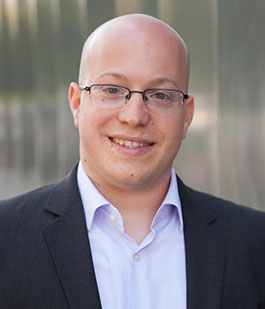
Jonathan Rivnay is a Professor of Biomedical Engineering at Northwestern University , leading the Rivnay Lab in the development of organic bioelectronic materials and devices. His work focuses on bridging biology and electronics through mixed ionic-electronic conductors like conducting polymers, with applications in neural engineering, tissue regeneration, and diagnostics.
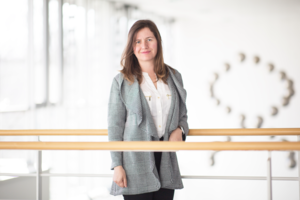
Marcia Ferraz is a Professor at the Ludwig Maximilian University of Munich , leading the Biology of Reproduction research group within the Molecular Animal Breeding and Biotechnology department of the Faculty of Veterinary Medicine . She also holds affiliate professor status at the University of British Columbia, Kelowna , and serves as a Sofja Kovalevskaja Award winner. Her research integrates veterinary science, biotechnology, and molecular biology to develop dynamic reproductive cell cultures using bio-printing and organs-on-a-chip technologies. Research Focus: Ferraz's work addresses declining human fertility, unknown reproductive diseases, and environmental stressors threatening endangered species. Her team creates 3D reproductive tissue models for maternal-embryonic communication studies, IVF optimization, and gamete rescue in wildlife conservation. They also investigate environmental toxicants like microplastics on fertility. Scientific Awards: Sofja Kovalevskaja Award (2020) Marine Biological Institute Scholarship (2016) PhD Fellowship, Utrecht University (2013) Master thesis awarded cum maxima laude (2013) Master Fellowship, INIA Spain (2011) Undergraduate research fellowship FAPESP Brazil (2008) Advising: Ferraz supervises doctoral researchers including Roksan Franko, Yasmin Franko, Giuliana Ferronato, Nicole Grechi, and Eduardo Ribes Martinez. Labs & Teams: The Ferraz Lab at the Gene Center Munich is the first in LMU and second in Germany to achieve My Green Lab certification , emphasizing sustainable scientific practices. Her group explores bio-printing, microfluidics, and extracellular vesicles for reproductive models.
Dr. Carl Sheridan is a Senior Lecturer at the University of Liverpool , affiliated with the Institute of Life Course and Medical Sciences . He is an internationally renowned cell biologist with over 30 years of experience in ocular cell biology, focusing on wound healing, cell transplantation, and regenerative medicine. Honorary Professor in European Masters Programs (IOBA, Spain) Editorial roles: Guest Editor for Journal of Ophthalmology , Section Editor for Eye News , and peer reviewer for 20+ journals Active in organizing international conferences (TERMIS, ISER, EURETINA) His research spans ocular surface, cornea, and retinal pathologies, with a strong focus on: Glaucoma and Age-Related Macular Degeneration (AMD) Stem cell niches and biomaterial applications MicroRNA mechanisms and TGF-beta signaling Development of artificial trabecular meshwork systems Recent publications highlight his work in transcriptomic analysis of trabecular meshwork progenitors, metabolic dysfunction in ageing, and biofabrication techniques for ocular tissue engineering. His team actively collaborates across disciplines in Ophthalmology, Biomedical Science, and Bioinformatics . Scientific honors include: International Glaucoma Association Fellowship (2011) Roy Mapstone Prize (2001) and Mapstone Research Workshop Prize (1997) Dunhill Research Fellowship (2014-2015) Dr. Sheridan supervises postgraduate students across MRes, MSc, and PhD programs , while maintaining active roles in teaching committees and international research collaborations. He is currently developing novel treatments for glaucoma and AMD through interdisciplinary approaches.
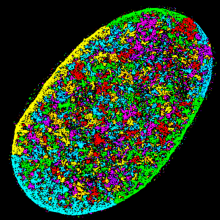
Dr. Su Chin Heo is an Assistant Professor in the Department of Orthopaedic Surgery at the Perelman School of Medicine, University of Pennsylvania. He also holds affiliations with the Graduate Groups in Cell and Molecular Biology, Pharmacology, and Bioengineering. Education: B.S. in Biomedical Engineering, Inje University (2006) M.S. in Biomedical Engineering, Inje University (2008) Ph.D. in Bioengineering, University of Pennsylvania (2015) Dr. Heo's research focuses on musculoskeletal cell and tissue engineering, specifically investigating the interaction between biophysical environments and cellular biology in tissue remodeling. His work utilizes advanced techniques like Super-resolution STORM microscopy to study nanoscale chromatin organization and employs bioreactors and biomaterial systems to control cellular microenvironments. He also explores therapeutic strategies for fibrous connective tissue regeneration through 3D bioprinting and electrospinning technologies. Recent Research Trends include chemomechanical regulation of stem cell differentiation, spatial genome organization in fibrous tissues, and multiphasic tissue construct engineering. These studies bridge biomechanics with epigenetics, particularly examining how mechanical cues affect chromatin dynamics and nuclear architecture. Scientific Awards: Korean-BMES Young Investigator Award (2024) Lab Activities show a vibrant research team presenting at major conferences like the World Biomaterials Congress and ORS. The lab develops innovative scaffolds for osteochondral repair, meniscus regeneration, and rotator cuff reconstruction, while mentoring PhD students and postdoctoral fellows.
Dr. Younghye Song serves as Associate Professor in the Department of Biomedical Engineering within the College of Engineering at the University of Arkansas, with additional affiliation in the Interdisciplinary Graduate Program in Cell & Molecular Biology. Her research develops pro-regenerative scaffolds and in vitro disease models using biomaterials to advance therapeutic strategies for cancer and neural injuries. Education: Ph.D. in Biomedical Engineering, Cornell University (Advisor: Dr. Claudia Fischbach) B.S. in Chemical Engineering and Biomedical Engineering, Carnegie Mellon University (Honors Research Advisor: Dr. Jeffrey Hollinger) Postdoctoral Training, University of Florida (Advisor: Dr. Christine Schmidt) Dr. Song's research centers on Biomaterials , Tumor Microenvironment , and Regenerative Medicine , with emphasis on pancreatic cancer perineural invasion and spinal cord injury. Her lab pioneers decellularized extracellular matrix hydrogels, nerve composite scaffolds, and stem cell-based therapies. Key projects include modeling cancer-nerve crosstalk through extracellular vesicles and developing tissue-engineered testbeds for fibrotic scarring. Recent publications (2021-2025) reveal dominant themes in pancreatic cancer neuroscience (7 articles), neural regeneration (5 articles), and decellularization techniques (4 articles). Her work demonstrates strong translational focus, with 2023-2025 studies increasingly incorporating stem cell therapies and educational innovations in biomaterials curriculum design. Awards and Honors: Outstanding Researcher in Biomedical Engineering, University of Arkansas Dean’s Award of Excellence Rising Star Research Award, College of Engineering Outstanding Teacher in Biomedical Engineering Early Career Editorial Board Member, ACS Biomaterials Science & Engineering Review Editor, Frontiers in Medical Technology Postdoc Excellence Award, University of Florida MOGAM Science Foundation Fellow, Korea Swanson Graduate Fellow, Cornell University Dr. Song actively mentors four PhD students (Kuczwara, Van Vu, Ala-Kokko, Kunt) and a postdoctoral fellow (Gregory). Her lab alumni include seven graduate students now at institutions like AstraZeneca, Yale School of Medicine, and Vanderbilt University. The Therapeutic Testbed Engineering lab maintains active collaborations across biomedical engineering and cancer research domains, with current projects focused on translating decellularized scaffolds into clinical applications for nerve regeneration and cancer therapeutics.
Professor Gyun Min Lee is a faculty member in the Department of Biological Sciences at Korea Advanced Institute of Science and Technology (KAIST), where he leads the Animal Cell Engineering Lab. His research focuses on developing advanced mammalian cell systems for therapeutic protein and viral vector production through innovative engineering approaches. Dr. Lee earned his Ph.D. in Chemical Engineering from the University of Michigan, providing him with a strong foundation at the intersection of engineering principles and biological systems. His technical expertise spans from molecular biology to bioprocess engineering, enabling comprehensive solutions for biopharmaceutical production challenges. Professor Lee's research program centers on animal cell engineering for biopharmaceutical applications. His team utilizes synthetic biology approaches including artificial promoters and transcriptional regulation to develop improved mammalian cell lines. A major focus involves using CRISPR/Cas9 technology and site-specific gene integration to construct cell libraries for discovering novel engineering targets. Additional research areas include cell line development platforms, bioprocess optimization, apoptosis and autophagy studies in production cell lines, proteomic analysis of host cell proteins, and strategies for improving difficult-to-express protein production. Analysis of Professor Lee's recent publication record reveals a strong emphasis on genome editing technologies for cell line improvement, particularly using CRISPR-based screening methods in CHO and HEK293 cells. His work bridges fundamental molecular mechanisms with practical bioprocess applications, demonstrating consistent innovation in enhancing productivity while maintaining product quality in therapeutic protein manufacturing. The research shows increasing sophistication in systems-level approaches to cell engineering. Professor Lee actively mentors researchers in the Animal Cell Engineering Lab, guiding projects that address critical challenges in biopharmaceutical production. His research is supported by various funding sources focused on advancing cell engineering technologies for therapeutic applications. The Animal Cell Engineering Lab maintains state-of-the-art facilities for mammalian cell culture, genetic engineering, and bioprocess development. The lab collaborates extensively with both academic and industry partners to translate basic research findings into practical applications for the biopharmaceutical industry, contributing significantly to advancements in therapeutic protein and viral vector manufacturing.