
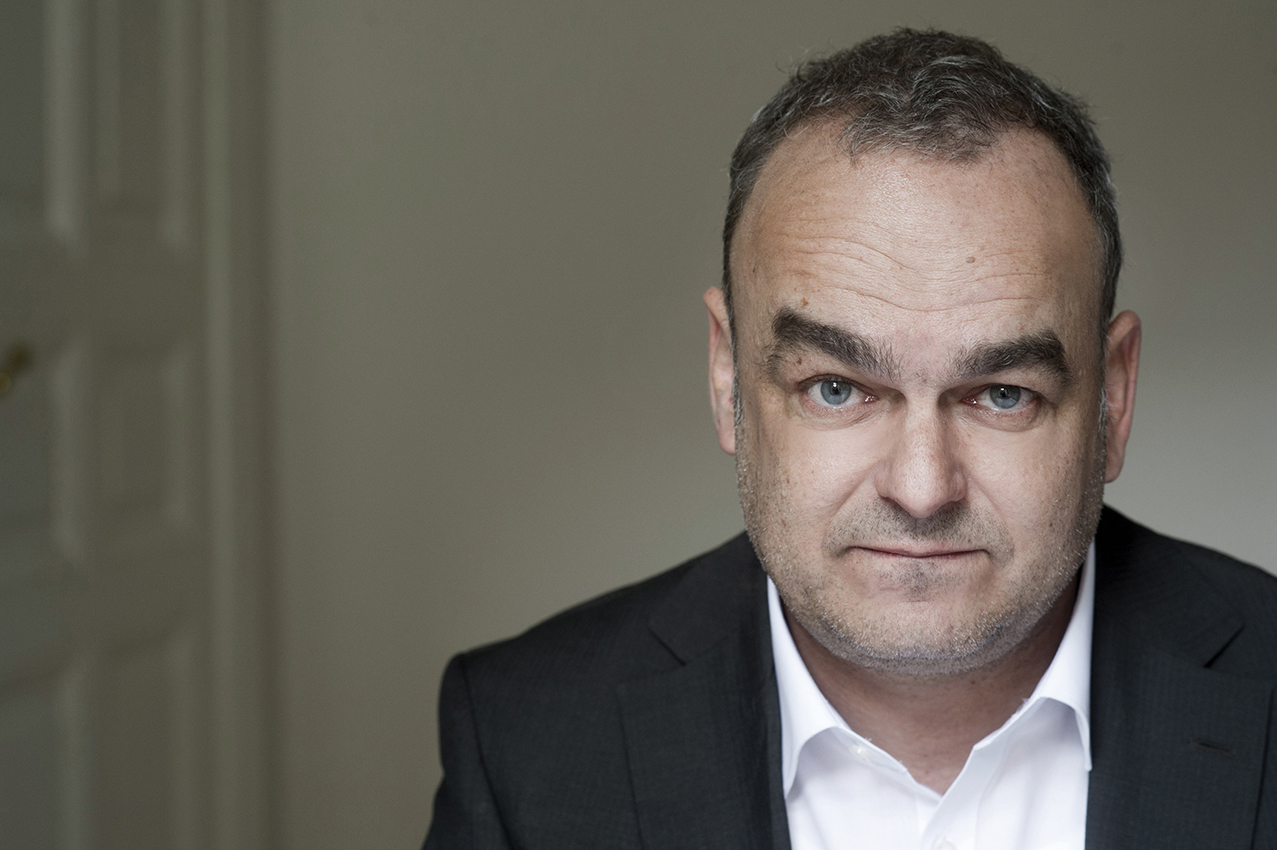
Professor Frank Jacobi holds the Professorship for Clinical Psychology and Psychotherapy (Focus on Behavioral Therapy) at the Berlin School of Psychology (PHB). He serves as Vice-Rector of the institution and leads the Department of Clinical Psychology and Psychotherapy. His academic career has been dedicated to bridging clinical practice with research, particularly in understanding mental disorders and improving psychotherapeutic care. Prof. Jacobi's research centers on health services research, specifically the epidemiology and disease burden of mental disorders, healthcare structures, and treatment needs. He also conducts significant work in psychotherapy research, examining concepts, differential indications, evaluation methods, and quality assurance, including cost-effectiveness and cost-benefit analyses of psychotherapy. His work often addresses the intersection between mental and physical health, particularly regarding somatic comorbidity in severe mental illness. His most recent publications demonstrate a clear trajectory toward integrating technology with traditional psychotherapy, addressing the healthcare needs of severely mentally ill populations, and analyzing trends in mental disorder prevalence. The articles reflect his dual focus on clinical practice and population-level health services research, with increasing attention to digital solutions and integrated care models. Best Paper Award der DGPPN 2015 for highly cited work on mental disorders in the German adult population Prof. Jacobi actively supervises Master's theses for PHB students in both Behavioral Therapy and Psychodynamic Therapy programs. He also supports academic projects, publications, and doctoral theses by psychotherapists in training. His research group regularly meets to discuss ongoing projects, including the DEGS1-MH study, PSY-KOMO project, and pandemic-related psychological challenges. The PHB, under his leadership, has developed innovative degree programs that combine psychotherapy training with academic focus to strengthen scientifically based psychotherapy. His laboratory and research teams focus on several key areas: the epidemiology of mental disorders in the general population, healthcare research for severe mental illness (particularly regarding somatic comorbidity), and the psychological impact of societal challenges like the pandemic. The PSY-KOMO project represents a significant interdisciplinary effort to improve physical healthcare for people with severe mental illness through health companionship services.
جستجوی استاد راهنمای دانشگاهی
برای مسیر پژوهشیتان، استاد راهنما، استاد دانشگاه و پژوهشگر مناسب را پیدا کنید و با آنها ارتباط بگیرید.
نمایش ۷۳۶-۷۵۰ از ۶٬۵۶۸ استاد راهنما
اطلاعات پروفایلها از صفحات عمومی دانشگاهها گرفته شده و ممکن است بهروز نباشد.
- Database Systems
- Knowledge Graphs
- Ontologies
- +۷ مورد دیگر
Prof. Anika Groß is a Professor for Database Systems and Programming at the Department of Computer Science and Languages at Anhalt University of Applied Sciences in Köthen, Germany. She holds a PhD from the University of Leipzig (2014) and has held roles as a PostDoc in strategic research at Daimler AG and as a research assistant at the Interdisciplinary Centre for Bioinformatics (IZBI). She is actively involved in academic governance, serving on the faculty council, board of examiners, and various sustainability and research data management committees. Her research focuses on database systems, knowledge graphs, and ontology engineering, with applications in environmental science, medicine, and material sciences. Education - PhD (Dr. rer. nat.) in Computer Science, University of Leipzig (2014) - Diploma in Bioinformatics, MLU Halle-Wittenberg (2007) - Postdoctoral research at University of Leipzig's Database Group (2008–2013) Research Interests Her work emphasizes temporal graphs, ontology evolution, and semantic data integration. She develops tools like Region Evolution eXplorer (REX) and contributes to projects such as AgriRestore (ecosystem restoration) and MeineWaldKI (AI-based forest monitoring). Her recent focus includes wearable device applications in healthcare and digital twins for lithium value chains. Recent Research Trends Recent publications highlight interdisciplinary applications of knowledge graphs in agriculture and environmental science, leveraging temporal analysis and machine learning for tasks like chemical transformation prediction and bladder monitoring. She also explores cross-lingual semantic annotations in medical forms and holistic clustering of linked data. Professional Roles - Executive Committee Member, GI Database Systems Group - Fellow, Institute for Technologies and Economics of Lithium (ITEL) - Co-Chair of multiple workshops including FGDB-Workshop @ LWDA 2018 and BigDS@BTW 2017 Labs & Collaborations She leads research teams in projects funded by DFG, European Union (EFRE), and ITEL, collaborating with organizations like Daimler AG and ANU. Her lab focuses on advancing database systems and interdisciplinary data science applications.

Laura Tiptonمشاهده پروفایل
استادیار
Laura Tipton is an Assistant Professor in the Department of Mathematics & Statistics at James Madison University (JMU), affiliated with the College of Science and Mathematics. Her research focuses on microbiome dynamics across diverse habitats such as human lungs, aerobiota, invertebrate guts, and fermented foods, emphasizing bacterial-fungal interactions and robust statistical methodologies. She integrates techniques from ecology, machine learning, and graph theory, with side projects in digital humanities, data visualization, and data feminism. Education: PhD in Computational Biology (2016), University of Pittsburgh/Carnegie Mellon University MS in Statistics (2011), George Washington University BA in Biostatistics (2007), University of Virginia Her research interests span microbiome analysis, microbial interactions, and interdisciplinary data science. Recent work includes studies on airborne fungal DNA dynamics, fungal contributions to neonatal lung diseases, and psychobiotic field developments. She emphasizes methodological innovation in microbiome studies and advocates for inclusive data practices. While no formal awards or grants are listed, her work reflects significant contributions to collaborative projects like the Global Spore Sampling Project and Pacific Innovations, Knowledge, and Opportunities (PIKO) Program. Laura’s advising focuses on mentoring students in interdisciplinary projects at the intersection of mathematics, biology, and computational science.

Xiaonan Guoمشاهده پروفایل
استادیار
Xiaonan Guo is an Assistant Professor in the Department of Information Sciences and Technology at George Mason University. His research focuses on security and privacy in cyber-physical systems, mobile device security, IoT, mobile healthcare, and machine learning applications in mobile computing. He holds a PhD in Computer Science from the Hong Kong University of Science and Technology. His work spans innovative applications of mmWave technology for authentication, health monitoring, and activity recognition, alongside contributions to privacy-preserving systems and mobile deep learning optimization. Recent research emphasizes contactless human concentration monitoring, secure mobile DNN execution, and universal adversarial attacks against mmWave-based systems. Xiaonan’s publications reflect a strong focus on mobile and IoT-driven healthcare solutions, wearable device security, and cross-technology localization. His articles often bridge theoretical advancements with real-world applications in smart healthcare systems and pervasive computing environments.
Jan Kossmannمشاهده پروفایل
پژوهشگر
Jan Kossmann is a researcher affiliated with the Hasso Plattner Institute at the University of Potsdam, Germany. His work focuses on database systems, query optimization, and autonomous database management. He earned his PhD in 2023 with a thesis on unsupervised database optimization, including efficient index selection and data dependency-driven query optimization. His research explores topics like workload-aware indexing, reinforcement learning applications in database systems, and the development of frameworks for evaluating autonomous database technologies. Key collaborations include projects with Rainer Schlosser, Thorsten Papenbrock, and others, emphasizing experimental evaluations and system design. Notable contributions include the SWIRL reinforcement learning-based index selection framework and the 'Magic Mirror' tool for comparing index selection approaches. His publications span venues like VLDB, EDBT, and ICDE, reflecting his deep engagement with database theory and practical system implementation.

- Biochar
- Soil Science
- Anaerobic Digestate
- +۴ مورد دیگر
Donna Oldbury-Thomas is a Researcher at the Centre for Agroecology, Water and Resilience, Coventry University. She holds a PhD in Soil Science from the University of Worcester and dual undergraduate degrees in Plant Science and Business Studies from the University of Worcester and University of Gloucestershire. Her work bridges farming practices, business acumen, and environmental science to explore sustainable agricultural systems. Research focuses on biochar, anaerobic digestate, and innovative land management strategies to enhance soil health and carbon sequestration while supporting farmers economically. Key interests include agricultural waste recycling, policy impacts on farming, and aligning practices with UN Sustainable Development Goals. Publications highlight interdisciplinary approaches, such as analyzing human-lion conflict in Africa and contested policies like Nitrate Vulnerable Zones in Wales. She collaborates on projects addressing agroecology territories and sustainable wheat production systems. Her vision emphasizes socially equitable solutions that harmonize environmental stewardship with economic viability for farmers.
- Logic
- Automated Reasoning
- Ontology Languages
- +۵ مورد دیگر
Ulrike Sattler is a Professor in the Department of Computer Science at the University of Manchester, where she also serves as Deputy Head of Department and Senior Mentor. Her academic journey includes a PhD from RWTH Aachen University (1998) and a Habilitation from the University of Manchester (2003). She has held roles such as Reader and Senior Lecturer at Manchester, and previously worked as a Senior Researcher at TU Dresden and RWTH Aachen. Her research focuses on logic-based knowledge representation, automated reasoning, and Description Logics, with contributions to OWL ontology languages and standardization. Notable awards include the Friedrich Wilhelm Preis (1999) for her PhD thesis. She has co-supervised over 20 PhD students, including prominent figures like Birte Glimm and Matthew Horridge. Her service contributions include co-chairing conferences (KR 2010, IJCAR 2012), editorial roles in journals like JAR and JAIR, and leadership in the W3C OWL Working Group. She teaches courses on ontology engineering and semantic web technologies, emphasizing practical applications in molecular biology and knowledge graphs.
Sarah Jackson is Professor and Divisional Dean for Social Sciences in the College of Arts and Sciences at the University of Colorado Boulder, where she joined the Department of Anthropology in 2023. Previously, she held academic positions at the University of New Hampshire, University of Toronto, and University of Cincinnati. With a PhD from Harvard University (2005), she is an anthropological archaeologist specializing in ancient Mesoamerica, particularly Classic Maya culture. Her research explores materiality, ancient identities, ontologies, and personhood (including non-human persons), indigenous political organization, and the negotiation of culture change. Methodologically, she works at the intersection of text and material record, bringing together theoretical ideas with archaeological field practices. Her current work reconstructs aspects of a Classic Maya material worldview, investigating how indigenous material perspectives might transform archaeological field practices. Her recent publications reveal a consistent focus on understanding Maya perspectives on material culture, text, and space. Jackson's work increasingly examines how modern archaeological interpretations can be enhanced by incorporating indigenous ontological frameworks, particularly through innovative digital recording systems that unite archaeological and Maya views on material culture. She co-directs an archaeological project at Say Kah, Belize with Dr. Linda Brown, funded by Wenner-Gren, National Geographic Society/Waitt, National Geographic Society (CRE), American Philosophical Society, Brennan Foundation, and Rust Family Foundation. Her fieldwork integrates theoretical approaches with practical archaeological methods, developing new ways to document and interpret Maya sites. While actively engaged in research and academic administration, Dr. Jackson is currently not accepting PhD applicants due to her administrative responsibilities as Dean of Social Sciences.
Jim Hintonمشاهده پروفایل
دانشگاهی
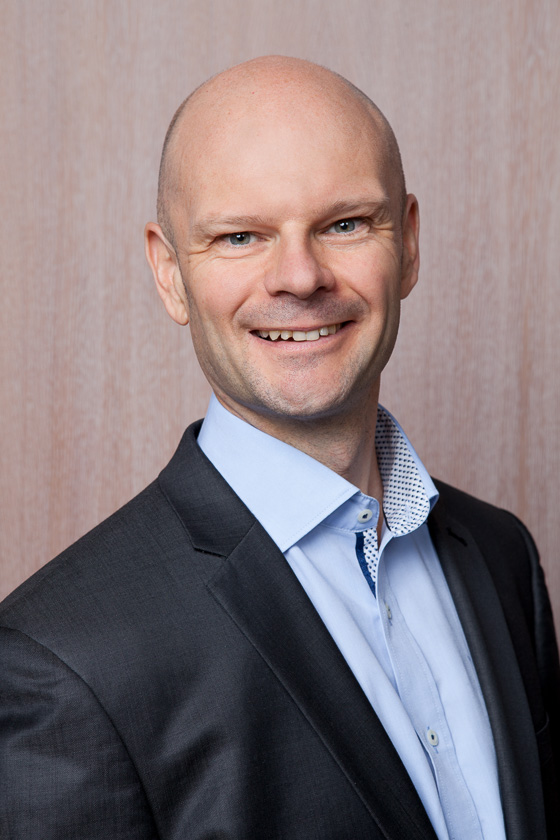
Jim Hinton is the Managing Director at the Max Planck Institute for Nuclear Physics (MPIK) in Heidelberg, Germany, and holds the title of Honorary Professor at the University of Heidelberg. His primary role includes leading the Non-thermal Astrophysics Division and serving as Spokesperson for the SWGO project. He actively participates in major initiatives such as the Cherenkov Telescope Array Observatory (CTAO) Council and the SST Camera Board. Education: BSc from University of Leeds (1995), PhD in Astronomy (1998) His research focuses on high-energy astrophysics, particularly gamma-ray observations and non-thermal processes in cosmic environments. He has held prestigious positions including Chair in Observational Astronomy at the University of Leicester (2010–2015) and STFC Advanced Fellow at the University of Leeds (2006–2010). His postdoctoral work spanned institutions in Germany, the U.S., and the U.K., with a strong emphasis on observational techniques and instrumentation. Professional memberships include the HESS-II Steering Committee and leadership roles in multinational astrophysics collaborations. His work is documented in his ORCID profile and ADS publications database.
Geoff Sutcliffe is a Professor in the Department of Computer Science at the University of Miami's College of Arts and Sciences. He holds a PhD from the University of Western Australia (1992), MSc from the University of Natal (1986), and BSc (Hons) from the University of Natal (1983). His research focuses on Automated Theorem Proving (ATP), evaluation methodologies for reasoning systems, and distributed computational frameworks. His primary research areas include developing infrastructure for ATP systems through the TPTP (Thousands of Problems for Theorem Provers) World project, organizing the CADE ATP System Competition (CASC), and creating standards for logic representation. His work bridges theoretical foundations with practical implementations in AI and computational logic. Research publications demonstrate sustained focus on ATP system improvements, logical framework extensions, and historical analyses of automated reasoning. Recent works explore non-classical logics, semantic web integrations, and performance benchmarking techniques. Scholarship consistently emphasizes practical tool development alongside theoretical advances.
- Climate Science
- Meteorology
- Natural Hazards
- +۳ مورد دیگر
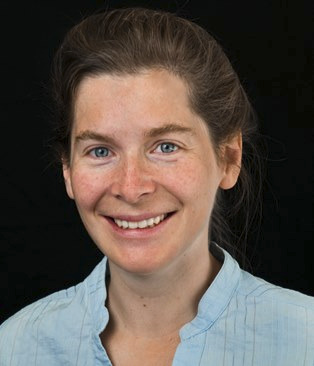
Prof. Olivia Romppainen-Martius is a Professor and Group Leader of the Climate Impacts research group at the Institute of Geography, University of Bern. She co-directs the Mobiliar Lab for Natural Risks and focuses on short-term climate dynamics, high-impact weather systems, and midlatitude weather patterns. Her work integrates advanced modeling techniques with real-world applications in disaster risk reduction. Her research spans climate variability analysis, probabilistic forecasting of extreme events, and the development of early warning systems. She leads collaborative projects combining machine learning with Earth system modeling to improve understanding of weather extremes under climate change. Key interests include flood forecasting, hailstorm dynamics, and Mediterranean cyclone behavior. Prof. Romppainen-Martius has pioneered web-based visualization tools for impact-based flood warnings and has contributed to kilometer-scale Earth system modeling frameworks like nextGEMS. Her methodologies emphasize statistical reconstruction of historical weather events and the application of AI to convective weather prediction. Her research outputs reflect a strong focus on bridging climate science with practical risk management strategies, particularly in alpine and pre-alpine environments. Current efforts include long-term analysis of Swiss hailstorms and development of crowd-sourced data integration for meteorological observations.

- Operating Systems
- Machine Learning
- Computer Vision
- +۴ مورد دیگر
Thaleia Dimitra Doudali is an Assistant Professor at the IMDEA Software Institute in Madrid, Spain, leading the Muse research lab. She holds a PhD in Computer Science from Georgia Institute of Technology (2021), advised by Ada Gavrilovska, focusing on hybrid memory management with machine learning. Prior to her PhD, she earned a Diploma in Electrical and Computer Engineering from the National Technical University of Athens (2015). Her research interests span systems for machine learning, machine learning for systems, and computer vision applications in resource management. Her work has been recognized with awards including the 'César Nombela' (2024), 'Juan de la Cierva' (2021), and Rising Star in EECS (2020). She serves on program committees for top conferences (ASPLOS, EuroSys) and organizes workshops. Her lab's projects address cloud resource management, carbon efficiency, and sustainable computing. She advises multiple PhD and intern researchers, contributing to impactful publications in SIGMOD, EuroSys, and other venues. Notable contributions include Cronus (CV-based memory management), CaRE (carbon-efficient cloud-edge orchestration), and foundational work on ML-driven resource forecasting. Her research bridges systems and AI, aiming to optimize data center efficiency and sustainability. She actively promotes diversity in STEM through mentorship roles in ACM-W Greece and Women in HPC initiatives.

Tommaso Spinelli is a Tutor (Italian and Latin) at the University of St Andrews, holding positions since September 2019. He also serves as an Advisory Board Member at JETOR Consulting (since 2021) and E-Learning Coordinator at South Yorkshire Fire & Rescue (since 2020). Spinelli earned his Doctor of Philosophy from the University of St Andrews in 2019, followed by a Postdoctoral Research Fellowship at Pontificium Institutum Altioris Latinitatis (2019–2020). His research focuses on classical literature, digital humanities, and Latin linguistics. Key projects include the Latin Decoder software tool and the Latin Diachronic Database, advancing digital methods in classical studies. His work explores themes like Statius' Thebaid, Latin phonetics, and epigraphic analysis. Recent publications (2021–2022) highlight interdisciplinary approaches combining computational methods with classical scholarship. Notable contributions include studies on ancient narrative techniques and the application of digital tools for language analysis. No formal scientific awards are listed, but his impactful research in digital classics is evident through peer-reviewed outputs. He collaborates actively in international digital humanities projects and has advised on e-learning initiatives in emergency services. Labs/teams: Involved in digital classics initiatives at the University of St Andrews and collaborates with institutions like the Pontificium Institutum Altioris Latinitatis.
Vuk Gajićمشاهده پروفایل
استادیار
Vuk Gajić is an Assistant Professor at the Faculty of Applied Ecology, Singidunum University, where he has held academic roles since 2016. His career progression includes positions as a teaching associate (2016), assistant (2019), and current role (2023). He earned a Ph.D. in Environment and Sustainable Development from Singidunum University (2019–2022), following prior studies in environmental protection and risk management at the same institution. Research interests span environmental science, sustainable development, GIS applications, and radiation technology for waste and food treatment. He has contributed to interdisciplinary studies, including soil contamination analysis in Libya, microbial decontamination via ionizing radiation, and machine learning applications for software defect prediction and agricultural weed detection. His work bridges environmental engineering with technological innovation, emphasizing sustainability and ecological conservation. Publications reflect a focus on environmental monitoring, pollution assessment, and eco-technologies. Key themes include GIS-based environmental databases, forest fire prevention through sensor networks, and agricultural waste reuse. His research often integrates quantitative methods with geospatial tools, addressing both local and global environmental challenges. Teaching responsibilities include courses on geodiversity, sustainable development, and natural hazards. He actively participates in academic conferences, contributing to peer-reviewed journals and presenting at events like Sinteza and SETI. Current projects likely explore emerging technologies in environmental management and sustainable practices.
Fabian Panseمشاهده پروفایل
پژوهشگر
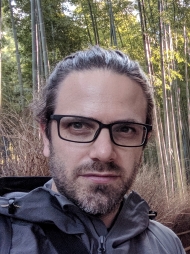
Dr. Fabian Panse is a Researcher at the Database and Information Systems (DBIS) group within the Department of Informatics at the University of Hamburg. His work focuses on database systems, data quality, and probabilistic data management, with significant contributions to polyglot persistence, duplicate detection, and data simulation frameworks like SmartOpenHamburg and HADeS. Research Assistant since 2009 PhD in Computer Science Research interests center on polyglot persistence , probabilistic databases , duplicate detection , and data pollution techniques . His publications span conferences like VLDB, ICDE, and workshops on database fundamentals. He has supervised over 20 theses including Master's and Bachelor's projects on topics ranging from data synthesis to smart city applications . Key collaborations include Prof. Norbert Ritter and Dr. Wolfram Wingerath.
نمایش نتایج تا ۷۵۰ مورد اول. برای یافتن نتایج دقیقتر، جستجوی خود را با فیلترها محدود کنید.