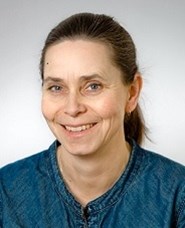
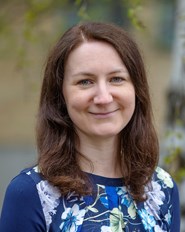
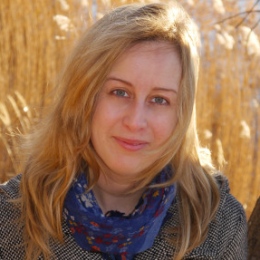
Oyvind Karlsson is a Researcher at Mid Sweden University, affiliated with the Department of Health Sciences in Östersund and the National Winter Sports Center (NVC). His work focuses on optimizing performance and health in elite winter sports athletes, particularly cross-country skiers and biathletes, through rigorous physiological monitoring and data-driven approaches. Dr. Karlsson holds a Doctor of Philosophy (PhD) from Mid Sweden University, culminating in his 2022 doctoral thesis "Monitoring Health Problems and Training to Support Performance in Competitive Cross-Country Ski Athletes," which established his expertise in longitudinal athlete tracking. His research centers on athlete health surveillance, metabolomics-based biomarker identification, and altitude training adaptation. He investigates critical intersections between training load, illness incidence, and performance outcomes, with emphasis on practical applications for national teams. Current projects analyze metabolic responses to exercise, sleep patterns at altitude, and individualized acclimatization strategies. Analysis of his 15 most recent publications reveals a dominant focus on cross-country skiing performance optimization through interdisciplinary methods. His work consistently combines exercise physiology with metabolomics and real-world monitoring, targeting illness prevention and performance enhancement in elite winter sports. Recent studies increasingly incorporate blood-based biomarkers and individual response variability. No scientific awards are documented in available sources. While no formal advising relationships or specific grant funding are mentioned, Dr. Karlsson collaborates extensively with national team staff through the NVC framework. His research directly informs coaching decisions and athlete management protocols for Swedish cross-country skiing and biathlon programs. As a core member of the National Winter Sports Center (NVC), Dr. Karlsson integrates with multidisciplinary teams including sports scientists, physiologists, and medical staff. His work leverages the NVC's specialized facilities for altitude simulation, metabolic testing, and field-based performance analysis during training camps.