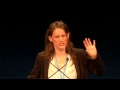
Sarah Howard is an Honorary Professor at the School of Education, University of Wollongong, and concurrently holds roles such as Visiting Professor at Vrije Universiteit Brussel. Her research focuses on leveraging new technologies and data science to understand classroom practices, teacher change, and technology integration. Key areas include cultural and individual factors influencing teachers' digital technology use, blended learning environments, and automated classroom observation systems. She leads projects like national app use studies in primary schools and data/video mining methods for digital-physical space integration. Her academic roles include supervision of higher-degree research students across multiple institutions. Funding includes ARC grants and internal university schemes exploring rural student potential, generative AI in education, and flexible learning spaces. Her work emphasizes innovative educational technologies, teacher professional development, and systemic educational change. Recent publications span AI in education, blended learning frameworks, and teacher readiness for online instruction. She collaborates internationally, with a focus on integrating theoretical and practical insights to drive educational innovation.
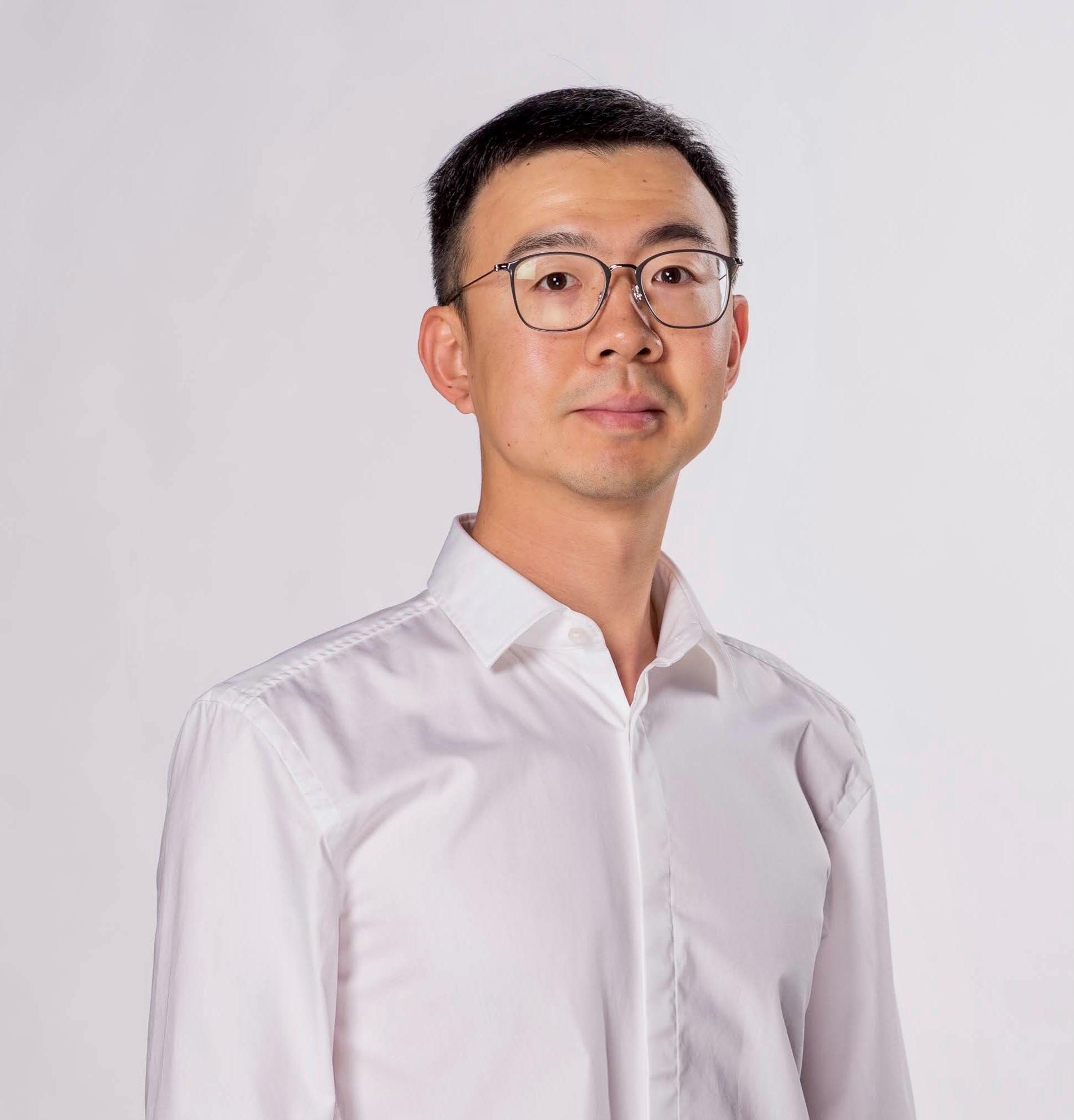
Dr. Yu Zhang is a Lecturer of Data Science at the School of Business, UNSW Canberra. His academic career focuses on text mining, knowledge and information management, social computing, and bibliometric analysis, with interdisciplinary applications in areas such as sustainable logistics, supply chain management, and net-zero energy solutions. Fields of Interest: Text Mining, Information Management, Social Computing, Bibliometric Analysis, Machine Learning for Information Systems, Heterogeneous Network Analysis, Data Mining for Asset Management, Sustainable Logistics, Supply Chain Management, Net-zero Energy in Green Buildings, and Transportation. Grants: Served as CI in projects like "Online health monitoring in Li-ion batteries via trustworthy AI" (ACT Government, $1.22M) and "Delivering net-zero energy buildings" (TRaCE Lab to Market, $1.05M). Awards: Best Paper Award (Runner-up) at ADMA 2024 and Excellent Paper Award at ICEBE 2024. Teaching: Coordinated courses in Data Analytics, Workforce Planning Research, Business Capstone, and Logistics Intelligence with Big Data Analysis. Supervision: Guided research on topics like federated learning for healthcare fraud detection, blockchain-based carbon offset management, and tier-based supply chain visibility. His publications span materials science and photovoltaic technologies, with a focus on thin-film solar cells and defect passivation methods. For collaboration or supervision inquiries, contact him at m.yuzhang@unsw.edu.au .
Prof. Ping Yu is a Professor at the University of Wollongong's School of Computing and Information Technology, where she has held leadership roles such as Director of the Centre for Digital Transformation (2013–2020). Her work focuses on digital health, health informatics, and data-driven solutions for aged care, with collaborations involving the World Health Organization (WHO), NSW Health, and over 11 aged care providers. She has pioneered projects like the WHO’s eSTEPS platform and AI-driven analytics to optimize healthcare resources. Her research integrates socio-technical perspectives to address challenges in technology adoption and healthcare system improvements. Her research interests span data engineering, data quality, ontology development, and generative AI applications in healthcare. Key areas include extracting insights from unstructured health records, improving clinical decision-making, and enhancing patient outcomes through mHealth and telemedicine innovations. She also explores the impact of green spaces on healthy aging and disparities in healthcare access across regions. Prof. Yu has secured over $4.5 million in research funding, including significant grants from the Australian Research Council. She has mentored 29 postgraduate students to completion, emphasizing interdisciplinary research and practical implementation. Her awards include the prestigious 2022 Telstra Brilliant Women in Digital Health Award and the 2008 Don Walker Award for contributions to health informatics. Her advising and grants narrative highlights her role as a mentor and her success in securing competitive funding. Her work bridges academia and industry, with projects like improving pressure injury risk management in aged care using EHRs and analyzing agitation in dementia through AI. She contributes to education policy, including co-designing academic leadership programs and enhancing clinical informatics curricula in the AI era. Prof. Yu leads multi-disciplinary teams at UOW and collaborates with global institutions, focusing on labs and initiatives like the Appendicectomy Surgical Pathway Ontology (ASPO) and the 6A framework for hypertension management via mHealth. Her research emphasizes real-world impact, from reducing hospital readmissions to optimizing surgical workflows and improving public health communication strategies during crises.
Professor Marius Portmann is the UQ-Cisco Chair of Network Security at the School of Electrical Engineering and Computer Science (EECS), University of Queensland. His expertise spans Cybersecurity, IoT, and Applied AI. He holds a PhD from ETH Zurich (2003) and has led research in Software Defined Networking (SDN), blockchain, and energy-harvesting IoT systems. Education: PhD in Electrical Engineering from Swiss Federal Institute of Technology (ETH Zurich), 2003. Research focuses on securing IoT networks, AI-driven intrusion detection, and sustainable sensor systems. He has pioneered self-powered IoT systems using energy harvesters and developed frameworks like FlowTransformer for network analysis. His work bridges theoretical advancements with practical applications in smart tourism, energy efficiency, and edge computing. Recent publications highlight innovations in DDoS detection (P4-Secure), sensor-based environmental monitoring (EcoShower), and graph-based anomaly detection (XG-BoT). His datasets (e.g., NF-ToN-IoT-v3) are widely used in ML-based cybersecurity research. Collaborations include industry partners like Cisco and institutions like RMIT. Grants and leadership roles in interdisciplinary projects underscore his impact. He advises on IoT security standards and contributes to open-source tools for network research. Current projects explore edge-AI integration and sustainable sensor networks.
Prof. Tansu Alpcan is a Professor and Reader in the Department of Electrical and Electronic Engineering at The University of Melbourne, Australia. He holds a PhD from the University of Illinois at Urbana-Champaign (UIUC) and has held academic positions at Technical University Berlin and Deutsche Telekom Laboratories. His research focuses on AI/ML applications in engineering, game theory, cybersecurity, Industry 4.0, quantum machine learning, smart grids, and communication networks. Education: PhD in Electrical and Computer Engineering (UIUC, 2006); MSc (UIUC, 2003); BEng (Bogazici University, 1999). Research interests include adversarial machine learning, cybersecurity games, quantum computing, and renewable energy systems. Authored over 200 papers and two books, including Network Security: A Decision and Game Theoretic Approach (Cambridge, 2011). Recipient of IEEE Senior Membership (2012) and multiple best paper awards. He leads the WILAB and has secured grants such as the ARC Training Centre in Optimisation Technologies. Current projects include quantum machine learning, adversarial reinforcement learning, and smart grid modeling. Supervised 17 PhD and 3 Master’s students.
Professor Jinman Kim is a Professor in the School of Computer Science at the University of Sydney and Director of the Biomedical Data Analysis and Visualisation (BDAV) Lab. He also serves as Research Director of the Telehealth and Technology Centre at Nepean Hospital. His research focuses on machine learning applications in biomedical image analysis, visualization, and multi-modal data processing. Kim holds a PhD in Computer Science from the University of Sydney (2006) and has held roles including Senior Lecturer (2013), Associate Professor (2016), and Professor (2022). He is an Area Editor for Computer Methods and Programs in Biomedicine and actively contributes to AI-driven healthcare initiatives. His academic journey includes a Marie Curie Fellowship at the University of Geneva (2010) and leadership roles in projects like the ARC Training Centre in Innovative Biomedical Engineering. He co-leads the Digital Health Imaging initiative under the Faculty of Engineering’s Digital Science Initiative. Kim has developed teaching programs such as the Master of Digital Health and Data Science, co-taught with the Faculty of Medicine and Health. Research interests span AI in medical imaging, telehealth systems, and interdisciplinary biomedical engineering. His work includes advancements in PET/CT fusion, tumor segmentation, and medical visual analytics. Kim’s lab explores applications like AI in dental education, cutaneous lymphoma detection, and fair AI models for healthcare. Notable collaborations include the Telehealth Remote Monitoring System for chronic patients and contributions to datasets like the HRDC Challenge for hypertension classification. His labs prioritize translating AI innovations into clinical tools for improved healthcare accessibility and precision.
Professor Rita Henderson is a Professor in the School of Chemical Engineering at UNSW and Deputy Dean (Societal Impact & Translation) at UNSW Engineering. Her research focuses on water quality and treatment, algal biotechnology, and sustainable engineering solutions. She leads the Algal and Organic Matter (AOM) Lab, collaborating closely with the Australian water industry to address challenges in algal blooms, membrane fouling, and cyanobacteria management. She serves as Editor for Water Research and AWWA Water Science , and chairs UNSW’s Sustainable Development Goal (SDG) Steering Committee. Education: PhD in Water Sciences (Cranfield University, 2008), MSc in Water Pollution Control Technology (2004), and MChem in Environmental Chemistry (University of Edinburgh, 2002). Her work integrates advanced analytical techniques, machine learning, and innovative separation methods to improve water treatment efficiency. Research interests include organic matter characterization, membrane technology optimization, and real-time monitoring of cyanobacterial blooms. Her contributions span algal harvesting via PosiDAF flotation systems, disinfection by-product formation, and sustainable wastewater pond technologies. She actively promotes equity, diversity, and inclusion in engineering education. Grants and collaborations highlight her industry partnerships, particularly in developing scalable solutions for water security. Her lab’s innovations aim to bridge gaps between research and practical applications, ensuring robust water treatment strategies for global challenges.
Robert Furbank is a Professor and Centre Director at the Australian National University (ANU), leading the ARC Centre of Excellence for Translational Photosynthesis. He specializes in enhancing crop yields through improving photosynthesis and abiotic stress tolerance in cereals like wheat and rice. His work spans plant phenomics, genetic manipulation, and high-throughput phenotyping techniques. He co-leads the C4 Rice Consortium, aiming to introduce C4 photosynthesis into rice to boost productivity. Furbank holds a BSc (Hons) from the University of Wollongong (1979) and a PhD from ANU (1982). He has received prestigious awards, including the Queen Elizabeth II Research Fellowship (1987) and the CSIRO Plant Industry Leadership Award (2014). Research interests include C3/C4 photosynthesis mechanisms, carbon allocation, and developing tools for plant phenomics. He collaborates internationally with organizations like CIMMYT and IRRI, focusing on translational research to bridge experimental findings with crop improvement. His recent projects address heat tolerance in wheat and satellite-based phenotyping for crop analysis. Education: Bachelor of Science (First Class Honours), University of Wollongong, 1979 PhD, Australian National University, 1982 Research Highlights: Combining molecular genetics and phenomics to understand genetic variation in photosynthesis; developing CO2-concentrating mechanisms in rice; improving wheat yield via high-throughput measurement tools. Awards: Queen Elizabeth II Research Fellowship (1987) ACT ICT Innovation Award (2013) CSIRO Plant Industry Leadership Award (2014) Grants and Collaborations: Leads major initiatives like the ARC Centre and participates in global consortia such as the International Wheat Yield Partnership. His work integrates advanced imaging and machine learning for crop trait prediction.
Abhinav Dhall is an Associate Professor in the Department of Data Science & AI at Monash University. His research focuses on computer vision, affective computing, and human-centered AI, with a particular emphasis on deepfake detection, multimodal analysis, and ethical AI applications. He is actively involved in organizing workshops like the Multimodal and Responsible Affective Computing (MRAC) and chairs conferences such as ACCV. Dhall accepts PhD students and has contributed significantly to datasets like AV-Deepfake1M and EmotiW challenges. His work spans topics including HDR imaging, facial expression recognition, and AI ethics in multimedia systems.
Professor Trina Myers serves as the Head of School for the School of Information Technology at Deakin University's Faculty of Science Engineering and Built Environment. With extensive experience in academia and research leadership, she plays a pivotal role in shaping IT education and research directions at Deakin. She is also an active member of the Australian Council of Deans of ICT (ACDICT), having served as its immediate past President. Her educational background includes: Doctor of Philosophy in Computer Science from James Cook University Master of Business Administration from James Cook University Master of Information Technology from James Cook University Professor Myers' research focuses on semantic technologies, ontology engineering, Internet of Things, knowledge management, natural language processing, and human-computer interaction . Her work emphasizes interdisciplinary collaboration, bridging technology with fields such as healthcare, marine science, environmental conservation, and business. She has pioneered approaches in academagogy (academic gamification) to enhance online learning engagement, particularly for adult learners. Her IoT research has significant applications in healthcare space optimization, environmental monitoring, and resource management. Her recent publications demonstrate a strong trajectory in applying AI and IoT technologies to solve real-world problems, particularly in healthcare, education, and resource optimization. There's a clear pattern of interdisciplinary work connecting computer science with healthcare, education, and environmental science. Her research increasingly focuses on human-centered technology design, especially for vulnerable populations like adolescents with autism spectrum disorder. Her notable achievements include: Fellow of the Australian Computer Society (2023) Australian Awards for University Teaching (AAUT) Teaching Award (2020) Women in IT Professional Leadership Award Finalist (2020) Asia-Pacific International Triple E Entrepreneurial Educator of the Year Award (1st runner-up, 2020) Australian Computer Society, National Digital Disruptor ICT Educator of the Year (2019) Professor Myers actively supervises doctoral students across diverse research areas including gamification in language learning, brain tumor analysis using deep learning, AI in higher education, AI for refugee resilience, data integrity in edge environments, and quantum-driven satellite networking. She has secured significant research funding, including a recent grant for "Indiginizing ICT Curriculum: A Starter Framework for the Community of Practice" through the Australian Council of Deans of ICT. Her teaching philosophy emphasizes active learning methodologies, Process Oriented Guided Inquiry Learning (POGIL), blended learning, and collective intelligence approaches.
Michael Henderson serves as a Lecturer at Monash University within the School of Curriculum, Teaching and Inclusive Education. His academic profile reflects deep engagement with contemporary educational challenges through research spanning adult learning, digital technologies, and pedagogical innovation. His research interests encompass: Adult and Vocational Education Higher Education Systems Educational Technology Integration Feedback Literacy and Assessment Practices Digital Literacy for Marginalized Populations Artificial Intelligence in Learning Environments Creativity in Educational Contexts Henderson investigates how generative AI transforms feedback mechanisms, with emphasis on student perceptions of AI-generated versus teacher feedback. His work critically examines digital empowerment frameworks for refugee and migrant learners, addressing systemic barriers in technology access. Recent publications reveal growing focus on decolonizing creativity research, ethical AI implementation in Australian policy contexts, and play-based digital safety education for young children. This trajectory demonstrates consistent attention to equity, cultural responsiveness, and practical applications of emerging technologies in diverse educational settings. His scientific recognition includes: Dean's Award for Programs that Enhance Learning (2019) Henderson currently leads the international research project "Active Learning about Academic Publishing through Collaborative Online International Learning" (2024-2025), examining cross-cultural academic skill development. His upcoming presentation at the 2025 Australian Association for Research in Education Conference will address collaborative learning frameworks. Though specific student mentoring details are unavailable, his project leadership suggests active involvement in guiding emerging researchers through international collaborations focused on educational technology and publishing practices.
Dr. Madhushi Bandara is a Lecturer at the School of Computer Science, University of Technology Sydney (UTS), specializing in knowledge representation, complex system modeling, and data analytics. She leads the data management research stream at the UTS DigiSAS lab and is a core member of the Biomedical Data Science Laboratory within the UTS Australian Artificial Intelligence Institute. Her industry collaborations include Telstra, Cancer Australia, and Capsifi, focusing on AI integration in healthcare and finance. She coordinates the Business Information Systems major in UTS's Master of Information Technology program and convenes the Future Generation Enterprise Architecture Community of Practice. Education PhD in AI Systems Engineering, University of New South Wales (2020) BSc (Hons) in Engineering, University of Moratuwa, Sri Lanka (2015) Research Interests Madhushi's work bridges machine learning, knowledge graphs, and enterprise architecture to address challenges in data governance for SMEs, ESG metric management, and healthcare pathway analysis. Her research emphasizes translating cutting-edge AI into industry solutions through contextual domain knowledge integration. Scientific Awards UNSW-UTS Trustworthy Digital Society Scholarship Teaching & Leadership She teaches enterprise information systems, digital strategy, and AI for enterprises in UTS's online postgraduate programs. Her service roles include co-chairing tracks at the Australasian Conference on Information Systems and reviewing for Expert Systems with Applications.
Zhe Hou is a Senior Lecturer at the School of Information and Communication Technology , Griffith University, Australia. His academic journey includes a PhD in automated reasoning for separation logic from the Australian National University (2015) and prior research roles at Nanyang Technological University, Singapore (2015-2017). He joined Griffith University in 2017 and became permanent faculty in late 2019. Research Interests : Formal methods for software verification Automated reasoning with logical frameworks Blockchain technology and security Quantum computing verification Integration of LLMs with rigorous reasoning Sports analytics via model checking Recent Publications demonstrate expertise in neural-symbolic reasoning, blockchain security, quantum SAT solvers, and runtime verification frameworks. His work combines formal logic with machine learning for applications in cybersecurity and AI trustworthiness. Scientific Awards : ACM SIGSOFT Distinguished Paper Award (2025) Supervision Roles : Principal/Associate Supervisor for 6+ doctoral projects in blockchain security, AI verification, and network security. Professional Activities : Editor for Springer-Nature and Formal Aspects of Computing special issues, conference chair for ICFEM, ICECCS, and ISACE symposia.
Dr Nickolaos Koroniotis is a Senior Lecturer at the School of Professional Studies, University of New South Wales (UNSW) Canberra, focusing on cybersecurity, artificial intelligence, and Internet of Things (IoT) research. His work bridges network forensics with deep learning, particularly in smart environments like airports and battlefield systems. BSc in Informatics and Telematics (2014) MSc in Web Engineering and Applications (2016) PhD in Cybersecurity (2020) His research emphasizes network-based attack detection and deep learning-driven vulnerability assessment for IoT security. Key areas include smart airports , Internet of Battlefield Things , and federated learning for digital forensics. His recent articles (2025-2019) highlight trends in AI-powered IoT security , federated learning frameworks , and explainable intrusion detection . Topics span from smart environment defense to generative AI for vulnerability discovery. Email: n.koroniotis@unsw.edu.au
Ayden Mccarthy is a Lecturer at the Department of Health Sciences within Macquarie University's Faculty of Medicine, Health and Human Sciences. His research focuses on biomechanics, military science, and wearable technology integration for physical performance assessment. Ph.D. in Health Sciences Specializes in predictive modeling and biomechanical validation Active in military ergonomics and wearable sensor research His work applies machine learning to military manual handling and load carriage biomechanics , with recent studies examining 3D body scanning accuracy and joint angle measurement systems under armor conditions. Publications emphasize physical fitness assessment and gender-specific performance metrics in tactical mobility tasks. Article trends show specialization in military ergonomics , biomechanical modeling , and wearable technology validation , with interdisciplinary connections to computer science and health informatics . Collaborations span Medicine , Sports Science , and Engineering domains. Scientific Awards: Best Student Presentation, ABC Sydney (2023) Correspondence available via ayden.mccarthy@mq.edu.au or ayden.mccarthy@hdr.mq.edu.au .