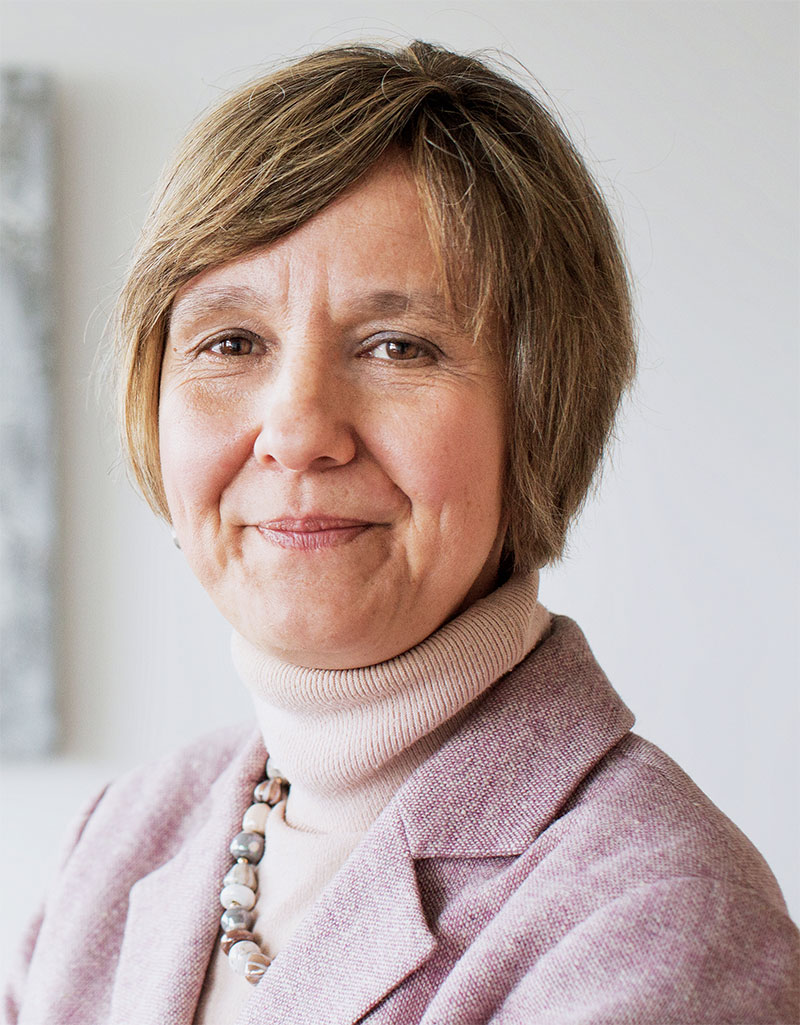
Katharina Fleischhauer is a Professor and Director of the Institute for Experimental Cellular Therapy at the University Hospital Essen, affiliated with the Medical Faculty of the University of Duisburg-Essen. Her research is central to advancing the understanding of immunogenetics and transplantation immunology, particularly in the context of hematopoietic stem cell transplantation (HSC) for blood cancers such as leukemia. She leads a translational research program focused on the biological mechanisms behind transplant success and failure, including graft-versus-host disease (GVHD) and immune evasion. Her research interests span Transplant Immunology , Immunogenetics , HLA System Polymorphism , Cellular Therapy , and Leukemia Immunotherapy . She investigates how HLA mismatches, particularly in HLA-DP and HLA-DPB1, influence transplant outcomes, and has pioneered work on permissive mismatches and immune escape via HLA loss. Her lab also explores the role of nonconventional MHC molecules like MICA and the impact of donor-recipient genetic disparity on GVHD and relapse. The trend in her recent publications reveals a strong focus on precision immunogenetics in transplantation, leveraging large-scale international collaborations and high-impact journals. Her work integrates molecular biology, clinical data, and immunogenetic profiling to refine donor selection and improve patient survival. Key themes include HLA-DP permissiveness, post-transplant cyclophosphamide, immune signatures in relapse, and the functional distance of HLA mismatches. Director, Institute for Experimental Cellular Therapy, University Hospital Essen Key contributor to EBMT and international HCT research consortia Principal investigator in studies on GVHD prophylaxis and transplant outcomes Active in developing diagnostic tools for HLA loss relapses Prof. Fleischhauer has received no explicitly listed scientific awards in the provided text, but her publication record in top-tier journals such as Nature Medicine , The New England Journal of Medicine , and Blood underscores her influential role in the field. She advises numerous researchers and collaborators globally, though specific students are not named. Her work is supported by major research funding bodies and institutional grants, enabling cutting-edge translational research in cellular therapy and immunogenetics.