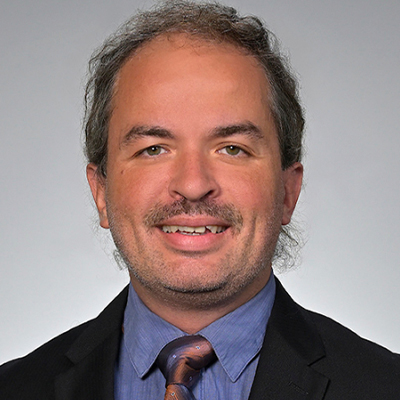
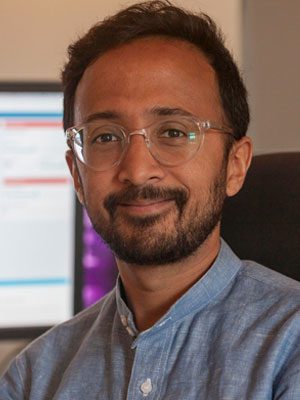
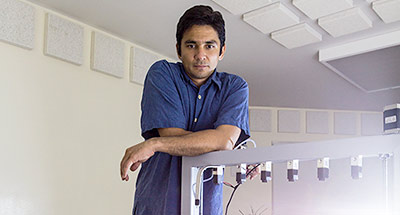
Melissa Kemp is an Assistant Professor in the Department of Integrative Biology at the University of Texas at Austin, affiliated with the College of Natural Sciences. She is based at the Jackson School of Geosciences campus in Austin, Texas, with an office in PAT 102. Her research focuses on Quaternary paleontology, conservation paleobiology, and the ecological dynamics of Caribbean and North American biodiversity hotspots. She teaches GEO 391: Broader Impacts in STEM, emphasizing interdisciplinary approaches and community engagement. Dr. Kemp’s work integrates morphological and molecular data to study evolutionary adaptations, extinction processes, and human impacts on ecosystems. Her NSF CAREER Award supports research on Jamaican fossil ecosystems, while her NSF Postdoctoral Fellowship (2015) advanced studies on North American reptile evolution. She actively promotes equity in STEM through programs like GEOPAths GO Jamaica, which combines service learning with conservation efforts. Key research themes include reconstructing ancient communities, analyzing functional trait diversity in reptiles, and understanding the role of historical contingency in shaping modern biodiversity. Her grants and awards reflect a dual focus on scientific discovery and educational outreach, bridging paleontology with modern conservation challenges.
Douglas Yu is a Professor in the School of Biological Sciences at the University of East Anglia (UEA), where he also serves as Principal Investigator and Director of the Ecology, Conservation, and Environment Center (ECEC), a joint venture with the Kunming Institute of Zoology. He is a member of the Centre for Ecology, Evolution and Conservation and the Organisms and the Environment research group. His research focuses on cooperation in ecological systems, particularly mutualisms between species and conservation as cooperation between humans and nature. Key methodologies include environmental DNA (eDNA), metabarcoding, and game theory. He co-founded NatureMetrics to commercialize biodiversity monitoring tools. His work spans tropical ecology, conservation genetics, and human-wildlife conflict resolution, notably in the Amazon. His recent research outputs highlight trends in molecular biodiversity assessment, landscape-scale eDNA analysis, and integrating remote sensing with ecological data. He leads multiple NERC-funded projects and industry collaborations focused on pollination services, cocoa sustainability, and statistical frameworks for eDNA. He is actively involved in scientific governance, serving on the NERC Biomolecular Analysis Facility Steering Committee and UKRI grant panels. He also contributes to public discourse through media appearances on topics like leech-based disease surveillance and bee conservation. He teaches courses in evolutionary biology, conservation genetics, and statistical modeling using R. He welcomes PhD and postdoctoral researchers, especially those interested in fieldwork in East Asia.
Ram Samudrala is a Professor and Chief of the Division of Bioinformatics at the University at Buffalo Jacobs School of Medicine and Biomedical Sciences . His research focuses on multiscale computational biology , integrating protein structure prediction , drug discovery , and translational science to address medical challenges. He leads the development of the CANDO platform for therapeutic drug discovery and co-directs the Informatics Core at the Clinical and Translational Sciences Institute. PhD in Computational Biology (University of Maryland, 1997) BA in Computing Science and Genetics (Ohio Wesleyan University, 1993) Postdoctoral Fellowship in Protein Folding (Stanford University, 1997-2001) His work spans structural biology , genomics , and computational drug design , with applications in dentistry , infectious diseases , and cancer . He has received prestigious awards including the NIH Director's Pioneer Award (2010) and multiple Wiki Science Prizes . Samudrala's group collaborates globally, emphasizing in silico methods followed by in vitro and in vivo validation. Key grants include $1.22M NIH NCATS ASPIRE Reduction-to-Practice Award and $4.5M NIH/NLM BRIGHT Training Grant . 2023 Finalist, Clinical and Translational Sciences Institute Clinical Research Achievement Awards 2016 MacArthur Foundation 100&Change Top 50 2008 Alberta Heritage Foundation Visiting Scientist Award 2005 NSF CAREER Award He directs the BRIGHT Short-Term Training Program and serves on multiple editorial boards and review panels. Samudrala's group maintains a Protinfo web server for structural predictions and the Bioverse framework for systems-level analyses.
Pavel P. Kuksa is a Research Assistant Professor in the Department of Pathology and Laboratory Medicine, specializing in bioinformatics, computer science, and functional genomics. His work focuses on high-throughput sequencing analysis, chromatin interaction data, and developing scalable software platforms for genomics research.
Professor Turi King serves as Director of the Milner Centre for Evolution within the Department of Life Sciences at the University of Bath. Her dual expertise in molecular genetics and auditory neuroscience drives interdisciplinary research bridging forensic science, population genetics, and hearing mechanisms. Her research focuses on mitochondrial DNA analysis , deep sequencing techniques , and cochlear physiology , with signature contributions to understanding evoked otoacoustic emissions and population-level hearing variability . She employs electrophoresis and haplotype mapping to investigate how genetic and environmental factors shape auditory responses across global human populations, while her forensic work resolves historical mysteries through cutting-edge genetic analysis. Recent publications reveal a distinctive pattern: combining molecular genetics with anthropological inquiry. The 2025 cochlear sensitivity study demonstrates how sex and environment interact to influence hearing across 25+ populations, while the 2024 Kaspar Hauser paper—picked up by 67 news outlets and 5 Wikipedia pages—used DNA evidence to conclusively debunk noble lineage claims, showcasing her ability to transform historical debates through scientific rigor. As Director of the Milner Centre for Evolution, she leads a collaborative research ecosystem focused on evolutionary genetics, with active partnerships across Europe and Central Asia evidenced by multi-national authorship on recent publications. Her work directly contributes to UN Sustainable Development Goals related to health innovation and scientific heritage preservation.
Leon Aarons is a Professor in the Manchester Pharmacy School at the University of Manchester, UK. He joined the institution in 1976 after a postdoctoral fellowship at the School of Chemistry, University of Leeds. His research focuses on pharmacokinetics, with specialties in population pharmacokinetics and pharmacodynamics (PK/PD), data analysis, and drug development. He collaborates widely in academia and industry, particularly in Europe, and contributes to initiatives like CAPKR (Computer Aided Pharmacokinetic Research) and the COST B25 management committee. Aarons holds editorial roles for journals including the Journal of Pharmacokinetics and Pharmacodynamics (European Editor) and British Journal of Clinical Pharmacology (Executive Editor). His work addresses variability in drug response across populations, with applications in malaria, pediatric care, anti-inflammatories, and oncology. He leads the Statistical Modelling Research Group and oversees collaborations with researchers like Kayode Ogungbenro and Hitesh Mistry. Education: PhD in Pharmacy (1973), University of Manchester MSc in Pharmacy (1971), University of Calgary BSc in Pharmacy (1968), University of Sydney Research Interests: Population PK/PD modeling using Maximum Likelihood and Bayesian techniques Optimal design for clinical trials and PK/PD studies Computer-aided trial design (CATD) via stochastic simulation Drug-drug interaction analysis in diverse patient populations Impact & Collaboration: Aarons' research contributes to UN Sustainable Development Goals, particularly in advancing drug development practices for precision dosing and addressing global health challenges. His work has influenced regulatory policies and industrial practices in pharmacokinetics. Labs & Teams: Active in the Statistical Modelling Research Group, CAPKR collaboration, and affiliated with the Digital Futures Institute and Christabel Pankhurst Institute at the University of Manchester.
Ajay Pillarisetti is an Assistant Professor at the University of California, Berkeley's School of Public Health, Department of Environmental Health Sciences. His research focuses on the interplay between household energy use, air pollution exposure, health outcomes, and climate change in low- and middle-income countries. A graduate of UC Berkeley (PhD) and Emory University (MPH, BS), he has led global projects in India, Mongolia, Nepal, Guatemala, Peru, and Rwanda. PhD – Environmental Health Sciences, UC Berkeley MPH – Global Environmental Health, Emory University BS – Biology, Emory College His work employs low-cost air quality sensors, longitudinal surveys, and randomized controlled trials like the HAPIN study to assess health impacts of clean fuel interventions. Key subfields include exposure assessment, implementation science, pollution's metabolic effects, and policy-driven energy transitions. He collaborates with teams across four continents and has published extensively on household air pollution's multi-scale health burdens. Recent articles (2023–2025) highlight trends in quantifying PM2.5's health effects, optimizing sensor networks, and evaluating LPG interventions for maternal/child health. His studies span Guatemala's RESPIRE cohort, Rwanda's HAPIN trial, and India's community monitoring systems, addressing gaps in exposure-response modeling, biomarker analysis, and policy advocacy.
Griffin Weber, M.D., Ph.D., is an Associate Professor of Medicine and Biomedical Informatics at Harvard Medical School (HMS) and Beth Israel Deaconess Medical Center (BIDMC). He directs the Biomedical Research Informatics Core (BRIC) at BIDMC. His research focuses on expertise mining, social network analysis, and biomedical informatics. Key contributions include developing Profiles RNS (an open-source research networking platform) and i2b2 / SHRINE federated query tools for clinical data. He holds MD and PhD degrees from Harvard (2007), and earlier degrees in bioengineering and computer science. Education: SB in Bioengineering (Harvard, 2000), SM/PhD in Computer Science (Harvard, 2004/2005), MD (Harvard, 2007). He served as Harvard Medical School's first Chief Technology Officer, building educational platforms for 500+ courses. His work spans DNA microarrays, breast cancer tumor modeling, and EHR bias analysis. Research Interests: Leveraging informatics to improve healthcare through federated data systems, team science dynamics, and EHR analysis. Projects include Profiles RNS for researcher networks and i2b2 for clinical data queries across institutions. He explores biases in EHR data filtering and visualizing healthcare system dynamics in biomedical data. Grant Leadership: Principal investigator on NIH grants addressing EHR biases (R01LM013345), healthcare system dynamics (U01CA198934), and scientific workforce networks (U01GM112623). Collaborator on PCORI and NIH-funded initiatives. Awards: 2020 Fellow of the American College of Medical Informatics; 2011 Top Podium Presentation (AMIA); 2007 Medical Technology Award (Massachusetts Medical Society). Labs/Teams: Leads BRIC at BIDMC, collaborates on i2b2/SHRINE, and contributes to the 4CE consortium for federated healthcare data analysis.
Camilo Mora is a Professor in the Department of Geography at the University of Hawaii at Manoa, where he maintains an active research laboratory and teaches courses on environmental issues, biogeography, and data analysis. His academic journey began with a BSc in Marine Biology from Universidad del Valle in Colombia (1999), followed by a PhD in Biology from the University of Windsor, Canada (2005). He completed postdoctoral fellowships at the University of Auckland (2005), Scripps Institution of Oceanography (2006-2008), and Dalhousie University (2008-2010). BSc, Marine Biology, Universidad del Valle, Colombia (1999) PhD, Biology, University of Windsor, Canada (2005) Postdoctoral Fellow, University of Auckland (2005) Postdoctoral Fellow, Scripps Institution of Oceanography (2006-2008) Postdoctoral Fellow, Dalhousie University (2008-2010) Mora's research spans interconnected lines focused on understanding biodiversity patterns and their modification by human activities, with particular emphasis on climate change impacts. His lab specializes in big data analytics applied to diverse environmental challenges including heatwaves, disease transmission, marine ecosystems, and even unconventional topics like Bitcoin's environmental footprint. The Mora Lab operates on a 'divide and conquer' approach to tackle large research questions by breaking data gathering into individual parts that can be concatenated into central databases. Mora has received the CSS Excellence in Research award (2014) for his significant contributions to environmental science. His influential publications include groundbreaking work on the global risk of deadly heat (2017), the projected timing of climate departure from historical variability (2013), and the finding that over half of known human pathogenic diseases can be aggravated by climate change (2022). CSS Excellence in Research (2014) Highly cited publications in Nature and Nature Climate Change Research featured in major international media outlets Development of innovative research methodologies for large-scale analyses Mora leads an active research group that engages students in the full scientific process from idea generation to publication. His approach to mentoring involves creating yearly classes where graduate students, professors, and international advisors collaborate to tackle significant research questions, with papers typically completed within a single semester. His Carbon Neutrality Challenge project, spearheaded by his daughter Asryelle Mora, provides a practical mechanism for individuals to offset carbon emissions through tree planting. The Mora Lab maintains a distinctive approach to environmental research, working on seemingly diverse topics from reef fishes to Bitcoin, united by their reliance on big data analytics. This interdisciplinary methodology has produced impactful research across multiple domains of environmental science and climate change impacts, establishing Mora as a significant contributor to our understanding of humanity's environmental challenges.
Ramana V Davuluri serves as Professor in the Department of Biomedical Informatics at Stony Brook University's Renaissance School of Medicine. With over 20 years of experience in bioinformatics and computational genomics, he leads research at the intersection of machine learning and cancer genomics, focusing on translating high-dimensional -omic data into clinically actionable insights through statistically rigorous methodologies. Dr. Davuluri's research spans Machine Learning applications in Cancer Data Science , isoform-level gene regulation , and precision-medicine development. His lab pioneers bioinformatics solutions for genomic data interpretation, with emphasis on developing machine learning algorithms that convert NextGen sequencing outputs into experimentally testable discovery models. A core focus involves creating rapid biomarker identification systems from human tissue and blood samples through integrated computational-experimental approaches in systems biology. Analysis of his 2023-2025 publications reveals a dominant trend toward genomic foundation models (e.g., DNABERT variants), multi-omic cancer subtyping , and time-dependent therapeutic strategies for pediatric brain tumors and ovarian cancer. His work consistently bridges computational innovation with biological validation across diverse cancer types including glioma, lung adenocarcinoma, and high-grade serous carcinoma. As Principal Investigator for multiple multi-investigator and multi-site projects, Dr. Davuluri directs research integrating high-throughput experimental procedures with advanced data-mining techniques. His laboratory maintains strong collaborations across oncology, neuroscience, and immunology domains while developing genomics-based decision support systems for clinical translation. The Davuluri Lab employs a systems biology framework to develop novel informatics tools for precision oncology, with particular emphasis on translating genomic discoveries into clinical applications through biomarker discovery and therapeutic strategy optimization.
Professor Sophie Moore is a Professor of Global Women & Children's Health at King's College London, based in the Department of Women & Children's Health. She holds a Wellcome Trust Senior Research Fellowship (2020-25) and leads research on global maternal and child nutrition, with a focus on micronutrient interventions during critical developmental periods. Her work spans epidemiological studies in rural Gambia, intervention research on infant neurodevelopment, and global health challenges related to food insecurity. She is affiliated with the Faculty of Life Sciences & Medicine and the School of Life Course & Population Sciences. Her research integrates nutritional epidemiology, epigenetics, and global health equity, with projects such as the BRIGHT (Brain Imaging for Global Health) cohort study and the PRECISE network investigating pre-eclampsia determinants. She has collaborated widely across institutions including the London School of Hygiene and Tropical Medicine, the Medical Research Council Unit in The Gambia, and international partners in Africa and Asia. Key contributions include studies on iron supplementation in infancy, maternal dietary diversity, and the role of calcium in pre-eclampsia prevention. Her work emphasizes translational research to bridge gaps between scientific evidence and public health policy, particularly in low-resource settings. Grants and awards include major funding from Wellcome Trust and the Bill & Melinda Gates Foundation. Professor Moore’s research also explores neurodevelopmental outcomes linked to nutritional status, leveraging advanced imaging techniques (fNIRS/EEG) and longitudinal cohort data. She actively engages in global health initiatives addressing food security, maternal-child health disparities, and the impact of environmental factors on early development.
Michael Nothnagel is a Professor at the University of Cologne, where he leads the Department of Statistical Genetics and Bioinformatics within the Cologne Center for Genomics (CCG). His work spans statistical genetics, genetic epidemiology, and forensic genetics, focusing on methodological development and large-scale genomic data analysis. His research interests encompass theoretical and applied statistical genetics, with emphasis on human genetic diversity, disease etiology, and forensic applications. Key areas include Y-chromosomal phylogeography, genome-wide association studies for complex diseases, development of statistical methods for variant interpretation, and forensic marker optimization. His group leverages next-generation sequencing data and specialized forensic markers to address questions in population history, disease mechanisms, and identification systems. Recent publications reveal a strong focus on computational approaches to genetic analysis, including spatial frequency interpolation for haplogroup mapping, polygenic risk score applications for behavioral traits, and advanced methods for variant classification. His work demonstrates consistent integration of statistical theory with practical applications in medical and forensic genetics, often through international collaborations like the VISAGE Consortium. Nothnagel maintains active involvement in the Cologne Center for Genomics, contributing to seminars and collaborative projects including the upcoming 34th International Genetic Epidemiology Society meeting. His research group operates at the intersection of computational biology and medicine, with particular strengths in handling complex genomic datasets and developing novel analytical frameworks for genetic epidemiology.
Colin R Campbell is an Associate Professor in the Department of Pharmacology at the University of Minnesota Medical School . His research focuses on DNA repair mechanisms , particularly DNA-protein crosslink repair , homologous recombination , and mitochondrial DNA stability , with significant contributions to understanding cancer mechanisms and genetic toxicology . Research Themes DNA-Protein Crosslink Repair Homologous Recombination Pathways Mitochondrial DNA Maintenance Chemotherapy-Induced DNA Damage Enzymatic Processing Mechanisms Article Trends 2024-2025 work emphasizes transcription-coupled DNA repair and ubiquitin-mediated repair pathways 2020-2023 studies explore mitochondrial crosslink repair and interdisciplinary sustainability leadership 2000-2018 publications cover rad51 interactions , nitrogen mustard effects , and calpain-mediated repair enzyme degradation Grants & Projects NIH/NHLBI: Summer Research (2024-2029) NIH/NIEHS: DNA-Protein Crosslink Repair (2019-2025) NIH/NHLBI: Cellular Repair Mechanisms (2018-2024) Collaborations Natalia Tretyakova (Chemistry) Hoang D Nguyen (Microbiology) Paul B Bitterman (Medicine) Beverly S Moriarity (Genetics)
Dr. Jing Zhang is an Assistant Professor in the Department of Computer Science at the University of California, Irvine (UCI), affiliated with the Donald Bren School of Information and Computer Sciences. She holds a Ph.D. in Electrical Engineering and Molecular/Computational Biology from the University of Southern California (2012) and completed postdoctoral training in Computational Biology at Yale University. Her research focuses on developing computational methods to unravel gene regulation mechanisms and link genetic variations to diseases, particularly in noncoding regions of the genome. She has contributed extensively to the ENCODE project, co-authoring pivotal studies in Nature and producing over 5,900 experimental datasets. Dr. Zhang’s work bridges engineering, mathematics, and biology, with applications in precision medicine for cancers and psychiatric disorders. She emphasizes the importance of noncoding DNA in disease causation and has pioneered tools like EN-TEx and scENCORE to analyze epigenomes and regulatory elements. Her lab actively seeks to recruit Ph.D. students, postdocs, and interns to advance genomic technologies. Key research areas include single-cell and spatial transcriptomics, gene regulatory networks, and computational methods for multi-omics data integration. Despite pandemic-related challenges, she maintains strong collaborations and teaches courses in bioinformatics. Her future goals include expanding lab interactions and applying computational models to predict disease susceptibility and treatment responses.
Pilar Blancafort is an Associate Professor at The University of Western Australia (UWA), holding positions in the School of Human Sciences and UWA Medical School. She is affiliated with the UWA Centre for Medical Research and collaborates with the Harry Perkins Institute of Medical Research. Her research focuses on epigenetic manipulation in cancer models, particularly breast and ovarian cancers, leveraging CRISPR/Cas9 and genome engineering technologies to develop precision medicine tools. She has co-led projects such as the Lionheart FX Automated High-Content Microscope initiative and actively investigates therapeutic reprogramming of cellular signaling pathways to improve cancer treatment outcomes. Blancafort’s research expertise includes genome engineering, cancer epigenetics, and women’s cancers. She collaborates internationally and has contributed to over 70 publications, 14 datasets, and 43 grants. Her work aligns with UN Sustainable Development Goals, emphasizing global health and innovation in medical research. Key areas of exploration involve reactivating tumor suppressors, silencing oncogenic drivers, and enhancing immune responses through CRISPR-based systems. Her studies on the PI3K-AKT-mTOR pathway and novel oncogenes further underscore her commitment to advancing targeted therapies. Blancafort has supervised 11 students and leads multiple grants, including projects on metastatic breast cancer therapies and ovarian cancer reprogramming. Her lab at the UWA Centre for Medical Research explores translational strategies for epigenome editing in cancer, with a focus on clinical applicability. Recent work highlights lipid nanoparticle delivery systems for CRISPR/dCas9 and synthetic epigenetic approaches to reverse mesenchymal-epithelial transitions in breast cancer.