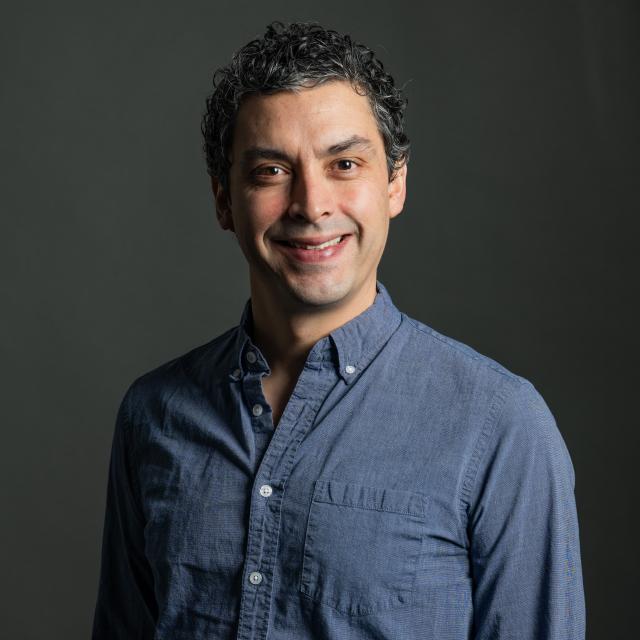
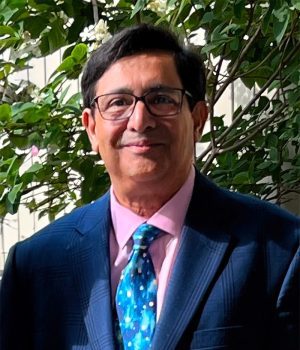
Dr Eleanor Graham is a Lecturer in Forensic Science at Northumbria University, specializing in DNA analysis and biomolecular applications. She holds a PhD in Genetics from the University of Leicester (2003) and has academic affiliations with the Forensic Science Society, the International Society of Forensic Genetics, and the British Association for Human Identification. Education: BSc in Biochemistry (UMIST), MSc in Biomolecular Archaeology (UMIST/University of Sheffield), PhD in Genetics (University of Leicester) Her research focuses on forensic genetics, DNA profiling, and post-mortem analysis. She has contributed to studies on DNA stabilization techniques, alternative funerary practices in Roman archaeology, and interdisciplinary forensic ethics. Her recent publications highlight collaborations across Europe in mRNA-based body fluid typing. Key scientific award: 2008 Da Vinci Health Technology Awards - Highly Commended for 'The University Biopsy Tool' Dr Graham supervises postgraduate research, including Blake Kesic's work on forensic profiling of smokeless powders. She previously served as a Post-Doctoral Research Associate at the University of Leicester under Professor Guy Rutty.
Dr. Katharina M. Jörger is a researcher at Ludwig Maximilian University of Munich, specializing in the phylogeny and evolution of meiofaunal molluscs. Her work focuses on understanding the evolutionary relationships and ecological roles of small marine organisms, particularly within the Mollusca phylum. She holds a Ph.D. from LMU Munich, where her thesis explored molecular phylogeny of Acochlidia, a group of marine and freshwater gastropods. Her research integrates anatomical, genetic, and ecological approaches to address questions in systematic zoology and evolutionary biology. Key areas of expertise include meiofaunal molluscs, molecular systematics, and cryptic species identification. She has contributed significantly to the study of Aplacophora (Solenogastres) and Acochlidimorpha, elucidating their phylogenetic relationships and ecological adaptations. Her work often emphasizes the development of novel methods for studying small, elusive organisms, such as 3D microanatomy and hybridization-based genetic capture techniques. Dr. Jörger has conducted fieldwork in diverse locations, including the Azores, Antarctic regions, and the Caribbean, to document meiofaunal biodiversity. Her publications span topics like mitochondrial genome analysis, freshwater slug invasions, and deep-sea predation dynamics. She collaborates internationally on projects exploring meiofaunal ecology and evolutionary patterns. Her research also addresses broader ecological questions, such as how meiofauna contributes to marine biodiversity and how taxonomic methods can better capture cryptic diversity. Despite no explicitly listed awards, her prolific publication record underscores her impactful contributions to mollusc systematics and evolutionary biology.
Joel Elliott is a Professor of Biology at the University of Puget Sound, specializing in marine ecology and evolutionary biology. His research examines predator-prey interactions, symbiotic relationships, and environmental impacts on aquatic organisms. He leads studies on sea star wasting disease, introduced mussel species' effects on Puget Sound ecosystems, and microbial communities in sulfide-rich environments. Elliott teaches courses in marine biology and ecological diversity. Education: BS in Biology, University of Alberta, 1983 MS in Biology, University of Alberta, 1987 PhD in Biology, Florida State University, 1992 Research Interests: Focuses on Mytilus species competition, microbial symbionts in eelgrass, and the ecological consequences of environmental pollutants. Uses field and lab methods including GIS mapping, molecular techniques (DNA barcoding, qPCR), and microscopy to study intertidal communities and microbial biodiversity. Recent Research Trends: Articles analyze sea star population dynamics under disease pressures, mussel hybridization patterns, and microbial influences on eelgrass health. Collaborates with microbiologists to characterize sulfide-seep microbial communities resembling deep-sea hydrothermal vent ecosystems. Advising & Grants: Advised over 20 students on projects involving invasive species, eelgrass restoration, and microbial ecology. Collaborations include work with Professors Mark Martin and Peter Wimberger on Puget Sound ecosystems. Labs/Teams: Maintains a lab in Thompson 213 focused on marine organism interactions and environmental monitoring. Engages students in fieldwork across Puget Sound, including Commencement Bay and the San Juan Islands.
Dr. Erinn Fagan-Jeffries is a Grant-Funded Researcher (B) in the School of Biological Sciences at the University of Adelaide, affiliated with the Faculty of Sciences, Engineering and Technology. She leads the wasp systematics group within the Invertebrate Systematics and Biodiversity lab, focusing on taxonomy and systematics of parasitoid wasps, particularly the superfamily Ichneumonoidea. Her work emphasizes accelerating the documentation of Australia's undocumented insect species (70% of total) through innovative methods and citizen science initiatives like the Insect Investigators project, which engages schools in species discovery. Research interests include parasitoid wasp biodiversity, taxonomy, and community engagement in biodiversity science. She supervises Honours, Masters, and PhD students in parasitoid wasp-related projects. Her work intersects with conservation, agricultural pest management, and biogeography. Publications highlight discoveries of new species, citizen science impacts, and taxonomic revisions. She collaborates with national reserves and educational institutions to advance biodiversity understanding.
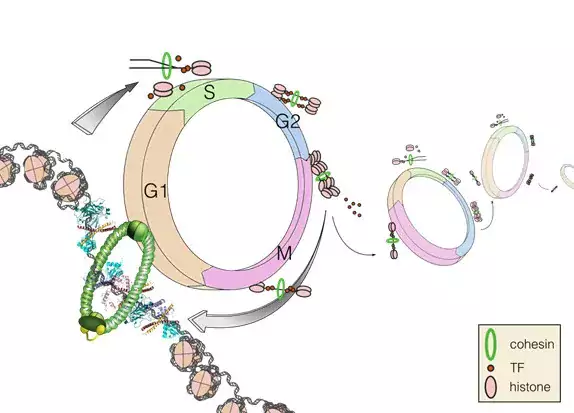
Jussi Taipale is a Professor of Medical Systems Biology at Karolinska Institutet and holds professorships at University of Helsinki. His research focuses on transcription factor binding mechanisms , cancer genomics , and gene regulatory networks . The interdisciplinary Taipale Lab operates across three international locations: Wellcome Sanger Institute (UK), Karolinska Institutet (Sweden), and University of Helsinki (Finland), with over 20 members including senior scientists, postdoctoral fellows, and graduate students. Ph.D., University of Helsinki (1996) Postdoctoral training: University of Helsinki, Johns Hopkins University Research spans transcription factor cooperativity , epigenetic regulation , chromatin accessibility , and noncoding mutation analysis . Key methodologies include HT-SELEX , CUT&RUN , ATI assays , and CRISPR-based functional genomics . The lab has significantly advanced understanding of Myc-driven oncogenesis , TF-nucleosome interactions , and dinucleotide specificity mechanisms . Notable discoveries include chromatin context-dependent enhancers , water-mediated DNA recognition , and novel composite transcription factor motifs . The group maintains active collaborations across Europe and has trained numerous alumni now leading academic and industry positions worldwide.
Ramon Carreno is a Professor in the Department of Biological Sciences at Ohio Wesleyan University, specializing in parasitology and wildlife diseases. He holds a B.S. from the University of Toronto, an M.S. from Lakehead University, and a Ph.D. from the University of Guelph. Dr. Carreno serves as OWU's pre-veterinary medicine program adviser and is fluent in French, German, and Spanish. Specializes in nematode systematics across mammals, birds, and arthropods Research combines microscopy and molecular techniques NSF-funded projects supporting electron microscopy infrastructure Research Focus : Wildlife parasitology with emphasis on taxonomy, molecular phylogenetics, and host-parasite dynamics. His lab investigates nematodes in diverse hosts including cockroaches, red deer, and endangered species like pampas deer, employing DNA barcoding and morphological analysis. Recent Publications cover nematode diversity in invertebrates, lungworms in ruminants, and zoonotic parasites. Collaborative work with students has led to new species descriptions and insights into parasite biogeography . Scientific Awards : Bishop Herbert Welch Award for Scholarly or Artistic Achievement (2025) Bishop Herbert Welch Meritorious Teaching Award Libuse L. Reed Endowed Professorship Sherwood Dodge Shankland Award for Encouragement of Teachers Student Engagement : Mentored 36 published researchers; provides field and lab experiences with opportunities for conference presentations. NSF grants facilitated advanced research infrastructure for student projects. Contact: racarren@owu.edu | Office: Schimmel/Conrades Science Center #344 | Phone: 740-368-3893
Peter Kennedy is a Professor in the Department of Plant and Microbial Biology at the University of Minnesota's College of Biological Sciences, where he serves as Interim Associate Dean of Research and holds the PMB Wardle Chair of Microbial Ecology. His Kennedy Lab investigates plant-microbe interactions, with a primary focus on ectomycorrhizal fungal symbioses in forest ecosystems. The lab integrates mycology, microbiology, ecology, evolution, and molecular biology to study how biotic and abiotic factors shape ecological communities. Research employs field sampling, greenhouse experiments, and molecular techniques to examine fungal necromass decomposition, carbon sequestration mechanisms, and climate change impacts on microbial communities. Key areas include the 'Gadgil Effect' (fungal guild interactions controlling carbon cycling), protist roles in soil food webs, and biogeographic patterns of symbiotic versus saprotrophic fungi. Recent publications reveal strong trends in fungal necromass decomposition dynamics under warming and nitrogen fertilization, with emphasis on melanin's role in carbon stabilization and microbial community shifts. Work increasingly connects molecular mechanisms (e.g., gene expression in Ascomycota) to ecosystem-scale carbon cycling. Scientific recognition includes: Fulbright fellowship (2019) for Colombia-based biodiversity research PMB Wardle Chair of Microbial Ecology (2022), supporting new microbial ecology directions Mentorship spans 14+ PhD students including Lotus Lofgren (UC Riverside), Craig See (Northern Arizona University), and Chris Fernandez (Syracuse University). Major grants include NSF Dimensions of Biodiversity (oak symbiont networks), Gadgil Effect studies, and SPRUCE experiment collaborations. International partnerships with Norway (University of Oslo), China (Xishuangbanna Institute), and Colombia (Universidad Nacional) drive cross-continental research. The Kennedy Lab operates the Itasca ForestGEO plot and maintains strong ties with the Bell Museum fungal collections. Current initiatives include protist-fungal interaction studies, necromass RNASeq analyses, and expansion of FUNGuild—a community resource for fungal ecological guild classification.
Tess Killpack is an Associate Professor in the Department of Biology at Salem State University. She specializes in biology education, focusing on skill-building in introductory courses, active and inclusive pedagogy, and faculty professional development for inclusive practices. Lead Faculty for Biology Secondary Education Biological Systems (BIO105) Course Coordinator Her research emphasizes pedagogical innovation, including equity-focused lab course redesign, scaffolding experimental design skills, and integrating inclusive teaching practices. She collaborates on projects involving DNA barcoding, remote-learning frameworks, and curriculum interventions for anti-racism in biology education. Her publications span biology education, ecological immunology, and environmental science, with recent work centered on inclusive teaching tools like First-Day Info Sheets and Deep Teaching Residency workshops. Key presentations include invited webinars and practitioner workshops at institutions like Howard Hughes Medical Institute and DePauw University. Scientific Awards : Editor’s Choice, Journal of Avian Biology (2013) She has delivered numerous refereed and invited presentations on inclusive pedagogy, including collaborations with Bryan Dewsbury on the Deep Teaching Residency program. Her teaching portfolio includes courses in DNA barcoding, biology internships, and methods of teaching secondary science.
Prof. Dr. Lars Krogmann is a leading German entomologist and professor of systematic entomology at the University of Hohenheim. He also serves as the Head of the Entomology Department at the State Museum of Natural History Stuttgart and as Deputy Head of the Scientific Directorate. His research is centered on the systematics, evolution, and biodiversity of Hymenoptera, with a focus on parasitic wasps such as Chalcidoidea and Pteromalidae. Education: Habilitation in Zoology, University of Hohenheim (2018) PhD in Entomology, University of Hamburg (2005) Diploma in Zoology, University of Hamburg (2001) Research Interests: Prof. Krogmann's work integrates molecular and morphological data to explore the phylogeny and taxonomy of Hymenoptera. His projects include: Integrative phylogenetics of Hymenoptera Characterization of cryptic species within Pteromalidae Biodiversity surveys in Evolution Canyon, Israel Contributions to the German Barcode of Life (GBOL) project Scientific Awards: Service Award, International Hymenopterists Society (2016) Prize for Outstanding Student Supervision, University of Hohenheim (2014) Feodor Lynen Fellowship, Alexander von Humboldt Foundation (2007–2008) Award for Outstanding Dissertation, DGaaE (2007) Grants and Funding: He has received funding from the German Federal Ministry of Education and Research (BMBF) for GBOL projects, SYNTHESYS grants for international collaboration, and fellowships for research at institutions such as the Natural History Museum London and Muséum national d’Histoire naturelle Paris. Labs and Teams: Prof. Krogmann leads the Entomology Department at the State Museum of Natural History Stuttgart and is actively involved in the GBOL3 consortium. His team focuses on integrative taxonomy, biodiversity assessment, and the digitization of natural history collections.
Margit Cichna-Markl is a Professor at the University of Vienna's Faculty of Chemistry, specifically within the Institute of Analytical Chemistry. With over 122 publications and active research spanning from 2000 to the present, she maintains a significant academic presence with recent publications extending into 2025. Her research focuses on analytical chemistry applications in food science and molecular biology, specializing in DNA-based authentication methods for food products. Key areas include DNA barcoding, high-resolution melting analysis, and metabarcoding techniques for detecting food adulteration and verifying species authenticity in complex food matrices. Dr. Cichna-Markl's work demonstrates a strong trend toward developing molecular methods for food authentication, with recent publications focusing on EU-authorized edible insects, seafood identification, and plant species detection in processed foods. Her research bridges analytical chemistry with practical food safety applications, contributing significantly to food fraud prevention and regulatory compliance. She has been actively involved in research projects including mycotoxin analysis (2004-2007) and has presented numerous lectures and posters on food authentication techniques, with recent activities documented through November 2024.
Professor Otso Ovaskainen holds a permanent position at the University of Helsinki , where he serves as Research Director in the Organismal and Evolutionary Biology Research Program. He is also a Visiting Professor at a Norwegian Centre of Excellence since 2014. Supervisor in the Doctoral Programme in Wildlife Biology Established the Research Center for Ecological Change (REC) with 60+ members ERC Starting Grant recipient (2008-2013) Research Interests: Ovaskainen bridges mathematical theory with empirical ecology, focusing on metapopulation dynamics, movement ecology, and statistical community ecology. His work integrates: Ecological theory with data Individual-based modeling Fungal community dynamics Probabilistic taxonomic placement Environmental DNA analysis Multi-species movement modeling Scientific Leadership: He has led major projects including the Finnish Centre of Excellence in Metapopulation Research (2015-2017) and the LIFEPLAN biodiversity inventory project (2020-2026). His HMSC modeling framework remains a benchmark in joint species distribution modeling.
Santiago Herrera serves as Associate Professor in the College of Arts and Sciences at Lehigh University, where he leads the Deep-Sea Molecular Ecology Lab. His interdisciplinary research bridges oceanography, molecular biology, and computational analysis to study deep-sea ecosystems. Affiliated with the Smithsonian Institution, Woods Hole Oceanographic Institution (WHOI), and the Argentine Deep-Sea Studies Group (GEMPA), he has participated in over 45 oceanographic expeditions spanning all major ocean basins. His research focuses on deep-sea molecular ecology , environmental DNA biodiversity , and evolutionary processes in extreme marine environments. Herrera's lab employs high-throughput omics techniques, oceanographic field work, and computational modeling to investigate how environmental variability shapes deep-sea biodiversity across temporal and spatial scales. Current projects emphasize eDNA applications, comparative genomics, and ecosystem responses to anthropogenic stressors. Analysis of his recent publications reveals a strong emphasis on Developing molecular tools for coral biodiversity assessment Understanding connectivity in deep-sea populations through physical-biological modeling Characterizing symbiotic relationships in extreme environments Assessing impacts of climate change and pollution on deep-sea ecosystems Scientific recognition includes: Early-Career Research Fellowship from the National Academies of Sciences, Engineering, and Medicine Faculty Research Award from Lehigh's College of Arts and Sciences Frank Hook Professorship Herrera actively mentors graduate and undergraduate researchers, with former students pursuing advanced degrees at institutions including Johns Hopkins University, Harvard Medical School, and Texas A&M University. His lab collaborates extensively with physical oceanographers, geochemists, and resource managers to address conservation challenges in vulnerable marine ecosystems. Current fieldwork includes expeditions to the Juan de Fuca Ridge, Mar del Plata Canyon, and American Samoa using submersibles like HOV Alvin and ROV SuBastian.
Justus Kebschull is an Assistant Professor in the Department of Biomedical Engineering at Johns Hopkins University School of Medicine. His research bridges neuroscience, genomics, and molecular engineering to understand brain structure, evolution, and function across vertebrates. He is affiliated with the Biomedical Engineering Program and the Neuroscience Training Program, mentoring graduate students and leading a dynamic research lab. Research Interests: Dr. Kebschull's work focuses on neural circuits , connectomics , and molecular neuroscience , with a strong emphasis on evolutionary perspectives. He develops and applies cutting-edge technologies such as MAPseq, BRICseq, in situ sequencing, single-cell RNA-seq, and viral tracing to map brain connectivity and gene expression at single-cell resolution. His lab investigates how brain regions and cell types evolve, how circuits adapt to new functions, and how these principles are disrupted in neurodevelopmental disorders and addiction. Publication Trends: His recent publications highlight a strong focus on comparative connectomics , cerebellar evolution , and high-throughput neuroanatomical methods . His work integrates connectivity data with transcriptomic and functional activity profiles, enabling a systems-level understanding of brain organization. Key themes include circuit duplication in brain evolution, scalability of neural mapping, and cross-species analysis from mice to sharks. Scientific Recognition: While no specific awards are listed, his publication record in top-tier journals such as Science , Nature , Cell , and Neuron reflects significant scientific impact and recognition in the neuroscience community. Advising and Research Support: Dr. Kebschull actively mentors graduate students and postdoctoral researchers. His lab is expanding and currently recruiting PhD students, postdocs, and technicians. His research is supported by competitive funding, enabling the development of novel tools for brain mapping and disease modeling. Research Environment: The Kebschull Lab is a highly interdisciplinary team situated at the intersection of neuroscience, synthetic biology, virology, and computational biology. The lab fosters innovation in molecular tool development and applies these to fundamental questions in brain evolution and disease. Ongoing projects include high-throughput comparative connectomics, developmental mechanisms of circuit formation, and the impact of drugs and disorders on neural architecture.
Tyler R Kartzinel is an Associate Professor in the Department of Ecology, Evolution, and Organismal Biology at Brown University and a member of the Institute at Brown for Environment and Society. He leads the Genomic Opportunities Lab (GenOps), an interdisciplinary research group that combines molecular ecology, fieldwork, ecological theory, and data science to understand biodiversity, species interactions, and environmental change. His work spans multiple continents including Africa (Kenya, Uganda, Tanzania), South America (Costa Rica, Chile), and North America (Yellowstone National Park, New England), focusing on conservation-relevant questions at the interface of genomics and ecology. Dr. Kartzinel's research interests center on conservation biology and molecular ecology, with particular emphasis on dietary DNA metabarcoding, gut microbiome analysis, and biodiversity monitoring. His work bridges fundamental ecological questions about species interactions and community dynamics with practical conservation applications. He has developed innovative genomic approaches to study food webs, dietary niche partitioning, and the impacts of large herbivores on ecosystem structure and function. His research integrates field experiments with laboratory molecular techniques to address pressing conservation challenges in a changing world. The 15 most recent publications reveal a strong focus on dietary ecology, microbiome science, and conservation genomics. His work consistently applies DNA-based techniques to understand wildlife diets, host-microbe interactions, and ecosystem dynamics across diverse systems from African savannas to Yellowstone National Park. Key trends include the development of CRISPR-based genomic tools for biodiversity science, investigation of diet-microbiome relationships across multiple taxa, and the application of molecular techniques to address conservation-relevant questions about endangered species and ecosystem management. 2018-2022 Ecological Society of America Early Career Fellow Dr. Kartzinel leads multiple research projects funded by the National Science Foundation and other agencies, including long-term studies in African savannas and Yellowstone National Park. His UHURU experiment in Kenya has generated over 12 years of data on large herbivore exclusion effects. He actively collaborates with conservation organizations worldwide to translate research findings into practical conservation solutions. His lab trains undergraduate and graduate students in molecular ecology techniques and conservation applications. The Genomic Opportunities Lab maintains state-of-the-art molecular facilities at Brown University for pre- and post-PCR work. The lab collaborates extensively with researchers across Brown's departments and with international conservation organizations. They develop and share field-tested protocols and open-source software to advance ecological research globally, with particular focus on making genomic tools accessible for conservation practitioners in diverse settings.
Aniket Bhattacharya is a Professor in the Department of Physics at the University of Central Florida (UCF), specializing in theoretical and computational studies of soft condensed matter physics and biophysics. His work spans DNA translocation through nanopores, intrinsically disordered proteins, and confined biopolymers, with applications in biomedical materials. PhD in Theoretical Condensed Matter Physics (University of Maryland, 1992) BS – Physics Honors (Presidency College, Kolkata) MS in Physics (University College of Science, Kolkata) Research interests: Scaling theory and simulations of soft matter systems Polymer physics in crowded environments Biologically inspired physics, particularly DNA transport through nanopores Physics of intrinsically disordered proteins linked to disease Development of soft materials for biomedical applications Recent publications focus on machine learning strategies for protein characterization, nanopore DNA barcoding, and polymer dynamics in confined spaces. His work has been supported by grants from the NSF, NASA, and NIH. He holds multiple patents related to nanopore-based DNA analysis and mutation prediction in disordered proteins. United States Patent 12,049,663B2 (2024) Non-Provisional Patent Application 19/232,158 (2025) His lab collaborates on interdisciplinary projects involving computational modeling, nonequilibrium transport phenomena, and biomedical applications.