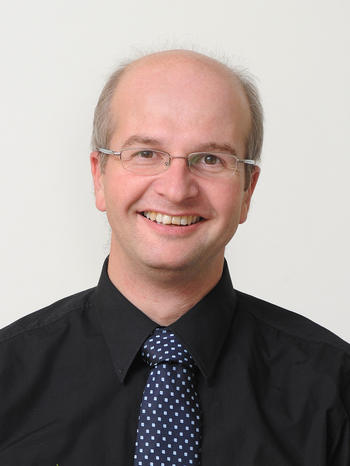
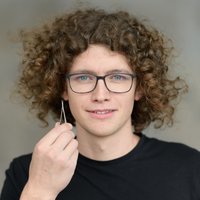
Gustavo Castellanos-Galindo is a Guest Scientist at the Institute of Biology, Freie Universität Berlin, working within the Jeschke Group - Ecological Novelty. His research focuses on marine and coastal ecology, with particular emphasis on mangrove ecosystems, biological invasions, fisheries science, and conservation biology. He actively contributes to studies on environmental DNA (eDNA) applications for detecting species migrations through the Panama Canal and the ecological functions of tropical marine habitats. Current affiliation: Institute of Biology, Freie Universität Berlin Research themes: Mangrove-associated biodiversity, interoceanic fish migrations, socio-ecological networks, eDNA monitoring Research Trends: His recent publications highlight the critical role of mangroves as nursery grounds for marine species, the increasing threat of biological invasions facilitated by canals, and the application of advanced technologies like artificial intelligence and UAVs for ecological mapping. His work spans both empirical studies and policy-oriented syntheses, with a geographic focus on the Tropical Eastern Pacific and Southeast Atlantic/Pacific regions. Contact: gustavoa80@yahoo.com
Prof. Alexandros Stamatakis is a Professor of High Performance Computing at Karlsruhe Institute of Technology (KIT) and Group Leader of the 'Scientific Computing' group at the Heidelberg Institute for Theoretical Studies (HITS). He holds an adjunct professorship at the University of Arizona. His research focuses on algorithms, parallel computing architectures, and evolutionary bioinformatics. Stamatakis earned his PhD in Computer Science from TU Munich (2004) and has held roles including DFG Emmy-Noether Junior Research Group Leader (2008-2010). He is a member of multiple scientific advisory boards, including Elixir Greece and the Computational Biology Institute in Montpellier. His teaching awards (2015, 2016) highlight his contributions to bioinformatics education. His work spans computational methods for phylogenetic analysis, energy-efficient computing, and genomic data processing, with notable tools like RAxML-NG and EPA-ng. Research interests include parallel computing optimizations, phylogenetic inference algorithms, and applications in evolutionary biology. His recent work addresses challenges in large-scale genomic data analysis, including error detection in DNA barcoding systems and accelerating phylogenetic computations through algorithmic innovations. He leads collaborative projects on avian genome complexity and ancient DNA analysis, contributing to both computational methods and biological discoveries. Stamatakis collaborates internationally, with affiliations spanning institutions in Europe and the U.S. His lab at HITS emphasizes interdisciplinary approaches, merging computer science with biological problems. Key contributions include developing carbon-aware energy management frameworks and predictive models for phylogenetic inference stability.
Dr. Benoît Sittler is a Researcher at the Chair of Landscape Management, University of Freiburg. He holds a doctorate in biogeography and has over four decades of experience in Arctic ecology, landscape management, and remote sensing applications. His current affiliation includes the Department of Geo- and Environmental Sciences within the Faculty of Environment and Natural Resources. Research Focus: Sittler specializes in Arctic animal ecology, particularly lemming population cycles in Greenland, and the application of LiDAR technology for cultural landscape analysis. He leads the long-term Karupelv Valley Project studying lemming dynamics and their ecological impacts. His work also involves climate change adaptation strategies and environmental protection initiatives. Publications: Sittler has contributed to over 30 peer-reviewed articles, focusing on Arctic predator-prey relationships, remote sensing applications, and landscape history. Notable works include studies on arctic fox diets, muskox fecal analysis, and medieval landscape reconstruction using LiDAR. Projects: Key initiatives include the Karupelv Valley Project (since 1988), urban biotope mapping in Freiburg, and interdisciplinary research on flood-tolerant tree species. He collaborates with international teams on circumpolar ecological monitoring and Arctic conservation. Professional Contributions: Sittler has served as a research advisor on multiple projects, contributed to environmental policy reports, and published in journals such as Polar Research and Journal of Animal Ecology . His work bridges ecological field studies with advanced remote sensing techniques.
Dr. Astrid Cornils is a researcher at the Alfred Wegener Institute, focusing on polar biological oceanography. She specializes in zooplankton biodiversity, environmental change impacts, and optical/molecular analysis methods. Her work integrates microscopy and genetic tools to study Arctic and global zooplankton communities. Dr. Cornils collaborates on major expeditions like MOSAiC and FRAM, analyzing zooplankton distribution and ecological responses to climate change. She leads projects on ZooScan imaging and molecular barcoding to advance long-term monitoring and taxonomy. Her research spans Arctic, Antarctic, and Patagonian ecosystems, emphasizing taxonomic resolution and ecological adaptation. Affiliation: Polar Biological Oceanography, AWI Key Projects: MOSAiC Arctic Expedition, FRAM Observing System, ZooScan imaging analysis Her studies address zooplankton migration patterns, ocean acidification effects, and deep-sea biodiversity using integrative approaches. She has contributed to global datasets like the Pelagic Size Structure database and advances in MALDI-TOF protein fingerprinting for deep-sea copepods. Recent work highlights cryptic speciation and taxonomic challenges in copepod complexes. Publications focus on Arctic copepod behavior, fjord ecosystems, and molecular tools for biodiversity assessment. Collaborations span international teams in marine genomics and climate impact research. Dr. Cornils' expertise bridges traditional microscopy with cutting-edge molecular and optical technologies to enhance understanding of marine plankton dynamics.
Dr. Timea Neusser is a Researcher in the Systematic Zoology workgroup at Ludwig Maximilian University of Munich (LMU), specializing in evolutionary biology and microanatomy of meiofaunal molluscs. Her research employs histology, electron microscopy (SEM/TEM), micro-CT, and molecular methods to study panpulmonate gastropods, habitat adaptations, and climate change impacts on biodiversity. Education: PhD in Biology, LMU Munich (2005–2012, summa cum laude) Diploma in Biology, LMU Munich (2003) Studies at Technical University of Munich (1997–1999), LMU Munich (1999–2000, 2001–2003), and Universidad de Concepción, Chile (2000–2001, DAAD grant) Research Focus: Her work explores anatomical adaptations during marine-terrestrial transitions, feeding specialization in molluscs, and reconstructing panpulmonate evolution using phylogenomics. Key projects investigate ultrastructural features of micromolluscs and alpine diversity shifts under climate change. Publications: Neusser's 15 most recent articles (2011–2025) emphasize gastropod evolution, taxonomy, and microanatomy, with recurring themes of 3D reconstruction, habitat transitions, and cryptic species discovery across global ecosystems from the Caribbean to bathyal zones. Grants & Roles: PI for DFG project 'The evolution of Panpulmonata' (2023–present) Lecturer in Zoology/Anatomy, University of Applied Sciences Weihenstephan-Triesdorf (2021–2022) Certified Natura 2000 Manager (2023)
Prof. Dr. Thomas Borsch is a renowned academic at the Freie Universität Berlin, serving as Professor of Systematic Botany and Geography of Plants and Director of the Botanical Garden Berlin. He holds a W3 professorship and leads the Borsch Group, focusing on plant evolution, phylogenetics, and biodiversity conservation. His career includes roles at the University of Oldenburg and the Nees Institute, with expertise in molecular systematics and integrative taxonomy. Education: PhD (2000) and Habilitation (2005) from the University of Bonn. His research spans plant phylogenomics, biogeography, and conservation strategies, with active projects in Colombia, the South Caucasus, and Vietnam. He co-leads initiatives like ColBioDiv and EvoBoGa, emphasizing biodiversity management and genetic resource utilization. Key achievements include over 110 peer-reviewed articles, contributions to global flora projects (e.g., World Flora Online), and leadership roles in scientific bodies like the Consortium of European Taxonomic Facilities. Awards include the Heisenberg Fellowship and Jugend forscht Prize. His lab facilities specialize in DNA analysis, genome sequencing, and microscopy. Research interests emphasize workflow development for museum collections, sustainable biodiversity use, and international collaboration. His team includes postdocs and PhD students working on projects ranging from Campanulaceae phylogeny to Andean forest dynamics.
Prof. Dr. Birgit Gemeinholzer is a Professor at the University of Kassel, where she serves as Head of Working Group and Chair Holder in the Department of Botany within the Institute of Biology (FB 10). Her academic journey began with horticulture studies at the Berlin University of Applied Sciences, followed by a Master of Science at the University and Royal Botanic Gardens Edinburgh. She earned her PhD at the University of Heidelberg focusing on Solanaceae phylogeny, held postdoctoral positions at IPK-Gatersleben, and worked as Research Associate at the Botanical Garden and Botanical Museum Berlin-Dahlem. Prior to her current position at Kassel, she served as Academic Councillor at Justus Liebig University of Giessen, where she completed her habilitation in plant systematics and biodiversity research and was appointed extraordinary professor in 2017. Prof. Gemeinholzer's research focuses primarily on plant metabarcoding, population genetic analyses of endangered plants, and networking of biological data. Her work bridges molecular techniques with ecological and conservation applications, particularly in understanding plant-insect interactions, genetic diversity in threatened species, and the development of biodiversity monitoring systems. She has made significant contributions to DNA barcoding methodologies, metabarcoding applications for environmental monitoring, and the conservation genetics of endangered plant species. Her research integrates cutting-edge molecular approaches with traditional botanical knowledge to address pressing conservation challenges. Analysis of her recent publications reveals a strong emphasis on developing and applying molecular techniques for biodiversity assessment and conservation. Her work spans from fundamental methodological improvements in DNA metabarcoding to applied studies on plant-pollinator interactions, genetic consequences of habitat fragmentation, and the development of automated biodiversity monitoring systems. She frequently collaborates across disciplines, working with ecologists, data scientists, and conservation practitioners to translate molecular findings into practical conservation applications. Her research shows a clear trajectory toward integrating artificial intelligence with molecular data for more comprehensive ecosystem understanding. Prof. Gemeinholzer has been actively involved in major research initiatives including NFDI4Biodiversity (National Research Data Infrastructure for Biodiversity), the Global Genome Biodiversity Network (GGBN), and the DNA Bank Network. She has contributed significantly to developing data standards and infrastructure for biodiversity research, particularly in the areas of DNA barcoding and metabarcoding. Her work on the Disentis Roadmap for biodiversity data release demonstrates her commitment to open science and data sharing practices in biodiversity research. At the University of Kassel, Prof. Gemeinholzer leads research activities focused on plant biodiversity assessment using molecular methods. Her laboratory develops and applies metabarcoding techniques for environmental monitoring, with particular emphasis on plant-insect interactions and conservation genetics of endangered species. She collaborates extensively with other researchers across Germany and internationally, contributing to large-scale biodiversity monitoring initiatives and conservation projects. Her work bridges fundamental research in plant systematics with practical applications for nature conservation.
Henrik Krehenwinkel is a Full Professor (W3) in the Department of Biogeography at the University of Trier , Germany. His research integrates genomic tools with field and lab experiments to study biological responses to global environmental change , focusing on arthropod communities in Europe and Pacific islands, particularly Hawaii. Employment history: Full Professor at Trier (2022–present), Assistant Professor (2018–2022), Postdoctoral Researcher at UC Berkeley (2015–2018), and Max Planck Institute (2014). Education: PhD in Evolutionary Genetics (2013), Diploma in Biology (2009) from Ruhr University Bochum, and studies in Molecular Ecology at IISc Bangalore (2008). Research Interests center on evolutionary adaptation , ecological community dynamics , and environmental DNA (eDNA) applications . Key project themes include retrospective biodiversity analysis , rapid field detection tools , agricultural pest monitoring , and eco-evolutionary responses of metaorganisms . His lab also investigates extreme sexual selection in spiders and invasive species biosecurity . Publications highlight genomic approaches to biodiversity monitoring, including eDNA from archived herbaria , molecular gut content analysis , and third-generation sequencing for taxonomy . Awards include the Konrad Thaler Dissertation Prize (2016), DFG Postdoctoral Fellowship (2015–2017), and summa cum laude distinctions. Teaching includes courses on Molecular Biogeography , Tropical Biodiversity Excursions (India/Hawaii), and Biology of Arachnids/Fishes . He leads environmental specimen bank projects and develops user-friendly eDNA detection systems for agricultural applications.
Susan Kennedy is a Postdoctoral Researcher and Laboratory Manager at the University of Trier, Department of Biogeography within the Faculty of Spatial and Environmental Sciences. Her research focuses on island biology, arthropod community ecology, molecular gut content analysis, and spider biodiversity and systematics, utilizing DNA metabarcoding and other advanced molecular techniques. University: University of Trier School: Spatial and Environmental Sciences Department: Biogeography Email: kennedy@uni-trier.de Education: Ph.D. in Environmental Science, Policy and Management from UC Berkeley (2018) B.A. in Biology from Earlham College (2008) Research Interests: Susan's work explores the intersection of molecular ecology and island biogeography, with a focus on spider biodiversity and arthropod community dynamics. She employs DNA metabarcoding to analyze predator-prey interactions and ecosystem structure, particularly in Pacific island systems affected by anthropogenic disturbance. Recent Publications: Her research contributes to understanding biodiversity patterns through high-throughput DNA sequencing, including studies on spider gut microbiomes, genome evolution, and environmental DNA sampling. She has developed protocols for cost-effective metabarcoding and has investigated the role of habitat fragmentation in microallopatric differentiation. Scientific Awards: NSF Graduate Research Fellowship Program (2012-2017) NSF Graduate Research Internship Program (2016-2017) Outstanding Graduate Student Instructor Award (UC Berkeley, 2018) Bob Lane and Sandy Purcell Graduate Summer Award (UC Berkeley, 2017) Harvey I. Magy Memorial Scholarship (UC Berkeley, 2016) California Scholarship Fund (2016) Robert L. Usinger Memorial Award (UC Berkeley, 2015) Phi Beta Kappa induction (2008) Departmental and College Honors at Earlham College (2008) Millard S. Markle Award for Field Biology (Earlham College, 2008) Teaching Experience: She has served as Graduate Student Instructor for Spider Biology and Field Entomology at UC Berkeley, and as an SAT Instructor and Undergraduate Teaching Assistant at PowerScore and Earlham College, respectively. Her project 'Pacific Scanner' involves international collaboration across Germany, Japan, and the USA.
Dr. Bernhard Ruthensteiner is a senior scientist and head of the Section Evertebrata varia at the Munich State Zoological Collection (ZSM), part of the Bavarian State Natural Science Collections (SNSB). His work bridges taxonomy, comparative anatomy, and advanced imaging techniques. Institution : Munich State Zoological Collection Role : Head of Section Evertebrata varia Research Focus : Invertebrate anatomy, 3D imaging, and evolutionary morphology His research spans diverse invertebrate groups, including Gastropoda , Cnidaria , and Echinodermata , with a strong emphasis on microCT and SEM analysis for resolving taxonomic and developmental questions. Recent publications highlight his contributions to understanding biomineralization processes , protonephridial system development , and evolutionary adaptations in terrestrial and marine species . Key collaborations involve institutions in Germany, Austria, and Madagascar, with a focus on integrative taxonomy and digital specimen curation. His work also includes pioneering 3D model embedding in PDF publications and correlative microscopy for studying symbiotic relationships.
Prof. Dr. Marc Gottschling is a Professor and Academic Director at the Ludwig-Maximilians-Universität München (LMU Munich), Faculty of Biology, where he leads the research group on Systematics, Biodiversity and Evolution of Plants. His interdisciplinary research integrates phylogenetics, microscopy, and molecular biology to study evolutionary mechanisms in diverse organisms including flowering plants (Boraginales), dinophytes, and papillomaviruses. Education: Completed his PhD at Freie Universität Berlin in 2003 with a thesis on Boraginales phylogenetics, followed by habilitation in 2008 comparing diversification patterns across plants, dinophytes, and viruses. Research Focus: Gottschling's work centers on evolutionary scenarios using DNA sequencing, electron microscopy, and taxonomy. Key areas include: Phylogenetic systematics of Boraginales and dinophytes Co-evolution of papillomaviruses with vertebrate hosts Taxonomic clarification using molecular and morphological data Biodiversity assessment in both terrestrial and marine ecosystems Publication Trends: His recent articles (2021-2025) demonstrate a strong focus on dinophyte taxonomy, novel species descriptions, and evolutionary mechanisms. Key themes include molecular phylogenetics of microalgae, taxonomic revisions using epitypification, and spatial distribution of symbiotic associations. Earlier work (pre-2020) extensively covers papillomavirus evolution and Boraginales systematics. Laboratory & Teams: Leads a research group at LMU Munich studying dinophyte biodiversity and plant evolution. Current members include Paula Lehner, Hemingway Nyoka, and Büsra Sahin, with technical support from Stephanie Kruchen.
Dr. Dominic Wanke is a researcher specializing in Lepidoptera, particularly the Geometridae family, with a focus on taxonomy, systematics, and biogeography. He is affiliated with the University of Hohenheim and the State Museum of Natural History Stuttgart, where he works on insect conservation and digital taxonomy. Wanke holds a PhD in Biological Sciences (2020–2023) and a Master's in Biology (2016–2019) from the University of Hohenheim, and has been a freelance researcher at the museum since 2018. University of Hohenheim State Museum of Natural History Stuttgart His research spans insect morphology, DNA barcoding, and innovative specimen documentation, as demonstrated in his 2019 development of the Fixator method for arthropod photography in liquid. Wanke has published extensively on Iranian and African Lepidoptera, contributing to the taxonomic clarity of genera like Triphosa and Nychiodes . His recent work (2025) explores how large language models handle insect-related data, highlighting biases in AI representation of biodiversity. Wanke's publications, including 15 recent articles, reflect his expertise in Geometridae and Sesiidae moths, with a strong emphasis on integrative taxonomy combining molecular and morphological data. His projects often address conservation challenges, biogeographic patterns, and the reassignment of species to new genera, such as the 2023 reclassification of the African moth "Nychiodes" tyttha into Aphilopota . Award for best conference poster, 4th Humboldt Reloaded Student Annual Meeting (2015) He has presented at major conferences, including the XXII European Congress of Lepidopterology (2022) and the 10th Forum Herbulot (2018), and is a member of the Entomological Society Stuttgart, Societas Europaea Lepidopterologica, and the German Arachnological Society. Wanke's email: dominic.wanke@smns-bw.de .
Dr. Nico Fuhrmann is a Research Fellow (Postdoctoral Researcher) at the University of Trier's Department of Biogeography, where he investigates genomic adaptations in marine organisms. His affiliations include current work at Trier (since 2022) and previous positions at the Max Planck Institute for Evolutionary Biology (Plön) and Christian-Albrechts-Universität Kiel. Education: Ph.D. in Evolutionary Biology - MPI Plön & CAU Kiel (2017-2022) M.Sc. - University of Leipzig (2014-2016) B.Sc. - University of Leipzig (2011-2014) Research Focus: Dr. Fuhrmann's work bridges population genomics and environmental science, with emphasis on: Marine adaptation mechanisms in changing ecosystems Genomic signatures of environmental stress in indicator species Evolutionary patterns revealed through DNA barcoding Integrative approaches to taxonomic classification His current project analyzes decades of specimen bank data to trace genomic evolution in fish populations. Publication Trends: Recent work (2018-2022) demonstrates progression from venom biochemistry in arthropods to environmental genomics in marine systems, with consistent focus on adaptive evolution. Publications frequently employ comparative genomic methods and molecular markers to study biogeographic patterns. Lab & Team: As part of the Biogeography research group, Dr. Fuhrmann contributes to interdisciplinary environmental studies. The team utilizes institutional resources like the German Environmental Specimen Bank for temporal-spatial genomic analysis.
Dr. Carina CM Moura is a Postdoc researcher at the Department of Forest Genetics and Forest Tree Breeding within the University of Göttingen . She contributes to the Collaborative Research Center 990 (Ecological and Socioeconomic Functions of Tropical Lowland Rainforest Transformation Systems) through DNA barcoding and molecular analyses to assess biodiversity and ecological impacts of land-use changes. Education : 2018 PhD in Natural Sciences (Heidelberg University), 2012 Master’s in Ecology (Universidade Federal Rural de Pernambuco), 2010 Bachelor’s in Biology (Universidade Federal Rural de Pernambuco). Her research spans DNA barcoding , conservation of tropical biodiversity , phylogeography , and environmental risk assessment . Her recent work focuses on landscape effects on phylogenetic and functional diversity, integrating molecular techniques with ecological modeling. The analysis of her publications highlights interdisciplinary contributions to evolutionary biology , conservation genetics , and ecosystem management , with case studies in South American birds, Southeast Asian dipterocarps, and marine species affected by light pollution.
Dr. Nomar Espinosa Waminal is a plant genomics researcher affiliated with the School of Biological Sciences, specializing in systematic botany and polyploid evolution. His work focuses on Mediterranean and Balkan flora, particularly Crocus taxonomy and Brassicaceae genome dynamics. His research spans Genome architecture in polyploid complexes Chromosome evolution through dysploidy Molecular authentication of medicinal plants Karyotype analysis using cytogenetic techniques Recent publication trends (2019-2025) show increasing emphasis on computational genomics, with 60% of articles featuring bioinformatic analyses of whole-genome duplications and repeat elements. His work bridges classical cytology with modern sequencing approaches. Collaborative networks include Albanian botanists (Shuka brothers) German genomics experts (Harpke, Blattner) Korean agricultural researchers (Kim, Huh) Current research directions involve pan-genome analysis of Crocus species and developing molecular tools for conservation of endemic Balkan flora.