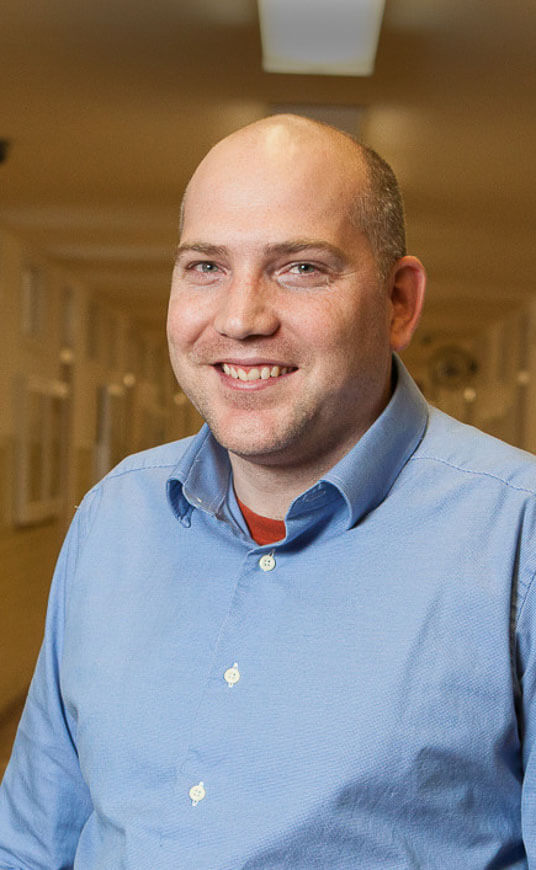
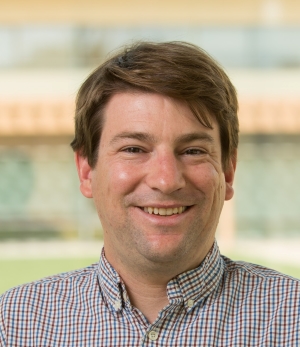
Professor Ryan Murelli is a faculty member at Brooklyn College in the Department of Chemistry and Biochemistry, School of Natural and Behavioral Sciences, with a joint appointment at the CUNY Graduate Center. He teaches organic chemistry and leads research focused on synthetic organic chemistry, medicinal chemistry, and chemical biology, developing novel synthetic methods for biologically active small molecules. Education: B.A. in Chemistry, Hamilton College (2002) Ph.D. in Organic Chemistry, Boston College (2007) Postdoctoral Training in Chemical Biology, Yale University (2010) Research Interests: His lab specializes in oxidopyrylium cycloaddition chemistry, α-hydroxytropolones, and their applications in antiviral and antibiotic development. Recent studies include synthesizing atropisomeric colchicine analogs, fluorophores, and investigating chiral axis stability. Scientific Awards: Alfred P. Sloan Foundation CUNY Junior Faculty Award in Science and Engineering ($50,000) Collaborations and Grants: Recipient of NIH grants (RO1, SCORE), PSC CUNY funding, and internal Brooklyn College Cancer Center grants. Collaborates with labs at Saint Louis University, National Cancer Institute, and other institutions. Labs and Teams: Leads a dynamic research group at Brooklyn College, mentoring graduate and undergraduate students. Alumni have pursued careers in academia, industry, and medicine. The lab focuses on interdisciplinary projects linking synthetic chemistry to biological applications.
Dr. Wei Cui is an Extension Associate Professor in the Department of Veterinary and Animal Sciences at the University of Massachusetts Amherst and serves as Director of the Animal Models Core Facility. Dr. Cui's research focuses on mammalian oocyte maturation and activation, preimplantation embryo development, and animal model generation using advanced genome editing techniques. Ph.D. from Shandong Agricultural University, China (2013) Postdoctoral training at University of Kansas Medical Center (2013-2014) Postdoctoral training at University of Massachusetts Amherst (2014-2017) Dr. Cui's research explores the cellular and molecular mechanisms underlying mammalian oocyte meiosis, activation, and aging, as well as the discovery of novel genes and signaling pathways required for embryo development. Current work also focuses on creating animal models of human genetic diseases using CRISPR/Cas9 technology. Research publications span several important areas including reproductive biology, developmental genetics, and biotechnological applications for embryo culture. Dr. Cui has published extensively on topics related to oocyte maturation, early embryo development, and techniques for improving animal model generation. Lalor Foundation Postdoctoral Fellowship, 2015 As Director of the Animal Models Core Facility, Dr. Cui oversees services for transgenic animals, gene targeting, and embryo micromanipulation. The facility supports researchers through cutting-edge technologies and customized services for animal model development.
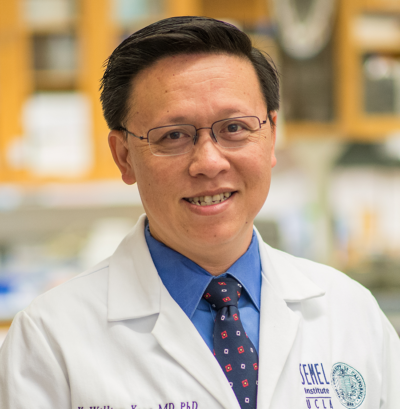
Dr. Xiangdong William Yang is a Professor in Residence in the Department of Psychiatry & Biobehavioral Sciences at the David Geffen School of Medicine, University of California, Los Angeles. He is also a member of the Center for Neurobehavioral Genetics at Semel Institute for Neuroscience & Human Behaviors and the Brain Research Institute at UCLA. Dr. Yang serves as a regular member at the NIH's Cell Death in Neurodegeneration Study Section and is a Scientific Advisory Board member of the Hereditary Disease Foundation. Dr. Yang's educational background includes: Combined M.S. and B.S. degrees with summa cum laude from Molecular Biophysics & Biochemistry Department at Yale University (1991) Ph.D. in Molecular Genetics and Neuroscience from Rockefeller University (1998) M.D. from Weill Medical College of Cornell University (2000) Medicine Internship at New York-Presbyterian Hospital (2001) His primary research focuses on Huntington's disease pathogenesis, where he investigates cellular and molecular mechanisms of neurodegeneration. Dr. Yang's laboratory pioneered the BAC transgenic technology for modeling human diseases and developed the innovative MORF (MOnonucleotide Repeat Frameshift) methodology for sparse cell labeling to reveal brain-wide neural circuitry. His work spans genetic mechanisms of CAG repeat expansion, basal ganglia circuitry, microglial responses in neurodegeneration, and molecular pathways underlying selective neuronal vulnerability. Dr. Yang's recent publications demonstrate a strong emphasis on Huntington's disease mechanisms, particularly examining CAG repeat expansion dynamics, neuronal vulnerability patterns, and potential therapeutic approaches. His work increasingly incorporates multi-omics approaches including epigenetics, transcriptomics, and advanced imaging to uncover the complex interplay between genetic mutations and cellular dysfunction. Recent publications also show expansion into Alzheimer's disease research, particularly regarding microglial function and amyloid pathology. Dr. Yang has received numerous prestigious awards recognizing his contributions to neuroscience: The Terry Semel Chair in Alzheimer's Disease Research and Treatment, UCLA (2019) Elected Member, American Society for Clinical Investigation (2017) Leslie Gehry Brenner Prize for Innovation in Science, Hereditary Disease Foundation (2014) Center for Excellence in Education Outstanding Alumni in STEM and Business (2013) The Carol Moss Spivak Scholar in Neuroscience, UCLA (2011-2016) McKnight Neuroscience of Brain Disorders Award (2009-2012) As a principal investigator, Dr. Yang has mentored numerous graduate students and postdoctoral fellows in neuroscience research. His laboratory has been consistently supported by major grants from the NIH, Hereditary Disease Foundation, and other organizations focused on neurodegenerative diseases. Dr. Yang has served on the NIH's Cell Death in Neurodegeneration Study Section, evaluating grant proposals in his field of expertise. His research has directly contributed to preclinical development of therapeutic approaches for Huntington's disease. Dr. Yang leads a vibrant research laboratory at the Gonda Neuroscience & Genetics Research Center at UCLA. His team has developed innovative methodologies including the MORF sparse cell labeling technique for mapping brain circuitry. The lab collaborates extensively with other neuroscience researchers at UCLA and internationally, contributing to large consortia studying neurodegenerative diseases. Current research focuses on uncovering the molecular and circuit-level mechanisms of Huntington's disease with the goal of identifying therapeutic targets.
Jun Chung is an Associate Professor in the Department of Pathology at Stony Brook University's Renaissance School of Medicine. He holds affiliations as a Consultant in Tumor Biology at Biogen IDEC, Inc. (2007–present) and previously held academic positions at Louisiana State University and the University of Oklahoma Health Sciences Center. Education: B.S. in Biochemistry (Yonsei University, 1991), M.S. in Genetics and Cell Biology (University of Minnesota, 1994), PhD in Molecular Cell Biology (Washington University School of Medicine, 1999) Dr. Chung's research focuses on developing therapeutics and diagnostics for breast cancers, particularly Triple Negative Breast Cancers (TNBCs). His work investigates integrin beta4 signaling in tumor invasion/metastasis and the role of tumor-suppressing micro-RNAs in TNBC progression. Current projects involve chemical modification of micro-RNAs to enhance therapeutic efficacy and delivery. His recent publications highlight trends in TNBC therapy, integrin biology, microRNA modulation, and exosome-based diagnostics. Key subfields include Integrin-Src-Met Signaling , miR-489 Mimics , ARRDC3 Epigenetics , and Extracellular Vesicle Sorting in metastatic contexts. Dr. Chung's laboratory offers PhD/postdoctoral opportunities in TNBC research. He has served in leadership roles such as Director of the Breast Cancer Focus Group at Feist-Weiller Cancer Center (2012–2013) and maintains collaborations in tumor biology.
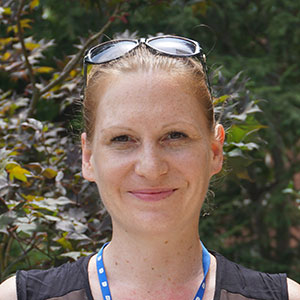
Astrid D. Haase, M.D., Ph.D., serves as a Senior Investigator with tenure at the National Institute of Diabetes and Digestive and Kidney Diseases (NIDDK), National Institutes of Health (NIH), where she leads the RNA Biology Section within the Laboratory of Cell & Molecular Biology. Her research focuses on PIWI-interacting RNAs (piRNAs) and their critical role in safeguarding genomic integrity through transposon silencing in germ cells, with implications for fertility and disease prevention. Her academic training includes: M.D. from the University of Vienna, Austria, with research at the Institute of Molecular Pathology (2000-2002) Ph.D. from the University of Basel, Switzerland, at the Friedrich Miescher Institute for Biomedical Research (2002-2007) Dr. Haase's research integrates genetics, genomics, and biochemistry to unravel molecular mechanisms of RNA-guided genome protection. Her work demonstrates how piRNA pathways defend against mobile genetic elements, ensuring germ cell health and fertility. Disruption of these mechanisms links to infertility, inflammation, and cancer, driving her exploration of therapeutic applications for genomic instability disorders. Current projects examine piRNA biogenesis, transposon control, and evolutionary adaptations across species. Analysis of her 15 most recent publications (2019-2025) reveals consistent focus on piRNA molecular mechanisms, transposon silencing, and genomic defense strategies. Key contributions include elucidating piRNA precursor formation, 3'-end establishment, and cellular abundance effects on silencing efficiency. Her work spans model organisms from Drosophila to mammals, with emerging applications in biotechnology and fertility treatments. No specific scientific awards are documented in the provided materials. As Section Chief, Dr. Haase mentors postdoctoral fellows and laboratory staff within the NIH intramural program. Her research receives stable institutional funding, enabling long-term investigations into RNA biology. Collaborative projects with international researchers, evident in co-authored publications, advance understanding of conserved genome defense mechanisms across diverse species. The RNA Biology Section employs interdisciplinary approaches to investigate how small non-coding RNAs maintain genomic stability. Her laboratory combines cutting-edge genomics, biochemistry, and genetic techniques to dissect piRNA pathway components, with recent work exploring evolutionary dynamics in systems ranging from cichlid fishes to mammalian transposons. This research environment fosters innovation in understanding fundamental biological processes with translational potential.
Craig Martin is a Professor in the Department of Chemistry at the University of Massachusetts Amherst . He is affiliated with the Graduate Program in Molecular & Cellular Biology , the Center for Bioactive Delivery , and the Models to Medicine initiative at the Institute for Applied Life Sciences . As the Nucleic Acids Theme Leader , he bridges fundamental RNA research with biotechnological applications. Education: Ph.D. in Biochemistry, California Institute of Technology (1984) Postdoctoral Fellow, Yale University (1985–1988) B.A. in Chemistry, University of California, San Diego Martin's research focuses on transcription mechanisms using mechanistic enzymology and biophysical tools . His lab collaborates with chemical engineers to develop novel flow chemistry approaches for RNA synthesis , targeting applications in vaccine/therapeutic manufacturing and site-specific RNA modifications for fundamental RNA biology studies. Recent trends in his publications (2025–2023) emphasize RNA synthesis methods (e.g., immobilized enzyme systems), T7 RNA polymerase utility , and climate security topics like autonomous weapons regulation and geoengineering governance . He also explores geological processes (paleogeography, tectonics) and international economic law . Scientific Awards: NAR Breakthrough Article (2018) Martin leads the Martin Research Group at UMass Amherst, located in the Lederle Graduate Research Tower. His lab's work combines molecular biology , biophysics , and chemical engineering to advance RNA manufacturing and structural studies.
J Rzeszowska-Wolny is a researcher specializing in molecular biology and radiobiology, with a focus on cellular redox homeostasis, microRNA regulation, and epigenetic mechanisms. Her work employs mathematical modeling and experimental approaches to study radiation responses, DNA modifications, and intercellular signaling. Key research areas: MicroRNA dynamics, redox biology, and computational modeling of cellular processes Recent projects include bystander effects in radiation biology, TET protein roles in demethylation, and DNA damage profiling Selected Publications (2025–2016): Investigated enzyme roles in H2O2 neutralization and radioresistance using systems biology (2025) Characterized miRNA-mRNA interactions and their impact on gene stability (2024–2022) Explored epigenetic DNA modifications in cancer progression (2018–2016) Collaborative Expertise spans interdisciplinary studies integrating experimental data with computational frameworks, particularly in radiation-induced cellular responses and tumor microenvironment interactions.
Kei Yura is a Professor (without tenure) at Waseda University's School of Advanced Science and Engineering, concurrently serving as Vice Director of the Research Advancement Division at Ochanomizu University's Center for Interdisciplinary AI and Data Science. He previously held positions as Professor and President at Ochanomizu University (2016-2019). His research spans biophysics, computational biology, genomics, and bioinformatics, with applications in evolutionary biology, marine symbiosis, and medical diagnostics. Education includes: PhD, Nagoya University (1999) Graduate studies in Biology, Nagoya University (1990-1993) MS in Physics and Applied Physics, Waseda University (1988-1990) BS in Applied Physics, Waseda University (1984-1988) Research focuses on biophysical modeling, genomic evolution, and host-microbe interactions. Work integrates computational methods (machine learning, network analysis) with experimental validation across diverse systems—from thermophilic bacteria to coral holobionts. Recent studies explore protein folding, mitochondrial genomics, and single-cell omics for drug discovery. Articles predominantly address molecular mechanisms in extremophiles, neuronal development, and cancer diagnostics. Computational themes include protein structure prediction, coevolution analysis, and deep learning for histopathology. Awards include: 2024 Waseda Research Award 2018 Waseda Research Award Leads interdisciplinary collaborations through the Yura Lab, focusing on genomic data integration and AI-driven biomarker discovery. Current grants support work in entomophagy genomics and coral reef resilience.
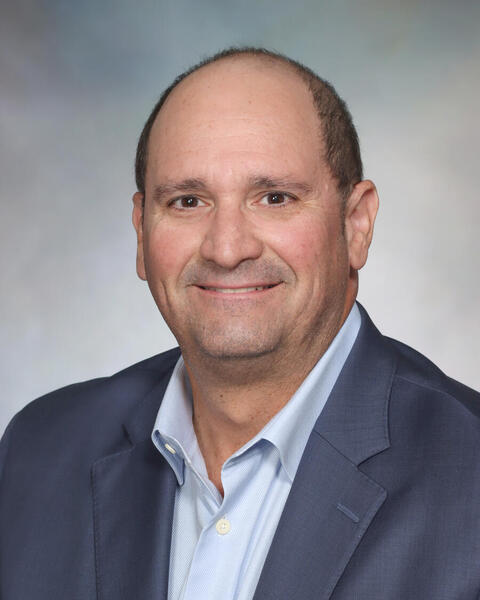
Leonard Petrucelli, Ph.D., is a Professor of Neuroscience and a Consultant in the Department of Neuroscience at Mayo Clinic in Jacksonville, Florida. He leads the Neurodegenerative Diseases Laboratory, which is dedicated to understanding the cellular and molecular mechanisms underlying neurodegenerative disorders such as Alzheimer's disease, frontotemporal dementia (FTD), and amyotrophic lateral sclerosis (ALS). His research is highly translational, focusing on identifying therapeutic targets and developing biomarkers for diagnosis and disease monitoring. Dr. Petrucelli's research interests center on protein aggregation, RNA metabolism, and neurodegeneration. His lab investigates the role of TDP-43 and tau proteinopathies, the significance of c9RAN proteins in C9orf72-related disorders, and the development of novel therapeutic agents. His team employs a multidisciplinary approach, utilizing cell biology, induced pluripotent stem cell (iPSC) technology, transcriptomics, and mouse modeling to elucidate disease mechanisms and translate findings into potential clinical applications. The recent body of work from Dr. Petrucelli's lab demonstrates a strong focus on the molecular underpinnings of ALS and FTD, particularly the role of TDP-43 mislocalization, cryptic splicing, and dipeptide repeat proteins from the C9orf72 mutation. His research also extends to tauopathies, exploring mechanisms of tau seeding and propagation, and identifying common pathological features across neurodegenerative diseases, such as TMEM106B fibrillization. A significant trend is the identification of novel therapeutic targets and biomarkers, reflecting his lab's commitment to translational neuroscience. Scientific Awards and Professional Highlights: Award on the Aging Nervous System; Robert and Arlene Kogod Center on Aging, Department of Neuroscience and Department of Neurology; Mayo Clinic; 2024 Ralph B. and Ruth K. Abrams Professor, Mayo Clinic, 2015 "Best Advances of 2013" for discovery of c9RAN proteins, Neurology Today Invited member, NIH Cellular and Molecular Biology of Neurodegeneration study section, 2011-2016 Director of NIH P01NS084974 grant on C9orf72 pathobiology Member, Alzheimer's Disease Research Grant Advisory Board, Florida Department of Health, 2014 Health Care Heroes award for research, Jacksonville Business Journal, 2014 Scientific Advisory Board, Alzforum, 2007-2009 Dr. Petrucelli is a principal investigator on multiple active grants from the National Institute of Neurological Disorders and Stroke (NINDS) and the Alzheimer’s Association, funding projects on TMEM106B, tau mouse models, and C9orf72 and tau toxicity. His lab is a hub for collaborative research, working with institutions like Scripps Florida, and actively seeks new collaborations and training opportunities for postdoctoral fellows. Laboratory and Research Focus: The Neurodegenerative Diseases Laboratory uses cutting-edge techniques to model genetic lesions in mice, map RNA defects, and develop high-throughput biomarker assays. The lab's work on c9RAN proteins and tau seeding has been groundbreaking, and its current projects aim to pinpoint therapeutic strategies for inhibiting nerve degeneration in complex neurodegenerative disorders.
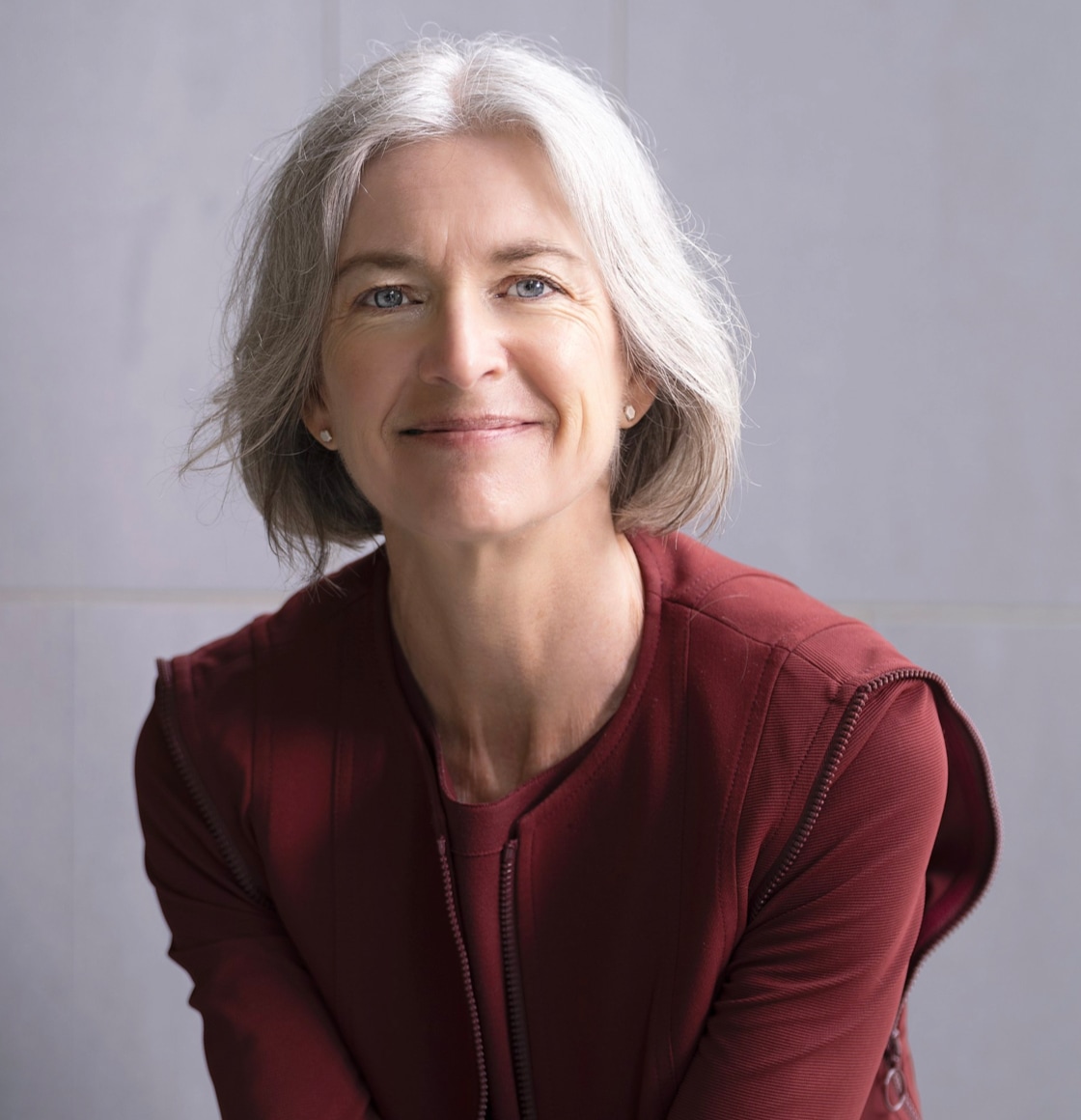
Jennifer Doudna is a Professor in the Department of Chemistry and Department of Molecular and Cell Biology at the University of California, Berkeley. As a Nobel Laureate in Chemistry (2020) for CRISPR-Cas9 development, she leads the Doudna Lab and serves as IGI Founder & Chair of the Governance Board. Her research spans genome editing, RNA biology, and CRISPR innovation. Howard Hughes Medical Institute Investigator Senior Investigator at Gladstone Institutes Co-founder of multiple CRISPR-focused biotech companies Research Focus: The lab investigates CRISPR-Cas9 mechanisms, develops novel genome editing tools, and explores therapeutic delivery systems for diseases like Huntington's and glioblastoma. Current projects include microbiome engineering for human health and climate applications. Scientific Recognition: Recipient of the Nobel Prize (2020), Breakthrough Prize (2015), Japan Prize (2016), Kavli Prize (2018), Wolf Prize (2020), and National Medal of Technology (2025). Member of National Academy of Sciences, National Academy of Medicine, and Royal Society. Public Engagement: Through A Crack in Creation and The Code Breaker , Doudna educates on CRISPR ethics. Featured in documentaries like Human Nature and PBS-NOVA programs, she advocates for responsible genome editing policies.
Aaron Leconte is a Professor of Chemistry at the Keck Science Department of Claremont Colleges, serving Claremont McKenna, Pitzer, and Scripps Colleges. He was promoted to full Professor in June 2025 after serving as Associate Professor (2018-2025) and Assistant Professor (2012-2018). His research group focuses on protein engineering to create useful tools for medicine and biotechnology, with particular expertise in luciferase and DNA polymerase engineering. Dr. Leconte's research interests center on biochemical analysis and engineering of proteins, particularly in developing novel enzyme activities through directed evolution and high-throughput biochemical approaches. His work spans protein engineering, synthetic biology, and molecular evolution, with applications in biotechnology and medical diagnostics. The Leconte Group employs a combination of bioinformatics, biochemical analysis, and directed evolution to create improved bioluminescent tools and polymerases capable of handling modified nucleotides. His recent publications demonstrate a strong focus on firefly luciferase engineering and DNA polymerase development, with multiple high-impact papers in Biochemistry and other journals. The group's work on red-shifting mutations in luciferase and developing polymerases for XNA synthesis represents significant contributions to the field. 2024 Cottrell SEED Award 2023 Cottrell Postbaccalaureate Fellowship 2019 R15 Award (NIH) 2018 CAREER Award (NSF) 2016 Cottrell Scholar Award 2014 Cottrell College Science Award Dr. Leconte has mentored numerous undergraduate researchers, many of whom have gone on to prestigious graduate programs and research positions. His lab has received substantial funding from NIH, NSF, and the Research Corporation, supporting both research and educational initiatives. The Leconte Group is known for its inclusive hiring practices and commitment to undergraduate research training, with a structured approach to onboarding new students through open houses and formal application processes. The lab maintains strong collaborations with other research groups, particularly the Prescher Group at UC-Irvine, and has produced numerous publications with undergraduate co-authors. Current projects include characterizing and engineering firefly luciferase and developing fusion domains to improve XNA polymerases.
Devanshi Jain is an Assistant Professor in the Department of Genetics at Rutgers University, School of Arts and Sciences. Her research focuses on gametogenesis and genome integrity, utilizing mouse models to investigate the molecular mechanisms of meiosis, post-transcriptional gene regulation, and retrotransposon repression in the germline. Her research interests center on understanding the dynamic gene expression programs that drive gametogenesis, particularly the role of RNA-binding proteins like YTHDC2 in regulating the transition from mitotic to meiotic phases. She also investigates how retrotransposon suppression mechanisms intersect with critical chromosomal events such as meiotic recombination and chromosome synapsis. Her work combines forward genetics, molecular biology, and genomic approaches to dissect regulatory networks essential for fertility and genome stability. Her recent publications (2025–2009) reveal a strong focus on meiotic regulation, RNA biology, and transposon control. Key themes include the function of RNA helicases, piRNA pathways, DNA methylation in germline silencing, and chromosomal dynamics during meiosis. Her work spans from foundational studies in DNA replication and telomere biology to cutting-edge research on post-transcriptional regulation in gametogenesis. Devanshi Jain leads an active research lab mentoring postdoctoral scholars, graduate students, and undergraduates. She has served as co-corresponding author on multiple high-impact publications, indicating her leadership in collaborative research. While no formal scientific awards are listed, her publication record in journals like Nature Aging , Nature Communications , and eLife underscores her significant contributions to reproductive and molecular genetics. She advises several trainees including postdoctoral scholars, graduate students, and post-baccalaureates. Her lab employs a forward-genetics approach, having generated a rich collection of meiotic mutants through chemical mutagenesis screens in mice. These tools are central to ongoing projects aimed at mechanistic understanding of gene regulation and genome defense in the germline. The lab is currently recruiting at all levels, reflecting active grant funding and research expansion. Her lab includes key personnel such as Lab Manager Shun Liang, Postdoctoral Scholars Lava Kumar Surarapu and Gayathri Govindaraju (former), and trainees including Katherine Duseau (graduate student), Shreya Sarathy, Kevin Tilton, and several undergraduates. The team investigates both transcriptional and post-transcriptional control mechanisms, with a strong emphasis on in vivo mouse models and cytological analysis of meiotic progression.
Professor Ruth Hall is a distinguished faculty member in the School of Life and Environmental Sciences at The University of Sydney, where she holds a position in the Department of Biochemistry and Microbiology. Her office is located in Room 732 of the Molecular Bioscience Building (G08), and she can be reached at +61 2 9351 3465 or ruth.hall@sydney.edu.au. Professor Hall leads a research group focused on bacterial DNA mobility, particularly mechanisms that facilitate the spread of antibiotic resistance genes and the evolution of new pathogens. Professor Hall's research primarily investigates the mechanisms of horizontal gene transfer in bacteria, with special emphasis on how antibiotic resistance genes disseminate among bacterial populations. Her work spans molecular biology, microbiology, and genomics, with particular focus on Acinetobacter baumannii , a notorious multidrug-resistant pathogen. Her laboratory employs biochemical, genetic, and genomic approaches to unravel the complex mechanisms that enable bacteria to acquire and spread resistance genes through integrons, plasmids, and other mobile genetic elements. Her research aligns with the Faculty of Science Research Strengths in Understanding Life on Earth and Understanding Disease & Disorder in Humans. Analysis of Professor Hall's recent publications (2023-2025) reveals a strong focus on Acinetobacter baumannii capsule structure, plasmid biology, and resistance mechanisms. Her work demonstrates expertise in characterizing K-type capsular polysaccharides, IS26-mediated resistance gene mobilization, and the role of phage-encoded enzymes in modifying bacterial surface structures. The publications show consistent collaboration with international researchers, particularly in Vietnam, and demonstrate leadership in understanding the molecular basis of antibiotic resistance spread. Professor Hall has made significant contributions to understanding the mechanisms of antibiotic resistance gene dissemination in bacteria, particularly through her extensive work on mobile genetic elements. Her research has practical implications for combating the global crisis of antibiotic resistance and has positioned her as a leading expert in bacterial genomics and resistance mechanisms.
Claudia Chica is a Senior Bioinformatician at the Bioinformatics and Biostatistics HUB of Institut Pasteur in Paris, France, where she has been working since October 2015. Her research focuses on computational analysis of epigenomic and transcriptomic data, with particular expertise in chromatin profiling techniques including ChIP-seq, ATAC-seq, and RNA-seq. Her research interests span epigenomics, chromatin analysis, single-cell data analysis, and bioinformatics tool development. She has made significant contributions to understanding chromatin dynamics in immune memory, bacterial pathogenesis, and plant genome evolution. Her methodological expertise includes statistical modeling for high-throughput sequencing data and integration of multi-omics datasets. Dr. Chica's recent publications demonstrate a strong focus on epigenomic mechanisms underlying immune memory in bronchial epithelial cells, bacterial virulence evolution, and development of bioinformatics tools like ePeak and SCHNAPPs for epigenomic and single-cell data analysis. Her work bridges computational methodologies with biological discovery across diverse systems from human immunology to plant genomics. She has been actively involved in teaching and training researchers, having co-organized multiple bioinformatics courses at Institut Pasteur, including the Bioinformatics program for PhD students and specialized courses on high-throughput sequencing data analysis, comparative genomics, and functional omics.
Srivatsan Raman is an Associate Professor at the University of Wisconsin–Madison , with appointments in the Department of Bacteriology and as an affiliate in the Department of Chemical and Biological Engineering . He is also affiliated with the Great Lakes Bioenergy Research Center and the Center for Genome Science Innovation . Education: B.S., Baroda University, India M.S., Missouri University of Science and Technology Ph.D., University of Washington, Seattle Postdoctoral, Harvard Medical School - Wyss Institute for Biologically-inspired Engineering His research lies at the intersection of systems biology , synthetic biology , and computational biology , with a focus on protein allostery , bacteriophage engineering , and high-throughput functional genomics . He develops and applies deep mutational scanning, chip-based DNA synthesis, and machine learning to understand and design biological systems at scale. His lab pioneers methods to reprogram phages for antibacterial therapy and microbiome editing, and to dissect the functional impact of human genetic variants. The recent publications reflect a strong trend in engineered biological systems , particularly in phage engineering , allostery , and functional genomics . These works span primary research and authoritative reviews in top journals, demonstrating both technical innovation and thought leadership. Scientific Contributions: Developed frameworks for engineering allostery and biosensors Pioneered high-throughput phage genome engineering Advanced deep mutational scanning for variant effect prediction Designed programmable phages with controllable infectivity Raman leads a multidisciplinary research program that bridges fundamental science with translational applications in health and biotechnology. His lab leverages cutting-edge technologies to train machine learning models for protein and genome design. While student names are not listed, his group clearly mentors trainees in synthetic biology and genomics. His work is supported by affiliations with major research centers, indicating substantial grant funding and collaborative networks. Laboratory & Research Themes: Raman Laboratory: Focuses on protein allostery, phage-host interactions, and human disease variants Technologies: Deep mutational scanning, pooled screening, computational design (Rosetta), single-cell RNA-seq Emerging Areas: Transporters, gene delivery systems, vaccine design