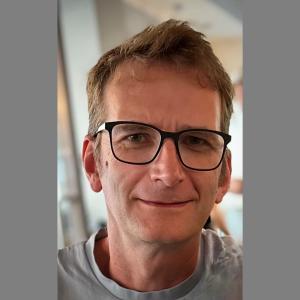
Kumar Somyajit is Associate Professor at the University of Southern Denmark's Department of Biochemistry and Molecular Biology. He leads research on DNA replication and genome surveillance mechanisms using mammalian cell models. Research focuses on: Metabolic regulation of DNA replication Replisome plasticity under stress Homology-directed repair mechanisms Chromatin dynamics in cancer Recipient of Lundbeck Foundation Fellowship (2021). Current projects investigate metabolic coupling to genome surveillance in cancer and development. Supervises PhD students in DNA repair and replication studies.
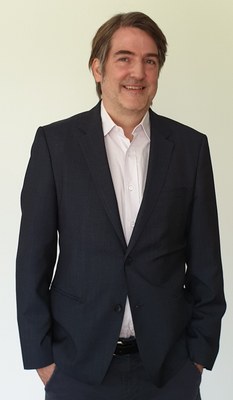
Matthew Gaunt is the 1702 Yusuf Hamied Professor of Chemistry at the University of Cambridge , specializing in C–H activation , visible-light photocatalysis , and bioconjugation . He leads a research group in Lab 177 , focusing on alkylamine synthesis and chemical biology applications. Gaunt's group has 23 members, including 14 PhD students and 6 postdocs. His research spans catalytic reactivity for organic synthesis, with a focus on metal-catalyzed C–H activation , photoredox strategies , and high-throughput experimentation for rapid reaction development. Key innovations include stereoselective methods for β-lactam synthesis and methionine-targeted protein modification . Scientific Awards & Fellowships: GlaxoWellcome Postdoctoral Fellowship Ramsay Memorial Fellow His group contributes to the SynTech Centre for Doctoral Training , integrating automation and data science into chemical synthesis education. Current students include Joseph Phelps, Marcus Grocott, James Robinson, and Tobias Kraus under his direct supervision.
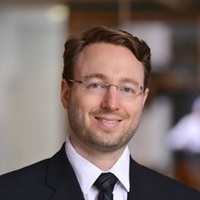
Nicolas Thomä is a Full Professor and head of the Thomä Lab at the École Polytechnique Fédérale de Lausanne (EPFL), where he holds the Paternot Chair in Cancer Research. He is affiliated with the School of Life Sciences (SV) and the Institute of Chemical and Biological Technology (ISREC), leading the UPTHOMAE research unit. His work bridges structural biology, chemical biology, and cancer research, with a focus on transcriptional regulation and targeted protein degradation. His research interests center on chromatin biology and the molecular mechanisms by which transcription factors access gene promoters within chromatin. He investigates how multi-protein complexes regulate gene expression, particularly focusing on the role of E3 ubiquitin ligases and molecular glues in targeted protein degradation. His lab combines structural techniques (including cryo-EM), biochemical assays, and functional genomics to unravel how small molecules can rewire protein interactions and induce degradation of disease-relevant proteins, especially transcription factors involved in cancer. The recent publications of his lab demonstrate a strong trajectory in understanding the structural basis of transcription factor binding to nucleosomes (e.g., OCT4-SOX2, MYC-MAX, CLOCK-BMAL1) and the mechanism of action of molecular glues like thalidomide. These studies highlight a shift toward therapeutic innovation through chemical biology, aiming to develop novel strategies for targeting 'undruggable' proteins in human diseases. Scientific Awards No specific awards listed in the provided text. Advising and Grants Thomä actively supervises a team of PhD students and postdoctoral researchers, including David Domjan, Laurin Tim Kanis, Alessandro Minafra, and Pierre Alexander Miranda Herrera. His lab is supported by institutional funding from EPFL and likely external grants related to cancer research, structural biology, and chemical biology, though specific grants are not mentioned. The lab’s interdisciplinary approach suggests collaboration with pharmaceutical and biotech partners. Labs and Teams The Thomä Lab, based at EPFL’s SV building, includes a multidisciplinary team of scientists, technical specialists, and administrative support. Key members include Fiona Bello (Technical Specialist), Regina Baur, Alexandra Bendel, Manuel Carminati, and others. The lab is structured around two main research pillars: Transcription Factors in Chromatin Biology and Ubiquitin Biology and Molecular Glues, reflecting its dual focus on fundamental mechanisms and therapeutic applications.
Prof. Oliver Seitz leads the Bioorganic Synthesis research group at the Department of Chemistry, Faculty of Mathematics and Natural Sciences, Humboldt University of Berlin. His lab focuses on cutting-edge chemical biology approaches for protein/nucleic acid interrogation, with recent work advancing DNA/RNA-programmed assemblies for cellular imaging and therapeutic applications. Research spans chemical protein synthesis, glycoprotein/phosphoprotein engineering, and nucleic acid-templated reactions. Key innovations include Forced Intercalation (FIT) probes for wash-free RNA imaging, loss-of-affinity principles for catalytic efficiency, and peptide-PNA conjugates for targeted cellular delivery. The group actively develops tools for live-cell protein labeling and biomolecular spatial screening. Recent publications (2021-2024) emphasize fluorescence-based detection systems, catalytic templated reactions, and therapeutic peptide synthesis. Trends show increasing sophistication in multi-dye probes, glycan engineering, and RNA-triggered pro-drug activation. Scientific awards include: Max Bergmann Award (2019) Prof. Seitz actively advises doctoral students, with recent graduates Marvin Björn Stutz (2023, magna cum laude ), Dino Gluhacevic von Krüchten (2023, summa cum laude ), and Sophie Schöllkopf (2023, magna cum laude ). Current PhD candidates include Ekaterina Kazakova (glycoprotein synthesis), Alina Herfort (phosphoproteins), and Lina-Marie Beck (peptide-nucleic acid conjugates), with postdocs like Dr. Mandana Oloub (viscosity sensors). The Bioorganic Synthesis lab operates within Berlin's vibrant chemical research ecosystem, utilizing specialized techniques for chemical protein synthesis and nucleic acid detection. Recent team growth reflects ongoing projects in RNA imaging, catalytic templated reactions, and therapeutic conjugate development, supported by open positions for new researchers.
Dr. Philippe Campeau is an Associate Clinical Professor in the Department of Pediatrics at the Faculty of Medicine, Université de Montréal. He is affiliated with CHU Sainte-Justine, a major pediatric hospital in Montreal, Quebec, where he works in the Medical Genetics Service. His clinical and research work focuses on genetic disorders affecting children, particularly in the areas of skeletal development and neurogenetics. Dr. Campeau obtained his Doctorate in Medicine from Laval University in Quebec (1998-2003) followed by specialty training in medical genetics at McGill University (2003-2008). He completed postdoctoral training at Baylor College of Medicine (2008-2013), which further developed his expertise in genetic research methodologies. His primary research interests include bone dysplasias , skeletal dysplasias , epilepsy , and epigenetic diseases . Dr. Campeau's laboratory identifies disease-causing genes, deciphers disease pathophysiology, and works to improve the management of children affected by these conditions. His work encompasses exome analysis , functional studies with cell lines and mouse models , and investigations into urea cycle abnormalities . He has made significant contributions to understanding genetic causes of conditions such as Genitopatellar syndrome (KAT6B), osteopetrosis, dysosteosclerosis (SLC29A3), osteogenesis imperfecta, early-onset osteoporosis (WNT1), Yunis-Varón syndrome (FIG4), and DOORS syndrome (TBC1D24). Dr. Campeau's publication record demonstrates a strong trajectory in medical genetics research, with numerous high-impact publications spanning from fundamental genetic discovery to translational research. His work spans skeletal disorders, neurodevelopmental conditions, and epigenetic mechanisms. Recent publications indicate an expanding focus on chromatin modifiers, DNA methylation patterns, and spliceosome function in neurodevelopmental conditions, reflecting the evolution of his research interests toward more complex molecular mechanisms. Dr. Campeau has received several research grants in recent years (6 starting in 2014) from organizations including the Fonds de la recherche en santé du Québec, Canadian Institutes of Health Research, and Fondation Grand Défi Pierre Lavoie. While specific students are not mentioned in the available information, as a clinical professor, he mentors medical students, residents, and research trainees in the Department of Pediatrics. His research is conducted as part of the 'Musculoskeletal Diseases and Rehabilitation' axis at CHU Sainte-Justine Research Center, where he collaborates with international research teams to identify disease-causing genes and develop better management strategies for children with genetic disorders.
Joshua J. Coon is a Professor at the University of Wisconsin-Madison with appointments in the Department of Biomolecular Chemistry and the Department of Chemistry. He leads the Coon Group, focusing on advancing mass spectrometry technologies for proteomics, metabolomics, and lipidomics. His research addresses fundamental questions in cell biology, including stem cell differentiation, epigenetic regulation, and cancer biomarker discovery. Affiliations : Director of the NIGMS National Center for Quantitative Biology of Complex Systems. Research Emphasis : Instrumentation development, data analysis software, ion chemistry, and biological applications of proteomics. Laboratory : Located in the Genome Center of Wisconsin with a dozen hybrid mass spectrometers, including Orbitrap systems. Collaborations : Long-term partnership with Thermo Fisher Scientific and the Wisconsin Alumni Research Foundation (WARF) for technology commercialization. Training : Mentored 27 Ph.D. students since 2009, emphasizing interdisciplinary research and professional development.
Wen Xue is a Professor at UMass Chan Medical School, affiliated with the RNA Therapeutics Institute within the T.H. Chan School of Medicine. She holds multiple additional roles across departments such as the Program in Molecular Medicine, Cancer Biology, and Biochemistry and Molecular Biotechnology at the Morningside Graduate School of Biomedical Sciences. Her research focuses on developing genetic models for liver and lung cancer using CRISPR/Cas9 and RNAi tools. Key areas include CRISPR-mediated genome editing for cancer gene discovery, KRAS inhibition mechanisms, and miRNA networks in lung cancer. She has secured grants from NIH, American Cancer Society, and others. Awards include the NIH Director’s New Innovator Award and Lung Cancer Research Foundation grants. Her lab actively recruits postdoctoral researchers and offers rotation projects in CRISPR technology and cancer biology. Education: B.S. and M.S. in Biochemistry from Nanjing University; Ph.D. in Biochemistry from State University of New York, Stony Brook. Research Interests: Wen Xue’s lab employs CRISPR tools to accelerate cancer gene validation and therapeutic target identification. Projects include: CRISPR-based liver cancer gene correction and oncogene deletion studies. Investigating KRAS inhibition resistance via RNAi and CRISPR in lung cancer models. Characterizing miRNA networks using TCGA data to identify therapeutic miRNA candidates. Her work bridges functional genomics with precision medicine, emphasizing in vivo and in vitro platforms. Publications: Over 100 peer-reviewed articles, including high-impact studies on CRISPR applications in gene therapy and cancer modeling. Recent work explores prime editing, base editing, and viral/non-viral delivery systems for lung diseases. Grants & Awards: NIH grants (P01HL131471, DP2HL137167), American Cancer Society (RSG-16-093), and industry partnerships like the Cystic Fibrosis Foundation. Collaborations include projects on CFTR mutation repair and AAV vector development. Labs/Teams: Xue Lab focuses on cancer genetics and gene editing, with interdisciplinary collaborations in molecular medicine and bioengineering. Ongoing projects aim to translate CRISPR-based therapies into clinical applications.
Ueli Grossniklaus is an Ordinary Professor at the University of Zurich within the Faculty of Mathematical and Natural Sciences , affiliated with the Department of Plant and Microbiology . His work focuses on plant developmental biology, particularly epigenetic and genetic mechanisms governing reproduction and adaptation. Key Courses: Epigenetics, Plant Biology Workshop, Group Seminars on Current Research Laboratory Techniques: Advanced methods in plant cell mechanics, transcriptomics, and genome editing Research Interests span plant epigenetics, reproductive biology, and the interplay between environmental stress and genetic regulation. He investigates: Mechanistic control of gametogenesis and fertilization Epigenetic contributions to plant adaptation Evolutionary implications of asexual reproduction Biophysical forces in plant cell growth Publication Trends (2025–2018) reveal expertise in: Arabidopsis and fern model systems Epigenetic regulation (DNA methylation, histone dynamics) Apomixis and hybrid seed failure mechanisms Biomechanics of pollen tubes and carnivorous plants Genome editing tools (CRISPR) and long-read sequencing Scientific Collaborations include interdisciplinary projects on: Microfluidic devices for plant cell analysis Gene drive ecology and ethics 3D imaging of plant reproductive structures Advising and Grants focus on mentoring through research internships in developmental biology, genetics, and systems biology. His lab engages in: Epigenetic response to environmental stress Cell wall mechanics in reproduction Computational modeling of plant growth Laboratory Teams integrate plant biologists, bioengineers, and computational scientists to study: Mechanistic gene regulation Evolutionary developmental biology Microrobotics for cellular force measurement
Kyu Y. Rhee is a Professor of Medicine and Professor of Microbiology and Immunology at Weill Cornell Medical College . His research focuses on Mycobacterium tuberculosis , with emphasis on metabolic pathways , antibiotic resistance mechanisms , and drug development . Research highlights include: Multi-omic approaches to TB drug discovery Mechanistic studies of antibiotic action Deciphering TB transmission genetics Metabolomics-driven target identification Current funding includes: Bill & Melinda Gates Foundation : AI/ML-assisted bacterial permeability platform National Institute of Allergy & Infectious Diseases : UM1 TB drug regimen design consortium National Heart, Lung, & Blood Institute : Studies on M. tuberculosis PE/PPE proteins and fructose-induced cancer He has authored over 50 publications on TB metabolomics, drug development, and pathogen persistence. His work bridges systems biology , chemical biology , and clinical research to address antimicrobial resistance.
Dr. Andrew Bassett serves as Head of the Cellular and Gene Editing Research group at the Wellcome Sanger Institute, where he develops cutting-edge genome engineering techniques using human pluripotent stem cells to investigate neurodegenerative diseases including Alzheimer's and Parkinson's. His work focuses on scaling genetic screening approaches and improving CRISPR specificity for modeling complex disease mechanisms. His academic training includes: PhD at the MRC Laboratory of Molecular Biology (MRC-LMB) with Andrew Travers on chromatin remodelling in heterochromatin formation Postdoctoral research with David Baulcombe at the University of Cambridge studying small RNA roles in chromatin modification Additional postdoctoral work with Chris Ponting at the MRC Functional Genomics Unit (MRC-FGU) in Oxford, where he pioneered CRISPR applications in Drosophila Bassett's research program centers on developing advanced genome engineering methodologies for precise modulation of gene expression networks during development and neurodegeneration. His group specializes in creating complex editing events (SNPs, paired knockouts, enhancer perturbations) within iPSC-derived models, with particular emphasis on epigenetic regulation and transcriptional control. Current projects integrate single-cell 'omics and phenotypic assays to decode genetic causes of neurodegenerative disorders through the OpenTargets consortium. Analysis of his 15 most recent publications reveals dominant trends in CRISPR technology development (35%), neurodegenerative disease modeling (30%), and single-cell functional genomics (25%). His work consistently bridges methodological innovation with disease mechanism studies, increasingly incorporating multi-omics approaches and expanding into cancer immunology and infectious disease applications since 2022. As group leader, Bassett mentors postdoctoral researchers and PhD students while securing major funding for genome engineering initiatives. His team operates within the Sanger Institute's Cellular Operations division and maintains critical partnerships with the OpenTargets consortium for therapeutic target validation. The laboratory specializes in high-throughput screening platforms using iPSC-derived neural and microglial models, with recent methodological advances including scSNV-seq and ONE-STEP tagging systems that significantly enhance precision genome editing capabilities.
Daniela Strenkert is an Assistant Professor at Michigan State University, affiliated with the MSU-DOE Plant Research Laboratory, Plant Biology Department, Molecular Plant Sciences Program, BioMolecular Science Gateway, and Cell & Molecular Biology Program. Her research focuses on systems biology approaches to understand gene regulation in photosynthetic organisms. Ph.D., University of Kaiserslautern, Germany Her lab investigates photosynthetic performance through multi-omics analysis of chromatin structure, transcriptomes, proteomes, and metabolomes in Chlamydomonas reinhardtii . Key areas include environmental acclimation, histone modification mapping (GreENCODE project), and regulatory RNA characterization. Recent publications emphasize computational modeling of photosynthetic protein interactions, metal homeostasis under stress, and chloroplast protein import mechanisms. Articles span 2025-2010, with 15 most recent from 2025-2022. Her work integrates genome-wide datasets to decode algal regulatory programs under climate change-relevant stressors. She teaches BS 161: Cells and Molecules and maintains a lab at 106 Plant Biology Lab. Contact: strenke2@msu.edu .
David B. Bensimon is a world-leading biophysicist and Professor in the Department of Chemistry and Biochemistry at the University of California, Los Angeles, holding the prestigious Regent's Professor title since 2007. He maintains a dual academic position, serving as Directeur de Recherche at the French National Center for Scientific Research (CNRS) at the Ecole Normale Supérieure (ENS) in Paris while teaching and conducting research at UCLA for one quarter each year. His academic journey began with a Ph.D. from the University of Chicago in 1986 under Leo Kadanoff, followed by postdoctoral research at Bell Laboratories and ENS Paris. Professor Bensimon's research spans multiple frontiers in biophysics and molecular biology, with particular expertise in single-molecule studies of nucleic acids and their proteins. His laboratory pioneered the Magnetic Trap technique for manipulating individual DNA molecules, enabling groundbreaking investigations into DNA mechanics, topoisomerase interactions, and molecular combing. His recent work has expanded into optogenetics, developmental biology using zebrafish models, and cancer research, with significant contributions to understanding how single-cell oncogene activation leads to tumorigenesis. His research output shows remarkable breadth across disciplines, with recent publications spanning biophysics, developmental biology, cancer research, and genomic technology development. Bensimon's work on opto-chemical tools has particularly transformed how researchers can control biological processes with unprecedented spatiotemporal precision, especially in zebrafish models. His laboratory has developed photoactivatable versions of key molecular tools including Cas9 (OptoCas9) and cyclofen systems that allow precise control of protein activity at the single-cell level. 2007 Regent's Professor at UCLA 1997 Vinci of Excellence Award for phospholipid vesicle research 1994 Jacques Monod Prize for Molecular Combing discovery Special Prize of the French Physical Society for DNA mechanics work ICAM Fellow KITP-UCSB Representative Bensimon has made significant contributions to both basic science and translational applications, co-founding Depixus for nucleic acid sequencing and epigenetic analysis. His laboratory continues to push boundaries in single-molecule biophysics while expanding into developmental biology and cancer research, with recent work demonstrating that activation of kRas in dedifferentiated cells increases tumorigenesis probability by two orders of magnitude. His mentorship has produced notable researchers including X. Michalet, and his theoretical work extends to the philosophical unification of scientific disciplines as evidenced by his book "The Unity of Science".
Cheryl Walker, Ph.D., is a Professor in the Departments of Molecular and Cellular Biology, Medicine, and Molecular and Human Genetics at Baylor College of Medicine. She serves as Director of the Center for Precision Environmental Health and Co-Leader of the Chromatin Biology Program at the Dan L Duncan Comprehensive Cancer Center. Her research focuses on gene-environment interactions, epigenomics, and the molecular mechanisms underlying diseases such as cancer, fibroids, and non-alcoholic fatty liver disease (NAFLD). Key areas include the role of chromatin remodelers like SETD2 in genomic stability and their dual functions in cytoskeletal dynamics. She has pioneered studies on how early-life environmental exposures, such as endocrine-disrupting chemicals (EDCs), reprogram the epigenome to increase disease susceptibility later in life. Dr. Walker’s work is funded by NIH and DOD grants, including leadership of the TaRGET II Consortium for environmental epigenomics. Her lab employs cutting-edge technologies like ChIP-seq and RNA-seq to study epigenetic reprogramming. Notable contributions include discoveries linking SETD2 methylation to microtubule stability and genomic integrity, and identifying epigenetic signatures of environmental exposures in health disparities research. Education: Ph.D. in Molecular Biology Affiliations: Baylor College of Medicine, Gulf Coast Center for Precision Environmental Health Her awards include election to the National Academy of Medicine and fellowships in the American Association for the Advancement of Science (AAAS) and American Thoracic Society (ATS). The lab actively collaborates on translational projects, including biomarker development and disaster-related health studies following events like Hurricane Harvey. Key Research Themes: Epigenetic drivers of cancer and fibrosis Environmental epigenomics and disease risk Chromatin-cytoskeleton cross-talk in disease
Jenn Brophy is an Assistant Professor of Bioengineering at Stanford University, developing technologies for genetic engineering of plants and microbes to address environmental stress resilience and agricultural sustainability. Her lab focuses on synthetic genetic circuits for plant root reprogramming and stress response optimization. B.S. in Bioengineering, UC Berkeley (2010) Ph.D. in Biological Engineering, MIT (2016) Postdoctoral Fellow, Stanford University (Biology) Research spans synthetic biology, plant genetics, and microbiome engineering, emphasizing climate adaptation and sustainable biotechnology. Current projects include: Plant-microbe interaction engineering Stress-responsive biosensors High-throughput genetic tool development Plant cell atlas integration Sustainable laboratory practices Her recent publications highlight advances in recombinase circuits, root architecture engineering, and plant cell mapping, with applications in climate resilience and microbiome design. Collaborators include José Dinneny (Stanford) in plant synthetic biology research.
Prof. Torsten Ochsenreiter is a Group Leader at the Institute of Cell Biology, University of Bern, and part of the Multidisciplinary Center for Infectious Diseases (MCID). His research focuses on molecular parasitology, particularly on trypanosomes and malaria parasites, utilizing advanced microscopy techniques to study fundamental biological processes. His primary research interests include mitochondrial biogenesis, kinetoplast genome maintenance, RNA editing mechanisms, and cytoskeletal dynamics in Trypanosoma brucei . He investigates how mitochondrial DNA is segregated during cell division and how post-translational modifications regulate parasite transmission. His work bridges cell biology, structural biology, and infectious disease research to understand pathogenic mechanisms in neglected tropical diseases. Analysis of his recent publications reveals a consistent focus on the tripartite attachment complex (TAC), mitochondrial genome inheritance, and expansion microscopy applications. His research demonstrates how structural adaptations in parasite organelles enable survival and transmission, with significant implications for developing novel therapeutic strategies against African sleeping sickness and malaria. No scientific awards were mentioned in the provided text. Prof. Ochsenreiter advises students and leads an active research team at the University of Bern. The Ochsenreiter lab provides opportunities for undergraduate and graduate students to engage in cutting-edge parasitology research, though specific grant funding details were not provided in the text. The Ochsenreiter lab operates within the Institute of Cell Biology and specializes in molecular parasitology techniques including expansion microscopy, cryo-electron tomography, and genetic manipulation of trypanosomes. The team investigates mitochondrial biology and cytoskeletal organization to uncover vulnerabilities in parasite life cycles.