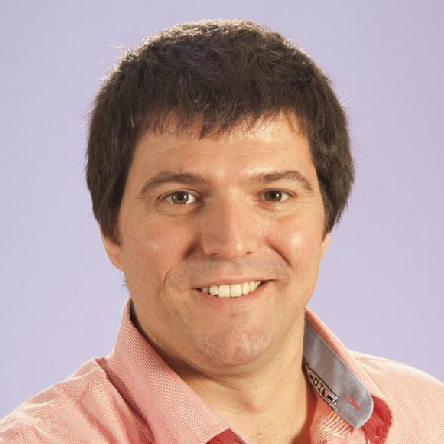
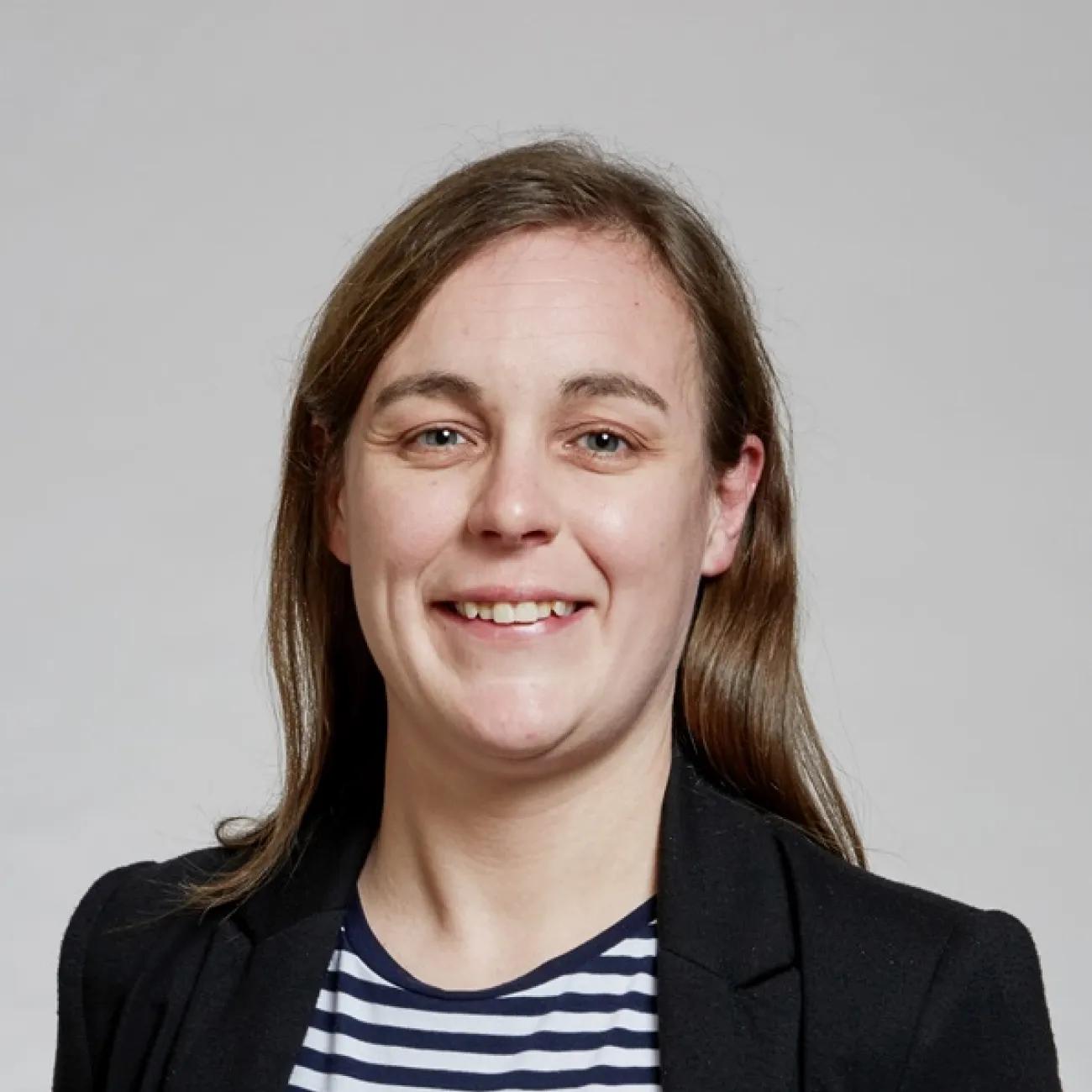
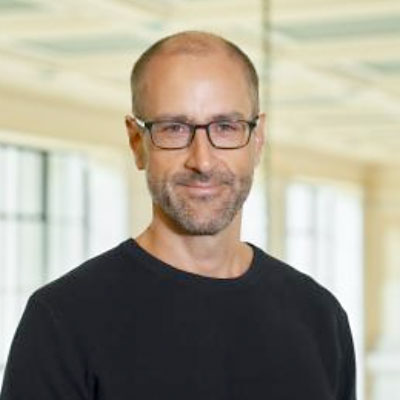
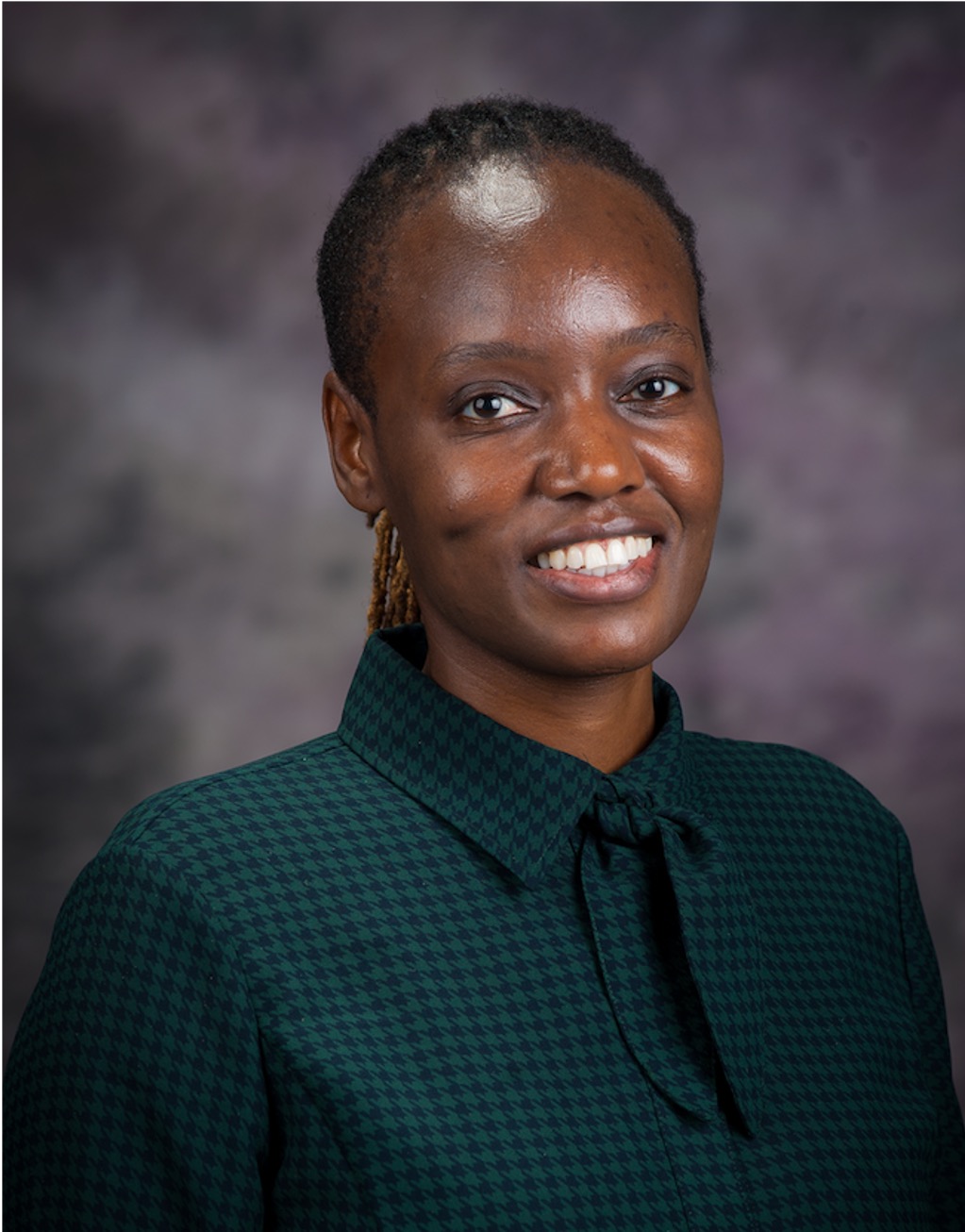
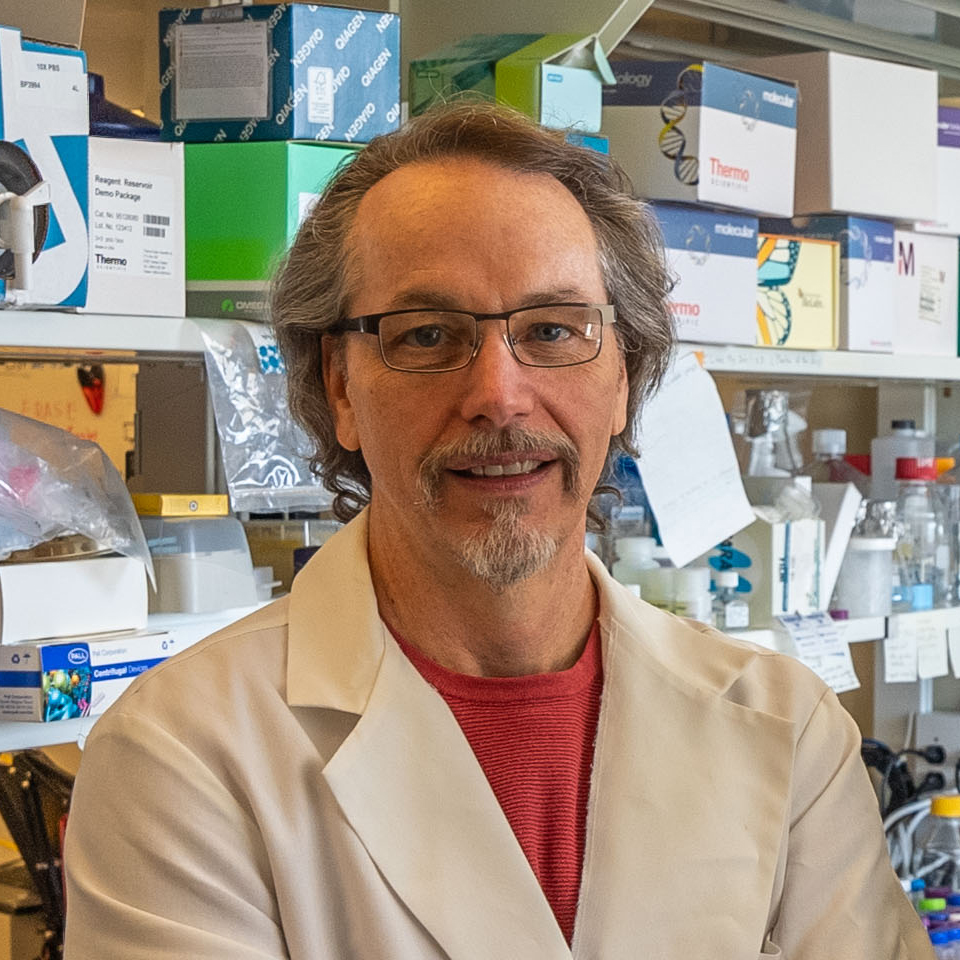
Francesco Varrato is a Lecturer at the EDCH-ENS unit and a Research Data Management (RDM) Specialist at École Polytechnique Fédérale de Lausanne (EPFL). He holds a PhD in Numerical Physics and a Master’s in Physics from Pisa University. His current role focuses on advancing RDM practices, including F.A.I.R. principles implementation, data management plan development, and collaboration with EPFL services like ReO, DPO, and external stakeholders. His research interests span RDM, soft matter physics, and colloidal systems. Research Highlights: Varrato’s work bridges academic and applied research, with recent contributions to RDM frameworks and historical studies on colloidal gels and fractal systems. His publications address data governance, open-source adoption, and material science. Teaching: He teaches Hands-on with Research Data Management in Chemistry , emphasizing practical RDM skills. His role also involves organizing workshops and guiding researchers in data documentation. Collaborations: Engages with EPFL’s Data Champions network and external organizations to promote data-driven practices. His interdisciplinary approach combines physics expertise with modern academic support methodologies.
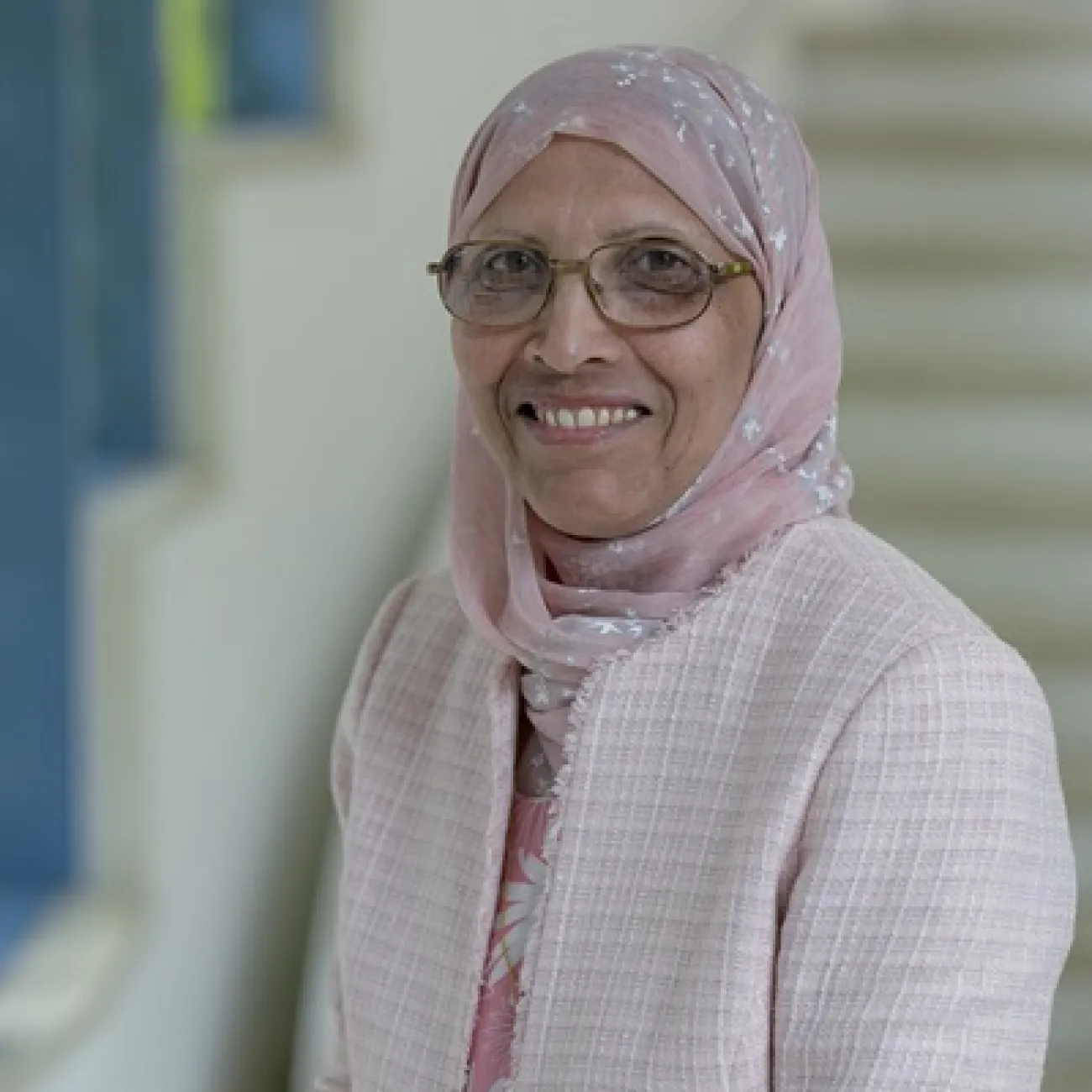
Afaf El-Sagheer is an Assistant Professor in Chemistry at the University of Southampton. She holds a PhD from Southampton University under Prof. John Mellor and previously served as Professor of Bio-Organic Chemistry at Suez University. Since 2006, she has collaborated extensively with Prof. Tom Brown on nucleic acid chemistry. Her research focuses on synthetic methods for DNA/RNA constructs, therapeutic oligonucleotides, and mRNA modifications. She leads projects in the Institute for Life Sciences and Organic Chemistry departments, with over 150 publications and patents. Current role: Assistant Professor in Chemistry (since 2023) PhD: Southampton University, supervised by Prof. John Mellor Key collaborations: Prof. Tom Brown (Southampton/Oxford) Research groups: Organic Chemistry, ChemLife Network Her work pioneers click chemistry applications for gene editing and therapeutics. Recent projects include mRNA priming modifications and cathepsin B-mediated drug delivery systems. Publications span journals like Nature Structural & Molecular Biology and Journal of the American Chemical Society .
Dr. Shiyao Li is a Researcher in the School of Science at RMIT University, specializing in bio-nano interactions and nanomedicine. Their work focuses on nanoparticle design for biomedical applications, including targeted drug delivery systems, biomolecular corona effects, and immune cell interactions. Dr. Li’s research integrates materials science, cell biology, and chemical engineering to advance therapeutic solutions for conditions like leukemia and vaccine development. Research areas: Bio-Nano Interactions, Nanomedicine, Biomaterials Supervision: Advises on projects involving lipid nanoparticles, biomolecular coronas, and nanomedicine development Publications emphasize quantitative tracking of bio-nano interactions, enzyme-mediated nanoparticle assembly, and overcoming anti-PEG antibody challenges in vaccines. Collaboration networks include multidisciplinary teams exploring spatiotemporal drug release and immune evasion strategies.
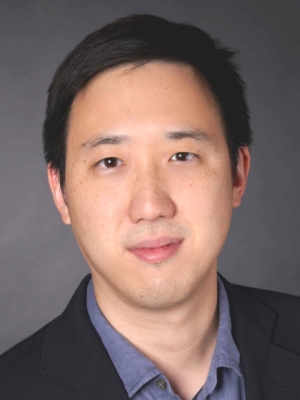
Dr. Se-Hyeong Jung is a Research Fellow at ETH Zurich's Material Institute, affiliated with the Professorship for Soft Materials and Interfaces since December 2022. He works in Prof. Lucio Isa's group, focusing on reconfigurable active colloids and stimuli-responsive polymer networks. His research integrates chemistry, materials science, and engineering to develop adaptive microswimmers and smart materials. Education includes: Bachelor's in Chemistry, University of Würzburg (2013) Master's in Chemistry, RWTH Aachen University (2017) PhD at DWI – Leibniz Institute/RWTH Aachen (2018–2022) Research interests center on: Design of multi-material colloids with tunable morphologies Chemical control of polymer network responsiveness Microgel-based reconfigurable systems for biomedical and engineering applications Light- and redox-responsive material platforms His publications (2018–2025) demonstrate expertise in microfluidics, supramolecular assembly, and stimuli-responsive materials, with recurring themes of programmable colloids, microgel fabrication, and adaptive functionality. Articles frequently appear in high-impact journals like Advanced Materials and Angewandte Chemie , with several featured as covers. Awards and honors: Elsevier Award for Senior Scientists (2025) Gels Travel Award (2024) Enzo Ferroni Award for Young Scientists (2021) He leads no advised students but collaborates extensively within Prof. Isa's lab and previously with Prof. Andrij Pich's group at RWTH Aachen. Current work explores DNA-based colloidal replication and programmable microscale actuation.
Professor Cezary Czaplewski of the University of Gdańsk is a leading researcher in computational chemistry and coarse-grained molecular modeling. Affiliated with the Faculty of Chemistry and the Department of Theoretical Chemistry , he heads the UNRES server for protein simulations and contributes to projects like Multi-GPU UNRES and MAGENTA . His work bridges physics-based simulations with experimental data integration. Key roles : Professor, Computational Biophysics, University of Gdańsk Projects : EuroHPC PL, Harmonia9, Enerliq, Parylens Research Focus : His research spans coarse-grained modeling , protein structure prediction , and hydrophobic interaction studies , with applications in virology (SARS-CoV-2), antimicrobial peptide design, and large-scale biomolecular simulations. He specializes in GPU-accelerated algorithms and multi-GPU implementations for scalable systems. Teaching : Currently teaches Molecular mechanics & dynamics , Introduction to Python programming , and Parallel programming (Bioinformatics III) . Past courses include Electronic chemical diagnostics and Software in biomacromolecular calculations for PhD students. Scientific Contributions : Developed the UNRES server for polypeptide simulations, extended the UNRES force field to nucleic acids and membrane proteins, and participated in multiple CASP/CAPRI experiments for protein structure prediction. His 2025 publications focus on time-averaged restraints and multi-GPU scalability. Contact : cezary.czaplewski@ug.edu.pl Location : Room B328, Faculty of Chemistry, University of Gdańsk
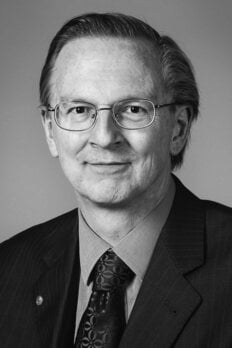
Jack W. Szostak is a University Professor in the Department of Genetics at the University of Chicago and an Investigator at the Howard Hughes Medical Institute. Previously, he was a long-standing professor at Harvard Medical School and Massachusetts General Hospital. He was awarded the 2009 Nobel Prize in Physiology or Medicine for his groundbreaking work on telomeres and telomerase, conducted in collaboration with Elizabeth Blackburn and Carol W. Greider. He earned his B.Sc. in Cell Biology from McGill University and his Ph.D. in Biochemistry from Cornell University. His early research focused on yeast genetics, recombination, and telomere biology, laying the foundation for understanding cellular aging and cancer. He later pioneered in vitro selection methods to evolve functional RNA and proteins, contributing significantly to the RNA world hypothesis. His current research centers on the origin of life, particularly the development of self-replicating protocells. His lab explores prebiotic chemistry, membrane biophysics, and non-enzymatic genetic replication, aiming to reconstruct the transition from chemistry to biology. His work integrates synthetic biology, systems chemistry, and evolutionary biochemistry. Analysis of his recent publications reveals a strong focus on prebiotic nucleotide synthesis, template-directed RNA copying, protocell growth and division, and the engineering of self-replicating systems. His research consistently bridges molecular biology, chemistry, and evolutionary theory to address fundamental questions about life’s origins. Nobel Prize in Physiology or Medicine (2009) Albert Lasker Award for Basic Medical Research (1998) Canada Gairdner International Award (2005) Elected to the National Academy of Sciences (1998) Howard Hughes Medical Institute Investigator (1998–2022) Szostak has mentored numerous prominent scientists, including Jennifer Doudna, Andrew Murray, and David Bartel. His lab has been supported by HHMI funding and has produced transformative work across genetics, RNA biology, and origins of life research. He co-founded a biotechnology startup to translate evolved proteins into therapeutic applications, one of which is now in clinical trials. He leads an active research laboratory focused on building synthetic protocells capable of growth, division, and evolution. His team investigates fatty acid membranes, nucleotide chemistry, and coupled replication systems, operating at the intersection of chemistry, biology, and engineering.
Petko Bogdanov is an Associate Professor in the Department of Computer Science at the College of Engineering and Applied Sciences , University at Albany - SUNY. His research focuses on data mining, particularly algorithms for learning from graph data, with applications spanning biology, nanomaterial design, emergency preparedness, wireless networks, network science, social media analysis, and brain networks. Research Interests: Dr. Bogdanov’s work bridges dynamic graph mining, machine learning, and interdisciplinary applications. He develops algorithms for temporal network analysis, such as SAGA for signal-aware graph aggregation and methods for optimizing temporal resolution in dynamic graphs. His projects include designing near-infrared fluorophores for biomedical imaging using DNA-templated silver clusters and analyzing socio-computational systems in social media. Scientific Contributions: His recent publications highlight advancements in temporal graph signal decomposition and dynamic network analysis. He has secured significant funding from the National Science Foundation (NSF) and National Geospatial-Intelligence Agency (NGA), with grants totaling over $830k for projects related to network mining, nanomaterial design, and rural emergency preparedness.
Dr. Ysobel Baker is a Royal Society University Research Fellow at the School of Chemistry , University of Southampton . Her research focuses on DNA chemistry , Nucleic acid therapeutics , and Chemical biology , with a particular emphasis on designing novel nucleic acid modifications for biomedical applications. PhD in Chemistry (2015), University of Cambridge MChem (2011), University of Southampton (1st Class Honors) Her work lies at the intersection of synthetic organic chemistry and biomedical sciences , developing antisense oligonucleotides (ASOs) for disease targeting RNA and creating bioconjugation tools to improve therapeutic delivery. She also develops chemically modified DNA for studying biological systems and advancing diagnostic technologies. Recent publications highlight her team's breakthroughs in triazole-linked DNA modifications , amide linkages for stability , and metal-DNA nanoflowers with applications in drug delivery and bioimaging. These works reflect her expertise in organic synthesis , nucleic acid engineering , and nanomaterials . She actively supervises PhD students in the ChemLife Network and collaborates with the Institute for Life Sciences , Chemical Biology , and Organic and Biological Chemistry groups. Her research is funded by the Royal Society and Wessex Medical Research .
Dr. Iva Manasi is a Senior Research Fellow at the School of Physics, University of Bristol , specializing in quantum and soft matter systems with a focus on deep eutectic solvents (DES) and nanomaterial synthesis. Her work bridges materials science, physical chemistry, and sustainable chemistry. BSc Hons, BA, MSci, MSc, PhD in Physics and related disciplines Active in Nanotechnology , Green Chemistry , and Colloid Science Published extensively on DES applications in nanoparticle synthesis, surfactant self-assembly, and solvent nanostructure Her research explores how DES modify chemical reactivity, micelle formation, and material morphology. Recent work includes gold nanoparticle synthesis , chiral solvent analysis , and plant stress responses to eutectic solvents. She contributes to open-access datasets for materials science studies. Key collaborations span neutron/X-ray reflectivity analysis and food science applications like molten chocolate rheology . Her 15 most recent publications (2012-2025) demonstrate expertise in solvent engineering, nanostructure characterization, and biomaterial interactions.
Vania Alves E Silva Pereira serves as an Associate Professor in the Section of Forensic Genetics at the Department of Forensic Medicine, University of Copenhagen. With over 15 years of experience in population and forensic genetics, she leads multiple research initiatives focused on advancing DNA analysis methodologies for forensic applications. Her educational background includes: BSc. in Biology from University of Porto (2003-2007) MSc. in Forensic Genetics from University of Porto (2007-2008) PhD in Biology (Population and Forensic Genetics) from University of Porto (2009-2012) Dr. Pereira's research centers on understanding genetic diversity patterns in human populations and translating this knowledge to practical forensic casework. She has extensive experience with various genetic markers including STRs, SNPs, and Indels across all genomic regions, with a particular focus on massively parallel sequencing technologies since 2013. Her work bridges fundamental population genetics with real-world forensic challenges, developing innovative approaches to human identification and investigative leads. Analysis of her recent publications reveals a strong emphasis on four interconnected research streams: improving genetic information recovery from challenging samples, comprehensive mtDNA genome analysis (including her role as co-coordinator of a global heteroplasmy initiative), forensic age estimation through DNA methylation, and development of novel markers like microhaplotypes for specific forensic applications. These research directions demonstrate her commitment to addressing current limitations in forensic genetic analysis while anticipating future needs in the field. Dr. Pereira actively supervises PhD and MSc students and has presented her research at numerous international conferences. Her collaborative approach is evident in her extensive co-authorship network spanning multiple countries and institutions, reflecting the global nature of forensic genetics research. Her laboratory work involves state-of-the-art DNA sequencing technologies and bioinformatic analysis, contributing to the development of improved guidelines and methodologies for forensic DNA analysis worldwide. Through her research and teaching, she continues to advance the scientific foundation of forensic genetics while training the next generation of specialists in this critical field.
Mark Bathe is a Professor of Biological Engineering at the Massachusetts Institute of Technology (MIT), where he leads the Bathe BioNano Lab within the Department of Biological Engineering in the School of Engineering. He is also a member of the Harvard Medical School (HMS) Initiative for RNA Medicine and an associate member of the Broad Institute of MIT & Harvard, reflecting his interdisciplinary impact across engineering, medicine, and genomics. Professor Bathe earned his Bachelor’s, Master’s, and Doctoral degrees from MIT across Mechanical, Chemical, and Biological Engineering departments, followed by postdoctoral research at the University of Munich. He returned to MIT in 2009 to establish his research program focused on nucleic acid nanotechnology. His research centers on nucleic acid nanotechnology to engineer programmable DNA and RNA materials at the nanometer-scale (10,000x smaller than a human hair). Key interests include biological imaging , biomechanics , biomolecular engineering , biophysics , and computational modeling for applications in therapeutic delivery, vaccines, molecular data storage, and quantum computing. His lab uniquely combines principles of structural DNA nanotechnology with functional biomolecular design to create custom nanoscale architectures with precise control over 2D/3D structure and chemical composition. Analysis of his 15 most recent publications (2024-2025) reveals three dominant trends: (1) AI-driven characterization of DNA nanostructures using convolutional neural networks, (2) development of DNA origami platforms for vaccine design and immune stimulation, and (3) engineering nucleic acid systems for molecular data storage and quantum sensing. These works consistently bridge computational design, nanofabrication, and biological validation across neuroscience, virology, and photonics domains. Professor Bathe runs an active interdisciplinary research group mentoring students in the Bathe BioNano Lab. His team develops both computational design frameworks (e.g., ATHENA for DNA origami) and experimental protocols for high-scale fabrication of nucleic acid materials. Current projects include targeted delivery of CRISPR therapeutics, phenotypic profiling of neuronal circuits in psychiatric disease, and quantum computing applications using DNA-scaffolded chromophores. The lab operates within MIT’s state-of-the-art facilities, collaborating with the Broad Institute for genomic applications and HMS for translational medicine. Ongoing work focuses on overcoming clinical translation barriers for nucleic acid nanotechnology through scalable manufacturing techniques and rigorous in vivo validation, with commercial applications in vaccines, data storage, and quantum information processing.
Tendai Gadzikwa is an Associate Professor in the Department of Chemistry at Kansas State University (KSU). She leads the SupraCat research group, focused on supramolecular catalysis, metal-organic framework (MOF) materials, and functional materials design. Her lab designs MOFs as enzyme-mimicking catalysts, leveraging their structural versatility for confined, multifunctional catalytic environments. Education: Ph.D. in Chemistry (Northwestern University, 2009), B.A. in Chemistry (Macalester College, 2003). Previous appointments include Senior Lecturer at the University of Zimbabwe and postdoctoral research at the University of Amsterdam and University of Alberta. Research interests emphasize constructing MOFs with tailored porosity and reactivity, exploring confinement effects, and achieving emergent catalytic behaviors. Key achievements include developing non-catenated MOFs with large pores and strategies for uniform multifunctionalization. Recent work highlights unexpected reactivity reversals in immobilized organic functionalities within MOFs. Notable awards include the NSF CAREER Award (2023) and Lindau Nobel Laureate Fellowship (2015). Active in promoting diversity in STEM, she advises the KSU NOBCChE chapter. Grants: NSF CAREER Award #2240021 (2023) for MOF-based catalysis research. Lab Members: 5 graduate students, 2 undergrad researchers, and alumni spanning postdocs and industry roles. Publications: Over 20 peer-reviewed articles since 2002, with recent work on MOF functionalization and enzyme-mimetic systems.
Chaitanya Ullal is an Associate Professor in the Department of Materials Science and Engineering at Rensselaer Polytechnic Institute (RPI), affiliated with the School of Engineering. He leads the Ullal Lab, focusing on advanced materials science with expertise in polymers, optics, and nanolithography. His research emphasizes nanoscale structure-property relationships in hydrogels, polymer gels, and functional materials using super-resolution microscopy techniques like STED. Ullal earned a B.Tech from the Indian Institute of Technology Bombay and a Ph.D. from MIT. He joined RPI in 2013 and has received prestigious awards including the NSF CAREER Award (2017) for studying hydrogel structures and the American Chemical Society New Investigator Award (2016). His work bridges engineering and life sciences, addressing applications in biomedical materials, nanotechnology, and sustainable manufacturing. Key research thrusts include developing digital design frameworks for 3D printed materials, optimizing nanolithography processes, and understanding polymer dynamics at the molecular scale. He collaborates on projects like light-emitting diode enhancement and nanostructured template fabrication. Educational outreach includes STEM initiatives with Iridescent Learning.
Alexei Tkachenko is an Adjunct Professor in Physics and Astronomy at Stony Brook University and Physicist at Brookhaven National Laboratory's Center for Functional Nanomaterials. His research program explores programmable self-assembly of matter using statistical physics approaches, biological network formation, and epidemic modeling with applications to nanomaterials and public health. Research interests include: DNA-programmed nanoparticle assembly for designer nanomaterials Statistical physics foundations of emergent complexity in biological systems Development of predictive models for epidemic spread and control Theoretical frameworks for understanding origins of biological information His recent publications demonstrate consistent focus on emergent phenomena across scales, from nanoparticle self-organization to population-level epidemic dynamics. The research combines theoretical modeling with computational approaches to address fundamental questions in soft matter physics and complex systems.
Thom LaBean is a Professor in the Department of Materials Science and Engineering at North Carolina State University (NC State), part of the College of Engineering. He holds a BS in Biochemistry from Michigan State University and a PhD in Biochemistry from the University of Pennsylvania. His postdoctoral work at Duke University focused on protein design, followed by leading a research group with cross-departmental appointments in Computer Science, Chemistry, and Biomedical Engineering at Duke before joining NC State in 2011. His research centers on the engineering of biopolymers and DNA nanostructures for applications in nanomedicine, molecular materials, and biomimetic nanoelectronics. Key projects include self-assembled DNA nanostructures for anticoagulant therapies, neuromorphic computing, and biomaterials with tunable properties. LaBean's work integrates interdisciplinary approaches, leveraging DNA's programmability for functional materials. Recent articles highlight advancements in RNA origami-based anticoagulants, DNA aerogels for neuromorphic applications, and resistive switching in nanowire networks. While no specific scientific awards are listed, his contributions reflect sustained innovation in biomolecular engineering. Advising and grants are not explicitly detailed here, though his lab's cross-disciplinary focus suggests active collaborations. The LaBean Research Group explores cutting-edge applications of DNA-based systems, with future directions emphasizing clinical translation of nanomedicines and advanced electronic materials.