Dr. Prerna Masih is an Assistant Professor in the Department of Biology at the University of West Florida's Hal Marcus College of Science and Engineering. She specializes in biochemistry and cell biology with research focusing on developing novel therapeutic agents including antibacterial, antifungal, anti-inflammatory, and anticancer compounds. Her interdisciplinary approach integrates microbiology, biochemistry, structural biology, pharmacology, cell biology, organic chemistry, and computational biology. Education: Postdoctoral Fellow, National Institutes of Health (NIH), Bethesda, MD Ph.D. in Cellular and Molecular Biology, Roswell Park Cancer Institute, SUNY at Buffalo M.S. Biotechnology, Indian Institute of Technology Bombay B.S. Chemistry, St. Stephens College, Delhi University Her research utilizes diverse tools to investigate the mode of action of therapeutic agents. Current courses include Biochemistry lectures and labs. Her publications appear in high-impact journals including Nucleic Acid Research and Pharmaceuticals.
Dr. Alanna (Leni) Green is a Senior Research Fellow at the School of Medicine and Population Health, University of Sheffield. She leads the Cancer and Bone (CAB) Lab, focusing on eradicating chemotherapy-resistant dormant cancer cells in bone. Her academic journey includes a BBiomedSci at Monash University, a PhD at the University of Melbourne, and postdoctoral roles in the Sheffield Myeloma Research Team and Helleday’s lab. Education: BBiomedSci (Hons), Monash University PhD, University of Melbourne Her research explores bone-immune-cancer interactions, particularly how bone microenvironment cells protect tumors from therapy. Key areas include retinoic acid receptor signaling, vitamin A regulation of hematopoiesis, and novel drug development for myeloma and bone-metastatic cancers. Recent publications highlight her work in cancer metabolism (MTHFD2 inhibition), bone repair mechanisms, and microenvironmental regulation of lymphopoiesis. She has received over 20 awards, including Young Investigator Prizes from ECTS and ASBMR. Scientific Awards: Wellcome Trust Career Development Award (2024) Yorkshire Cancer Research Pioneer Advanced Fellowship (2024) Blood Cancer UK Project Grant (2023) Faculty MDH Early Career Researcher Prize (2020) Dr. Green supervises the Cancer and Bone Lab, which includes postdoctoral researchers and PhD students. She lectures on translational oncology and molecular medicine courses and actively contributes to professional societies like the Bone Research Society and ECTS.
Matthias Peter is a Professor of Biochemistry at ETH Zurich, leading research into mechanisms governing cell growth and division. His laboratory focuses on ubiquitin-dependent regulation of DNA replication and mitosis, and autophagy's role in cellular quality control. He chairs the Department of Biology (2011-2015) and holds leadership roles in Switzerland's research infrastructure, including Vice Chair of ScopeM's microscopy platform. His academic career includes roles at ISREC (1996-2002) and postdoctoral training at UCSF (1991-1996). Education: PhD in Biochemistry from ISREC (1991), ETH Zurich diploma in Gene Technology (1987). Research interests span molecular mechanisms of cell division, ubiquitin systems, and autophagy. Awards include ERC Advanced Grant (2011) and UBS Excellence in Research (2002). Leadership: Member of Swiss National Research Council, SNF selection committee, and SWTR council. Over 20 years of committee service in national research programs. His lab's work is published in top journals like Science, Nature, and Molecular Cell.
Timothy Grant is an Assistant Professor of Biochemistry at the University of Wisconsin–Madison and an Investigator at the Morgridge Institute for Research , embedded within the John W. and Jeanne M. Rowe Center for Research in Virology . His laboratory, the Grant Lab , focuses on pushing the limits of cryo-electron microscopy (cryo-EM) to visualize ever-smaller and more dynamic biological macromolecules. Education & Academic Home: Faculty appointment: Assistant Professor, Department of Biochemistry, UW–Madison College of Agricultural and Life Sciences. Concurrent appointment: Morgridge Institute Investigator, Rowe Center for Research in Virology. Research Interests: The Grant group develops computational and experimental methods that extend cryo-EM into two major frontiers: size —capturing structures of very small proteins previously invisible to cryo-EM—and motion —resolving conformational changes of molecular machines in real time. These advances are integrated into the open-source software package cisTEM , which provides a user-friendly workflow for single-particle image processing. Publication Trends: Across the 15 most recent papers (2021-2025), Grant’s work spans method-centric algorithmic innovation, high-resolution structural studies of bacterial DNA replication-restart machinery, and integrative technologies that couple native mass spectrometry with cryo-EM. A clear trajectory emerges from tool development toward application in virology and antibiotic-target validation. Scientific Awards: None explicitly mentioned in the provided text. Students & Research Team: Grant currently mentors six graduate students (Colin Hemme, Gan Li, Heidy Elkhaligy, Peter Ducos, Roma Broadberry, Shashwat Shastri) and several postdoctoral researchers and staff, including Alex Duckworth, Raison Dsouza, and Tim Wagner. Laboratory & Collaborations: The Grant Lab is physically located within UW–Madison’s Biochemistry Building and leverages the Center for High-Throughput Computing shared between UW–Madison and Morgridge to perform large-scale cryo-EM data processing.
Gaetano Montelione is a Professor and Constellation Endowed Chair in the Department of Chemistry and Chemical Biology at Rensselaer Polytechnic Institute (RPI), directing the Center for Biotechnology and Interdisciplinary Studies (CBIS). His laboratory pioneers NMR methodology development for protein structure and dynamics analysis, with extensive expertise in high-throughput structural genomics from leading the NIGMS-funded Northeast Structural Genomics Consortium (NESG) for 16 years. His research spans Protein Structure and Dynamics , NMR Spectroscopy , and Structural Bioinformatics , with critical applications in Membrane Proteins , Virology , and Drug Design . The lab integrates X-ray crystallography, SAXS, and computational modeling to tackle challenging targets like integral membrane proteins and viral systems, emphasizing hybrid approaches where sparse experimental data guides AI-driven structure prediction. Analysis of 2024-2025 publications reveals dominant trends in AI-structural biology integration, particularly AlphaFold2 applications for membrane proteins and protein complexes. Virology research focuses intensely on SARS-CoV-2 protease inhibitors and host-pathogen interactions, while de novo protein design and structural validation methods drive innovation in therapeutic development and fundamental biophysics. The Montelione Laboratory maintains a global collaborative network with experts in evolutionary coupling (Sander, Marks), Rosetta modeling (Baker), and biophysical methods (Luchinat, Tainer). As a central node in structural biology consortia like CASP and wwPDB, the lab develops rigorous quality assessment frameworks while advancing biomedical projects on influenza, DNA repair, and cancer biology through partnerships with Rutgers, Mt. Sinai, and international institutions.
Ole Nørregaard Jensen is a Professor in Biomedical Mass Spectrometry and Systems Biology at the Department of Biochemistry and Molecular Biology, University of Southern Denmark . His research integrates advanced mass spectrometry, proteomics, and bioinformatics to study chromatin biology, post-translational modifications, and cellular signaling networks. He is actively involved in major research initiatives funded by Novo Nordisk Foundation and Lundbeck Foundation. His research interests include Mass Spectrometry, Proteomics, Posttranslational Modification, Histone Biology, Chromatin Biology, Bioinformatics, Systems Biology, Lipidomics, and Protein Chemistry . He employs cutting-edge techniques such as tandem mass spectrometry and ion mobility spectrometry to analyze protein isomers and dynamic modifications. His work has significant implications for understanding gene regulation, DNA replication, and disease mechanisms. His recent publications demonstrate a strong trend in chromatin dynamics, epigenetics, and integrated omics approaches , combining proteomics with transcriptomics and lipidomics to unravel complex biological systems. His research spans from fundamental molecular mechanisms to translational applications in biomedicine and food science. He has been recognized with several prestigious awards: MCP Lectureship Award Juan Pablo Albar Proteomics Pioneer Award 2019 EliteForsk 2009 prize Knight Order of Dannebrog (Ridder af Dannebrogordenen) Jensen is deeply involved in academic service, including peer review for journals like Nature Communications and Molecular and Cellular Proteomics , organizing conferences, and supervising students. He teaches courses such as Biomedical Mass Spectrometry - Principles and Applications and coordinates the Computational Biomedicine international Master’s program. He leads multiple active research projects, including PLATO and INTEGRA, focusing on health data, imaging, and protein networks. He is a key member of a vibrant research environment in biomedical mass spectrometry at SDU, contributing to both national and international scientific collaborations. His lab is at the forefront of developing and applying novel mass spectrometry methodologies for systems biology.
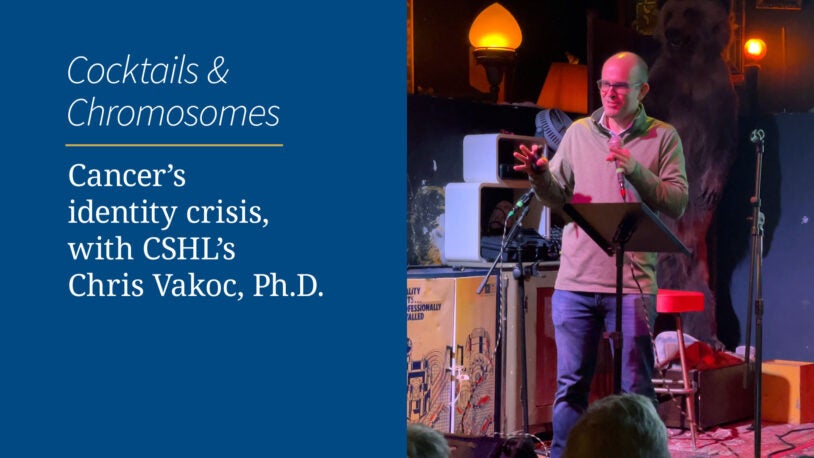
Christopher Vakoc is a Professor at Cold Spring Harbor Laboratory (CSHL), holding the Alan and Edith Seligson Professorship of Cancer Research and serving as Deputy Director of the Cancer Center. His work focuses on understanding how epigenetic dysregulation contributes to cancer pathogenesis, with particular emphasis on epigenetic dependencies and lineage plasticity. Dr. Vakoc's research investigates how transcription factors and chromatin regulators control gene expression in cancer cells. His lab employs high-throughput CRISPR-based genetic screens to identify critical epigenetic regulators in specific cancers. A significant finding from his work demonstrated that blood cancers are often vulnerable to targeting transcriptional coactivators like BRD4 and the SWI/SNF chromatin remodeling complex. His team showed that BRD4 inhibition has therapeutic effects in leukemia mouse models, leading to ongoing clinical trials. Analysis of Vakoc's recent publications reveals a strong focus on pancreatic cancer mechanisms, particularly basal-like identity and lineage plasticity. His work on the MED12-ΔNp63 interaction in pancreatic cancer represents a major breakthrough in understanding how cancer cells lose their original identity. Additionally, his research spans acute myeloid leukemia, sarcoma, lung cancer, and glioma, with consistent themes of epigenetic regulation and identification of novel therapeutic targets. Scientific awards recognizing his contributions include: Paul Marks Prize for Cancer Research AACR Outstanding Achievement in Cancer Research Award Pershing Square Sohn Prize Long Island Excellence in Healthcare Award (2023) Burroughs Welcome Fund Career Award for Medical Scientists Dr. Vakoc actively mentors numerous graduate students and postdoctoral fellows, with several former trainees now holding prominent positions in academia and industry. His research is supported by multiple grants including funding from the National Cancer Institute, Pershing Square Sohn Cancer Research Alliance, and National Institutes of Health. The Vakoc Laboratory serves as a hub for innovative cancer epigenetics research, employing cutting-edge CRISPR screening technologies to reveal new therapeutic opportunities across multiple cancer types.
Colin R Campbell is an Associate Professor in the Department of Pharmacology at the University of Minnesota Medical School . His research focuses on DNA repair mechanisms , particularly DNA-protein crosslink repair , homologous recombination , and mitochondrial DNA stability , with significant contributions to understanding cancer mechanisms and genetic toxicology . Research Themes DNA-Protein Crosslink Repair Homologous Recombination Pathways Mitochondrial DNA Maintenance Chemotherapy-Induced DNA Damage Enzymatic Processing Mechanisms Article Trends 2024-2025 work emphasizes transcription-coupled DNA repair and ubiquitin-mediated repair pathways 2020-2023 studies explore mitochondrial crosslink repair and interdisciplinary sustainability leadership 2000-2018 publications cover rad51 interactions , nitrogen mustard effects , and calpain-mediated repair enzyme degradation Grants & Projects NIH/NHLBI: Summer Research (2024-2029) NIH/NIEHS: DNA-Protein Crosslink Repair (2019-2025) NIH/NHLBI: Cellular Repair Mechanisms (2018-2024) Collaborations Natalia Tretyakova (Chemistry) Hoang D Nguyen (Microbiology) Paul B Bitterman (Medicine) Beverly S Moriarity (Genetics)
John Diffley is a distinguished molecular biologist specializing in DNA replication and cell cycle control. He serves as Director of Clare Hall Laboratories and Deputy Director of the London Research Institute since 2006. Additionally, he holds the position of Honorary Full Professor in the Department of Biology at University College London since 1999. His research has significantly advanced our understanding of the mechanisms controlling DNA replication in eukaryotic cells. Professor Diffley's research focuses on three primary areas: DNA replication, cell cycle control, and genome stability. His work has elucidated key mechanisms in replication initiation, origin licensing, and the coordination between DNA replication and cell cycle progression. His laboratory has made seminal contributions to understanding how replication proteins assemble at origins of replication and how this process is regulated throughout the cell cycle. Analysis of Professor Diffley's recent publications reveals a strong focus on the molecular mechanisms of DNA replication initiation and control. His work spans from structural studies of replication complexes to systems-level analyses of replication timing and its relationship to gene expression. A recurring theme is the investigation of how DNA damage checkpoints regulate replication processes to maintain genome stability. His research employs diverse model systems including budding yeast and human cells, demonstrating the evolutionary conservation of core replication mechanisms. Elected member of European Molecular Biology Organisation (EMBO) (1998) Paul Marks Prize for Cancer Research (2003) Elected Fellow of the Royal Society (2005) Member of Academia Europaea (2009) Member of the European Academy of Cancer Sciences (2011) Fellow of the Academy of Medical Sciences (2011) Throughout his career, Professor Diffley has led the Chromosome Replication Laboratory, first at ICRF Clare Hall Laboratories (1990-1999) and subsequently at the London Research Institute. His laboratory has received substantial funding from Cancer Research UK and other major research organizations to investigate the fundamental mechanisms of DNA replication. Professor Diffley has mentored numerous graduate students and postdoctoral researchers who have gone on to establish independent research careers in molecular biology and related fields. Professor Diffley's research group, the Chromosome Replication Laboratory, operates at the forefront of DNA replication research. The laboratory combines biochemical, genetic, and cell biological approaches to dissect the complex machinery that ensures accurate DNA replication. Their work has important implications for understanding cancer development, as defects in DNA replication control are a hallmark of cancer cells.
Albert Erives is an Associate Professor in the Department of Biology at the University of Iowa , specializing in regulatory genomics, evolutionary genomics, and the evolution of metazoans. His research focuses on decoding gene regulatory logic in DNA sequences, particularly during animal embryogenesis, using comparative genomics to identify regulatory modules driving phylogenetic transitions. PhD from University of California, Berkeley His work spans eukaryotic gene regulation, integrating biochemistry, molecular genetics, and computational biology to uncover principles of organismal evolution. Recent studies include viral nucleosome structure, Notch signaling pathway evolution, and enhancer organization in model organisms like Drosophila and Ciona . Notable scientific awards include the NSF CAREER Award (2012, 2010) . He actively seeks graduate students and postdoctoral researchers for his laboratory, which utilizes core facilities such as the Carver Center for Genomics.
Christopher D. Lima is a Professor and Chair of the Structural Biology Program at the Sloan Kettering Institute, Memorial Sloan Kettering Cancer Center, and an Investigator at the Howard Hughes Medical Institute. He holds academic appointments at Weill Cornell Graduate School of Medical Sciences and is affiliated with the Tri-Institutional PhD Program in Chemical Biology. His research focuses on structural and biochemical mechanisms of ubiquitin and ubiquitin-like protein pathways and RNA quality control. PhD, Northwestern University Postdoctoral Training, Columbia University (Helen Hay Whitney Fellow) Dr. Lima’s research investigates the structural basis of post-translational modifications, particularly ubiquitination and SUMOylation, and RNA processing pathways. His lab combines cryo-EM, X-ray crystallography, and biochemistry to study enzyme mechanisms in ubiquitin activation and RNA exosome function. His work has elucidated key intermediates in E1 enzyme catalysis and the architecture of RNA surveillance complexes. These insights are fundamental to understanding cellular quality control and have implications for cancer and neurodegenerative diseases. His recent publications, including high-impact studies in Nature and Cell , reflect a consistent focus on macromolecular structure-function relationships in ubiquitin signaling and RNA metabolism. Trends in his publications show a deepening exploration of enzyme dynamics, conformational changes, and the development of chemical tools to probe these pathways. National Academy of Sciences (2020) American Academy of Arts and Sciences (2017) Howard Hughes Medical Institute Investigator (2013) Rita Allen Scholar (2003–2006) Beckman Young Investigator (1999–2002) Dr. Lima has advised numerous PhD students and postdoctoral fellows and has received continuous funding from the NIH and HHMI. His lab is actively involved in training and mentoring within the Tri-Institutional programs. He leads a multidisciplinary research team focused on structural mechanisms in cellular regulation and is engaged in collaborative and translational research, with disclosed interests in biotechnology companies such as Biogen and Vertex Pharmaceuticals. He is a member of the Structural Biology Program at SKI and leads a vibrant research laboratory that bridges basic science and disease mechanisms. His lab fosters innovation in structural biology and continues to make foundational contributions to the understanding of protein and RNA quality control pathways.
Julian Sale is a Professor at the University of Cambridge, leading the Vertebrate Mutagenesis Group at the MRC Laboratory of Molecular Biology (MRC-LMB). His research focuses on DNA replication mechanisms and mutagenesis, particularly how cells resolve replication stress caused by DNA damage or secondary structures like G-quadruplexes. Using vertebrate somatic cell genetics combined with biochemical and advanced imaging techniques, his lab investigates translesion synthesis (TLS), histone recycling during replication, and the molecular choreography at stalled replication forks. Key findings include TLS's dual role in mutagenesis and genome stability, as well as mechanisms for resolving non-B DNA structures during replication. The lab's recent publications highlight advancements in understanding replication origin efficiency, mutational landscapes, and structural DNA impediments. Collaborative studies with colleagues such as Murat, Guilbaud, and Lerner demonstrate interdisciplinary approaches integrating biophysics, genomics, and molecular biology.
Thomas Miller is an Associate Professor in the Department of Cellular and Molecular Medicine at the University of Copenhagen, working within the Molecular Aging Program. His research focuses on understanding the molecular mechanisms that maintain eukaryotic genome stability during DNA replication using genetic, biochemical, cellular, and structural techniques, including cryo-EM. Dr. Miller's primary research interests include: Molecular mechanisms of faithful genome replication How failures in genome stability maintenance cause developmental disorders and age-related diseases The role of replisomes and accessory factors in regulating chromosome replication His current research projects specifically investigate: The mechanisms and regulation of MCM helicase loading Replication-coupled DNA-protein crosslink (DPC) repair Accessory helicases in DNA replication Electron microscopy methods development through 'Reconstitution in silico' (RECONSIL) Dr. Miller's publication record demonstrates expertise across structural biology, molecular mechanisms of DNA replication, and cryo-EM techniques. His recent work spans from fundamental studies of replisome structure and function to developing new methodologies for studying DNA replication processes. His research has significant implications for understanding developmental disorders and age-related diseases including neurodegeneration and cancer. Dr. Miller is the founder of TCRM Consulting, indicating industry engagement alongside his academic work.
Professor Nick Lakin is a Professor of Molecular and Cellular Biology in the Department of Biochemistry at the University of Oxford. He is also a Fellow and Tutor in Biochemistry at St Peter’s College. His academic journey includes a PhD in Molecular Genetics from the University of Warwick, followed by postdoctoral research at University College London and the University of Cambridge. Education: PhD in Molecular Genetics, University of Warwick His research focuses on understanding the molecular mechanisms of genome stability, particularly how cells detect, signal, and repair DNA damage. Key areas include the role of Poly ADP-ribose polymerases (PARPs) in DNA repair pathways and their implications for cancer biology and therapy. He explores how PARPs regulate protein recruitment to DNA damage sites and how these pathways influence genome integrity and cellular survival. Professor Lakin teaches molecular biology and genetics at St Peter’s College and contributes to university-wide courses on nucleic acid structure, DNA replication, and cancer biology. His work bridges fundamental research and clinical applications, aiming to translate insights into therapeutic strategies for diseases linked to DNA repair defects. Labs/Teams: His lab investigates DNA damage signaling and repair mechanisms, with a focus on PARP regulation and cancer therapeutics. Current projects include analyzing PARP-mediated ADP-ribosylation codes and their role in recruiting DNA repair proteins.
Shweta U. Dhar, MD, MS, FACMG, FACP, is a Professor and Medical Director of Adult Genetics at Baylor College of Medicine (BCM) in Houston, TX. She serves as Section Chief of Genetics at the Michael E. DeBakey VA Medical Center and is a member of the Dan L Duncan Comprehensive Cancer Center. She holds certifications from the American Board of Internal Medicine and American Board of Medical Genetics. Education includes: MBBS from NHL Municipal Medical College, Ahmedabad, India (1997) Residency in Pathology & Microbiology at Gujarat Cancer Research Institute (1999) MS in Biotechnology from Stephen F Austin State University, TX (2001) Internal Medicine Residency at New York INF Beekman Downtown Hospital (2006) Medical Genetics Fellowship at Baylor College of Medicine (2008) Her research focuses on diagnosis and management of adult genetic conditions, including: Single-gene disorders, chromosomal abnormalities, and familial cancer syndromes Cancer risk assessment and reproductive genetics Medical education innovation in genetics/genomics Healthcare delivery models for complex genetic conditions She directs BCM's Genetics course and founded the Genetics & Genomics Pathway for medical students. Recent publications demonstrate strong focus on clinical applications of genetics in neurodevelopmental disorders (Alexander disease, autism), cancer risk management (BRCA1, retinoblastoma), and healthcare system improvements. Her work frequently spans neurogenetics, cancer genetics, and medical education. Awards and honors: Fulbright & Jaworski Teaching & Evaluation Award (2013) Rising Star Clinician Award (2014) Fulbright & Jaworski Educational Leadership Award Clark Faculty Service Award (2018) Women of Excellence Award (2020) As Chair of the ACMG Adult Genetics Special Interest Group, she launched the Adult & Cancer Diagnostic Dilemmas session at national meetings. She serves on the ACMG Board of Directors as Clinical Director and leads clinical operations across BCM, VA, and Harris Health System genetics clinics.