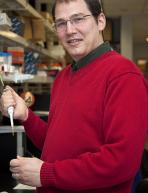
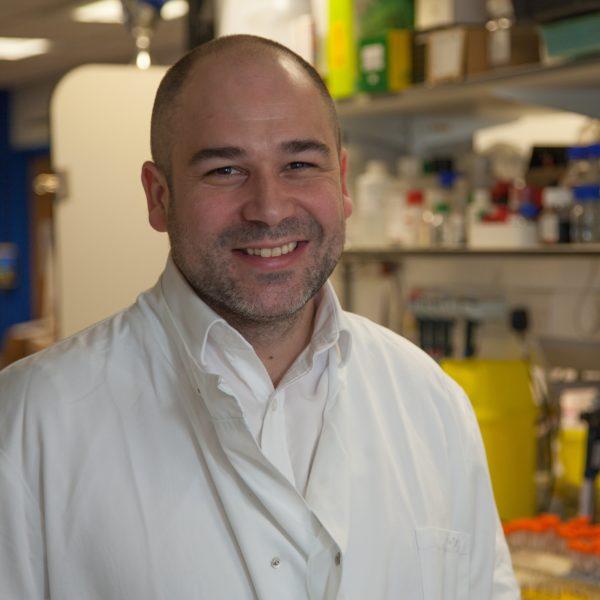
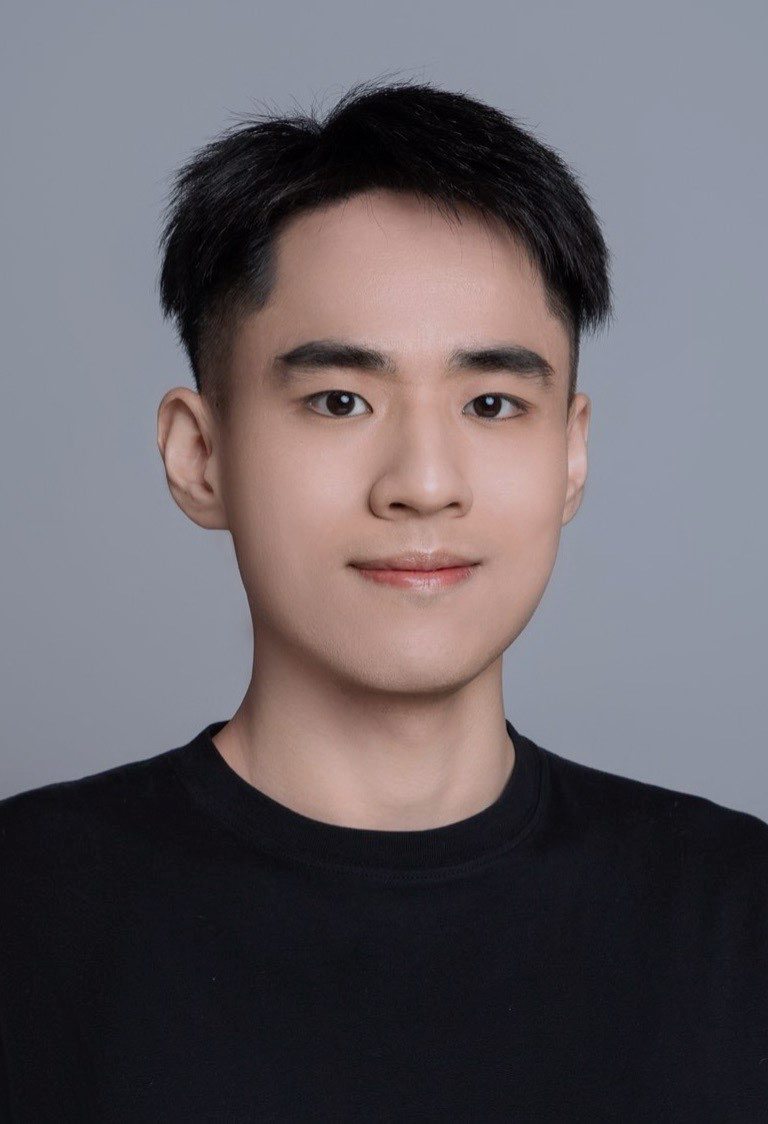
Miguel Garcia-Diaz is a Professor in the Department of Pharmacological Sciences at Stony Brook University, affiliated with the Consortium for Inter-disciplinary Environmental Research. His laboratory focuses on mitochondrial gene expression mechanisms and DNA synthesis/repair processes, with particular emphasis on how defects in these systems contribute to human diseases. Education: PhD, Universidad Autonoma, Madrid (Spain) Postdoctoral, National Institute of Environmental Health Sciences (Laboratory of Molecular Genetics and Laboratory of Structural Biology) Research Interests: Dr. Garcia-Diaz investigates mitochondrial transcription mechanisms including initiation regulation using in vitro systems combined with electron microscopy and x-ray scattering. His work also examines transcription termination via MTERF proteins' DNA-binding mechanisms and mitochondrial rRNA modifications essential for function. In DNA repair, his team studies specialized DNA polymerases that maintain genome stability under environmental stress. Laboratory: Leads the Mitochondrial Gene Expression and DNA Repair Research Group ( mgdlab.org ) at Basic Sciences Tower 7-122.
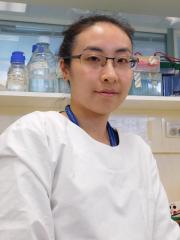
Dr Uda Ho is a Research Fellow at the School of Biomedical Sciences , The University of Queensland , with expertise spanning centrosome biology, DNA damage response, and inflammation. Her work intersects cancer development, cardiotoxicity, and developmental genetics. Bachelor of Science (The University of Queensland) Bachelor (Honours) (The University of Queensland) Doctor of Philosophy (The University of Queensland) Research interests include: Centrosome dynamics in cell differentiation Role of WDR62 in neurogenesis and cilia formation SMG1 in genomic stability and tumor suppression RNA metabolism in inflammatory regulation Cardiotoxicity mechanisms in cancer therapy Recent publications highlight work in: Trastuzumab-induced cardiotoxicity Centrosome reduction in cardiomyocytes WDR62's role in spermatogenesis and hippocampus development Microcephaly protein interactions DNA damage in hematopoietic cancers Grants and funding: Maternity Funding (2017-2018) from Advance Queensland Women's Academic Fund
John M. Abrams, Ph.D., is a Professor in the Department of Cell Biology at UT Southwestern Medical Center. He leads the Genetics, Development and Disease Graduate Program and directs the Abrams Lab, which explores molecular mechanisms of programmed cell death and tumor suppression through innovative genetic approaches in Drosophila , zebrafish, and mouse models. Cornell University (undergraduate, 1982) Stanford University (Ph.D., 1989) MIT (postdoctoral fellow, 1989-1994) Dr. Abrams' research focuses on the p53 regulatory network, transposon suppression, and genomic stability. His lab discovered that p53 tonically represses mobile genetic elements, suggesting a novel 'transposopathy' model for cancer development. Current projects examine stimulus-dependent p53 action in stem cells and interventions to mitigate transposopathies. Key findings include identifying the first global cell death defective mutation in Drosophila and the 'reaper' gene's role in apoptosis. His work on vector-targeted cytotoxins explores mosquito-specific insecticides for disease control, employing high-throughput screening platforms. Research Scholar Award - American Cancer Society Senior Scholar Award - Ellison Medical Foundation Dr. Abrams mentors graduate students and postdocs in the Abrams Lab. His team includes current members Po Chen, Annika Wylie, and 17 alumni, reflecting extensive contributions to training in cancer biology and cell death research.
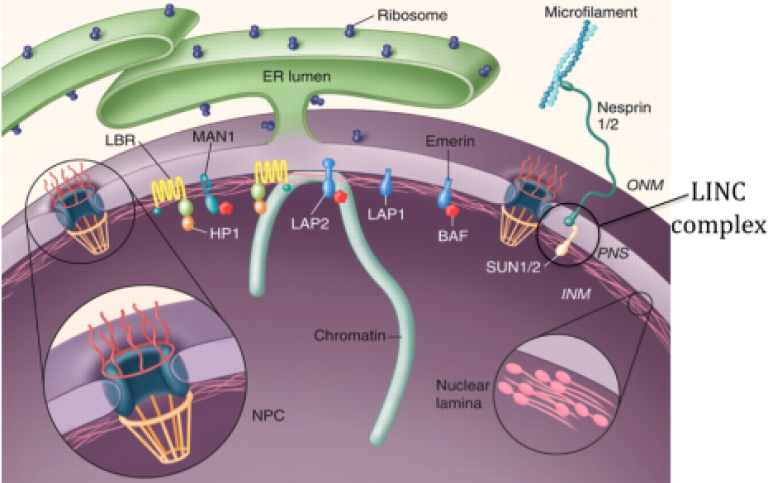
Einar Hallberg is a Professor of Biochemistry at the Department of Biochemistry and Biophysics, Stockholm University . His research focuses on nuclear envelope proteins and their roles in Cell signaling Chromatin organization Mitotic machinery Neurodegenerative disease mechanisms The Hallberg group investigates how nuclear pore complexes (NPCs) and LINC complexes mediate mechanical signal transduction between cell surface and nucleus. Their work connects nuclear envelope proteomics to Laminopathies Cancer Alzheimer's disease Neuroblastoma models Recent publications highlight advanced imaging techniques like FRAP, FLIP and FRET to study Chromatin accessibility changes Caspase activation dynamics Mechanical signal transmission Membrane protein interactions through nuclear envelope structures. Scientific recognition includes Swedish Brain Foundation grants (2023) Extensive publication record in Cell Reports, Journal of Cell Science and Molecular Biology of the Cell
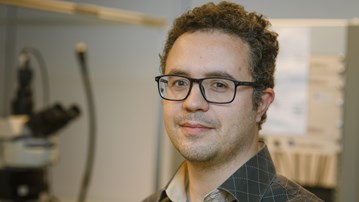
Lisa Schneper, PhD, is an Assistant Professor in the Department of Molecular and Precision Medicine. Her research spans epigenetics, genomics, and precision medicine, focusing on gene-environment interactions and molecular mechanisms in health and disease. Key research areas include epigenetic regulation of cognitive development, genome instability in viral oncogenesis, and stress response in microbial systems Active in translational research targeting epigenetic modifiers for retinal degeneration Contributing to UN Sustainable Development Goals through studies on health disparities Recent publications (2024-2025) demonstrate expertise in DNA methylation analysis, yeast transcriptomics, and epigenetic aging biomarkers. Collaborations span virology, ophthalmology, and social epidemiology fields.
Paolo Medini is an Associate Professor at Umeå University, affiliated with the Department of Medical and Translational Biology and the Center for Transdisciplinary AI. His research focuses on cortical microcircuits, sensory processing, and brain recovery mechanisms. Neuroscience Neurophysiology Cortical Plasticity Optogenetics His lab investigates how sensory information is processed by distinct cell types in cortical circuits and how these circuits adapt after brain lesions or sensory deprivations. Research spans both adaptive and maladaptive plasticity, aiming to differentiate molecular mechanisms for targeted interventions. Recent publications highlight applications of all-optical interrogation strategies and multisensory integration in the neocortex. Paolo Medini's group employs advanced techniques such as in vivo patch clamp recordings, two-photon calcium imaging, and optogenetics. They use genetically modified strains to study cell-type-specific responses and circuit reorganization post-lesion. Their work is critical for developing therapies in neurodegenerative diseases and cortical repair. Environmental enrichment for brain recovery (Nature Neuroscience) Cortical microcircuit organization (Neuron) Post-stroke plasticity (Journal of Physiology)
Kevin Rouault-Pierre serves as a Reader (equivalent to Associate Professor) in Stem Cell Biology at Queen Mary University of London's Centre for Haemato-Oncology, where he leads a research group investigating hematopoietic stem cells and leukemic initiating cells. His work focuses on signal integration in normal and malignant stem cells within blood disorders. Education: Bachelor of Science (BSc) Master of Science (MSc) Doctor of Philosophy (PhD) His research centers on myelodysplastic syndromes (MDS) and leukemia pathogenesis, examining how intrinsic factors like SF3B1 mutations and extrinsic elements such as metabolic alterations disrupt erythropoiesis and reshape bone marrow microenvironments. Key themes include Cell Signalling, Disease Modelling, and Metabolism in cancer contexts, with particular emphasis on targeting tumour cells through metabolic interventions. His group employs preclinical models to bridge basic mechanisms with therapeutic applications. Analysis of his 2013-2023 publications reveals consistent translational focus: metabolic pathways (Vitamin B5/succinyl-CoA) for ineffective erythropoiesis, DNA repair defects (ERCC6L2), and splicing factor mutations (SF3B1) in MDS. His work demonstrates progression from foundational stem cell biology (2013-2016) toward targeted metabolic therapies (2022-2023), highlighting evolving strategies to modulate the bone marrow microenvironment. No scientific awards are documented in the source material. He secures significant funding including CRUK Early Detection Awards (2023-2026), Barts Charity Project Grants (2022-2025), and European Hematology Association Collaborative Grants (2024-2025). While specific students aren't listed, his Group Leader role implies active mentorship of researchers within his laboratory. His team operates within Queen Mary's Centre for Haemato-Oncology, collaborating through memberships in the British Society of Haematology, European Haematology Association, and Société Française d'Hématologie to advance translational research in blood cancers.
Dr. Elizabeth A Eklund is the Johanna Dobe Professor of Hematology and Oncology at Northwestern University Feinberg School of Medicine, where she serves as Professor in the Department of Medicine (Hematology and Oncology). She maintains hospital affiliations with Northwestern Memorial Hospital and Jesse Brown VA Medical Center, and is a member of the Robert H. Lurie Comprehensive Cancer Center of Northwestern University. Her educational background includes: MD from Rush Medical College (1983) Residency at Mayo Clinic-Rochester (1988) Fellowship at Indiana University Medical Center (1991) Board Certification in Internal Medicine and Hematology from the American Board of Internal Medicine Dr. Eklund's research focuses on leukemia, lymphoma, and myeloma with particular expertise in acute myeloid leukemia (AML), chronic myeloid leukemia (CML), and Fanconi anemia. Her laboratory investigates molecular mechanisms of leukemogenesis, including the role of Triad1 protein, HOX gene expression, and signaling pathways in leukemia development and progression. She has made significant contributions to understanding how DNA repair defects in Fanconi anemia lead to bone marrow failure and leukemia. Her recent publications reveal a strong focus on molecular mechanisms in myeloid leukemias, with particular emphasis on protein regulation, stress responses, and signaling pathways. Her work bridges basic science discoveries with potential clinical applications, as evidenced by her active clinical trials program. Her scientific recognition includes: Leukemia and Lymphoma Society (LLS) Translational Research grant Research grant from the Fanconi Anemia Research Fund VA Merit Review award National Institutes of Health grant HL088747 Dr. Eklund actively mentors postdoctoral fellows and maintains productive research collaborations, as evidenced by her leadership of multiple clinical trials including NCI 12H13 studying molecular mechanisms of relapse in CML and NCI 15H01 investigating Triad1's role as a leukemia suppressor. Her work has been supported by substantial grant funding that enables translational research from bench to bedside. Her laboratory team focuses on understanding molecular pathways in leukemia development and identifying novel therapeutic targets, with particular emphasis on protein regulation, DNA repair mechanisms, and stem cell biology in the context of hematologic malignancies.
Markku Varjosalo is a Research Director at the Institute of Biotechnology, University of Helsinki, and a supervisor in the Doctoral Programmes in Biomedicine, Drug Research, and Integrative Life Science. His research focuses on biochemistry, molecular biology, and proteomics, with particular emphasis on gene fusions in cancer, immune response mechanisms, and protein interaction networks. Current projects include funding from Sigrid Jusélius Foundation (2025-2026) and Finnish Science Society (2025-2026) Active in Biocenter Finland infrastructure projects (2024-2025, 2024-2028) His recent publications highlight interdisciplinary work in proteomics, disease mechanisms, and systems biology approaches. He participates in organizing academic events like iCAN retreat 2024 and contributes to research infrastructure coordination through Instruct-ERIC. Funded by major Finnish research councils and foundations, his work spans cancer biology, cardiovascular genetics, and immunology.
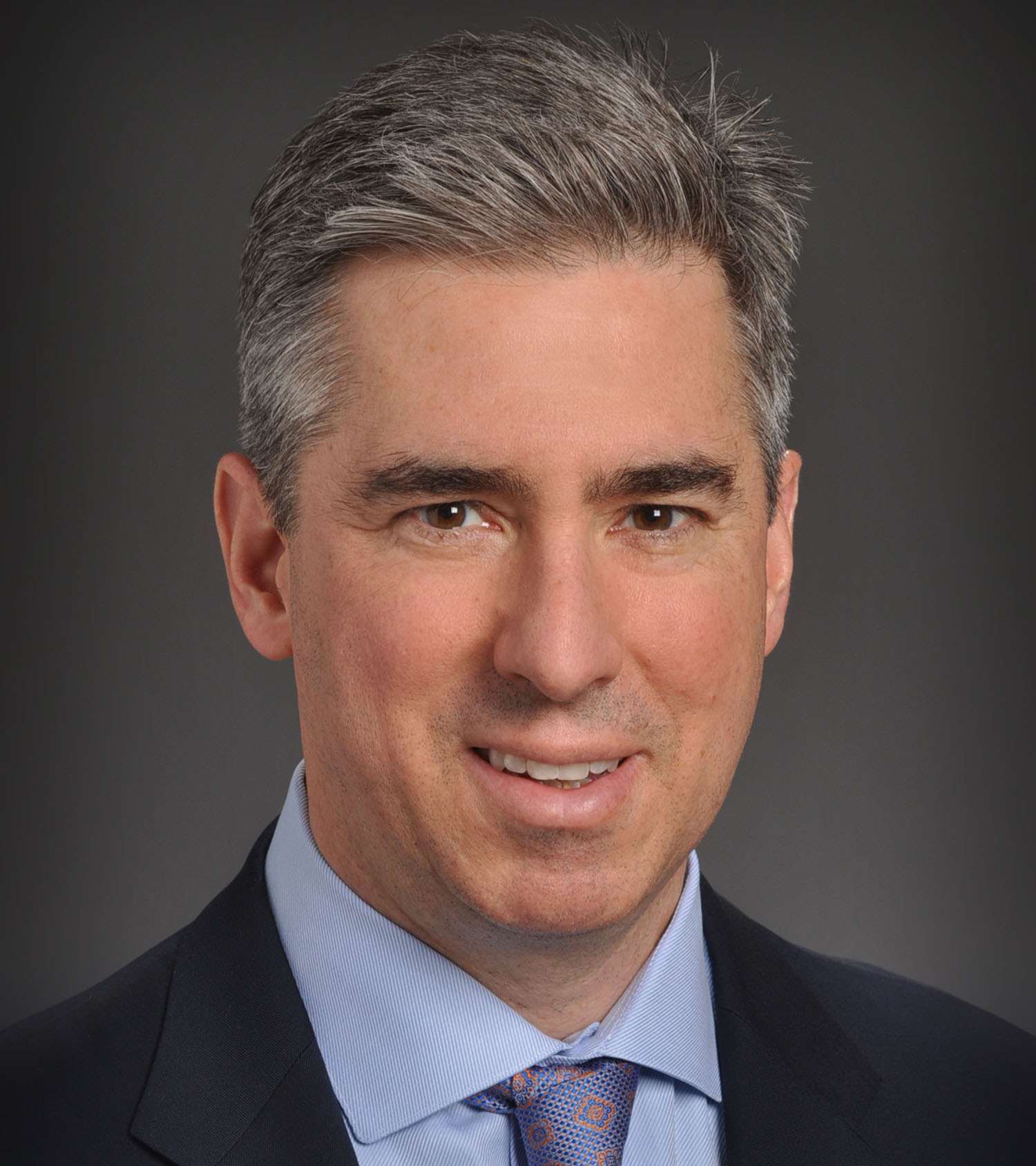
Dr. Michael Edward Mitchell is a Professor of Surgery and Section Chief of Cardiothoracic Surgery at the Medical College of Wisconsin, where he also serves as Director of Regional Surgical Services and Director of the Pediatric Cardiothoracic Surgery Fellowship Program. He is affiliated with Children's Hospital of Wisconsin and holds adjunct appointments at the Milwaukee School of Engineering. Dr. Mitchell is a member of both the Cardiovascular Research Center and the Mellowes Center for Genomic Sciences and Precision Medicine. Professor, Surgery, Cardiothoracic Surgery, Medical College of Wisconsin Section Chief, Pediatrics, Cardiothoracic Surgery, Children's Hospital of Wisconsin Adjunct Professor, Electrical Engineering & Computer Science, Milwaukee School of Engineering Director, Regional Surgical Services, Children's Hospital of Wisconsin Program Director, ACGME Fellowship in Pediatric Cardiothoracic Surgery Dr. Mitchell received his A.B. in Chemistry from Princeton University (Cum Laude) in 1990 and his M.D. from Harvard Medical School (Magna Cum Laude) in 1995. He completed his surgical residency and cardiothoracic training at Brigham & Women's Hospital, followed by a fellowship in pediatric cardiac surgery at Children's Hospital of Philadelphia. In 2017, he enhanced his leadership skills through Harvard T.H. Chan School of Public Health's Leadership Development program. 1986-1990: A.B. (Chemistry), Princeton University (Cum Laude) 1990-1995: M.D., Harvard Medical School (Magna Cum Laude) 2017: Leadership Development for Physicians in Academic Health Centers, Harvard T.H. Chan School of Public Health Dr. Mitchell's research focuses on pediatric cardiothoracic surgery with particular emphasis on hypoplastic left heart syndrome (HLHS), cardiac transplantation, valve reconstruction, and the application of genomic sciences in congenital heart disease. His laboratory has made significant contributions to understanding the genetic basis of congenital heart defects, particularly through studies on MYH6 variants in HLHS. He has pioneered research on non-invasive monitoring of cardiac transplant rejection using cell-free DNA technology, with multiple recent publications validating this approach in both pediatric and adult patients. His work also includes innovative applications of 3D-bioprinting for creating patient-derived cardiac tissue models to study congenital heart disease. His research demonstrates a consistent trajectory toward integrating genomic medicine with traditional surgical approaches to improve outcomes for children with complex cardiac conditions. Dr. Mitchell has published over 140 articles in peer-reviewed journals, with recent work focusing on surgical outcomes for congenital heart disease, genetic contributions to cardiac malformations, and novel diagnostic approaches for transplant monitoring. His publication record shows consistent productivity with 15-20 publications annually, demonstrating ongoing innovation in both clinical practice and research methodology. Top Rated Doctor in Congenital Cardiac Surgery, Milwaukee Magazine (2013-2023) Health Care Champion for Surgical Treatment of Tracheal Agenesis, Milwaukee Business Journal (2021-2023) Advancements in Health Care/Health Care Heros, BizTimes (2014) Eureka Award, Milwaukee Business Journal (2015) As an educator and mentor, Dr. Mitchell directs the ACGME Fellowship in Pediatric Cardiothoracic Surgery and serves as course director for pediatric cardiothoracic surgical rotations for medical students and residents. He has supervised numerous trainees who have gone on to successful careers in congenital heart surgery. His laboratory maintains active collaborations with multiple institutions through participation in national research consortia and clinical trials, providing students with opportunities to engage in cutting-edge research with real-world clinical applications. Dr. Mitchell leads the Cardiovascular Research Center, which focuses on translating basic science discoveries into clinical applications for children with congenital heart disease. The center maintains strong collaborations with the Mellowes Center for Genomic Sciences and Precision Medicine, facilitating interdisciplinary approaches to understanding and treating complex cardiac conditions. His work on tracheal reconstruction has been particularly groundbreaking, establishing new surgical approaches for previously untreatable conditions.
Dr. Michael E. Mitchell is Professor and Chief of Congenital Heart Surgery at the Medical College of Wisconsin, where he leads the ACGME-accredited Pediatric Cardiothoracic Surgical Training Program. He holds dual leadership roles at Children's Wisconsin as Co-Medical Director of Cardiothoracic Surgery and Co-Surgical Director of the Herma Heart Institute, and is the endowed S. Bert Litwin Chair of Cardiothoracic Surgery. His clinical training includes prestigious fellowships at Children's Hospital of Philadelphia, Boston Children's Hospital, and Brigham and Women's Hospital. Dr. Mitchell's research integrates surgical innovation with molecular diagnostics, focusing on: Bioengineered solutions for hypoplastic left heart syndrome (HLHS) Genetic determinants of congenital heart defects (particularly MYH6 variants) Non-invasive transplant rejection monitoring using cell-free DNA biomarkers 3D-bioprinted patient-specific cardiac tissue models Surgical outcomes optimization in complex neonatal palliation His work has advanced minimally invasive techniques and precision diagnostics in congenital cardiac care. His recent publications demonstrate strong focus on surgical innovation (hybrid palliation for HLHS, Ross procedure modifications), translational diagnostics (cell-free DNA for rejection monitoring), and advanced modeling (iPSC-CM models of Ebstein's anomaly, 3D-bioprinted tissues). The research consistently bridges clinical cardiothoracic surgery with molecular biology and biomedical engineering. Honors include the endowed S. Bert Litwin Chair of Cardiothoracic Surgery. His national leadership includes positions with: United Network for Organ Sharing (Region 7 Heart Review Chair) American College of Cardiology (Congenital Program Committee Co-Chair) Congenital Heart Surgeons' Society (Standards & Ethics Committee) U.S. Department of Defense medical research programs (Scientific Reviewer) As Program Director of the ACGME Pediatric Cardiothoracic Surgery Fellowship, he oversees advanced surgical training. He additionally directs medical student rotations and serves on multiple institutional committees including the Cardiovascular Scientific Advisory Committee and DiGeorge Program Planning Committee.
Professor Alan Lehmann is a Research Professor of Molecular Genetics at the University of Sussex's School of Life Sciences, where he leads research in the Genome Damage and Stability Centre. He also serves as a Consultant Scientist at Guy's and St Thomas' NHS Foundation Trust, contributing to specialist multi-disciplinary clinics for rare genetic disorders. Professor Lehmann's research focuses on DNA repair mechanisms, particularly in relation to Xeroderma Pigmentosum (XP), Cockayne Syndrome (CS), and Trichothiodystrophy (TTD). His work examines how cells respond to ultraviolet light damage and how defects in DNA repair processes lead to clinical manifestations of these disorders. Since 2011, his research has concentrated on understanding the molecular basis of clinical features in these genetic conditions, with worldwide collaborations, especially with colleagues in Netherlands, Italy, and Japan. His publication record shows consistent high-impact research output across decades, with recent work exploring neurodegeneration in XP, genomic mutation landscapes in XP-related skin cancers, and molecular overlaps between different DNA repair disorders. His research has evolved from fundamental DNA repair mechanisms to increasingly clinically relevant applications. Commander of the Order of the British Empire (CBE) (2020) Fellow of the Royal Society (2010) Fellow of Academy of Medical Sciences (2004) Professor Lehmann's diagnostic service for XP, CS, and TTD has significantly improved patient care, with his laboratory serving as a key resource for cellular diagnosis. His role as consultant scientist at NHS multi-disciplinary clinics connects his research directly to clinical practice, allowing molecular findings to inform patient management and prognosis. The Lehmann Laboratory remains at the forefront of research into DNA repair disorders, bridging basic science and clinical applications.
Dr. Amy Wiles serves as Associate Professor of Biology in the Department of Biology at Mercer University's College of Liberal Arts and Sciences. She teaches core courses including Genetics (BIO 310), Bioinformatics (BIO 415), Eukaryotic Cell Biology (BIO 460), and Biochemistry I (BMB 465), alongside interdisciplinary offerings like Among Gods and Heroes (GBK 101). Her educational foundation includes: B.S. in Biology from Mississippi College Ph.D. in Biochemistry and Cellular and Molecular Biology from The University of Tennessee, Knoxville Postdoctoral Fellowship in Systems Biology at the Greehey Children’s Cancer Research Institute, UT Health Science Center at San Antonio Specializing in Genetics, Molecular Biology, and Bioinformatics, Dr. Wiles investigates cellular nutrient response mechanisms through integrated computational and experimental approaches. Her work leverages protein-protein interaction networks (interactomes) and cross-species comparative genomics to elucidate pathways linking nutrient metabolism to disease—particularly how sulfur metabolism defects impact liver function and nitrogen metabolism disruptions affect amino acid synthesis. She employs Saccharomyces cerevisiae for wet-lab validation while conducting in silico analyses across diverse species. Publication trends from 2001-2010 reveal consistent focus on bioinformatics methodology development (RNAi screening validation, interactome analysis) and nutrient transporter biology across kingdoms. Her research bridges computational genomics with experimental molecular biology to address fundamental questions in cellular nutrient sensing. Dr. Wiles actively mentors students through hands-on research opportunities spanning bench work and computational analysis in her laboratory. Her program emphasizes skill development in both classical molecular techniques and modern bioinformatics approaches within the context of nutrient response pathways. Her laboratory environment integrates wet-lab experimentation with computational genomics, creating collaborative spaces where students investigate protein networks and nutrient biology using yeast models and cross-species comparative frameworks.
Sinem YALÇINTEPE is an Associate Professor in the Department of Medical Genetics at Trakya University Faculty of Medicine, where she has been working since 2022. She earned her medical degree from Ege University School of Medicine in 2009 and has established herself as a prominent researcher in medical genetics with a focus on neurodevelopmental disorders, epilepsy genetics, and chromosomal abnormalities. Her research interests span multiple areas of medical genetics, with particular emphasis on neurodevelopmental disorders, epilepsy genetics, chromosomal abnormalities, thrombophilia and pregnancy loss, and next-generation sequencing applications. She has made significant contributions to understanding the genetic basis of various conditions including Desanto-Shinawi Syndrome, Jacobsen Syndrome, and various neurodevelopmental disorders. Her work frequently involves applying advanced genomic techniques to improve diagnostic accuracy and understand genotype-phenotype correlations. Analysis of her recent publications reveals a strong trend toward applying next-generation sequencing technologies to diagnose and understand complex genetic disorders. Her research spans from fundamental genetic mechanisms to clinical applications, with particular focus on neurodevelopmental conditions, epilepsy syndromes, and chromosomal disorders. She has made notable contributions to understanding rare genetic syndromes in the Turkish population and has published extensively on the application of genomic technologies in clinical diagnostics. Dr. YALÇINTEPE actively collaborates with national and international researchers through consortia such as the National Genetics Consortium. Her work demonstrates strong integration between basic research and clinical applications, with numerous publications focusing on translating genetic findings into improved diagnostic approaches and potential therapeutic strategies.
Seth Herzon is the Milton Harris '29 Ph.D. Professor of Chemistry at Yale University with joint appointments in the Departments of Pharmacology and Therapeutic Radiology at the Yale School of Medicine. He is also a Member of the Yale Cancer Center and co-founded Modifi Biosciences (acquired by Merck in Fall 2024). Professor Herzon began his academic career at Yale in 2008 after completing his PhD at Harvard University and an NIH postdoctoral fellowship at the University of Illinois. Professor Herzon's research focuses on organic synthesis with emphasis on molecular mechanisms of action and structure-function studies of anticancer and microbiome-derived natural products. His laboratory specializes in the total synthesis of complex secondary metabolites, particularly those interacting with DNA. Key research directions include elucidating the molecular basis of phenotypic effects of natural products, developing new synthetic methods, studying host-microbe interactions (particularly colibactin-induced colorectal cancer), developing novel chemotherapies targeting DNA repair defects, and creating new antibacterial agents. His work bridges fundamental chemistry with biological applications, exploring the concept of emergence in complex secondary metabolites. Professor Herzon's publication record demonstrates consistent output in high-impact journals with recent work spanning total synthesis of complex natural products, structural studies of microbiome-derived compounds, CRISPR-based cancer research, and novel synthetic methodologies. His research shows a strong trend toward interdisciplinary work connecting organic chemistry with cancer biology, microbiome research, and therapeutic development. His numerous awards include: NSF CAREER Award and Creativity Extension Award Searle Scholar Award Fellowships from Packard and Sloan Foundations Arthur C. Cope Scholar Award ACS Award for Creative Work in Synthetic Organic Chemistry Tetrahedron Young Investigator Award Professor Herzon actively mentors students and postdocs, with current lab members pursuing diverse projects at the chemistry-biology interface. His former students have secured prestigious positions in academia and industry. As co-founder of Modifi Biosciences (acquired by Merck), he has successfully translated basic research into therapeutic applications. His service as Associate Editor for The Journal of Organic Chemistry (2018-2023) and member of the United States Defense Science Study Group (2018-2019) demonstrates recognition by the broader scientific community. The Herzon Laboratory maintains active research programs in natural product synthesis, DNA damage mechanisms, microbiome-cancer interactions, and therapeutic development, with strong connections to the Yale Cancer Center and translational research initiatives.