Donald H. Burke is a Professor at the University of Missouri with appointments in Molecular Microbiology & Immunology , Biochemistry , and Bioengineering . His work spans four decades, focusing on RNA biochemistry, antiviral therapies, and the origin of life. Major research areas: Ribozyme evolution , HIV reverse transcriptase inhibition , RNA aptamer engineering , and RNA world hypothesis . Key methodologies: SELEX (Systematic Evolution of Ligands by Exponential Enrichment), chimeric SELEX , and FASTAptamer , a bioinformatic toolkit he developed. His lab investigates RNA-protein interactions in HIV-1 replication, RNA-small molecule binding (e.g., S-adenosyl methionine), and RNA catalysis for phosphorylation reactions. Recent work explores RNA-based gene therapy and metabolic engineering using synthetic ribozymes. Collaborations include X-ray crystallography , clinical virology , and synthetic chemistry . The lab trains future scientists through PhD programs in Molecular Pathogenesis and Therapeutics , Biochemistry , and Genetics .
Gareth Davison is a Professor of Exercise Biochemistry and Physiology at Ulster University's School of Sport & Exercise Science , where he serves as: Research Director Director of the Exercise Biochemistry and Physiology Research Laboratories Education BA - University of Cambridge MSc - University of Cambridge MSt in Genomic Medicine - University of Cambridge PhD in Biochemistry and Physiology (2002) His research explores the biochemical and physiological impacts of exercise and nutrition, focusing on: Oxidative/nitrosative stress mechanisms Epigenetic regulation through metabolic pathways Cerebral and muscular adaptations to extreme conditions Systematic review methodologies With over 179 research outputs and a Scopus h-index of 30, he publishes in top-tier journals like: Redox Biology Free Radical Biology & Medicine Journal of Physiology iScience Scientific Awards: Fellow, American College of Sports Medicine He oversees four active PhD researchers and has examined postgraduate degrees internationally, while securing significant grants from government and global organizations.
Dr. Benjamin Prosser is an Associate Professor at the Department of Physiology, Perelman School of Medicine, University of Pennsylvania. He leads a multidisciplinary lab combining cellular biophysics, cardiology, and RNA biology to develop therapies for heart and brain diseases. Prosser is also a mentor in Penn's SUIP and PREP programs, hosts workshops for underrepresented STEM undergraduates, and serves on the admissions committee for the Cell Biology, Physiology and Metabolism graduate group. His research focuses on cardiac mechanobiology , particularly how microtubules regulate heart cell mechanics and signaling. Recent work has expanded into neurodevelopmental disorders following his daughter's diagnosis with STXBP1 encephalopathy, leading to antisense oligonucleotide therapy development. The lab also investigates heart failure mechanisms using human iPSC models and advanced imaging techniques. Analysis of his recent publications reveals trends in tubulin post-translational modifications , sarcomere mechanics , and neurogenetic disorders . Key collaborations include the Leducq Cytoskeletal Network , the STXBP1 Foundation , and Ionis Pharmaceuticals . Awards highlight his contributions to early career cardiology and translational research . Scientific Awards 2011 Outstanding Postdoctoral Scholar Award 2017 Linda Pechenik Montague Investigator Award 2017 AHA Early Career Investigator 2018 UM SOM Outstanding Alumnus 2021 Leducq Transatlantic Network Coordinator Prosser's lab is affiliated with the Pennsylvania Muscle Institute , Cardiovascular Institute , and professional societies including the Biophysical Society and American Heart Association . His work bridges basic science and clinical applications , emphasizing diversity initiatives in STEM training.
Debbie Thurtle-Schmidt is an Assistant Professor in the Biology and Genomics departments at Davidson College. Her research focuses on transcriptional regulation and cellular differentiation in C. elegans , utilizing genomic and genetic approaches to understand how cells develop distinct identities. She can be reached at dethurtleschmidt@davidson.edu or by phone at 704-894-2640. Postdoctoral Studies: University of California, San Francisco (Cellular Molecular Pharmacology) Ph.D.: University of California at Berkeley (Molecular and Cell Biology) B.S.: Santa Clara University (Biology) Dr. Thurtle-Schmidt's work explores genomic regulation in developmental contexts, with particular emphasis on: Transcriptional control mechanisms Epigenetic regulation in cell differentiation Computational analysis of genomic data Environmental influences on gene expression Her recent publications (2020-2024) demonstrate expertise in multi-omics integration , CRISPR technology , and machine learning applications to genomic data, with a focus on C. elegans as a model system. Teaching responsibilities include: BIO 309 Genomics BIO 343 Laboratory Methods in Genomics BIO 240 Biostatistics for Life Scientists BIO/CSC 209 Bioinformatics Programming BIO 115 Molecule, Genes & Cells (+lab) Research is conducted in Wall 325 - Research Lab, with office location at Wall 327.
Brian W. Tague is an Associate Professor in the Department of Biology at Wake Forest University, where he conducts research in plant molecular and cellular biology. His work primarily focuses on the genetic and molecular mechanisms underlying plant development, using model systems such as Arabidopsis thaliana and Barbarea verna . Dr. Tague earned his Sc.B. in Biology and A.B. in American Civilization from Brown University in 1981, followed by a Ph.D. from the University of California, San Diego in 1989. He completed an NSF Post-doctoral Fellowship at the Department of Molecular Biology, Massachusetts General Hospital, Boston. His research centers on plant gene regulation, particularly the functional analysis of zinc finger proteins—transcription factors involved in DNA binding. His lab investigates flowering signal transduction pathways in biennial plants, developing transformation protocols to study gene overexpression effects on precocious flowering. He has contributed significantly to methodologies in plant genetic transformation, including Agrobacterium -mediated techniques and selectable marker systems. The trends in Dr. Tague’s publications from 1995 to 2006 reflect a deep engagement with plant molecular genetics, with recurring themes in gene expression, transgenic technology, auxin regulation, and promoter analysis. His work bridges fundamental molecular biology with applied genetic engineering in plants. Scientific Awards: NSF Post-doctoral Fellowship Dr. Tague has advised research and contributed to multiple peer-reviewed studies, though no formal advisees are listed. His research has been supported through institutional and federal funding, including postdoctoral fellowship support from the NSF. He maintains an active laboratory focused on plant transformation and developmental genetics. His lab has developed key tools for plant genetic research, including transformation protocols for non-model crucifers and marker systems for efficient gene insertion. These resources support broader research in plant biotechnology and developmental biology.
Miguel González Blanco is a Professor at the University of Santiago de Compostela (USC), affiliated with the Faculty of Chemistry and the Department of Biochemistry and Molecular Biology . He is part of the MeMoEn research group ( Molecular mechanisms of disease ) and the Center for Research in Molecular Medicine and Chronic Diseases (CIMUS) . His doctoral thesis, New contributions to the study of the human minisatellite MsH42, phylogeny, digestion and paradoxes (2005), was supervised by Dr. Jaime Gómez Márquez and Dr. Francisco Boan Fernández. His research focuses on DNA repair mechanisms , recombination processes , and molecular pathways underlying diseases such as cancer. Key areas include Holliday junction resolution, structure-selective endonucleases (e.g., Yen1/GEN1, Mus81), SUMOylation regulation, and RNA editing's role in cellular reprogramming. His recent work addresses the interplay between DNA repair enzymes and genomic stability in tumors, particularly pancreatic ductal adenocarcinoma. Publications highlight advancements in understanding DNA repair dynamics, retrotransposon-driven genomic rearrangements in cancer, and the functional roles of enzymes like Pif1 helicase and eIF5A. His research bridges basic molecular mechanisms with translational insights into disease pathogenesis.
Lars-Göran Mårtensson is an Associate Professor (Docent) at Linköping University's Department of Physics, Chemistry and Biology (IFM). His research focuses on enzymology, biophysical chemistry, and structural biology with applications in drug metabolism and protein-DNA interactions. He has collaborated on studies involving thiopurine methyltransferase (TPMT) and MexR protein mechanisms, contributing to pharmacogenetic understanding and biomarker development. His work bridges fundamental biochemical research with clinical implications in personalized medicine. Key research areas include analyzing enzyme activity variations, protein structure-function relationships, and the impact of genetic factors on drug efficacy. Publications span biophysical techniques like small-angle scattering and molecular enzymology studies. No specific grants or lab affiliations are explicitly detailed in the provided texts. He holds a position within the Chemistry discipline at Linköping University and maintains an active academic presence through collaborative research projects. Current status shows no indication of part-time roles, retirement, or former staff designation.
Luis Herrera-Estrella is President’s Distinguished Professor of Plant Genomics and Director of the Institute of Genomics for Crop Abiotic Stress Tolerance (IGCAST) at Texas Tech University. He holds a full professorship in the Department of Plant and Soil Science within the College of Agricultural Sciences and Natural Resources. His leadership at IGCAST underscores his pivotal role in advancing research on crop resilience under abiotic stress. His research focuses on deciphering the regulatory networks that govern plant responses to abiotic stresses such as drought, desiccation, and nutrient deficiencies. He is particularly interested in phosphate starvation responses, root architecture modulation, and epigenetic regulation in plant stress adaptation. His team also pioneers tissue culture-independent plant transformation methods, aiming to revolutionize genetic engineering in crops. His publication record spans over four decades, with high-impact contributions in journals like PNAS , Nature , and Science . His recent work centers on plant genomics, stress signaling, and metabolic engineering, with strong emphasis on sustainable agricultural solutions. Themes across his publications include gene regulatory networks, nutrient sensing, epigenetics, and crop biotechnology. Elected member of the National Academy of Sciences (2003) Gold Medal from the World Intellectual Property Organization Elected member of The Academy of Medicine, Engineering and Science of Texas Elected member of the National Academy of Inventors Dr. Herrera-Estrella has mentored numerous graduate students, postdoctoral researchers, and research scientists, fostering a dynamic and interdisciplinary lab environment. His work has been supported by significant grants enabling innovations in plant transformation and stress tolerance. He leads a multidisciplinary team focused on genomic and genetic strategies to enhance crop performance under environmental stress. His lab at IGCAST includes researchers working on nutrient deficiency in sorghum, epigenetic analysis in cotton, root penetration genetics, transposon dynamics, and desiccation tolerance mechanisms, reflecting a broad yet cohesive research vision.
Scott Stuart Maxwell is an Adjunct Research Fellow in Diabetes at Monash University, actively contributing to research in epigenetics, bioinformatics, and diabetic complications. His work spans molecular mechanisms of gene regulation, DNA methylation, and single-cell genomics in the context of diabetes and its associated diseases. Institution: Monash University Department: Diabetes Academic Rank: Research Fellow (Adjunct) Email: Scott.Maxwell1@monash.edu ORCID: https://orcid.org/0000-0002-7801-0714 Dr. Maxwell completed his PhD in Epigenetics/Bioinformatics, focusing on the biochemical characterisation of MeCP2 in the brain. His research has significantly contributed to understanding epigenetic regulation in diabetes, particularly in diabetic nephropathy, cardiovascular disease, and beta-cell dysfunction. His research interests include: Epigenetics and DNA Methylation Bioinformatics and RNA-Seq Diabetic Complications (nephropathy, retinopathy, cardiovascular) Gene Regulation and Chromatin Remodeling Single-Cell Genomics Molecular Mechanisms of Type 1 and Type 2 Diabetes The most recent articles (2021–2024) highlight a strong focus on epigenetic biomarkers, inflammatory pathways in diabetic kidney disease, beta-cell regeneration, and the role of methyltransferases in endothelial dysfunction. His work integrates molecular biology with clinical implications, aiming to identify novel therapeutic targets and early detection markers for diabetes complications. Scientific recognition includes extensive media coverage (picked up by over 60 news outlets), social media engagement (hundreds of X posts), and Mendeley readership, though no formal awards are listed. Dr. Maxwell serves as a Chief Investigator on active grants, such as the project on cytosine methylation in diabetic nephropathy progression (2021–2023), and is accepting PhD students, indicating an active mentoring role. His collaborative network includes leading researchers in diabetes and epigenetics at Monash and internationally. He is involved in a research lab or team focused on epigenetic mechanisms in metabolic disease, likely within the Diabetes department at Monash University, contributing to interdisciplinary studies on gene regulation in high-impact journals.
Catherine-Axa Wilkins is a Lecturer in the Department of Life Sciences at the University of Bath, where she conducts research in plant epigenetics and developmental genetics. Her work focuses on epigenetic mechanisms such as DNA methylation, histone modifications, and transposable element silencing in Arabidopsis . Her research interests lie at the intersection of epigenetics and plant development, particularly in understanding how epigenetic regulation controls seed size and genomic imprinting. She investigates processes like RNA-directed DNA methylation and heterochromatin formation, with a focus on the role of genes such as DDM1 in silencing transposable elements and maintaining genome stability during reproduction. The recent publications reflect a strong focus on epigenetic control in plant reproduction, particularly in Arabidopsis thaliana , with themes spanning transposable element regulation, triploid block, and paternal gene expression. These works highlight her expertise in molecular genetics and epigenetic inheritance in plants. Scientific Awards: No scientific awards mentioned in the provided text. Advising and Grants: No current advisees or students are listed. No grants or funding sources are explicitly mentioned in the provided information. Labs and Research Teams: No specific lab name, research group, or collaborative teams are detailed in the text. However, her collaborations with J. Doughty, R. Scott, and B. Qi suggest active participation in the plant epigenetics research community at the University of Bath.
Marta Martin Flix is a Researcher in the Department of Cellular Biology, Physiology and Immunology at Universitat Autònoma de Barcelona. Her research focuses on DNA damage response, genome integrity, and cellular aging, particularly in the context of reproductive health and age-related DNA repair defects. She has led and contributed to multiple projects funded by institutions like Dexeus Mujer Foundation and the European Commission. Education : Ph.D. in Cellular Biology (Universitat Autònoma de Barcelona, 2008) Licentiate in Veterinary Medicine (Universitat Autònoma de Barcelona, 1998) Research Interests : Her work explores the molecular mechanisms of DNA repair in aged cells, the impact of aging on genomic stability, and the effects of environmental pollutants (e.g., microplastics) on reproductive health. Key topics include double-strand breaks, telomere biology, and the role of epigenetic factors like H4K16 acetylation. Recent Projects : Principal Investigator: 'CARACTERIZACIÓN DE MARCADORES DE INESTABILIDAD GENÓMICA ASOCIADOS A LA EDAD EN CÉLULAS EPITELIALES MAMARIAS HUMANAS' (2017–2019) Investigator: 'Microplastics: A threat for mammalian reproduction?' (2023–2025) Publications : Her recent work includes studies on HIV and aging, DNA repair mechanisms in aged cells, and the implications of unresolved DNA damage in mammary epithelial cells.
Prof. Michal Goldberg is a Professor in the Department of Genetics at the Hebrew University of Jerusalem. Her research focuses on cancer genetics, DNA damage response mechanisms, and genomic stability. She investigates early events in cancer development, including the roles of cell cycle regulation and DNA repair pathways. Her work has identified novel genes involved in familial breast and ovarian cancers and uncovered therapeutic drugs targeting cancer stem cells. Key research interests include the cellular response to DNA damage, genomic instability, and the interplay between estrogen signaling and cancer. Prof. Goldberg has pioneered studies on Spironolactone, demonstrating its efficacy in inhibiting cancer stem cell growth by impairing DNA repair processes. Her findings have implications for developing targeted cancer therapies. Received the SMS grant (2024) and Rector's Prize for Excellent Researchers (2019). Leads a research group exploring cancer genetics and therapeutic drug discovery. Collaborates with institutions like the Institute of Genetics and Molecular and Cellular Biology (France). Her lab's work bridges basic science and clinical applications, with studies published in journals such as Oncogene , Nucleic Acids Research , and Cell Death & Disease .
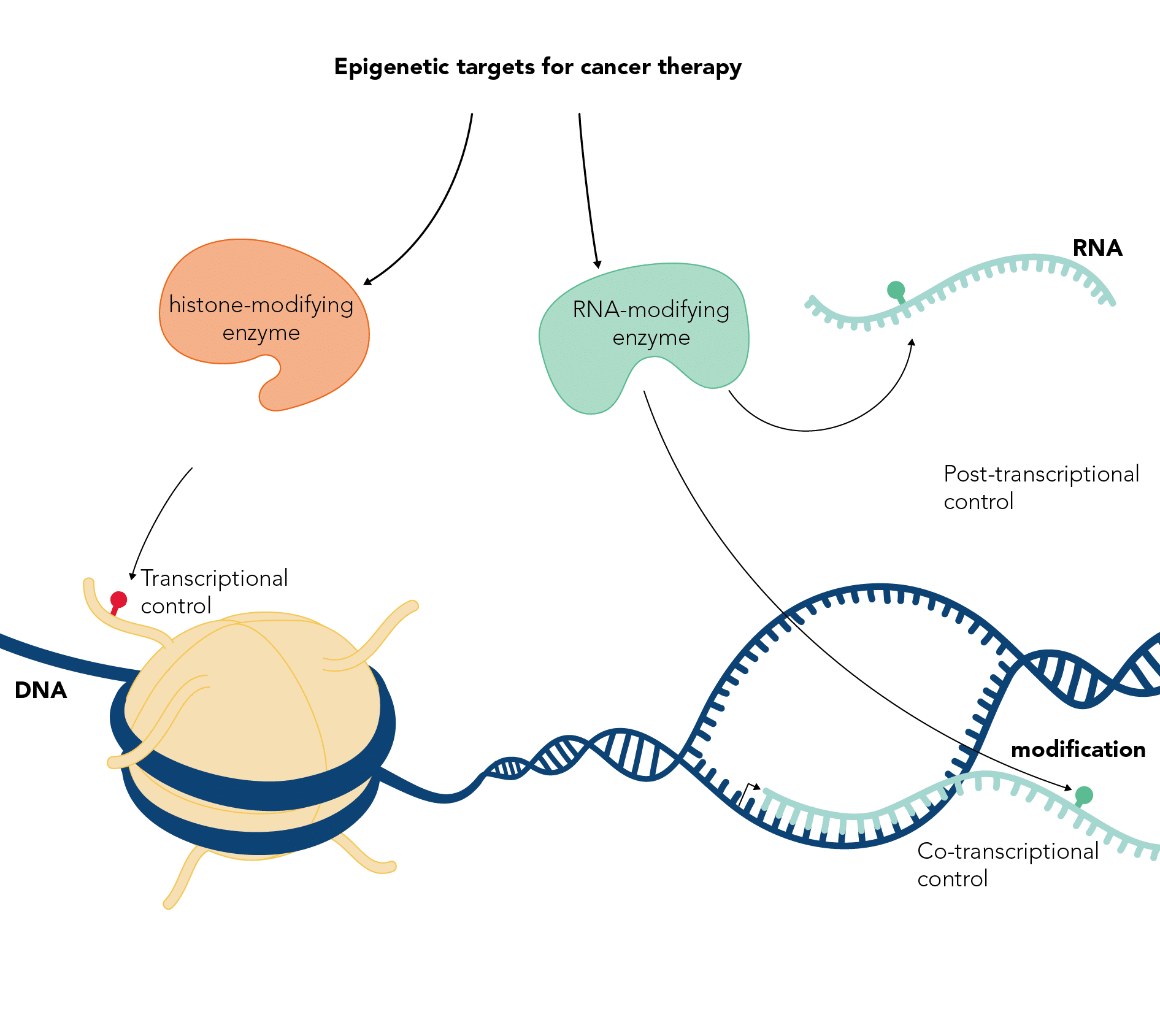
Professor Tony Kouzarides is a leading academic in Cancer Biology at the University of Cambridge, serving as a Senior Group Leader at the Gurdon Institute and Director of the Milner Therapeutics Institute. He holds multiple roles including Cancer Research UK Gibb Fellow and member of the University Department of Pathology. Education: BSc from Leeds University, PhD from University of Cambridge, postdoctoral training at MRC Laboratory of Molecular Biology (Cambridge) and New York University Medical Centre. Established his lab at the Gurdon Institute, focusing on epigenetic modifications in cancer, particularly mRNA and non-coding RNA modifications linked to cancer progression. Collaborates with STORM Therapeutics to develop small-molecule inhibitors targeting these pathways. Research interests include chromatin modification pathways, RNA methylation (e.g., METTL3), and their roles in cancer. His lab pioneered identifying human chromatin-modifying enzymes and their oncogenic roles. Notable achievements include top-cited status at Cambridge (1996-2017) and founding companies like Abcam and STORM Therapeutics. Awards: 2024: Knight Bachelor 2021: Nemitsas Prize 2020: Cyprus Excellence in Science Award Advising and grants: Mentors students/postdocs in epigenetics and cancer research. Founded Milner Therapeutics Institute to bridge academia-industry collaborations. Active in science policy and charity work (e.g., Conquer Cancer Spain). Labs/Teams: Leads lab at Gurdon Institute, collaborates with STORM Therapeutics, and chairs Cambridge Gravity for promoting science at Cambridge.
Eli Knispel Rueness is a Researcher at the University of Oslo's Institute of Biosciences (IBV), specializing in conservation genetics, biodiversity, and biogeography. His work focuses on assessing conservation risks posed by trade (e.g., CITES-listed species) and invasive species, with significant contributions to wildlife policy and population genetics. Key areas of research include sturgeon conservation, domestic cat biodiversity impacts, and climate change effects on boreal ecosystems. He collaborates extensively on multidisciplinary projects addressing wildlife welfare, invasive species mitigation, and genomic tools for conservation. Publications emphasize evidence-based policy recommendations for managing threatened species, invasive organisms, and emerging threats like genome-edited organisms. His work integrates field studies, genetic analyses, and risk modeling to inform international conservation strategies.
Raquel Iglesias Fernández is an Associate Professor at the Universidad Politécnica de Madrid (UPM), leading the research group 'Environmental Perception and Adaptation: Control of Gene Expression and Autophagy Mechanisms' at the CBGP (Centro de Biotecnología y Genómica de Plantas). Her work focuses on seed germination vigor, autophagy mechanisms, and plant responses to environmental stress. She supervises PhD students and postdoctoral researchers in projects funded by national and international grants, including studies on quinoa and barley crops. Her research integrates genetics, physiology, and genomics to address global food security challenges. Education: Advanced degrees in Plant Biology (not explicitly detailed). Research interests include seed dormancy解除 mechanisms, autophagy in storage proteins, and transcriptional regulation of cell wall enzymes. She explores how environmental factors (e.g., salinity, temperature) influence seed viability and germination. Key projects include epigenetic markers for seed vigor and autophagy in crop resilience. Publications highlight advancements in seed biology, such as HvASN1 regulation in barley and reference genes for quinoa under salt stress. Her work bridges fundamental plant science with agricultural applications, including climate-smart crop development. Awards: Supervised an award-winning undergraduate thesis on quinoa salt tolerance (2021). Grants include projects on barley grain autophagy (2023–2026), quinoa climate adaptation (PRIMA-EU 2021), and seed development epigenetics (2018–2020). She also mentors students through UPM programs, contributing to training the next generation of plant scientists.