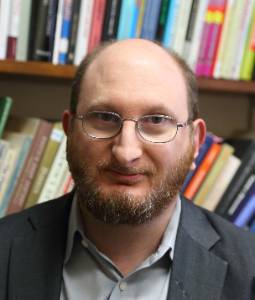
Joseph A. November is an Associate Professor in the Department of History at the University of South Carolina, affiliated with the McCausland College of Arts and Sciences. His research focuses on the history of biomedical computing, distributed computing, and the intersection of technology and medicine. He holds a Ph.D. from Princeton University (2006), an M.A. from the University of Chicago (2002), and a B.A. from Hamilton College (1997). His work includes the award-winning book Biomedical Computing: Digitizing Life in the United States (2012), which explores the co-development of biomedicine and computing technologies. Current projects include Revolutions@home , examining distributed computing in protein folding research, and a biography of computing pioneer Robert S. Ledley. He has received grants from the NSF, NIH, and the Charles Babbage Institute. Teaching interests span the history of science and technology, including courses on the history of medicine, digital humanities, and the role of games in historical education. He actively contributes to professional organizations like SHOT and the History of Science Society. Awards include the Computer History Museum Prize (2013) and the National Institutes of Health DeWitt Stetten Fellowship (2007-2008). His research bridges historical analysis with contemporary issues in technology and biomedical ethics.
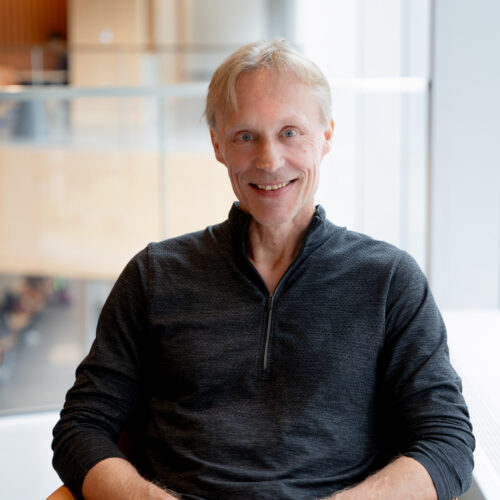
Tommi Jaakkola is the Thomas Siebel Professor of Electrical Engineering and Computer Science and the Institute for Data, Systems, and Society at the Massachusetts Institute of Technology. He received his MSc in theoretical physics from Helsinki University of Technology in 1992 and his PhD from MIT in computational neuroscience in 1997. After completing a postdoctoral position in computational molecular biology as a DOE/Sloan fellow at UCSC, he joined the MIT EECS faculty in 1998. His research advances how machines can learn, predict or control, and do so at scale in an efficient, principled, and interpretable manner. His work in machine learning extends from foundational theory to modern applications, focusing especially on statistical inference and estimation tasks that lie at the heart of complex learning problems. He designs new methods, theory and algorithms to automate the use and generation of semi-structured data such as natural language text, images, molecules, or strategies. Jaakkola applies and develops algorithms to solve multi-faceted recommender, retrieval, or inferential tasks (particularly in biomedical contexts), design and optimize molecules or reactions for drug design, and model strategic, game theoretic interactions. His recent work heavily focuses on diffusion models, protein structure prediction, molecular design, and generative AI, with significant publications in top conferences including ICML, NeurIPS, and ICLR. His scientific contributions span multiple disciplines with significant impact in both theoretical machine learning and practical applications in computational biology and chemistry, including notable work on antibiotic discovery published in Cell. Current advisees: Julia Balla, Bowen Jing, Hannes Stärk, Peter Holderrieth, Chenyu Wang Recent graduates: Gabriele Corso (Boltz PBC), Ezra Erives (DE Shaw), Jason Yim (Xaira) Jaakkola maintains an active research program through MIT's Computer Science and Artificial Intelligence Laboratory (CSAIL) and the Institute for Data, Systems, and Society (IDSS), with his office located in the Stata Center (32-G470). His work bridges theoretical machine learning with practical applications, making significant contributions to both the academic field and potential real-world impact in healthcare and drug discovery.
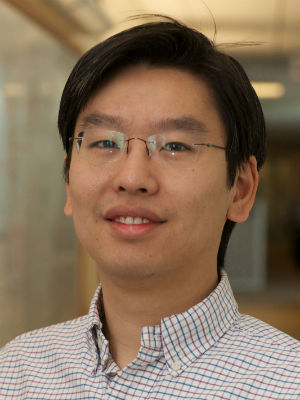
Harris H. Wang is an Associate Professor in the Department of Systems Biology and Department of Pathology and Cell Biology at Columbia University's Vagelos College of Physicians and Surgeons, where he also serves as Interim Chair of Systems Biology. He is affiliated with the Center for Computational Biology and Bioinformatics (C2B2) and the Integrated Program in Cellular, Molecular and Biomedical Studies (CMBS). B.S., Physics and Mathematics, MIT Ph.D., Biophysics, Harvard University Dr. Wang's research lies at the intersection of systems and synthetic biology, focusing on developing foundational technologies for genome engineering, microbiome manipulation, and synthetic genomics. His lab pioneers methods such as MAGE, MAGIC, CAST, and CAMII to enable high-throughput genetic manipulation, in situ microbiome engineering, and AI-driven microbial culturomics. Key research themes include understanding microbial community dynamics, engineering cellular memory systems, designing biocontained genetic circuits, and applying synthetic biology to human health challenges in personalized medicine and infectious disease. His recent publications reveal a strong trend in spatial and functional metagenomics, CRISPR-based microbiome editing, and synthetic biology tools for data storage and genetic stability. The articles span high-impact journals like Nature , Science , and Nature Biotechnology , reflecting his leadership in developing scalable, programmable biological systems. Scientific Awards: NIH Director’s Early Independence Award Forbes 30 Under 30 in Science Sloan Research Fellowship NSF CAREER Award ONR Young Investigator Award Burroughs Wellcome Fund PATH Award Schaefer Scholar Blavatnik National Award Vilcek Prize PECASE Dr. Wang has advised numerous PhD and postdoctoral researchers, many of whom have gone on to independent scientific careers. His lab is supported by major grants from NIH, NSF, DARPA, DOE, and foundations including the Bill & Melinda Gates Foundation and CZ Biohub NY. He is actively involved in educational initiatives, including organizing Columbia’s iGEM team and the Cold Spring Harbor Laboratory Synthetic Biology course. The Wang Lab is based at the Columbia University Irving Medical Center and is part of national consortia such as the Engineering Biology Research Consortium (EBRC) and the Genome Project-Write (GP-Write) initiative. The lab develops and applies cutting-edge technologies in automation, machine learning, and synthetic biology to engineer microbiomes for applications in medicine, global health, and climate change.
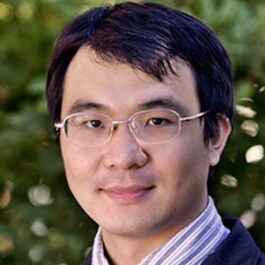
Romain Lopez is an Assistant Professor of Computer Science and Biology at New York University, with a joint appointment in the Courant Institute of Mathematical Sciences and the Department of Biology. He will be joining NYU in September 2025, bringing expertise at the intersection of machine learning and computational biology. Prior to joining NYU, he was a Postdoctoral Fellow at Genentech and Stanford Medicine from 2021 to 2025, working with Jonathan Pritchard and Aviv Regev. Dr. Lopez received his educational training at prestigious institutions: PhD in Computer Science (2021) from the University of California, Berkeley, advised by Mike Jordan and Nir Yosef M.S. in Applied Mathematics (2016) from École polytechnique, Palaiseau, France Dr. Lopez's research focuses on developing machine learning methods to understand biological systems at the cellular level. His work bridges computational techniques with biological applications, particularly in single-cell and spatial omics analysis. He pioneered probabilistic approaches for single-cell analysis with scVI and co-developed scvi-tools, now widely adopted tools in the field. His research spans deep generative models, causal inference, perturbation modeling, and representation learning for biological data. His publication record demonstrates a consistent trajectory of innovation in computational biology, with recent work focusing on spatial biology, disentangled representations of cellular perturbations, and causal modeling of cellular responses. He has made significant contributions to the field of single-cell analysis, developing methods that help scientists interpret complex cellular data and predict how cells respond to various perturbations. Dr. Lopez has received numerous honors and awards for his research: Best Paper Award from the ICML Workshop on AI for Science (2024) Best Paper Award Honorable Mention from the AAAI Conference on Artificial Intelligence (2021) Best Student Poster Award from the ICML Workshop on Computational Biology (2019) UC Berkeley EECS Departmental Graduate Fellowship (2016) Carnot Foundation Fellowship (2016) Monahan Foundation Fellowship (2016) French National Defence Medal, Bronze Echelon (2014) At NYU, Dr. Lopez will lead the Biological Machine Learning group, which develops probabilistic machine learning methods to uncover biological mechanisms governing cellular behavior and disease. His lab focuses on creating tools that transform complex cellular data into biological insights, with applications in understanding cancer, immune responses, and fundamental cellular processes. His work has significant implications for precision medicine and drug discovery.
Jonas Fischer is the head of the Explainable Machine Learning group at the Max Planck Institute for Informatics, Department of Computer Vision and Machine Learning. His research focuses on interpreting complex machine learning models, particularly in genomics and healthcare, aiming to enhance robustness and alignment with human decision-making. Prior to his role at MPI, he was a postdoctoral fellow at Harvard University's Department of Biostatistics, where he worked on interpretable models for gene regulatory systems in cancer. Education: PhD in Computer Science from Saarland University (2022), with a thesis titled More than the sum of its parts , exploring the intersection of pattern mining and deep learning. He has contributed to advancing methods in neural network pruning, federated learning, and low-dimensional embeddings (e.g., dtSNE, Mercat). His work bridges computational biology, data mining, and machine learning, with applications in DNA methylation analysis, graph-based differential networks, and biomedical informatics. Key research areas include: (1) Explainable AI and neural network interpretability, (2) Biomedical applications of machine learning (e.g., gene regulatory networks, cancer genomics), (3) Low-dimensional embeddings and visualization techniques, (4) Federated learning for privacy-preserving collaborative models, and (5) Pattern mining for error analysis in NLP and classification tasks. Publications span top venues like NeurIPS, ICLR, Bioinformatics, and Genome Biology. His group develops tools such as BONOBO for omics data integration and node2vec2rank for scalable graph analysis. He actively collaborates with biomedical researchers to address challenges in data-driven healthcare and precision medicine.
Han Liu is a Professor in the Department of Computer Science at Northwestern University's McCormick School of Engineering. He directs the MAGICS (Modern Artificial General Intelligible and Computer Systems) Lab and the Center for Foundation Models and Generative AI at Northwestern, with prior roles as director of the Deep Reinforcement Learning Center at Tencent AI Lab and professor at Princeton and Johns Hopkins Universities. PhD in Machine Learning and Statistics from Carnegie Mellon University (2012), advised by John Lafferty and Larry Wasserman Han Liu's research focuses on integrating artificial intelligence with computer systems, particularly through foundation models and probabilistic graphical models. His work aims to revolutionize science, engineering, and business by deploying statistical machine learning methods in edge and cloud computing environments. Recent research trends include transformer-based models, modern Hopfield networks, genomic foundation models, and theoretical analysis of attention mechanisms. His 2025 publications explore topics like species differentiation with DNA embeddings, universal approximation capabilities of transformers, and metaverse spatial reasoning. Alfred P Sloan Fellowship in Mathematics IMS Tweedie New Researcher Award ASA Noether Young Scholar Award NSF CAREER Award Presidential Early Career Awards for Scientists and Engineers Han Liu serves as associate editor for the Journal of American Statistical Association, Electronic Journal of Statistics, Technometrics, and the Journal of Portfolio Management. He has directed research centers at Northwestern and contributed to major conferences as area chair (NeurIPS, ICML, ICLR).
Sriram Subramaniam is a Professor in the Department of Biochemistry and Molecular Biology at the University of British Columbia (UBC) and holds the Gobind Khorana Canada Excellence Research Chair in Precision Cancer Drug Design. His research leverages cryo-electron microscopy (cryo-EM) to advance structural biology and drug design, focusing on protein dynamics and therapeutic target identification. Education: PhD in Physical Chemistry (1987) from Stanford University; MSc in Chemistry (1981) from Indian Institute of Technology, Kanpur. Subramaniam's interdisciplinary work combines cryo-EM with computational tools and molecular biology to study protein structures at atomic resolution. His lab has pioneered cryo-EM applications in precision medicine, including mapping small molecule drugs on patient-specific cancer mutants. Recent publications (2024-2022) highlight his contributions to understanding SARS-CoV-2 immune evasion, structural mechanisms of ATPases, and AI integration in structural biology. His research spans viral entry mechanisms, CRISPR systems, and neurodegenerative disease pathways. Scientific Awards: Gobind Khorana Canada Excellence Research Chair NIH Director’s Award for Scientific Excellence Fellow of the Biophysical Society Breakthrough Prize nomination Based at the Djavad Mowafaghian Center for Brain Health, Subramaniam leads the Program in Cryo-EM Guided Drug Design, contributing to over 177 peer-reviewed publications with a career h-index of 58 and citations exceeding 12,340.
Alexis Battle is an Associate Professor at Johns Hopkins University with appointments in Biomedical Engineering , Computer Science , and Genetic Medicine (secondary). She directs the Malone Center for Engineering in Healthcare and serves as Deputy Director of the Data Science and AI Institute . Educated at Stanford University (PhD in Computer Science, 2013), Battle transitioned to academia after leadership roles at Google. Research Focus: Battle’s work bridges genomics and machine learning , emphasizing the impact of genetic variation on human health. Her lab develops tools like Watershed to predict functional effects of rare variants, aiming to enhance rare disease diagnosis. Key themes include non-coding DNA analysis , personalized genomics , and systems biology , with applications in cardiovascular disease and neurodegenerative disorders . Publications & Awards: Over 60 peer-reviewed articles in journals like Nature , Science , and Genome Biology , with recent emphasis on single-cell transcriptomics , multiomics integration , and telomere biology . Recipient of the President’s Frontier Award (2022), Microsoft Investigator Fellowship (2019), and Searle Scholar (2016). Scientific Awards: 2022 President’s Frontier Award 2019 Microsoft Investigator Fellowship 2019 Johns Hopkins Discovery Award 2017 Johns Hopkins Catalyst Award 2016 Searle Scholar Advising & Funding: Mentors 11 PhD students, 3 undergraduates, and postdoctoral fellows. Her research is funded by NIH, Searle Scholars, and institutional grants. The Battle Lab collaborates on projects like the GTEx Consortium , focusing on gene regulation and clinical genomics .
Gail E. Kaiser is a Professor of Computer Science and the Director of the Programming Systems Laboratory (PSL) in the Computer Science Department at Columbia University. She has been with Columbia University since 1985, becoming a full Professor in 1998. Prof. Kaiser's research spans software engineering, program analysis, software testing, and software security, with recent focus on addressing challenges in AI/ML systems testing and security. Prof. Kaiser received her PhD in Computer Science from Carnegie Mellon University in 1985 and her ScB in Computer Science and Engineering from MIT in 1979. Her dissertation at CMU was titled "Semantics for Structure Editing Environments" under advisor Nico Habermann, and at MIT she completed "Automatic Extension of an Augmented Transition Network Grammar for Morse Code Conversations" under advisor Al Vezza. Prof. Kaiser's research interests primarily focus on software engineering following a systems building approach, with recent emphasis on static and dynamic program analysis techniques to improve software reliability and security. Since 2005, she has investigated testing "non-testable" programs, particularly in machine learning, data mining, and scientific computing applications where traditional testing oracles are insufficient. She has developed novel techniques and tools for detecting bugs and verifying repairs in complex systems. Concurrently, she has worked on collaboration environments for computational scientists, creating knowledge sharing and domain-aware environments to support scientific workflows. Prof. Kaiser's recent publications demonstrate a strong focus on the intersection of software engineering and artificial intelligence. Her work addresses critical challenges in testing AI systems, code understanding through deep learning, vulnerability detection, and educational tools for computational thinking. There's a clear evolution from traditional software engineering topics toward AI/ML applications, with particular emphasis on metamorphic testing for non-testable systems, code similarity analysis, and educational applications. Prof. Kaiser has received numerous prestigious awards throughout her career: Distinguished Journal Award (10 Years) from 18th IEEE International Conference on Software Testing, Verification and Validation (ICST), April 2025 Best Research Paper Award at 24th IEEE International Conference on Source Code Analysis & Manipulation (SCAM), October 2024 Distinguished Reviewer Awards for ASE 2024 and FSE 2024 ACM SIGSOFT Distinguished Paper Award for "CONCORD: Clone-aware Contrastive Learning for Source Code", July 2023 Best Student Paper Award at ICCE 2021 Multiple ACM SIGSOFT Distinguished Paper Awards dating back to 2014 Presidential Young Investigator in Software Engineering and Software Systems from NSF (1988-1993) Prof. Kaiser has chaired Columbia's doctoral program since 1997 and served on editorial boards including IEEE Internet Computing and as a founding associate editor of ACM Transactions on Software Engineering and Methodology. Her lab has been continuously funded by major agencies including NSF, NIH, DARPA, ONR, NASA, and numerous companies. Current grants include significant NSF funding for secure containers architecture, learning semantics of code for software assurance, and finding semantic security bugs. As Director of the Programming Systems Laboratory (PSL), Prof. Kaiser leads research in software systems, program analysis, and software testing. The lab has developed numerous tools and techniques for software reliability and security, with recent focus on challenges in AI/ML systems. Her work bridges theoretical foundations with practical applications, often resulting in deployable tools that address real-world software engineering challenges.
Angel Xuan Chang is an Associate Professor at Simon Fraser University's School of Computing Science, affiliated with labs including 3DLG, GrUVi, SFU NatLang, SFU AI/ML, and VINCI. He holds a Canada CIFAR AI Chair and was a TUM-IAS Hans Fischer Fellow (2018-2022). His research bridges natural language processing (NLP), 3D scene understanding, and embodied AI, focusing on language-grounded 3D generation and biodiversity monitoring via DNA barcodes. Recent work includes NuiScene (unbounded outdoor scene generation), ViGiL3D (3D visual grounding dataset), and CLIBD (vision-genomics biodiversity analysis). He advises students in projects like BIOSCAN-5M insect dataset and embodied AI navigation. His 2025 highlights include multiple ICCV and ICLR papers, workshops at ICML and CVPR, and a CRV invited talk. Education: Ph.D. in Computer Science from Stanford University (2014), advised by Chris Manning. Previous roles include visiting research scientist at Facebook AI Research and researcher at Eloquent Labs.
Rebecca Schulman is an Associate Professor in the Department of Chemical and Biomolecular Engineering at the Whiting School of Engineering, Johns Hopkins University. She holds secondary appointments in Chemistry and Computer Science and is affiliated with multiple interdisciplinary institutes, including the Institute for NanoBioTechnology, the Hopkins Extreme Materials Institute, the Chemistry-Biology Interface Program, the Center for Cell Dynamics, and the Laboratory for Computational Sensing and Robotics. She currently co-directs the Passport to Future Technology Leadership program for PhD students. Research Interests: Schulman's research lies at the intersection of DNA nanotechnology, synthetic biology, and smart materials. Her group develops intelligent, adaptive biomolecular materials and nanostructures by integrating concepts from materials science, biochemistry, circuit design, and soft matter physics. The team focuses on engineering dynamic self-assembly processes using DNA to create reconfigurable materials, molecular circuits, and autonomous soft micro-robots. Key themes include self-healing nanostructures, feedback-regulated crystallization, programmable hydrogels, and synthetic genetic networks for materials control. Publication Trends: Her recent publications demonstrate a consistent focus on using DNA-based chemical reaction networks to program spatial and temporal behavior in materials. The work spans from fundamental mechanisms like catalytic polymerization and crystal growth regulation to applications in soft robotics, self-wiring circuits, and synthetic pattern formation. The research is highly interdisciplinary, combining synthetic biology with materials engineering to achieve life-like functionalities in non-living systems. Scientific Awards: AIMBE Fellowship Award Vannevar Bush Faculty Fellowship Award Hartwell Individual Biomolecular Research Award President’s Early Career Award in Science and Engineering (PECASE) DARPA Young Faculty Award DARPA Directors Fellowship NSF CAREER Award Turing Scholar Award DOE Early Career Award Advising and Grants: Schulman mentors graduate students and leads a vibrant research group focused on next-generation biomolecular engineering. Her work is supported by major federal grants, including the NSF CAREER, DOE Early Career, DARPA, and the Vannevar Bush Fellowship—a prestigious Department of Defense award for basic research. She is actively involved in training future leaders through programs like the Passport to Future Technology Leadership. Labs and Teams: The Schulman Lab at Johns Hopkins is a multidisciplinary team working on DNA-powered materials and molecular programming. The lab is embedded within several collaborative centers, enabling strong cross-departmental and cross-institutional research. Their work combines experimental biochemistry with theoretical modeling to design and implement complex molecular systems.
Marcus Smith is an Associate Professor in Law at the Charles Sturt University , where he teaches LAW222 Technology Law and directs the Bachelor of Laws program. He holds advanced degrees from the Australian National University (PhD, LLM) and the University of Cambridge (MPhil). His research spans technology law and regulation , focusing on genomic data governance biometric identification AI ethics blockchain policy cybersecurity surveillance law He leads the Contemporary Threats to Australian Security research group and serves as Chief Investigator on an NHMRC-funded project (MRF2015531) addressing genomic dataset governance. His recent work analyzes algorithmic bias in facial recognition AI in healthcare blockchain's regulatory challenges post-pandemic cybercrime surveillance ethics data security frameworks He actively supervises PhD and honours students in technology law and contributes to law reform through submissions to international bodies like the UN Human Rights Council .
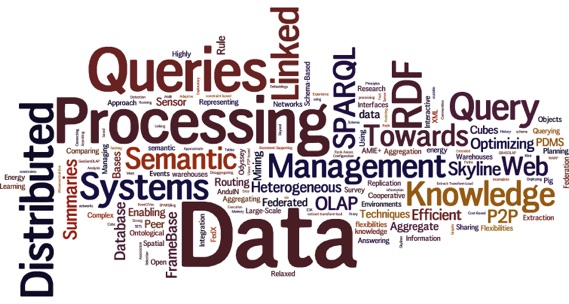
Katja Hose is a Full Professor of Data Management at TU Wien's DBAI research unit, heading the Data Management and Knowledge-Driven AI Lab. She previously held a Poul Due Jensen Foundation Professorship at Aalborg University. Her research focuses on data and knowledge engineering, including graph databases, knowledge graphs, querying, analytics, and machine learning, with interdisciplinary applications in bioscience, healthcare, and environmental assessment. Education: PhD in Computer Science (Ilmenau University of Technology, 2009), Postdoc at Max Planck Institute for Informatics (2009–2012). Academic roles include Program Co-Chair for ISWC 2024 and EDBT 2023, and editorial board membership at VLDBJ and TGDK. She leads projects like TARGET (health virtual twins) and ARMADA (data management). Research Interests: Knowledge Graphs, Semantic Web, Big Data, Machine Learning, Data Integration, and Provenance Systems. Key contributions include SHACL shape extraction, conversational data analytics, and environmental knowledge graphs. Awards include the 2025 Distinguished Meta-Reviewer Award and 2024 Manfred Paul Award. Advising and Grants: Supervised students including E. Pürmayr (Diploma Thesis 2025). Active in EU projects (TARGET, ARMADA) and grant coordination. Labs/Teams: DMKI Lab at TU Wien, collaborating with interdisciplinary teams in healthcare and environmental science.
Maude Baldwin is the Director of the Evolution of Sensory and Physiological Systems department at the Max Planck Institute for Biological Intelligence. Her research focuses on the molecular and physiological mechanisms underlying sensory receptor evolution in vertebrates, particularly in birds. Education : Ph.D. from Harvard University (Department of Organismic and Evolutionary Biology, 2007-2014); B.A. from New York University (Gallatin School of Individualized Study, 2005). Research Interests include: Evolution of taste receptors, such as the repurposing of savory receptors for sweet detection in hummingbirds. Convergent evolution in sensory systems across vertebrates. Integrative approaches combining molecular methods, cell culture, and behavioral studies. Impact of dietary shifts on ecological and physiological adaptations. Publication Trends reveal a focus on comparative genomics , protein evolution , and sensory system adaptation , with specific attention to bird taste receptors , gene loss , and echolocation genetics . Labs & Teams : Baldwin leads a multidisciplinary team at the Max Planck Institute, recruiting researchers in comparative genomics , organoid technology , and vertebrate natural history . The group investigates sensory-diet coevolution and physiological trade-offs.
Harri Lähdesmäki is an Associate Professor (tenured) at the Department of Computer Science, Aalto University, where he leads the Computational Systems Biology research group. His work focuses on probabilistic machine learning and deep generative models with applications in biomedicine and molecular biology. Key Research Interests: Probabilistic machine learning, deep generative models, computational biology, bioinformatics, longitudinal data modeling Contact: harri.lahdesmaki@aalto.fi | Konemiehentie 2, 02150 Espoo, Finland His recent publications highlight advancements in: Gaussian process priors for scalable deep generative models Single-cell analysis of immune repertoires in leukemia and diabetes Probabilistic deconvolution methods for RNA-seq data Epigenetic analysis using hidden Markov and mixed models Transformer-based survival prediction and missing data handling Harri’s work integrates mechanistic modeling with Bayesian inference, particularly applied to immunology, cancer biology, and early disease prediction.