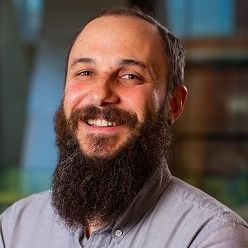
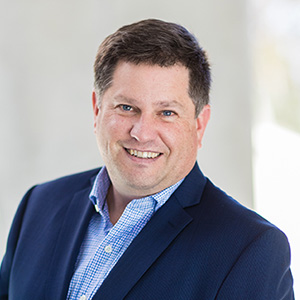
Professor Steve Wedge is a prominent academic at Newcastle University specializing in cancer research with a focus on molecular targeting, drug development, and radiation therapy combinations. His work spans preclinical modeling, clinical trials, and mechanistic studies of kinases like MDM2, ERK5, and Aurora kinases. Key research areas: Oncology, Pharmacology, Molecular Targeted Therapy, and Angiogenesis Inhibition Active in clinical trial design (e.g., AZD3965 for advanced cancer) and kinase inhibitor discovery (ERK5, MDM2) Collaborates extensively on combination therapies with radiotherapy and chemotherapy His recent publications highlight advancements in MDM2-p53 interaction inhibition , metabolic targeting of tumors, and DNA-encoded library screening for drug discovery. Awards and mentoring activities remain undocumented in this dataset.
Dr. Mathew Martin is a researcher at Newcastle University , focusing on structural biology and drug discovery for cancer therapies. His work primarily involves crystallographic fragment screening, kinase inhibitor design, and molecular interaction analysis. His research interests include: Kinase Inhibition: Targeting CDK, ERK5, and EGFR with covalent and reversible inhibitors. Structural Biology: Utilizing X-ray crystallography to map protein-ligand interactions and validate drug targets. Fragment-Based Drug Discovery: Developing NUDELs and FragLites for efficient hit generation in academic cancer research. Recent publications highlight his contributions to understanding drug resistance mechanisms, optimizing pharmacokinetics, and designing novel inhibitors with scaffold diversity. His collaborations span structural biology, chemical synthesis, and proteomic analysis.
Seth Shipman is an Associate Professor at the University of California San Francisco (UCSF) within the Department of Bioengineering and Therapeutic Sciences. He holds a joint appointment as an Associate Investigator at the Gladstone Institute of Data Science and Biotechnology, where his research intersects molecular biotechnology with neurodevelopmental and neurodegenerative disease studies. His work emphasizes pharmacogenomics, genomics, and therapeutic bioengineering, leveraging DNA as a programmable biological polymer for data storage and targeted therapeutics. Education: PhD in Biochemistry and Biophysics (2012), University of California San Francisco Dr. Shipman's research focuses on overcoming technical barriers in disease understanding and treatment through molecular engineering. His lab specializes in CRISPR-Cas systems, retron gene editors, and DNA-based cellular recording technologies. Key areas include neurodevelopmental mechanisms, progressive neurodegeneration, and context-specific gene therapies. Scientific awards highlight his contributions: NIH Director’s New Innovator Award (2020), Pew Biomedical Scholar (2020), and recognition in ScienceNews as a top scientist (2019). His work has been featured in journals like Nature , Nature Biotechnology , and Science , with recent publications analyzing retron systems for genome editing and transcriptional recording in E. coli. Notable Awards: NIH Director’s New Innovator Award (2020) Pew Biomedical Scholar (2020) ScienceNews SN 10: Scientists to Watch (2019) DARPA Riser (2018) The Shipman Lab develops innovative tools like CRISPR-Cas encoding for digital movie storage in bacterial genomes (2017) and retron arrays for multi-site genome editing (2024). Their work bridges synthetic biology and clinical applications, particularly for diseases involving cellular change dynamics.
Martin M. Matzuk is a Professor at Baylor College of Medicine with joint appointments in Molecular and Human Genetics, Biochemistry and Molecular Pharmacology, and Molecular & Cellular Biology. As Chair of the Department of Pathology & Immunology and Director of the Center for Drug Discovery, he leads research in reproductive biology, contraception, and ovarian cancer. His work integrates functional genomics and chemical biology to study fertility pathways, TGF-beta signaling, and small molecule drug development. Educational Background : BA (with Honors) from University of Chicago (1982) MD and PhD from Washington University School of Medicine (1989) Postdoctoral Fellowship at Baylor College of Medicine (1993) Residency at Hospital of the University of Pennsylvania (1991) Matzuk’s research has uncovered genes critical for ovarian folliculogenesis (e.g., GDF9, BMP15), oocyte-to-embryo transition (e.g., ZAR1, NPM2), and male contraception targets (e.g., BRDT, OVCH2). His lab developed the DNA-Encoded Chemistry Technology (DEC-Tec) platform, enabling rapid discovery of low-nanomolar inhibitors for diseases like endometriosis and cancer. Key projects include studying early ovarian cancer detection and microRNA roles in tumor suppression. He has mentored over 50 trainees, including 13 underrepresented minorities, and received accolades like the Carl G. Hartman Award (2022) and Inaugural Hill Prize in Medicine (2024). His work on inhibin and GDF9 has redefined reproductive endocrinology and ovarian biology. The lab’s 15 most recent publications focus on kinase inhibitors, TGF-beta signaling, ovarian cancer biomarkers, and chemical contraceptive development. Scientific Awards : Member of National Academy of Sciences (2014) National Academy of Inventors Fellow (2016) NIH MERIT Award (2001-2011) Trainee Mentoring Award (2015) Carl G. Hartman Award (2022) 13 patents, including ELONVA for FSH therapy Matzuk’s lab has produced over 400 publications, with 25+ in Cell , Nature , and Science , and created >200 transgenic mouse models. He chairs the NIH CMIR study section and has been a key figure in drug discovery for reproductive diseases.
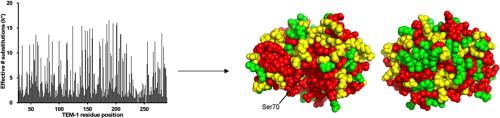
Dr. Timothy Palzkill is a Professor in the Department of Pharmacology and Chemical Biology at Baylor College of Medicine's School of Medicine. He leads the Palzkill Lab, which is housed in the Margaret M. & Albert B. Alkek Building at One Baylor Plaza. His research spans multiple departments including Biochemistry and Molecular Biology and Molecular Virology and Microbiology, reflecting the interdisciplinary nature of his work on antibiotic resistance and viral pathogenesis. The Palzkill Lab focuses on four primary research areas: (1) Understanding the molecular basis of antibiotic resistance, particularly focusing on β-lactamases that hydrolyze β-lactam antibiotics; (2) Developing small molecule inhibitors of antibiotic resistance enzymes using DNA-encoded chemical libraries and structure-based design; (3) Investigating MCR-1 mediated colistin resistance and developing inhibitors to restore colistin efficacy; and (4) Mapping norovirus epitopes through genomic phage display libraries to guide vaccine and diagnostic development. The lab employs diverse methodologies including phage display, next-generation DNA sequencing, molecular libraries, chemical synthesis, protein purification, enzyme kinetics, and X-ray crystallography. Analysis of Dr. Palzkill's recent publications reveals a strong emphasis on β-lactamase enzymes, particularly KPC and CTX-M variants, with significant work on understanding resistance mechanisms and developing inhibitors. His research increasingly incorporates DNA-encoded chemical libraries for drug discovery, with applications extending to antiviral development including work on SARS-CoV-2 protease inhibitors. The lab's norovirus research has made important contributions to understanding the human immune response to viral infections. Dr. Palzkill has mentored numerous graduate students who have gone on to successful careers in academia, industry, and clinical settings. Recent PhD graduates include Allison Judge (Postdoctoral Research Fellow at MD Anderson Cancer Center), Lynn Su (Scientist III at Solugen), and David Boragine (Application Engineer Specialist at 3M). His lab maintains an active research program with frequent publications and presentations at scientific conferences, as evidenced by recent student achievements in science communication competitions. The Palzkill Lab operates as a dynamic research environment utilizing cutting-edge technologies for studying protein structure-function relationships and developing therapeutic interventions. Current projects include developing inhibitors for carbapenemases like NDM, OXA-48, and KPC, investigating the structural basis of MCR-1 catalysis, and mapping norovirus epitopes to understand the humoral immune response during human infections. The lab's collaborative approach is evident in partnerships with the Center for Drug Discovery at Baylor and other research groups focused on antimicrobial resistance and viral pathogenesis.
Catherine Hurd is a Researcher at the University of Manchester , affiliated with the Faculty of Biology, Medicine and Health and the Division of Pharmacy & Optometry . As a Wellcome Early-Career Fellow in Chemical Biology , her work focuses on developing novel ligands for challenging protein targets using mRNA display and DNA-encoded libraries, with applications in drug discovery and biochemical pathway analysis. Doctor of Science (2020), University of Cambridge Master in Science (2016), University of Nottingham Her research adapts selection methods to native cellular environments , enabling exploration of membrane proteins and protein complexes . Key contributions include cyclic peptide development for BRD3 targeting, stapled peptides for Ral GTPases, and studies on FAM13A's role in airway mucociliary transport . Collaborations span institutions like Cold Spring Harbor Laboratory and the University of Manchester. Scientific Awards Wellcome Early-Career Fellowship in Chemical Biology
Manuel Nappi is a Professor at the Universidade de Santiago de Compostela in the Department of Organic Chemistry , affiliated with the Research Center in Biological Chemistry and Molecular Materials (CIQUS) and the CatOrg (GI-1603) research group focused on organometallic catalysis. His research spans organic chemistry, organometallic catalysis, and photochemical reactions, with a focus on deoxygenative Z-selective olefination, DNA functionalization, and C-H bond activation. Recent publications highlight advances in visible-light-mediated modifications, DNA-encoded library synthesis, and sustainable catalytic methods. 2025: Photocatalytic deoxygenative Z-selective olefination of aliphatic alcohols 2025: Expanding the Synthetic Playbook with a Biochemical Twist (Bürgenstock Conference) 2024: Deoxygenative Z-selective olefination of aliphatic alcohols 2023: Method for labeling nucleic acid via photoredox catalysis 2022: Metal-free deoxygenative coupling for DNA-encoded libraries In 2020, he was recognized as an Outstanding Reviewer for Chemical Science . His work intersects organic synthesis with biochemical applications, emphasizing light-driven reactions and biomacromolecule manipulation.
Johan Wannberg is a Researcher at Uppsala University's Department of Medicinal Chemistry within the Preparative Medicinal Chemistry division. His work is closely associated with SciLifeLab, reflecting interdisciplinary collaboration in drug discovery. Affiliated with Uppsala Biomedicinska Centrum (BMC), he maintains active research in medicinal chemistry with significant contributions to pharmaceutical science. Dr. Wannberg's research focuses on angiotensin receptor ligands , particularly AT2R antagonists for pain management, and cancer therapeutics targeting enzymes like MTHFD2 in leukemia. His expertise extends to antiviral development against HIV and SARS-CoV-2, utilizing microwave-assisted synthesis and DNA-encoded libraries for efficient compound discovery. Key areas include protease inhibition, receptor pharmacology, and metabolic pathway targeting. His publication trend shows a strategic evolution from HIV protease inhibitors (2006-2010) to cancer metabolism (2022) and pandemic-responsive virology (2024), consistently leveraging advanced synthetic methodologies. Recent work emphasizes high-affinity AT2 receptor ligands (2021-2024) and innovative techniques like continuous-flow microwave chemistry. Scientific recognition includes patent citations across multiple publications, with significant Mendeley readership (up to 90 readers) and social media engagement (54+ X users) for his work on protease inhibitors and angiotensin targets. Dr. Wannberg actively collaborates with research groups at Uppsala University and SciLifeLab, focusing on translational drug discovery. His methodology expertise in microwave synthesis and flow chemistry supports pharmaceutical development pipelines, particularly for challenging targets requiring precise stereochemical control and metabolic stability.
Timothy Gerald Palzkill, Ph.D., is a Professor and Chair of the Department of Pharmacology and Chemical Biology at Baylor College of Medicine. His research focuses on antibiotic resistance mechanisms, structural biology of enzymes, and drug discovery. He holds the Cullen Trust for Higher Education Academic Chair and has received multiple awards, including the MERIT Award from NIH and Fellow status in the American Academy of Microbiology. Education: BS in Biology (Creighton University, 1983), PhD in Genetics (University of Iowa, 1988), and postdoctoral training at Stanford University (1991). Research interests include understanding β-lactamase-mediated antibiotic resistance, developing inhibitors for drug-resistant enzymes, and studying norovirus immunity. His lab uses techniques like X-ray crystallography, DNA-encoded chemical libraries, and phage display for epitope mapping. Key grants include NIH-funded projects on carbapenemase inhibitors (R01 AI32956), norovirus therapeutics (P01 AI057788), and MCR-1 inhibition (R21 AI168780). He has trained numerous PhD students and postdoctoral fellows, many of whom now hold academic and industry positions. Labs/Teams: Palzkill Lab at Baylor College of Medicine, collaborating with institutions like Stanford University and Howard Hughes Medical Institute.
Suzanne A W Fuqua is a Professor at Baylor College of Medicine with joint appointments in the Department of Pediatrics (Division of Hematology-Oncology) and the Dan L Duncan Comprehensive Cancer Center, where she serves as Co-Associate Director of Education and Co-Leader of the Chromatin Biology Program. She holds a Ph.D. from the University of Texas Graduate School of Biomedical Science, an M.S. from University of Houston, and a B.Sc. from University of Houston. Her research focuses on breast cancer mechanisms, particularly hormone receptors, gene expression profiling, mutant ER biology, metastasis, and predictive markers. The Fuqua Lab investigates the role of somatic mutations in estrogen receptor alpha (K303R and Y537N) in therapeutic resistance, using integrated approaches combining bioinformatics and experimental models to develop novel therapeutics targeting epigenetic alterations. Analysis of Dr. Fuqua's recent publications reveals strong research trends in endocrine resistance mechanisms, ESR1 mutations, tumor microenvironment interactions, and novel therapeutic targeting strategies. Her work increasingly incorporates advanced technologies like CRISPR, AI-based protein motif prediction, metabolomics, and imaging biomarkers to address therapeutic challenges in breast cancer. Awards & Honors: Research Staff of the Year Award (2023) BCRF Investigator since 2014 Kendra Scott Foundation Award Research Leadership: Dr. Fuqua directs the Breast Center Training Program focused on translational breast cancer research, preparing postdoctoral fellows through didactic courses in Biostatistics, Scientific Writing, Translational Research, and Career Development. The program includes weekly data review meetings integrating clinical and basic science perspectives. Her laboratory utilizes patient-derived xenograft models, single-cell genomics, and preclinical studies to validate therapeutic targets. Current projects examine cytoskeleton reorganization in tamoxifen resistance, phosphatase involvement in therapeutic escape, and 3D genome architecture in cancer progression.
Renato Zenobi is a Full Professor of Analytical Chemistry at ETH Zurich's Department of Chemistry and Applied Biosciences. He holds leadership roles, including past chairmanship of the Organic Chemistry Laboratory and presidency of ETH Zurich's university assembly. His research focuses on laser-based analytical techniques, ambient mass spectrometry, and nanoscale spectroscopy, with notable contributions to MALDI and TERS methodologies. Zenobi has received numerous awards, including the Thomson Medal (2014) and Fresenius Prize (2015). His work integrates advanced instrumentation development with interdisciplinary applications in materials science, biology, and environmental monitoring. Education: M.S. (ETH Zurich, 1986), Ph.D. (Stanford University, 1990) Postdoctoral Appointments: University of Pittsburgh (1990–1991), University of Michigan (1991) His research interests span laser-based mass spectrometry, ambient ionization methods, and tip-enhanced Raman spectroscopy. Recent work emphasizes nanoscale chemical imaging, exhaled breath analysis for disease diagnostics, and metabolic profiling in cancer cells. Zenobi has pioneered analytical tools for studying protein structures and enzyme complexes in the gas phase. Awards: Over 15 major honors, including the Rusnano Prize (2014) and honorary professorships in China. His lab, the Laboratory of Organic Chemistry (LOC), develops cutting-edge techniques for molecular analysis. Collaborations include projects on breathomics, plasma-based material synthesis, and single-cell metabolomics. Zenobi also contributes to academic governance, having served on ETH Zurich's lecturer's conference and international editorial boards.
Philip Dawson, PhD, is a Professor in the Department of Chemistry at Scripps Research and Dean of Graduate and Postdoctoral Studies at the Skaggs Graduate School of Chemical and Biological Sciences. His research focuses on developing chemical methods to synthesize proteins with unnatural chemical groups, including advancements in native chemical ligation, bioconjugation, and Reversible Adsorption to Solid Support (RASS) technology. He holds a B.A. from Washington University and a PhD from The Scripps Research Institute. Education: A.B., Washington University (1992); PhD, Scripps Research (1996) Positions: Professor (2016–present), Dean (2017–2024), and former Associate Dean (2012–2017) His research interests span chemical protein synthesis, bioconjugation methods, and RASS-enabled DNA-encoded libraries. Notable achievements include pioneering native chemical ligation and oxime/hydrazones for protein engineering. Over 35 graduate and postdoctoral students have been advised under his mentorship. Awards: Alfred P. Sloan Fellow (1999–2001) Vincent du Vigneaud Award (2010) Gold Medal of the Max Bergmann Kreis (2011) Elected President of the American Peptide Society (2013–2018) Akabori Memorial Award (2020) Labs/Teams: The Dawson Lab focuses on advancing chemical methodologies for protein synthesis and bioconjugation, with applications in drug delivery and biomaterials. The lab is housed at Scripps Research in La Jolla, California.
Dr. Susan Tudhope is a researcher affiliated with Newcastle University , contributing to multidisciplinary studies in molecular biology and cancer research. She collaborates across biomedical disciplines, focusing on hematologic malignancies and metabolic regulation. Her research spans: NF-κB signaling in chronic lymphocytic leukaemia (CLL) pathogenesis and therapy Epigenetic modulators of drug sensitivity and survival in CLL Glucose metabolism and transcriptional regulation in hepatocytes Development of kinase inhibitors for targeted cancer therapy Recent publications highlight her work on non-canonical NF-κB pathways, DNA repair inhibition in oncology, and metabolic enzyme regulation. Key subfields include pharmacology, biochemical signaling, and translational medicine. Dr. Tudhope's collaborations involve institutions and laboratories specializing in cancer biology and metabolic diseases. No specific awards or educational qualifications are mentioned in the provided text.
Prof. Dr. Alessandro Sartori is a Full Professor of Genome Stability at the University of Zurich (UZH) , affiliated with the Institute of Molecular Cancer Research . He has held academic positions since 2003, including Associate Professor of Molecular Oncology (2016-2024) and Senior Scientist (2007-2009) at UZH. PhD in Biochemistry (2000-2003, UZH, with distinction) Postdoctoral Fellow at Cancer Research UK Gurdon Institute, University of Cambridge (2003-2007) Research Interests: His lab investigates genome instability in human diseases , focusing on DNA double-strand break (DSB) repair, replication fork maintenance, and the role of nucleases like CtIP and FAN1 in cancer and neurodegenerative disorders. Ongoing projects explore PIN1 isomerase regulation, DSB repair inhibitors, and FAN1-MLH1 interactions. Scientific Awards: Hans Vontobel Stiftungsprofessur für Molekulare Krebsforschung (2009-2015) SNSF Ambizione Fellowship (2008-2009) Dr. Ernst Th. Jucker Award (2008) SNSF Postdoctoral Fellowship (2005-2007) PhD thesis award from UZH (2003) Advising & Grants: Sartori has mentored numerous PhD students and postdocs, including Nour Mozaffari , Francesca Vivalda , and Keri Fishwick . His research is funded by the Swiss National Science Foundation (SNSF) , Swiss Cancer Research Foundation , and University of Zurich Forschungskredit . Collaborations include institutions in the UK, France, Canada, and the US, with experts like Matthias Altmeyer and Dario Neri .
Itys Vacher-Comet is a Research Fellow at the Biotech Research & Innovation Centre (BRIC), University of Copenhagen, working in the laboratory of Prof. Kristian Helin since May 2009. He holds a Ph.D. in Biochemistry and Molecular Biology from Montpellier I, Medicine University, France (2007) and an M.Sc. in Chemical and Biological Sciences for Health from Montpellier II, Sciences and Techniques University, France (2002). Dr. Vacher-Comet's research focuses on elucidating the molecular mechanisms of Polycomb group (PcG) proteins in mammals. His work explores how chromatin structure and epigenetic regulation influence gene silencing, cell identity, differentiation, and cancer development. His research combines molecular biology, chromatin analysis, and genomic approaches to understand the recruitment mechanisms of PcG proteins in embryonic stem cells and during cellular differentiation. Analysis of his publication record from 2011-2023 reveals a consistent focus on Polycomb-mediated gene regulation, chromatin architecture, and cancer epigenetics. His work spans basic molecular mechanisms of chromatin organization to translational applications in cancer therapy, particularly in pediatric gliomas. The research demonstrates increasing emphasis on therapeutic applications of epigenetic knowledge in recent years. Lundbeck foundation grant (2012-2015, EUR 201k) EMBO Long-Term Fellowship (2010-2012) French National League against Cancer fellowship (2005-2006) French ministry of scientific research fellowship (2002-2005, ranked first out of 48) Dr. Vacher-Comet has mentored two master's students at University Montpellier II (2006-2007) and delivered lectures on epigenetics and structural biochemistry. His laboratory management training through the EMBO Laboratory Management Course for Postdocs (2013) supports his research leadership within Prof. Helin's internationally recognized laboratory at BRIC.