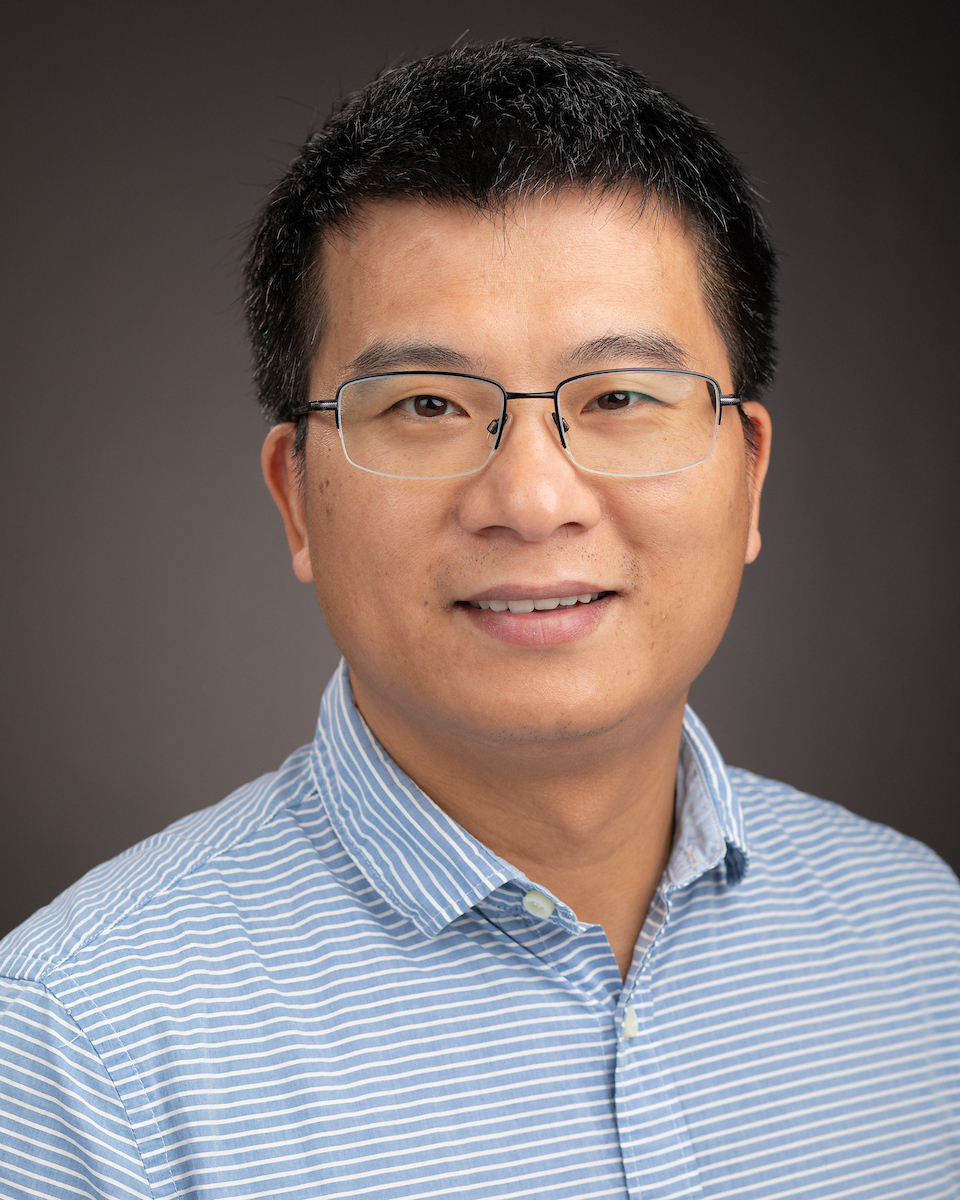
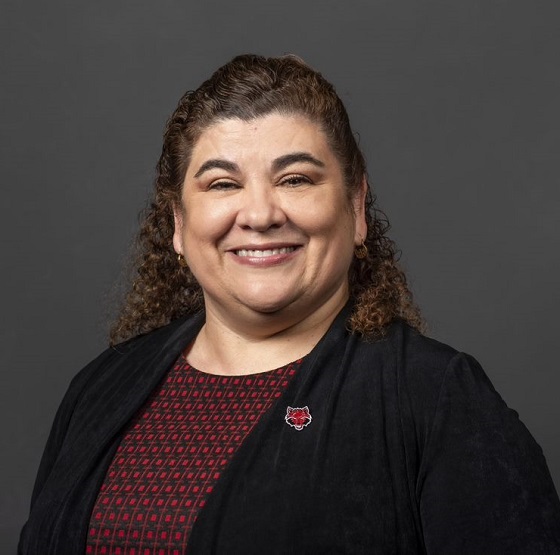
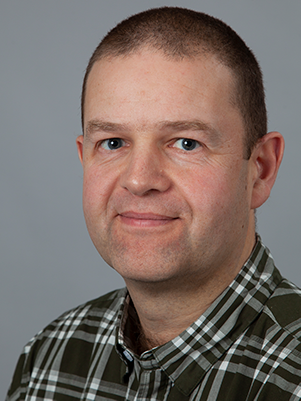
Karin Tremetsberger is a Privatdozent and researcher at the Institute of Botany , part of the University of Natural Resources and Life Sciences, Vienna (BOKU) . Her work focuses on plant genetics, biogeography, and conservation biology, particularly for steppe and ephemeral wetland species. Academic Background : Habilitation (2013), Dr. rer. nat. (2004), and Mag. rer. nat. (1999) from the University of Vienna. Her research explores genetic diversity , phylogeography , and adaptive mechanisms in plants facing climate change and habitat fragmentation. Key projects include assessing genetic diversity in steppe plants, studying epigenetic changes in ex situ conservation, and analyzing soil diaspore banks in ephemeral species. Recent publication trends highlight her expertise in Adonis vernalis , Krascheninnikovia , and Cyperus fuscus , with methodologies like genotyping-by-sequencing and molecular phylogenetics. She frequently presents at European botany and conservation conferences. Karin mentors students in plant genetics and conservation research , with supervised theses on topics like alpine vegetation dynamics and wetland seed bank ecology. She actively contributes to scientific societies as a peer reviewer for journals such as Molecular Ecology and Plant Systematics and Evolution .
Matthias Kropf is a Privatdozent (equivalent to Senior Lecturer) at the Institute of Integrative Nature Conservation Research, Department of Ecosystem Management, Climate and Biodiversity, at the University of Natural Resources and Life Sciences, Vienna (BOKU). His research spans multiple disciplines within botany and conservation biology, with particular expertise in phylogeography, steppe grassland ecology, orchid biology, and invasive species management. He maintains an active research program with numerous ongoing projects and collaborations across Europe. His educational background includes completing his dissertation in Botany (1998-2002), a post-doc at Mainz University's Institute of Special Botany (2002-2003), and habilitation in Special Botany (2008-2010). This strong foundation in plant systematics and ecology has informed his diverse research program. Kropf's primary research interests focus on the phylogeography of Central European steppe plants, particularly studying genetic diversity patterns across geographic ranges. His work on orchid pollination biology, especially color polymorphism in species like Dactylorhiza sambucina, has provided valuable insights into reproductive strategies. He also investigates invasive species like Ambrosia, cave crickets (Orthoptera), and beaver population genetics, often combining molecular techniques with traditional ecological field studies. An analysis of his recent publications reveals a consistent interdisciplinary approach that bridges molecular biology, ecology, and conservation science. His work frequently examines how historical biogeography influences current genetic diversity patterns, with practical applications for conservation management. The publications demonstrate strong collaborations across European institutions and address both fundamental scientific questions and applied conservation challenges. Scientific Awards: Multiple Scientific Awards from the Vienna Environmental Protection Department for Master's theses he supervised (2010, 2016, 2018, 2019) Young Investigator Prizes for Kristina Plenk at the 14th Eurasian Grassland Conference (2017) Early-career Scholarship for Species and Habitat Protection from Rhineland-Palatinate (1995) Kropf has supervised numerous Master's students whose research has been recognized with prestigious awards. His grant portfolio includes multiple projects funded by the Austrian Science Fund (FWF), the City of Vienna, and various federal agencies. Current projects include genetic diversity assessment of steppe plants, DNA barcoding of cave crickets, urban biodiversity studies on public transport areas, and long-term monitoring of orchid populations in Vienna's Lobau National Park. His work often involves interdisciplinary teams combining expertise in botany, entomology, and molecular genetics. He is actively involved in several research networks and teams, including the Lobau National Park conservation initiatives, the European Grassland Conference network, and collaborative projects studying the Pannonian steppe ecosystem. His work with the ABOL (Austrian Barcode of Life) initiative demonstrates his commitment to integrating cutting-edge molecular techniques into biodiversity conservation.
Corinna Schmiderer is a researcher at the Institute of Botany within the Department of Ecosystem Management, Climate and Biodiversity at the University of Natural Resources and Life Sciences, Vienna (BOKU). Her work focuses on plant biochemistry and genetics, with particular expertise in aromatic plants of the Lamiaceae family including sage, oregano, and marjoram species. Dr. Schmiderer's research primarily investigates plant genetic diversity, essential oil composition, and DNA-based identification methods for medicinal and aromatic plants. Her work spans phytochemical analysis of Origanum species across different geographic regions (Austria, Corsica, Syria), genetic diversity studies of Cistus species, and development of DNA metabarcoding techniques for plant authentication. She has made significant contributions to understanding how environmental factors and microbial interactions influence secondary metabolite production in plants. Her publication record shows consistent research output from 2008 to 2023, with recent work focusing on monoterpene synthases in sage species and intraspecific genetic diversity in Cistus plants. The research demonstrates strong interdisciplinary connections between plant genetics, biochemistry, and conservation biology, with applications in plant authentication, quality control of medicinal plants, and understanding evolutionary relationships. Dr. Schmiderer is currently involved in the research project "Assessment of the state of genetic diversity of steppe plants in Austrian dry habitats as a basis for the detection of future trends" (2024-2025), which examines genetic diversity of steppe plants in Austria's dry habitats to establish baseline data for monitoring future ecological changes. This project involves collaboration with the Institute of Integrative Nature Conservation Research and is funded by national companies.
Dr. Xiaojian Shao is an Adjunct Professor at the Department of Biochemistry, Microbiology and Immunology of the Faculty of Medicine, University of Ottawa, and a Research Officer at the Digital Technologies Research Center, National Research Council of Canada. His research focuses on Bioinformatics, Computational Biology, and Epigenomics , with expertise in Single Cell Genomics, Machine Learning, and Cell/Gene Therapy. University: University of Ottawa School: Faculty of Medicine Department: Department of Biochemistry, Microbiology and Immunology Academic Rank: Adjunct Professor Other Role: Research Officer, NRC Digital Technologies Research Center Emails: xiaojian.shao@nrc-cnrc.gc.ca, xshao2@uOttawa.ca Dr. Shao’s research spans epigenetic mechanisms in diseases, environmental impacts on methylomes, and computational methods for genomic analysis. His work includes: Cross-sectional studies on DDT/DDE exposure and sperm epigenome DNAmethylation changes in rheumatoid arthritis and dementia Development of software tools like DMEAS for methylation analysis Investigations into growth hormone effects and folate metabolism Single-cell sequencing applications in COPD and cancer Recent publications highlight trends in environmental epigenetics, disease biomarkers, and computational methods , including cross-continental studies on toxicology and neurodegenerative diseases. Dr. Shao collaborates with institutions such as the National Research Council of Canada and contributes to journals like Environmental Health Perspectives and Communications Biology .
Dr. Argelia Lorence is a Professor of Metabolic Engineering at Arkansas State University's Beck College of Sciences & Mathematics, Department of Chemistry and Physics. She holds the Vaughn Endowed Professorship and serves as Director of the A-State Phenomics Facility. Her research focuses on plant metabolic engineering, particularly vitamin C metabolism and its role in stress tolerance and aging delays, using model plants like Arabidopsis, tomato, and rice. Education: Ph.D. in Biotechnology from Universidad Nacional Autónoma de México (UNAM), M.Sc. in Biotechnology from UNAM, and B.Sc. in Biochemical Engineering from Universidad Autónoma Metropolitana-Iztapalapa (UAM-I), Mexico. Her work spans plant metabolic networks, engineering biosynthetic pathways for nutritional enhancement, and developing high-throughput phenotyping systems to study stress tolerance. She collaborates across disciplines to improve crop resilience and productivity in changing climates. The 2024-2022 publications highlight her contributions to ascorbate biosynthesis pathways, stress tolerance mechanisms, and advanced phenotyping technologies. Key themes include climate-resilient crops, genetic engineering for vitamin C optimization, and automated phenomic data analysis. Scientific Awards: Vaughn Endowed Professorship (2024, 2023, 2022, etc.). She leads the A-State Plant High Throughput Phenotyping Facility since 2011 and is affiliated with AAAS, NAPPN, NEAHPN, PSNA, and Sigma Xi. Teaching specialties include Molecular Genetics and Genomics, Biochemistry, and Topics in Molecular Biosciences.
Assoc. Prof. Dr. Tayfun KAYA is a prominent academic in the Department of Environmental Engineering at Ahi Evran University's Faculty of Engineering and Architecture. With a career spanning nearly two decades, he has established himself as a respected researcher and educator specializing in entomology and microbiology within environmental contexts. His academic journey began at Gazi University where he completed both his undergraduate and master's degrees in Biology before earning his PhD from Erciyes University. PhD in Biology (2009-2014), Erciyes University, Institute of Science Master's Degree in Biology (2005-2008), Gazi University, Institute of Science Bachelor of Arts in Biology (2000-2004), Gazi University, Kırşehir Faculty of Arts and Sciences Dr. Kaya's research primarily focuses on the intricate relationships between insects and their microbial symbionts, with particular emphasis on endosymbiotic bacteria like Wolbachia and Cardinium. His work spans agricultural entomology, environmental microbiology, and the ecological impacts of climate change on insect populations. He has made significant contributions to understanding how endosymbionts influence insect reproduction, behavior, and adaptation in various ecosystems. Analysis of Dr. Kaya's publication record reveals a strong concentration on entomological microbiology, particularly the study of endosymbiotic relationships in agricultural pests and forest insects. His research demonstrates a consistent trajectory from basic microbiological investigations to applied environmental studies addressing real-world agricultural and ecological challenges. The geographic focus of his work centers on Central Anatolia, particularly Kırşehir province, while also contributing to broader understanding of invasive species dynamics across Turkey. Dr. Kaya has successfully supervised multiple graduate students through their thesis work, including Özgür Demirel's research on chitin extraction from various insect species, Ibrahım Mohammed Ibrahım's work on keratin extraction from bird feathers, and Sümeyye Başak's investigation of maternally inherited endosymbiotic bacteria in flower beetles. His research has been supported by numerous projects, primarily funded by higher education institutions, with a total of 16 research projects and 1 intellectual property registration to his credit. His academic leadership extends beyond teaching and research, as evidenced by his appointment as Deputy Director of the Applied Research Center and membership on the Board of Directors at Kırşehir Ahi Evran University since 2021. Dr. Kaya maintains active collaborations with researchers both within Turkey and internationally, contributing to the global scientific community's understanding of insect-microbe interactions and their environmental implications.
Lars Erik Johannessen serves as Chief Engineer at the Natural History Museum, University of Oslo, within the Department of Technical and Scientific Conservation. Holding a Dr. scient. degree from the University of Oslo (2005) and a Cand. scient. from the University of Bergen (2000), he has established himself as a key figure in museum collection management and biodiversity research. His educational background includes doctoral research on "Effects of social rearing environment on song learning, paternity patterns and paternal investment" and master's work on terrestrial snail distribution in mixed oak forests. His research interests span Collections Management, DNA Banking, Ornithology, Zoology, Evolutionary Biology, and Sexual Selection, with a particular focus on sperm competition and behavioral ecology in birds. Analysis of his 15 most recent publications reveals a consistent focus on museum collections management, avian reproductive biology, and evolutionary studies. His work frequently examines sperm morphology across bird species, investigates Arctic specimen collections, and contributes to genomic studies of various species. The research demonstrates strong collaborative patterns with colleagues at the University of Oslo and international institutions. Johannessen's professional contributions include managing the NHM's DNA Bank, Bird Collection, and Mammal Collection, administering the Corema collection database, and serving on NHM's ABS (Access and Benefit Sharing) team. His work intersects museum science with cutting-edge genetic research, particularly in the context of the Nagoya Protocol. His laboratory and team work primarily involves the Evolutionary Gender Research – SERG group and previously contributed to the 'Things' knowledge of the Nordics' project. His technical engineering expertise supports advanced collection management systems and specimen preservation techniques that enable high-quality genetic research.
Shannon O'Leary serves as an Associate Professor in the Department of Biological Sciences at Saint Anselm College, contactable via soleary@anselm.edu or 1-603-641-7160. Her academic credentials include: Bachelor of Biological Sciences from Universität Konstanz, Germany PhD in Marine and Atmospheric Science from Stony Brook University, NY Dr. O'Leary specializes in molecular ecology and conservation genomics of marine fishes, utilizing genomic datasets to analyze population connectivity, environmental adaptation, and conservation applications. Her research integrates two primary frameworks: molecular identification techniques (DNA fingerprinting for aquaculture relationships, mixed stock analysis for natal habitat tracking, and genetic barcoding via environmental DNA) and microevolutionary process studies examining pollution/climate change impacts on genetic diversity. She actively incorporates data science methodologies into large-scale ecological analyses. Her research laboratory maintains an online presence at https://olab.netlify.app , supporting ongoing investigations in marine genomics and conservation.
Cihan TAŞTAN is an Assistant Professor in the Department of Molecular Biology and Genetics at Üsküdar University. He is also the director of the Transgenic Cell Technologies Application and Research Center (TRGENMER), CRISPR Valley, and the founding director of international initiatives including radichal.com and hi-dna.com. Dr. TAŞTAN graduated with honors from METU Molecular Biology and Genetics in 2011 and completed his PhD at New York University in Microbiology-Immunobiology in 2017. His doctoral research focused on human immune system cells and bacterial species interactions, followed by work at The Jackson Laboratory on CRISPR genome modification techniques. From 2017-2020, he served as R&D Unit Manager at Acıbadem LabCell Cell Laboratory developing CAR-T cell therapies. His research spans biotechnology, genetics, immunology, and molecular genetics with particular expertise in CRISPR gene editing, CAR-T cell therapy, synthetic biology, and DNA-based technologies. His recent publications demonstrate significant contributions to genetic engineering applications for rare diseases, cancer immunotherapy, and viral treatments. His 15 most recent publications show a strong focus on CRISPR technology applications, CAR-T cell development, and genetic therapies for conditions including muscular dystrophy, hemophilia, and cancer. The research demonstrates both theoretical innovation and practical therapeutic applications. En İyi Sözlü Bildirim Ödülü (V. Uluslararası Katılımlı Deneysel Hematoloji Kongresi) Ord. Prof. Dr. Süreyya Tahsin Aygün Araştırma Ödülü (3. Kök Hücre ve Hücresel Tedaviler Kongresi) HiDNA Initiative award (Sanofi-Pharmup Program) Yılın Sosyal Sorumluluk Projesi ödülü (Doktorclub Awards) EBM Outstanding Reviewer Award Dr. TAŞTAN has supervised numerous graduate students, with 13 master's theses listed in the document. His research is supported by multiple TÜBİTAK projects, with 25 active projects as of 2025 focusing on genetic therapies for conditions including glycogen storage disease, muscular dystrophy, Alzheimer's disease, and cancer. He leads the MESSAGE Science Mission, which explores genomic research in microgravity environments. He directs several research centers including TRGENMER (Transgenic Cell Technologies Application and Research Center) and CRISPR Valley, which develops and trains on CRISPR gene engineering technologies. His hiDNA initiative develops platforms using DNA-based cryptology, DNA barcoding, and blockchain technology for healthcare applications.
Dr. Lecturer Özge Şebnem ÇILDIR currently serves as a full-time Lecturer in the Department of Genetics at Kafkas University Faculty of Veterinary Medicine. Previously, she worked as a Researcher at Ankara University Faculty of Veterinary Medicine (2018-2021) and holds a PhD in Veterinary Genetics from Ankara University (2015-2022). PhD: Veterinary Genetics, Ankara University (2015-2022) Bachelor's: Veterinary Medicine, Ankara University (2009-2015) Her research focuses on veterinary genetics and animal genomics , with specific expertise in: CRISPR/Cas9 applications in livestock Heat stress response in cattle Genetic analysis of animal diseases Maternal phylogeny studies Next-generation sequencing techniques Comparative genomics in domestic animals Scientific contributions include: First identification of hereditary polycystic kidney disease in Turkish cats (2019) Whole-genome sequencing of radial hemimelia in cats (2021) Seasonal gene expression studies in Angora goats (2023) Genetic analysis of canine mammary tumors (2023) Key projects: Genetic basis of radial aplasia/hypoplasia (2018-2020) PALB2 gene analysis in canine mammary tumors (2019-2021) Awards: TÜBİTAK 2211/C Domestic Priority Areas Doctoral Scholarship (2019) Collaborators include researchers from: Ankara University University of California, Davis Bilkent University Labroots (2022 NGS training)
Margita Jadan is a Researcher at the Ruđer Bošković Institute , affiliated with the Division of Materials Chemistry and the Laboratory for Aquaculture Biotechnology . Her work bridges molecular biology and ecological conservation. Education : PhD in Biochemistry and Molecular Biology (2008), University of Zagreb. Research Interests : Focused on genetic diversity analysis of aquatic species, DNA barcoding for ecosystem assessment, and ecotoxicology of pharmaceuticals. Key areas include trout phylogenetics, fungal biodiversity, and conservation strategies in karstic and riverine habitats. Publications : Recent work spans ecosystem services (2019), pharmaceutical toxicity (2012), and phylogenetics of trout in Croatia (2005–2008). Her studies emphasize genetic tools for environmental monitoring and species preservation. Labs & Collaborations : Actively contributes to the Laboratory for Aquaculture Biotechnology and interdisciplinary projects like ForFungiDNA, integrating molecular techniques with ecological modeling.
Helena Bilandžija is a Senior Research Fellow at the Ruđer Bošković Institute in Zagreb, Croatia, specializing in Evolutionary Developmental Biology and Subterranean Ecology . Her work bridges Phenotypic Plasticity and Genetic Assimilation in cave organisms. Education: PhD in Biology (2007–2013), Ruđer Bošković Institute & University of Osijek Postdoc (2015–2017), University of Maryland BSc in Biology-Ecology (1999–2005), University of Zagreb Research Themes: Evolution of albinism via melanin pathway defects Role of catecholaminergic systems in cave adaptation Conservation of subterranean species like Congeria bivalves Epigenetic mechanisms in phenotypic plasticity Phylogeography of Dinaric Karst endemics Comparative transcriptomics across cave and surface species Grants: 2019–2024: €1M TTPP Grant for 'Evolution in the Dark' 2014–2017: €118k NEWFELPRO Postdoctoral Grant Scientific Awards: NEWFELPRO Fellowship (2014–2017) EMBO Short-Term Fellowship (2014) L'Oréal-UNESCO 'For Women in Science' Fellowship (2013) Best Poster at 21st International Conference on Subterranean Biology (2012) Her research spans Cavefish (Astyanax mexicanus) , Dinaric Karst Bivalves , and Isopod Crustaceans , with a focus on Genetic Adaptation , Environmental DNA , and Conservation of Subterranean Ecosystems . She collaborates with teams across Europe and North America, maintaining Cave and Surface Invertebrate Facilities for experimental studies.
Prof Brendan Wilhelmi is a Senior Lecturer in the Department of Biochemistry and Microbiology at Rhodes University, South Africa. With a career spanning over two decades, his expertise encompasses aquaponics, microbial ecology, enzyme-nanoparticle interactions, and environmental biotechnology. He previously held academic positions at the University of Fort Hare (2002), Technikon Witwatersrand (1999-2001), and the National Horseracing Authority of Southern Africa Laboratory (1997-1999, 1991-1993). Rhodes University (2009-present) University of Fort Hare (2002) Technikon Witwatersrand (1999-2001) National Horseracing Authority of Southern Africa Laboratory (1997-1999, 1991-1993) His research focuses on biochemical markers in soilless plant growth systems , utilizing metabarcoding and metabolomic approaches to study microbiome roles in aquaponics. Key projects include seasonal microbial diversity assessments, probiotic applications, and DNA barcoding for species identification. Publications emphasize aquaponic systems, nanoparticle-biochemistry interactions, and enzymatic studies in environmental and biomedical contexts. Recent publications highlight interdisciplinary trends in microbial community analysis , nanoparticle toxicity , and plant-fish ecosystem dynamics . He supervises active research on aquaponics microbiology and has graduated numerous MSc and PhD students specializing in topics spanning from nanoparticle neurotherapeutics to forensic entomotoxicology . He teaches core modules including Advanced Metabolism , Scientific Writing , and Biochemistry Building Blocks , while serving as Honours coordinator. Affiliations include Nelson Mandela Hall Fellow (2016-present) and leadership roles in departmental management (2013-2017 Head of Department of Biochemistry and Microbiology). Labs and teams: Leads research in aquaponics systems within the soilless plant growth research group, collaborating with microbiologists, chemists, and environmental engineers to optimize sustainable agricultural practices.
Henrik Krehenwinkel is a Full Professor (W3) in the Department of Biogeography at the University of Trier , Germany. His research integrates genomic tools with field and lab experiments to study biological responses to global environmental change , focusing on arthropod communities in Europe and Pacific islands, particularly Hawaii. Employment history: Full Professor at Trier (2022–present), Assistant Professor (2018–2022), Postdoctoral Researcher at UC Berkeley (2015–2018), and Max Planck Institute (2014). Education: PhD in Evolutionary Genetics (2013), Diploma in Biology (2009) from Ruhr University Bochum, and studies in Molecular Ecology at IISc Bangalore (2008). Research Interests center on evolutionary adaptation , ecological community dynamics , and environmental DNA (eDNA) applications . Key project themes include retrospective biodiversity analysis , rapid field detection tools , agricultural pest monitoring , and eco-evolutionary responses of metaorganisms . His lab also investigates extreme sexual selection in spiders and invasive species biosecurity . Publications highlight genomic approaches to biodiversity monitoring, including eDNA from archived herbaria , molecular gut content analysis , and third-generation sequencing for taxonomy . Awards include the Konrad Thaler Dissertation Prize (2016), DFG Postdoctoral Fellowship (2015–2017), and summa cum laude distinctions. Teaching includes courses on Molecular Biogeography , Tropical Biodiversity Excursions (India/Hawaii), and Biology of Arachnids/Fishes . He leads environmental specimen bank projects and develops user-friendly eDNA detection systems for agricultural applications.
Susan Kennedy is a Postdoctoral Researcher and Laboratory Manager at the University of Trier, Department of Biogeography within the Faculty of Spatial and Environmental Sciences. Her research focuses on island biology, arthropod community ecology, molecular gut content analysis, and spider biodiversity and systematics, utilizing DNA metabarcoding and other advanced molecular techniques. University: University of Trier School: Spatial and Environmental Sciences Department: Biogeography Email: kennedy@uni-trier.de Education: Ph.D. in Environmental Science, Policy and Management from UC Berkeley (2018) B.A. in Biology from Earlham College (2008) Research Interests: Susan's work explores the intersection of molecular ecology and island biogeography, with a focus on spider biodiversity and arthropod community dynamics. She employs DNA metabarcoding to analyze predator-prey interactions and ecosystem structure, particularly in Pacific island systems affected by anthropogenic disturbance. Recent Publications: Her research contributes to understanding biodiversity patterns through high-throughput DNA sequencing, including studies on spider gut microbiomes, genome evolution, and environmental DNA sampling. She has developed protocols for cost-effective metabarcoding and has investigated the role of habitat fragmentation in microallopatric differentiation. Scientific Awards: NSF Graduate Research Fellowship Program (2012-2017) NSF Graduate Research Internship Program (2016-2017) Outstanding Graduate Student Instructor Award (UC Berkeley, 2018) Bob Lane and Sandy Purcell Graduate Summer Award (UC Berkeley, 2017) Harvey I. Magy Memorial Scholarship (UC Berkeley, 2016) California Scholarship Fund (2016) Robert L. Usinger Memorial Award (UC Berkeley, 2015) Phi Beta Kappa induction (2008) Departmental and College Honors at Earlham College (2008) Millard S. Markle Award for Field Biology (Earlham College, 2008) Teaching Experience: She has served as Graduate Student Instructor for Spider Biology and Field Entomology at UC Berkeley, and as an SAT Instructor and Undergraduate Teaching Assistant at PowerScore and Earlham College, respectively. Her project 'Pacific Scanner' involves international collaboration across Germany, Japan, and the USA.