Dr. Laura Lindsay is a Lecturer in Anatomy & Histology at the University of Sydney's School of Medical Sciences. Her research focuses on reproductive biology, particularly uterine epithelial cell biology, pregnancy mechanisms, and fertility-related pathologies. She has contributed to studies on cell membrane dynamics, desmosome redistribution, and the role of zinc in non-hormonal contraception. Research Interests Cellular and molecular mechanisms of uterine receptivity Infertility and endometriosis pathogenesis Reproductive physiology across species Role of aquaporins and VEGF in pregnancy Publications Trends Her recent work emphasizes uterine epithelial cell adaptations during early pregnancy, membrane trafficking, and the impact of ovarian hyperstimulation. Key themes include cellular junction remodeling, zinc-based contraception, and comparative reproductive biology in mammals and marine species. Grants 2010: Hormone-responsive uterine epithelial cell culture and implantation process
James Smith is a Professor in the Department of Biological Sciences at Texas A&M University. He joined the department in 2010 and leads the Smith Lab, focusing on antimicrobial discovery and functional characterization. His academic background includes a B.S. in Biology and Secondary Science/Math Teaching (1996, Florida State University), an M.B.A. in Finance/Competitive Strategy (2002, University of Florida), and a Ph.D. in Biochemistry/Microbiology (2002, University of Florida). He completed postdoctoral research at Oragenics Inc. and previously held a faculty position at Mississippi State University. Smith's research emphasizes novel antimicrobial agents and their roles in understanding cellular/membrane physiology and developing therapeutic strategies. Key areas include biofilm inhibition, probiotic potential of oral microbiota, and antifungal agents like occidiofungin. His work bridges natural product discovery with synthetic chemistry and drug delivery systems, addressing microbial pathogenesis and antibiotic resistance. Publications highlight advancements in peptide analog engineering, antifungal mechanisms, and sustained drug delivery systems. Collaborative efforts explore clinical applications of antimicrobials in infection models and probiotic reservoirs. His lab continues to investigate enzymatic pathways in antimicrobial synthesis, contributing to both fundamental biology and translational medicine. No scientific awards are explicitly listed in the provided text. The Smith Lab Webpage provides further details on ongoing projects, funding, and team collaborations.
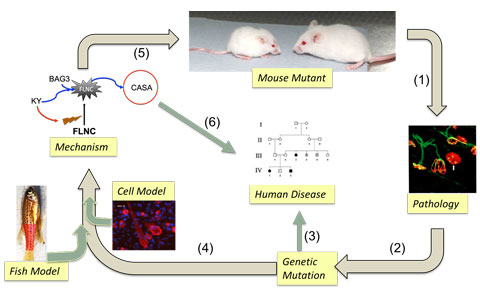
Dr. Gonzalo Blanco is a Senior Lecturer in the Department of Biology at the University of York. His research focuses on understanding the mechanisms underlying skeletal muscle plasticity, particularly the role of Z-disc proteins like KY and ZAK in muscle adaptation and disease. He explores how mechanical stress signals trigger transcriptional changes and protein turnover via autophagy pathways. His work uses mouse, fish, and cellular models to study rare genetic myopathies, such as those caused by ZAK mutations. Collaborations include projects with Betsy Pownall investigating ZAK signaling pathways and muscle integrity. Teaching involves a module on human genetics, where students analyze pedigrees, calculate genetic risks, and use research papers to interpret disease mechanisms. He emphasizes hands-on lab techniques and innovative projects in science communication, such as creating media pieces to explain biomedical discoveries. Key grants include the CFH1 Research Project (2017–2018) on ZAK-linked myopathy models and C2D2 initiatives exploring Z-disc proteins' roles in muscle function. His research bridges mouse models and human conditions, aiming to identify therapeutic targets for rare muscle disorders.
Min Wu is an Associate Professor in the Department of Cell Biology at Yale University, part of the Yale School of Medicine. She holds affiliations with the Biochemistry, Quantitative Biology, Biophysics and Structural Biology (BQBS) program, the Cell Biology Center, the Cancer Signaling Networks group, the Center for Biomedical Data Science, and the Molecular Cell Biology, Genetics, and Development program. Her research focuses on cellular oscillations, membrane curvature dynamics, and cell size homeostasis. Prior to Yale, she was an Associate Professor at the National University of Singapore and a National Research Foundation Fellow. Education: BSc in Chemistry from Peking University (2000), DPhil in Chemistry from Cornell University (2006). Postdoctoral training at Yale University under Pietro De Camilli. Her work bridges cell biology, biophysics, and systems biology, with key contributions to reconstituted endocytic systems and cortical wave mechanisms. Research Interests: Endocytic trafficking mechanisms, actin wave dynamics, phosphoinositide signaling, and the biophysical principles governing cell size and shape. Her lab investigates how oscillations and waves coordinate cellular processes, with implications for cancer signaling and developmental biology. Awards: Recognized as a National Research Foundation Fellow. Her research has been highlighted in high-impact journals like Nature Cell Biology, Developmental Cell, and Cell Reports. Collaborations span disciplines, including with the Mechanobiology Institute and the Center for Bioimaging Sciences. Labs/Teams: Leads the Wu Lab, which employs advanced microscopy and systems approaches to study single-cell dynamics. Engages in interdisciplinary projects, integrating computational modeling with experimental cell biology.
Wenxiang Cao is a Research Scientist in the Department of Molecular Biophysics and Biochemistry at Yale School of Medicine. His research focuses on the biophysical and biochemical mechanisms of protein enzymes and the mechanical properties of protein polymers. He holds a PhD in Physics from Northeastern University (2003) and completed a postdoctoral fellowship at Yale University (2008). Key research areas include actin filament mechanics, cryo-electron microscopy (Cryo-ET) method development, and the structural basis of protein interactions. Notable contributions include studies on cation-induced stiffening of actin filaments and phosphate release mechanisms in actin-branching complexes. His work frequently involves collaborations with researchers like Enrique De La Cruz and Chuck Sindelar, yielding over 60 peer-reviewed publications. Awards include an American Heart Association Postdoctoral Fellowship (2006). Current affiliations include the Yale School of Medicine and the Molecular Biophysics and Biochemistry department. Research highlights include quantitative studies of ENPP1 variants in bone disease and structural analysis of bacterial microcompartments using Cryo-ET.
Jesús Avila serves as a Research Professor at the Spanish National Research Council (CSIC), specializing in molecular neuropathology with focus on tau protein mechanisms in neurodegenerative disorders. His work is affiliated with the Molecular Neuropathology program at the Center of Molecular Biology Severo Ochoa, a joint institution of CSIC and the Autonomous University of Madrid. Previously, he directed this center during 1984-1986 and 2002-2004. Avila's research centers on tauopathies, particularly Alzheimer's disease pathogenesis. His investigations explore tau protein's role in neuronal cytoskeleton disruption, mechanisms of tau hyperphosphorylation via GSK-3beta, extracellular tau neurotoxicity, and caspase activation pathways. His experimental approaches utilize transgenic mouse models to dissect molecular pathways linking tau dysfunction to hippocampal degeneration and cognitive deficits. Analysis of his 2010 publications reveals a cohesive research trajectory examining tau-GSK-3beta interactions across multiple experimental systems, with consistent focus on therapeutic intervention points for neurodegenerative processes. His work bridges basic molecular mechanisms with translational implications for Alzheimer's disease treatment. Key scientific recognitions include: National Research Award Santiago Ramón y Cajal Lilly Foundation Award in Biomedical Research Pfizer Prize Foundation for Aging and Quality of Life Medal of the University of Helsinki Membership in the Royal Academy of Exact, Physical and Natural Sciences As director of the Center of Molecular Biology Severo Ochoa during two distinct periods, Avila demonstrated significant leadership in Spanish neuroscience. His current position within CSIC's Molecular Neuropathology program continues to advance understanding of tau-related neurodegeneration, with implications for diagnostic and therapeutic development in age-related cognitive disorders.
Joshua Smalley is a Research Assistant Professor in Neuroscience at Tufts University School of Medicine, Boston, MA. He holds expertise in biochemistry, neuroscience, and bioinformatics with a focus on GABA A receptors, ion transport mechanisms, and large-scale 'omic' technologies. Education: B.Sc. Biochemistry, University of Surrey, UK M.Sc. Toxicology, University of Surrey, UK Ph.D. Genetics & Bioinformatics, MRC Toxicology Unit, UK Research Interests: Josh's work centers on understanding GABA A receptor subunit composition, their interactions with proteins, and pharmacology. He develops bioinformatic tools like the connectivity map (cMap) to identify novel drug targets for neurological diseases. Key areas include ion channel regulation (Kv2.1, KCC2), synaptic plasticity, and neurodegenerative disease mechanisms. Publications Trends: Recent articles highlight advancements in KCC2 function (e.g., epilepsy treatment, neuron survival) and GABAA receptor assembly. Cross-cutting themes include drug discovery via 'omic' data and translational neuroscience applications. Grants & Collaborations: His postdoctoral training included collaborations with Genometry Inc. (Boston), University of Leicester, and Tufts University labs. Research has spanned academic-industry partnerships focused on neuropharmacology and computational biology. Labs & Teams: Affiliated with the Tufts University School of Medicine Neuroscience department, contributing to multidisciplinary projects on inhibitory neurotransmission and neurological disorder treatments.
Boris Kholodenko is a Professor at Yale School of Medicine, specializing in systems biology and cancer research. His work focuses on understanding cellular signaling networks, drug resistance mechanisms, and cell state transitions in cancer. Key research areas include computational modeling of signaling pathways, ERK signaling inhibition, and therapeutic target identification in oncology. Research Interests: Cell signaling, cancer biology, systems biology, drug resistance, computational modeling, and network dynamics. Recent Publications Highlight: Analysis of endothelial cell cycle regulation in vascular remodeling (Science Advances, 2025), and development of drug combinations for RAS-mutant leukemia (Blood, 2024). Collaborations: Works with researchers like Oleg Rukhlenko, William Kolch, and Martin Schwartz on cancer cell state transitions and signaling networks. His articles emphasize interdisciplinary approaches combining systems biology with clinical oncology, particularly targeting ERK signaling and therapeutic strategies to reverse pathological cell states.
Prof. Phill Stansfeld is a Professor of Computational Biochemistry at the University of Warwick. His research focuses on visualizing biomolecular machines, particularly integral membrane proteins, using computational methods like molecular dynamics simulations. Key interests include bacterial membrane proteins, antimicrobial resistance mechanisms, and lipid-protein interactions. His group develops tools such as MemProtMD, CG2AT, and PyLipID to study membrane protein dynamics and interactions. Education: PhD Biochemistry, University of Leicester (2007) BSc Biological Sciences (1st Class), University of Edinburgh (2003) Research Interests: His work targets fundamental challenges in membrane protein structural biology, including peptidoglycan biogenesis, lipopolysaccharide transport, protein secretion, and lipoprotein maturation. By animating static protein structures via simulations, his group explores drug-binding mechanisms and essential bacterial processes to combat antimicrobial resistance. Labs/Teams: Head of the Stansfeld Research Group, affiliated with the Howard Dalton Centre for Mechanistic Enzymology and Centre for Computational Chemistry at the University of Warwick.
José M. Valpuesta is a Full Professor and Head of Department at the Centro Nacional de Biotecnología (CNB-CSIC) since 2013. He has held leadership roles including Director (2007-2013) and Vicedirector (2006-2007) of CNB-CSIC. His academic career spans over three decades, starting with his PhD from Universidad del País Vasco (1985) and postdoctoral research at the Laboratory of Molecular Biology in Cambridge (1986-1989). Research focuses on structural biology, molecular chaperones, protein folding, and electron microscopy. Notable achievements include groundbreaking studies on CCT (TRiC) chaperonin complexes and influenza virion structures. His work bridges microscopy techniques with molecular mechanisms, particularly in cellular protein homeostasis and cytoskeleton dynamics. Key awards include the FEI Award (2004) and Bruker Award (2002). He has secured international grants from EU, HFSP, and NIH, and serves as Chief Editor for the Encyclopedia of Life Sciences (ELS) Structural Biology section. Professional memberships include leadership roles in the Spanish Microscopy Society and evaluation roles for global funding agencies. Valpuesta’s lab at CNB-CSIC investigates macromolecular complexes using advanced imaging and biophysical methods. His interdisciplinary approach addresses fundamental questions in cellular biology with implications for diseases linked to protein misfolding and cellular stress responses.
Flavia Valtorta is a Full Professor of Pharmacology and Dean of the Medical School at San Raffaele Vita-Salute University in Milan. She leads the Neuropsychopharmacology Unit at the San Raffaele Scientific Institute and has held numerous leadership roles, including Director of the Division of Neuroscience and President of the National Committee on Doping. Her research focuses on synaptic function, synaptic vesicle dynamics, and protein phosphorylation in neurological disorders. Valtorta holds a Doctor of Medicine from the University of Milan (cum laude) and completed postdoctoral training at The Rockefeller University under Nobel laureate Paul Greengard. Her research interests include synaptic development, neurotransmission, and the molecular mechanisms underlying synaptopathies. Key achievements include identifying the alpha-latrotoxin receptor and discovering phosphorylation-dependent links between synaptic vesicles and the cytoskeleton. She has secured grants from the European Union, Telethon, and multiple foundations. Awards include the Harvard-Armenise Neuroscience Award and the Novartis Prize for Basic Research in Neuroscience. Valtorta has served on review panels for INSERM, CNRS, and the NIH. Her work spans over 150 peer-reviewed publications in journals like Science, Nature, and Neuron. She is a member of the Academia Europaea and Top Italian Women Scientists (TIWS).
Artem Ayuyan, PhD is an Assistant Professor in the Department of Physiology and Biophysics at Rush Medical College, Rush University. His research focuses on membrane biophysics, ion channel physiology, and lipid raft dynamics. He holds a PhD from the Frumkin Institute of Electrochemistry in Russia. Key research interests include voltage-gated proton channels, cholesterol's role in plasma membranes, and Na,K-ATPase ion transport mechanisms. His work integrates biophysical techniques with electrochemical analysis. He is affiliated with the Fredric Cohen laboratory at Rush University. Publications span topics like membrane protein dynamics, lipid peroxidation effects, and electrostatic interactions in proton channel gating. Collaborators include leading figures such as Thomas DeCoursey and Fredric Cohen. No awards or grants are explicitly listed in available records.
Jeff Dason is a Professor in the Faculty of Science at the University of Windsor, currently serving as the Faculty of Science research chair. His work focuses on neuroscience, particularly synaptic development and neurotransmission mechanisms. He leads research on topics such as phosphatidylinositol kinases, cholesterol’s role in synaptic growth, and molecular pathways regulating synapse formation. Dr. Dason is actively involved in academic initiatives, including organizing the UWindsor Brain Bee competition for high school students. His research spans molecular biology, cellular neuroscience, and genetics, with contributions to understanding synaptic physiology and neurodevelopmental processes. Research Interests: Neurotransmission dynamics Synaptic plasticity and development Role of lipids and kinases in neuronal function Genetic and molecular regulation of synapse formation Recent publications highlight advancements in understanding phosphatidylinositol 4-kinase functions, cholesterol’s impact on synaptic structures, and the role of the foraging gene in Drosophila behavior. His work bridges basic molecular mechanisms with broader implications in neurological disorders.
Dr. Jeffrey van Haren is an Assistant Professor at Erasmus MC, a leading academic medical center in the Netherlands. His research centers on the molecular and mechanical regulation of neuronal development, with a strong emphasis on cytoskeletal dynamics, particularly microtubules and actin. His research interests span microtubule dynamics , growth cone behavior , neuronal differentiation , and the biophysical properties influencing neural network formation. He integrates advanced techniques such as optogenetics, high-resolution microscopy, and nanostructured substrates to investigate how mechanical and molecular cues guide neuron development. The recent trend in his publications reveals a strong focus on the cytoskeleton in neuronal morphogenesis , with key contributions on microtubule stabilization by doublecortin, actin isoform function via novel tagging methods, and the role of mechanical environments in directing neuronal growth. His work bridges cell biology, neuroscience, and biophysics, often involving interdisciplinary collaborations. He has contributed to significant findings in gene regulation and epigenetics, particularly in the context of developmental silencing and neuronal differentiation, as seen in studies involving USP7 and enhancer recruitment mechanisms. No scientific awards are explicitly mentioned in the provided text. Dr. van Haren is actively involved in collaborative research projects, frequently co-authoring with experts in biophysics, epigenetics, and neuroscience. His work includes securing datasets and contributing to open-access research, indicating active grant involvement and team leadership. He is a contributor to datasets related to growth cone dynamics and optogenetic tools, suggesting leadership in data generation and sharing. He is part of a dynamic research network at Erasmus MC, collaborating on projects involving advanced imaging, nanoengineering, and molecular perturbation tools. His lab or research group likely focuses on cytoskeletal regulation in neural contexts, leveraging both genetic and biophysical approaches to dissect mechanisms of neuronal development.
Dr. Joan E. Adamo serves as Director for Regulatory Support Services at the University of Rochester's Clinical and Translational Science Institute and holds an adjunct faculty appointment in the Department of Biomedical Engineering, School of Medicine and Dentistry. With extensive experience bridging academic research and regulatory frameworks, she provides critical guidance on FDA-compliant clinical studies and serves as a key liaison between university investigators and regulatory agencies. Her educational background includes a PhD in Molecular Biology from Weill Graduate School of Medical Sciences of Cornell University (2001) and a BS in Biochemistry from Cornell University (1996). Prior to her current role, she served as a researcher and regulator at the FDA's Center for Biologics Evaluation and Research, where she focused on vaccine development for Influenza, Smallpox, and West Nile Virus while conducting international inspections of vaccine manufacturers. Dr. Adamo's research centers on Regulatory Science – developing tools and standards for assessing product safety and efficacy across the development lifecycle. Her work spans vaccine virology, clinical trial compliance, and innovative regulatory approaches for emerging technologies like additive manufacturing and omics-based precision medicine. She actively shapes national policy through consortium leadership, including co-chairing the Regulatory Science workgroup for FDA-Academic-NIH initiatives and developing sponsor-investigator training programs. Her publication record reveals an evolution from foundational molecular virology research (1999-2012) to contemporary regulatory science (2014-2023), demonstrating expertise in translating basic science into compliant clinical applications. Recent work addresses critical gaps in expanded access programs, GLP infrastructure financing, and regulatory frameworks for novel medical technologies. As an educator, Dr. Adamo co-teaches Medical Device Innovations courses covering FDA challenges and commercialization pathways, while supporting trainees through the NIH-Supported URBEST program. She regularly delivers lectures on regulatory topics across the university and co-developed curricular guidelines for Regulatory Science competencies, significantly expanding institutional capacity for compliant translational research. Through her leadership in the Clinical and Translational Science Award Consortium, Dr. Adamo has established robust frameworks for preclinical GLP compliance and IND/IDE-governed studies at academic institutions. Her operational innovations include developing financial models for quality assurance programs and creating standardized processes for navigating complex regulatory landscapes in academic medical centers.