Josephus Vermeer is a Professor at the Institute of Biology, Faculty of Science, University of Neuchâtel. Since 2019, he has led the Laboratory of Molecular and Cellular Biology, focusing on plant organogenesis and mechanobiology. PhD in Cell Biology, University of Amsterdam (2006) Postdoc at University of Amsterdam (2006-2011) Marie Curie Fellow at University of Lausanne (2011-2013) Swiss National Science Foundation (SNSF) Professor at University of Zurich (2013-2019) His research investigates how regulated volume loss and mechanical forces coordinate organogenesis in plants, using lateral root formation as a model system. Key areas include: Cell communication during organ adaptation Cytoskeleton dynamics in mechanical conflict resolution Suberin biosynthesis and degradation Turgor pressure regulation Cell wall remodeling Imaging-based mechanodetection His publications reveal trends in plant mechanotransduction, with recent work expanding to monocot models like Brachypodium distachyon. Awards include Marie Curie and SNSF fellowships. Lecturer: 'Molecules to Cells' (Medicine, Biology) Master's Seminars in Ecology and Sustainability Plant Molecular Genetics Teaching
Diana White is an Associate Professor in the Department of Mathematics at Clarkson University's Coulter School of Engineering & Applied Sciences. She is affiliated with the Institute for a Sustainable Environment and the Institute for STEM Education. Holding a PhD (2013) and MSc (2008) in Mathematics and Statistical Sciences from the University of Alberta, and a BSc (2006) in Mathematics and Physics from Memorial University of Newfoundland, she teaches courses ranging from Calculus to graduate-level Bio-Mathematics Seminars. As a Mathematical Biologist, her research spans intracellular dynamics (microtubules, liver metabolism, cancer drug interactions) and ecological modeling (invasive watermilfoil in Norwood Lake). She develops differential equation models and computational simulations to address clinical and environmental challenges. Key Research Areas: Intracellular dynamics (microtubule organization, cancer treatment) Invasive species modeling (Eurasian watermilfoil) 3D computational biology (virtual liver) Recent Trends: Focus on retinal detachment dynamics (2024) Machine learning applications for biocontrol (2022) Microtubule dynamic instability studies (2017-2024) White advocates for women in science through involvement with WISEST and Clarkson initiatives. Her work integrates interdisciplinary approaches to solve complex biological systems.
Robin Young is an Associate Professor of Teaching in the Department of Biology within the Irving K. Barber Faculty of Science at the University of British Columbia Okanagan campus. With an office in SCI 159, Dr. Young maintains active teaching and research programs focused on plant cellular processes and science education methodology. Dr. Young's educational background includes: B.Sc. from McMaster University M.Sc. from Université de Montréal Ph.D. from UBC Vancouver Post-Doctoral Research at Simon Fraser University Research interests center on Plant Cell Biology, Organelle Morphology, and Plant Cell Wall Synthesis . Dr. Young's work examines cellular mechanisms in Arabidopsis seed coat cells, particularly investigating cellulose synthesis, Golgi apparatus function, and microtubule organization. Their research combines advanced microscopy with molecular techniques to understand plant cell structural development. Publication analysis reveals an evolution from endoplasmic reticulum studies (2002-2009) to specialized plant cell wall research (2008-2015), culminating in innovative science education approaches (2021). The work demonstrates consistent scholarly output across two decades with increasing focus on plant-specific cellular mechanisms. Dr. Young teaches Introductory Biology, Cell Biology, Developmental Biology, and Biochemistry courses. Their 2021 publication on the press release assignment demonstrates commitment to developing effective methods for teaching scientific literacy and communication skills in large undergraduate classes.
Rasmus Linser is a Professor of Biomolecular NMR Spectroscopy at the Technical University of Dortmund, where he holds a W3 chair position in the Faculty of Chemistry and Chemical Biology, Department of Physical Chemistry. His research group develops and applies state-of-the-art NMR spectroscopic methods to investigate protein structure and dynamics, with particular expertise in both solid-state and solution NMR techniques. The Linser group is part of the Excellence Cluster RESOLV and the International Max-Planck Research School for Life Sciences. Dr. Linser received his Diploma in Chemistry from the University of Göttingen and Universidad Autónoma de Madrid in 2006, followed by a PhD at the Leibniz Institute for Molecular Pharmacology in Berlin. His academic journey included research positions at UNSW Sydney, Harvard Medical School, and the Max Planck Institute for Biophysical Chemistry before his appointment as W2 Professor at LMU Munich (2016-2019) and subsequently as W3 Professor at TU Dortmund (2019-present). Linser's research focuses on innovative elucidation of protein structure, dynamics, and function using NMR spectroscopy. His group has pioneered methods in proton-detected solid-state NMR, particularly for studying proteins without deuteration. Current research areas include protein conformational dynamics, membrane proteins, epigenetic readers, and methodological advances in high-dimensional NMR. The group maintains two high-field (700 and 800 MHz) Bruker spectrometers in their newly established laboratory in the CCB building at TU Dortmund. The Linser group's recent publications demonstrate significant contributions to understanding protein dynamics, allosteric regulation, epigenetic mechanisms, and NMR methodology development. Their work spans structural biology, biophysics, epigenetics, and materials science, with particular emphasis on how protein dynamics govern biological function. The group has developed innovative approaches for studying large proteins and membrane systems using advanced NMR techniques. Scientific Awards and Recognition: ERC Consolidator grant 'bypassNMR' (2023) Internationalization Award of TU Dortmund (2024) Felix Bloch Lecture Award for excellence in NMR spectroscopy (2015) Emmy Noether funding from the German Research Foundation Discovery Early Career Research Award from the Australian Research Council Liebig fellowship from the Association of the Chemical Industries Professor Linser serves on the Executive Committee of the Experimental NMR Conference (ENC) and is actively involved in mentoring PhD students and postdoctoral researchers. His group has successfully guided multiple students to completion of their doctoral theses, with publications in high-impact journals including Nature Communications, Nucleic Acids Research, Angewandte Chemie, and PNAS. Current research is supported by multiple grants including the ERC Consolidator grant, DFG SFB 1309, and membership in the Excellence Cluster RESOLV. The Linser laboratory maintains strong collaborations with the Max Planck Institute for Molecular Physiology and participates in the International Max-Planck Research School for Chemical and Molecular Biology. The group's facilities include state-of-the-art NMR instrumentation and protein expression/purification capabilities, enabling comprehensive structural and dynamic studies of biological macromolecules.
Dr. Leif Dehmelt is a researcher in the Department of Chemical Biology at TU Dortmund University , focusing on cell shape dynamics and signal network regulation. His work combines optogenetics , microscopy-based perturbations , and theoretical modeling to study self-organizing cellular systems. Research Interests : Decoding how Rho GTPase networks coordinate cell protrusion-retraction cycles Investigating excitable signaling systems in subcellular contraction patterns Developing light-controlled molecular tools (e.g., Molecular-Activity Painting) for cellular manipulation Exploring cytoskeletal self-organization in neuronal and epithelial cell development Methodological Focus : Acute experimental perturbations Computational modeling of reaction-diffusion dynamics High-resolution live cell imaging Interdisciplinary approaches bridging chemistry and biology Dr. Dehmelt actively seeks collaborators and students for his lab. His research contributes to understanding how molecular networks generate complex cellular behaviors, with implications in cancer and developmental disorders .
Nimrod Deiss-Yehiely is an Assistant Professor in the Department of Gastroenterology at the University of Chicago, focusing on clinical and translational research in gastrointestinal disorders. His work bridges cellular mechanisms with patient care outcomes across diverse areas including esophageal diseases, liver transplantation, and colorectal cancer screening. Research interests span Gastroenterology , Hepatology , and Transplantation Medicine , with significant contributions to understanding eosinophilic esophagitis complications in bariatric surgery, psychosocial factors in liver transplant eligibility, and advanced screening methods for colorectal neoplasms. His early career included foundational cell biology work on ion transport and exocytosis mechanisms. Publication trends reveal a strategic evolution from basic cell biology (2014-2016) toward clinically impactful gastroenterology research (2020-2024), particularly in transplant hepatology and endoscopic screening technologies. Key publications demonstrate expertise in both mechanistic studies and large-scale clinical analyses, with recent work in JAMA and Journal of Gastrointestinal Surgery addressing critical gaps in celiac disease management and surgical outcomes. No scientific awards are currently documented in the profile. While specific mentoring activities aren't detailed, collaborative patterns indicate active involvement in multi-investigator studies across gastroenterology and transplantation domains. Major publications consistently involve interdisciplinary teams from hepatology, radiology, and surgery departments, suggesting engagement in institutional research consortia focused on gastrointestinal disease management.
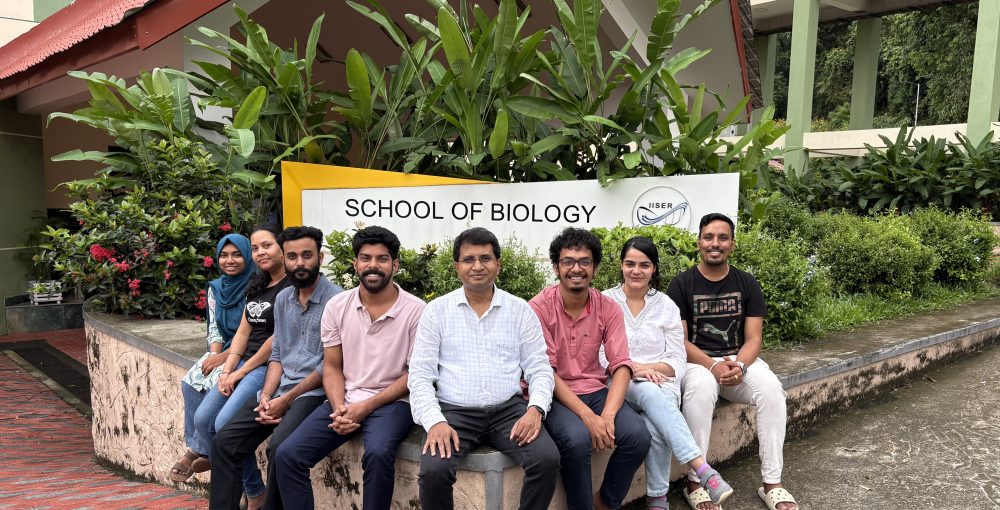
Bandan Chakrabortty is an Assistant Professor at the School of Biology , Indian Institute of Science Education and Research Thiruvananthapuram. His research focuses on biomechanical principles of morphogenesis and computational modeling of biological processes.
Dr. Tapas K. Manna is an Associate Professor at the School of Biology, Indian Institute of Science Education and Research Thiruvananthapuram . He holds a Ph.D. in Biochemistry (2004) from Jadavpur University and an M.Sc. in Chemistry (1997) from Calcutta University. His research focuses on kinetochore and centrosome biology , chromosome segregation , and mitotic spindle regulation in mammalian cells. Ph.D. in Biochemistry, 2004 (Jadavpur University, Bose Institute) M.Sc. in Chemistry, 1997 (Calcutta University) Manna's work explores the molecular mechanisms governing kinetochore-microtubule interactions , centrosome biogenesis , and mitotic checkpoint activation . His research combines biochemical , cell biological , biophysical , and imaging techniques to identify therapeutic targets for cancer and chromosomal disorders . Over the last decade, his publications have emphasized centriole duplication , ubiquitin signaling , microtubule dynamics , and spindle pole organization . Scientific Awards : S. Ramachandran National Bioscience Award (2019) Manna has received extramural funding from DST, CSIR, DAE, and DBT. His lab has mentored numerous students, including Ph.D. candidates and project fellows , many of whom have pursued postdoctoral work or Ph.D. programs internationally. His team investigates centrosome signaling pathways and mitotic regulation , with recent studies on CKAP5 and FBXW7 roles in chromosome stability .
Marion Jasnin is a Principal Investigator at the Helmholtz Pioneer Campus (Helmholtz Munich), leading the Cryoskeleton Lab since 2022. Her research focuses on elucidating the structural principles of actin networks in cellular processes such as cell invasion and contractility using cryo-electron tomography (cryo-ET). Education: PhD in Biophysics from Joseph Fourier University (2007), postdoctoral training at Max Planck Institute for Biochemistry (2010-2016) and Institut Laue-Langevin (2008-2009). Research Focus: Investigates actin cytoskeleton diversity via cryo-ET, aiming to link molecular architecture to cellular functions like force generation and disease mechanisms. Publications: Recent work includes studies on actin remodeling in insulin secretion, synthetic cell division mechanisms, and cryo-ET dataset simulation. Scientific Awards: Recipient of HFSP Program Grant (2016-2021), ANR-DFG grants (CryoAdhesome, ACTIS), Marie Curie and EMBO fellowships, and multiple institutional scholarships. Labs & Collaborations: Established a consortium with Institut Jacques-Monod, LPTMS, and Sorbonne University to model podosome mechanics across scales (MIC grant 2020-2023).
Brad Nolen is a Professor in the Department of Chemistry and Biochemistry at the University of Oregon's College of Arts and Sciences, where he has led the Nolen Lab since Fall 2008. His laboratory investigates the molecular mechanisms of cytoskeleton regulation, with primary focus on actin dynamics and Arp2/3 complex function in cellular processes including motility, division, and pathogen invasion. Dr. Nolen earned his B.A. from Missouri State University (1997), followed by M.S. and Ph.D. degrees from the University of California, San Diego (1999, 2003) under Gourisankar Ghosh, and completed postdoctoral training at Yale University (2003-2008) with Thomas D. Pollard. His research integrates biochemistry, biophysics, x-ray crystallography, and molecular dynamics simulations to dissect actin nucleation mechanisms, utilizing Schizosaccharomyces pombe as a genetically tractable model system for structural and cellular studies. The Nolen Lab's work centers on Arp2/3 complex activation by WASp/Scar proteins and regulation by factors like coronin and GMF, with significant implications for understanding cancer metastasis (where Arp2/3 enables tumor cell invasion) and infectious disease (where pathogens hijack the complex). Their discovery of small-molecule inhibitors CK-666/CK-869 represents a major advance in targeting cytoskeletal dynamics for therapeutic applications. Dr. Nolen's contributions have been recognized through: Ruth L. Kirschstein National Research Service Award (2004) AAAS Mass Media Fellowship (2002) American Heart Association Postdoctoral Fellowship (2001) UCSD Molecular Biophysics Training Grant (1998) He actively mentors students and researchers, including Andrew Wagner (recipient of 2015 AHA Predoctoral Fellowship for WDS protein research), Luke Helgeson (whose paper was selected for 'Best of JBC, 2014'), and Connor Balzer. The lab maintains strong funding for investigations into structural mechanisms of cytoskeletal regulation and regularly recruits postdocs, research assistants, and graduate students through the University of Oregon's biochemistry program.
Nicola S. Meagher is a Cancer Institute NSW Early Career Fellow and Research Fellow at the University of Sydney's Faculty of Medicine and Health, based at the Daffodil Centre. She is an early career researcher working at national and international levels to improve outcomes for patients with ovarian cancer. Position: Research Fellow Institution: University of Sydney, Faculty of Medicine and Health Research Hub: Hub 2 (Improving outcomes for people at higher risk of cancer) and Hub 4 (Advancing research and modelling methods) Stream of work: Ovarian Cancer Nicola's research focuses on using large epidemiological datasets to answer critical questions about factors that improve prognosis in ovarian cancer and understanding optimal testing and treatment approaches. Her work particularly emphasizes mucinous ovarian cancer, a rare histological subtype, where she has made substantial contributions to diagnostic and clinical treatment guidelines. Her research is enabled through large epidemiological datasets from the Ovarian Cancer Association Consortium (OCAC) and other large cohorts. She also has expertise working with linked administrative health datasets and clinical cohorts for research. Her publication record shows a strong focus on ovarian cancer pathology, molecular markers, and epidemiology, with recent work examining racial and ethnic differences in ovarian cancer risk, immune landscape profiling, and biomarker validation. Her research demonstrates a consistent trajectory toward understanding the molecular and epidemiological factors that influence ovarian cancer outcomes. 2024 Australia New Zealand Gynaecological Oncology Group Michael Friedlander AM award for emerging researcher 2025 Penny Taylor prize for ovarian cancer research excellence Nicola is actively involved in professional organizations including the Australia and New Zealand Gynaecological Oncology Group (ANZGOG) Ovarian Tumour Working Group and the Ovarian Cancer Association Consortium Epidemiology Working Group. Her international collaborations span Australia (Ovarian Tumor Tissue Analysis consortium) and the United States (OC3 Ovarian Cancer Cohort Consortium and Ovarian Cancer Association Consortium).
Philippe Bastin is a full Professor and Director of the Trypanosome Cell Biology Unit at Institut Pasteur and INSERM U1201, Paris. He also chairs the Labex IBEID program (Integrative Biology of Emerging Infectious Diseases) and leads multiple international collaborations. University Paris-Descartes (HDR, 2005) Université Catholique de Louvain (PhD, 1993; Degree, 1989) His research focuses on Trypanosoma brucei and Toxoplasma gondii , with specific interests in: Flagellar assembly and intraflagellar transport (IFT) Tubulin post-translational modifications Centrosome and basal body biology Motility mechanisms of vector-borne pathogens Microfluidic tools for parasite imaging Recent work includes Tryp-Chip microfluidic devices for longitudinal parasite imaging, LRRC56 roles in dynein docking, and glutamylation studies in flagellum construction. His 2025 publications explore IFT selectivity and tubulin dynamics. Awards include: Fondation pour la Recherche Médicale Team (2022, 2015) Honorary Christoffel Plantin Award (2021) Pasteur-Vallery-Radot Prize (2013) He has trained 10 PhD students and 13 postdocs, with 1/3 of former trainees in academia, 1/3 in industry (including a startup CEO), and 1/3 in international postdocs.
Caroline Griffiths is a Senior Lecturer and Programme Lead for Biomedical and Biological Sciences at the School of Biological and Medical Sciences, Oxford Brookes University. Her role includes curriculum management, employer engagement (NHS, pharmaceutical industries), and collaboration with professional bodies like IBMS and HEA. Research focuses on baculoviruses as protein expression tools, particularly investigating the P10 protein's function and improving viral vector systems. She is a member of the Insect Virology Research Group led by Professor Linda King. Key publications explore baculovirus-host interactions, viral gene function, and applications in biotechnology. Her work addresses challenges in expression systems and viral pathogenesis. Scientific memberships include: American Society of Virology Microbiology Society Fellow of the Institute of Biomedical Science Associate of the Royal Society of Medicine Teaching spans molecular biology, virology, and laboratory placements. Supervision includes PhD projects and industry collaborations.
John Runions is a Professor in Cell and Molecular Biology at the School of Biological and Medical Sciences, Oxford Brookes University. His research employs advanced laser microscopy and fluorescent protein technology to study dynamic interactions within living plant cells, focusing on how cellular structures govern growth and environmental responses. Research Focus: His work spans plant cell biology, protein dynamics, membrane biophysics, and stress adaptation. Key themes include the role of the cell wall in regulating membrane nanodomains, actin cytoskeleton behavior under abiotic stress, and molecular mechanisms of plant-environment interactions. Teaching & Advising: He leads the undergraduate module 'Cell Biology and Genetics' and supervises PhD and Master's students. Current projects explore endoplasmic reticulum structure-function relationships in plants, supported by a Biotechnology & Biological Sciences Research Council (BBSRC) grant (£400,317; 2023-2026).
Dr. Arif Ashraf is an Assistant Professor in the Department of Botany at the University of British Columbia (UBC), beginning his appointment in January 2025. He previously served as an Assistant Professor at Howard University (2023–2024) and completed postdoctoral research at the University of Massachusetts Amherst (2019–2023). His academic background includes a Ph.D. in Plant Biology from Iwate University (Japan), a visiting scholarship at the University of Tokyo (2017–2019), and a summer internship at the University of Saskatchewan (2016). Dr. Ashraf leads the Ashraf Lab, which investigates fundamental cellular processes in plants using Arabidopsis and maize. His research integrates: Cell division mechanisms (symmetric/asymmetric divisions, nuclear positioning) Plant development (stomatal patterning, polarity signaling) Environmental stress responses (heavy metal transport, cold adaptation) Drug discovery applications (phytochemical screening, transporter biology) His publications focus on cell biology, plant development, and stress physiology, with recurring themes including nuclear envelope dynamics, polarized protein localization, and transporter functions in abiotic stress. Recent work emphasizes stomatal regulation in maize, brassinosteroid signaling, and evolutionary-conserved mechanosensors. Dr. Ashraf actively promotes science outreach and mentors students through initiatives like the Ashraf Lab’s ‘Mentees’ success’ program. He maintains digital engagement via Twitter/X and BlueSky.