Kelly Arnold is an Associate Professor in the Department of Biomedical Engineering at the University of Michigan. Her research integrates systems engineering principles with immunology to investigate variability in immune responses across infection, vaccination, and injury, with a focus on computational modeling and clinical translation. Research Focus Systems-level immune response modeling Vaccination and antibody functionality Vaginal microbiome-host interactions Chronic lung disease progression Computational serology and proteomics Recent Work Her 2025 studies examine SARS-CoV-2 vaccination responses in cancer patients and computational frameworks for vaginal probiotics. Earlier works (2024-2007) span COPD progression, lupus fibrosis, HIV susceptibility, and tissue engineering for fertility preservation. Methodologies include proteomic profiling, network modeling, and microfluidic systems.
Jan de Hoon serves as a full Professor at KU Leuven's Faculty of Medicine within the Department of Clinical Pharmacology and Pharmacotherapy. He holds dual leadership roles as Head of both the Subdivision and Division of Clinical Pharmacology, and is an active member of the Department of Pharmaceutical and Pharmacological Sciences. His institutional affiliations include membership on the Ethics Committee for Research at UZ/KU Leuven, the Council of the Faculty of Medicine, the POC Geneeskunde, and the Departmental Council. His research centers on TRP channel mechanisms in pain pathways and chemotherapy-induced peripheral neuropathy (CIPN), with significant translational focus from bench to bedside. Key projects include Targeting TRP channels to relief pain (2023-2027) and TRP - Tackling the Roots of Pain (2021-2025). His recent publications demonstrate expertise in neurovascular pharmacology, PET ligand development, and vascular biomarkers for TRP channel functionality. Analysis of his 2024-2025 publications reveals strong emphasis on TRP channel subtypes (TRPA1, TRPV1, TRPM3) in pain mechanisms, vascular readouts for drug effects, and translational models bridging preclinical findings to clinical applications in oncology and neurology. His work frequently employs human tissue studies, healthy volunteer trials, and cancer patient cohorts. As an academic leader, he supervises doctoral candidates including H. Marynissen (2024 thesis on TRP channels in CIPN) and contributes to medical education through courses in Pharmacology, Pharmaceutical Medicine, and Internal Medicine supplements. His research is supported by multiple active grants focusing on TRP channel therapeutics and biomarker development.
Viv Chuter is an Honorary Professor in the School of Health Sciences at the University of Newcastle, specializing in Podiatry. With over 10 years of clinical experience in the private and public sectors across Victoria, Tasmania, and New South Wales prior to academia, she has made significant contributions to podiatric education and research. She played a key role in developing and establishing the undergraduate Bachelor of Podiatry program, which has received multiple university and national awards for teaching excellence. Professor Chuter's research focuses on diagnosis and treatment of musculoskeletal and vascular pathology of the lower extremity, including lower extremity biomechanical function and injury management, foot function and back pain, and biomechanical and vascular function in people with diabetes. Her expertise spans three-dimensional gait analysis, electromyography, plantar pressure analysis, musculoskeletal assessment and rehabilitation, and lower extremity vascular assessment. Her work has particular relevance to diabetes and the high-risk foot, addressing critical issues in diabetic foot complications and vascular assessment. Her recent publications demonstrate consistent research activity in diabetic foot complications, vascular assessment in diabetes, and biomechanics. She has contributed significantly to international guidelines on diabetes-related foot disease and has explored innovative approaches to foot care for Aboriginal and Torres Strait Islander Peoples. Her work shows a clear trajectory toward improving clinical assessment methods, developing evidence-based guidelines, and addressing health disparities in foot care. Scientific Awards: University of Newcastle Work Integrated Staff Member of the Year Award Vice Chancellors Award for Teaching and Learning Support Office of Teaching and Learning Citation for Outstanding Contributions to Student Learning 2015 Roche Best Oral Presentation Award ADS/ADEA Annual Scientific Meeting 2014 Faculty of Health and Medicine Indigenous Collaboration Award 2013 Office of Learning and Teaching Citation for Outstanding Contribution to Student Learning 2012 Vice-Chancellors Award 2011 Community Engagement Award 2010 University of Newcastle Work Integrated Learning Award Professor Chuter has attracted competitive and industry funding for her research and currently supervises multiple PhD and Honours students across her research areas. She is affiliated with the Hunter Medical Research Institute and collaborates with researchers from the Australian Catholic University and the University of Sydney. Her work bridges clinical practice, education, and research, with a strong emphasis on translating evidence into improved patient outcomes, particularly for vulnerable populations including people with diabetes and Indigenous communities.
Emilia Borba Alves is an Assistant Professor at Lusófona University, School of Health Sciences and Technologies, where she has been teaching since 2014. She also serves as the Director of the Master in Clinical Nutrition program since 2023. She is affiliated with CBIOS, the Research Center in Biosciences and Technologies at Lusófona University, where she leads research on functional foods and human health. Her academic background spans engineering, nutrition, and management. Education: Ph.D. in Health Sciences (Nutrition), Universidad de Alcalá, Spain (2022) Postgraduate in Metabolic Diseases and Eating Behavior, Faculty of Medicine, University of Lisbon (2013) Degree in Nutrition Sciences, Atlantic University (2013) Post-graduation in Management, Nova School of Business and Economics (2003) Degree in Chemical Engineering, Instituto Superior Técnico, University of Lisbon (1992) Advanced Training: Clinical Trial Monitoring, Food Metabolites & Microbiota, Professional Update Course on Nutrition in Pregnancy Her research focuses on nutrition, functional foods, gut-skin axis, microbiota, and metabolic diseases , with a particular emphasis on kefir and probiotics . She investigates how fermented foods influence skin health, diabetes, and overall metabolic function. Her work bridges clinical nutrition, food science, and public health. The recent publications highlight a strong trend in fermented foods, gut-skin interactions, diabetes pathophysiology, and nutritional counseling . Many studies use human trials to assess kefir’s impact on skin hydration, atopic dermatitis, and microbial balance. Her work also extends to pharmacist roles in nutrition, teacher knowledge, and public health literacy, showing a multidisciplinary approach to improving nutritional outcomes. Scientific Awards: No awards explicitly mentioned in the text. She has advised or supervised students in the Bachelor and Master’s programs in Nutrition, Pharmaceutical Sciences, and Health Products. She has been involved in research grants through CBIOS, though specific grant names are not listed. Her leadership in the Master’s program indicates active academic mentorship and curriculum development. She is a member of CBIOS (Research Center in Biosciences and Technologies) at Lusófona University, where she conducts studies on the impact of functional foods on human health and disease. Her team likely includes researchers focused on food science, microbiology, and clinical nutrition, particularly in the area of fermented products and their systemic effects.
Stephen Sau-Shing Cheung is a Professor in Kinesiology and Senior Research Fellow at Brock University. He leads the Environmental Ergonomics Lab (EEL), focusing on environmental stress impacts on human physiology and performance. His work spans fundamental research into physiological mechanisms and applied solutions for extreme settings, collaborating with military, firefighting, athletic, and industrial sectors. He holds academic appointments in the Faculty of Applied Health Sciences and has authored influential textbooks including Advanced Environmental Exercise Physiology and Cycling Science . Research interests include thermal stress responses, ergonomics in extreme environments, hydration strategies, and altitude physiology. His lab develops practical solutions such as survival models, protective clothing, and heat adaptation protocols. Publications highlight interdisciplinary work across physiology, sports science, and biomedical engineering. Notable contributions address sex differences in heat acclimation, pandemic-era physiology education, and vascular adaptations to exercise. His applied research bridges academic inquiry with real-world safety and performance improvements. Dr. Cheung is also a cycling enthusiast and sport science advocate, contributing to pezCyclingNews and collaborating with training software developers. His outreach emphasizes translating complex science into actionable insights for athletes and practitioners.
Terence Coderre is a Professor in the Department of Anesthesia within the Faculty of Medicine and Health Sciences at McGill University. He also serves as an Affiliate Investigator at the Research Institute of the McGill University Health Centre (RI-MUHC), specifically within the Brain Repair and Integrative Neuroscience (BRaIN) Program. His academic career has been dedicated to understanding pain mechanisms and developing novel therapeutic approaches. Dr. Coderre's research primarily focuses on the transition from acute to chronic pain, with particular attention to plasticity in spinal cord neurons in relation to neuropathic pain, inflammatory pain, and complex regional pain syndrome (CRPS). His work spans from basic molecular mechanisms to translational applications, with a strong emphasis on identifying novel therapeutic targets for chronic pain conditions. Analysis of his publication record reveals a consistent focus on pain mechanisms, particularly examining the role of spinal cord plasticity, glutamatergic signaling, microvascular dysfunction, and sex differences in pain processing. His research has evolved from foundational work on central neuroplasticity in the 1990s to more recent investigations into topical therapeutics and microvascular contributions to chronic pain conditions. Dr. Coderre's work demonstrates strong translational potential, with several publications examining topical drug combinations for neuropathic pain conditions. His research bridges basic neuroscience with clinical applications, particularly in the area of complex regional pain syndrome and other chronic pain conditions. While specific grant information isn't detailed in the provided text, Dr. Coderre's extensive publication record spanning multiple decades indicates sustained research funding. His work appears to involve significant collaboration with other pain researchers, as evidenced by co-authorship patterns across numerous publications. Though specific laboratory details aren't provided in the text, Dr. Coderre's research focus suggests he leads or has led a laboratory focused on pain mechanisms, likely involving both in vitro and in vivo approaches to study spinal cord plasticity and pain processing.
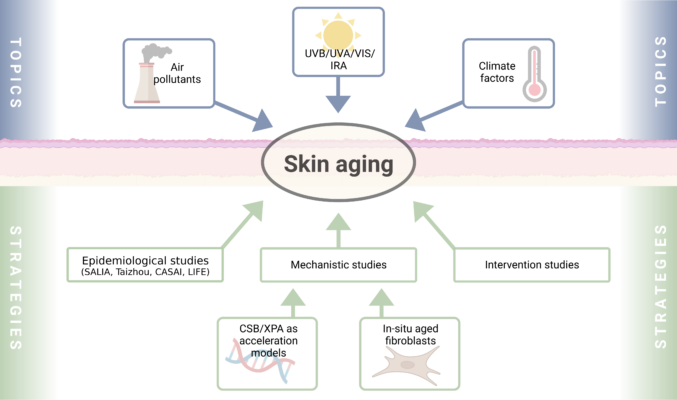
Prof. Dr. Jean Krutmann leads the Molecular Aging Research group at the Leibniz Research Institute for Environmental Medicine in Düsseldorf. His research focuses on environmentally-induced skin aging , DNA repair deficiency syndromes (Xeroderma pigmentosum, Cockayne syndrome), and air pollution effects on skin . Key projects include DFG FOR5489 exploring AHR-retinoid crosstalk and RTG 2624 developing biostatistical toxicology methods. Research Themes Mitochondrial DNA repair mechanisms Particulate matter dermatotoxicity Cutaneous exposome characterization 3D organoid modeling for UVB responses International environmental health collaborations (India, China) Key Discoveries ICAM-1 regulation in UV-damaged cells Ectoine-based lung disease prevention Near-infrared radiation's role in wrinkle formation Two microbiota cutotypes in Han Chinese AHR as UVB radiation target Collaborations Prof. Klaus Unfried (ectoine research) WG Esser, Schikowski, Schins International dermatology experts (Henry Lim, Akimichi Morita) Core Unit GEMD (iPSC organoids) Training & Leadership : Coordinates DFG research units FOR5489 and RTG 2624 . Supervises PhD student Jennifer Schindler and postdocs. Publications span J. Exp. Med , Nature Cell Biology , and Environmental International .
Lacy Marie Alexander is a Professor of Kinesiology with an extensive research portfolio spanning nearly three decades. She has produced 129 research outputs and secured 13 significant research projects, primarily funded by the National Heart, Lung, and Blood Institute and the National Center for Research Resources. Her research focuses on vascular physiology with particular expertise in nitric oxide signaling pathways, cutaneous blood flow regulation, and age-related changes in vascular function. Her work examines how conditions like hypertension, hypercholesterolemia, and depression affect microvascular function, with special attention to gender differences and aging processes. Analysis of her 129 publications reveals consistent investigation into the mechanisms of vasodilation, particularly cutaneous vasodilation, with strong emphasis on nitric oxide contribution to reflex responses. Her recent work has expanded to include studies on socioeconomic factors affecting kidney function, endometriosis care approaches, and cardiovascular risk in women with polycystic ovary syndrome. Awarded numerous research grants throughout her career, her most significant projects include studies on neurovascular dysfunction in depression, low-dose aspirin effects on skin blood flow, essential hypertension mechanisms, hypercholesterolemia impacts, and age-related changes in nitric oxide contribution to reflex cutaneous vasodilation. Professor Alexander actively mentors PhD students as evidenced by her 2025 publication on PhD program development. Her research demonstrates strong collaborative networks across multiple institutions, with recent external collaborations spanning various countries as indicated by the network visualization in her profile.
Professor Ariane Herrick is a Professor of Rheumatology at the University of Manchester, based in the Division of Musculoskeletal & Dermatological Sciences. She also serves as an Honorary Consultant Rheumatologist at Salford Royal NHS Foundation Trust. Her career spans over three decades with key appointments since 1993 (Consultant) and 2011 (Professor). Education: She earned her medical degree from the University of Aberdeen, followed by general medical training at Western Infirmary in Glasgow and specialized rheumatology training in Salford. Her professional memberships include the British Society for Rheumatology and the British Microcirculation Society. Research Interests: Her work focuses on systemic sclerosis-spectrum disorders and Raynaud’s phenomenon. She investigates vascular abnormalities using imaging techniques like nailfold capillaroscopy and explores novel treatments such as chelation therapies and low-level light therapy for calcinosis and digital ulcers. She leads clinical trials and collaborates with international groups like the SCTC and EUSTAR to advance diagnostic and therapeutic standards. Scientific Awards: A notable honor is her Fellowship of the Royal Society of Medicine (FRSM). Advising & Grants: As Principal Investigator, she oversees trials evaluating drug efficacy and imaging biomarkers. She has supervised 3 academic works, though specific student names are not disclosed. Her grants support innovations in microvascular assessment and patient-centered outcome measures. Labs/Teams: She collaborates with the UK Systemic Sclerosis Study Group, the Scleroderma Clinical Trials Consortium (SCTC), and the European Scleroderma Trials and Research Group (EUSTAR), contributing to large-scale observational studies like the European Scleroderma Observational Study (ESOS). Her research integrates clinical, imaging, and molecular approaches to address unmet needs in SSc management.
Dr. Robert Matthew Brothers is a Full Professor and Associate Chair of Graduate Programs in Exercise Science in the Department of Kinesiology at The University of Texas at Arlington. He holds a PhD in Biomedical Sciences with emphases in Integrative and Cardiovascular Physiology from the University of North Texas Health Science Center. His research focuses on vascular dysfunction mechanisms in at-risk populations, particularly non-Hispanic Black individuals, exploring autonomic regulation, thermoregulation, and health disparities. Dr. Brothers teaches multiple sections of KINE 3415: Physiology of Exercise, emphasizing cardiovascular and environmental physiology. He leads the Integrative Vascular Physiology Laboratory, investigating vascular responses to environmental stressors and interventions. Notable awards include Fellow of the American Kinesiology Association and multiple UTA service and scholarship awards. His research spans over 100 peer-reviewed articles in journals like American Journal of Physiology and Experimental Physiology , examining topics such as cerebral autoregulation, racial disparities in vascular health, and energy drink effects. He has secured $2.5M+ in grants, including NIH and American Heart Association funding, and mentors over 30 graduate and undergraduate students. Key Grants: NIH R25 HL163861 (UTA Summer Undergraduate Research Program), American Heart Association $165K for undergraduate training. Labs/Teams: Director of the Integrative Vascular Physiology Lab, collaborating across disciplines in the Science & Engineering Innovation & Research Building.
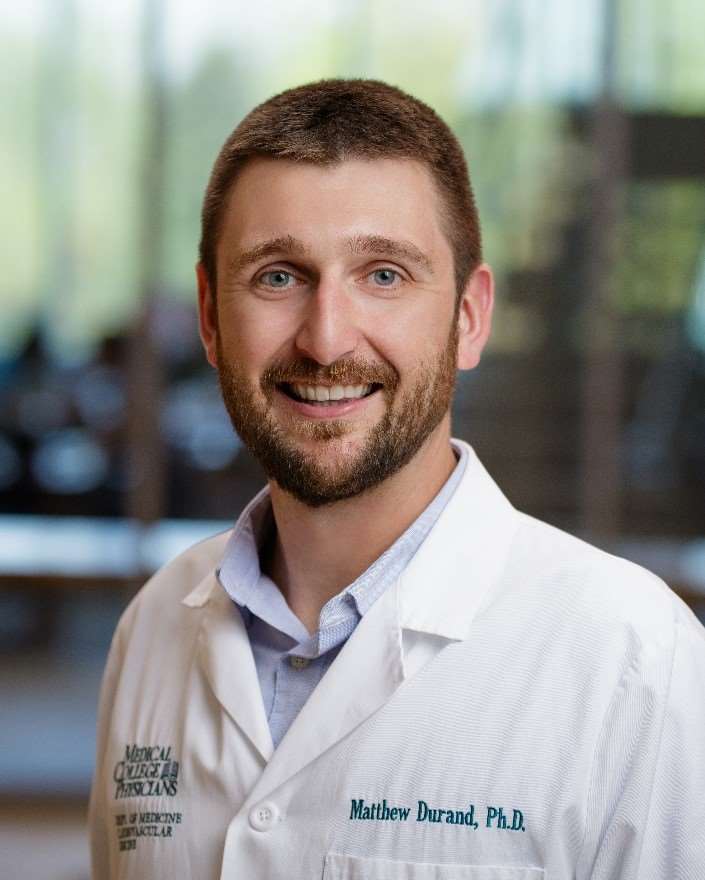
Matt Durand serves as Associate Professor and Vice Chair of Research in the Department of Anesthesiology at the Medical College of Wisconsin, with a secondary faculty appointment in Physiology. His work bridges vascular biology, exercise physiology, and rehabilitation science, focusing on improving outcomes for stroke survivors and elderly surgical patients. Education: PhD in Physiology, Medical College of Wisconsin (2010) Postdoctoral Training, Medical College of Wisconsin (2015) BA in Biology, Lawrence University (2005) Research centers on microvascular dysfunction in stroke and aging populations. Key areas include: Ischemic conditioning to enhance blood flow and muscle performance in stroke survivors Mechanisms of functional sympatholysis during exercise Microvascular resiliency in elderly surgical candidates Role of PGC-1α in vascular protection His laboratory collaborates with Marquette University's Physical Therapy Department and MCW's Cardiovascular Research Center. Recent publications demonstrate how ischemic conditioning interventions improve walking speed, reduce neuromuscular fatigability, and enhance microvascular reactivity in chronic stroke survivors. Emerging work applies machine learning to rehabilitation outcomes and explores sex-specific vascular responses in transgender healthcare. No scientific awards are documented in the provided materials. Durand leads the Cardiovascular Center Research program and mentors collaborative projects examining high-intensity interval exercise stress in elderly individuals. His NIH-funded work investigates whether ischemic conditioning serves as effective prehabilitation for frail surgical patients, with active grants focusing on microvascular responses to external stressors. The Durand Lab operates within MCW's Cardiovascular Research Center (MEB, M4845), utilizing advanced techniques including isolated resistance artery video microscopy and near-infrared spectroscopy to study endothelial function in stroke and aging populations.
Sara Ferguson, MD, is an Associate Professor in the Department of Dermatology at an unspecified university. Her research focuses on the intersection of skin physiology, vascular function, and health interventions. Key research themes include psoriasis pathophysiology, microvascular responses to ultraviolet radiation, and nitric oxide mechanisms Explores health disparities through vitamin D supplementation studies in African American college students Investigates cost-effective healthcare delivery models in dermatology via bundled payment systems Recent publications highlight her work on sunscreen protection for cutaneous microcirculation, HPV vaccination in immunosuppressed patients, and disease-specific vascular impairments in psoriasis. While specific awards or educational background aren't publicly listed in the provided text, her Scopus h-index of 8 and 338 citations indicate significant academic impact.
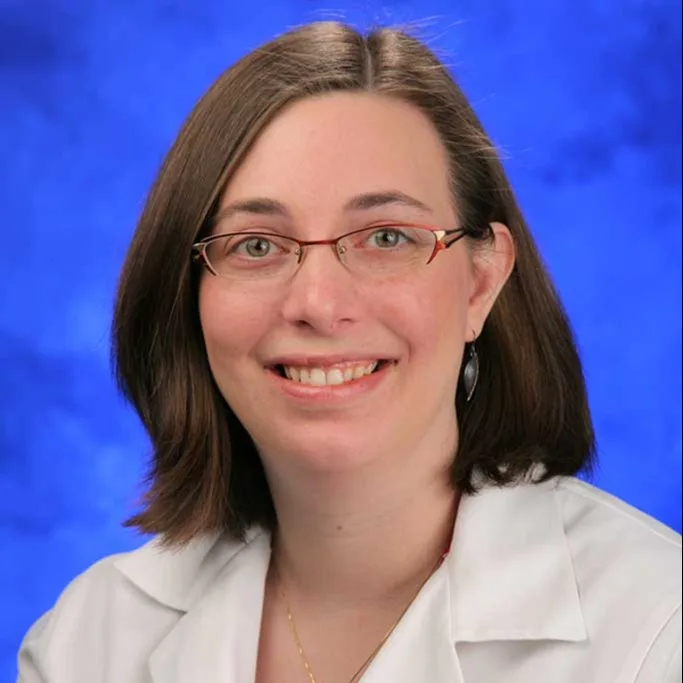
Sara B. Ferguson, MD is an Associate Professor in the Department of Dermatology at Penn State College of Medicine. She is a practicing dermatologist with expertise in microvascular function, psoriasis, and nitric oxide-related skin physiology. Her work bridges clinical dermatology with physiological research, focusing on how skin conditions affect vascular function and how treatments can improve outcomes. Dr. Ferguson completed her medical education at the University of Pennsylvania School of Medicine in 2004. She then completed an internship in Internal Medicine at the Hospital of the University of Pennsylvania (Penn Medicine) in 2005, followed by a residency in Dermatology at Mayo Clinic - College of Medicine in 2008. Dr. Ferguson's research primarily focuses on the intersection of dermatology and vascular physiology. Her work examines how skin conditions like psoriasis affect microvascular function through nitric oxide pathways. She has conducted significant research on vitamin D supplementation's effects on vascular function in African American populations, the impact of ultraviolet radiation on skin microcirculation, and innovative payment models for dermatological conditions like actinic keratosis. Her research demonstrates a strong connection between skin health and systemic vascular function. Her scholarly output shows a consistent pattern of high-impact research in dermatological physiology, with particular emphasis on the vascular aspects of skin diseases. Dr. Ferguson's work often appears in top-tier physiology and dermatology journals, indicating her research is well-regarded in both fields. She has 12 research outputs between 2010-2020 with significant citations in key publications. Dr. Ferguson maintains an active clinical practice at Penn State Health Dermatology with a high patient satisfaction rating of 4.9 out of 5 from 1157 patient reviews. Her research profile indicates she is particularly interested in how skin conditions affect overall vascular health, which represents an important interdisciplinary approach to dermatological care that contributes to UN Sustainable Development Goals related to good health and well-being.
Stephen Colin Rogers, PhD, is an Assistant Professor in the Department of Pediatrics at the University of Maryland School of Medicine. As Center Core Director in Pediatrics, he focuses on red blood cell (RBC) physiology and pathophysiology, particularly RBC-vasculature signaling, oxygen delivery regulation, and cardiovascular homeostasis. His work explores RBC adaptations in diabetes, sickle cell disease, sepsis, and blood storage. Education : BSc in Exercise & Health Science (University of Exeter), MSc in Exercise Physiology (Liverpool John Moores University), PhD in Nitric Oxide Metabolism (University of Cardiff), Postdoc in RBC Biochemistry (Washington University in St. Louis). Research interests integrate red blood cell biochemistry , nitric oxide signaling , vascular homeostasis , and metabolic disease mechanisms . His publications (2004-2019) span topics like RBC storage stability , microparticle vasoactivity , and hypoxia-induced metabolic shifts , reflecting interdisciplinary exploration of RBCs' role in health and disease. Stephen's work bridges pediatric critical care and hematologic research , with applications in transfusion medicine and vascular disease management.
Davide Filingeri is an Associate Professor at the University of Southampton, affiliated with the Skin Sensing Research Group. With over a decade of expertise in human thermosensing and thermoregulation, his work bridges fundamental and applied physiology, focusing on health and disease contexts. BSc & MSc in Exercise Physiology, University of Palermo PhD in Thermal Physiology, Loughborough University Postdoctoral fellowships: University of Sydney (Endeavour Fellowship), UC Berkeley (US Dept. of Energy funding) His research explores the biophysical and neural mechanisms of skin temperature and wetness sensing, their role in thermoregulation, and how neurodegenerative conditions like multiple sclerosis impair these processes. He integrates enterprise principles into his work, collaborating with sportswear and hygiene product manufacturers to address real-world thermal comfort challenges. Recent publications examine thermal sensitivity mapping, heatwave responses, and device-skin interactions. His lab (THERMOSENSELAB) has secured funding from the Medical Research Council and EPSRC. Vice-Chancellor’s Lectureship (2016) Endeavour Research Fellowship (2015) Sport and Exercise Beacon Prize (2019) Davide supervises PhD students in Health Sciences and speaks globally on thermal physiology, including roles as reviewer for IEEE Haptics Symposium and presenter on climate change impacts on neurophysiology.