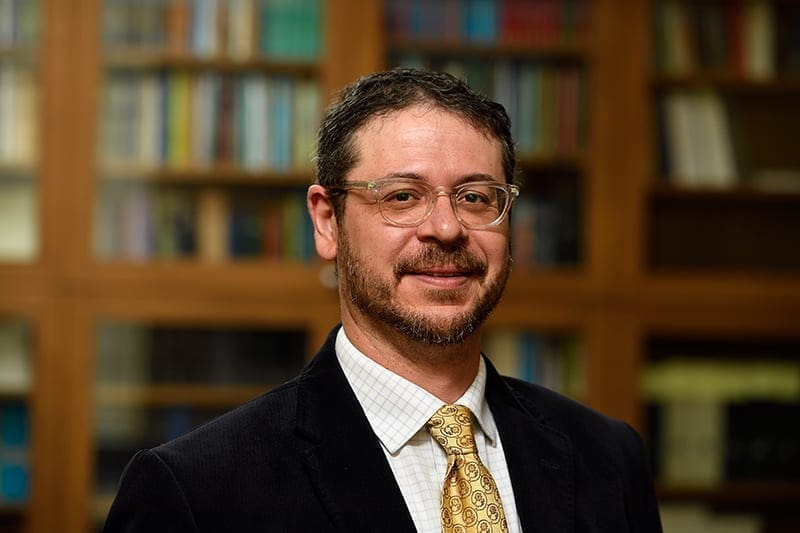
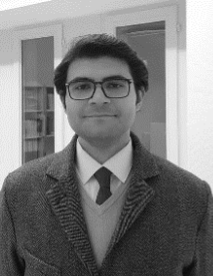
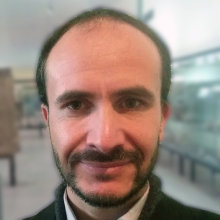
Jacob Lauinger is a Professor of Assyriology at Johns Hopkins University's Department of Near Eastern Studies, part of the Krieger School of Arts & Sciences. He serves as Director of Graduate Studies and has held previous academic positions including Gaylord and Dorothy Donnelley Research Fellow at University of Cambridge (2009-2010) and Assistant Professor at Roanoke College (2007-2009). He holds a B.A. in Classical Art & Archaeology from Princeton University (1998), and M.A. and Ph.D. in Assyriology from the University of Chicago (2001, 2006). His research focuses on Akkadian cuneiform texts from the second millennium B.C., particularly 'peripheral' texts outside Mesopotamia. He leads archaeological projects with Koç University’s Tell Atchana (Alalah) Excavations and the University of Toronto’s Tayinat Archaeological Project. Key publications include Following the Man of Yamhad (2015), The Labors of Idrimi (2024), and The Amarna Letters (2025). His work combines textual analysis with material evidence, such as his philological commentary on the Idrimi statue inscription and his annotated editions on the Amarna Letters via ORACC platform. Research interests emphasize Bronze Age legal texts, territorial governance, and the intersection of material culture with textual evidence. He contributes to archaeological projects at Alalakh and Tayinat, focusing on migration patterns, resource taxation, and imperial-local dynamics in the Levant.
Joanna Töyräänvuori is a University Researcher at the University of Helsinki , affiliated with the Department of Cultures under the Faculty of Arts . She serves as a supervisor for the Doctoral Programme in Theology and Religious Studies and contributes to the Centre of Excellence in Ancient Near Eastern Empires (ANEE) and the Helsinki Institute of Sustainability Science (HELSUS) . Research Interests: Her work bridges theology, cultural history, and archaeology, focusing on topics such as gender in ancient religious contexts, identity formation in diasporic communities, and the intersection of mathematics and divination practices in the Ancient Near East. She actively explores how material culture and texts reflect societal structures and belief systems. Recent Publications include studies on Ugaritic divine sexuality, pomegranate symbolism in the Hebrew Bible, and Mesopotamian omen systems. These works highlight her interdisciplinary approach, combining textual analysis with sociocultural and scientific frameworks. Scientific Awards: Honorary mention to the book 'Muinaisen Lähi-idän imperiumit' by Historian Ystäväin Liitto (2023) She participates in organizing major events like the 69th Rencontre Assyriologique Internationale and contributes to public discourse through media appearances and web publications.
Dr. Levent Atici is the Associate Vice Provost for Student-Centered Interdisciplinary Initiatives at North Carolina State University, where he integrates interdisciplinary programs and supports faculty and early-career scholars. Concurrently, he serves as a Professor of Anthropology and Archaeology in the Department of Sociology and Anthropology, focusing on zooarchaeology and the interplay between humans, animals, and environments in ancient societies. Education: Bachelor of Arts in Prehistory and History of Art, University of Ankara Master of Arts in Archaeology, University of Ankara Master of Arts and Ph.D. in Anthropology, Harvard University Research interests include the origins of food systems, urban food provisioning in ancient Anatolia, and the application of ancient DNA, geochemistry, and cuneiform tablets to subsistence economies. His work spans the transitions from hunter-gatherers to early farmers and the evolution of complex societies. Scientific awards and grants include support from the Wenner-Gren Foundation, National Geographic Society, and a major National Science Foundation grant addressing the transition of STEM students affected by the pandemic.
Heather D. Baker is an Associate Professor in the Department of Near and Middle Eastern Civilizations at the University of Toronto (St. George Campus). Her research focuses on 1st millennium BC Mesopotamia, particularly Babylonian urbanism, Neo-Assyrian royal households, and integration of textual/archaeological data. She holds a DPhil from the University of Oxford and led the SSHRC-funded MTAAC project (2017–2019) on cuneiform machine translation. Education: DPhil, University of Oxford Key Projects: Principal Investigator for Machine Translation and Automated Analysis of Cuneiform Languages (MTAAC) project Her research interests include Mesopotamian socio-economic history, Babylonian urban morphology, and digital humanities applications. She combines archaeological fieldwork with cuneiform text analysis to study domestic spaces, urban development, and state administration. Recent work explores the built environment’s role in political and social structures. Awards: SSHRC Grant for MTAAC Project (2019) Teaching/Outreach: Taught courses on Assyrian/Babylonian history at Charles University (2019) and contributed to public lectures on Babylonian housing and urbanism via podcasts (e.g., Thin End of the Wedge). Currently on leave until December 2025. Her publications bridge archaeology and textual analysis, emphasizing quantitative methods in studying domestic architecture, household organization, and urban socio-economic dynamics.
Dr. Tim Collins is a Senior Lecturer and Programme Leader in Electrical and Electronic Engineering at Manchester Metropolitan University's Faculty of Science & Engineering. Holding a Ph.D. in Electronic & Electrical Engineering (1997) and a 1st class B.Eng. (1993) from the University of Birmingham, he specializes in applied signal processing across medical devices, 3D audio systems, and digital heritage preservation. His research bridges machine learning for physiological monitoring , virtual cuneiform tablet reconstruction , and acoustic interface design . Notable contributions include the Virtual Cuneiform Tablet Reconstruction Project and uncertainty-aware neural networks like DeepPulse for wearable heart rate estimation. He has served on editorial boards for MIT Press' PRESENCE: Virtual and Augmented Reality Journal and as guest editor for its special issue on user experience. As a Chartered Engineer and Senior Member of IEEE , he contributes to standards in wearable device reporting and collaborates with NVIDIA's Mixed Reality Technology Centre. His work appears in journals spanning health technology , acoustic engineering , and digital archaeology , with over 74,000 reads across 86 publications.
Paola Corò is an Associate Professor in Assyriology at the Department of Humanities , Ca' Foscari University of Venice . Her institutional email is coropa@unive.it , and she is based at the Malcanton Marcorà campus. Specializes in Hellenistic Babylonian texts from Uruk Focuses on epigraphy , digital humanities , and machine learning applied to cuneiform studies Research highlights : 2024 publications on Ashurbanipal's library tablets and Seleucid royal narratives 2023 work on Greek identity markers in Babylonian sources 2022 monograph on temple property management in Hellenistic Uruk Scientific recognition : Premio Giovani Ricercatori (2001) Research grants (2003-2005, 2006-2007, 2017-2018) Member of KASKAL journal's Scientific Committee Coordinates the LIBER project (2019-2021) applying machine learning to cuneiform tablets, and participates in the International Association for Assyriology (IAA). She has taught Assyriology at both undergraduate and graduate levels, including blended learning formats and international Erasmus+ programs.
Prof. Dr. Robert Rollinger is a leading scholar in Ancient History and Ancient Near Eastern Studies, currently holding a NAWA Chair at the University of Wrocław and directing the international project “From the Achaemenid to the Roman Rule: Empires in Contexts – the Processes of Long Lasting.” He has been a Full Professor at the University of Innsbruck since 2005 and served as Head of its Department of Ancient History and Ancient Near Eastern Studies from 2004–2012 and 2015–2021. Rollinger's research focuses on intercultural contacts between the Aegean World and the Ancient Near East, the history of empires, Achaemenid historiography, and the intellectual heritage of Assyria and Babylonia. His work bridges Assyriology , Ancient Near Eastern History , and Classical Studies , emphasizing transcultural interactions and global historical frameworks . His scientific awards include the Dr. Seibert Prize (1995), the Liechtenstein Research Prize (1998), the Austrian Olympic Committee Science Prize (1999), and the Vorarlberg Science Prize (2010). Rollinger is a member of prestigious institutions like the Österreichische Akademie der Wissenschaften and Academia Europaea , and has served as editor or co-editor for international series such as Oriens et Occidens and Melammu Symposia .
Angela Gisselman, Ph.D., D.P.T., is an Associate Professor in the Department of Rehabilitation Sciences at Tufts University School of Medicine. She holds a PhD in Physiotherapy from the University of Otago (2018), a Doctor of Physical Therapy from Duke University (2011), and a Bachelor of Science from Miami University (2008). She is certified as an Orthopaedic Specialist and maintains active physical therapy licenses in Colorado. Her research explores the intersection of neurophysiology and musculoskeletal rehabilitation, with focus areas including: Autonomic nervous system responses to manual therapy Concussion rehabilitation and stress physiology Physical therapy education and faculty burnout Cultural safety in healthcare delivery Sports injury mechanisms and prevention Her publications demonstrate consistent focus on evidence-based rehabilitation practices, with recent work emphasizing neurophysiological responses to interventions, systemic healthcare improvements, and sports medicine advancements. Article keywords frequently include neuropathic pain, spinal manipulation, cultural safety, and musculoskeletal imaging. Gisselman has secured multiple research grants including: American Physical Therapy Association's Academy of Education Fellowship (2023-2024) Tufts University EMPOWER mentorship program grant (2023-2025) Studies on heart rate variability and musculoskeletal injuries (2015-2017) Research on postpartum runners' biomechanics (2022-2024) Administratively, she serves as Director of Admissions for Tufts' DPT Program and previously held positions as Assistant Director of Clinical Education at High Point University. She teaches courses in Human Physiology, Advanced Therapeutic Intervention, and Primary Care.
Professor Meir Lubetski is a distinguished scholar in the Department of Modern Languages & Comparative Literature at Baruch College's Weissman School of Arts and Sciences, City University of New York. With decades of academic service, he has established himself as a leading expert in biblical studies, particularly focusing on the intersection of archaeology, epigraphy, and biblical interpretation. Dr. Lubetski earned his educational credentials from prestigious institutions including a Ph.D. from New York University, an M.S. in TV & Broadcasting from Brooklyn College, and multiple degrees from the Hebrew University of Jerusalem including an M.A. in Education and a B.A. in History/Political Science. His academic journey reflects a unique blend of Judaic studies, biblical scholarship, and media expertise. Professor Lubetski's research centers on making the Bible intelligible within its ancient context, with particular emphasis on how new archaeological discoveries and inscriptions impact biblical interpretation. His scholarly work bridges ancient Near Eastern culture, Rabbinic material, and biblical exegesis, providing fresh insights into difficult biblical passages. He has developed specialized expertise in Hebrew seals, bullae, and ostraca, examining how iconography and inscriptions illuminate biblical understanding. His extensive publication record shows a clear trajectory from broader biblical studies toward increasingly specialized epigraphic analysis. Early works focused on biblical interpretation through Rabbinic literature and comparative studies, while his more recent scholarship has concentrated on Hebrew inscriptions, seals, and iconography from the biblical period. This evolution reflects his growing specialization in using archaeological artifacts to inform biblical scholarship. SY Agnon Award for Academic Excellence (New York University, 1973) Bibliography Award, Honorable Mention (Association of Jewish Libraries, 2009) Scholars Assistance Award from Baruch College (multiple years) Commended by Chancellor Kibbee for academic distinction (1978) Cited by Cyrus H. Gordon for 'thought-provoking interpretations' Festschrift published in his honor: 'Visions of Life in Biblical Times' (2015) Professor Lubetski has served as a dedicated advisor for numerous independent study students across decades, as evidenced by his extensive teaching record of CMP/LTT 5000 Independent Study courses. His research has been consistently supported by multiple PSC-CUNY grants, including the recently completed 'Unlocking Secrets of Ancient Hebrew Inscriptions and Icons' (2021-2023) and the currently funded project of the same name (2022-2023). These grants have enabled his specialized research on Hebrew seals, inscriptions, and their iconographic elements. His scholarly influence extends beyond Baruch College through extensive conference presentations at major international venues including the Society of Biblical Literature, European Association of Biblical Studies, and World Congress of Jewish Studies.
Alessandro Greco is a University Researcher in Aegean Antiquities (L-FIL-LET/01) at Sapienza University of Rome since 2011, holding permanent status. His work focuses on Mycenaean studies , Linear B epigraphy , and comparative analysis between Aegean and Ancient Near Eastern civilizations . He directs the Linear B PA-I-TO Epigraphic Project and the Roman Archaeological Mission at Phaistos, Crete , utilizing advanced imaging technologies (RTI, 3D scanning) for epigraphic documentation. Education : PhD in 'Historical and Philological Sciences' (University of Florence, 2002); specialized in Mycenaean palaeography and Ancient Near Eastern systems Research : Comparative archival studies, sheep husbandry economics, Bronze Age diplomatic strategies, and digital humanities applications in epigraphy Awards : Multiple grants including INSTAP funding ($40,000) for Phaistos excavations and FARB 2017 (€3,000) Publications : 15+ works on Linear B analysis, Aegean urbanism, Mycenaean religious practices, and cross-cultural administrative systems Teaching : Courses on Aegean civilizations, Mycenaean paleography, and computer skills workshops Conferences : Regular participant in international Aegean and Near Eastern archaeology conferences
Milad Abedi is a doctoral student at the University of Zurich and Institut national des langues et civilisations orientales (INaLCO), focusing on the cultural history of Sino-Iranian lexical contacts. His thesis supervisors include Prof. Paul Widmer, Prof. Wolfgang Behr, and Prof. Agnes Korn (CNRS). He is funded by the Swiss National Science Foundation as part of the Sino-Indo-Iranica Rediviva project (2020–2023), with defense scheduled for February 14, 2025. Education PhD candidate in Comparative Grammar at University of Zurich (since 2020) MA in Ancient Languages and Cultures of Iran, Allameh Tabataba’i University (2015–2019) BSc in Molecular Biology, Islamic Azad University (2010–2015) His research interests span language contact in Ancient Iran (Sino-Iranian, Elamite-Iranian, Middle Persian-Arabic), historical grammar of Persian, Ancient Iranian manuscripts (Pahlavi, Avestan), classical Persian literature, cuneiform epigraphy, and language documentation. His publications and presentations focus on lexical borrowings, etymological studies, and historical interactions between Indo-European and Asian languages. Recent articles investigate topics such as Zoroastrian Middle Persian terminology, kinship terms in Indo-European languages, and metonymy in Achaemenid Elamite inscriptions. His work aligns with disciplines like Historical Linguistics, Iranian Languages, and Epigraphy. Scientific Awards and Grants : Travel grant from Verband der Studierenden der Universität Zürich (2021) Travel grant from Allameh Tabataba’i University (2016) Top student in first semester of Master’s study (2016) He has taught courses in Old Persian, Middle Persian, and classical Persian literature at the University of Zurich, co-organized workshops on sociolinguistics and historical linguistics, and contributed to media engagements through radio programs and TV documentaries on Iranian epigraphy.
Massimo Maiocchi is an Associate Professor at the Department of Humanities, Ca' Foscari University of Venice. His expertise lies in the history of the ancient Near East, focusing on Mesopotamian urbanization (late fourth to third millennium BC). He teaches Ancient Near Eastern History, Philology of Cuneiform Sources, and History of Writing. Graduated in Literature (2003) and earned a PhD in Ancient Near East (2007) International experience: University of Helsinki, University of Tübingen, University of Chicago (2012-2015 post-doc), CNRS (2020-2021 Marie Curie fellow) Research integrates traditional scholarship with digital humanities, including database development (Ebla Digital Archives, Archaic Text Graphemics), network analysis, and scripting. His work spans writing systems, knowledge organization, paleo-archival science, economic practices, and historical methodology. Current projects include the PRIN-funded Early Economy Begins (since 2023). Collaborations include CNR (Rome), CNRS (France), and institutions in Syria/Iraq. He has published four monographs and numerous specialized articles. Scientific awards: Marie Skłodowska-Curie Fellowship Technical contributions: Perl tools for cuneiform text analysis (Ngrammer, DictionaryScraper, Network Graphing)
Professor Mark Geller serves as the Jewish Chronicle Professor of Jewish Studies at University College London's Department of Hebrew & Jewish Studies, where he has been a faculty member since 1976. He also directs the Institute of Jewish Studies at UCL, a position he has held since 1982, and previously served as Head of Department from 1984-1993. From 2010-2018, he was on secondment from UCL serving as Visiting Professor for the History of Knowledge at the Freie Universität Berlin. Professor Geller completed his BA in Classics at Princeton University (1966-1970), including a year at the Hebrew University of Jerusalem, and earned his PhD in Mediterranean Studies from Brandeis University in 1974. His academic journey includes significant research periods at the University of Munich's Institute for Assyriology and Hittitology (1980-81) and multiple fellowships at prestigious institutions across Europe. Geller's research centers on the intersection of ancient Near Eastern studies and Jewish traditions, with particular emphasis on medical and magical texts. His groundbreaking work has demonstrated the survival of cuneiform script into the third century AD and established crucial connections between Akkadian and Aramaic medical traditions and later Jewish texts, especially the Babylonian Talmud. His interdisciplinary approach bridges philology, archaeology, medical history, and cognitive science. Professor Geller's publications reveal a consistent trajectory of innovative scholarship connecting Mesopotamian knowledge systems with later traditions. Recent works examine Babylonian medical knowledge transmission, cognitive aspects of ancient thought through cuneiform texts, and the longevity of Akkadian linguistic influence in Syriac magic texts. His research demonstrates how ancient medical and magical practices evolved and influenced subsequent cultural traditions. Professor Geller's distinguished career has been recognized with numerous prestigious awards: European Research Council Advanced Grant (BabMed, 2013-2018) Leverhulme grant (2022-23) Fellow at the Paris Institute for Advanced Study (2021-22) Doctorate Honoris Causa from New Bulgarian University (2009) Multiple Alexander von Humboldt-Stiftung grants spanning three decades Netherlands Institute of Advanced Studies fellowships Wellcome Trust grant for the History of Medicine As Director of the Institute of Jewish Studies, Professor Geller has organized numerous scholarly conferences and public lectures. His ERC-funded BabMed project significantly advanced understanding of Babylonian medical knowledge transmission. Fluent in multiple ancient and modern languages including Hebrew, German, Dutch, French, Akkadian, Sumerian, Aramaic, and Ugaritic, Geller's linguistic expertise enables his unique cross-cultural research approach that continues to shape our understanding of ancient knowledge systems and their enduring legacy.
Dr. Daliah Bawanypeck is a researcher in the Department of History at Goethe University Frankfurt (since 2009), specializing in the Cluster of Excellence "Formation of Normative Orders" . She holds a PhD in Ancient Near Eastern Studies (2001) and a Master of Arts from Freie Universität Berlin (1995). Education: MA in Ancient Near Eastern Studies, Near Eastern Archaeology, Law Key affiliations: Collegium Mythologicum (since 2010), DFG CHRONOS network (since 2017) Her research focuses on: Culture, religion, and history of the ancient Near East (Asia Minor, Syria, Mesopotamia) Scientific history of cuneiform cultures Standardization in Mesopotamian knowledge transmission Localization of Hittite mythological texts Intratextual connections between myths and rituals Archival organization in Hattusa Publications span Hittite royal seals, ritual texts, and cross-cultural mythological transmission. Her work intersects with digital humanities through the Hittitology Portal Mainz collaboration. Scientific recognition includes Lichtenberg-Kolleg Fellowship (2010-2011) DFG-funded research positions (1996-1999, 2001-2004, 2005-2008) Active in interdisciplinary teams at the Historical Observatory of Göttingen and through international collaborations, she continues to shape Hittite textual analysis methodologies.
Gian Pietro Basello is an Associate Professor of Assyriology (L-OR/03) at the University of Naples 'L'Orientale' since December 2020, affiliated with the Department of Asia, Africa and Mediterranean. His academic career includes previous positions as a fixed-term researcher (2017-2020) and multiple contract teaching positions at the University of Bologna. Basello holds a Laurea in Storia Orientale from the University of Bologna (1993-2000) and a PhD in Ancient Near East Studies from the University of Naples 'L'Orientale' (2001-2005). He has received national qualifications (Abilitazione Nazionale) for both Associate Professor (2014-2020, 2018-2024) and Full Professor (2023-2034) positions in sector 10/N1 (Cultures of the Ancient Near East, Middle East and Africa). His research focuses on Elamite language, culture, and history, with particular emphasis on Achaemenid studies, ancient Western Asia, and cuneiform documentation. Basello has conducted extensive work on Elamite calendars, royal inscriptions, administrative texts, and the relationship between Elamite and Persian cultures during the Achaemenid period. His methodological approach combines philological analysis with archaeological evidence to reconstruct ancient Near Eastern societies. His recent publications demonstrate a strong focus on Elamite language documentation, Achaemenid administration, and material culture studies. The research trends show increasing attention to digital approaches in epigraphy, comparative analysis of administrative systems across ancient Near Eastern cultures, and interdisciplinary studies combining linguistic, archaeological, and historical perspectives. His work spans from the Bronze Age Elamite civilization through the Achaemenid period, with particular attention to cultural continuity and transformation. National qualification for Associate Professor position (sector 10/N1), 2014-2020 National qualification for Associate Professor position (sector 10/N1), 2018-2024 National qualification for Full Professor position (sector 10/N1), 2023-2034 Basello has supervised numerous master's and doctoral theses at universities including Naples 'L'Orientale,' Bologna, Tehran, and Sydney, primarily in philological and archaeological fields related to Elam and Achaemenid Iran. He serves as a peer reviewer for prestigious journals including Journal of Near Eastern Studies, Journal of the Economic and Social History of the Orient, and Iranica Antiqua. His research is supported through significant projects including the DARIOSH project on Achaemenid royal inscriptions and the PRIN 2020 project on Iranian and non-Iranian language contacts. As supervisor, he oversees the MSCA-IF project 'Villages to Empire: 4000 Years of Death and Society in Elam.' Basello is an active member of the DARIOSH project (Digital Achaemenid Royal Inscription Open Schema Hypertext) as an Elamite and Babylonian specialist, collaborating with institutions including ISMEO, the Louvre, the National Museum of Iran, and the Parsa-Pasargadae Research Foundation. He also participates in the Italian Ethnolinguistic Mission in Tajikistan and serves on the doctoral committee for the 'Asia, Africa and Mediterranean' program at the University of Naples 'L'Orientale'.