University of Massachusetts Chan Medical SchoolUnited States
Johannes Elferich is a Lecturer at the T.H. Chan School of Medicine , affiliated with the RNA Therapeutics Institute at UMass Chan Medical School. His research focuses on structural biology, cryo-electron microscopy (Cryo-EM), and molecular mechanisms in hair cell mechanotransduction. Education: B.S. in Molecular Biotechnology, Technical University of Munich, Germany Ph.D. in Biochemistry, Oregon Health & Science University, United States Elferich’s work spans cryo-EM techniques, protein structure analysis, and pH-regulated protease mechanisms. His recent publications highlight advancements in Cryo-EM data processing and structural insights into hair cell complexes. His research trends emphasize structural biology (12 articles), neuroscience (6 articles), and protein dynamics (8 articles). Key subfields include cryo-tomography, mechanosensory transduction, and molecular imaging. Elferich collaborates with researchers like Eric Gouaux and Nikolaus Grigorieff , focusing on hair cell function, membrane protein structures, and Cryo-EM methodologies.
Oscar Hathaway is a Researcher at the National Renewable Energy Laboratory (NREL) in the Materials Science department. His work focuses on applying cryogenic electron microscopy and operando techniques to analyze lithium deposition processes critical for energy storage technologies. Research interests include: Cryo-Electron Microscopy for nanoscale imaging Operando methods in electrochemical systems Lithium metal battery material stability Energy density optimization Ion depletion dynamics at interfaces Recent publications highlight his expertise in capturing real-time microstructural changes during lithium electrodeposition using freezing cryo-EM. His work intersects materials science, chemical engineering, and electrochemistry to address dendrite formation and improve battery longevity. Current affiliations: National Renewable Energy Laboratory (NREL) - Materials Science
John R. Jimah is an Assistant Professor of Molecular Biology at Princeton University, where he leads the Jimah Lab in Guyot Hall, M160. His research focuses on the structural and molecular mechanisms of membrane remodeling in human cells and malaria parasites using cryo-electron microscopy (cryo-EM) and cryo-electron tomography (cryo-ET). His educational background includes a B.A. in Molecular Biology from Colgate University and a Ph.D. in Biology and Biomedical Sciences from Washington University in St. Louis. He completed postdoctoral training at the National Institute of Diabetes and Digestive and Kidney Diseases (NIDDK), NIH, as a Nancy Nossal Fellow and NIGMS MOSAIC Scholar. Dr. Jimah's research spans two major domains: membrane remodeling in human cells , particularly in endocytosis and organelle biogenesis, and structural cell biology of malaria parasites . His work aims to uncover the molecular basis of cellular processes that can inform new therapeutic strategies against malaria and related diseases. He employs multidisciplinary approaches integrating structural biology, biochemistry, biophysics, and cell biology. The recent publications highlight a strong trend in structural mechanisms of membrane dynamics, including dynamin function, clathrin lattice architecture, and pathogen traversal proteins like CelTOS. His work bridges fundamental cell biology with translational applications in infectious disease. Chancellor’s Graduate Fellowship Program Nancy Nossal Fellow NIGMS MOSAIC Scholar Dr. Jimah advises emerging scientists through his lab at Princeton. While specific grant details are not listed, his fellowships and research focus suggest strong support from NIH and other major funding bodies. His lab investigates membrane fission, parasite-host interactions, and structural mechanisms of disease, contributing to both basic science and drug development. The Jimah Lab at Princeton University is actively engaged in cutting-edge structural biology research, combining cryo-EM/ET with biochemical and cellular assays to understand how membranes are remodeled in health and disease. The lab studies both human cellular machinery and pathogenic systems, particularly malaria parasites, to uncover conserved and unique mechanisms.
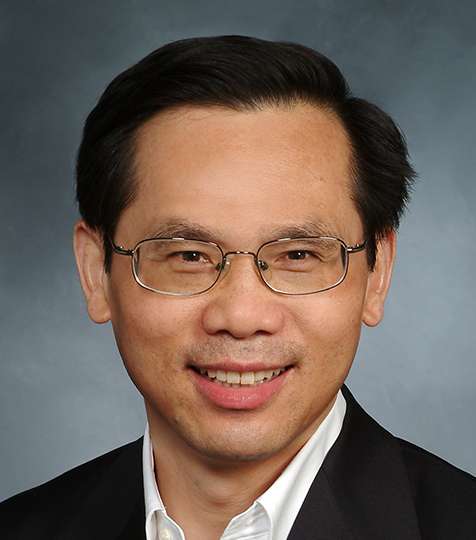
Xin Yun Huang is a Professor at Weill Cornell Medical College, affiliated with the Department of Biochemistry and Biophysics. His research bridges structural biology and translational cancer studies, focusing on transmembrane signaling mechanisms and anti-metastatic drug development. Education: PhD in Biochemistry and Biophysics from University of Houston (1988) Academic Journey: Postdoctoral work at Columbia University, associate research scientist at Harvard University, and faculty member at Cornell University since 1994. Research Interests: Huang's work explores the structural basis of G-protein-coupled receptor (GPCR) activation, tumor metastasis mechanisms, and dendritic cell immunotherapy. His lab employs cryo-electron microscopy and biochemical techniques to unravel receptor dynamics and develop novel cancer therapeutics. Scientific Contributions: Huang has secured significant grants from the National Heart, Lung, & Blood Institute and Novita Pharmaceuticals, Inc. His publications span structural biology, cancer research, and molecular signaling, with a focus on GPCR-G protein interactions and fascin inhibition for metastasis prevention. Key Awards: Cornell Scholar (1994) American Heart Association Fellow Irma T. Hirschl Career Scientist Award Charles H. Leach Foundation Scholar
Richard Hite is an Associate Professor at the Weill Cornell Medicine Graduate School of Medical Sciences and Principal Investigator of the Hite Laboratory at Memorial Sloan Kettering Cancer Center. He holds affiliations with the Structural Biology Program, Tri-Institutional PhD Program in Chemical Biology, and Gerstner Sloan Kettering Graduate School of Biomedical Sciences. BS from Emory University PhD from Harvard University Hite's research focuses on determining the mechanisms of intracellular ion and metabolite transport, with particular emphasis on lysosomal channels, and studying protein-nucleic acid interactions critical for genomic integrity. His laboratory employs advanced structural and biophysical tools including cryo-electron microscopy, X-ray crystallography, and electrophysiology to characterize these fundamental biological processes. The lab's work spans membrane transport mechanisms, lipid metabolism pathways, and DNA replication machinery. Analysis of recent publications reveals a strong trend toward structural characterization of membrane transport proteins, particularly focusing on lysosomal channels like TMEM175 and FLVCR1. His research group has made significant contributions to understanding how these channels function at the molecular level, with implications for neurodegenerative diseases and lipid metabolism disorders. The work combines structural biology with functional assays to elucidate transport mechanisms and identify potential therapeutic targets. Pershing Square Sohn Prize for Young Investigators in Cancer Research Josie Robertson Investigator (2017-2022) Searle Scholar Tri-Institutional Breakout Award for Junior Investigators Dr. Hite mentors multiple graduate students and postdoctoral fellows in his laboratory, with research supported by National Institutes of Health funding including the National Cancer Institute Cancer Center Support Grant. His lab maintains strong collaborative relationships with other researchers at Memorial Sloan Kettering Cancer Center and Weill Cornell Medicine. The laboratory actively participates in the Tri-Institutional PhD Program, contributing to graduate education in structural biology and chemical biology. The Hite Laboratory operates within the Structural Biology Program at Memorial Sloan Kettering Cancer Center, utilizing state-of-the-art facilities for cryo-electron microscopy and structural analysis. The lab maintains collaborations with multiple research groups focused on membrane transport, lipid metabolism, and DNA replication mechanisms.
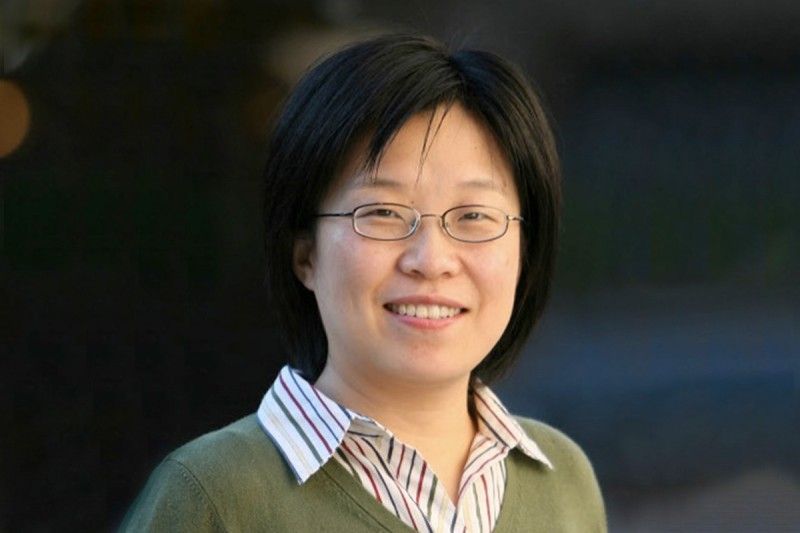
Xiaolan Zhao is a Professor at the Memorial Sloan Kettering Cancer Center within the Graduate School of Medical Sciences , affiliated with the Molecular Biology Program . Her research focuses on genome stability mechanisms, including DNA replication, repair, and damage response pathways. Alumni of Peking University (BS & MS) and Columbia University (PhD in Genetics) Postdoctoral training at Rockefeller University under Gunter Blobel Dr. Zhao's work explores how cells maintain genetic integrity through SUMOylation, SMC complexes, and replication stress tolerance. She investigates diseases like cancer and developmental disorders linked to genomic instability. Recent studies emphasize cryo-EM structural analyses of Smc5/6 and its interactions with repair proteins. Her laboratory employs multidisciplinary approaches, including genetics, biochemistry, and structural biology, to uncover novel genome guardian functions. Awards include the Damon Runyon Fellowship and the American Cancer Society Research Scholar title.
Dr Garry Lynch is a Senior Research Fellow at the Sydney School of Public Health , part of the Faculty of Medicine and Health at the University of Sydney. His research focuses on protein structures at cell-virus interfaces, with significant contributions to HIV, influenza, Ebola, and Neisseria meningitidis studies. Lynch has supervised over 30 students and laboratory personnel and serves as a grants and manuscripts reviewer. Research Areas: Protein interactions in infection and immunity, universal vaccine development, membrane biochemistry, and proteomic analysis of viral surfaces. Collaborations: Works with institutions including University of Wollongong, UTS, and University of NSW. His research on HIV receptor interactions and influenza herd immunity has reshaped scientific understanding. Recent studies extend to Hendra/Nipah and Ebola viruses, aiming to identify broadly protective antibodies. Key methodologies include structural modeling and proteomic profiling. Scientific impact is evidenced by >1,300 citations and an H-index of 19. Lynch has contributed to vaccine development and published extensively in journals like Biophysical Journal and Immunology and Cell Biology . He has received grants including the Howard K Grant (2024) for evaluating high-cost therapies and a Clive & Vera Ramaciotti Foundation Grant (1998) for CXCR-4 protein studies. Lynch also holds leadership roles in the Haemophilia Foundation of NSW (Vice President & Treasurer 2014-2016).
Dmitry Shvarev is a Researcher and principal investigator leading the Emmy Noether Junior Research Group on Multiprotein Complexes Governing Chlorophyll Biosynthesis at Osnabrück University, within the Faculty of Biology and the Department of Structural Biology of Photosynthetic Microorganisms. His research combines structural and biochemical approaches to understand essential processes in photosynthetic organisms. His research interests focus on the structural mechanisms of multiprotein complexes involved in chlorophyll biosynthesis. Using cryo-electron microscopy (cryo-EM) , protein purification , and enzymatic assays , he investigates key complexes such as magnesium chelatase and chlorophyll synthase. His model systems include cyanobacteria like Nostoc and Synechocystis , as well as reconstituted membrane systems. His recent publications (2022–2024) in top journals such as PNAS , Nature Communications , and eLife demonstrate a strong focus on macromolecular complexes involved in membrane trafficking and photosynthetic metabolism. These works highlight expertise in structural resolution of large protein assemblies and their regulatory mechanisms. Scientific Awards: Emmy Noether Junior Research Group Grant (DFG) As leader of an independent Emmy Noether group, Dr. Shvarev directs his own research program, which includes securing funding, mentoring junior researchers, and collaborative projects. While no formal advisees are listed, his role involves supervising team members in experimental design and data analysis. His work is supported by the German Research Foundation through the Emmy Noether program, a competitive grant for early-career scientists. He is part of the research infrastructure at Osnabrück University, contributing to the Structural Biology of Photosynthetic Microorganisms group. His lab employs cutting-edge cryo-EM and biochemical reconstitution techniques to explore fundamental biological processes in photosynthesis and membrane biology.
Max Planck Institute for Terrestrial MicrobiologyGermany
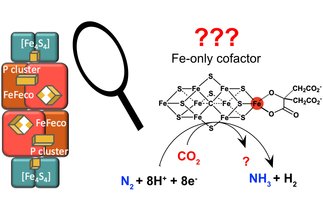
Dr. Johannes Rebelein (b. 1986) leads the Emmy Noether Research Group at the Max Planck Institute for Terrestrial Microbiology in Marburg, Germany, and is concurrently a Junior Group Leader at the LOEWE Center for Synthetic Microbiology (SynMikro) . Since 2020, his team has focused on understanding and engineering microbial metalloenzymes—particularly nitrogenases—for sustainable activation of N₂ and CO₂, aiming to convert these abundant molecules into valuable chemicals such as ammonia, methane, hydrogen and hydrocarbons. Education & Career: B.Sc. Biotechnology, TU Braunschweig (2010) M.Sc. Biotechnology, TU Braunschweig (2012) Ph.D. Biological Sciences, University of California, Irvine (2016) EMBO Long-Term Postdoc, University of Basel, Department of Chemistry (2017–2020) Since 2020: Emmy Noether Group Leader, Max Planck Institute for Terrestrial Microbiology Since 2020: Junior Group Leader, LOEWE Center for Synthetic Microbiology, Marburg Research Focus: Rebelein’s laboratory integrates structural biology, bioinorganic chemistry, enzymology and synthetic biology to elucidate fundamental mechanisms of nitrogenase catalysis and to repurpose these ancient enzymes for next-generation biotechnological applications. Current projects include structural elucidation of iron nitrogenase complexes, engineering nitrogenases for CO₂ and CO reduction, and developing novel metabolic pathways that incorporate these reactions into microbial metabolism. Scientific Awards & Funding: Emmy Noether Programme Award (DFG) EMBO Long-Term Fellowship Lab & Mentorship: The group currently supervises six doctoral researchers (Frederik Schmidt, Niels Oehlmann, Ana Lago Maciel, Grgo Marijan, Marcello Herzog, Jing Chen) and one master’s student (Emily Rothemann). The lab is actively recruiting postdoctoral fellows and graduate students interested in metalloenzyme engineering and synthetic biology.
Louis Mansky is a Professor in the Department of Diagnostic and Biological Sciences at the University of Minnesota's School of Dentistry. He also serves as Director of the Institute for Molecular Virology, demonstrating his dual expertise in dental sciences and virology. Dr. Mansky's research focuses on viral mutagenesis and evolution, molecular aspects of virus particle assembly and transmission, with particular emphasis on human retroviruses including HTLV (responsible for adult T-cell leukemia) and HIV (cause of AIDS). His laboratory employs cutting-edge technologies spanning quantitative imaging techniques at single molecule resolution, cryo-transmission electron tomography, next-generation DNA sequencing, and large data informatics analyses. His publication record shows consistent output with significant contributions to understanding retroviral replication mechanisms, capsid structure, and viral mutation rates. The research demonstrates an interdisciplinary approach bridging molecular virology, structural biology, and computational analysis. Director, Institute for Molecular Virology Faculty member in PhD Program in Biochemistry, Molecular Biology and Biophysics Faculty member in Microbiology, Immunology and Cancer Biology (MICaB) PhD Program Faculty member in PhD Program in Molecular, Cellular, Developmental Biology and Genetics Faculty member in MS and PhD Programs in Pharmacology Preceptor in Medical Scientist Training Program (Combined MD/PhD Training Program) Dr. Mansky's work has important therapeutic implications for developing strategies to stop the spread of HTLV-1 and potentially other retroviruses, as evidenced by his recent discovery related to a human cancer virus protein that could have significant clinical applications.
Steven Ludtke is a Professor in the Biochemistry and Molecular Pharmacology department at Baylor College of Medicine . He serves as the Charles C. Bell Jr. Professor of Structural Biology, Director of the CryoEM/ET Core, Co-Director of the Center for Computational and Integrative Biomedical Research (CIBR), and Deputy Director of Advanced Technical Cores. His lab focuses on advancing cryo-electron microscopy (CryoEM) and tomography (CryoET) for high-resolution structural analysis of biological systems. Education: Ph.D. in Physics, Rice University (1996) M.A. in Physics, Rice University (1993) B.S. in Physics, California Institute of Technology (1990) Ludtke's research spans CryoEM/CryoET methodology , quantitative image processing , and structural studies of macromolecular assemblies, membrane proteins, and antibiotic resistance mechanisms. His group developed the EMAN software suite , widely used in the field with over 30,000 downloads. Recent work explores in-situ structural biology using CryoET, enabling visualization of biomolecules within native cellular environments. The 15 most recent articles highlight trends in computational CryoEM/ET tools (e.g., deep learning for variability analysis), structural elucidation of ion channels (IP3R) and efflux pumps (AcrAB-TolC), and applications to pathogens like Toxoplasma and Candida glabrata . Key themes include 3D reconstruction algorithms , subtomogram averaging , and in-situ macromolecular architecture . Scientific Awards include the Burton Medal (MSA, 2008), multiple NRSA fellowships, and recognition as Outstanding Lecturer in Quantitative and Computational Biosciences (2020, 2023). His leadership in the CryoEM field is further evidenced by roles in EMDataBank and EMX initiative . Ludtke's lab collaborates on diverse biological systems, from individual proteins to whole-cell analysis, and contributes to cancer research via the Dan L Duncan Comprehensive Cancer Center . His work bridges methodological innovation with biomedical applications, particularly in membrane biology and disease mechanisms.
Xin Dai is a Research Staff Scientist at the Computational Science Initiative (CSI) within Brookhaven National Laboratory. His work bridges machine learning with scientific domains like computational biology and biomedical risk modeling. At CSI, he focuses on applying AI/ML to complex scientific challenges, particularly in structural biology and biomedical informatics. Education: PhD in Physics, Tsinghua University (2013–2018) BS in Physics, Nanjing University (2009–2013) Research Interests: Using cutting-edge AI/ML techniques to address interdisciplinary problems, with emphasis on: Computational biology for atomistic interpretation of cryo-EM maps Biomedical risk modeling for cancer survival analysis Theoretical condensed matter physics in topological insulators Key Article Trends: His recent work (2022–2023) explores deep learning applications in structural biology and oncology, while earlier research (2017) focused on quantum materials and electronic transport phenomena. Current Affiliation: Brookhaven National Laboratory, where he has worked since 2020 after a postdoctoral stint at Ohio State University.
Francis Castellino is the Kleiderer-Pezold Professor of Biochemistry at the University of Notre Dame, where he has been a faculty member since 1970. He also serves as Director of the WM Keck Center for Transgene Research and holds an adjunct professorship at the Indiana University School of Medicine. His work bridges biochemistry, molecular biology, and translational medicine, with a focus on blood coagulation and clot dissolution mechanisms. His educational background includes a B.S. from the University of Scranton, a Ph.D. in Biochemistry from the University of Iowa (1968), and postdoctoral training at Duke University. He advanced through the academic ranks at Notre Dame, serving as Dean of the College of Science from 1979 to 2002. Castellino's research centers on the structure-function relationships of proteins involved in hemostasis and thrombosis, utilizing transgenic mouse models and structural techniques like X-ray crystallography and cryo-EM. A secondary focus involves neuroactive peptides from marine cone snails that block NMDA receptors, with therapeutic implications for stroke and neurodegenerative diseases. His lab also investigates bacterial hijacking of the plasminogen system and develops novel antimicrobial nanotherapies. His recent publications (2023–2025) highlight work in bacterial pathogenesis, structural biology, and fibrinolytic disorders, appearing in high-impact journals such as Nature Communications , Structure , and Frontiers in Cardiovascular Medicine . These studies reflect a strong trend toward understanding host-pathogen interactions and developing targeted interventions. His scientific honors include: ISTH Esteemed Career Award (2020) Distinguished Alumnus, University of Iowa (2014) Wyeth-ISPF Research Prize (2008) Fellow, American Association for the Advancement of Science (1998) Fellow, American Heart Association (2001) As Director of the Keck Center, he leads a multidisciplinary team conducting gene-targeting research in cancer, stroke, infection, and development. His lab has received continuous funding for decades, supporting trainees and innovative projects. He has mentored numerous students and postdoctoral fellows, though specific names are not listed. His future work continues to explore the intersection of coagulation biology, infection, and neuropharmacology.
Maria Bewley is an Associate Professor in the Department of Molecular and Precision Medicine at Penn State College of Medicine, where she also serves as Senior Scientific Director of Core Facilities. Her research is focused on structural and molecular mechanisms underlying autophagy, viral replication, and protein structure dynamics. Her research interests include autophagy , membrane biology , protein-lipid interactions , structural biology , and viral pathogenesis . She employs techniques such as scanning transmission electron microscopy (STEM), crystallography, and hydrogen-deuterium exchange mass spectrometry to study conformational changes and interactions in key autophagy proteins like ATG3 and LC3. Recent publications highlight her work on the role of membrane curvature in autophagosome formation, ESCRT machinery in coronavirus replication, and structural rigidity of malaria-associated VAR2CSA protein. Her studies often involve collaborative efforts with experts in virology, cell biology, and structural biochemistry. Dr. Bewley has been involved in significant research projects, including NIH-funded work on chromatin decondensation and STEM mass mapping of biomolecules. Her publications appear in high-impact journals such as Nature Communications , Autophagy , and Communications Biology , reflecting ongoing and impactful research activity. ESCRT and viral replication Autophagy and membrane dynamics Structural analysis of malaria proteins Protein conformational changes She contributes to the UN Sustainable Development Goals, particularly in advancing health and well-being through biomedical research.
Philipp Schmidpeter is an Assistant Professor in the Department of Chemistry within the College of Sciences at the University of Texas at San Antonio (UTSA), where he conducts research on membrane protein biophysics using cryo-electron microscopy, ion channel electrophysiology, and optical spectroscopy to investigate protein folding, stability, and cellular interactions. His academic background includes: Ph.D. in Molecular Biosciences from the University of Bayreuth M.S. in Biochemistry and Molecular Biology from the University of Bayreuth B.S. in Biochemistry from the University of Bayreuth Dr. Schmidpeter's research focuses on how membrane proteins interact with cellular pathways to alter structure, function, and dynamics. His lab employs omics approaches to identify novel protein-protein interactions between signaling pathways, then reconstitutes these complexes in vitro to compare protein activity with and without specific components. This integrative methodology aims to link biological pathways on a molecular level for a comprehensive understanding of cellular networks. His laboratory occupies newly renovated space equipped for protein expression across bacterial, yeast, insect, and mammalian systems, featuring Äkta purification systems, a stopped-flow fluorescence spectrophotometer, and a four-channel Orbit mini for single-channel recordings. The lab leverages UTSA's Department of Chemistry resources for NMR, EPR, and optical spectroscopy, plus university-wide cores for mass spectrometry, advanced microscopy, and cell analysis, with cryo-EM access through UT Health San Antonio. As an educator at UTSA—a research institution enrolling 35,000 students from 90 countries where 69% are from underrepresented groups and 45% are first-generation—Dr. Schmidpeter contributes to the College of Sciences' mission of advancing scientific literacy through cutting-edge research and student mentorship.