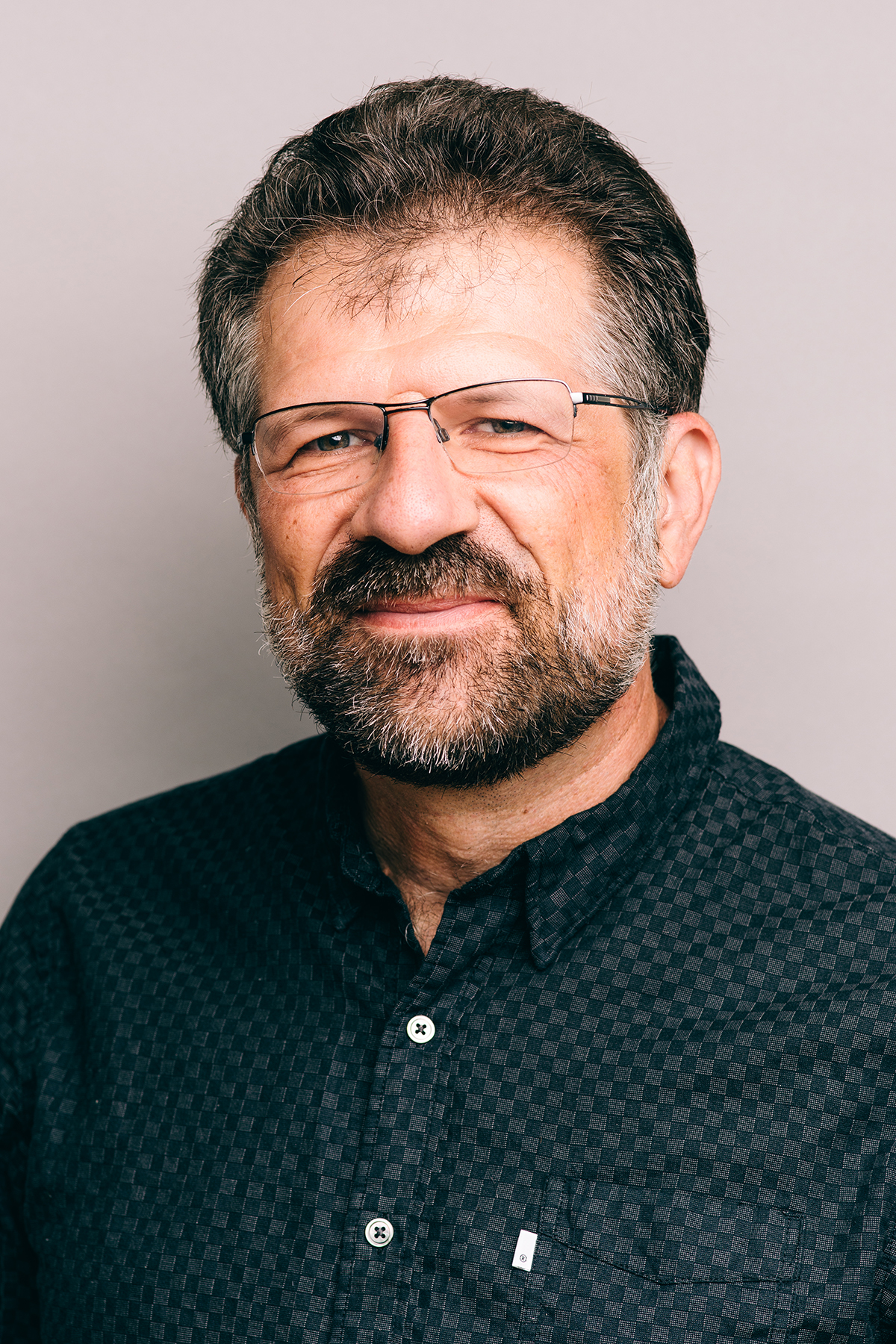
Mohamed F. Mokbel is a Professor at the University of Minnesota with a distinguished career in spatial databases and big spatial data management. His research spans over two decades with more than 260 publications in top-tier venues including ICDE, SIGMOD, VLDB, and GIS conferences. He has established himself as a leading researcher in trajectory data management, mobility data science, and scalable spatial processing systems. Dr. Mokbel's research interests focus on the intersection of spatial databases, big data, and machine learning. He has pioneered work in trajectory data management systems, developing frameworks like ST-Hadoop for processing spatio-temporal data at scale. His recent research explores the application of large language models to trajectory analysis, spatial data cleaning systems with spatial awareness, and innovative approaches to mobility data science. His work addresses fundamental challenges in handling massive spatial datasets while maintaining efficiency and accuracy. His publication record reveals significant trends toward integrating machine learning with spatial data management, particularly in trajectory imputation using BERT models (KAMEL system) and applying NLP techniques to trajectory analysis. Recent work shows increasing focus on urban mobility applications, privacy considerations in location data, and the development of specialized frameworks for processing different types of spatial data at scale. Dr. Mokbel has mentored numerous students who have become productive researchers in their own right, with many publications featuring students as first authors. His collaborative network is extensive, with frequent co-authorship with researchers like Walid G. Aref, Ahmed Eldawy, and Amr Magdy, indicating strong research group leadership. He has contributed significantly to the spatial database community through systems like RASED for monitoring OpenStreetMap updates, KAMEL for trajectory imputation, and Sparcle for spatial data cleaning. His work bridges theoretical database concepts with practical applications in transportation, urban planning, and location-based services.