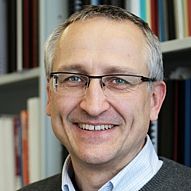
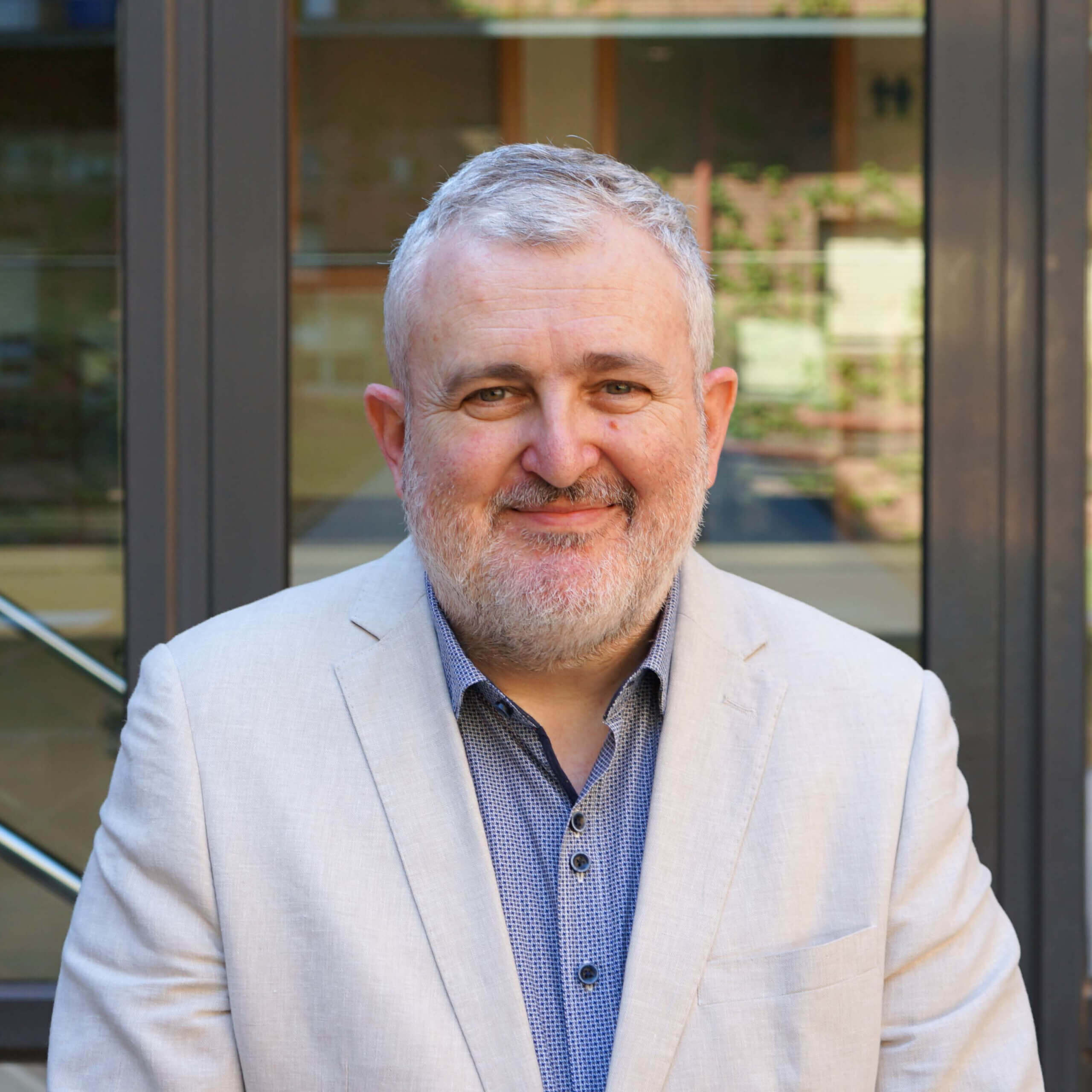
Professor Achim Göpferich holds the Chair of Pharmaceutical Technology at the University of Regensburg , Faculty of Chemistry and Pharmacy. He has led this position since 1997 and maintains active research in nanoparticle-based drug delivery systems. 1997: Habilitation at Friedrich-Alexander University Erlangen-Nuremberg 1991-1993: Postdoctoral work at MIT 1987-1991: Doctorate at Ruprecht-Karls-University Heidelberg 1982-1987: Pharmacy degree at Heidelberg University His research focuses on pharmaceutical technology , particularly: Nanoparticle design for targeted drug delivery Hydrogel-based controlled release systems Enzyme-activated delivery mechanisms Biodistribution and cellular uptake dynamics Clinical applications in ophthalmology and oncology Surface modification of nanocarriers Recent work emphasizes smart nanomaterials that respond to biological triggers, with applications in inflammatory diseases and cancer therapy. His group has developed innovative techniques for radiolabeling and characterizing nanoparticles. As head of the Pharmaceutical Technology chair, he leads a team exploring: Novel polymer hydrogels Lipid nanocapsule formulations Peptide-conjugated delivery systems Enzymatic activation of therapeutic cargos
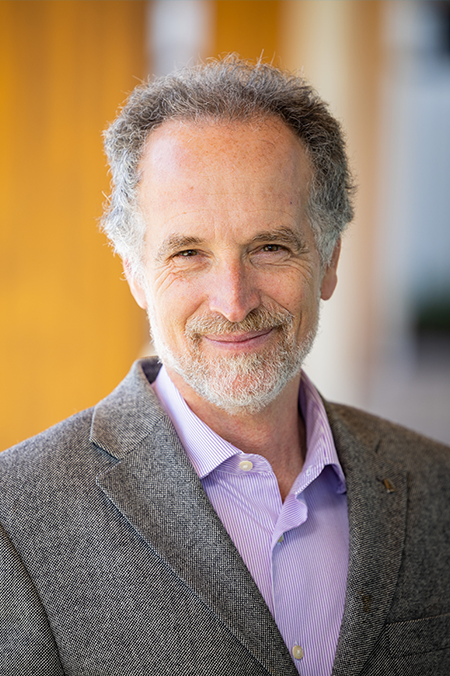
Sheldon Green is a Professor in the Department of Mechanical Engineering at the University of British Columbia's Faculty of Applied Science. A licensed Professional Engineer (P.Eng.) and Fellow of both the American Society of Mechanical Engineers (FASME) and Canadian Academy of Engineering (FCAE), he maintains an active research program focused on industrial fluid mechanics applications. His work bridges academic rigor with real-world industrial challenges through extensive collaborations with major companies. Education: Bachelor of Applied Science (University of Toronto) Master of Applied Science (California Institute of Technology) Doctor of Philosophy (California Institute of Technology) Professor Green's research centers on fluid-structure interactions in industrial processes, with particular emphasis on railroad friction control systems, paper manufacturing mechanics, and energy recovery technologies. His laboratory develops experimental and analytical solutions for liquid friction modifier application on railroads, electrospraying techniques for moving surfaces, paper creping and pressing optimization, and advanced energy recovery ventilators. These investigations address critical industry challenges in fuel efficiency, product quality, and energy conservation through precise fluid mechanics understanding. Analysis of his recent publications reveals consistent focus on multiphase flows, fiber network mechanics, and heat/mass transfer phenomena. Key themes include cellulose fiber network modeling for tissue paper, moisture measurement in paper pressing, membrane behavior in energy exchangers, and liquid-solid interactions in railroad systems. His work demonstrates strong industry-academic synergy with nearly all studies involving partnerships with major industrial players. Accolades include: Dean’s Excellence in Service Award (UBC, 2017) Fellow of the American Society of Mechanical Engineers Fellow of the Canadian Academy of Engineering Member of The Technical Association of the Pulp and Paper Industry Professor Green secures substantial research funding through industry partnerships with LB Foster (rail friction systems), FP Innovations/Kruger Products/Solenis/Albany (paper creping), AstenJohnson (paper pressing), and Core Energy Recovery Solutions (ventilators). His academic collaborations span Professors Boris Stoeber, Neil Balmforth, Srikantha Phani, and Steven Rogak across mechanical engineering subdisciplines. While student names aren't published, his prolific output indicates active mentorship of graduate researchers. He directs the Applied Fluid Mechanics Laboratory (CEME 2058) where experimental facilities enable high-precision studies of industrial fluid phenomena, particularly in railroad and paper manufacturing contexts where fluid mechanics directly impacts operational efficiency and product quality.
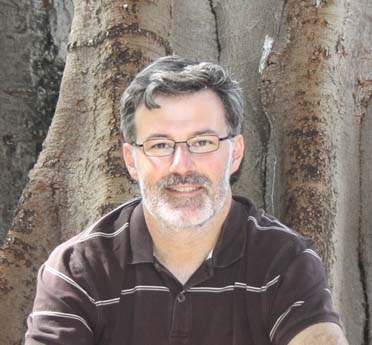
Junjie Niu holds the Richard and Joanne Grigg Professorship in Materials Science & Engineering at the University of Wisconsin - Milwaukee (UWM), with an affiliate appointment in the School of Freshwater Sciences. He previously held postdoctoral positions at MIT, Drexel University, and the University of Pennsylvania, and was a faculty member at Shanghai JiaoTong University. His research focuses on energy storage materials, water treatment technologies, and the interplay of electro-chemo-mechanical properties in materials. Notable contributions include advancements in lithium-ion batteries, MXene-based coatings, and photocatalytic water purification systems. Dr. Niu’s research has been published in over 80 journals, including Nature Nanotechnology and Nature Communications , with an h-index of 44. His work spans next-generation batteries, high-nickel cathodes, and self-cleaning coatings. He has secured millions in grants from NSF and industry partners and received awards such as the 2024 STEM Forward Engineer of the Year and UWM’s Research Excellence Awards. His lab develops novel materials for energy storage and environmental applications, emphasizing scalable synthesis and real-world impact. Ongoing projects include MXene-modified lithium metal anodes, hybrid hydrogel electrolytes, and anti-biofilm surface coatings.
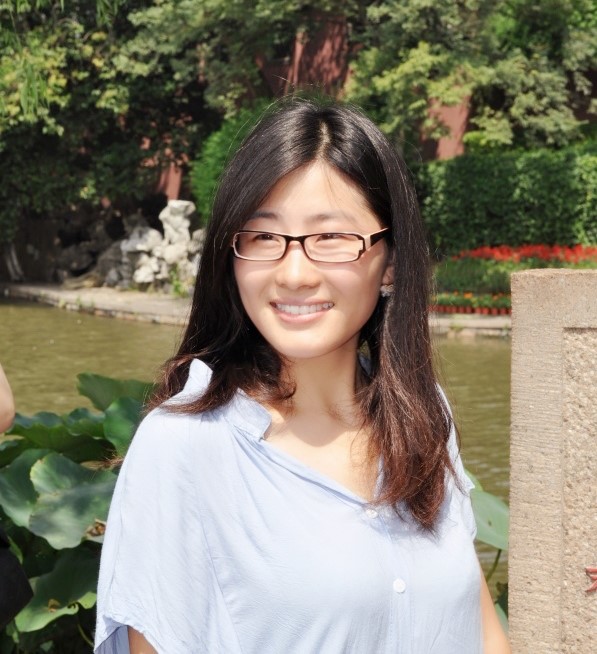
Heping Shen is an Associate Professor at the Research School of Engineering, Australian National University (ANU), where she leads a team of over 20 researchers in solar energy research. Her primary focus is on perovskite and tandem solar cell technologies, with significant contributions to advancing photovoltaic efficiency and stability. Dr. Shen holds a PhD in Materials Science and Engineering from Tsinghua University (2014). She has secured over $16 million in competitive research funding, including major grants from ARENA and the European Commission, focusing on perovskite-silicon tandem solar cells and solar fuel innovations. Her research interests span perovskite materials, tandem cell design, solar energy conversion, and sustainable energy technologies. Key achievements include developing stable perovskite solar cells with >90 publications in top journals like Nature and Science , and a patent portfolio addressing industrial scalability. ANU Future Schemes Award (2023) Top 10 Innovation by ICEF (2020) Her work emphasizes interdisciplinary collaboration with industry partners like Jinko Solar and international research networks. She actively mentors students in PhD, Master’s, and Honours programs focusing on device fabrication, characterization, and modeling. Laboratory and team activities include the ANU Energy Cluster, where her group pioneers advancements in monolithic tandem cells and photoelectrochemical systems for renewable hydrogen production.
Professor Andrew Slark is a Professorial Fellow in Polymer Chemistry at the University of Sheffield's School of Mathematical and Physical Sciences. He holds a BSc (Hons) and PhD in Chemistry from Loughborough University. With over 25 years of industrial R&D experience, he specializes in synthetic polymer chemistry and physical polymer science, focusing on adhesives, coatings, and inks. His research emphasizes sustainable materials, including recyclable polymers and smart materials. He received the EPSRC Manufacturing Fellowship (£1.5M, 2018) and previously worked at ICI, National Starch, Henkel, and De La Rue. Education: BSc (Hons) in Chemistry and Polymer Science/Technology, Loughborough University (1987) PhD in Polymer Chemistry, Loughborough University (1991) Research Interests: Smart polymers with advanced properties Recycling-focused materials (e.g., I-CARE project) Coatings, adhesives, and composites Structure-property relationships in polymers Notable Awards: ICI Innovation and Creativity Team Award (1997) MacroGroup UK Younger Researcher Award (1999) EPSRC Manufacturing Fellowship (2018) Advising & Grants: He leads the EPSRC Fellowship-funded I-CARE project and collaborates with industry partners to develop scalable sustainable materials. His work bridges academic research and industrial applications, emphasizing translational outcomes.
Lars Evenäs is a Full Professor at the Department of Applied Chemistry within the School of Chemistry and Chemical Engineering at Chalmers University of Technology. His research focuses on characterization methodologies and materials development in surface and colloid chemistry, employing advanced techniques such as NMR spectroscopy, diffusometry, and polarized Raman spectroscopy. He leads a research group advancing biomass-based materials, particularly cellulose derivatives, and core-shell particle formulations for controlled release applications. Education and professional background are not explicitly detailed in the provided texts, but his extensive publication record from 2009 to 2025 indicates sustained academic contributions. His research interests emphasize molecular and supramolecular properties of natural polymers, ionic liquids, and microcapsules, with applications in coatings, textiles, and energy materials. Projects include collaborations on structural battery electrolytes, acoustic levitation for contact-free analysis, and pH-responsive microcapsules. While no formal scientific awards are listed, his work has been published in high-impact journals such as Nature Communications , Langmuir , and ACS Applied Nano Materials . He has advised or collaborated with researchers like Viktor Eriksson, Smaragda Maria Argyri, and Markus Andersson Trojer, contributing to over 12 projects. His research group actively explores labs and teams focused on NMR-based characterization and sustainable materials innovation.
Dr. Indrat Aria is a Senior Lecturer in Functional Nanomaterials at Cranfield University's Surface Engineering and Precision Centre within the Faculty of Engineering and Applied Sciences. With expertise spanning nanomaterials, nanotechnology, renewable energy, smart materials, and surface engineering, Dr. Aria leads research focused on developing novel materials for sustainability applications. His educational background includes a PhD in Aeronautics from California Institute of Technology (2013), where he received the prestigious William F. Ballhaus Prize for his outstanding doctoral dissertation, an MSc from Caltech's Department of Aeronautics (2008), and a BSc with Honours (cum laude) from Bandung Institute of Technology, Indonesia (2006). Prior to joining Cranfield, he was a Post-Doctoral Research Associate at Cambridge University and a College Research Associate at Clare College (2013-2017). Dr. Aria's research interests center on the synthesis of hierarchical and 3D assemblies of low-dimensional nanomaterials, integration of nano-bulk materials, engineering of surfaces and interfaces, and design of functional ultrathin films. His work spans applications in solar energy conversion (concentrating solar power, photovoltaics, photocatalysis), electrochemical processes (batteries, supercapacitors, hydrogen electrolysis), soft matter (biopolymers, hydrogels), and REACH compliant materials. His recent publications demonstrate a strong focus on combinatorial sputtering techniques, molten salt corrosion studies, and advanced hydrogel characterization for various applications. Among his notable achievements are the Fulbright fellowship (2007-2012), the Green Talent Award from the German Federal Ministry of Education and Research (2014), and the 2024 Gold Award for Excellence in Hydrogen Research and Innovation from HyDEX for pioneering research in sustainable catalysts for green hydrogen production. Dr. Aria currently leads multiple research projects including H2020 MSCA-RISE FRIENDS2, IMAGE Photoluminescent Coatings, and several Innovate UK projects focused on flexible electrochromic windows, luminescent downshifting, novel electrocatalysts for green hydrogen electrolysis, and lithium-free batteries. His research group collaborates with industry partners such as Photocentric, Lambda Energy, BAE Systems, Hardide, and Thin Metal Films. He actively supervises PhD students and currently offers research opportunities in sustainable active materials for next-generation lithium-free batteries, novel electrocatalysts for green hydrogen by seawater electrolysis, and solid polymer electrolytes for batteries and smart windows.
Carlos Baleisao is an Associate Professor at the Department of Chemical Engineering, Instituto Superior Técnico, University of Lisbon. He also serves as Coordinator of the Master in Molecular Science and Engineering and leads the 'Functional Materials Chemistry' thematic line at the Centro de Química Estrutural. His research focuses on hybrid silica nanoparticles, photoactive frameworks, and optical sensors, with applications in nanomedicine, energy storage, and bioimaging. He holds multiple awards, including the 'Excellent Professor' title from the IST Pedagogical Council (2015–2024) and the Portuguese Award for Best Young Organic Chemist (2015). Education: PhD in Chemistry (2004) from Technical University of Lisbon, focusing on nanostructured hybrid materials for asymmetric catalysis. Professional roles include Principal Researcher under FCT programs and international post-doctoral fellowships. He leads research projects funded by NIH (USA) and FCT-Portugal, focusing on nanomaterials for energy storage and biomedical applications. Research interests span mesoporous silica nanoparticles for drug delivery, organic semiconductors for photovoltaics, and pH-responsive polymers. He supervises multiple PhD/MSc students and collaborates with institutions globally. His work integrates materials science, chemistry, and engineering to address challenges in healthcare and sustainability. Awards and recognitions highlight his academic excellence and contributions to nanotechnology. He actively participates in conferences and editorial boards, including co-chairing international meetings like Sol-Gel 2026 and MATERIAIS 2025.
Salvador Borrós Gómez is a Full Professor and Director General at IQS School of Engineering, Universitat Ramon Llull, where he is affiliated with the Department of Chemical Engineering and Materials Science and the Bioengineering Department. He leads the GEMAT (Materials Engineering Group), a recognized research group in materials science and nanomedicine. His work bridges academic leadership, research innovation, and industrial collaboration. PhD in Chemical Engineering, IQS (1993) Bachelor in Materials Characterization, Universitat de Barcelona (1993) MBA, IQS (1993) Bachelor in Chemical Engineering, IQS (1987) His research focuses on functional polymeric materials , biomaterials , and nano-drug delivery systems , with applications in tissue engineering, cancer therapy, and sustainable materials. He has pioneered work in stimuli-responsive nanoparticles, smart surfaces, and 3D bioprinting of soft biomaterials. His research lines include the design of biomimetic surfaces, high-performance adhesives, and materials for fuel cells and rapid manufacturing. The most recent articles highlight a strong trend in nanomedicine , particularly in mRNA and siRNA delivery for cancer and genetic diseases, 3D printing of silicone-based soft materials , and advanced hydrogel systems for localized therapy. There is also significant work on pregnancy-safe nanotherapies and biomedical device innovation , reflecting a translational focus from lab to clinic. He has received no explicitly listed scientific awards in the provided texts, but his leadership in major research grants and high-impact publications suggests national and international recognition. Borrós has supervised multiple PhD students and research projects, including FPI fellowships and industrial collaborations. He has led or co-led major research initiatives such as 3D-CARTIBONE, RECYVAL, COVINANOVAX, and CERTERA, which involve interdisciplinary teams and significant external funding. His work emphasizes technology transfer and real-world impact. He leads the GEMAT research group, which is part of the TecnoCampus Maresme and affiliated with ACCIÓ’s Tecnio network. The group focuses on three pillars: new functional materials, surface engineering, and biomaterials. It is a fully consolidated research group (SGR) recognized by AGAUR and actively involved in both academic and industrial innovation.
Devid Maniglio is an Associate Professor at the Department of Industrial Engineering, University of Trento. His research focuses on bioengineering, biomaterials, and tissue engineering, with a particular emphasis on bioprinting, surface modification, and functional materials. He has contributed to advancements in silk fibroin and hydrogel-based systems for medical applications. Research Interests Bioengineering for personalized medicine Biomaterials and surface engineering 3D bioprinting and tissue regeneration Molecular imprinting and biosensors Drug delivery and cell encapsulation Teaching Diagnostic and therapeutic technologies for personalized medicine Engineered materials for precision medicine Fundamentals of biomedical technologies Functional surfaces laboratory Labs & Collaborations Devid Maniglio is affiliated with the Functional Surfaces Laboratory at the University of Trento, collaborating with researchers such as Stefano Rossi and Flavio Deflorian. His work integrates interdisciplinary approaches in biomedical engineering and sustainable medical technologies.
Wen-Gui Weng is a Professor at the College of Chemistry and Chemical Engineering at Xiamen University , China. He earned his Ph.D. from Case Western Reserve University in 2007, followed by postdoctoral training at the University of Delaware. His research spans mechanochemistry, supramolecular polymers, and biomedical polymers, with a strong publication record in high-impact journals. Education: Ph.D. in Chemistry, Case Western Reserve University (2007) M.S. in Chemistry, Huaqiao University (2003) B.S. in Chemistry, Huaqiao University (2000) Postdoctoral Fellow, University of Delaware Research Interests: His work focuses on reactive polymers , supramolecular polymers , topological polymers , polymer nanocomposites , and biomimetic and biomedical polymers . He is particularly known for developing mechanoresponsive materials that can sense and respond to mechanical stimuli, including self-healing polymers and mechanochromic systems. His research group explores force-induced chemical reactions at the single-molecule level and designs dynamic covalent networks with tunable mechanical and optical properties. These materials have applications in smart coatings , biomedical devices , and adaptive materials . Scientific Contributions: Prof. Weng has published over 27 peer-reviewed articles in top-tier journals such as Nature Communications , Journal of the American Chemical Society , and Angewandte Chemie . His work is highly cited and recognized for advancing the field of polymer mechanochemistry . Contact: Email: wgweng@xmu.edu.cn Phone: +86 (0592) 2182430 Address: College of Chemistry and Chemical Engineering, Xiamen University, Fujian Province, 361005, China
Prof. Ke Wang is a faculty member at the Southern University of Science and Technology (SUSTech) since 2019, holding the title of Professor in the School of System Design and Intelligent Manufacturing. With a Ph.D. in Polymer Chemistry and Physics from Sun Yat-Sen University (2000), he also holds graduate degrees in Polymer Chemistry (M.Sc., USTC 1990) and Chemistry (B.Sc., Zhengzhou University 1984). Education: Ph.D., Polymer Chemistry and Physics, Sun Yat-Sen University (2000) M.Sc., Polymer Chemistry, University of Science and Technology of China (1990) B.Sc., Chemistry, Zhengzhou University (1984) His research focuses on polymer composites for advanced applications, including: Multiphase polymer systems Fiber reinforced composites Advanced functional composites Energy materials Electronic ceramics Recent publications highlight his work on: Polymer electrolytes for lithium batteries Thermoset composites with ultra-low dielectric loss Thermal conductivity enhancement in polymer matrices Flame-retardant materials for energy storage Composite materials for microelectronics Nanoporous functional materials in battery applications Contact Information: Email: wangk7@sustech.edu.cn Office: Room 305, Block 1, Innovation Valley, SUSTech, Shenzhen Phone: 0755-88015547
Natalie Stingelin is a Professor at the Georgia Institute of Technology, holding the chair of the School of Materials Science and Engineering since 2022. She is also affiliated with the University of Bordeaux (since 2017) and Imperial College London (since 2009). Her work spans organic electronic materials, bioelectronics, and hybrid systems, focusing on microstructure-property relationships and advanced processing techniques. PhD in Materials Science from ETH Zurich (2001), awarded ETH Medal Her research explores organic photovoltaics, thin film transistors, and inorganic-organic frameworks. She develops models linking charge transport to polymer disorder and investigates materials for sustainable energy and flexible electronics. Her recent publications highlight innovations in polymer characterization, photovoltaic efficiency, and light-matter coupling. Stingelin serves as Editor-in-Chief for the Journal of Materials Chemistry C and Materials Advances . She has secured major grants including ERC Starting and Proof-of-Concept Grants, and led the Marie Curie INFORM network. Fellow of the Materials Research Society (2019) Fellow of the Royal Society of Chemistry (2012) National Academy of Inventors Fellow (2021) Rosenhain Medal (2014) Suffrage Science Award (2021) Her contributions to polymer science, optoelectronics, and sustainable materials are recognized globally, including participation in the World Economic Forum (2016) and editorial leadership roles.
Dr. Kristian Kempe is a Senior Lecturer in the Department of Materials Science and Engineering at Monash University, Australia. He holds additional roles as an ARC Future Fellow and Senior Visiting Fellow at the University of Warwick (UK). His research focuses on advanced polymer materials for drug delivery, nanomedicine, and biomedical applications, particularly targeting challenges like Alzheimer’s disease and overcoming biological barriers such as the blood-brain barrier. Key projects include designing stealth polymers, developing targeted nanomedicines, and exploring sustainable biomaterials. Dr. Kempe’s expertise spans polymer synthesis, biomaterials engineering, and translational medicine. He has led multiple research initiatives funded by NHMRC, ARC, and international collaborations. His work aligns with UN Sustainable Development Goals related to health and sustainable innovation. Notable achievements include pioneering studies on poly(2-oxazoline) materials, antipolymer immune response mitigation, and bioorthogonal targeting strategies. Education Background: Postdoctoral training at the University of Melbourne (2012–2014), University of Warwick (2014–2016), and Monash University (2016–2019). Key Awards: Alexander von Humboldt Fellowship, ATSE YSEP Fellowship, and Mid-Career European Polymer Journal Award. Lab/Team: The KempiGroup focuses on interdisciplinary research bridging polymer science, nanotechnology, and clinical applications. His research outputs span over 160 peer-reviewed articles, emphasizing polymer-based drug delivery systems, nanoparticle engineering, and materials for precision medicine. Collaborations with institutions in Australia, Europe, and China highlight his global impact in advancing biomedical materials science.
John Andersson is a Researcher at the Department of Applied Chemistry, Chalmers University of Technology, working in the research group of Prof. Andreas Dahlin. His research focuses on nanotechnology, surface chemistry, and biophysics, with expertise in polymer brushes, nanopores, nanofabrication, and advanced characterization techniques like SPR and AFM. He holds a doctoral degree (2022) on polymer brush coatings for nanoscale devices. Research Interests: Functionalization of nanopores for biomolecule trapping Surface plasmon resonance sensing applications Thermoresponsive polymer networks Interdisciplinary approaches to biomolecular manipulation His publications (19 total) demonstrate contributions to nanoscale device development, biomolecular interaction studies, and advanced material characterization. Key techniques include solid-state nanopore engineering and SPR-based sensing systems. Currently affiliated with Chalmers' Applied Chemistry division, he collaborates on projects involving biomimetic nanopore systems and surface-functionalized nanomaterials.