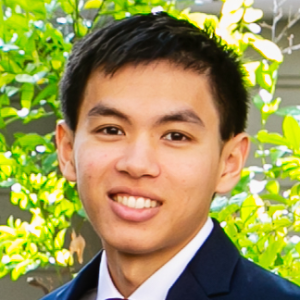
Richard F Betzel is an Associate Professor in Neuroscience at University of Minnesota and affiliated with Indiana University and Northwestern University through collaborative research grants. As a leading network neuroscientist, he develops edge-centric approaches for analyzing brain network organization and dynamics. Current affiliations: University of Minnesota (primary), Indiana University (collaboration), Northwestern University (collaboration) Active research grants from: National Science Foundation (NSF), NIH National Institute on Aging, NIH National Institute of Neurological Disorders & Stroke His research focuses on: Understanding brain network reconfiguration during aging and cognitive tasks Developing computational tools for analyzing connectome architecture Exploring relationships between structural and functional connectivity Investigating network mechanisms in neurodegenerative disorders like Parkinson's Advancing mindfulness meditation research through network neuroscience Recent publications emphasize: Edge-centric network analysis methods Connectome organization across species Dynamic network approaches to social cognition Functional MRI analysis of co-fluctuations Network controllability and modular architecture Applications to both healthy aging and pathological conditions His work contributes to UN Sustainable Development Goals including healthy aging (SDG 3) and scientific knowledge advancement. Current projects include NCS-FO for edge-centric brain mapping (NSF-funded), social cognitive aging research (NIH), and TMS therapy network analysis (NIH).
Andrew Kwong is an Assistant Professor in the Department of Computer Science at the University of North Carolina at Chapel Hill, specializing in computer security and applied cryptography with a focus on side-channel attacks and defenses. His research bridges hardware vulnerabilities and cryptographic systems, particularly targeting microarchitectural weaknesses. His primary research interests include Rowhammer-based exploits , side-channel attacks on cryptographic implementations , hardware security modules , and microarchitectural vulnerabilities . Kwong investigates how physical hardware properties (e.g., DRAM disturbance errors, cache hierarchies, acoustic properties) can compromise system security, with recent work demonstrating end-to-end key recovery against post-quantum cryptography and novel Rowhammer amplification techniques. His publication record features high-impact venues including IEEE S&P (5 papers), USENIX Security (4 papers), and CCS (2 papers), with notable work When Frodo Flips receiving a Best Paper Award Honorable Mention at CCS 2022. Research trends show consistent focus on practical hardware-assisted attacks, evolving from acoustic side-channels (2018-2019) to Rowhammer sophistication (2020-2025). Best Paper Award Honorable Mention (CCS 2022) Kwong teaches graduate courses including Hardware Security and Side-Channels (COMP 790-184) and Research Topics in Computer Security (COMP 790-185), emphasizing hands-on lab assignments for conducting and defending against hardware attacks. His syllabi cover foundational topics like cache side-channels, Spectre variants, Rowhammer, and trusted execution environments, requiring students to implement real-world attacks through programming assignments.
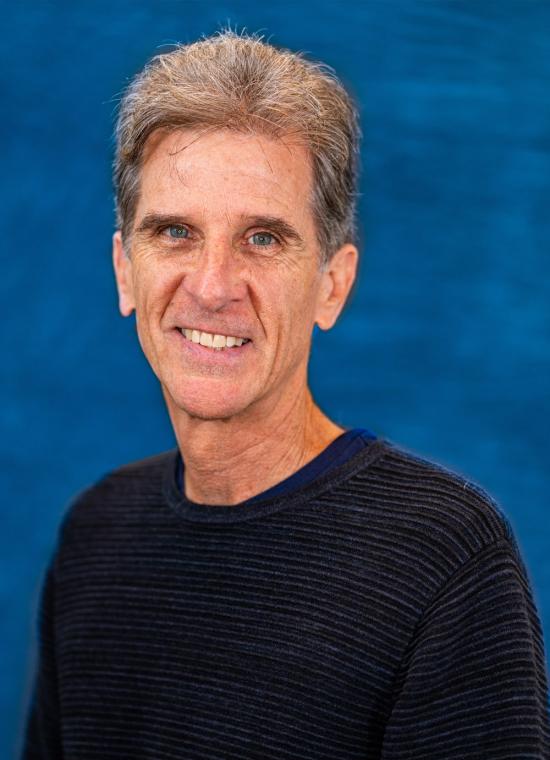
Richard S. Lewis serves as Professor of Neuroscience and Psychological Science at Pomona College, where he has maintained an active research program since 1985. Currently on leave for Fall 2025, he directs a laboratory specializing in cultural neuroscience using electrophysiology and functional near-infrared spectroscopy (fNIRS). His work examines how cultural frameworks shape neural processing of social and physical environments, with particular focus on self-construal differences between East Asian and European American populations. His educational foundation includes a Ph.D. from Michigan State University, Master of Arts from California State University, Los Angeles, and Bachelor of Science from University of California, Los Angeles. This training underpins his interdisciplinary approach bridging psychology, neuroscience, and cultural studies. Dr. Lewis's research program centers on three interconnected domains: (1) cultural modulation of neural responses to social stimuli using N400 and P3 event-related potentials; (2) acute/chronic stress effects on frontal EEG asymmetry and cognitive performance; and (3) neurocognitive sequelae of mild traumatic brain injury. His laboratory actively investigates how cultural background influences neural processing of contextual incongruities and emotional cues, revealing fundamental mechanisms of sociocultural cognition. His publication trajectory since 2006 demonstrates consistent advancement in cultural neuroscience methodology, increasingly incorporating ecological validity through naturalistic paradigms. The work shows progressive refinement from basic ERP studies of cultural priming to complex investigations of stress-cognition interactions in real-world academic settings, with recent emphasis on developing virtual reality methodologies for social neuroscience. Scientific recognition includes: Wig Distinguished Professorship Award for Excellence in Teaching (Pomona College, 1988 & 2011) National Institute of Mental Health Postdoctoral Fellowship (1984-1986) Research funding reflects his program's significance through: National Science Foundation Grant: "Stress, Stages of Memory, and Event-Related Potentials" (2002-2006) National Science Foundation MRI Grant: "Establishment of High-Density ERP Laboratory" (2001-2004) National Institutes of Health Grant: "Neurobehavioral Sequelae of Mild Pediatric TBI" (1989-1991) He actively mentors undergraduate researchers in his Pomona College laboratory, with students contributing to publications across cultural neuroscience and stress physiology domains. His laboratory maintains specialized facilities including high-density EEG systems and fNIRS equipment, recently enhanced through NSF instrumentation grants. Current work pioneers virtual reality integration to create ecologically valid social scenarios while preserving experimental control, aiming to uncover deeper sociocultural neural mechanisms through innovative methodology.
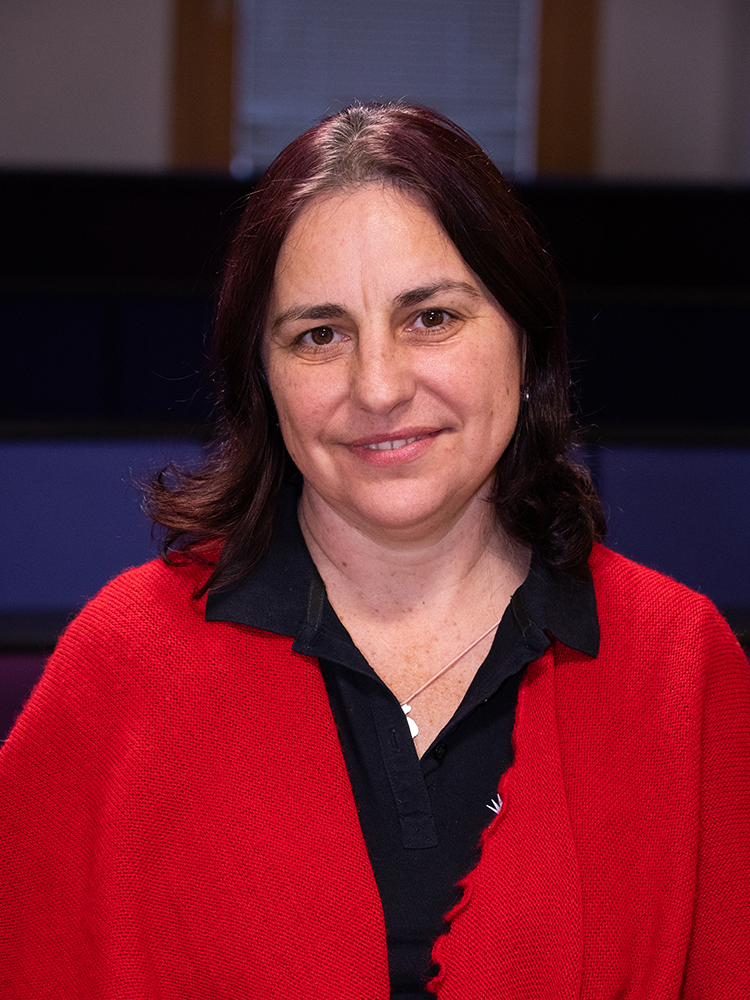
Laurel S. Morris is an Associate Professor in the Nuffield Department of Clinical Neurosciences and Experimental Psychology at the University of Oxford, leading the NeuroSCOPE Lab with expertise in cognitive neuroscience and psychiatric disorders. Her research pioneers cognitive and digital measures of motivation, self-agency, and reward/punishment processing while optimizing high-resolution multi-modal neuroimaging for precision applications. She develops biofeedback-based interventions targeting psychiatric symptom management, with primary focus on depression, anxiety, and addiction pathophysiology. Recent publications (2016-2025) reveal consistent specialization in ventral tegmental area mechanisms, subgenual cingulate cortex function, and fronto-striatal circuitry across depression and addiction. Her work integrates molecular neuroscience, cross-species modeling, and advanced neuroimaging to dissect neural substrates of mood disorders. Prof. Morris actively mentors graduate students through the NeuroSCOPE Lab, emphasizing interdisciplinary collaboration in cognitive neuroscience and open to new supervisees for PhD/Master's research.
Susan Moore is Professor of Urban Studies and Planning at The Bartlett School of Planning, University College London, where she has been employed since January 2009. She progressed from Lecturer (2009-2017) to Associate Professor (2017-2024) and was promoted to Professor in 2024. Prior to UCL, she held academic positions at Cardiff University's School of City and Regional Planning and the London School of Economics' Department of Geography and Environment. Her interdisciplinary background spans human geography, community planning, and environmental studies. PhD in Human Geography, London School of Economics and Political Science (2006) Masters of Environmental Studies (Community Planning), York University, Toronto (1999) Bachelor of Environmental Studies (Specialised Honours, Summa cum laude), York University, Toronto (1997) Post-Graduate Certificate in Teaching and Learning, Cardiff University (2008) Data and Urban Governance certification, Sciences Po, Paris (2023) Professor Moore's research focuses on the relational geographies of urban and suburban development, with particular emphasis on comparative understanding of planning and development cultures across international contexts. She investigates urban development and governance models, the circulation of so-called 'best practices', and has conducted significant research on New Urbanism as a global movement. More recently, her work has expanded to examine platform urbanism and its implications for understanding and planning local urban change, particularly low traffic neighborhoods (LTNs), urban data cultures, housing policy, and the 'local' dimensions of content governance on social media platforms. Her methodological approach often combines qualitative analysis with digital research methods. Moore's publication record reveals a clear evolution from traditional urban planning topics toward digital urbanism. Her earlier work focused on New Urbanism and comparative planning systems, while her most recent publications demonstrate significant engagement with platform urbanism, social media as urban infrastructure, and digital methodologies for urban research. She maintains a strong comparative framework, particularly examining London and Toronto as case studies, while increasingly addressing how digital technologies transform urban experiences and governance. As Departmental Graduate Tutor for Research at UCL, Professor Moore coordinates PhD studies in Planning and supervises doctoral research. She has been involved in numerous research projects examining urban development models, platform urbanism, and housing policy. Her editorial roles include Executive Editor for North America for International Planning Studies Journal (2024-present) and Associate Editor for Dialogues in Urban Research (2021-present). She has also served on grant assessment panels for UKRI ESRC and SSHRC Canada. Professor Moore is actively involved with the UCL Urban Laboratory Steering Group and the Bartlett Equality, Diversity and Inclusion Working Group, where she led the 'Culture' sub-group. She co-led the UCL-University of Toronto Comparative Urbanism Book Project and has served as External Examiner for planning programs at Cardiff University and University of Westminster. Her teaching includes core modules on Comparative Planning Systems and Cultures, Contemporary Cities, and Dissertation supervision at both undergraduate and postgraduate levels.
Luciano Castillo is a Professor at the School of Mechanical Engineering within the College of Engineering at Purdue University . His research spans turbulent boundary layers, wind energy, renewable energy integration, and bio-inspired engineering, with a focus on societal impacts such as energy-water nexus and social equality. Turbulent Flow Modeling with emphasis on initial conditions and micro-surfaces Wind Energy optimization and boundary layer interactions Renewable Energy Integration with water and thermal storage Biomedical Engineering applications in respiratory flow studies His recent publications explore robotics for classroom safety, mangrove-inspired erosion prevention, and renewable-powered desalination. Awards include the Alumni Distinguished Career Award (2023), ASME Fellow (2013), and multiple best paper awards. He leads initiatives like the US-Mexico Energy Corridor and contributes to interdisciplinary labs focusing on energy and societal challenges.
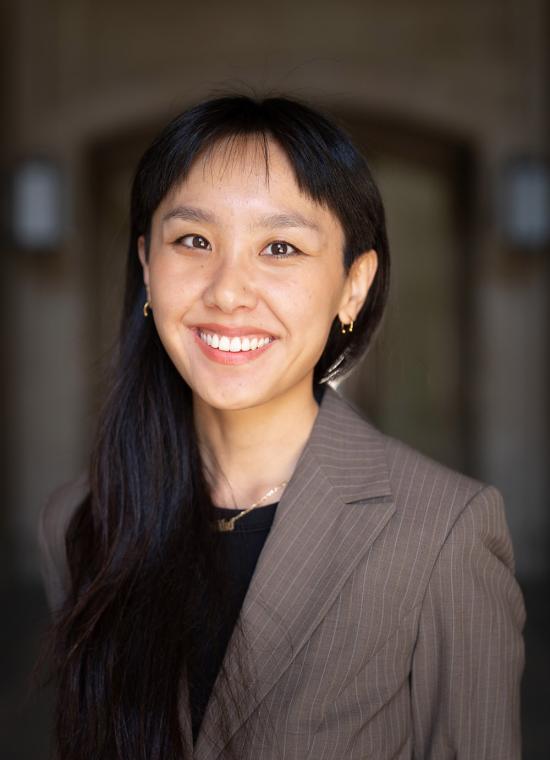
Yuqing Zhu is an Assistant Professor of Neuroscience at Pomona College, where they have been employed since 2023. They lead The Spike Lab, which investigates how the brain computes using spiking neural network models to understand neural communication and computation mechanisms. Research focuses on action potentials (spikes) as neural communication signals, computational contributions of diverse neuron types, and the impact of inhibitory connectivity and training methodologies on model behavior. Current projects examine multiple inhibitory neuron types and training variations in spiking neural networks. Recent publications analyze neocortical dynamics and spiking neural network modeling, with key themes including cross-stimulus-modulated inhibition emergence during task learning, neocortical feature integration for model training, and higher-order motif roles in sustaining asynchronous neural activity. Dr. Zhu mentors undergraduate researchers in The Spike Lab: Current students: ivyer qu, Daniel Yoon, dashiell fairborn, tara mukund, joyce chen, cleo yan Alumni: ulas ayyilmaz, antara krishnan, dora li, patrick liu, yotam twersky, ezra ford, perri mcelvain The lab actively presents at major conferences including the American Physical Society March Meeting, Bernstein Conference, and Society for Neuroscience, advancing theoretical frameworks for brain computation through biologically plausible neural network models.
Pierre Duhamel is a researcher affiliated with the Signals and Systems Laboratory, focusing on digital signal processing, communication systems, and multimedia security. His work spans theoretical and applied research in network coding, image compression, and channel coding. Primary affiliation: Signals and Systems Laboratory Research roles: Academic researcher, inventor (patents in image coding) Research interests: Duhamel's work addresses challenges in signal processing (e.g., wavelet transforms, L∞ norm compression), communication systems (e.g., robust decoding, WiMAX MAC protocols), and multimedia security (asymmetric watermarking, screen content coding). He explores optimization techniques for wireless networks and error resilience in multimedia transmission. Recent publications (2024–2025) reflect trends in image and signal processing , network optimization , and communication security , with applications to hyperspectral imaging, turbo coding, and cooperative wireless systems.
Naz Yeni is a Lecturer at the Cambridge School of Creative Industries within Anglia Ruskin University. With expertise in theatre-making, physical theatre, and community arts engagement, she teaches modules such as Acting (Musical Theatre), Applied Drama, and Workshop Facilitation. Her research spans dramaturgy, performer training, and the intersection of language practices with performance. Academic Background: PhD in Theatre Studies (Anglia Ruskin University), MEd (University of Cambridge), MA in Applied Linguistics (King’s College London), and specialized certifications in Laban Movement Dance and Michael Chekhov Acting Technique. Research Focus: Explores postdramatic theatre, semiotics, aesthetics, and the application of Mary Overlie’s Six Viewpoints and Eugenio Barba’s third theatre principles. Supervision: Available for drama and performance projects in artistic and applied contexts, including acting, directing, and wellbeing-focused theatre practices. Recent Conferences: Presented on migrant identities at Bahcesehir University (2024), co-convened a symposium on Migrant Shakespeare (2021), and discussed cultural memory at Hacettepe University (2020).
Jens Michaelis is a Professor at the Faculty of Linguistics and Literary Studies, Bielefeld University, specializing in Computational Linguistics, Text Technology, and Linguistic Creativity. He serves as Deputy Head of the Department of Linguistics, Clinical Linguistics, Text Technology and Computational Linguistics, and provides academic advising for Computational Linguistics programs. His office is located at UHG U5-231, with contact details including telephone +49 521 106-6915 and email jens.michaelis@uni-bielefeld.de . Maintaining active research roles, he leads project B01 'Coercion as a creative mechanism in compositional interpretation' within the SFB 1646: Linguistic Creativity in Communication. His teaching responsibilities span modules like 23-CL-BaCL2.1 Selected methodological aspects 23-CL-BaCL5 Advanced Module 23-CL-BaCL6 Project Module 23-LIN-Ma3.1 Basics of Computational Linguistics 23-MeWi-HM3a_a Mathematical-linguistic language modeling across both undergraduate and graduate programs. His scholarly work focuses on formal grammar properties, syntactic mechanisms, and computational modeling of language. As an ordinary member of the Faculty Conference and Habilitation Committee, he contributes to academic governance while maintaining an extensive publication record in mathematical linguistics, minimalist grammars, and formal language theory.
Mihaela Dariescu serves as Senior Personal Academic Tutor (PAT) at the University of Sunderland in London, supporting hospitality and tourism management students at both undergraduate and postgraduate levels. With 10 years of experience in UK higher education, she teaches tourism, hospitality, and business-related modules while leading academic teams across various institutions. Her professional commitment centers on the transformative potential of education for individuals and society. Dr. Dariescu's educational background includes current PhD studies at Lancaster University, an MA in Education Leadership and Management from the University of Roehampton, and both an MA in Management of Tourist Resources and Activities and BA in Geography from the University of Bucharest. She has also completed a Level 5 teaching qualification, demonstrating her dedication to pedagogical excellence. Her research expertise spans two interconnected domains: higher education systems and hospitality industry practices. Within higher education, she investigates staff wellbeing and development, leadership structures, governance frameworks, organizational culture dynamics, and cross-cultural management approaches. In hospitality research, she examines quality management systems, cultural norms, and cross-cultural dynamics within the industry. Her recent publications (2020-2023) reveal a scholarly trajectory connecting educational practice with hospitality industry applications. These works demonstrate methodological sophistication in examining organizational culture, knowledge management systems, and cross-cultural dynamics across both academic and commercial service contexts. UK Academic and Tutoring (UKAT) - Recognised Leader in Advising (RPA) Advance Higher Education (SFHEA) - Senior Fellow As a Senior Personal Academic Tutor, Dariescu provides comprehensive academic support for students enrolled in BSc (Hons) International Tourism and Hospitality Management and MSc Tourism and Hospitality programs. Her advising philosophy integrates industry leadership experience with academic scholarship, creating a holistic support framework that addresses both educational progression and professional development needs of students in the competitive hospitality sector.
Hana Kammoun is a postdoctoral fellow at the Institut Pasteur in the Biology of Infection Unit since 2018. Her research focuses on Vaccinology Immunology Infectious disease mechanisms Mucosal immunity Her work emphasizes live attenuated vaccine strategies using Bordetella pertussis (BPZE1) to combat respiratory pathogens like influenza and pertussis. She obtained a PhD in Biotechnology (2009-2012) from Lille2 University Master 2 in Genetics and Microbiology (2008-2009) from Lille2 University Engineering degree in Industrial Biology (2003-2008) from INSAT Her postdoctoral experience includes positions at Karolinska Institute's Center for Infectious Medicine (2015-2017) INSERM U1019-CNRS UMR8204's Center for Infection and Immunity of Lille (2013) Lille2 University's CIIL unit during her PhD (2008-2012) Her publications reveal a focus on Live attenuated vaccine development Immune response modulation Cross-protective immunity against Bordetella species Th1/Th17 vs. Th2 immune polarization Long-term mucosal immunization strategies Role of innate lymphoid cells in intestinal homeostasis She has mentored Ranabir Chakraborty (PhD candidate) Paul Courrieu (Master's student) in academic teams at Institut Pasteur and affiliated institutions.
PD Dr. Ronald Dijkman is Group Leader of the Experimental Virology Research Group within the Institute for Infectious Diseases (IFIK) at the University of Bern Medical Faculty. His laboratory is located at the Multidisciplinary Center for Infectious Diseases (MCID) , underscoring his central role in Swiss infectious-disease research infrastructure. Education & Training: While the supplied pages do not list explicit degrees, the title PD Dr. indicates that he has completed a PhD, post-doctoral training, and the Germanic Habilitation, qualifying him as an Associate Professor-level faculty member. Research Focus: Dr. Dijkman’s team investigates host–pathogen interactions in the respiratory epithelium , concentrating on three pillars: Innate immunity triggered by influenza and coronaviruses in human and animal airway epithelial cells. Viral genetic determinants that modulate immune evasion and cross-species transmission. Host determinants that either restrict or facilitate infection across species barriers. To dissect these questions, the group has pioneered genetically-tractable, well-differentiated primary airway epithelial cell (AEC) cultures derived from humans, pigs, cattle and bats, creating a unique comparative platform for zoonotic-risk assessment. Funding & Collaborative Networks: His research is currently supported by: Swiss National Science Foundation (SNF) – project on Molecular characterization of Influenza D virus–host interactions . EU Marie Skłodowska-Curie ITN “HONOURs” – a multi-partner training network on host-switching pathogens and zoonoses. Federal BLV grant – implementation of nanopore sequencing for rapid identification of OIE-notifiable animal viruses. These grants enable a team of one post-doc and four PhD students, together with technical staff. Scientific Output & Impact: Since 2010, Dr. Dijkman has authored >60 peer-reviewed articles. His work on SARS-CoV-2 reverse genetics (Nature, 2020), MERS-CoV receptor usage (Nature, 2014) and single-cell influenza pathogenesis (bioRxiv, 2020–22) has been highly cited, reflecting broad scientific impact. Laboratory & Team: The Experimental Virology group occupies BSL-2 and BSL-3 laboratories equipped with state-of-the-art live-cell imaging, lentiviral genetic engineering, and nanopore sequencing pipelines. The group presently comprises: Larise Oberholster – Early Post-doc Alina Baltensperger – PhD student Jean-Claude Makangara – PhD student Mike Javan Mwanga – PhD student Karen Stevers – PhD student Cinzia Moscardelli – laboratory technician
Sina Moradi is a Lecturer in Project Management at University College London's Bartlett School of Sustainable Construction , where he teaches undergraduate and postgraduate modules since September 2024. Prior to joining UCL, he worked for six years at Tampere University (Finland) as a PhD student (2018–2021) and postdoctoral researcher (2021–2024). He also spent five years as a construction supervisor and project planning specialist in the Middle East before his PhD. Research Interests: Affordable housing, collaboration in construction, environmental sustainability, managerial competencies, project theory, and project delivery models Teaching Responsibilities: Module leader for Project and Programme Management, Strategic Quality Management, Procurement and Supply Chain, and tutorial lead for Organizations and People in Projects Publications focus on collaborative construction, lean methodologies, and sustainability, with 2025–2024 works analyzing mutual trust in projects, waste reduction, BIM integration, and sustainable delivery frameworks. He authored the Routledge Handbook of Collaboration in Construction (2024) and contributed to journals like Smart and Sustainable Built Environment , Building Research and Information , and International Journal of Managing Projects in Business . He serves as an editorial board member of Project Leadership and Society and International Journal of Project Management , reviews for multiple journals, and leads as Programme Director at CIB since 2024. His work aligns with UN Sustainable Development Goals 11 (Sustainable Cities), 12 (Responsible Consumption), and 13 (Climate Action).
Virginia Gao, M.D., Ph.D., is an Assistant Professor of Neurology and Neuroscience at Weill Cornell Medical College, Cornell University, and a board-certified neurologist specializing in Movement Disorders at NewYork-Presbyterian Hospital. As the Louis and Rachel Rudin Clinical Scholar in Neurology, she directs clinical care at the Parkinson's Disease & Movement Disorders Institute while leading biomarker discovery research and medical education initiatives. Her educational background includes: B.A. in Neuroscience from Columbia University (2008) M.D. and Ph.D. from Mount Sinai School of Medicine (2018) Neurology Residency at Weill Cornell (Chief Resident) Movement Disorders Fellowship at Weill Cornell/Columbia Dr. Gao's research centers on the gut-brain axis in Parkinson's disease, investigating alpha-synuclein pathology in the enteric nervous system as an early biomarker. Her work bridges molecular neuroscience with clinical neurology to develop diagnostic tools and therapeutic targets for neurodegeneration. She directs an NIH-funded clinical trial focused on Parkinson's biomarker discovery. Her 15 most recent publications (2020-2025) reveal a concentrated focus on Parkinson's disease mechanisms, particularly the role of alpha-synuclein in synaptic dysfunction and gut-brain interactions. Key themes include enteric nervous system pathology as a diagnostic window, systemic influences on brain health in aging, and innovative approaches to biomarker validation through multi-omics techniques. Major recognitions include: 2025 Louis and Rachel Rudin Clinical Scholar in Neurology 2023 Emerging Scholar Award (American Neurological Association) 2022 Leon Levy Fellowship in Neuroscience 2021 McGraw Fellowship in Neurology Research 2012 Ruth L. Kirchstein National Research Service Award 2008 Fulbright Scholarship Dr. Gao serves as Co-Director for the Area of Concentration in Neurodegeneration for medical students and Associate Program Director for Research in the Neurology Residency Program. Her research is funded by the National Institutes of Health, Leon Levy Foundation, McGraw Fellowship, American Academy for Neurology, and the Clinical and Translational Science Center (NCATS UL1 grant 2022-2027). She leads the Parkinson's biomarker research team within the Neurology Department's Movement Disorders Institute.