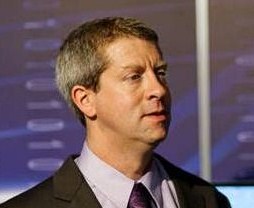
Josh Reiss is a Professor of Audio Engineering at Queen Mary University of London (QMUL), part of the School of Electronic Engineering and Computer Science . He holds additional roles including President-Elect and Fellow of the Audio Engineering Society (AES), and Visiting Professor at Birmingham City University. His research focuses on audio signal processing, procedural audio, and intelligent music production. He earned degrees including BSc in Physics, BSc in Mathematics, and a PhD. Research & Awards : Reiss has published over 200 papers, authored books like Intelligent Music Production , and received awards such as the AES Board of Governors Award (2009, 2010) and Best JAES Paper 2016. His work spans sound synthesis, dynamic range compression, and live audio systems. Teaching & Industry : Teaches modules like Artificial Intelligence and Sound Design. Co-founded startups LandR (AI mixing), Tonz, and Nemisindo. Leads the Centre for Digital Music at QMUL, advancing research in audio technology. Labs & Teams : Active in the Centre for Digital Music, collaborating on projects like the Open Multitrack Testbed and semantic audio evaluation tools.
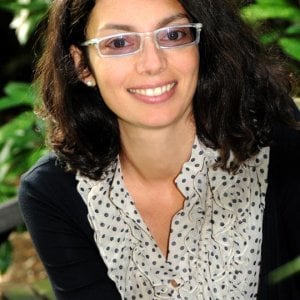
Dr. Yan (Cindy) Sun is a Lecturer in Telecommunications at Queen Mary University of London's School of Electronic Engineering and Computer Science. Her research focuses on routing strategies for ad hoc wireless networks, energy efficiency in IoT systems, and cross-layer design for next-generation wireless networks. She teaches modules on Ad Hoc Networks and Telecommunications Systems, emphasizing protocols like TCP/F, MANET routing (DSDV/ABR/AODV), and wireless broadband access technologies. Research Interests: Optimized routing in heterogeneous wireless environments Energy-saving mechanisms for IoT devices Cross-layer protocol design for 5G/6G networks Her publications (2017-2023) address VANET privacy, game-theoretic intrusion detection, and mMTC network optimization. Active in both theoretical and applied research, she has contributed to eHealth systems integrating wearable sensors with IoT frameworks. Teaching responsibilities include modules taught in collaboration with BUPT (Beijing), covering information theory, queuing theory, coding principles, and wireless network fundamentals.
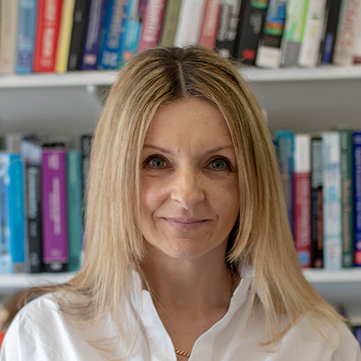
Dr. Yan Feng is a Reader (Associate Professor) in Health Economics at Queen Mary University of London's Wolfson Institute of Population Health. She holds a BSc in Statistics from Capital University of Economics and Business (2005), an MSc in Economics from the University of Edinburgh (2006), and a PhD in Health Economics from the University of Aberdeen (2010). She is a Fellow of the Higher Education Academy (2019) and serves as Associate Editor of Health and Quality of Life Outcomes . Education BSc Statistics, Capital University of Economics and Business (Beijing, China), 2005 MSc Economics, University of Edinburgh, 2006 PhD Health Economics, University of Aberdeen, 2010 Research Interests Economic evaluation of clinical trials and health policies Pay-for-performance incentives in healthcare Quality of life measurement and utility valuation Applied micro-econometrics in health systems Key Projects Principal Investigator: Evaluation of bedside electronic transfusion checks (funded by Barts Charity) Co-Investigator: Cost-effectiveness studies for NIHR/Horizon 2020-funded trials Awards Fellow of the Higher Education Academy (2019) Teaching MSc Global Health: Health Economic Analyses Module Wellcome Trust PhD Programme: Effective and Efficient Evaluation Module
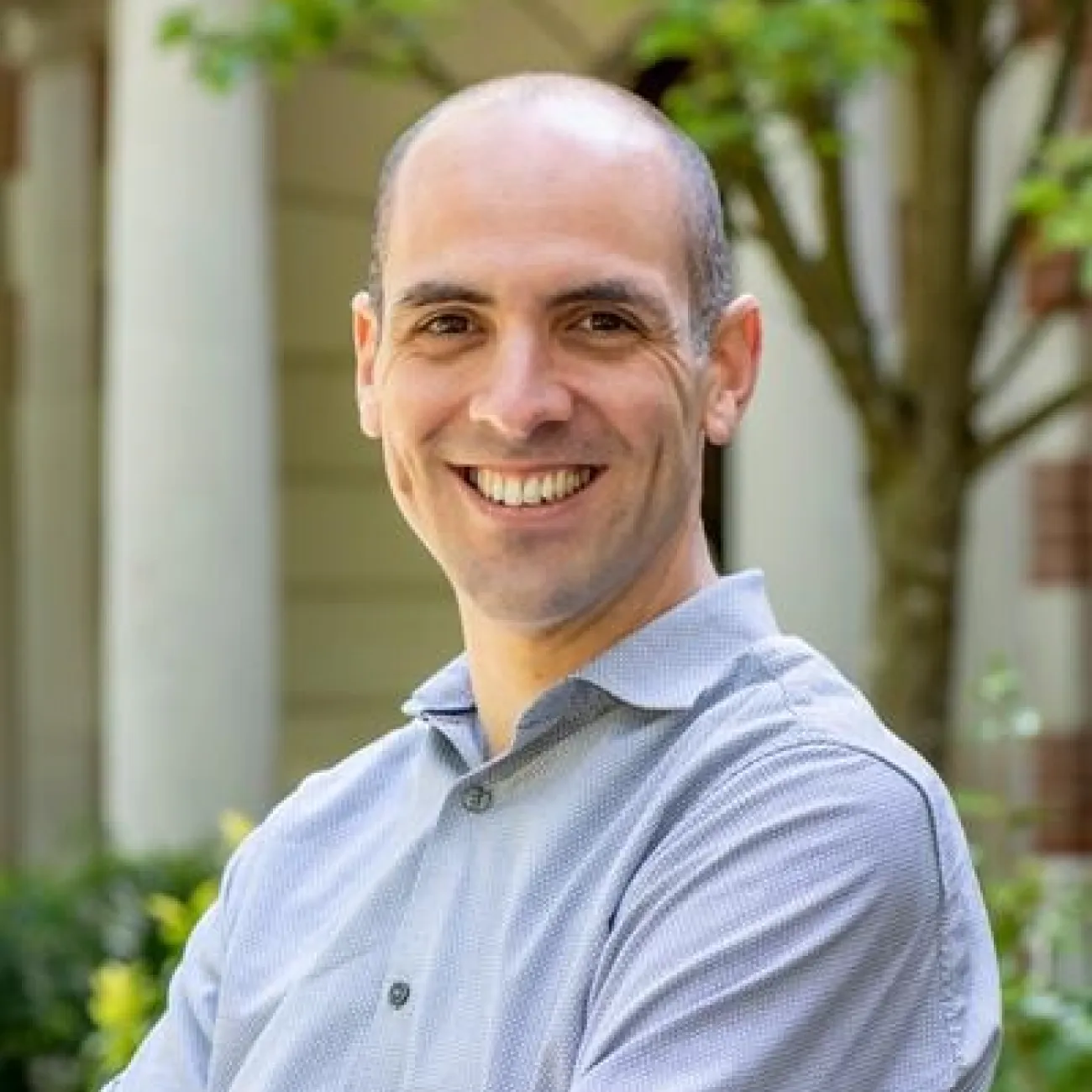
Dr. Manuela Colombini is an Associate Professor in Health Systems, Policy, and Gender-Based Violence at the London School of Hygiene & Tropical Medicine (LSHTM), within the Department of Global Health and Development and the Faculty of Public Health and Policy . She co-directs LSHTM’s Gender Violence and Health Centre (GVHC) and leads the gender-based violence theme at the Centre for Maternal Adolescent and Child Health (MARCH) . Her work focuses on health systems responses to gender-based violence (GBV), particularly in low- and middle-income countries (LMICs), integrating feminist theories and health policy frameworks. Her research explores how health systems can better address violence against women (VAW) through service integration, policy implementation, and intervention design. Notable projects include evaluating One Stop Crisis Centres (WHO collaboration), assessing the impact of lockdowns on VAW service provision in South Africa, and studying intersections between VAW and violence against children in the Middle East. She has led studies in Brazil, Palestine, Nepal, Sri Lanka, South Africa, Kenya, and Malaysia. Dr. Colombini’s teaching roles include Project Content Director for the Distance Learning Master in Health in Humanitarian Crises and Module Organiser for courses on Health Policy, Process and Power . She also contributes to training programs for tropical nursing and gender-based violence research. Her professional engagements include advisory roles with the WHO, UNICEF, and the Sexual Violence Research Initiative. Awards include Honorary Fellow (2018–2024) and Honorary Lecturer (2017–2019). Her work emphasizes translating evidence into actionable policies, with a focus on vulnerable populations and health equity.
Dr Olga Klein is an Associate Professor in the Finance Group at Warwick Business School (WBS), University of Warwick. She is also a research fellow at the Gillmore Center for Financial Technology and co-organizes the annual WBS Gillmore Centre Conference on DeFi and Digital Currencies. Her work focuses on market microstructure, fintech innovations, blockchain applications, and regulatory challenges in decentralized finance. She has advised the UK Financial Conduct Authority (FCA) on digital finance policies and contributed to industry collaborations like her project with ChainSolid Labs investigating blockchain scaling solutions on Uniswap. Education: Ph.D. in Finance (University of Mannheim), MSc in Finance & Economics (University of Magdeburg), BSc in Economic Theory (Kyiv-Mohyla Academy) Teaching: Executive MBA, Accelerator MBA, MSc Mathematical Finance, and undergraduate modules in Financial Management, Advanced Trading Strategies, and Finance in Practice Affiliations: European Finance Association program committee member, former post-doctoral fellow at Frankfurt University's E-Finance Lab Her research explores how technology reshapes liquidity and price efficiency in both traditional and decentralized exchanges, with recent emphasis on blockchain scalability and regulatory frameworks for digital assets. Olga's interdisciplinary work bridges theoretical finance with practical fintech applications, addressing emerging trends in automated market making and DeFi infrastructure.
Caroline Elliott is a Professor of Economics at the University of Warwick, serving as Deputy Head of the Economics Department (Teaching and Learning) since 2022, Deputy Chair of the Social Sciences Faculty for Education (2023), and Academic Director of the Social Sciences Connect Programme (2024). She is also Deputy Director of The Economics Network and a Fellow of the Warwick International Higher Education Academy (WIHEA) since 2021. Her roles include advising on teaching policies and leading initiatives in digital education technologies through WIHEA Learning Circles. Prior to Warwick, she held positions at Aston Business School and other institutions, with academic qualifications from Oxford University (PPE), Manchester (Masters), and Manchester (PhD). Her research focuses on economics pedagogy, applied industrial economics, and cultural economics. Key themes include the use of technology in teaching, design of effective economics curricula, and evaluation of educational resources. She has also explored firm behavior in competitive markets, including advertising strategies, quality signaling, and responses to regulatory interventions. Her work on MBA program attributes and international education markets highlights her interest in higher education economics. Recent publications emphasize innovations in economics education, such as the effectiveness of virtual learning environments and the global landscape of teaching-track economists. Her 2024 articles on UK and North American teaching-track roles analyze academic career structures in economics departments. She also publishes in cultural economics, examining factors influencing film industry success in international markets like China and India. Awards include WIHEA Fellowship recognition for contributions to teaching excellence. Her leadership roles span regulatory policy committees, educational program development, and initiatives to integrate sustainability and ethics into business education. She actively contributes to policy discussions on competition in education sectors and regulatory impacts on institutions.
Dr. Chloe Houston is an Associate Professor and joint Head of the Department of English Literature at the University of Reading. She specializes in cross-cultural encounters in early modern English literature, with a focus on travel literature and drama. Her research explores depictions of non-European worlds, religions, and political systems. Key works include *The Renaissance Utopia* (2013) and *Persia in Early Modern English Drama, 1530-1699: The Imagined Empire* (2023). She co-edits collections on travel writing and utopian studies, contributing to journals like *Renaissance Studies* and *Studies in Travel Writing*. Houston teaches modules on early modern drama, utopian/dystopian literature, and global Renaissance studies. She is actively involved in the Early Modern Research Centre (@ReadingEMRC). Her teaching portfolio includes undergraduate courses like *The Bloody Stage: Revenge and Death in Renaissance Drama* and postgraduate modules such as *The Global Renaissance*. She supervises PhD students in early modern studies, emphasizing interdisciplinary approaches to cross-cultural representation. Houston’s recent novel, *The Book Game* (co-authored under the pseudonym Frances Wise), is forthcoming in 2025 with 4th Estate. Research interests span utopian fiction, Persian empire imagery, and the intersections of travel writing with political counsel. Her publications analyze how early modern texts constructed ‘otherness’ through language, theater, and narrative. Houston’s work bridges literary analysis with historical context, offering insights into how early modern England conceptualized its place within a globalizing world.
Dr. Simon Grant is an Associate Professor in the Division of Optometry and Visual Science at City St George's, University of London. He specializes in visual neuroscience, with a focus on binocular vision and its role in human action control, particularly eye-hand coordination. He joined City University London in 2000 after prior academic roles at Imperial College and Charing Cross & Westminster Medical School. His research centers on understanding how deficits in binocular 3D vision, especially in conditions like amblyopia, affect everyday visually guided tasks such as reaching and grasping. He investigates the neural and perceptual mechanisms underlying these deficits and explores novel therapeutic approaches, including perceptual learning and video-game training, to improve binocular function and motor control in affected individuals. His recent publications highlight a sustained focus on the impact of amblyopia and stereo vision loss on prehension, obstacle avoidance, and gaze control. The research consistently demonstrates that binocular vision provides critical advantages for real-world motor tasks, suggesting a need to shift therapeutic focus from monocular acuity to binocular function recovery. Member, Society for Neuroscience (USA) Member, Applied Vision Association (UK) Dr. Grant has been involved in significant research grants, including projects funded by the Wellcome Trust. He serves as a Senior Research Tutor for PhD students and contributes extensively to teaching undergraduate and postgraduate modules in optometry, including Visual Science and Binocular Vision. His professional activities include presenting at international conferences such as ARVO and the International Lasker Workshop on Amblyopia, as well as media appearances discussing vision science. He leads a research group investigating cortical mechanisms of visual perception and action, collaborating with clinical colleagues at institutions like Moorfields Eye Hospital. His work bridges fundamental neuroscience with clinical applications, aiming to improve functional outcomes for patients with visual disorders.
Alasdair Cochrane is a Professor of Political Theory at the University of Sheffield's School of Sociological Studies, Politics and International Relations. He holds a First Class BA from the University of Sheffield (2000), followed by an MSc, PGCHE, and PhD from the London School of Economics (LSE). Previously, he served as Fellow in Human Rights and Lecturer in Human Rights at the LSE before returning to Sheffield in 2012 as Lecturer in Political Theory. His research focuses on contemporary political theory, rights theory, human rights, environmental ethics, animal ethics, and bioethics. Notable projects include exploring global inter-species justice, the ethics of imprisonment, and cosmopolitan approaches to animal rights. He co-directs the Sheffield Animals Studies Research Centre (ShARC) and has been recognized with the AHRC/BBC New Generation Thinker (2014) and a Leverhulme Research Fellowship (2014-15). His publications include Sentientist Politics: A Theory of Global Inter-Species Justice (2018), Animal Rights Without Liberation (2012), and An Introduction to Animals and Political Theory (2010). He teaches modules on contentious political issues like minority rights, euthanasia, and humanitarian intervention, emphasizing critical thinking and argumentation. Cochrane advocates for interdisciplinary approaches to animal ethics, integrating political theory with environmental and bioethical concerns. His recent work addresses solidarity with animals, food justice, and hate speech protections for non-humans. He actively engages in public discourse through radio appearances (BBC Radio 4) and academic conferences.
Dr. Kerri Woods is an Associate Professor of Political Theory at the University of Leeds, affiliated with the School of Politics and International Studies within the Faculty of Social Sciences. She holds leadership roles as Deputy Head of School and Director of the Centre for Contemporary Political Theory, while also serving as an Associate Editor for the British Journal of Politics and International Relations. Her academic journey includes a PhD from the University of Glasgow and postdoctoral research as a British Academy Fellow at the University of York. Woods specializes in contemporary political philosophy, with a focus on human rights theory, environmental ethics, feminist thought, and refugee solidarity. Her research interrogates intersections between ecological sustainability, moral obligations, and collective agency in global contexts. Recent scholarly work explores themes such as political solidarity’s normative demands, empathy in refugee narratives, and climate justice frameworks. She teaches advanced modules including the Philosophy of Human Rights (PIED3608) and actively supervises postgraduate researchers like Hope Sara Bachmann. Woods has contributed to high-impact publications like the Oxford Handbook of Environmental Political Theory and regularly engages with editorial duties to shape political science discourse. Her research outputs reflect a commitment to bridging theoretical debates with urgent global challenges, from climate mitigation ethics to cosmopolitan obligations. Grants and collaborations have supported projects analyzing environmental human rights and solidarity mechanisms in crises.
Monica Jato is a Professor of Hispanic Studies in the Department of Modern Languages at the University of Birmingham, where she teaches Spanish language, literature, and culture courses including specialized modules on Digital Media and Spanish Youth Culture, and Spanish Exile Culture. Her academic leadership spans cross-cultural exile studies and contemporary Spanish literary analysis. Her educational background includes: Licenciada en Filología Hispánica from Universidad de Deusto, Bilbao PhD from Michigan State University Professor Jato's research centers on cross-cultural comparative approaches to exile and migration, examining exile as a cultural topology where refugees transform dehumanizing spaces into sites of cultural resistance. She investigates intergenerational memory care, testimony in film, contemporary Spanish poetry, and 20th-21st century Spanish peninsular literature through postcolonial and cultural lenses. Her work critically engages with displacement, transnationality, resilience, and inclusivity in migration processes while recovering marginalized women's voices in literary canons. Analysis of her 14 recent publications (2014-2024) reveals consistent focus on exile experiences across Nazi Germany and Francoist Spain, with emphasis on inner/territorial exile duality, letter-writing networks, and testimonial expression in poetry and film. Key interdisciplinary patterns include spatial analysis of refugee journeys, gendered perspectives on evacuation legacies, and cultural strategies for adaptation in displaced communities. Scientific Awards: No specific awards listed in source materials Professor Jato currently supervises doctoral research on contemporary Spanish women writers, Spanish Civil War memory texts, carceral writing, and forced migration. She served as Co-Investigator for the Leverhulme Trust-funded project 'Inner and Territorial Exile in Nazi Germany and Francoist Spain' (2017-2019), producing comparative analyses of oppression writing. She actively participates in international research networks including GEXEL (Grupo de Estudios del Exilio Literario), Fenix (Network for Research on Female Exiles, Refugees and Migrants), and PoGEsp (Spanish Poetry and Gender), collaborating on transnational studies of exile literature and gendered migration experiences.
Catarina M Henriques is a Senior Research Fellow at the University of Sheffield's School of Medicine and Population Health. She leads a research group focused on Telomere Biology, Ageing, and Regenerative Medicine, with affiliations to the Bateson Centre , Healthy Lifespan Institute (HELSI) , and CIMA (Centre for Integrated research into Musculoskeletal Ageing). BSc (Hons) in Molecular & Cellular Biology, University of Glasgow PhD in Immunology and Cancer, University of Lisbon (FCT Fellowship) Her research explores the interplay between telomere dysfunction, cellular senescence, and immune/stem cell regulation in tissue homeostasis decline during ageing. Using zebrafish models , she investigates how telomerase-dependent mechanisms influence multi-tissue degeneration and therapeutic rejuvenation strategies. Recent work highlights telomere dynamics in immunity, intestinal permeability, and neurodegeneration. Key publications include: 2024: Telomere length as an epigenetic trait in disease modeling 2023: p21-GFP senescence zebrafish for senolytic testing 2022: Gut leukocyte telomere dependence and retinal regeneration Her work bridges the Versus Arthritis CIMA and Bateson Centre collaborations. Scientific awards include: Sir Henry Dale Fellowship (Wellcome Trust/Royal Society) CIMA Research Fellowship Vice-Chancellor’s Fellowship She supervises postgraduate researchers and contributes to undergraduate/postgraduate education via modules on multimorbidity, reproduction, and human disease modeling. The lab employs histology, immunofluorescence, flow cytometry, and cell culture to study zebrafish tissue repair mechanisms.
Glyn Hicks is an Associate Professor and Head of the Department of Modern Languages and Linguistics at the University of Southampton. He holds a PhD in Linguistics from the University of York, with research focusing on syntactic theory, language acquisition, and bilingual syntax attrition. His work explores Minimalist approaches to syntactic phenomena like 'tough'-movement and binding theory, alongside applications to second language acquisition and attrition in bilingual speakers. Research highlights include co-investigating the AHRC-funded 'Vulnerable Native Grammars' project (2020-2023), examining attrition in native grammars of bilinguals exposed to second languages post-childhood. He teaches undergraduate modules such as Elements of Linguistics, Syntax, and Advanced Syntax, and has contributed to postgraduate language analysis courses. Education: BA French & Linguistics (York), MA & PhD Linguistics (York) Active Roles: Chair of AHRC Peer Review College (2017-2020), Chair of QAA Subject Benchmark Group (2021-2022) His research bridges formal syntactic theory with applied linguistics, emphasizing cross-linguistic comparative analysis across Germanic and Romance languages.
John T. Ngo is an Associate Professor in the Department of Biomedical Engineering at Boston University. He leads The Ngo Lab , focusing on developing novel technologies to study cellular function and disease through principles of evolution, chemistry, and engineering. His research emphasizes live-cell imaging, protein engineering, and advanced microscopy techniques. Education: PhD in Biochemistry and Molecular Biophysics from the California Institute of Technology Research Interests: His work spans three core areas: live-cell imaging of signal transduction , innovative labeling techniques for high-resolution imaging , and protein engineering applications in biotechnology and nanotechnology . Recent projects include developing nanobodies for intracellular antigen detection and synthetic receptors for mechanotransduction. Publications: Over 20+ peer-reviewed articles since 2013, with recent focus on drug-controlled synthetic biology circuits, tension-tuned receptors, and RNA tracking tools. His work bridges molecular engineering and biomedical applications, emphasizing cross-disciplinary innovation. Labs/Teams: The Ngo Lab at Boston University collaborates on developing next-generation tools for live-cell analysis and synthetic biology. Current projects include antiviral drug-controlled systems and high-resolution imaging probes.
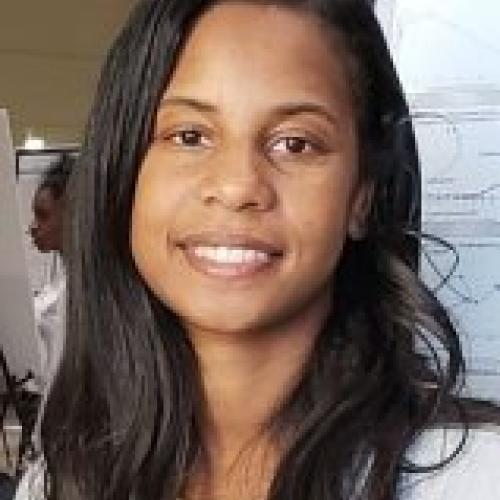
Jacqueline Smith is an Associate Professor in the Department of Chemistry at Howard University's College of Arts & Sciences. Her research program focuses on developing small-molecule therapeutics and bioanalytical tools for cancer and neurological diseases, with a strong emphasis on organic synthesis and drug discovery. Dr. Smith earned her Ph.D. in Chemistry from the University of Maryland, College Park, and completed postdoctoral research at Georgetown University. She is deeply committed to STEM outreach and education, particularly in supporting underrepresented minorities in organic chemistry. Ph.D. in Chemistry, University of Maryland, College Park (2011) B.S., University of Maryland, Baltimore County (UMBC), Meyerhoff Scholarship Program Postdoctoral Research, Georgetown University, Drug Discovery Lab Her research interests lie at the intersection of Organic Synthesis , Chemical Biology , and Drug Discovery , with specific focus on microwave-assisted synthesis of imidazole compounds to combat cancer resistance, and the development of fluorescent theranostic agents for targeted drug delivery and imaging, particularly in triple-negative breast cancer and brain delivery. She also explores quorum sensing modulation in bacterial systems. Her recent publications reveal a consistent trend in leveraging synthetic chemistry to address complex biological problems, spanning cancer therapeutics, neurodegenerative disease, and antimicrobial strategies. The work combines methodological innovation in synthesis with rigorous biological evaluation, demonstrating a translational and interdisciplinary approach. Dr. Smith has been recognized with prestigious awards, including: NSF CAREER Award NSF EiR Award She has actively mentored over 30 undergraduate and high school students and has secured significant research funding. Her lab operates at the forefront of chemical biology, developing novel tools and therapies. The Smith Research Lab is a dynamic team working on innovative projects in cancer resistance , theranostic drug delivery , and bacterial communication .