- Gender Studies
- Media Studies
- Postfeminism
- +۷ مورد دیگر
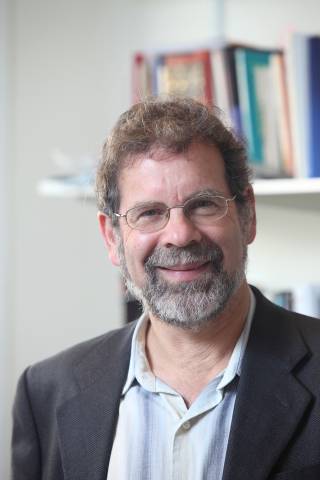
Rosalind Gill is a prominent Professor at Goldsmiths, University of London, with a distinguished career spanning gender studies, media studies, and cultural studies. Her extensive publication record demonstrates leadership in critical analyses of postfeminism, neoliberalism, and digital culture. Gill's research interests focus on the intersections of gender, media, and neoliberal subjectivity, with particular attention to postfeminist discourse, digital culture, embodiment, and creative labor. Her work critically examines how contemporary media cultures shape gendered subjectivities, with significant contributions to understanding the 'postfeminist sensibility' as a dominant cultural framework. She has pioneered research on the affective dimensions of neoliberalism, particularly how it shapes women's experiences of confidence, self-care, and embodiment in digital environments. Analysis of Gill's recent publications reveals a consistent scholarly trajectory examining the psychological and affective dimensions of contemporary culture. Her work increasingly focuses on digital embodiment, social media practices, and the 'editable self,' exploring how visual culture and digital technologies reshape bodily experiences and self-perception. Gill's research demonstrates a sophisticated understanding of how neoliberal imperatives intertwine with postfeminist discourse to create new forms of gendered subjectivity. Gill has produced significant scholarly collaborations, particularly with researchers like Shani Orgad, Julia Coffey, and Akane Kanai. Her influential book 'Confidence Culture' (2022, co-authored with Orgad) offers a critical analysis of how confidence has become a moral imperative within contemporary neoliberal feminism. Her academic contributions extend to professional activities, including submissions of evidence to UK Parliamentary committees on employment rights, demonstrating her engagement with policy-relevant research. Gill's work consistently bridges theoretical sophistication with attention to contemporary social issues, making significant contributions to feminist scholarship and cultural studies.