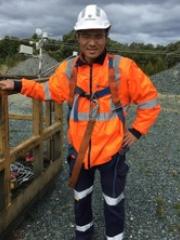
Assoc Prof Ng Teng Yong is an Associate Professor at the School of Mechanical & Aerospace Engineering (NTU), specializing in numerical modeling and simulation. With a background as Research Manager at A*STAR Institute of High Performance Computing, his work spans materials science, nanotechnology, and aerospace engineering. Current focus on graphene-based desalination membranes Expertise in molecular dynamics simulations Investigates nanoscale fluid mechanics and structural dynamics Recent publications highlight advancements in energy-efficient electrodialysis, smart robotics, and nonlinear vibration analysis. His interdisciplinary approach integrates computational methods with experimental validation in additive manufacturing and soft material mechanics.
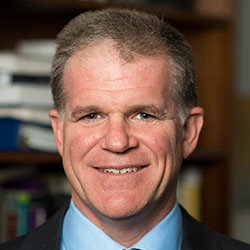
Guglielmo Scovazzi is a Professor at Duke University with appointments across multiple departments including the Department of Civil and Environmental Engineering, the Thomas Lord Department of Mechanical Engineering and Materials Science, and as Professor of Mathematics. His interdisciplinary research bridges computational mechanics, scientific computing, and engineering applications. Dr. Scovazzi earned his B.S/M.S. in aerospace engineering (summa cum laude) from Politecnico di Torino (Italy), followed by an M.S. and Ph.D. in mechanical engineering from Stanford University. Prior to joining Duke, he was a Senior Member of the Technical Staff at Sandia National Laboratories' Computer Science Research Institute. His research focuses on developing advanced numerical methods for computational mechanics, particularly finite element methods for fluid and solid mechanics. Key areas include multiphase porous media flows, computational methods for materials under extreme conditions, turbulent flow computations, and instability phenomena. His work emphasizes creating accurate computational approaches that reduce design/analysis costs for complex engineering problems involving fluid-structure interactions and transient phenomena in complex geometries. Dr. Scovazzi's most significant recent contribution is the development of the Shifted Boundary Method, an innovative computational framework that enables efficient simulations on complex geometries without requiring boundary-fitted meshes. This method has found applications in geomechanics, energy systems, and resilient infrastructure design. Kavli Fellow, National Academy of Sciences & Kavli Foundation (2018) Presidential Early Career Award for Scientists and Engineers (PECASE), White House (2017) Early Career Award, U.S. Department of Energy, Advanced Scientific Computing Research Program (2014) Dr. Scovazzi teaches multiple courses in computational mechanics including Nonlinear Finite Element Analysis and Introduction to the Finite Element Method. His research has been supported by substantial federal funding, and he actively collaborates across disciplines to address challenging problems in energy, environment, and infrastructure resilience through advanced computational methods.
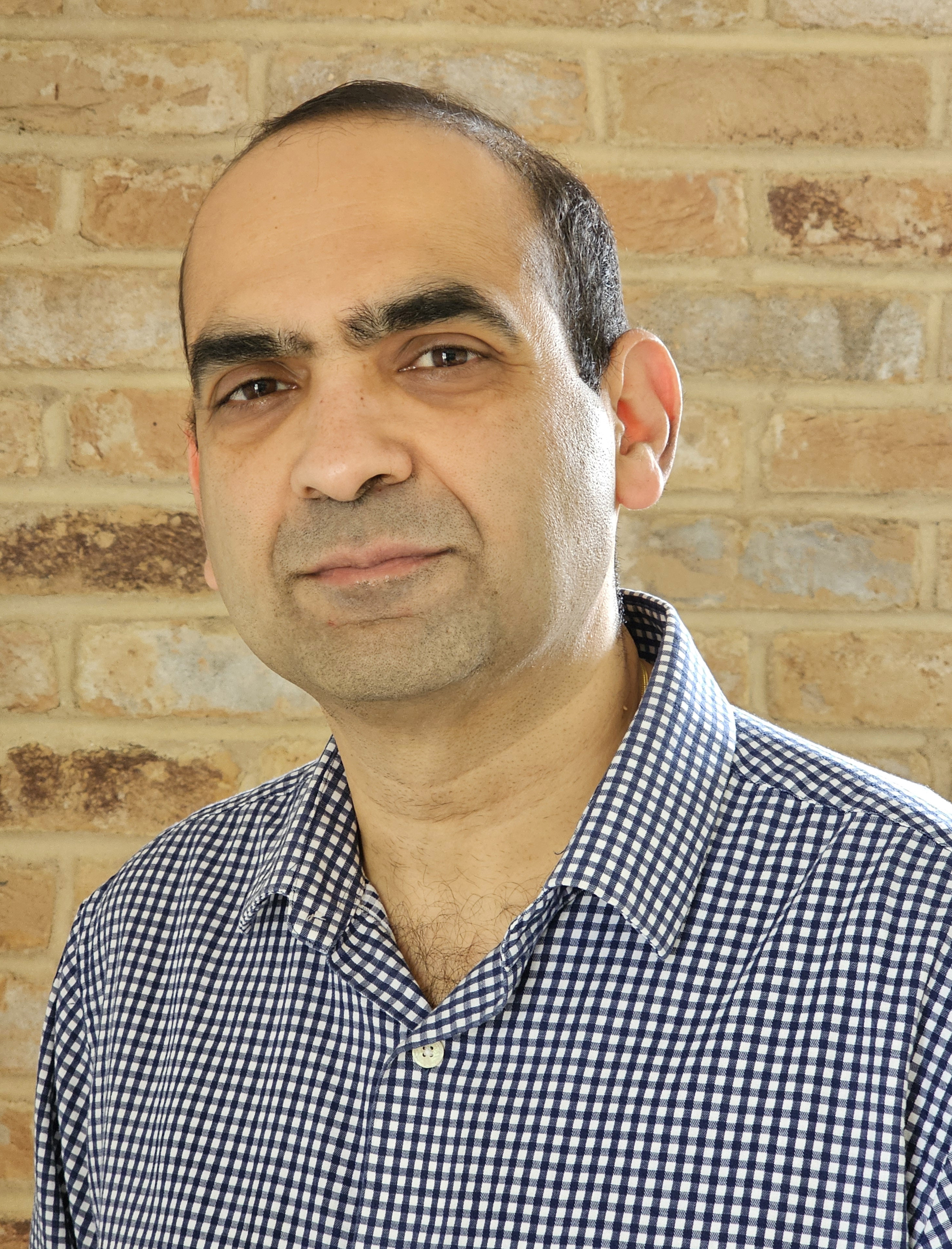
Kumar Varoon Agrawal is an Associate Professor at École Polytechnique Fédérale de Lausanne (EPFL), holding the Gaznat Chair for Advanced Separations. He is affiliated with the School of Basic Sciences (SB), the Institute of Chemical Sciences and Engineering (ISIC), and the Laboratory of Advanced Separations (LAS) in Sion, Switzerland. Additionally, he contributes to the Swiss Doctoral School in Chemical and Bioengineering (SCGC) and serves as Vice President of the Confédération des Chimistes et des Génie Chimique (CCE). Research Focus: Material Chemistry & Engineering at the Ångström scale for high-performance inorganic and hybrid membranes, emphasizing energy-efficient molecular separations. Teaching: Courses include Fundamentals of separation processes , Diffusion and mass transfer , and Chemical engineering product design . Scientific Contributions: His 15 most recent publications (2025-2020) span topics like graphene pore engineering , 2D material synthesis , carbon capture , and gas separation membranes , with keywords such as Nanotechnology , Materials Science , and Molecular Transport . Subfields include Atomic-Scale Pores , Membrane Stability , and Industrial Scalability . Students and Collaborations: He advises 10 current PhD students and has mentored 9 past PhD candidates in areas like graphene membranes , ion separation , and MOF films . He is an Academic Referent for the EPFL Carbon Team and a committee member for the EDCH Doctoral Program in Chemistry and Chemical Engineering.
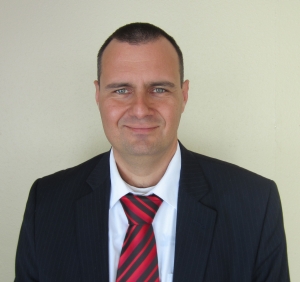
Dr. Chenming Zhang is an Advanced Queensland Industry Research Fellow at the School of Civil Engineering, The University of Queensland. His research focuses on hydrological processes in coastal and terrestrial groundwater systems, with particular emphasis on evaporation-driven mass and heat transport in soils and tailings, and hydrogeochemical dynamics in aquifers and mine waste systems. Specializes in IoT-based environmental monitoring Develops numerical models for coastal aquifer dynamics Conducts field and laboratory experiments on tailings behavior Research interests span coastal hydrology, groundwater modeling, mine waste management, and environmental monitoring. He works on contamination transport, aquifer protection, and climate impacts on water systems. Recent publications analyze: Iron curtain formation in subterranean estuaries Sea water intrusion mechanisms Salinity dynamics in tidal wetlands Smart sewer monitoring systems Scientific awards include the prestigious Advanced Queensland Industry Research Fellowship. He supervises multiple PhD projects on mine waste hydrology and coastal aquifer management, with notable collaboration on: Evolution Mining's gold tailings projects ARC Discovery Projects on coastal processes Grange Resources' PAF cell instrumentation His work combines field measurements, laboratory testing, and computational modeling to address critical environmental challenges in mining and coastal zones.
Vikram Deshpande is a Professor in the Department of Engineering at the University of Cambridge, UK, where he has been employed since 2010. He also maintains significant international connections, having served as a Visiting Professor at the Technical University of Eindhoven (2009-2017) and previously holding positions at the University of California, Santa Barbara and Brown University. His research spans multiple disciplines within solid mechanics and materials science, focusing on fundamental mechanisms that govern material behavior across different scales. His research interests encompass Mechanobiology , where he explores cellular organization mechanisms; Solid mechanics with applications to impact and failure; Data-driven mechanics approaches; Microarchitectured solids including mechanical metamaterials; Fluid-structure interaction in impact scenarios; Chemo-mechanics of battery materials; and Dislocation mechanics for understanding material deformation. His work uniquely bridges fundamental physics with practical engineering applications, particularly in developing materials with tailored mechanical properties. The analysis of his recent publications reveals a strong focus on mechanical metamaterials, cellular mechanics, and electro-chemo-mechanical phenomena in energy storage systems. His research demonstrates a consistent pattern of addressing fundamental scientific questions while maintaining strong connections to practical engineering applications, particularly in materials design, protective systems, and energy technologies. His publications frequently combine experimental approaches with sophisticated modeling techniques across multiple scales. 2024 Zdeněk P. Bažant Medal for Failure and Damage Prevention 2023 Fellow, Royal Academy of Engineering and International Member US National Academy of Engineering 2022 Warner T. Koiter Medal and William Prager Medal 2022 European Research Council (ERC) Advanced Grant 2021 Gili Agostinelli Prize and IIT Bombay Distinguished Alumnus Award 2020 Fellow, Royal Society of London and Rodney Hill Prize Professor Deshpande has served on numerous editorial boards including the Journal of the Mechanics and Physics of Solids (current Associate Editor), Modelling and Simulation in Materials Science and Engineering, and Proceedings of the Royal Society A. He chairs the Royal Society Sectional Committee 4 and serves on the Advisory Board of the European Mechanics Society EUROMECH. His leadership extends to directing the International Conference on Fracture and chairing the EUROMECH Mechanics of Materials Conference committee. His research group at Cambridge, accessible through cambridgesolidmechanics.co.uk, focuses on developing fundamental understanding of material behavior to enable the design of next-generation engineering materials.
Dr. Nicolas Francois is an Associate Professor in the Department of Materials Physics at Australian National University (ANU), specializing in experimental geomaterials physics, soft matter, and fluid hydrodynamics. He leads the X-ray Tomography and Applications Research Group, combining curiosity-driven and applied research in out-of-equilibrium systems. ARC Industry Fellow (2024-2030): Improving Australian iron ore comminution for green steel production ARC DECRA Fellow (2016-2018): Biofilms in two-dimensional turbulent flows His research spans fundamental questions in: Fragmentation of solid materials Autonomous devices powered by chaotic flows Hydrodynamic waves Stochastic thermodynamics Granular matter Polymer rheology and applied areas in: Comminution of geomaterials Mechanics of fractured rocks Wave-energy conversion Environmental fluid mechanics Publications reveal a trajectory focused on X-ray tomography applications, granular dynamics, and turbulence-driven systems. He utilizes advanced imaging techniques to study material failure mechanisms and fluid-structure interactions, contributing to fields ranging from green steel production to biofilm dynamics. Current student projects and grants emphasize sustainable resource processing and fundamental fluid physics.
Karin A Dahmen is a Professor in the Department of Physics at the University of Illinois at Urbana-Champaign, affiliated with the Carl R. Woese Institute for Genomic Biology. Her research focuses on disordered systems, avalanche dynamics, and plasticity in metallic glasses. She explores material deformation mechanisms, critical phenomena, and the interplay between structure and mechanical properties in complex materials. Her work bridges condensed matter physics and materials science, with emphasis on slip avalanches in bulk metallic glasses, serration statistics in high-entropy alloys, and nanoscale magnetic ordering dynamics. Recent studies include experimental investigations of muscovite mica micromechanics and novel methods for analyzing compressive ductility in metallic glasses. Key achievements include the discovery of universal avalanche statistics across materials from nano-crystals to earthquakes, and the development of theoretical frameworks explaining memory effects in cyclically deformed glasses. Her honors include the APS Fellowship (2013), Guggenheim Fellowship (2016), and Sloan Research Fellowship (2001). Research trends show sustained focus on critical phenomena in materials under stress, with recent emphasis on seismic analogs in slip events and chemo-mechanical weakening mechanisms. Over 170 publications demonstrate her leadership in understanding deformation dynamics across multiple length scales.
Dr. Alex A. Volinsky serves as Associate Professor in the Department of Mechanical Engineering at the University of South Florida's College of Engineering. His research program focuses on advanced materials characterization with specialization in thin films processing, adhesion/fracture mechanics, and nanoindentation techniques. Current projects investigate pattern formation in irradiated materials and biomaterial interfaces. Volinsky's research explores fundamental relationships between material processing, microstructure evolution, and mechanical properties across diverse material systems including superalloys, shape memory alloys, and nanocomposites. Recent work emphasizes additive manufacturing processes, surface engineering solutions, and biomaterial development for medical applications. Publication analysis reveals consistent focus on: Advanced characterization of deformation mechanisms Performance optimization of additive manufactured components Novel approaches to fracture toughness assessment Surface engineering for functional applications Biomaterial-tissue interactions His laboratory develops experimental methodologies for nanoscale mechanical testing and maintains active collaborations with medical researchers on implant material design.
Sujit S. Datta is an Associate Professor of Chemical and Biological Engineering at Princeton University, with a joint appointment at the Omenn-Darling Bioengineering Institute. He leads the Datta Lab, which recently relocated to Caltech. His research integrates soft matter physics, fluid dynamics, and biological systems to address challenges in sustainability, health, and energy. Education: Ph.D., Physics, Harvard University, 2013 A.M., Physics, Harvard University, 2010 M.S., Physics, University of Pennsylvania, 2008 B.A., Physics and Mathematics, University of Pennsylvania, 2008 Research Focus: Datta's work centers on three interconnected areas: (1) Complex fluids in porous media, examining how polymer solutions and colloidal dispersions flow through confined spaces with applications in environmental remediation; (2) Mechanics of porous hydrogels, studying swelling behavior and fracture mechanics for water harvesting and agricultural applications; (3) Microbial collectives, investigating how bacteria move, grow, and form communities in complex environments for bioremediation and medical applications. His approach combines advanced microscopy, microfluidics, and theoretical modeling. Publication Trends: Recent articles (2019-2022) demonstrate a focus on bacterial dynamics in confined environments, hydrogel mechanics under constraint, and anomalous fluid transport in porous systems. His work consistently bridges fundamental physics with applications in biotechnology and environmental engineering. Honors and Awards: AIChE Allan P. Colburn Award (2023) Society of Rheology Arthur B. Metzner Award (2023) American Physical Society Early Career Award (2023) Camille Dreyfus Teacher-Scholar (2022) Pew Biomedical Scholar (2021) NSF CAREER Award (2019) ACS Unilever Young Investigator (2020) Andreas Acrivos Dissertation Award (2015) Advising and Funding: Current advisees include Anna Hancock and Sanjana Kamath. Major grants support his work, including awards from NSF, ACS Petroleum Research Fund, and Pew Charitable Trusts. His laboratory develops experimental platforms for studying transport phenomena in complex environments.
David Chopp is a Professor of Engineering Sciences and Applied Mathematics at Northwestern University's McCormick School of Engineering. His research focuses on numerical methods, scientific computing, and interface motion, with applications in bacterial biofilms, neurophysiology, and materials science. He holds the Charles Deering McCormick Professor of Teaching Excellence award. Chopp earned his Ph.D. in Mathematics from UC Berkeley and a B.S. in Mathematics and Applied Mathematics from the University of Washington. Research interests include level set methods, computational neuroscience, fracture mechanics, and biofilm modeling. Notable contributions span phase field modeling, microbial fuel cell simulations, and adaptive algorithms for neural systems. His work bridges computational tools with real-world applications in engineering and biology. Key Projects: Phase field modeling with large driving forces (2023), biofilm potassium signaling (2021), non-planar crack tracking (2016). Awards: Charles Deering McCormick Professor of Teaching Excellence. Chopp advises students in biofilm dynamics, computational materials, and fracture mechanics. His lab develops algorithms for interface tracking and neural simulations, collaborating on biofilm bioclogging and material failure analysis. Active in teaching and publishing, he authored textbooks on high-performance computing and contributed to over 60 peer-reviewed articles.
Ronald Dorn is a Professor of Geography at Arizona State University (ASU) since 1988, previously at Texas Tech University. He co-coordinates the Arizona Geographic Alliance, promoting K-12 geographic education. His academic affiliations include the School of Geographical Sciences and Urban Planning and the Water Institute at ASU. Education: Ph.D. (1985), M.A. (1982), and B.A. (1980) in Geography from UCLA and UC Berkeley. Active in research, teaching, and professional service, Dorn has held roles in curriculum development, grant leadership, and academic governance. Research interests span geomorphology, rock art conservation, mineral weathering, and geographic education. His work bridges physical and human geography, with a focus on arid environments and cultural heritage preservation. Recent articles emphasize erosion dynamics, rock coatings, and pedagogical innovations in geography education. Over 70 scientific awards and fellowships highlight his contributions, including the Guggenheim Fellowship (1996) and Wiley Award (1993). He has mentored 20+ graduate students, many advancing to academic or applied roles. Teaching includes courses on physical geography, Arizona landscapes, and urban studies. His research labs and teams focus on field-based studies, integrating geospatial technologies and interdisciplinary approaches.
Prof. K. George Thomas is a distinguished Professor and J C Bose National Fellow at the School of Chemistry, Indian Institute of Science Education and Research Thiruvananthapuram (IISER TVM). He currently serves as the Dean of Faculty Affairs and has been instrumental in building IISER TVM since its inception in 2010, having previously served as the founding Dean of Academics and Faculty Affairs (2010-2015) and as Director (additional charge) in 2013-2014. His leadership extends internationally as President of the Asian and Oceanian Photochemistry Association. Prof. Thomas received his academic training at prestigious Indian institutions: B.Sc. (First Class) from Kerala University (1981) M.Sc. (First Class) from Savitribai Phule Pune University (1983) Ph.D. from University of Kerala (1990) Prof. Thomas's research focuses on light-matter interactions at the nanoscale, with particular emphasis on molecular systems, plasmonic nanostructures, and semiconductor quantum dots. His group employs advanced spectroscopic techniques including steady-state and time-resolved methods, as well as single-molecule and particle spectroscopy/microscopy. Key research thrusts include plasmon-exciton coupling, chiroptical properties of nanostructures, and the organization of molecules on 2D surfaces. His work bridges fundamental photophysics with practical applications in sensing and energy conversion. Analysis of his recent publications reveals a strong focus on quantum dot photophysics, particularly InP and perovskite nanocrystals as environmentally friendly alternatives to traditional materials. His group has made significant contributions to understanding chiral phenomena at the nanoscale and developing plasmon-enhanced spectroscopic techniques for practical sensing applications. Prof. Thomas has received numerous prestigious accolades recognizing his contributions to nanoscience and photochemistry: Shanti Swarup Bhatnagar Prize in Chemical Sciences (2006) J C Bose National Fellowship (2014-2019 and 2019-2024) Elected Fellow of Indian Academy of Sciences (2008) Elected Fellow of Indian National Science Academy (2015) Materials Research Society of India (MRSI) Medal (2005) Chemical Research Society of India (CRSI) Bronze Medal (2004) MRSI-ICSC Superconductivity & Materials Science Prize (2015) C. N. R. Rao Prize Lecture in Advanced Materials (2020) Prof. Thomas has supervised twenty doctoral students, all of whom now hold important positions in prestigious academic institutions worldwide. His research is generously supported by the Department of Science and Technology (DST) and Science and Engineering Research Board (SERB) through multiple research projects. He has served on numerous national scientific committees and advisory boards, including the editorial advisory committee of the Journal of Physical Chemistry of the American Chemical Society (2012-2015). His group has developed innovative technologies, including a surface-enhanced spectroscopy based device for rapid detection of pesticide residues. Leading the KGT Research Group at IISER TVM, Prof. Thomas oversees a vibrant research environment focused on cutting-edge nanoscience. The group collaborates extensively with theoretical scientists from IISER TVM, Argonne National Laboratory (USA), University of Parma (Italy), and Jawaharlal Nehru Centre for Advanced Scientific Research (India). Their laboratory is equipped with state-of-the-art facilities for nanomaterials synthesis and advanced optical characterization, supporting both fundamental research and translational applications in sensing and energy technologies.
Dr Richard Collins is a Senior Lecturer in Water Engineering at the University of Sheffield , affiliated with the School of Mechanical, Aerospace and Civil Engineering. His research focuses on hydraulic transients , pipeline integrity , and smart water infrastructure . Graduated with an Aerospace Engineering degree (2005) and PhD in Materials and Mechanical Engineering (2009) Current research explores pressure transients , leak detection , and autonomous robotic systems for pipeline inspection Projects include fatigue analysis , biofilm mobilisation , and ultrasound-based pipe assessment His publications emphasize cast iron pipe fatigue , acoustic leak detection , and transient-induced contamination . Funded by RCUK and Datatecnics , his work bridges mechanical engineering and civil infrastructure challenges.
Mehdi Pouragha is an Associate Professor in the Department of Civil and Environmental Engineering at Carleton University's Faculty of Engineering and Design in Ottawa, Canada. He holds a BSc and MSc from Sharif University of Technology in Iran and a PhD from the University of Calgary. His academic career focuses on advanced geomechanics research with applications in both theoretical and practical engineering contexts. Dr. Pouragha's research spans multiple interconnected areas within geomechanics, with particular emphasis on constitutive modeling of geomaterials, micromechanics of granular materials, thermo-hydro-mechanical behaviors, and computational geomechanics. His work integrates theoretical approaches with advanced numerical methods to address complex problems in soil mechanics, permafrost engineering, and unsaturated soil behavior. His research program bridges fundamental micromechanical understanding with practical engineering applications, particularly in cold regions and climate change adaptation contexts. Analysis of Dr. Pouragha's recent publications reveals a strong trend toward multiscale modeling approaches that integrate discrete element methods with continuum mechanics. His work increasingly incorporates machine learning techniques to enhance computational efficiency while maintaining physical accuracy. The research spans both fundamental theoretical developments in constitutive modeling and practical applications in permafrost engineering, tailings management, and soil-structure interaction problems. His publications consistently demonstrate a focus on connecting microscale mechanisms to macroscale material behavior. Dr. Pouragha teaches several core civil engineering courses including Geotechnical Engineering, Fundamentals of Geomechanics, Numerical Methods in Geotechnical Engineering, and Professional Practice. His teaching portfolio reflects his research expertise while providing students with both theoretical foundations and practical engineering skills.
Dr. Sulin Zhang is a Professor in the Department of Engineering Science and Mechanics at Pennsylvania State University , where she investigates the interplay between mechanical forces and materials behavior across materials science , biology , chemistry , and medicine . Her work spans solid-state battery technology , biofilm mechanics , and cellular mechanobiology . 2025 : Stack Pressure Effects in Silicon Anodes 2024 : 3D Neural Probes, Liquid Metal Composites 2023 : Biofilm Nematic Ordering, Plant Cell Wall Mechanics Her research themes focus on stress generation and mechanical regulation in systems ranging from lithium-ion anodes to biofilm morphogenesis . She employs in situ microscopy , agent-based modeling , and machine learning to analyze mechanical-chemical-electrochemical couplings. Key trends include anisotropic material failure , nanoparticle-cell interactions , and self-organizing microbial systems . Recent funding includes a $2.14M NIH grant (2022) for nerve regeneration scaffolding development. While no explicit awards are listed, her work has been highlighted in Nature Physics and PNAS Nexus , indicating high visibility in interdisciplinary research.