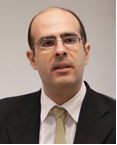
Stergios Leventis is a Professor of Accounting at the International Hellenic University (IHU) and holds key leadership roles including membership on the IHU Governing Committee. He previously served as Chairman of the University Center for International Programmes of Studies, Dean of the School of Humanities, Social Sciences, and Economics, Dean of the School of Design, and member of the Senate and Governing Board. Before joining IHU, he worked as an accounting consultant. He holds an MSc from Heriot-Watt University and a PhD from the University of Strathclyde. His research focuses on: Market-based accounting and auditing practices Corporate governance mechanisms and board effectiveness Corporate social responsibility (CSR) reporting Regulatory enforcement and financial compliance Impact of sociocultural factors (e.g., religiosity, unionization) on financial behavior Analysis of his 15 most recent publications (2023-2025) reveals dominant themes in corporate governance (particularly board diversity), regulatory enforcement (SEC interventions), sustainability accounting, and methodological scholarship in accounting research. His editorial work for the Journal of International Accounting, Auditing and Taxation frequently addresses research design and academic publishing standards. Professor Leventis maintains significant editorial influence as Editor-in-Chief of the Journal of International Accounting, Auditing and Taxation and Associate Editor of the British Accounting Review , while serving on multiple international journal boards.
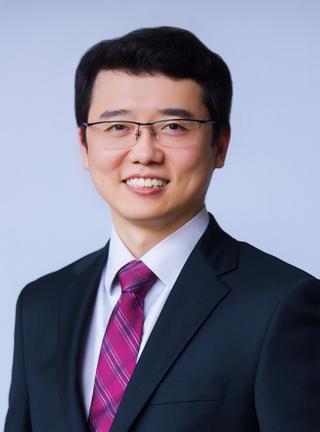
Assoc. Prof. Dr. Murat Yılmaz is an Associate Professor at Istanbul Technical University's Faculty of Electrical and Electronics Engineering, Department of Electrical Engineering. His academic career spans over 15 years at Istanbul Technical University, including roles as Deputy Head of Department (2015-2020) and Vice Dean (2020-present). PhD in Electrical Engineering from Istanbul Technical University (1999-2006) Postdoctoral Researcher at University of Illinois at Urbana-Champaign (2007, 2011) His research focuses on: Power Electronics - advanced converter designs and semiconductor applications Electrical Machines - optimization of permanent magnet and reluctance motors Energy Storage Systems - battery efficiency and electrification infrastructure Electric Vehicles - cost-effective BRT systems and sensorless control methods Recent publications highlight his work on IPMSM optimization for light EVs (2025), battery chemistry performance analysis (2025), and PMaSynRM parameter estimation (2024). His research outputs demonstrate strong focus on sustainable energy solutions and motor control systems. Notable awards: 2022 IEEE PEMC Best Paper Award 2022 European Rover Challenge - 3rd Place & Best Robot Arm 2009 WORLD SOLAR CHALLENGE Best New Entrant Multiple TÜBİTAK Formula G awards (2006-2008) IEEE Senior Member (since 2020) Prof. Yılmaz leads multiple funded projects including: 2022-2023: Modeling & Design of Rover Systems for Space Exploration 2020-2021: Flexible SPA Web Applications Consultancy 2018-2021: Battery Charging Systems for Electric Vehicles
Jürgen Sauer is a Full Professor at the University of Fribourg , affiliated with the Department of Psychology under the Faculty of Letters and Human Sciences . With over 120 publications, his research focuses on Human-Machine Interaction , Usability Testing , User Experience (UX) , and Automation Design , particularly in high-stakes environments like X-ray baggage screening and spaceflight simulations . Email: juergen.sauer@unifr.ch Phone: +41 26 300 7622 Address: RM 01 bu. C-1.117, Rue PA de Faucigny 2, 1700 Fribourg Orcid: 0000-0003-2105-1694 His research projects, funded by the Swiss National Science Foundation (FNS), include: Improving work design for airport security officers (2019-2024): Developed pictorial scales for measuring psychological constructs in security environments. Social stress and support in hybrid teams (2018-2023): Investigated machine-induced social stressors and mitigation through social support. Automation in visual inspection tasks (2014-2018): Examined adaptable automation for baggage screening and system reliability effects. Usability testing effectiveness (2012-2016): Analyzed cultural background impacts and non-usability product features influencing test outcomes. Key contributions include the Luggage Inspection Simulation (LIS) environment for modeling work environments and the development of pictorial usability scales for multilingual applicability. His work bridges ergonomics , human factors , and applied psychology , with notable collaborations with researchers like Adrian Schwaninger and Andreas Sonderegger . His recent publications (2025-2014) analyze: Human-machine performance under false alarms and miscues Social stressor dynamics in hybrid teams Usability scale animation effects Phubbing behavior in professional contexts Accessible website design for non-disabled users
Dr. Steven Schiff is the Harvey and Kate Cushing Professor of Neurosurgery and Professor of Epidemiology at Yale University, serving as Vice Chair for Global Health in the Department of Neurosurgery. He is affiliated with multiple Yale institutions including the Yale Institute for Global Health, Yale Program for Biomedical Ethics, Yale Interdepartmental Program in Neuroscience, and the Yale Center for Brain and Mind Health. Dr. Schiff's educational background includes an MD and PhD in Physiology from Duke University, followed by General Surgery Internship, Neurosurgery Residency, and Pediatric Neurosurgery Fellowship at Children's Hospital of Philadelphia. His training established the foundation for his dual expertise in clinical neurosurgery and biomedical engineering. Dr. Schiff is a pioneer in neural control engineering and sustainable health engineering with a strong focus on global health applications. His research spans neural engineering, infectious disease modeling, hydrocephalus treatment in low-resource settings, and the development of low-cost medical imaging technologies. He has made significant contributions to understanding neonatal infections in Africa, particularly the discovery of Neonatal Paenibacilliosis. His work on Predictive Personalized Public Health (P3H) integrates engineering principles with public health practice. His recent publications demonstrate a strong focus on applying AI and engineering solutions to global health challenges, particularly in neurosurgery and infectious disease. Key themes include the development of low-field MRI technology for resource-limited settings, understanding Paenibacillus infections causing hydrocephalus in African infants, and applying computational modeling to infectious disease dynamics. NIH Director's Pioneer Award (2015) NIH Director's Transformative Award (2018) Fellow of American Association for the Advancement of Science (2012) Fellow of American Epilepsy Society (2016) Honorary African Name: Musaazi, Fumbe Clan (2018) Dr. Schiff leads the Center for Global Neurosurgery at Yale University, building on his previous work founding the Center for Neural Engineering at Penn State. His NIH-funded research has enabled significant advances in understanding and treating infant infections in the developing world. He serves on multiple editorial boards including the Journal of Computational Neuroscience and Journal of Neural Engineering, and has contributed to FDA scientific committees. His work bridges engineering, neuroscience, and global public health to address critical healthcare disparities worldwide.
Dr. Weitao Wang serves as an Assistant Professor in the Department of Otolaryngology at the University of Rochester School of Medicine and Dentistry. Board-certified in both Otolaryngology-Head and Neck Surgery and Facial Plastic and Reconstructive Surgery, he practices clinically at UR Medicine and the Wilmot Cancer Institute in Rochester, NY, specializing in complex head and neck reconstruction and facial plastic procedures. Medical Degree: University of Virginia School of Medicine Residency: Otolaryngology-Head and Neck Surgery, University of Rochester Medical Center (2015-2019) Fellowship: Facial Plastic and Reconstructive Surgery, The Institute for Rehabilitation and Research (2019-2020) His research focuses on advancing head and neck reconstruction through tissue engineering (particularly bone/cartilage grafting) and optimizing surgical education via point-of-view video technology. Clinical investigations prioritize patient-reported outcomes in facial plastic surgery to enhance functional recovery and satisfaction metrics. Current work bridges engineering solutions with complex defect reconstruction. Recent publications (2020-2025) demonstrate concentrated expertise in microvascular free tissue transfer, virtual surgical planning for craniofacial defects, and innovative skull base/orbital reconstruction techniques. His work consistently addresses oncologic safety while improving functional outcomes in head and neck cancer patients, with increasing emphasis on cost-effective surgical training methodologies. Robert Joynt Kindness Award 2021 Leslie Bernstein Resident Research Grant: Optimizing bone allograft in craniofacial defect reconstruction Wallace K. Dyer Clinical Investigation Grant: Cost-effective surgeon POV video in otolaryngology training Dr. Wang secures competitive funding from the American Academy of Facial Plastic and Reconstructive Surgery to advance surgical education and reconstruction techniques. His clinical mentorship emphasizes multidisciplinary collaboration, particularly in head and neck oncology cases where tumor resection requires immediate reconstruction. Current projects integrate virtual planning with intraoperative navigation to optimize complex defect repair. He operates within the Facial Plastic and Reconstructive Surgery division at the University of Rochester, collaborating with Wilmot Cancer Institute's head and neck oncology team. His practice incorporates virtual surgical planning technology and microvascular reconstruction expertise, with active participation in multidisciplinary tumor boards for complex craniofacial cases.
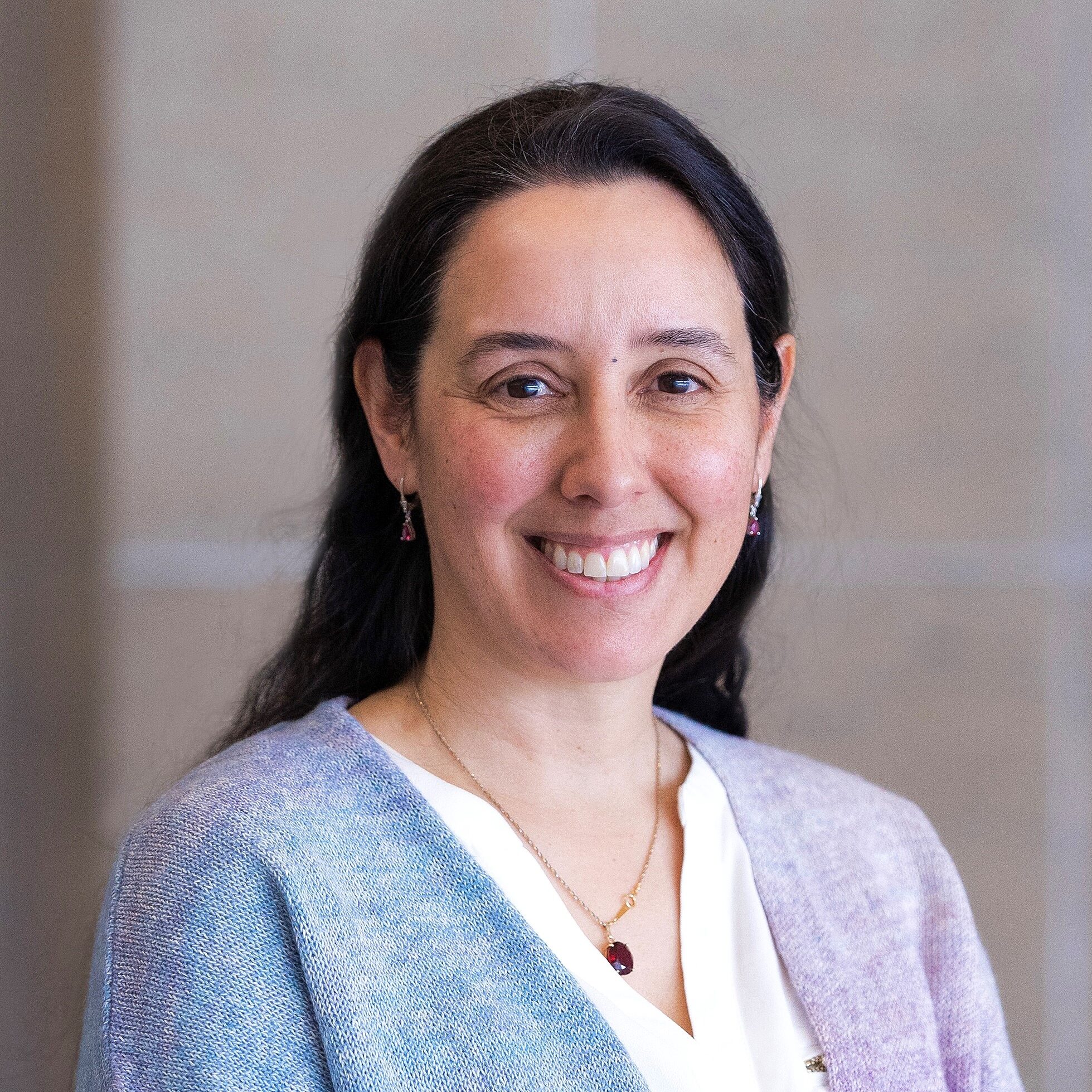
Dr. Najat Salameh is a Senior Lecturer at the University of Aberdeen's School of Medicine, Medical Sciences and Nutrition, where she leads the Medical Imaging Technologies theme at the Institute of Medical Sciences. She co-founded the Center for Adaptable MRI Technology (AMT Center) in 2017 and relocated it to Aberdeen in April 2023, establishing what will become the largest low-field MR technology platform with approximately 900 m 2 of lab and office space at the Foresterhill campus. Her educational background includes: PhD in Biomedical Sciences from Université Catholique de Louvain (2009) DEA (Master) in Health Sciences from Université Catholique de Louvain (2008) Diplôme ès Sciences Physiques from University of Geneva (2005) Dr. Salameh has developed over 20+ years of expertise in MR imaging, positioning herself at the interface between Physics and Medicine. Her research spans from fundamental physics to microsurgery in rodents, with specialization in MR elastography for liver and brain applications, thermometry, metabolic imaging, and low magnetic field MRI systems. She designs, implements, and validates imaging protocols across magnetic fields ranging from 0.0065 T to 9.4 T, with a strong focus on making MRI technology more accessible and adaptable for clinical use. Her work bridges the gap between advanced imaging technology development and practical clinical applications. Her recent publication portfolio reveals a clear trajectory toward practical implementation of low-field MRI systems, with emphasis on hardware innovation, deep learning applications for image reconstruction, and clinical translation of MR elastography techniques. The research demonstrates significant progress in making quantitative tissue characterization more accessible through cost-effective imaging solutions. Her scientific recognition includes: V-LF-Spiro3D grant from Research Councils UK (2023-2027) for low-field 3D magnetic resonance spirometry Interventional and susceptibility artifact-free MR Imaging award from Swiss National Science Foundation (2017-2021) In vivo detection and imaging of free radicals using the Overhauser effect grant from Swiss National Science Foundation (2013-2014) MR elastography for chronic liver diseases award from Fonds pour la formation à la recherche dans l'industrie et l'agriculture (2005-2009) As co-founder and leader of the AMT Center, Dr. Salameh collaborates with Dr. Sarracanie, Dr. Broche, and Dr. Ross on developing the next generation of low-field MRI technology. Her center is currently establishing a major research infrastructure with three fixed low-field scanners and two Field-Cycling whole-body systems in a newly refurbished facility, positioning Aberdeen as a global hub for adaptable MRI technology development. The Center for Adaptable MRI Technology represents a significant investment in accessible imaging technology, with the relocated platform forming what will be the largest low-field MR technology facility globally. This initiative supports research across multiple clinical applications while addressing the need for more affordable and widely deployable imaging solutions.
BAI Yunxia is a Professor and PhD Advisor at the School of Economics & Management, Tongji University, where she chairs the Department of Accounting. Her research focuses on Corporate Finance, Financial Accounting, and Capital Markets, with a particular emphasis on State-Owned Enterprises (SOEs) and government policy impacts. Education: PhD, MA, and BS from Xiamen University (2004, 2001, 1995), Postdoctoral Fellow at Peking University (2009). International Experience: Visiting Scholar at the University of Texas at Arlington (2006). Her work explores corporate governance, earnings management, and maturity mismatch in financial systems. Recent publications analyze risk disclosure in IPO pricing, tax policy implications, and SOE performance under government reforms. BAI Yunxia has secured grants from China’s National Natural Science Foundation and the Education Ministry, including projects on financial system transformation and SOE governance. She serves as reviewer for multiple journals and is an Executive Editor of the China Finance Review. Scientific Awards: Best Doctoral Dissertation (Xiamen University), China Accounting Association Prizes (2008, 2005). Her career bridges academia and industry, with prior roles as an Assistant Engineer at Kaiyuan Group and Visiting Scholar at Cheung Kong Graduate School of Business.
Onita Basu, Professor in the Department of Civil and Environmental Engineering at Carleton University's Faculty of Engineering and Design, specializes in water and wastewater treatment technologies. With a Ph.D. from the University of Waterloo, she leads the Basu Research Group, focusing on filtration/membrane bioreactors, biological removal of pharmaceuticals, and community-based water solutions in Tanzania. Her teaching includes courses like ENVE 3001 Water Treatment Principles and Design and graduate-level membrane processes. B.A.Sc., M.A.Sc. (University of British Columbia) Ph.D. (University of Waterloo) Professional Engineer (P.Eng.) Research Interests: Professor Basu investigates integrated water treatment systems, emphasizing membrane fouling control, nanoparticle disinfection mechanisms, and removal of recalcitrant organics. Her work bridges advanced technologies like ceramic ultrafiltration with practical implementations in low-resource settings through projects such as the Tanzania Water Hub. Recent Publications: Her 2025 studies on silver-doped zinc oxide for antimicrobial water treatment and PFAS removal strategies highlight emerging contaminant solutions, while 2024 work explores graphene oxide adsorption and climate change education programs. Earlier articles focus on membrane fouling, nanoparticle elution, and biofiltration optimization. Labs & Projects: The Basu Research Group operates pilot plants for membrane testing, biofiltration systems, and community engagement initiatives in Tanzania. They hosted Carleton's 3MT event in 2023 and collaborate with institutions like Humber College on NSERC-funded projects.
Khaled A El-Rayes is a Professor and Associate Head for Administration in the Department of Civil and Environmental Engineering at the University of Illinois at Urbana-Champaign. He holds a B.Sc. from Ain Shams University (1987), M.Eng. and Ph.D. from Concordia University (1993, 1998). His expertise spans Construction Engineering and Management, with a focus on optimizing resource utilization, sustainability, and safety in civil infrastructure projects. He has held academic positions at UIUC since 2000, progressing from Assistant Professor to Professor, and previously at Concordia University and the University of Newfoundland. Research Interests: Multi-objective optimization, sustainable construction, construction productivity, disaster recovery, and nighttime work zone safety. Awards: NSF CAREER Award (2003), ASCE Thomas Fitch Rowland Prize (2008), and numerous best paper awards. Service: Leadership roles in ASCE committees, including Chair of the Construction Research Council and Specialty Editor for the ASCE Journal of Construction Engineering and Management. His teaching excellence is recognized repeatedly via student rankings. He has advised 36 Ph.D. students, many now in academic and industry leadership roles. His research has been funded by NSF, Illinois Center for Transportation, and others, yielding over 200 publications.
Erie D. Boorman is an Associate Professor of Psychology at the University of California, Davis, and a core member of the Center for Mind and Brain. His research focuses on the computational and neural mechanisms of learning and decision-making, bridging psychology, neuroscience, artificial intelligence, and behavioral economics. He leads the Learning and Decision Making (LDM) Lab, investigating how the brain constructs predictive models of the environment and uses them for decisions involving rewards, social contexts, and latent states. Education: Ph.D. in Experimental Psychology, University of Oxford (2010) MSc (Distinction) in Neurosciences, University of Oxford (2006) B.A. (Honors) in Psychology, Stanford University (2004) Research Interests: Computational models of learning and decision-making Neural basis of prediction systems (reward, social, and state prediction) Cognitive flexibility and structure learning Role of the hippocampus and prefrontal cortex in decision processes Awards: NSF CAREER Award (2019–present) Wellcome Trust Sir Henry Wellcome Postdoctoral Fellowship (2010–2014) Wellcome Trust Prize Studentship (2005–2010) His work has been supported by grants such as the NSF CAREER and Wellcome Trust Fellowships. Laboratory: The LDM Lab explores how humans form and adapt cognitive maps, leveraging multi-disciplinary approaches to understand neural and behavioral mechanisms underlying decision strategies.
James R. Perkins is an Associate Professor in the Department of Manufacturing Engineering at Boston University's College of Engineering. His primary affiliations span the Mechanical Engineering, Product Design & Manufacturing, and Systems Engineering departments as both primary and affiliated faculty within the university's academic structure. Education: B.A. in Engineering Science from Harvard University (June 1986) M.S. in Electrical Engineering from University of Illinois at Urbana-Champaign (January 1990) Ph.D. in Electrical Engineering from University of Illinois at Urbana-Champaign (October 1993) Professor Perkins' research focuses on systems engineering with emphases on control, decision analysis, and scheduling theory. As a member of the Boston University Operations Research and Manufacturing Systems group, his work spans real-time scheduling and control of manufacturing systems, supply chain management, resource pricing and congestion control in communications networks, and scheduling human resources in transportation systems and product development. Current projects include synchronization and scheduling of manufacturing systems, data mining and clustering in genetic networks, and analytical solutions of controlled queueing networks. His manufacturing-related research is performed in the Production Control of Manufacturing Systems (PCMS) Laboratory at Boston University. Analysis of Professor Perkins' publication record reveals strong trends in manufacturing systems optimization, with particular emphasis on scheduling algorithms, production control, and resource allocation. His work bridges theoretical operations research with practical applications across manufacturing, communications networks, and product development. Over the past two decades, his research has evolved from fundamental control theory in manufacturing systems to more complex applications involving wireless networks, supply chain management, and new product development, demonstrating remarkable adaptability and interdisciplinary reach. Scientific Awards: NSF Research Initiation Award (1994-1998) IBM Manufacturing Research Graduate Fellowship (1989-1991) John Harvard Scholarship (1985-1986) Harvard College Scholarship (1984-1985) Professor Perkins has served as Principal Investigator for several significant research projects, including "Efficient Control of Manufacturing Systems with Buffer Costs" (NSF Research Initiation Award, 1994-1998) and "Managing the New Product Development Portfolio and Pipeline: An Integrated Approach" (NSF, 1999-2001). He was also Principal Director of a Graduate Assistance in Areas of National Need (GAANN) Award from the Department of Education (1997-2000) and Co-Principal Investigator on projects with Nokia Research Center and NSF. His teaching portfolio includes advanced courses in scheduling models, engineering mathematics, production systems analysis, and statistics and quality engineering, where he has developed new curriculum for specialized topics. Professor Perkins conducts his manufacturing-related research in the Production Control of Manufacturing Systems (PCMS) Laboratory at Boston University. His work often involves collaboration with colleagues such as Professor R. Srikant and Professor P. R. Kumar from the University of Illinois. His research group focuses on developing theoretical frameworks and practical solutions for complex scheduling and control problems across various domains including manufacturing, communications, and transportation systems, with an emphasis on mathematical rigor and real-world applicability.
Can Zhang is an Associate Professor in the Operations Management area at Duke University's Fuqua School of Business. His research focuses on socially responsible and sustainable operations, particularly in emerging economies and underserved populations. Sustainable Operations : Healthcare supply chains Not-for-Profit Operations : Medical surplus recovery, blood collection analytics Agricultural Supply Chains : Smallholder farmer support systems Zhang's work integrates operational policy design with societal impact, addressing challenges in healthcare, nonprofit management, and sustainable agriculture. His publications emphasize data-driven solutions for real-world problems, such as optimizing platelet inventory systems and improving hepatitis C treatment prioritization in prisons. Scientific recognitions include: 2021 MSOM Best Paper Award winner 2019 MSOM Award for Responsible Research recipient Multiple INFORMS and POMS competition awards Meritorious Service Awards (Management Science, 2020-2024) He has taught courses at Duke's Fuqua School of Business and Georgia Tech's Scheller College of Business, covering operations management, sustainable practices, and management science. Zhang collaborates with industry partners to ensure practical relevance in his research, aiming to deliver actionable insights for societal benefit.
Thomas Spijkerboer is Full Professor of Migration Law at the Faculty of Law, Vrije Universiteit Amsterdam, where he has been employed since 2000. He also holds positions at the Kooijmans Institute and established the Amsterdam Centre for Migration and Refugee Law, which has grown to become one of the largest research groups on migration worldwide. His academic career includes significant appointments as Raoul Wallenberg Visiting Professor of Human Rights and Humanitarian Law at Lund University (2017-2020) and International Franqui Professor at Ghent University (2020-2021). His educational background includes law studies at the Universiteit van Amsterdam. Before his academic career, he gained practical experience working at the Rechtswinkel Amsterdam legal clinic (1982-1986), specializing in housing law, and at Advokatenkollektief Zaanstreek (1986-1993), where he specialized in asylum cases. He completed his dissertation Gender and Refugee Status at the Catholic University Nijmegen, where he worked as a lecturer in Migration Law from 1993 to 2000. Professor Spijkerboer's research centers on the intersection of migration law, human rights, and border policies, with particular emphasis on the right to life of irregular migrants and the human costs of border control. His work critically examines European migration policies, especially their externalization and the resulting mortality among migrants attempting to reach European territory. He has pioneered research on border deaths, developing databases that document migrant fatalities along European borders, and has extensively analyzed the legal and moral implications of European border policies. His scholarship combines legal analysis with sociological and empirical approaches, addressing issues such as gender in refugee status determination, LGBTQ+ asylum claims, and the impact of migration policies on family life. His extensive publication record, including over 450 research outputs, demonstrates a consistent focus on the human rights dimensions of migration control. Recent work explores the bifurcation of migration law in Europe, asylum systems as instruments of containment, and the legal frameworks governing European border enforcement. His publications reveal a trajectory from detailed legal analysis of Dutch asylum procedures toward broader critiques of European and global migration governance. Scientific Awards and Distinctions: Praemium Erasmianum Studieprijs (2001) for his dissertation Gender and Refugee Status Elected member of the Koninklijke Hollandsche Maatschappij der Wetenschappen (2016) Elected member of the Koninklijke Nederlandse Academie van Wetenschappen (2017) Raoul Wallenberg Visiting Professorship at Lund University (2017-2020) International Franqui Professorship at Ghent University (2020-2021) Professor Spijkerboer has supervised 17 PhD theses and led multiple major research projects funded by NWO and the EU, including the significant five-year project Border Policies and Sovereignty. Human rights and the right to life of irregular migrants (2013-2018) and Fleeing Homophobia. Asylum claims related to sexual orientation and gender identity in the EU (2010-2011). His research has been instrumental in establishing the field of border death studies, influencing both academic discourse and policy debates on migration. He serves on the editorial boards of the Nederlands Juristenblad and the European Journal of Migration and Law, contributing significantly to the scholarly discourse in his field. He directs the Amsterdam Centre for Migration and Refugee Law, which functions as a hub for interdisciplinary research on migration law, bringing together legal scholars, sociologists, and political scientists. The center has become internationally recognized for its innovative approach to migration law research, particularly its focus on the human costs of border policies and the intersection of migration law with other legal domains such as family law and human rights law.
Hyojoon Kim is an Assistant Professor in the Department of Computer Science at the University of Virginia. His research focuses on computer networks and distributed systems, emphasizing in-network computing, programmable networks, software-defined networking (SDN), network measurement, and security. He received his Ph.D. from Georgia Tech (2015) and B.S. from the University of Wisconsin-Madison (2005). Prior to UVA, he worked as an Associate Research Scholar at Princeton University. Education: Ph.D. in Computer Science, Georgia Institute of Technology, 2015 B.S. in Computer Science, University of Wisconsin-Madison, 2005 Research Interests: Programmable Networks & SDN Network Measurement & Performance Analysis Network Security & Privacy In-Network Computing & Real-Time Monitoring Teaching: CS 7457: Advanced Computer Networks (Graduate) CS/ECE 4457: Computer Networks (Undergraduate) CS 6501: Software-Defined Networking & Programmable Networks (Graduate) Lab & Group: The Network Mechanics Group at UVA focuses on improving network monitoring, troubleshooting, and configuration through SDN, P4, and programmable data planes. Advising: Current advisees include Di Zhu (PhD) and Carson Kuzniar. The group actively seeks PhD students interested in systems and networking research.
Joseph D. Blackburn is a Professor and former Acting Dean at Vanderbilt University's Owen Graduate School of Management. His expertise spans Operations Management, focusing on time-based competition, sustainable supply chains, and inventory systems. He holds a Ph.D. in Operations Research from Stanford University (1971), an M.S. in Chemical Engineering from the University of Wisconsin (1964), and a B.S. in Chemical Engineering from Vanderbilt (1963). Prior to academia, he worked as a Chemical Engineer at Eastman Kodak. Research Interests: Blackburn is globally recognized for pioneering work on time-based competition in manufacturing and sustainable supply chain strategies. His work integrates operational efficiency with environmental and economic sustainability, addressing challenges such as inventory optimization, remanufacturing policies, and perishable product management. Awards: Founder’s Medalist (Vanderbilt), Fellow of the Production and Operations Management Society, Jo Van Nunen Prize (2016). Leadership: Served as President of the Production and Operations Management Society and on editorial boards of top journals like Production and Operations Management . Publications include seminal works in Management Science , Journal of Operations Management , and Decision Sciences , emphasizing practical applications of operations research in real-world supply chain challenges.