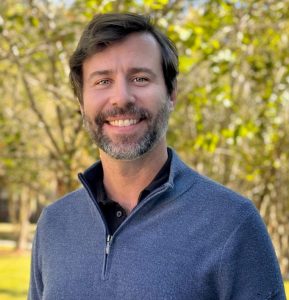
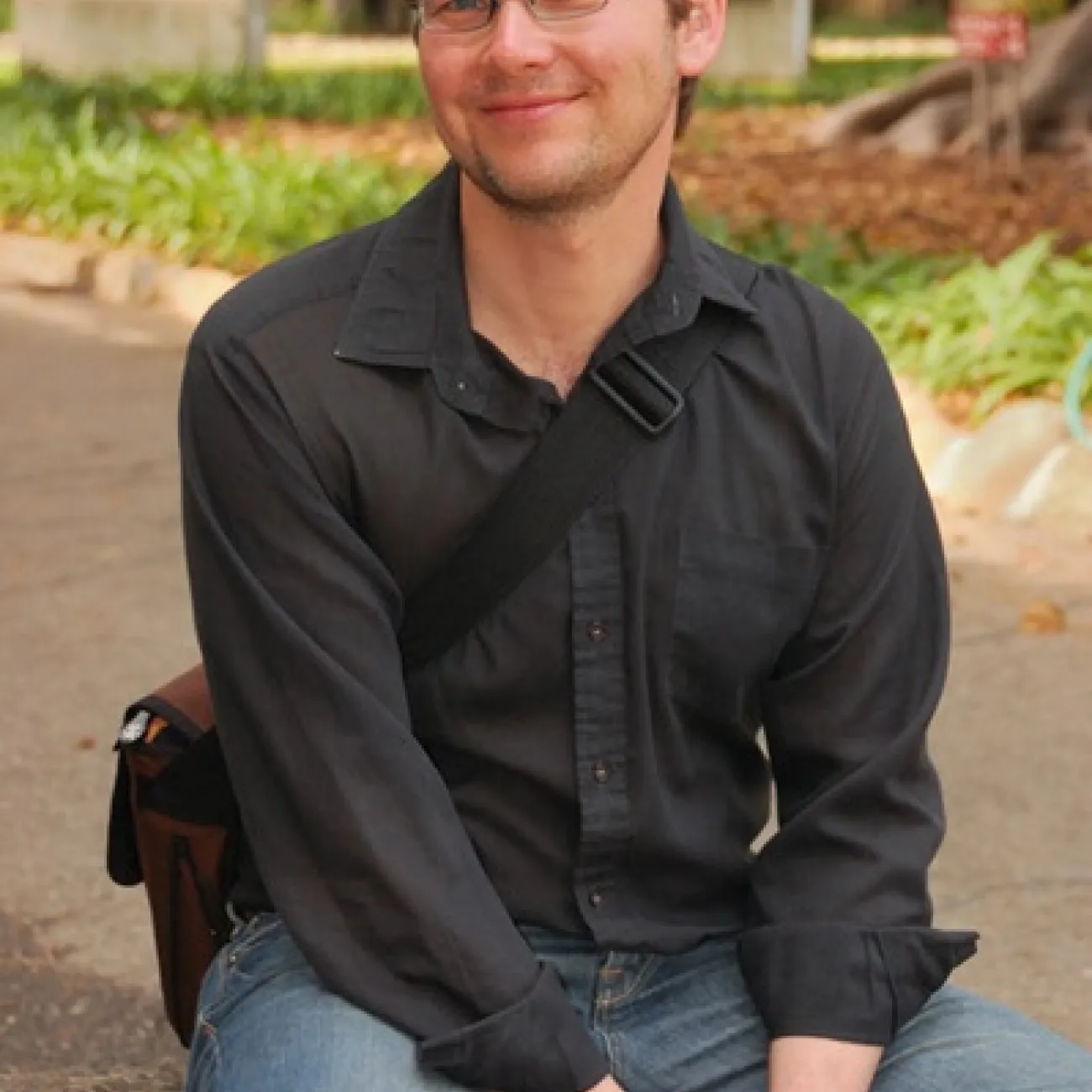
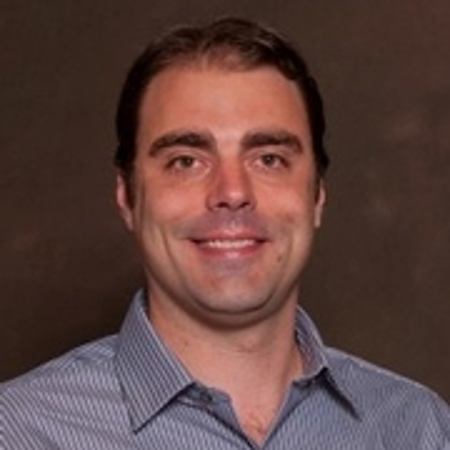
Imre Bartos is an Associate Professor of Physics at the University of Florida, specializing in multi-messenger astrophysics that combines gravitational waves, neutrinos, and electromagnetic signals. His research investigates extreme cosmic explosions involving black holes and neutron stars, with emphasis on merger environments in active galactic nuclei. Groundbreaking work includes demonstrating how nearby neutron star mergers influenced Solar System composition, identifying AGN disks as factories for eccentric black hole mergers, and developing techniques to probe black hole origins through gravitational wave localization. His group participates in major collaborations including LIGO, LISA, and IceCube observatories. Professor Bartos received the Sloan Fellowship and shares Breakthrough Prize honors for contributions to gravitational wave astronomy. He leads observational programs using Chandra, VLA, and Fermi telescopes while mentoring students in computational astrophysics techniques.
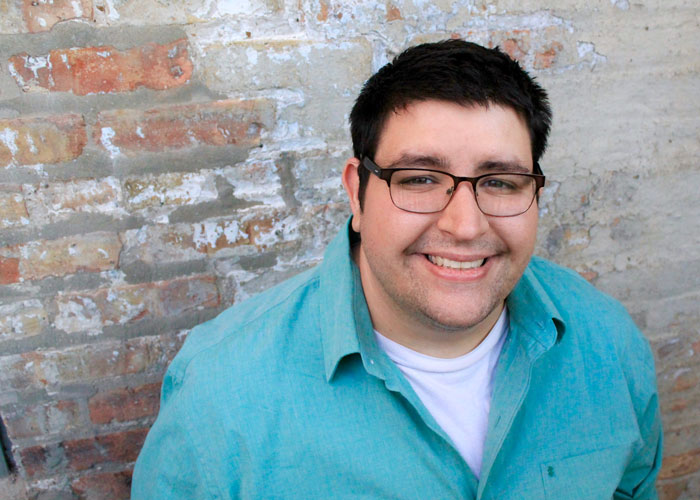
Colby Haggerty is an Assistant Professor at the Institute for Astronomy (IfA Mānoa) at the University of Hawaiʻi at Mānoa. He specializes in computational plasma physics, focusing on magnetospheric, heliospheric, and astrophysical systems. His research emphasizes collisionless plasma shocks, magnetic reconnection, and kinetic plasma turbulence. He holds a Ph.D. in Plasma Physics from the University of Delaware (2017) and conducted postdoctoral work at the University of Chicago (2017–2021). His work bridges theory, numerical simulations, and observational data analysis using advanced computational tools like Python, C++, Fortran, and MPI/OpenMP frameworks. Research Interests: He investigates collisionless plasma shocks and energetic particle acceleration (e.g., Earth’s bow shock, coronal mass ejections), plasma instabilities, magnetic reconnection dynamics, and the role of turbulence in energy dissipation. His studies often involve hybrid and particle-in-cell (PIC) simulations to model cosmic phenomena like supernova remnants and solar wind interactions. Articles & Trends: His recent publications highlight advancements in understanding shock-drift acceleration mechanisms, the saturation of plasma instabilities (e.g., Bell instability), and scaling laws for magnetic reconnection in asymmetric and relativistic regimes. Collaborations with institutions like NASA Goddard, Columbia University, and the University of Chicago underscore his interdisciplinary approach. He has also contributed to developing Python-based plasma physics tools (e.g., PlasmaPy) for the scientific community. Grants & Impact: His CAREER award (2024) supports studies on collisionless magnetic reconnection as a heliospheric process. He emphasizes computational methods and educational outreach, reflecting his dual focus on advancing science and training future researchers. Labs & Teams: While no specific lab is named, his work relies on collaborative networks with leading institutions, leveraging state-of-the-art simulation infrastructure to tackle complex plasma problems.
Masatoshi Takano is a Professor at the Faculty of Science and Engineering, Waseda University, specializing in theoretical studies of nuclear physics, particle physics, and astrophysics. His work focuses on nuclear equations of state (EOS) for neutron stars and core-collapse supernovae, incorporating realistic nuclear forces like the Argonne v18 and Urbana IX potentials. He has developed variational methods with explicit energy functionals to model hyperonic nuclear matter, spin-orbit forces, and finite-temperature effects. Education : PhD in Science, Waseda University Professional Memberships : American Physical Society, Japan Physical Society Research spans neutron star structure, supernova simulations, and nuclear matter phase transitions. His recent presentations address neutrino emission rates, braking radiation in nuclear matter, and cluster variational methods. Key collaborations include H. Togashi, K. Nakazato, and K. Sumiyoshi. Scientific contributions involve refining variational energy expressions for asymmetric nuclear matter, incorporating three-body forces, and studying pion condensation effects on neutron star cooling. He has applied his EOS models to multidimensional supernova simulations and cosmic ray detector design.
Professor Malcolm Fairbairn is a faculty member at King's College London's Department of Physics, part of the Faculty of Natural, Mathematical & Engineering Sciences. His research focuses on the intersection of cosmology, particle physics, and astrophysics, particularly dark matter, dark energy, and cosmological inflation. He leads projects like the ERC Consolidator Grant (2015–2020) investigating dark matter in the early Universe. He collaborates with initiatives such as the MoEDAL experiment at CERN (magnetic monopole searches) and the Cherenkov Telescope Array (CTA) for gamma-ray astronomy. His interests extend to gravitational waves, supermassive black hole formation, and particle astrophysics. Fairbairn has contributed to studies on axion dark matter, primordial black holes, and dark matter constraints from dwarf galaxies. He is affiliated with the Theoretical Particle Physics & Cosmology (TPPC) Group, exploring beyond-Standard-Model physics, including supersymmetry and extra dimensions. Publications span topics like dark matter relic abundance, JWST observations of black holes, and LHC searches for exotic particles. He has advised on outreach projects like the 'Dark Matter' exhibition at Science Gallery London and interviews with alumni (e.g., Royal Navy submariner Chris Tuckley).
Professor Andrew Newsam is a faculty member at Liverpool John Moores University's Astrophysics Research Institute (ARI), where he serves as Professor of Astronomy Education and Engagement since 2012. He has been instrumental in developing the National Schools' Observatory and astronomy distance learning courses, bridging observational astronomy with STEM education initiatives. Education: PhD in Astrophysics from University of Glasgow (1994), BSc in Physics with Computing from University of Warwick (1991) His research spans observational astronomy, high-energy astrophysics, and science education. Recent publications focus on nova remnants (RS Ophiuchi), gamma-ray bright novas (Nova Persei 2018, V392 Persei), microlensing surveys (Angstrom Project), and educational outreach. He has contributed to planetary eclipse studies and interstellar dynamics research. Key trends in his publications include: binary star systems (56% of works), transient phenomena (43%), and educational technology (35%). His citations show strong engagement with nova studies (22% of total citations) and microlensing research (19% of total citations). Scientific Awards: Teaching Fellowship Award for Individual Excellence (2009) Curriculum Innovation Award (2007) Queens Anniversary Prize for Higher and Further Education (2005) As chair of multiple education and outreach panels (2016-2025), he has shaped astronomy policy and public engagement strategies. He received STFC grants for STEM capacity building (2020) and BBSRC funding for citizen science projects (2019).
Chris Matzner is a Professor and Associate Graduate Chair at the University of Toronto's Department of Astronomy and Astrophysics, affiliated with the Dunlap Institute for Astronomy & Astrophysics. He earned his Ph.D. from UC Berkeley in 1999. His research focuses on astrophysical fluid dynamics, particularly star formation processes (protostellar disks, molecular clouds, energy feedback) and stellar explosions (supernovae, gamma-ray bursts), employing analytical, numerical, and observational approaches. His research encompasses: Dynamics of protostellar outflows and molecular cloud interactions Models for supernova shocks and gamma-ray burst mechanisms Fragmentation in star and planet formation Massive black hole accretion processes Evolution of giant molecular clouds Stellar feedback in galactic environments Analysis of his 15 most recent publications reveals strong emphasis on supernova dynamics (particularly Type Ia explosions), star formation mechanisms in clusters and molecular clouds, shock wave physics in astrophysical contexts, and the development of astronomical instrumentation. The works demonstrate consistent focus on explosive transients, fluid dynamics in cosmic environments, and observational constraints on theoretical models. As Associate Graduate Chair, he oversees academic programs and student development. His laboratory affiliations include the Dunlap Institute's computational astrophysics and instrumentation groups. Current work involves modeling star cluster-galaxy interactions, tidal disruption events, and developing next-generation UV/IR detectors.
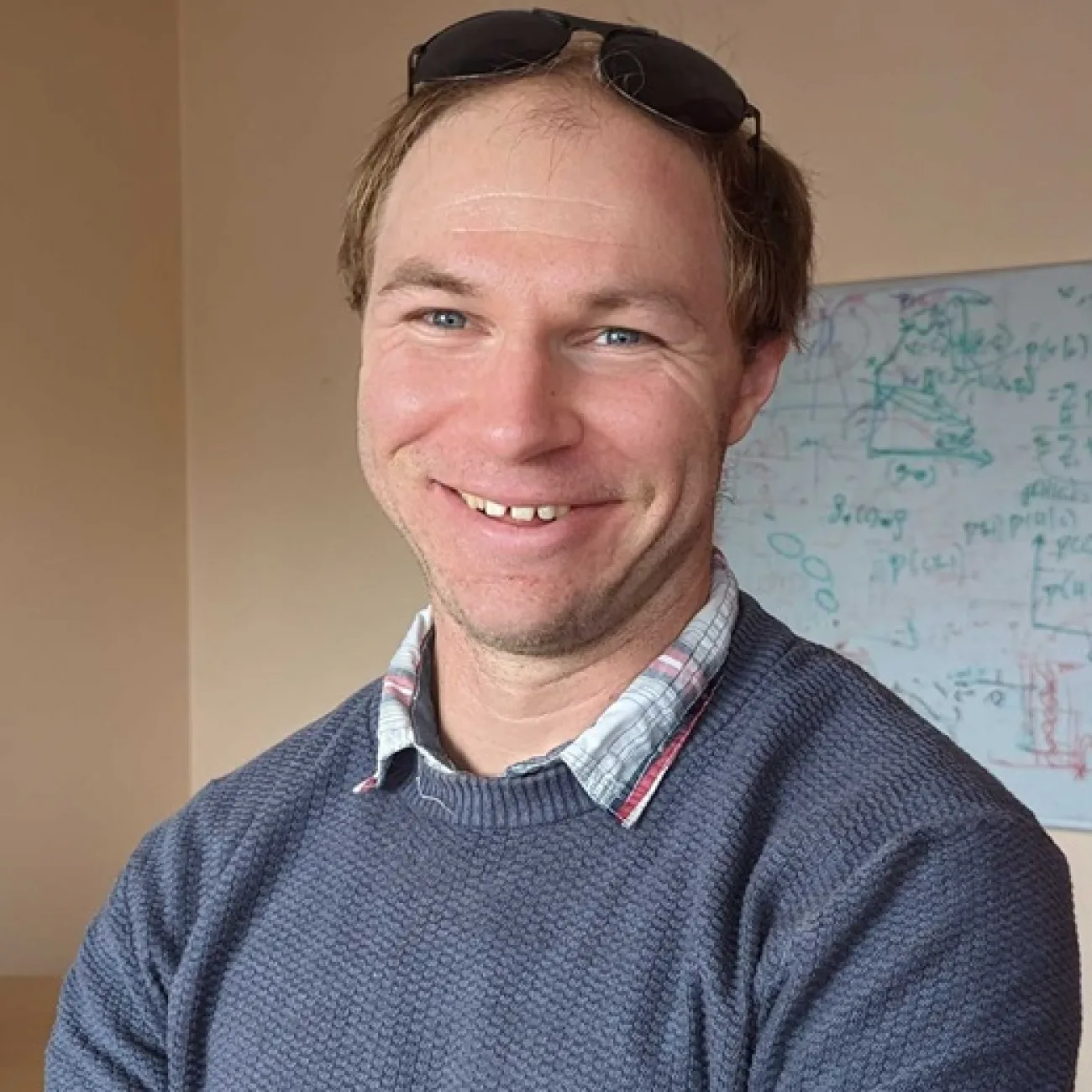
Dr Philip Wiseman is a Senior Research Fellow in the School of Physics and Astronomy at the University of Southampton. His primary research focuses on understanding supernova explosions of white dwarf stars, the expansion dynamics of the Universe, and the role of 'dark energy' in accelerating cosmic expansion. He is currently accepting applications for PhD students interested in these research areas. His work contributes to fundamental questions in astrophysics and cosmology, with implications for understanding the large-scale structure and evolution of the Universe.
Professor Christian Knigge serves as Professor of Astrophysics at the University of Southampton and is a core member of the Southampton Theory Astrophysics and Gravity (STAG) Research Centre within the Institute for Life Sciences. His research program investigates accretion phenomena across diverse cosmic scales, from stellar-mass compact objects to supermassive black holes. Knigge's primary research focuses on accretion phenomena and associated outflows, cataclysmic variables, close binaries, globular clusters, and active galactic nuclei. He examines the physical mechanisms driving accretion disk instabilities, outflow generation, and explosive events in binary systems, with particular emphasis on white dwarf and black hole accretors. His work integrates observational data with theoretical modeling to unravel the complex physics of these high-energy environments. Recent publications (2024-2025) reveal a strong emphasis on multi-wavelength observational campaigns, especially leveraging JWST capabilities, alongside theoretical code development. Key research threads include characterizing disk winds in active galactic nuclei, identifying quasi-periodic oscillations in white dwarf systems, classifying optical outbursts in cataclysmic variables, and developing computational tools like the SIROCCO radiative transfer code. These studies demonstrate his leadership in connecting observational signatures with fundamental accretion physics across different astrophysical regimes. Supervision: Currently guides six PhD students in Physics (Austen George William Wallis, Cordelia Brown, Brian Luff, Zackery Alexander Irving, Arianna Clarissa Albayati, Pornisara Nuchvanichakul) Grants: Leads STFC-funded projects including 'Line-Driven Disk Winds in Active Galactic Nuclei', 'C Knigge - Astrophysics at Southampton', and previously held a Leverhulme Trust Research Fellowship for 'The Universal Nature of Accreting Compact Objects' As an integral member of the STAG Research Centre, Knigge collaborates within a multidisciplinary team investigating gravity-dominated systems, contributing to Southampton's prominence in theoretical and observational astrophysics through both individual research initiatives and institutional consolidation grants.
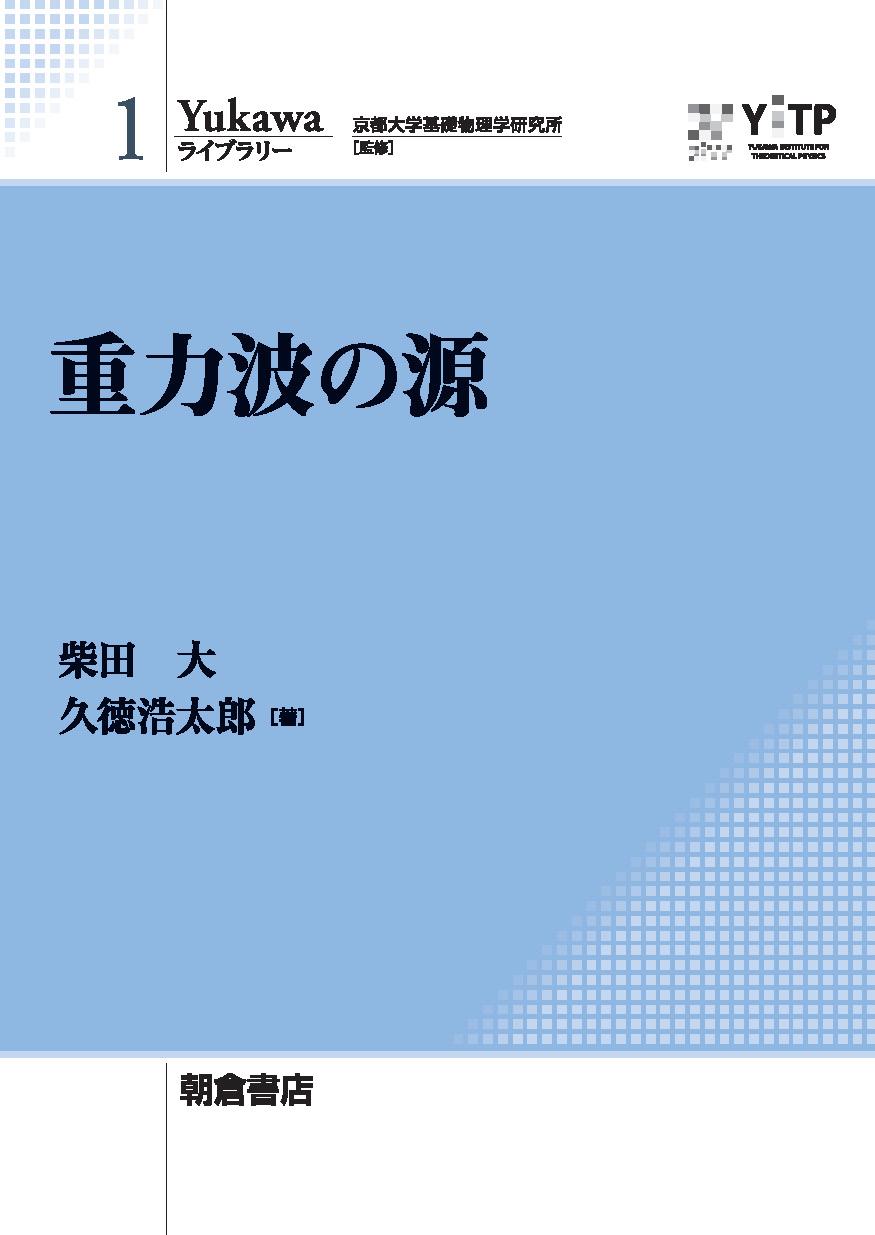
Prof. Masaru Shibata is a leading figure in computational relativistic astrophysics, currently serving as Director at the Max Planck Institute for Gravitational Physics (Albert Einstein Institute) since 2018 and Professor at Kyoto University's Yukawa Institute for Theoretical Physics since 2009. His career spans multiple prestigious institutions including University of Tokyo and Osaka University. PhD in Physics, Kyoto University (1994) Graduate studies in Physics, Kyoto University (1989-1993) Undergraduate in Science, Tokyo Institute of Technology (1985-1989) As a Professor with primary focus on Relativistic Astrophysics , Shibata's research investigates gravitational wave sources , neutron star mergers , black hole formation , and multimessenger astrophysics . His work combines general relativistic simulations , magnetohydrodynamic modeling , and neutrino radiation studies to understand high-energy cosmic phenomena. Recent publications (2024-2025) demonstrate expertise in supermassive star collapse , binary neutron star merger dynamics , and black hole-torus systems . These studies employ advanced numerical relativity techniques with applications to gravitational wave astronomy and gamma-ray burst modeling . 2025 Japan's Medal of Honor (Shiju-houshou) 2018 Nishina Memorial Prize 2013 International Society of General Relativity and Gravitation Fellow 2010 JSAP Excellent Young Researchers Prize 2008 Physical Society of Japan Outstanding Paper Award 2003 Nishinomiya-Yukawa Memorial Prize Shibata contributes to both theoretical frameworks and computational methodology in relativistic astrophysics, maintaining active collaborations with international research teams while leading computational projects at his dual institutions.
Aprajita Hajela is a Postdoctoral Researcher at the Niels Bohr Institute, University of Copenhagen, working within the DARK Cosmology Centre. Her research focuses on high-energy astrophysical transients, particularly tidal disruption events and supernovae, using multi-wavelength observations spanning X-ray, optical, and radio regimes. Her research portfolio centers on time-domain astrophysics, with primary emphasis on tidal disruption events where stars are destroyed by supermassive black holes, relativistic jet formation, and gravitational wave counterparts. She investigates phenomena such as quasi-periodic X-ray eruptions in TDEs, late-time evolution of cosmic transients, and Hubble constant measurements through standard sirens. Her work integrates data from major observatories to unravel black hole physics and explosive stellar phenomena. Dr. Hajela is embedded within the DARK Cosmology Centre, a premier research environment at the Niels Bohr Institute dedicated to observational and theoretical studies of dark matter, dark energy, and cosmic evolution. This affiliation provides critical infrastructure for her investigations into transient cosmic events and their cosmological implications.
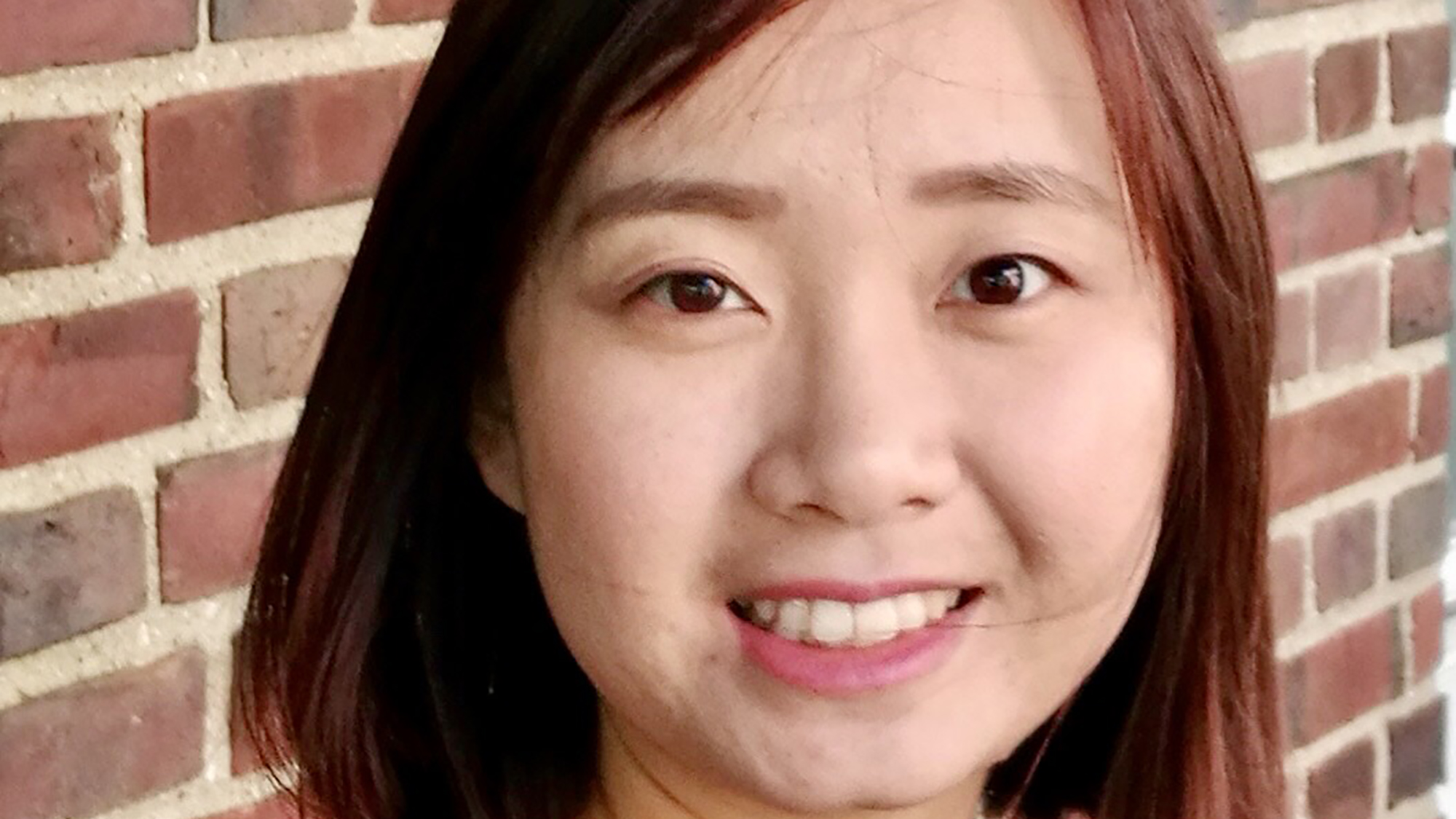
Yang Yang is a Lecturer in the Global Languages department at Massachusetts Institute of Technology (MIT). She holds a B.A. in Teaching Chinese as a Second Language from Xi’an International Studies University and an M.A. in Teaching English to Speakers of Other Languages from Adelphi University. Currently, she is pursuing a second M.A. in Teaching Chinese as a Second Language at Middlebury College. Her pedagogical interests focus on second language acquisition, Chinese language pedagogy, and cultural communication. Prior to MIT, she developed a Chinese culture and language program at Quincy Asian Resources, Inc., and served as an online tutor for the Center for Talented Youth at Johns Hopkins University. Her professional experience includes teaching at Middlebury Language Schools and creating curriculum for diverse learner demographics. Yang’s expertise emphasizes culturally responsive teaching methodologies and bridging linguistic and cultural gaps in language education. She contributes to the MIT Global Languages initiative by fostering intercultural competency and language proficiency among students. Educational Background: B.A., Teaching Chinese as a Second Language, Xi’an International Studies University (China) M.A., Teaching English to Speakers of Other Languages, Adelphi University (New York) Pursuing M.A., Teaching Chinese as a Second Language, Middlebury College Her research interests explore effective instructional strategies for heritage learners and integrating technology into language acquisition. While no specific awards are listed, her academic trajectory reflects a commitment to advancing language pedagogy through continuous professional development.
Professor Christopher L H Wrede is a tenured faculty member at the Department of Physics and Astronomy , Michigan State University , and leads experimental research at the Facility for Rare Isotope Beams (FRIB) . His work bridges nuclear physics and astrophysics , focusing on beta decays of proton-rich nuclides to study hydrogen burning in accreting compact stars and isospin-symmetry breaking effects in the Standard Model. Ph.D. in Physics from Yale University (2008) Research areas: Nuclear Astrophysics Low-Energy Nuclear Experiments Isospin Symmetry Detector Instrumentation His group develops advanced detectors like GADGET II , LIBRA , and DSL2 to measure nuclear reactions in novae, neutron stars, and cosmic explosions. Recent work leverages machine learning and MCMC Bayesian analysis for data interpretation. Scientific awards include the DOE Office of Science Early Career Research Program (2016). His students and postdocs contribute to international collaborations and instrumentation projects, often publishing in Physical Review C and Nuclear Instruments and Methods in Physics Research .
Dr. Yeong E. Kim is Professor of Physics at Purdue University, where he has maintained continuous faculty appointment since 1967. He currently serves as Director of the Center for Sensing Science and Technology (CSST) since 2001 and leads the Purdue Nuclear and Many-Body Theory Group. His academic career spans over five decades with significant contributions to theoretical physics. Undergraduate studies at Seoul National University (1954-1955) B.S. from Lincoln Memorial University (1959) Ph.D. from University of California, Berkeley (1963) Dr. Kim's research spans theoretical nuclear physics with extensions into condensed matter physics, atomic/molecular/optical physics, nuclear astrophysics, and quantum statistical mechanics. His most distinctive work focuses on theoretical frameworks for low-energy nuclear reactions in condensed matter environments, particularly examining how quantum effects in metal hydrides might enable nuclear reactions at substantially lower energies than conventional nuclear physics predicts. His research bridges fundamental quantum theory with potential applications in clean energy technologies and sensing science. Analysis of Dr. Kim's publication record reveals a consistent trajectory exploring quantum statistical mechanics applications to nuclear phenomena. His work demonstrates increasing focus on Bose-Einstein condensation mechanisms applied to nuclear fusion in metal hydride systems, with particular attention to micro/nano-scale phenomena. This research direction represents an unconventional approach to nuclear reaction theory that has generated both interest and debate within the physics community. Fellow of the American Physical Society (elected 1977) Senior U.S. Scientist Award from Alexander von Humboldt Foundation (1977) Dr. Kim has supervised 10 Ph.D. students throughout his career and authored or co-authored over 200 refereed scientific publications. As Director of CSST, he has successfully translated research into commercial applications, guiding the creation of six startup companies (Griffin Analytical, Prosolia, Quadraspec, 2K, PathoChip, and QE) based on technologies developed by CSST researchers. His leadership extends to numerous advisory roles for government agencies and international conferences in nuclear physics, including chairing the first Gordon Research Conference on Few Body Problems in Physics (1977) and serving on multiple international advisory committees for Asia-Pacific conferences on Few-Body Problems. Dr. Kim leads the Purdue Nuclear and Many-Body Theory Group, established in 1967, and directs the Center for Sensing Science and Technology. His research group has maintained consistent productivity for decades, with recent work focusing on theoretical interpretations of anomalous nuclear phenomena in condensed matter systems. The CSST under his direction has become a significant hub for translating fundamental physics research into practical sensing technologies with commercial applications.
Jason Chun Shing Pun is a Senior Lecturer in the Department of Physics at the University of Hong Kong, focusing on light pollution research and public science education. He has contributed to astrophysics, neutrino physics, and cosmic ray studies while leading environmental outreach initiatives. Education: B.A., B.S. (Rochester), M.A., Ph.D. (Harvard) Key Research Areas: Light pollution monitoring, supernova remnants, neutrino experiments, and X-ray sources in galaxies His work spans astrophysics and environmental science, with notable projects like the Daya Bay neutrino experiment and Aberdeen Tunnel cosmic ray research. He also initiated Hong Kong's night sky brightness monitoring network. Recent publications emphasize urban light pollution analysis via satellite data (VIIRS, Luojia-1), Earth Hour natural experiments, and multi-source methods. These studies highlight trends in artificial lighting, urban planning, and citizen science engagement. Scientific accolades include the 2022 Secretary of Home Affairs’ Commendation Scheme and the 2018 Dark Sky Defender Award. He has secured grants from the HKSAR Environment and Conservation Fund and HKU Teaching Development Grant. Dr. Pun actively engages in public education through workshops, competitions, and collaborations with international bodies like the International Astronomical Union. His projects, such as the GaN-MN YouTube channel and bilingual education booklets, demonstrate a commitment to global light pollution awareness.
David J. Helfand is a Professor in the Department of Astronomy at Columbia University, serving as Chair (1992–present) and Co-Director of the Columbia Astrophysics Laboratory (1994–present). He has held visiting roles at Cambridge University and the Danish Space Research Institute. His research focuses on radio surveys (e.g., FIRST and MAGPIS), neutron stars, supernova remnants, and the cosmic X-ray background. He has pioneered large-scale radio surveys to study galactic and extragalactic structures, weak gravitational lensing, and high-redshift quasars. Helfand holds a Ph.D. in Astronomy from the University of Massachusetts (1977) and an A.B. in Physics from Amherst College (1973). He co-founded Quest University Canada in 2005 and became its President in 2008. Education: Ph.D. Astronomy, University of Massachusetts, 1977 M.S. Physics, University of Massachusetts, 1977 A.B. Physics (Independent Scholar), Amherst College, 1973 Research Interests: Helfand's work emphasizes radio surveys like FIRST (mapping 9200 square degrees of the sky) and MAGPIS (Galactic Plane imaging). He studies neutron stars' evolution, supernova remnants (e.g., Vela and 3C58), and contributions of starburst galaxies/AGN to the cosmic X-ray background. He employs Chandra/XMM-Newton observations to probe obscured quasars and high-redshift clusters. Grants & Collaborations: Leadership roles include founding Quest University Canada and directing Columbia's astronomy department. His surveys have identified thousands of radio sources, enabled optical identifications, and explored cosmological structures via radio source correlations and lensing. Labs/Teams: Helfand collaborates with the Columbia Astrophysics Laboratory and international teams using facilities like the VLA, Chandra, and XMM-Newton. Projects include the MSX mid-IR survey and searches for obscured quasars and gravitational lenses.