Nan Liمشاهده پروفایل
استادیار
- Neuroimaging
- Molecular fMRI
- Systems Neuroscience
- +۱۲ مورد دیگر
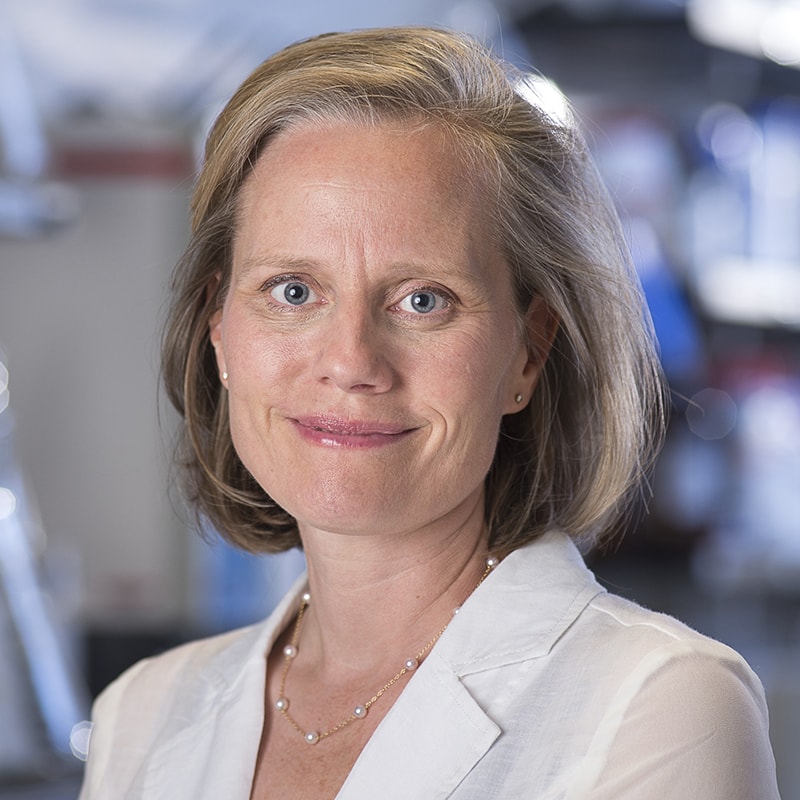
Dr. Nan Li is a faculty member at UT Southwestern Medical Center, School of Medicine, in the Department of Radiology. She leads the N-LAB, a cutting-edge research group developing novel whole-brain imaging methods to integrate molecular and systems neuroscience. Her work bridges biomedical engineering and neuroscience to solve fundamental brain science problems. Education: B.S. in Biomedical Engineering, Shanghai Jiao Tong University Ph.D. in Biomedical Engineering, Johns Hopkins University School of Medicine Postdoctoral Associate, MIT, under Dr. Alan Jasanoff Dr. Li's research focuses on understanding the neural mechanisms of reward, learning, and memory in rodent brains. She develops innovative molecular fMRI techniques, including optogenetic and hemogenetic fMRI, to non-invasively probe brain circuitry and neuromodulators like dopamine. Her work enables calcium signaling detection via MRI, offering a non-optical alternative to GCaMP imaging. She aims to advance functional brain imaging for improved diagnosis and treatment of neurological disorders. Her recent publications demonstrate a strong trend in developing and applying molecular fMRI tools to dissect neural circuits, particularly those involving dopamine and calcium signaling. The work spans from sensor design to in vivo application, emphasizing non-invasive, whole-brain imaging with cellular-level insight. Keywords across her research include neuroimaging, molecular sensors, fMRI, optogenetics, and neural plasticity. Scientific Awards and Honors: McGovern Rising Stars at MIT (2020) Harvard Chinese Life Sciences Distinguished Research Award Stanley Fahn Research Fellowship Women in Bio Robbie Melton Scholarship Award UT System Rising STARs Award Endowed Thomas O. Hicks Scholar in Medical Research Dr. Li has secured significant recognition and funding through prestigious fellowships and awards, indicating strong grant support. She mentors a research team in the N-LAB, guiding innovation in neuroimaging. While specific advisees are not listed, her leadership of an independent lab suggests active student and postdoctoral training. Her future work is expected to further bridge molecular neuroscience with clinical applications, aiming to transform brain health through advanced imaging technologies.