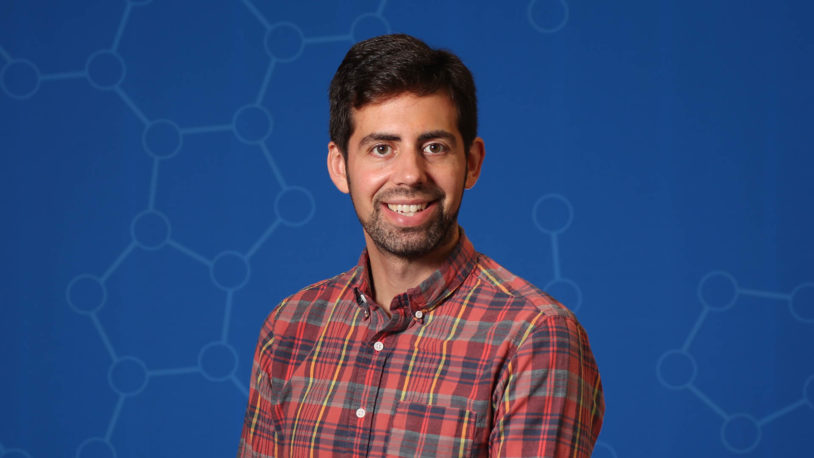
John Manak serves as Professor and Biomedical Sciences Program Director in the Department of Biology at the University of Iowa, conducting research at the intersection of genomics, genetics, and neurobiology. His work employs model organisms including Drosophila and Xenopus to investigate human genetic disorders and develop translational therapies. His academic background includes: PhD from Columbia University Dr. Manak's research focuses on identifying causative mutations for congenital anomalies such as spina bifida, branchio-oto-renal syndrome, renal agenesis, and cleft lip/palate. His lab discovered ISM1 as a critical craniofacial patterning gene and elucidated PRICKLE's role in epilepsy-ataxia syndromes using fly models. Current work explores glial immune responses and oxidative stress pathways in seizure progression, with potential for repurposing anti-inflammatory drugs as novel anti-epileptic therapies. Analysis of his 2019-2023 publications reveals consistent emphasis on copy-number variation analysis in craniofacial disorders and epilepsy mechanisms. Key trends include identification of novel clefting genes (COBLL1, RIC1, ARHGEF38), chromatin organization studies involving Dm-Myb, and translational approaches targeting neuroinflammation. His work bridges fundamental genetic discovery with clinical applications through integrated genomic and physiological analyses. No scientific awards were specified in the source material. As principal investigator, Dr. Manak mentors graduate students and postdoctoral researchers while securing research funding evidenced by his publication record in high-impact journals including Nature, PNAS, and Cell Reports. His leadership extends to directing the Biomedical Sciences Program and contributing to departmental research initiatives. His laboratory maintains active research programs utilizing Drosophila for epilepsy modeling, Xenopus for craniofacial studies, and mammalian systems for neuroprotection research. The lab collaborates extensively with University of Iowa core facilities including the Carver Center for Genomics and Carver Center for Imaging, employing techniques ranging from CRISPR-based gene editing to electrophysiological analysis of neural circuits.