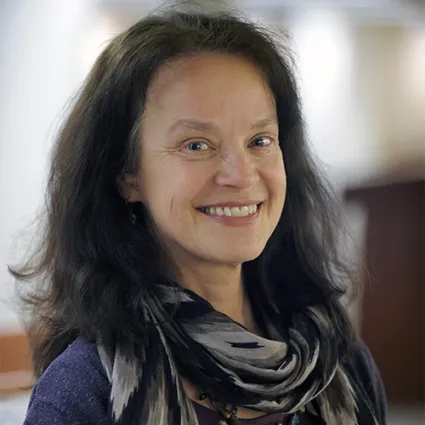
Barbara Brehm-Curtis is Professor Emerita of Exercise & Sport Studies at Smith College. She holds a B.A. from Duke University (Phi Beta Kappa, Summa Cum Laude), an M.A., and Ed.D. from Columbia University. Her teaching expertise includes Health Behavior, Nutrition and Health, Women's Health, Stress Management, and Sports Nutrition. With over 25 years as a contributing editor for Fitness Management, she has authored extensively on nutrition, fitness, and stress management topics. Her publications include chapters for certification manuals by the American Council on Exercise. Research focuses on psychological aspects of physical activity, women's health issues, and practical applications of nutrition science. Her publications demonstrate consistent focus on translating health science into practical applications for professionals and the public, with recent works addressing consumer nutrition education through accessible Q&A formats.
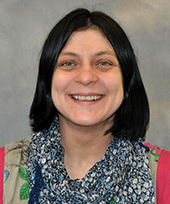
Renee Thompson is an Associate Professor of Psychological & Brain Sciences at Washington University, holding a PhD from the University of Illinois at Urbana-Champaign. She leads the Emotion and Mental Health Lab, investigating everyday emotional experiences across developmental stages and clinical populations (e.g., major depressive disorder) using experience sampling and physiological methods. Her research examines emotion regulation dynamics, social media's impact on mental health, and interpersonal processes in psychopathology. Current projects analyze digital emotion regulation strategies and preadolescent suicide risk factors through intensive longitudinal designs. Recent publications focus on emotion differentiation, interpersonal regulation, and social media's affective consequences. Work demonstrates how emotional clarity mitigates depression and informs adaptive regulation. She maintains collaborations with institutions including Columbia University and the NIH.
Professor Gibson is Professor of Neurodiversity and Developmental Psychology at the University of Cambridge, where she leads the Play and Communication Lab and co-directs research centers focused on play and AI. As a qualified speech therapist specializing in autism, her work bridges clinical practice and developmental research. Research examines connections between play, communication, and neurodivergence, with emphasis on autistic experiences and developmental language disorders. Projects include technology-mediated interventions and cross-disciplinary collaborations in AI. Publications demonstrate commitment to participatory methods and neurodiversity-affirming approaches. She coordinates the Psychology and Education route for MPhil students and teaches developmental psychology. Will consider PhD applications in 2025 for projects aligned with her research priorities in neurodiversity and play.
Maria Tomprou is an Assistant Teaching Professor of Organizational Behavior and Theory at the Tepper School of Business, Carnegie Mellon University. She holds an ORCiD identifier (0000-0003-3173-1677) and is based in Pittsburgh, Pennsylvania. Her academic journey includes prior roles at the same university, specifically as Distinguished Service Professor from 2018 to 2024. Research Focus: Employee self-regulation in organizations, career management, and employment relationships Teaching: Organizational Behavior (70-311), Managing Across Cultures (70-342), and Team Dynamics and Leadership (70-341, 88-341) Her scholarly contributions span collective intelligence, algorithmic management, and organizational change. Her work has appeared in journals like Journal of Organizational Behavior , Computers in Human Behavior , and PlosOne . She actively contributes to editorial work, currently serving as Guest Editor for the Special Issue on Toxicity in Organizations at the Journal of Occupational and Organizational Psychology . Scientific recognition includes: CMU's Teaching Innovation Award (2025) McGregor Award Best Paper (2019) EDAMBA Thesis Competition 2nd Prize Emerald Publishing Awards
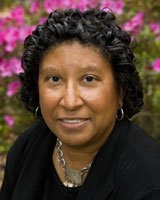
Vickie M. Mays is a Distinguished Professor in the Department of Psychology within the College of Letters and Sciences and a Professor in the Department of Health Services at the University of California, Los Angeles. She serves as Director of the BRITE Center for Science, Research, and Policy, focusing on eliminating health disparities through interdisciplinary research and policy initiatives. Her educational credentials include: Ph.D. in Clinical Psychology M.S.P.H. in Health Services Postdoctoral training in psychiatric epidemiology and survey research (University of Michigan) Postdoctoral training in health policy (RAND) Dr. Mays' research centers on mental and physical health disparities among racial/ethnic/sexual minorities, examining HIV/AIDS contextual factors, discrimination impacts on immunological and disease outcomes, and mental health service accessibility. Her work integrates epidemiological, sociological, and policy perspectives to address systemic barriers in minority health. Analysis of her publication record (1989-2005) reveals consistent focus on health disparities measurement methodologies, race/ethnicity classification in research, and intersectional impacts of discrimination. Key trends include evolving frameworks for studying minority health, emphasis on sexual orientation within racial disparities, and policy-relevant approaches to HIV prevention and mental health service delivery. Her scientific recognition includes: Lifetime research award on women and HIV from AMFAR Women and Leadership Award from the American Psychological Association Multiple Distinguished Contributions for Research awards Dr. Mays has secured significant grant funding including the California Quality of Life Survey (n=2,200+), testified before Congressional committees, and chaired the NCVHS Subcommittee on Populations. Her advising encompasses graduate training in minority health research ethics and methods, shaping future scholars in health disparities science. She leads the BRITE Center's multidisciplinary team developing evidence-based interventions for minority health equity, with ongoing projects examining data collection standards for reducing disparities and community-engaged approaches to mental health service improvement.
Professor Karen Niven is a distinguished academic and leader in organizational psychology at the Sheffield University Management School . She holds the position of Professor of Organisational Psychology and serves as the Associate Dean for One University , overseeing Equality, Diversity, and Inclusion (EDI), staff wellbeing, and sustainability. Her academic journey includes roles as Head of the Work Psychology Group and previously at Alliance Manchester Business School. Niven earned her BSc (Psychology) from the University of Leeds and her MSc and PhD in Psychology from the University of Sheffield. Education: BSc Psychology – University of Leeds MSc Work Psychology – University of Sheffield PhD Psychology – University of Sheffield Her research focuses on interpersonal emotion regulation and the 'darker side of workplace relationships' , including bullying and aggression. Key themes include AI-driven emotion monitoring, bystander behavior in mistreatment, and age-related differences in emotion regulation effectiveness. She employs diverse methodologies, such as diary studies and social network analysis, and collaborates globally with researchers in Spain, the Netherlands, Chile, and beyond. Professor Niven’s work has been funded by prestigious bodies like the ESRC, UKRI, and the Richard Benjamin Trust. She sits on editorial boards of high-impact journals, including Journal of Management and Journal of Organizational Behaviour . Her publications bridge academic and practical insights, such as co-editing Should I Strap a Battery to My Head? (And Other Questions About Emotion) and Making a Difference with Psychology . In advising, she supervises doctoral researchers like Aishwarya Verma, exploring age dynamics in emotion regulation. Her grants and collaborations underscore a commitment to addressing real-world challenges, such as workplace well-being and bullying intervention. She leads the Work Psychology Group and contributes to initiatives like the Dean’s List at the Management School. Notably, Niven’s research on bystander dynamics and the psychological impacts of workplace mistreatment has shaped organizational policies and interventions. Her recent focus on pandemic-era homeworking further highlights her adaptability to contemporary challenges.
Malissa Alinor is an Assistant Professor in the Department of Public Policy at the University of North Carolina at Chapel Hill. Her research focuses on how discrimination impacts marginalized groups, including racial and gender bias experiences, emotional consequences, and organizational policy effects. She employs experimental, qualitative, and quantitative methods to study social psychology, emotions, and health disparities. Education: PhD and MA in Sociology (University of Georgia), BA summa cum laude (University of Florida), and a postdoctoral fellowship at Stanford VMware Women’s Leadership Innovation Lab. Research Interests: Her work examines systemic inequalities through lenses of race, gender, and policy, with emphasis on workplace diversity, racial trauma, and health outcomes. Recent studies explore coping strategies among Black and Asian Americans, longitudinal racism experiences, and perceptions of Black men influenced by attire. Publications: Featured in Social Psychology Quarterly, American Behavioral Scientist, and Harvard Business Review. Awards include recognition from the Southern Regional Education Board and American Sociological Association support. Advising/Grants: No specific grants or advisee names listed, but her research directly informs organizational practices. Affiliated with UNC’s Department of Public Policy at Chapel Hill, NC.
Brett Williams is a Professor of Paramedicine and Director of International Engagement at the School of Primary and Allied Health Care, Monash University, within the Faculty of Medicine, Nursing and Health Sciences. With over 20 years of academic leadership in paramedicine, he specializes in educational research, mentorship, and professional development. He has published over 350 peer-reviewed articles, supervised 14 PhD completions, and is currently mentoring 10 PhD students. His work focuses on paramedicine professionalization, global capacity-building, and pre-hospital emergency care innovation. Research interests include paramedic education, shift work tolerance, trauma resuscitation protocols, and cross-cultural healthcare challenges. He leads projects on paramedic mental health, community paramedicine frameworks, and international research agendas. Notable collaborations span Ireland, Saudi Arabia, and Jordan, addressing issues like vaccination adherence, emergency care delivery, and workplace resilience. Key achievements include national teaching awards and grants from bodies like the Victorian Department of Human Services and Telematics Trust. Awards highlight contributions to paramedicine education and clinical practice improvement. His work aligns with UN Sustainable Development Goals related to health equity and quality education. Labs/Teams: Director of the Paramedic Health and Wellbeing Research Unit (PHAWRU), collaborating with global partners on paramedic resilience and clinical training innovations.
Serge Sultan is a tenured Professor at the Université de Montréal, holding dual appointments in the Department of Pediatrics (Faculty of Medicine) and the Department of Psychology (Faculty of Arts and Sciences) . He leads the Psycho-Oncology Center (CPO) at the CHU Sainte-Justine Research Center, focusing on quality of life and psychosocial aspects of chronic illnesses, particularly cancer. His research bridges clinical psychology and medicine, emphasizing patient and caregiver well-being, empathy in healthcare, and interventions to improve psychological outcomes. Education: PhD in Psychology (1999) and HDR (2003), both from Université Paris 10 Nanterre. Affiliations: Member of the Azrieli Research Center at CHU Sainte-Justine and the Couple Study Laboratory. His research focuses on: Psychological repercussions of disease and adjustment to illness. Clinical empathy and patient-caregiver dynamics. Psychosocial oncology, including pediatric and adult populations. Innovative interventions to mitigate emotional distress and procedural pain. Recent work includes studies on transition readiness for young cancer survivors, mindfulness-based stress reduction for healthcare professionals, and communication training to reduce procedural pain. He has supervised numerous doctoral, master’s, and honors thesis students. Current projects address pediatric brain tumor survivorship, psychosocial screening tools, and health promotion in oncology.
Chris Skurka is an Associate Professor in the Department of Media Studies at Pennsylvania State University’s Bellisario College of Communications. He holds affiliations with the Penn State Cancer Institute and the Institute of Energy and the Environment. His research focuses on the effectiveness of media messages in promoting engagement with environmental, health, and science issues, particularly through emotional appeals and efficacy mechanisms. He teaches courses in research methods, science communication, and media effects. Skurka’s education includes a Ph.D. from Cornell University, an M.A. from the University of Illinois Urbana-Champaign, and a B.A. from Aquinas College. His work has been funded by the NSF, NIMH, and the Arthur W. Page Center. Key awards include top paper recognitions from NCA and ICA, and two AEJMC awards for science communication research. His research explores how emotions like anger, awe, and humor influence public responses to climate change, tobacco control, and health disparities. He emphasizes civic engagement outcomes such as policy support and activism. Recent studies examine message repetition effects, selective exposure behaviors, and the role of perceived competence in discerning misinformation. Skurka’s publications appear in journals like Journal of Communication and Communication Research , with a focus on media effects, environmental psychology, and health communication. His grants support projects on climate messaging, anti-tobacco campaigns, and equity-focused policy narratives.
Roma Maguire is a Professor of Digital Health and Care at the University of Strathclyde, serving as Deputy Associate Principal and Director of the Health and Care Futures initiative. She holds an Honorary Professorship at NHS Lanarkshire and was awarded an MBE in 2024 for contributions to healthcare research. Her expertise spans Digital Health, Remote Patient Monitoring, AI, and supportive care across cancer, dementia, and palliative care. She leads multi-site studies in Europe and co-designs digital solutions for symptom management and patient experience. Educations: PhD (University of Stirling, 2011), MSc (2002), BSc Nursing (University of Glasgow, 1991) Her research focuses on optimizing symptom management and self-care through digital tools, including systems for chemotherapy toxicity, remote monitoring (e.g., ASyMS), and mobile apps like CareFit. Key projects include the PREMIO study on breast cancer trials and the Systems Engineering Innovation hub for long-term conditions. She has authored over 99 publications and secured grants totaling £multi-million. Research Highlights: Her work bridges technology and clinical practice, emphasizing patient-centered design. Notable contributions include the ASyMS remote monitoring system, 3D telemedicine innovations, and frameworks for evaluating eHealth tools. Her studies address healthcare equity, caregiver support, and implementation science. Awards: MBE (2024), NHS Lanarkshire Honorary Professorship Grants & Supervision: Leads 33 active projects, including Innovate UK and NIHR-funded initiatives. Supervised 1 doctoral student (details not specified). Collaborates globally with institutions like the University of Surrey (as Visiting Professor) and Ghana for telemedicine. Labs/Teams: Digital Health & Wellness Research Group (DHaWG), cross-disciplinary teams in Strathclyde’s Health and Wellbeing domain.
Dr. Lidiia Pletneva is Assistant Professor of Organizational Behavior at LSE, researching how personal critical events transform professional lives using qualitative methodologies. Her work focuses on grief-work interactions and meaning reconstruction. Key Findings: Identifies job crafting as adaptive coping mechanism during grief, demonstrating how employees reshape work boundaries and relationships. Reveals career transitions following personal loss through identity-based frameworks. Award-Winning Research: 2022 MOC Best Paper and EMONET Best Paper awards for studies on grief coping. William H. Newman Award nominee examining work identity transformations. Academic Background: PhD from ESSEC Business School with dissertation on grief-induced career changes. Teaches organizational behavior integrating experiential learning and case methods.
Sarah Northcott is a Senior Lecturer and Clinical Academic at the Division of Language and Communication Science within the School of Health Sciences at City St George's, University of London. She is also a Research Affiliate at the Centre for Research Excellence in Aphasia Recovery and Rehabilitation, La Trobe University, Australia, and was a part-time Senior Lecturer at the University of East Anglia from 2019 to 2021. Her educational background includes a PhD in 'Social support after a stroke' and an MSc in Speech and Language Therapy, both from City, University of London. She also holds a BA Hons in Music from the University of Cambridge and a PGDiploma in Piano Accompaniment from the Royal Academy of Music. Sarah’s research centers on enhancing the psychosocial well-being of individuals living with stroke and aphasia. She has two major research strands: (1) adapting Solution-Focused Brief Therapy (SFBT) for people with aphasia, notably through the SOFIA trial, and (2) exploring the lived experience of stroke and aphasia, including developing accessible outcome measures such as the Stroke Social Network Scale. Her recent projects include THEA, ELA, and the WISA project, all funded by major organizations including the Stroke Association and Sir Halley Stewart Trust. The 15 most recent articles reflect a consistent focus on psychosocial interventions, peer support, telehealth, and co-designed research methods. Key themes include emotional well-being, patient-centered care, intervention feasibility, and the role of healthcare staff in supporting recovery. The studies employ mixed methods, with strong emphasis on qualitative insights from people with aphasia and their families. 2016 Editor's Award, Journal of Speech Language and Hearing Research School of Health Sciences Postdoctoral Fellowship (2015) Stroke Association Jack and Averil (Mansfield) Bradley Fellowship (2016) Sarah has supervised multiple research projects and collaborated extensively with Dr. Katerina Hilari and other experts in aphasia rehabilitation. She has led funded grants totaling over £190,000 and is actively involved in public and patient engagement. She has contributed to editorial boards of journals such as Aphasiology and Clinical Rehabilitation , and serves on advisory committees including Aphasia United. Her work emphasizes co-production, ensuring that people with lived experience shape research priorities and outputs. She leads the WISA project (Wellbeing In Stroke and Aphasia), which began in 2023 and aims to develop an innovative, accessible psychological support service for people with aphasia. Her lab and research team operate within a participatory framework, integrating clinical practice, academic research, and community engagement to drive meaningful change in stroke rehabilitation services.
Frode Moen is an Associate Professor at the Department of Education and Lifelong Learning at the Norwegian University of Science and Technology (NTNU). His research focuses on sports psychology, athlete development, and the interplay between sleep, stress, and performance in elite athletes. He has authored influential books such as Coaching Elite Junior Athletes and Hjernekraft: Mentale prosesser og mental trening , which explore mental training and coaching methodologies. His work examines burnout prevention among coaches, the role of the coach-athlete relationship, and the effects of sleep interventions on athletic performance. Key research areas include sleep patterns in endurance athletes, the impact of stress and coping strategies during crises like the pandemic, and the efficacy of coaching education programs. Moen collaborates extensively with colleagues like Jan Arvid Haugan and Maria Hrozanova, producing studies published in journals like Frontiers in Psychology and Sports . Publications highlight his interdisciplinary approach, bridging sports science, psychology, and education. His findings contribute to optimizing athlete well-being, enhancing coaching practices, and understanding performance-related variables in competitive sports.
Ryan Wong is an Associate Professor of Biology at the University of Nebraska at Omaha (UNO), affiliated with the College of Arts and Sciences. He leads the Wong Lab, which is funded by the National Science Foundation (NSF) and National Institutes of Health (NIH). His research focuses on the neuromolecular mechanisms underlying behavioral variation, particularly stress coping styles in animals, and their implications for learning, memory, and neuroendocrine responses. He actively recruits graduate students interested in this integrative research area. Education: B.S. in Biology, Natural Resources, Ecology and Evolution, Cornell University (2005) Ph.D. in Ecology, Evolution, and Behavior, University of Texas at Austin (2011) Research Interests: Behavioral and molecular mechanisms of stress coping in zebrafish and cichlids Interactions between stress responses and cognitive processes (e.g., learning, memory) Neurogenomic and transcriptomic profiling of behavioral variation Role of oxidative stress and social status in brain function Application of bioinformatics to neurobehavioral studies Awards: 2025 College of Arts and Sciences Alumni Outstanding Teacher Award 2023 Sophie and Feodora Kahn Professorship in Biology 2021 College of Arts and Sciences Research and Creative Activity Award Funding: NSF CAREER award (2020–2025) for studies on stress coping and cognitive mechanisms UNMC grant (2023) on neuroendocrine oxidative stress regulation NSF MRI grant (2019–2022) for genomic research infrastructure NICHD grant (2017–2021) on neural mechanisms of stress coping Lab and Service: Editor for Scientific Reports since 2019. Hosts the Wong Lab website for research updates and collaboration opportunities.