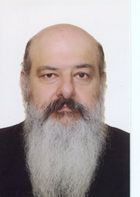
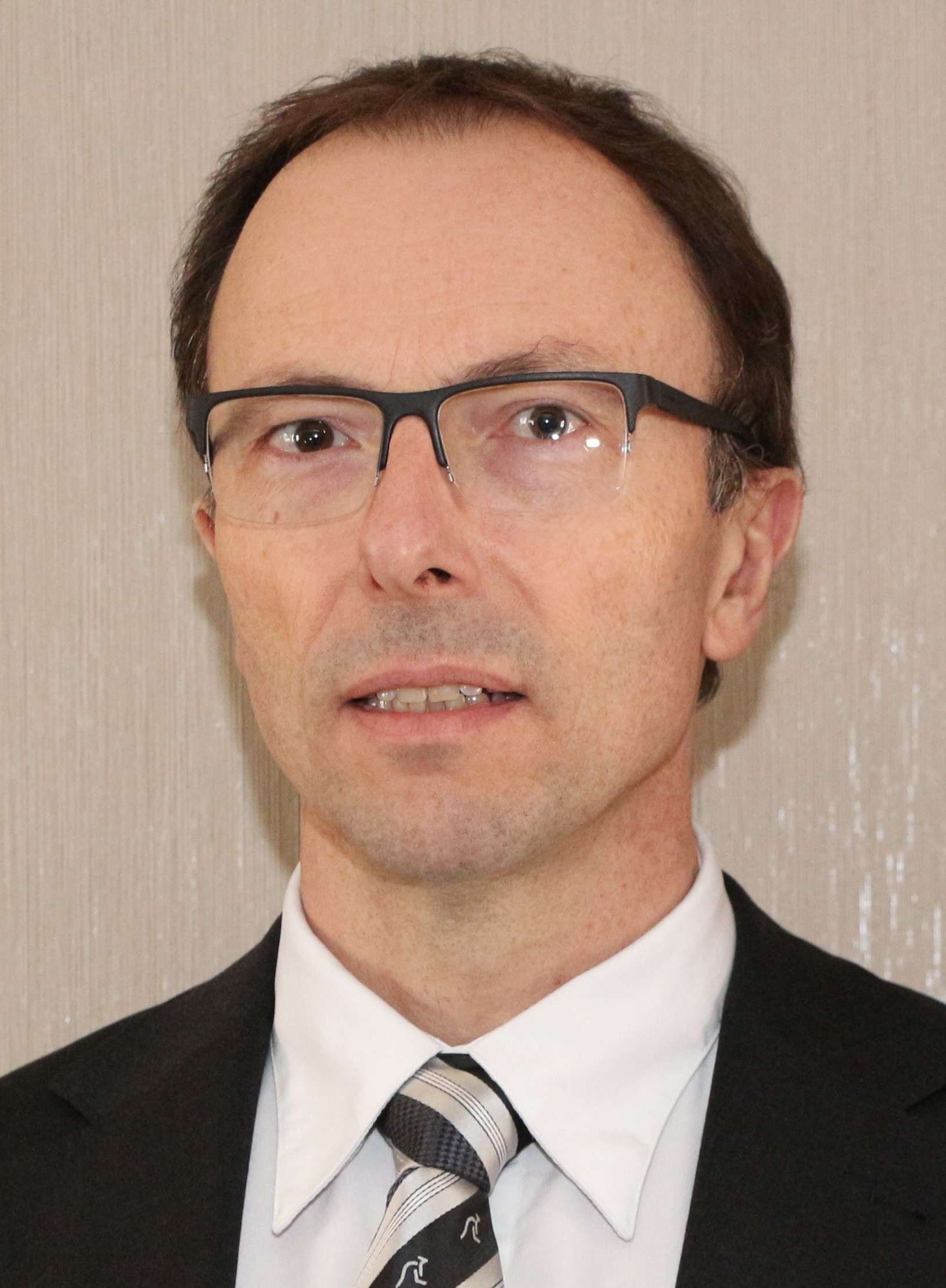
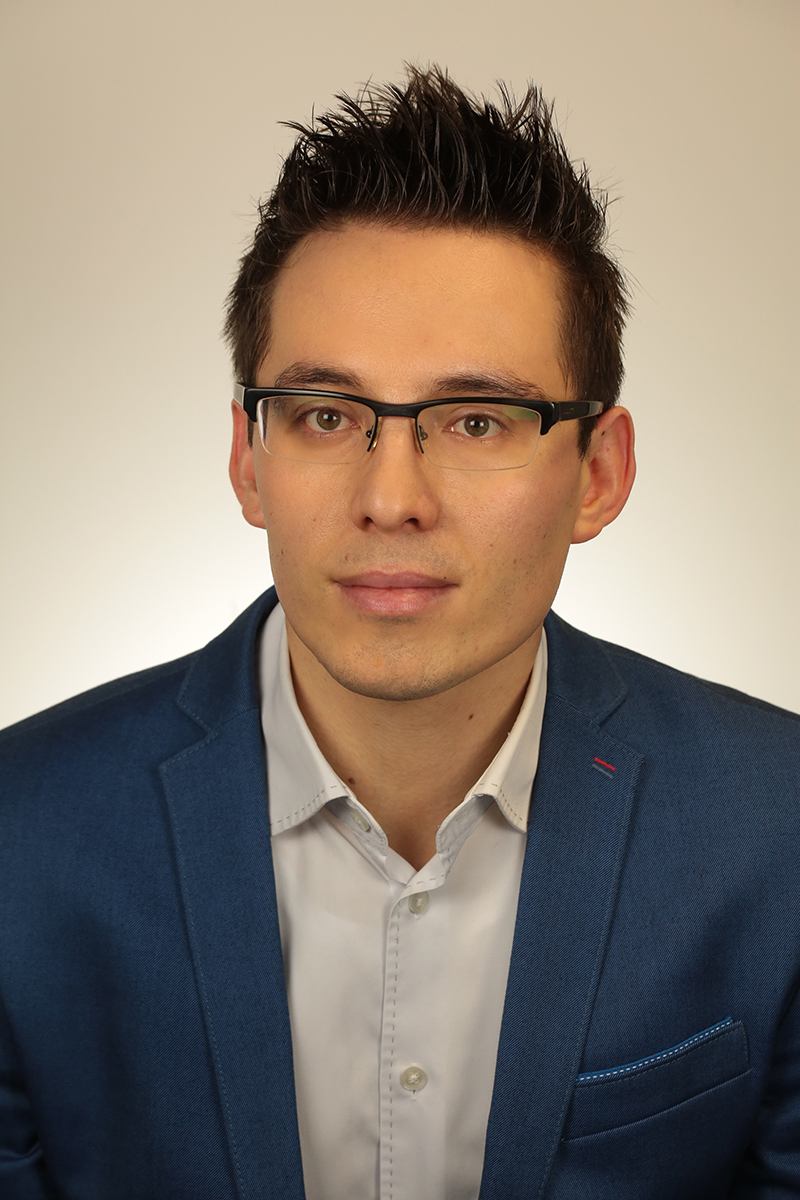
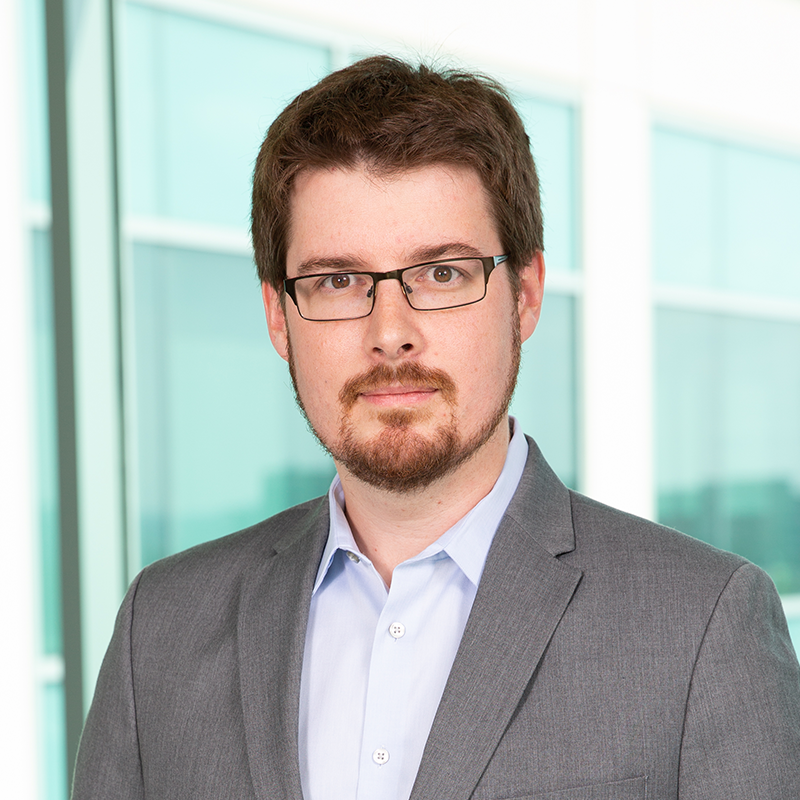
Cyril Desjouy is a lecturer at Le Mans University , specializing in nonlinear acoustics and fluid mechanics. He is affiliated with the Institute of Acoustics and contributes to computational acoustics software development. Research Interests : Fluid mechanics, nonlinear acoustics, shock wave propagation, numerical methods, cavitation control, and thermoacoustic systems. Academic Output : 15-year focus on acoustic solitons, shock wave dynamics, MEMS calibration, and biomedical applications of cavitation. Software Contributions : Primary developer of the nsfds2 finite-difference time-domain simulation package for acoustic wave modeling.
Kanvaly Sanogo Lacina serves as a Research and Education Assistant at Utrecht University's Faculty of Science, specifically within the Department of Chemistry. Based at the Van 't Hoff Laboratory for Physical and Colloid Chemistry (part of the Debye Research Institute), they work in the Chemistry Practicum at the Victor J. Koningsberger Building in Utrecht. Their position combines research responsibilities with practical teaching duties in chemistry. Dr. Lacina's research focuses on advanced colloidal systems, with particular expertise in the synthesis and modification of specialized particles. Their work spans physical chemistry, colloid science, and nanomaterials engineering, with emphasis on creating particles with specific surface properties and geometries. Key research areas include Janus particles with chemically distinct surfaces, patchy particles with controlled geometries, and chiral colloidal structures. Analysis of their publication record reveals a consistent focus on particle surface engineering and controlled synthesis techniques. Their work demonstrates expertise in wet-chemical methods, surface modification through polymerization techniques, and creating particles with orthogonal chemical functionality. The research has applications in materials science, drug delivery systems, and advanced colloidal assemblies. Lacina has been actively contributing to research at Utrecht University since 2007, first as an Organic Chemistry Research Assistant at Organon before joining the Van 't Hoff Laboratory. Their work is conducted within the Debye Research Institute, a leading center for physical and colloid chemistry in the Netherlands.
Roel Maas-Bakker is a Researcher and Teacher in the Pharmaceutics department at Utrecht University's Faculty of Science. His work focuses on advanced drug delivery systems, biomaterials development, and pharmaceutical technology. He maintains an active research profile with publications spanning from the 1990s to the present, demonstrating a long-standing contribution to pharmaceutical sciences. Maas-Bakker's research interests primarily center on controlled release formulations, particularly in the areas of protein and growth factor delivery systems. His work encompasses the development of polymeric microspheres, hydrogels, and nanocarriers for various therapeutic applications including ocular drug delivery, cancer therapy, and tissue engineering. He has made significant contributions to understanding the structure-function relationships of polymer-based drug carriers and their interactions with biological systems. Analysis of his publication history reveals a research trajectory that began with fundamental studies in drug metabolism and enzyme interactions, particularly focusing on cytochrome P450 systems and drug-drug interactions. Over time, his research evolved toward more applied pharmaceutical technology, with a strong emphasis on developing innovative delivery systems for proteins, growth factors, and other challenging therapeutic molecules. His recent work demonstrates expertise in advanced biomaterials including thermosensitive polymers, hydrogels, and 3D-printed delivery devices. His collaborative network includes prominent researchers in pharmaceutical sciences at Utrecht University such as Wim Hennink, Raymond Kok, and Twan Vermonden, with whom he has co-authored numerous high-impact publications. Maas-Bakker's work appears in leading pharmaceutical and biomaterials journals including Biomacromolecules, Journal of Pharmaceutical Sciences, and European Journal of Pharmaceutics and Biopharmaceutics.
Marinos Pitsikalis serves as a Professor of Industrial Chemistry within the Department of Chemistry at the National and Kapodistrian University of Athens. He maintains an active research program in polymer science and is based in Office 5, Wing A, on the 1st floor of the department building. Contact information: Telephone: +30-210-7274768 Fax: +30-210-7221800 Email: pitsikalis@chem.uoa.gr Professor Pitsikalis' research focuses on advanced polymer synthesis and characterization. His primary areas of interest include: Controlled radical polymerization (especially RAFT) Coordination polymerization techniques Synthesis and study of block and statistical copolymers Thermal properties and degradation kinetics of polymers Self-assembly behavior of amphiphilic block copolymers Micellization in selective solvents Analysis of Professor Pitsikalis' most recent publications (2023-2025) reveals a consistent emphasis on copolymer systems involving N-vinylpyrrolidone and functional methacrylates or isocyanates. His work frequently investigates structure-property relationships, particularly thermal stability and self-assembly characteristics. Notable methodologies include titanium-mediated coordination polymerization and reversible addition-fragmentation chain-transfer (RAFT) polymerization.
Michel Linder is a Full Professor at the University of Lorraine, affiliated with the National School of Agronomy and Food Industries (ENSAIA) and the Nutrition and Food Sciences (NSA) Department. His research focuses on the physical chemistry of lipids , nano-vectorization for bioactive delivery, and industrial process optimization using experimental design methodologies. Key research areas include: Lipid self-assembly at interfaces Controlled release of biomolecules Enzymatic protein extraction from marine/vegetal sources Polyunsaturated fatty acid enrichment via enzymatic-membrane processes Valorization of waste oils for non-food applications Development of edible oleogels He has received the prestigious CHEVREUL Medal (2023) for contributions to lipid science. His publications highlight extensive work in nanoliposomal systems for drug delivery, food emulsions , and green chemistry approaches. Collaborations span Hokkaido University, UC Davis, Monash University, and CNRS institutions.
Gregory Tew is an Adjunct Professor at the Department of Polymer Science and Engineering, University of Massachusetts Amherst, with a cross-affiliation as Co-Coordinator of the CUMIRP Cluster B: Polymers in the BioArena in the Department of Veterinary and Animal Sciences. His research bridges chemistry, biology, and materials science to create functional macromolecules through synthetic organic chemistry, focusing on self-assembly, biomimetics, and magnetic polymers. B.S. in Chemistry, North Carolina State University (1995) Ph.D. in Chemistry, University of Illinois, Urbana-Champaign (2000) His work explores programming molecular information into polymers for hierarchical materials, biomimetic structures rivaling proteins, and applications in antimicrobials, wound dressings, and magnetic materials. Recent projects include bottlebrush networks for adhesives and hydrogels, metal-containing polymers, and nanocellulose composites. Articles highlight trends in synthetic strategies (e.g., thiol–ene, ROMP), mechanical property tuning, and biomedical applications like T-cell immunomodulation and autoimmune disease prevention. Member, Scientific Advisory Board, Polymer Competence Center Leoben GmbH (PCCL) Faculty 1000, Macromolecular Chemistry Section ACS Polymer Division Fellow (2010) Presidential Early Career Award for Scientists and Engineers NSF CAREER Award DuPont Young Faculty Grant Grants from the Army Research Office, Office of Naval Research, and DuPont support his work. He leads the Tew Research Group, emphasizing multidisciplinary training, and contributes to collaborative clusters like CUMIRP. His lab encourages intellectual creativity and prepares students for cutting-edge research in academia, industry, and government labs.
Anne Juppo serves as Professor and Principal Investigator in the Division of Pharmaceutical Chemistry and Technology at the University of Helsinki's Faculty of Pharmacy, leading the Helsinki One Health Drug Research Program. Her roles include supervision in the Doctoral Programme in Drug Research and active participation in the Pharmaceutical Design and Discovery group. Her research spans critical pharmaceutical domains with particular emphasis on: Industrial pharmacy and solid-state transformations during manufacturing Age-specific formulation development for pediatric and geriatric populations Tablet compression optimization and quality control systems Crisis management in pharmacy operations during pandemics Analysis of her 15 most recent publications reveals consistent focus on formulation science challenges, with increasing integration of AI methodologies in pharmaceutical manufacturing (2024-2025) and sustained investigation into temperature-sensitive drug stability. Her work bridges fundamental material science with practical clinical applications, particularly in vulnerable populations. Supervision activities include doctoral theses on personalized cancer therapy compounding and pediatric formulation challenges, reflecting her commitment to training next-generation pharmaceutical scientists. Current projects like LifeFactFuture LFF (2024-2026) demonstrate ongoing leadership in translational research with Business Finland funding.
Twan Lammers is a full Professor of Medicine at the Institute for Experimental Molecular Imaging (ExMI) within RWTH Aachen University Clinic. He leads the Nanomedicine and Theranostics research group focused on developing image-guided drug delivery systems for cancer and fibrotic diseases. Research Focus: His work centers on nanomedicine tumor targeting , combining drug delivery with molecular imaging to monitor tumor growth, angiogenesis, inflammation, and metastasis. Key areas include engineering polymeric microbubbles for ultrasound-mediated drug delivery, optimizing nanoparticle biodistribution using EPR and ATR mechanisms, and developing clinical translation frameworks for nanotherapeutics. His group pioneered transferrin receptor-targeted microbubbles for blood-brain barrier sonopermeation and desmoplastic tumor priming strategies using corticosteroid liposomes. Awards & Recognition: ERC Starting and Consolidator Grants Controlled Release Society Young Investigator Award (2015) Clarivate Highly Cited Researcher (since 2019) Over 250 publications with significant clinical impact Leadership: Serves as handling editor for Journal of Controlled Release and Molecular Imaging and Biology , and chairs special issues on stimuli-responsive nanotheranostics. His research bridges preclinical innovation with clinical applications through collaborations with pharmaceutical partners and clinical trial networks.
Yang Shi is a Full Professor and Head of the Department of Polymer Therapeutics at RWTH Aachen University Hospital . His research focuses on engineering polymer-based therapeutic systems for chemotherapy, vaccination, and immunotherapy. PhD from Utrecht University (2014) Former Associate Professor at South China University of Technology Group Leader at RWTH Aachen University Clinic (2016–present) Research Interests : Enzyme-degradable prodrug nanovesicles for immunomodulation Covalent self-assembled nanogels/hydrogels for tissue engineering Polymeric micelles for cancer chemo-immunotherapy Funding & Grants : European Research Council (ERC) Starting Grant & Proof of Concept Grant German Research Foundation (DFG) Federal Ministry of Education and Research (BMBF) Scientific Awards : Theodore von Kármán Fellow Science Award (International Pharma Sciences Foundation/Rottendorf Stiftung) Rising Star Awards from Journal of Nanobiotechnology & Biomacromolecules Merck Best On-Demand Talk Award (Controlled Release Society)
Professor Tatyana Zheltonozhskaya is a Leading Scientific Researcher and Professor at Taras Shevchenko National University of Kyiv, where she has served since 1972. She currently heads an active scientific team focused on advanced polymer chemistry and nanotechnology. Education: 1967–1972 – Specialist in Chemistry (Polymer Chemistry), Moscow State University M.V. Lomonosov, Moscow, Russia 1988 – Ph.D., Taras Shevchenko National University of Kyiv, Ukraine 1996 – Senior Researcher (advanced academic certification) 2003 – Doctor of Chemical Sciences, Taras Shevchenko National University of Kyiv, Ukraine 2006 – Professor, Taras Shevchenko National University of Kyiv, Ukraine 2014 – Honored Worker of Science and Technology of Ukraine Research Interests: Professor Zheltonozhskaya’s research centers on the design, synthesis, and application of advanced polymer systems. She has pioneered work on template block and graft copolymerization , discovering intramolecular polycomplexes (IntraPCs) that enable precise control over macromolecular architecture. Her group develops micelle and micelle-like nanocontainers from asymmetric block copolymers and polymer/inorganic hybrids for targeted drug delivery and in-situ synthesis of metal nanoparticles. These nanostructures are exploited to solubilize poorly soluble or toxic drugs such as doxorubicin, prednisolone, melanin, and vitamin E, as well as to generate biocidal silver nanoparticles. Environmental applications include the creation of high-efficiency flocculants (Unicomfloc) for water purification from radionuclides and suspended matter. Publication Trends: Her most recent articles (2004–2016) emphasize the fabrication of block/graft copolymers and their hybrids, elucidating structure–property relationships that underpin nanomedicine, energy storage (solid polymer electrolytes for lithium batteries and solar cells), and environmental remediation. The body of work repeatedly highlights self-assembly, pH-responsive behavior, ionic conductivity, and the templating role of complementary polymer components. Scientific Awards & Honors: Honored Worker of Science and Technology of Ukraine (2014) US Patent No. 8,323,838 B2 for solid polymer electrolytes (2012) Team & Funding: Since 1990, Professor Zheltonozhskaya has led a scientific team that presently comprises three researchers, one engineer, one Master’s student, and two Bachelor students. The group has continuously attracted national funding for successive multi-year projects, ranging from multicomponent polymer flocculants to nano-sized block copolymer systems for drug delivery and nanoreactor applications. Laboratory & Methodological Expertise: The team employs state-of-the-art techniques including NMR, FTIR and UV-Vis spectroscopy, gel-permeation chromatography (GPC), static and dynamic light scattering, dilatometry, viscometry, potentiometric titration, transmission electron microscopy (TEM), differential scanning calorimetry (DSC), wide- and small-angle X-ray scattering (WAXS/SAXS), and more to characterize and fine-tune the molecular structure and functional properties of synthesized materials.
Zoia Voitenko is a Full Professor of Organic Chemistry at the Faculty of Chemistry, Taras Shevchenko National University of Kyiv since 2006. She has held administrative roles including Deputy Dean of Science (2007-2015) and Deputy Dean for International Relations (2008-2016), and currently coordinates international cooperation for the Faculty of Chemistry. Her research focuses on heterocyclic chemistry , particularly the synthesis, reactivity, and properties of isoindoles and their derivatives . Key areas include: Uncovering three novel rearrangements in [4+2]-cycloaddition reactions of condensed isoindoles Elucidating the azido-tetrazole tautomerism and ring-opening mechanisms Developing cyanine dyes derived from tetrazoloisoindoles and triazoloisoindoles with high extinction coefficients Investigating hyperconjugation effects in isoindole-derived amides and thioamides Her work combines experimental and computational approaches, utilizing NMR, UV-Vis, X-ray structural analysis , and quantum chemistry to explore reactivity patterns and electronic structures. She collaborates internationally as Editor-in-Chief of the French-Ukrainian Journal of Chemistry and coordinates the France-Ukraine Chemistry Association (GRDI). Recent publications highlight her contributions to: RAFT polymerization control Fluorinated reagents in cross-coupling reactions Metalla-assembled supramolecular systems Photophysical properties of cyclohexadiene chromophores Electronic tuning in π-extended TTF derivatives
Dr. Eng. Damian Krystian KACZMAREK is a faculty member at the Poznań University of Technology, specifically in the Institute of Chemical Technology and Engineering within the Faculty of Chemical Technology. His work focuses on the Department of Chemical Technology where he conducts research and teaching activities related to organic chemistry and chemical technology. Dr. Kaczmarek obtained his Master of Science in Engineering in 2016 with specialization in organic chemical technology. He completed his doctoral dissertation titled 'Synteza i właściwości amoniowych cieczy jonowych wykazujących aktywność biologiczną wobec roślin' (Synthesis and properties of ammonium ionic liquids showing biological activity against plants) in 2021 under the supervision of Professor Juliusz Pernak. His research interests span a broad spectrum of chemical sciences with particular focus on Organic Chemistry, Synthesis of organic compounds, Acquisition and derivatization of natural raw materials, Bioactive ionic liquids design and structure-property relationships, Contemporary problems of agrochemistry and pharmacy, New forms of drugs and pesticides, Environmental protection and sustainable development in chemical synthesis, Spectral analysis and characterization of new substances, and Optimization of chemical processes. His work bridges fundamental chemistry with practical applications in agriculture and pharmaceuticals. Dr. Kaczmarek's publication record demonstrates a strong focus on ionic liquids research, particularly their applications in agrochemistry. His recent work (2024-2025) shows increasing sophistication in designing ionic liquid structures with specific functionalities, including polymeric herbicidal ionic liquids, bioinspired herbicides, and studies on structure-property relationships in double salt ionic liquids. His research consistently emphasizes sustainable chemistry approaches and practical applications in agriculture. Scholarship for young researchers from the Poznań scientific community (2021) Project leader of PRELUDIUM 17 project on bis-ammonium, bis-phosphonium and ammonium-phosphonium ionic liquids (2019/33/N/ST4/02292) Opus 13 project scholarship on Ionic liquids of natural origin as auxins (2017/25/B/ST5/01622) Dr. Kaczmarek leads research projects funded by the National Science Centre and maintains scientific cooperation with the Institute of Plant Protection – National Research Institute in Poznań, Poznań University of Life Sciences, and Poznań University of Economics. His laboratory work focuses on synthesis, characterization, and application testing of novel ionic compounds with emphasis on environmentally friendly solutions for agricultural and pharmaceutical applications.
Michał Niemczak is a Professor at Poznań University of Technology, affiliated with the Faculty of Chemical Technology and Department of Chemical Technology. With a PhD (2015) and habilitation (2020) in chemical sciences, his research focuses on bioactive ionic liquids , sustainable chemical processes , and environmental protection . PhD: "Synthesis and properties of bifunctional herbicidal ionic liquids" (2015) Habilitation: "Third generation ionic liquids - synthesis, properties and applications" (2020) His work spans organic chemistry , agrochemistry , and green chemistry , particularly in designing ionic liquids for plant protection, drug delivery, and environmental sustainability. Recent publications highlight fungi-mediated biodegradation of herbicidal ionic liquids, double salt ionic liquids , and polymeric herbicidal formulations . He collaborates with institutions including Institute of Plant Protection (Poland), Poznań University of Life Sciences, and University of Alabama (USA). As a member of the Polish Chemical Society, he contributes to advancing chemical sciences through teaching (Environmental protection, Organic technology) and over 70 inventions.
Jacques Lux is a researcher in the Department of Radiology at the University of Texas Southwestern Medical Center, where he contributes to the Translational Research in Ultrasound Theranostics (TRUST) program. His work bridges chemistry, materials science, and biomedical imaging, with a focus on developing next-generation diagnostic and therapeutic agents. Education: PhD in Chemistry, University of Strasbourg, under Nobel laureate Jean-Pierre Sauvage Postdoctoral training at Faculty of Pharmacy, Strasbourg Postdoctoral research at Scripps Research Institute (La Jolla, CA) Postdoctoral and Research Scientist roles at UCSD Dr. Lux's research focuses on theranostics , particularly the design of activatable ultrasound agents that enable both cancer detection and targeted therapy through drug release or high-intensity focused ultrasound. His work also encompasses stimuli-responsive nanomaterials , including light- and enzyme-activatable systems, and the development of high-relaxivity MRI contrast agents using nanogel platforms. These efforts aim to improve imaging specificity, reduce toxicity, and enable image-guided interventions. The 15 most recent publications highlight a strong trend in multimodal imaging , nanoparticle engineering , and translational biomedical applications . Key themes include ultrasound-triggered therapies, oxygen-generating nanoparticles for hypoxia relief, biosensors for infection detection, and light-responsive drug delivery systems. The research integrates supramolecular chemistry, polymer science, and clinical imaging to create smart, responsive platforms for precision medicine. Scientific Awards: No awards explicitly mentioned in the provided text. Dr. Lux has been actively involved in research grants and collaborative projects, particularly in the development of nanoparticle-based theranostic systems and image-guided cancer therapies . His collaborations span chemistry, radiology, and bioengineering, often involving translational studies aimed at clinical application. He has contributed to the design of novel contrast agents, enzyme-loaded nanoparticles, and activatable probes, suggesting sustained funding from biomedical research agencies. He is a key member of the TRUST program at UT Southwestern, a multidisciplinary team focused on advancing ultrasound theranostics. His lab likely involves a team of postdoctoral researchers, graduate students, and engineers working on nanoparticle synthesis, in vivo imaging, and preclinical validation of novel agents. The emphasis on translational research indicates strong institutional and possibly industry partnerships.
Dr. Tong Liu is a Lecturer in Pervasive Data Science at the Department of Computer Science, School of Computer Science, University of Sheffield, UK. Previously, he served as a Research Associate at the Sargent Centre for Process Systems Engineering at both Imperial College London (2022-2023) and the University of Sheffield (2021-2022), and as a visiting researcher at the University of Southampton (2018-2019). His academic journey reflects a strong foundation in control theory and data science with applications across multiple domains. Dr. Liu obtained his B.S. degree in Automation and Ph.D. degree in Control Theory and Engineering in 2016 and 2021, respectively, from Chongqing University, China. During his doctoral studies, he also conducted research at the School of Electronics and Computer Science, University of Southampton (2018-2019). Dr. Liu's research focuses at the intersection of machine learning, data science, and decision-making. His primary expertise lies in advancing sustainable and lifelong AI methodologies for pervasive data analytics to support intelligent decision-making. His work spans multiple application domains including industrial automation, precision agriculture, and healthcare informatics. Specific research areas include lifelong learning, online learning, transfer learning, time series and streaming data analytics, adaptive modeling of dynamic processes, and safe learning and optimization. His research has practical implications for developing more efficient, sustainable, and intelligent systems across various industries. Dr. Liu's recent publications demonstrate a strong focus on lifelong learning frameworks, adaptive modeling for industrial processes, and applications in precision agriculture and healthcare. His work shows a progression from foundational algorithm development to practical implementations in real-world systems. A notable trend is the integration of domain knowledge with machine learning techniques to create more efficient and reliable systems. His research increasingly emphasizes sustainability and safety considerations in AI applications, reflecting broader trends in responsible AI development. Dr. Liu serves as Course Director for MSc Advanced Computer Science at the University of Sheffield. He is actively involved in research funding, including as Co-PI on the KG-PPN project: 'Knowledge Guided Multimodal AI for Automatic Quantification and Infestation Estimate of Plant-Parasitic Nematodes,' funded by Innovate UK (06/2025 - 02/2026, £54,388). His research group, the Pervasive Computing Group, focuses on developing AI solutions for real-world challenges across multiple domains. Dr. Liu is affiliated with the Pervasive Computing Group at the University of Sheffield's School of Computer Science. His research collaborations span multiple institutions including Imperial College London, University of Southampton, and various industry partners including Shell. His work often involves interdisciplinary teams bringing together expertise in machine learning, control systems, and domain-specific knowledge from agriculture, healthcare, and industrial engineering.