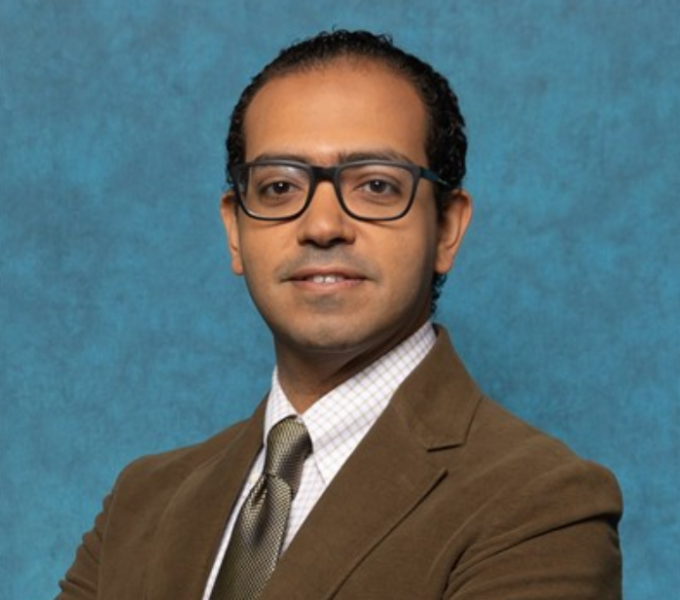
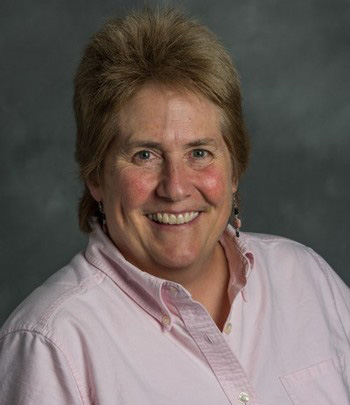
Payman Jalali is an Associate Professor at the LUT School of Energy Systems, LUT University. His research focuses on fluid dynamics, granular materials, computational fluid dynamics (CFD), heat transfer, and multiphase flows. He has contributed to studies on energy systems, biomaterials, and biomedical engineering applications. His work integrates numerical methods such as the lattice Boltzmann method and discrete element method (DEM) to analyze complex phenomena like granular shock waves, conjugate heat transfer, and fluid-particle interactions. Key research areas include direct air capture systems, granular media failure mechanisms, and turbulence modeling in multiphase flows. His publications span from 2000 to 2025, with recent emphasis on CFD applications in energy systems and biomedical contexts. Notable contributions address challenges in fluid power systems, porous media behavior, and arterial blood flow dynamics. His academic contributions include over 50 peer-reviewed articles, covering topics from granular shear flows to cardiovascular modeling. Collaborative work bridges engineering and biomedical disciplines, reflecting his interdisciplinary approach to solving complex physical and biological systems.
Dr. Marie Anne Eurie Forio is an Assistant Professor at Ghent University specializing in aquatic ecology and environmental assessment. With a PhD completed in 2017 on stream invertebrate traits, she has established herself as a leading researcher in freshwater ecosystem analysis, particularly focusing on macroinvertebrate communities and water quality assessment across diverse geographical contexts including Belgium, Ecuador, Uganda, and the Galapagos Islands. Her research interests span water quality assessment, macroinvertebrate ecology, ecological modeling, biodiversity monitoring, and environmental impact assessment. Dr. Forio employs advanced statistical and modeling approaches including Bayesian belief networks to analyze complex ecological relationships and inform environmental management decisions. Her work frequently bridges theoretical ecological concepts with practical applications for river basin management and conservation planning. Analysis of her recent publications reveals a strong emphasis on functional diversity metrics, habitat suitability modeling, and the development of bioassessment tools for freshwater ecosystems. Her research demonstrates how riparian vegetation, land use practices, and climate change impact aquatic communities, with particular attention to tropical river basins in South America. The integration of taxonomic and functional approaches in her work represents a cutting-edge methodology for comprehensive ecological assessment. Dr. Forio has successfully supervised multiple PhD students to completion, including Jawad Ghafoor (2025), Daniel Mercado Garcia (2023), and Gonzalo Sotomayor (2023), indicating her established position as a research mentor. Her extensive collaboration network, particularly with Peter Goethals (80 co-authored publications), demonstrates her integration within the international freshwater research community. Her research has practical applications for environmental policy and management, with studies directly informing river restoration practices, water quality monitoring programs, and sustainable development initiatives in both European and tropical contexts. The geographical diversity of her fieldwork reflects a commitment to understanding ecological principles across different biomes and socio-ecological contexts.
Nikolai Axmacher is a Professor at the Department of Neuropsychology , Institute of Cognitive Neuroscience , within the Faculty of Psychology at Ruhr University Bochum . His research focuses on understanding how experiences are transformed into memory traces, how memory is impaired by trauma and Alzheimer's disease, and the neural mechanisms underlying spatial navigation and learning. Combines cognitive neuroscience methods (EEG, fMRI, intracranial recordings) Investigates memory consolidation during rest and sleep Develops AI-based algorithms for decoding neural representations Studies autobiographical and social memory systems His recent work explores the interplay between memory and spatial navigation, particularly in populations at risk for Alzheimer's disease. Using high-resolution neuroimaging (3T/7T fMRI) and electrophysiological recordings, he examines distributed BOLD activity patterns and oscillations in memory networks. Though no formal scientific awards are listed in the provided texts, his publications in Nature Communications , Science Advances , and Current Biology demonstrate significant impact. Contact: nikolai.axmacher@ruhr-uni-bochum.de | Room IB 6/185 | Phone +49 (0)234 32-22674
Dr. Garrett M. Street is an Associate Professor at Mississippi State University, appointed in the College of Forest Resources and affiliated with the Department of Wildlife, Fisheries and Aquaculture . He also directs the Quantitative Ecology and Spatial Technologies (QuEST) Laboratory and is linked to the Forest and Wildlife Research Center and Mississippi Agricultural and Forestry Experiment Station . His office is located in Thompson Hall, Room 229. Education Ph.D. in Integrative Biology – University of Guelph M.S. in Population & Conservation Biology – Texas State University B.S. in Zoology – University of Oklahoma Research Interests Dr. Street’s research integrates movement ecology , population dynamics , and landscape ecology to understand how animals select habitats and use space across multiple scales. He employs cutting-edge biologging technologies, machine learning, and spatially explicit models to study species ranging from white-tailed deer and wild pigs to tiger sharks and caribou. His work explicitly links fine-scale behavioral decisions to broad-scale demographic patterns, with applications in conservation biology and wildlife management. Scientific Awards & Honors Superior Faculty Teaching Award – Regions Bank & Division of Agriculture, Forestry, and Veterinary Medicine Grantsmanship Award – Mississippi Agricultural and Forestry Experiment Station Outstanding Faculty Research Award – MSU Office of Research and Economic Development Outstanding Teaching Award – MSU College of Forest Resources Outstanding Peer-Reviewed Publication Award – Mississippi Chapter of The Wildlife Society Graduate Advising & Grants Dr. Street actively mentors graduate students, including Jane Dentinger. His success in securing competitive grants—recognized by institutional Grantsmanship Awards—supports a vibrant research program that blends field ecology, quantitative methods, and high-performance computing to advance agricultural and natural-resource research. Laboratories & Teams He leads the Quantitative Ecology and Spatial Technologies (QuEST) Laboratory , which leverages high-performance computing and spatial analysis to address pressing questions in wildlife ecology and conservation. The lab collaborates broadly across disciplines and institutions, integrating data from biologging devices, remote sensing, and field surveys to inform management decisions.
Nis Sand Jacobsen is a Senior Researcher at the Technical University of Denmark (DTU), working within the National Institute of Aquatic Resources (DTU Aqua) in the Section for Ecosystem based Marine Management. Based in Kgs. Lyngby, Denmark, his research focuses on fisheries science, marine ecosystem dynamics, and sustainable management of aquatic resources. With over 50 publications and involvement in numerous research projects, Jacobsen contributes significantly to understanding fish population dynamics, particularly in the North Sea and Baltic Sea regions. Dr. Jacobsen's research interests center on ecosystem-based fisheries management, with particular expertise in North Sea and Baltic Sea ecosystems. His work examines fish stock dynamics, food web interactions, and the impacts of climate change on marine populations. He specializes in herring and sandeel fisheries, investigating spawning patterns, migration behaviors, and the effects of environmental changes on fish distribution. His research integrates ecological, socioeconomic, and management perspectives to develop sustainable approaches for fisheries management. Analysis of Jacobsen's recent publications reveals a strong focus on ecosystem-based approaches to fisheries management. His work increasingly incorporates climate change impacts, spatial management strategies, and multispecies interactions into stock assessment models. A notable trend is the development of integrated modeling frameworks that combine biogeochemical processes with fisheries dynamics, as seen in his work on the FEISTY library. His research also addresses the socioeconomic dimensions of fisheries management, examining how fishing industries adapt to changing fish distributions. Member of International Council for the Exploration of the Sea (ICES) since 2014 Active participant in multiple working groups including Herring Assessment Working Group (HAWG) As a research supervisor, Jacobsen serves as Main Supervisor for PhD student M. V. Strange, whose work focuses on cormorant and seal predation of fish in inner Danish waters. He coordinates multiple research projects including SOS-Fisk, which investigates the influence of cormorants and seals on fish stocks in Danish waters, and TRUST 2, which examines spatial stock structure for North Sea sandeel. His collaborative work extends to international efforts through the International Council for the Exploration of the Sea (ICES), where he has been an active participant since 2014. Dr. Jacobsen's laboratory and team work within the Section for Ecosystem based Marine Management at DTU Aqua focuses on integrating ecological, fisheries, and socioeconomic data to develop comprehensive management strategies. His team collaborates with Danish fisheries organizations, European research institutions, and international bodies to address challenges in sustainable marine resource management, particularly focusing on the impacts of climate change on fish distribution and the resulting management implications.
Professor Tolga Eren serves as a faculty member in the Department of Electrical and Electronic Engineering at Kirikkale University's Faculty of Engineering and Natural Sciences. Holding a PhD from Yale University with postdoctoral training at Columbia University, he previously held a visiting professorship at KTH Royal Institute of Technology and earned his BSc from Bilkent University under full scholarship. His educational trajectory includes: BSc in Electrical and Electronics Engineering, Bilkent University (full scholarship) MSc from University of Massachusetts and Yale University PhD from Yale University Postdoctoral research at Columbia University Eren's research centers on networked systems with dual focus on cooperative localization in wireless sensor networks and formation control for multi-robot systems. He pioneers applications of optimization algorithms like Particle Swarm and Bat Algorithm for positioning challenges while advancing rigidity theory for network stability. His work bridges theoretical frameworks with practical implementations in constrained environments. Analysis of his 2019-2021 publications reveals three dominant trends: (1) Hybrid optimization approaches for wireless sensor network localization using swarm intelligence variants, (2) Rigidity-theoretic foundations for formation control under input constraints, and (3) Geometric methods for robot path smoothing and shape maintenance. These intersect at the nexus of graph theory, control systems, and distributed computing. Professor Eren has advised at least one graduate student, Gülçin AKTAŞ, who completed her departmental thesis in 2014. While no specific grants are documented in the available records, his research output demonstrates sustained investigation into networked system fundamentals through institutional support at Kirikkale University.
Kai Junge is a robotics researcher at École polytechnique fédérale de Lausanne (EPFL), affiliated with CREATE-LAB in the School of Engineering. His work focuses on developing advanced robotic systems with emphasis on compliant interactions, biomimetic design, and applications in agriculture and food systems. Dr. Junge's research interests span several cutting-edge domains in robotics: Soft robotics and compliant manipulation systems Biomimetic design of anthropomorphic robotic hands Variable stiffness actuation for improved dexterity Agricultural robotics with focus on delicate fruit harvesting Tactile sensing and multi-modal perception for contact-rich tasks Human-robot interaction and imitation learning His recent publications demonstrate a strong trend toward developing robotic systems that leverage compliance and biomimetic principles to achieve human-like or even superior manipulation capabilities. The work spans from fundamental research on compliance in robotic hands to practical applications in agriculture and food safety. A notable pattern is the development of the ADAPT Hand, which incorporates spatially distributed compliance to enhance robustness in manipulation tasks, achieving 93% success rate across 24 objects with varying geometries. His research also extends to agricultural applications where soft robotic grippers have demonstrated 95.4% picking success rate for blackberries while improving shelf life by 30-150%. Dr. Junge has been involved in several research projects funded by various organizations including the European Union's Horizon 2020 program, the Japan Science and Technology Agency, and Berry Gardens Ltd. His collaborative work with Josie Hughes and other researchers has resulted in numerous publications in top robotics conferences and journals. He is actively involved with CREATE-LAB at EPFL, where his team develops innovative robotic systems for manipulation, agricultural applications, and food safety testing. The lab's work on the ADAPT Hand, closed-structure soft grippers for agriculture, and robotic swallowing simulators demonstrates a commitment to translating robotics research into practical applications that address real-world challenges.
Darold P Batzer is a Professor in the Department of Entomology within the College of Agricultural & Environmental Sciences at the University of Georgia. His research focuses on freshwater wetland ecology, specifically the roles of invertebrates in food webs, predator-prey dynamics, and plant-invertebrate interactions. He collaborates extensively with wildlife biologists due to the critical importance of wetland invertebrates as dietary components for birds and fish, and maintains a long-standing research program on mosquito ecology and management in marsh habitats. Dr. Batzer's research spans wetland food web dynamics, hydrological impacts on invertebrate communities, and climate change effects on biodiversity. His work examines how invertebrates mediate energy flow between trophic levels, with particular attention to habitats managed for waterfowl. He investigates mosquito population control through ecologically sound strategies and studies the consequences of invasive species, drought, and hydrological alterations on wetland ecosystems. His international collaborations extend to tropical Brazil and northeastern China, reflecting the global relevance of his work on wetland conservation and restoration. Analysis of Dr. Batzer's recent publications reveals consistent focus on invertebrate responses to environmental stressors across diverse wetland types. His research demonstrates how hydrological changes, climate variability, and habitat fragmentation affect community structure and ecosystem functioning. Geographic scope spans the southeastern United States, tropical South America, and East Asia, with methodological approaches including long-term monitoring, comparative studies, and experimental manipulations to understand wetland resilience. Dr. Batzer mentors graduate students by initially involving them in his wetland ecology projects before guiding them to develop independent research questions. He encourages interdisciplinary work that leverages the University of Georgia's strengths in aquatic science, particularly collaborations with researchers studying river-floodplain connectivity and wetland restoration. His students investigate topics ranging from invertebrate colonization dynamics to the role of wetlands in agricultural landscapes.
Dr. Mostafa Bedewy is an Associate Professor at the University of Pittsburgh's Swanson School of Engineering, with primary appointment in Mechanical Engineering & Materials Science and secondary appointments in Chemical & Petroleum Engineering and Industrial Engineering. He leads the NanoProduct Lab , focusing on nanomanufacturing and advanced materials research. Education: Postdoctoral training, Massachusetts Institute of Technology (MIT), 2014-2016 Ph.D. Mechanical Engineering, University of Michigan–Ann Arbor, 2009-2013 M.S. Mechanical Design and Production Engineering, Cairo University, 2008 B.S. Mechanical Design and Production Engineering, Cairo University, 2006 Research Interests: Dr. Bedewy's work spans advanced manufacturing, nanoscale materials synthesis, and bio-inspired design. Key areas include laser processing, carbon nanotube growth dynamics, self-folding polymer systems, cybermanufacturing, and machine learning applications for materials optimization. His interdisciplinary approach bridges nanotechnology with flexible electronics, biomedical devices, and sustainable manufacturing. Publication Trends: Recent articles (2020-2025) demonstrate strong focus on precision nanofabrication techniques, including laser-induced graphene synthesis, chemical vapor deposition optimization for carbon nanotubes, and intelligent polymer systems. Machine learning integration for materials characterization and process control emerges as a growing theme alongside biomedical applications like biosensors and magnetically directed nanoparticles. Awards and Honors: NSF CAREER Award (2023) TMS Frontiers of Materials Award (2022) IISE Outstanding Young Investigator Award (2020) SME Outstanding Young Manufacturing Engineer Award (2018) ORAU Ralph E. Powe Junior Faculty Enhancement Award (2017) American Carbon Society Robert A. Meyer Award (2016) University of Michigan Richard and Eleanor Towner Prize (2014) MRS Silver Award (2013) Research Leadership: As director of the NanoProduct Lab, Dr. Bedewy oversees projects funded by NSF and other agencies, including his CAREER award on cybermanufacturing frameworks. The lab develops novel in-situ characterization tools and data-driven manufacturing platforms, collaborating with biomedical and industrial partners to translate nanomaterials into functional devices.
Nicole Huber is a researcher at the Chair for Computer Aided Medical Procedures & Augmented Reality at Technische Universität München (TUM), affiliated with the Institute for Informatics I16. Her work focuses on augmented reality systems, sensor networks, and human-computer interaction. Broad research areas: Augmented Reality, Mixed Reality, Sensor Networks, Human-Computer Interaction Key projects: Gestyboard, SensorVis, OST Rift, Parasitic Tracking Research trends from her publications reveal expertise in temporal calibration , multisensor tracking , mobile AR , input device design , and ubiquitous tracking environments . She has contributed to 3D visualization, gesture recognition, and RFID-based location computing. Scientific award: Best short paper award at 11th Symposium on Virtual and Augmented Reality (SVR), Porto Alegre, Brazil, May 2009 Teaching includes courses like "Medical Augmented Reality" and "Computer Aided Medical Procedures" at TUM. She has advised numerous publications and projects in AR systems.
Jian Zhong is a Research Fellow at the University of Birmingham’s Geography, Earth and Environmental Sciences department, focusing on air quality and climate interaction modelling. His work bridges environmental science with public health, contributing to major projects in the UK and international collaborations. Education: PhD in Geography & Environmental Sciences (University of Birmingham, 2011-2015), B.Sc. in Safety Engineering (Central South University, China). Research Interests: Modelling emissions interactions, environmental nanoparticle evolution, climate-weather systems, geographical data analytics for health, and translating environmental research into policy impacts. His work supports UN Sustainable Development Goals through climate mitigation and air quality improvements. Recent Articles: Focus on air quality mapping in European cities, climate risk scaling in West Midlands, black carbon sensitivity tests, and WRF-LES urban particle dispersion models. Scientific Awards: 3rd Place UKFN Video Competition #12 (2022) Best Technical Solution Prize (2022) Grants & Collaborations: £5m WM-Air Programme (Named Researcher), £2m Wellcome Trust health-climate project, EPSRC £6.2m CLEETS Clean Energy initiative, and multiple Royal Society/NERC-funded projects on urban ozone pollution and climate adaptation.
Deborah G. McCullough is a Professor in Forest Entomology at the Department of Entomology , Michigan State University, and an affiliated faculty member of the College of Natural Science . With over 25 years of academic experience, her work integrates research, teaching, and extension in forest insect ecology and management. University: Michigan State University College: College of Natural Science Department: Department of Entomology Rank: Professor (2006–Present) Research Interests focus on invasive forest insects , particularly the emerald ash borer (EAB), hemlock woolly adelgid , and beech bark disease . Her work spans population dynamics, host preference studies, ecological and economic impact assessments, and integrated management strategies for both urban and natural forests. Publication Trends highlight her expertise in Agrilus planipennis biology, detection methods, and post-invasion ecosystem effects. Recent studies address cerambycid beetle communities , riparian forest resilience , and climate change influences on pest distribution. Collaborative projects with agencies like USDA Forest Service and international partners emphasize policy-relevant outcomes. Scientific Awards Farm Lane Society (2018) Distinguished Faculty Award, MSU CANR (2016) Hodson Award for Outstanding Alumnus, University of Minnesota Entomology (2014) USDA Forest Service Certificate of Merit (2011) Distinguished Alumnus, Northern Arizona University School of Forestry (2006) As director of the national EAB.info website and through extension programs, she provides critical resources for forest health management to stakeholders across North America. Her teaching emphasizes diagnosis of tree problems , biological control methods , and socio-political factors in pest management.
Jessica Davis serves as a Research Assistant Professor in the Department of Public Health and Health Sciences at Northeastern University's Bouvé College of Health Sciences and is an active member of the MOBS Lab within the Network Science Institute. Her interdisciplinary work integrates network science methodologies with epidemic modeling to develop practical tools for public health policy and pandemic preparedness, with significant contributions during the COVID-19 pandemic. Dr. Davis earned her PhD in Network Science from Northeastern University, where her dissertation research examined cryptic transmission patterns and the efficacy of travel restrictions during the initial phases of the COVID-19 outbreak. This foundational work established her expertise in bridging theoretical network analysis with real-world public health applications. Her research program centers on two interconnected domains: Biological and Health Systems , which investigates biological interdependencies through network medicine, systems epidemiology, and public health infrastructure; and Complex Systems Forecasting , which develops network-based computational models for predicting epidemic trajectories and supporting evidence-based decision-making. These areas converge in her development of open-source tools like Epydemix and innovative surveillance frameworks using aircraft wastewater networks. Analysis of her 15 most recent publications (2021-2025) reveals consistent methodological evolution toward real-time modeling with explicit uncertainty quantification, increasing focus on multi-scale heterogeneity in disease transmission, and growing emphasis on practical implementation of forecasting systems. Her work demonstrates strong continuity in applying network science to epidemic dynamics while expanding into influenza surveillance, variant tracking, and vaccine impact assessment. No scientific awards or major honors are documented in the available materials, though her research has generated significant policy impact through presentations at venues like the Rhodes Policy Summit and collaborations with governmental agencies. Dr. Davis has secured substantial research funding including a Gates Foundation partnership investigating equitable global vaccine distribution strategies. While specific advisee relationships aren't publicly listed, she actively contributes to academic training through the MOBS Lab's hiring of computational statistics researchers and participation in the Network Science Student Research Symposium. The MOBS Lab, directed by Alessandro Vespignani and jointly affiliated with Physics, Health Sciences, and Computer Sciences departments, operates as a hub for computational epidemiology with physical locations in Boston, London, and Portland. Current lab initiatives focus on developing mathematical models for complex network systems with immediate applications to pandemic response, including the aircraft-based wastewater surveillance network featured in her 2025 Nature Medicine publication.
Lewis Miles serves as a President's Postdoctoral Fellow in the Department of Ethnic Studies at the University of California, San Diego, conducting critical research at the intersection of race, migration, and health disparities. His scholarly work examines structural inequalities through both historical analysis and contemporary institutional practices. His academic foundation includes: B.A. in Sociology from Morehouse College M.A. in Sociology from the University of Michigan, Ann Arbor Ph.D. in Sociology from the University of Michigan, Ann Arbor Miles' research program centers on Race and Ethnicity , Migration Studies , and Health Disparities , employing qualitative methodologies to investigate how racial logics perpetuate inequality. His dissertation Black to Mexico: Contemporary Black American Migration, Social Mobility, and the Quest for Freedom explores the "Blaxit" phenomenon under advisor Fatma Müge Göçek, while current work extends to healthcare systems under mentor Monika Gosin. His scholarship bridges sociological theory with urgent public health concerns through critical race frameworks. Analysis of his 2019-2024 publications reveals a cohesive trajectory examining institutional violence across healthcare and migration contexts. Articles consistently apply critical race theory to uncover how historical legacies manifest in contemporary decision-making processes, particularly regarding ICU admissions and racial dispossession. His work demonstrates methodological rigor through ethnographic and qualitative approaches that center marginalized experiences. His scholarly recognition includes: President's Postdoctoral Fellowship Miles operates within UC San Diego's Ethnic Studies ecosystem under Professor Monika Gosin's mentorship, contributing to interdisciplinary dialogues on racial justice. His research program demonstrates significant potential for influencing both academic discourse and institutional practices regarding race and healthcare access.
Alice M. Carter is an Assistant Professor at the Department of Mathematics and Statistics, Utah State University. As an ecosystem statistician and river biogeochemist, she combines empirical field research with advanced statistical modeling to study carbon cycling in aquatic systems. Research Focus Bayesian inference for watershed-scale analysis Process-guided machine learning in river energetics Time series modeling of biogeochemical fluxes Continental-scale aquatic ecosystem dynamics Key Contributions Her work addresses how local ecological controls interact with watershed-scale geomorphic constraints, particularly focusing on carbon cycling responses to environmental changes. Publications highlight innovations in process-guided deep learning approaches and hypoxia dynamics in river systems. Academic Engagement Actively mentors ecology graduate students in statistical methods and contributes to open-source research code through her GitHub repositories.