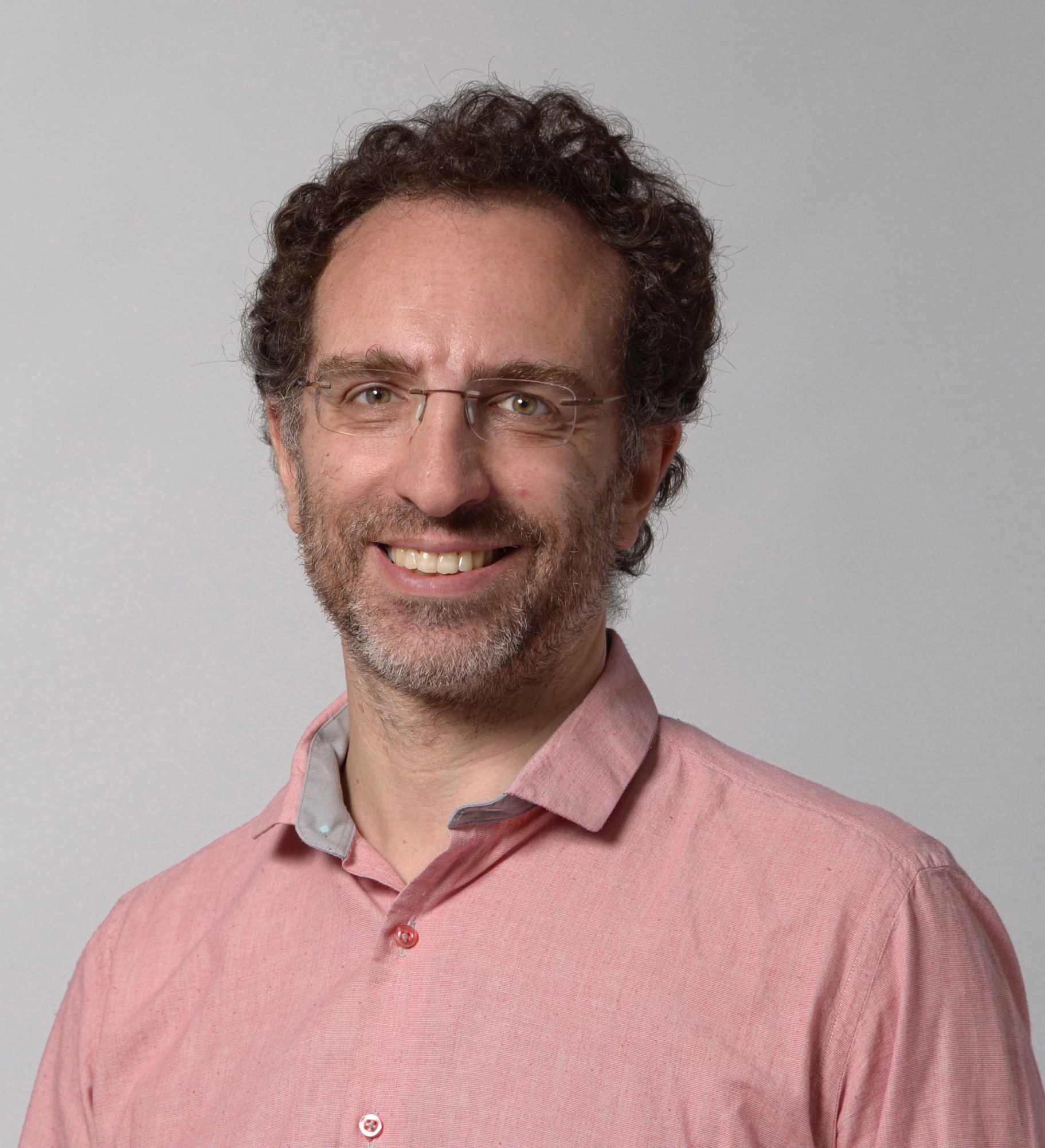
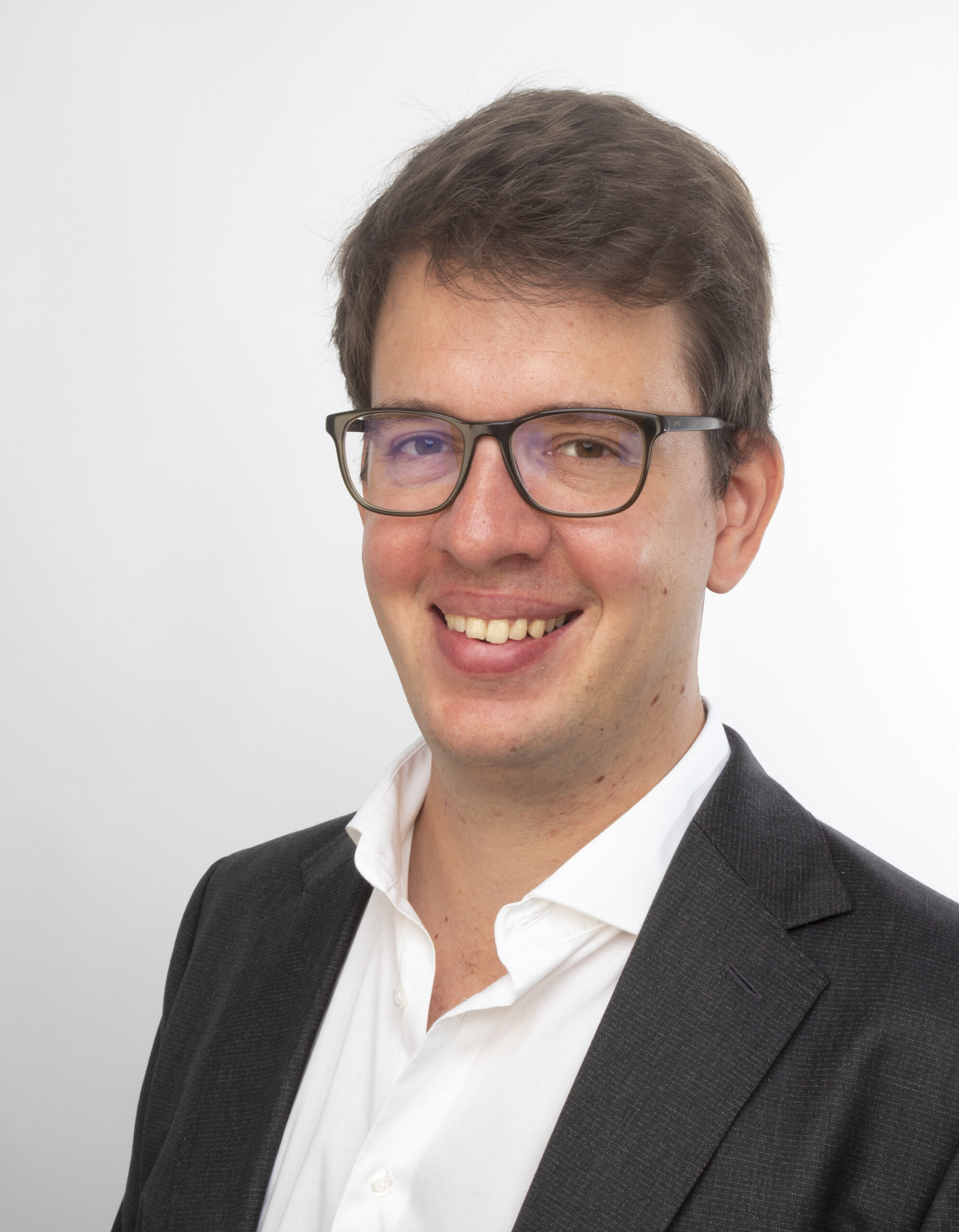
Jens Kattge is an Independent Research Group Leader at the Max Planck Institute for Biogeochemistry in Jena, Germany, specializing in Functional Biogeography. His career spans roles from Research Associate (2002–2005) to Senior Scientist (2010–2012) and current group leadership since 2013. He focuses on plant functional traits, their role in terrestrial ecosystems, and their integration into Earth system models. He coordinates the global TRY Initiative , a plant trait database for biodiversity research, and contributes to the German Centre for Integrative Biodiversity Research (iDiv). His research spans functional biogeography, trait-climate relationships, ecosystem modeling, and biodiversity-ecosystem functioning. Key projects include developing the rtry R package for trait data preprocessing and analyzing global datasets like CoRRE Trait Data and sPlotOpen. Recent publications investigate leaf cuticle thickness, drought responses in tree species, trait controls on biomass, global biodiversity patterns, and the integration of citizen science with Earth observation data. His work emphasizes trait data representativeness and future-proofing ecological science.
Yang Fan is an Associate Professor at the Shenzhen University of Technology, currently serving as Deputy Director of the Shenzhen Key Laboratory of Marine Energy and Environmental Safety and Deputy Director of the Center for Frontier Science and Engineering Applications of Surfaces and Interfaces. He is a recipient of the Shenzhen 'Peacock Plan' Overseas High-Level Talent Program and Pingshan District Second Prize in the 2020 Shenzhen Innovation and Entrepreneurship Competition. Educational Background: Bachelor in Materials Science (2006), Huazhong University of Science and Technology Master in Materials Science (2009), University of Alberta PhD in Chemical Engineering (2015), University of Alberta Research Interests: Focuses on magnetic functional materials, silicon-carbon anode materials for lithium-ion batteries, and superhydrophobic coatings. His work on oil-water emulsion stability mechanisms and nanosilver composite applications has been recognized by major energy companies. Prominent Research Trends: Publications highlight advancements in energy storage materials (e.g., potassium-ion battery anodes), functional coatings for water treatment, and innovative carbon encapsulation strategies for silicon nanoparticles in batteries. Scientific Awards: Shenzhen 'Peacock Plan' Overseas High-Level Talent Program Nanshan District Pilot Talent Guangdong Province Yuyue Card 2019 Guangdong Provincial University Achievement Transformation Competition - First Place in Environmental Protection and New Materials 2020 Shenzhen Innovation and Entrepreneurship Competition - Third Place in Finals Grants & Projects: Currently leads the Shenzhen Key Laboratory of Marine Energy and Environmental Safety (5000k RMB, 2021-2023) and co-leads the Shenzhen University of Technology's Center for Surface and Interface Science (10,000k RMB, 2021-2023). Previously contributed to NSERC-funded projects in Canada and Guangdong's leading talent program. Labs & Teams: Associated with the Shenzhen Key Laboratory of Marine Energy and Environmental Safety and the Center for Surface and Interface Science and Applied Engineering at Shenzhen University of Technology.
Jorge Cañizares-Esguerra is a Professor and Alice Drysdale Sheffield Professor of History at the University of Texas at Austin's College of Liberal Arts. His work fundamentally recontextualizes Latin America's role in shaping Western modernity through historical analysis of science, abolitionism, and democratic thought. Education: PhD from University of Wisconsin His research interrogates historiographical categories like the Enlightenment, Scientific Revolution, and Atlantic Age of Revolutions that have obscured Latin America's contributions to modernity. He demonstrates how manuscript petitions, not print culture, drove knowledge production and how colonial scribal practices created alternative cosmopolitanisms. Recent publications include Categories as Prisons (University Pennsylvania Press) challenging Atlantic historiography, and The Radical Spanish Empire (Harvard University Press) co-authored with Adrian Masters, which reclaims Spanish America's role in anti-slavery movements and systematic skepticism. His work appears in Cambridge Companion to Latin American Independence and New World Objects of Knowledge series. Teaching includes courses on Colonial Latin America (LAS 366), Atlantic History (HIS 383M), and Urban Slavery (HIS 347N). He has extensive editorial experience co-editing Princeton Handbook of Atlantic History and Jesuit-Protestant Encounters series.
Janet Smith is a Research Professor at the Life Sciences Institute, University of Michigan , specializing in structural biology and biochemical mechanisms. She has made seminal contributions to understanding protein structures in natural product biosynthesis, plant peptide macrocyclization, and viral RNA degradation pathways. Ph.D. in Biochemistry from University of Wisconsin-Madison Postdoctoral work with Wayne Hendrickson at Naval Research Laboratory Former Purdue Professor of Biological Sciences Visiting Scientist at European Molecular Biology Laboratory Her research focuses on: Structural analysis of enzymes in polyketide and ribosomal peptide biosynthesis Development of synchrotron-based methods for protein crystallography Mechanistic understanding of zinc-finger antiviral protein complexes Evolutionary control of enzymatic stereoselectivity Recent publications highlight her work on: New plant protein folds enabling cyclic peptide biosynthesis (2024 Nature Chemical Biology) Structural basis for macrolactone formation in antibiotics (2024 ACS Catalysis) High-resolution bacterial carbonic anhydrase structure (2025 Acta Crystallographica) Scientific recognition includes: National Research Council Research Fellowship (postdoctoral) Collaborative leadership in structural biology facilities at GM/CA@APS beamlines She contributes to international education through lectures on structural biology and synchrotron radiation. Her collaborative work with the Ohi Lab on KHNYN-ZAP complexes reveals novel viral RNA degradation mechanisms (2024 PNAS).
Professor Garry Tew serves as the founding Director of the Institute for Health and Care Improvement and holds the position of Professor of Clinical Exercise Science at York St John University's School of Science, Technology and Health. As a BASES Accredited Sport and Exercise Scientist, he leads interdisciplinary research initiatives focused on improving community health through evidence-based practices. He also serves as the Academic Lead of Scarborough Coastal Health and Care Research Collaborative (SHARC), a partnership with York and Scarborough Teaching Hospitals NHS Foundation Trust. Professor Tew's research program centers on the role of physical activity and exercise in preventing, managing, and treating long-term health conditions. He is internationally recognized for his pioneering work on exercise interventions for intermittent claudication and exercise-based prehabilitation to enhance surgical readiness. His research spans mental health contexts, inflammatory bowel disease, peripheral artery disease, and multimorbidity in older adults, with a particular focus on developing accessible interventions for diverse patient populations. His extensive publication record demonstrates significant contributions across multiple health domains, with recent work emphasizing co-produced physical activity programs for severe mental illness, chair-based yoga for older adults with multiple conditions, and digital health coaching for surgical preparation. These publications reflect a consistent trajectory toward developing practical, evidence-based exercise interventions that can be implemented in real-world healthcare settings. Professor Tew actively contributes to the research community as a member of the East Midlands Nottingham One Research Ethics Committee and serves on the Selection Committee for the NIHR Doctoral Fellowship Programme. He regularly reviews grant applications for major funding bodies including the National Institute for Health and Care Research, Medical Research Council, and British Heart Foundation. His teaching expertise encompasses research methods and exercise physiology at both undergraduate and postgraduate levels. He also conducts specialized workshops for staff and postgraduate research students on research-related topics, demonstrating his commitment to developing the next generation of researchers in health and care disciplines.
Víctor Adrián Braberman is a Full-time Associate Professor at the Department of Computer Science, Faculty of Exact and Natural Sciences, University of Buenos Aires (UBA), and a CONICET researcher. He serves as Co-director of the LaFHIS (Tools and Foundations for Software Engineering) Research Lab at UBA, where he leads significant research in formal methods and software engineering. His academic career demonstrates sustained excellence in both teaching and research within Argentina's premier academic institution. Braberman's research focuses on Formal Verification , particularly Model Checking of Timed Systems, Controller Synthesis, Formal Specification of event-based properties, Aspect-oriented modeling, and Software Architectures. His work also extends to Software Analysis , including Memory Consumption Prediction and Static and Dynamic Program Analysis. These interests position him at the intersection of theoretical computer science and practical software engineering applications, addressing critical challenges in system reliability and performance. His recent publications (2022-2025) reveal a clear trajectory toward integrating artificial intelligence with formal methods , particularly through the application of reinforcement learning to controller synthesis problems and the exploration of Large Language Models for software verification and falsification. The research shows increasing attention to scalability challenges in formal methods and the integration of probabilistic approaches to handle uncertainty in system environments. Automated Reasoning Amazon Research Award (ARA) (2024) Braberman has successfully supervised numerous PhD and Licentiate students, establishing a strong academic lineage in formal methods research in Argentina. His research has been supported by substantial grants including European Community projects (MEALS), ANPCyT PICT grants, UBACyT projects, and Microsoft Research funding. His leadership extends to directing major research initiatives in formal software engineering. As Co-director of LaFHIS, Braberman oversees a vibrant research ecosystem that bridges theoretical computer science with practical software engineering challenges. The lab maintains strong international collaborations, particularly with European institutions, and has secured competitive funding from both national and international sources, demonstrating the global relevance of their work in formal methods and software engineering.
Sylvain Lefebvre is a permanent researcher at INRIA (Institut National de Recherche en Informatique et en Automatique) in France, where he leads the MFX research team since 2018. Previously, he was part of the ALICE group at INRIA Nancy (2009-2018) and the REVES team in Sophia Antipolis (2006-2009). His career includes a postdoctoral position at Microsoft Research Seattle (2005) following his PhD at INRIA Rhones-Alpes under Fabrice Neyret. His educational background includes a PhD in Computer Graphics from Université Joseph Fourier (Grenoble) in 2005, preceded by a Master in Computer Graphics from INP Grenoble in 2001. His habilitation thesis focused on Runtime Texture Synthesis. Lefebvre's research centers on simplifying content creation for highly detailed patterns, structures, and shapes with applications spanning Computer Graphics to additive manufacturing. He develops fast, controllable by-example synthesis approaches that generate content while enforcing user-specified constraints. His work addresses computational challenges through novel data structures and algorithms optimized for GPUs and FPGAs, including his Silice programming language. The ERC-funded ShapeForge project (2012-2017) advanced shape generation for 3D printing, leading to the IceSL software for digital modeling and fabrication. Analysis of his 15 most recent publications reveals a strong focus on additive manufacturing optimization, with recurring themes in structural integrity, material efficiency, and geometric algorithms. His work bridges computer graphics theory with practical fabrication constraints, particularly in microstructure design, slicing techniques, and mechanical metamaterials. The interdisciplinary nature spans computer science, materials engineering, and robotics. EUROGRAPHICS Young Researcher Award (2010) ERC Starting Grant for ShapeForge project (2012) Lefebvre has advised over 25 PhD students and interns including Marco Freire, Thibault Tricard, and Jimmy Etienne. His ShapeForge project received significant ERC funding, supporting research in computational fabrication. He serves on numerous program committees including SIGGRAPH, Eurographics, and SIGGRAPH Asia, reflecting his leadership in the computer graphics community. As leader of the MFX team since 2018, Lefebvre directs research in computational fabrication, focusing on IceSL software development for 3D printing workflows. The team integrates computer graphics techniques with manufacturing constraints, developing tools that simplify complex object design and fabrication while addressing real-world challenges in material usage and structural integrity.
Felix Gille is a researcher at the University of Zurich , affiliated with the Institute for Implementation Science in Health Care under the Faculty of Medicine. He leads the DSI-funded project "Data handling, security and protection: reaching conceptual equivalence for the concept of public trust in national electronic health records in Switzerland and neighboring countries," collaborating with Prof. von Wyl (IfIS/DSI, UZH) and Prof. Thouvenin (Faculty of Law, UZH). His work bridges health system and policy research, digital health, data law, and data security. Education: BSc in European Public Health, Maastricht University MMedSc in Health Economics, Policy and Management, Karolinska Institute PhD in Public Trust in Healthcare Systems, London School of Hygiene and Tropical Medicine Research Focus: Gille specializes in public trust dynamics within healthcare systems, particularly examining data governance, health policy, and ethical dimensions of digital health innovations. His projects analyze cross-national trust frameworks, biobanking ethics, AI in healthcare, and pandemic data sharing mechanisms. Scientific Contributions: His publications address critical issues such as GDPR impacts on research, trustworthiness of mHealth apps, and interdisciplinary approaches to health data policy. Articles span 2015–2025, emphasizing conceptual trust models, policy harmonization, and stakeholder engagement in health data systems. Awards & Roles: Fellow of the Swiss School of Public Health Associate Editor for Public Health Reviews
Sergio Burgos, PhD is an Associate Professor in the Department of Animal Science at McGill University's Faculty of Agricultural and Environmental Sciences, and a Scientist at the Research Institute of the McGill University Health Centre (RI-MUHC). He leads an interdisciplinary research program integrating animal nutrition, human health, and environmental sustainability. Pan-American School of Agriculture, Zamorano, Honduras (Agrónomo) University of Florida (BSc Animal Science) University of California, Davis (MSc Animal Science) University of Guelph (PhD Animal Science, 2009) Research Focus examines protein foods' roles in: Human Nutrition & Cardiometabolic Health Dairy Production Systems & Rumen Microbiome Milk Metabolomics & Bioactive Compounds Climate Impact Reduction through Dietary Transitions Publication Trends demonstrate: 2024-2025: Prioritization of plant-animal protein substitutions for climate & health 2020-2023: Mechanistic studies on amino acid regulation of mammary cell function 2016-2020: Foundational work on insulin resistance and dairy nutrition Awards Richard and Edith Strauss Postdoctoral Fellowship (2010-12) Professional Affiliations Regroupement OptiLAIT (2015-present) American Society for Nutrition (2015-present) Canadian Diabetes Association (2012-present) Teaches core courses in animal nutrition, protein metabolism, and computational ration balancing.
Professor Jana Zaumseil is a distinguished academic at Heidelberg University, holding the position of Professor for Applied Physical Chemistry at the Faculty of Chemistry and Earth Sciences since 2014. She also maintains a co-opted position with the Faculty of Physics and Astronomy since 2016. Currently serving as Executive Director of the Institute for Physical Chemistry and Spokesperson for the DFG Research Training Group GRK 2948, she leads the Zaumseil research group (also known as the Nanomaterials for Optoelectronics group) at Heidelberg University's Institute for Physical Chemistry. Her educational background includes a PhD in Physics from the University of Cambridge (2003-2007) with a Gates Cambridge Trust Scholarship, and a Diplom (equivalent to M.Sc.) in Chemistry from the University of Leipzig (1997-2022). Prior to her position at Heidelberg, she served as Professor for Nanoelectronics at Friedrich-Alexander-Universität Erlangen-Nürnberg (2009-2014), and completed postdoctoral work at Argonne National Laboratory (2007-2009) following an internship at Bell Laboratories (2002-2003). Zaumseil's research program focuses on the optical and electronic properties of carbon-based nanomaterials, particularly single-walled carbon nanotubes (SWCNTs) and organic semiconductors. Her group specializes in processing, functionalization, characterization and application of these unconventional semiconductors for optoelectronic devices and sensors. They investigate charge transport and light-matter interaction using a wide range of experimental techniques including synthesis, optical spectroscopy, atomic force microscopy, device fabrication, and electrical/optical device characterization. Their work bridges fundamental understanding with potential applications in sensing, imaging, circuits, and energy conversion. Analysis of her recent publications reveals a strong trend toward defect engineering in carbon nanotubes, particularly creating and optimizing luminescent sp 3 defects for near-infrared applications. Her research increasingly integrates fundamental studies of charge transport with practical device applications, especially in neuromorphic computing, biosensors, and thermoelectrics. The interdisciplinary nature of her work is evident in the combination of chemistry, physics, and materials science approaches across her publication record. Dan Maydan Prize for Nanoscience and Nanotechnology (2024) Jahrespreis der Universität Heidelberg (2023) ERC Consolidator Grant (2019) ERC Starting Grant (2012) Alfried-Krupp-Award for Young University Professors (2010) Professor Zaumseil has secured substantial research funding including multiple ERC grants and leads several major collaborative projects such as the ERC Advanced Grant SCALE-NT, Collaborative Research Center SFB 1249, Cluster of Excellence 3D Matter Made to Order, and Research Training Group GRK 2948. She has mentored numerous doctoral and master's students, with her group recently receiving recognition including a Student Poster Presentation Award for Niklas Herrmann. As Dean of the Faculty of Chemistry and Earth Science (2019-2021) and current Vice Dean (2021-), she has played significant leadership roles within the university structure. The Zaumseil research group operates within Heidelberg University's Institute for Physical Chemistry, utilizing advanced facilities for nanomaterial synthesis, optical spectroscopy, and device characterization. The group participates in several major collaborative initiatives including the Cluster of Excellence 3D Matter Made to Order and the Collaborative Research Center SFB 1249, reflecting its integration within Heidelberg's broader research ecosystem focused on molecular systems and materials science.
Farzin Zareian is a Professor in Civil and Environmental Engineering at the Samueli School of Engineering, University of California, Irvine. His research focuses on performance-based earthquake engineering, collapse analysis, structural reliability, and structural control. Ph.D. in Structural Engineering, Stanford University (2006) M.S. and B.S. in Civil/Earthquake Engineering, Sharif University of Technology (1997, 1995) Zareian's research integrates analytical and experimental approaches to advance earthquake resilience in structural systems. Key areas include base plate connections, seismic response of asymmetric structures, and validation of simulated ground motions. His work with the Performance Based Earthquake Engineering Laboratory emphasizes practical applications in structural safety. Recent publications highlight innovations in column base modeling, seismic demand prediction, and infrastructure recovery frameworks. Notable trends in his 2021–2025 articles include machine learning for ground motion prediction, resettable structural systems, and probabilistic drift profile analysis for multistory buildings.
Dr. Bei Jiang is an Associate Professor in the Department of Mathematical and Statistical Sciences at the University of Alberta , Canada. She holds the Canada CIFAR AI Chair and is affiliated with the Alberta Machine Intelligence Institute (Amii) . Her academic journey includes a PhD in Biostatistics (2014) from the University of Michigan, MS (2008) and BS (2004) from the University of Alberta and Beijing University of Technology, respectively. Current Positions : 2021–Present (Associate Professor), 2022–Present (CIFAR AI Chair) Past Appointments : Assistant Professor (2015–2021), Postdoctoral Fellow at Columbia University (2014–2015), Research Assistant at University of Michigan (2009–2013) Research Interests : Dr. Jiang specializes in methods for joint modeling of longitudinal and health outcome data , Bayesian hierarchical modeling , functional and imaging data analysis , and statistical machine learning . Her work integrates kernel machine regression , differential privacy , and synthetic data generation to address challenges in heterogeneous health data and neuroimaging. Scientific Awards : Highlights include the 2015 SAMSI New Research Fellow , multiple Rackham Conference Travel Awards (2013, 2012), and prestigious NSERC scholarships (2009–2012). She has also received the J Gordin Kaplan Graduate Award (2008) and Statistical Society of Canada Travel Award (2008). Grants : $375,000 (CIFAR AI Chairs, 2022–2027), $480,000 (MITACS Accelerate, 2022–2025), and $210,000 (Canadian Statistical Sciences Institute, 2022–2025) Students and Postdocs : She mentors numerous PhD , MSc , and Postdoctoral Fellows , including Junxi Zhang (2023–Present), Enze Shi (2022–Present), and former advisees like Wenxing Guo (now Lecturer at University of Essex) and Yafei Wang (Assistant Professor at University of Alberta).
Ming Lu is a Professor in the Department of Civil and Environmental Engineering at the University of Alberta, Faculty of Engineering. Specializing in Construction Engineering and Management (CEM), he leads the Construction Automation Lab (AutoLab) since 2010, focusing on integration, automation, and optimization in construction. Dr. Lu holds professional engineering licensure (PEng) in Alberta and has extensive academic experience across Canada, Hong Kong, and China. PhD in Civil Engineering (University of Alberta, 2000) B.Eng. in Road & Traffic Engineering (Tongji University, 1994) His research spans Construction Automation , Project Scheduling , and Resource Optimization , with over 150 publications in top journals. Recent work emphasizes model trees , time-window constraints , and labor cost regression . Publications appear in Automation in Construction , Journal of Computing in Civil Engineering , and ASCE Journal of Construction Engineering and Management . Notable awards include the 2022/23 CSCE Stephen G. Revay Award , Fiatech STAR Award (2013) , and multiple Best Paper Awards from ASCE. His software tools like SDESA and S3 revolutionized construction simulation and resource-constrained scheduling. Dr. Lu supervised numerous graduate students in projects involving BIM applications , earthwork optimization , and steel fabrication scheduling . He developed key courses like CIV E 406 (Construction Estimating) and CIV E 607 (Productivity Modeling), integrating simulation-based learning into construction education.
Daniel Fremont is an Associate Professor of Computer Science and Engineering at the University of California, Santa Cruz, where he conducts research at the intersection of formal methods and autonomous systems. His work focuses on developing mathematical techniques to improve the reliability of software, hardware, and cyber-physical systems through precise specification, formal verification, automatic synthesis, and principled testing approaches. Dr. Fremont's research interests center on applications of logic in computer science, particularly using automated reasoning to enhance system reliability. His work spans formal methods for cyber-physical systems (CPS), especially autonomous systems that incorporate machine learning. Key research areas include algorithmic improvisation for creating systems with controlled randomness, probabilistic programming through the Scenic language for environment modeling, and formal verification techniques applicable to safety-critical autonomous systems. His group has successfully applied these methods to autonomous vehicles, aircraft systems, and robotics, with significant contributions to both theoretical foundations and practical implementations. The publication record reveals a strong trajectory from theoretical foundations of control improvisation toward practical applications in autonomous systems verification. Early work established the theoretical framework of control improvisation, while recent publications focus on applying these techniques to real-world challenges in autonomous driving, aircraft systems, and AI-based autonomy. A consistent theme across his research is the integration of formal methods with machine learning to address the verification challenges posed by complex, learning-based systems operating in uncertain environments. Best Paper Award at IoTDI 2016 for 'Control Improvisation with Probabilistic Temporal Specifications' Dr. Fremont leads a research group focused on formal methods for autonomous systems, with significant contributions to the development of tools like Scenic (a probabilistic programming language for scenario specification) and VerifAI (a toolkit for formal design and analysis of AI-based systems). His work bridges theoretical computer science with practical engineering challenges in safety-critical autonomous systems, receiving funding from various sources supporting research at the intersection of formal methods and artificial intelligence. The group's approach combines theoretical algorithm development with practical implementation and testing, often collaborating with industry partners working on autonomous vehicle technology. The research group maintains active development of several open-source tools, including the Scenic language for scenario specification and VerifAI for formal analysis of AI systems. They have demonstrated applications across multiple domains including autonomous vehicles, aircraft systems, and robotics, with particular emphasis on simulation-based testing and verification approaches that can provide formal guarantees about system behavior.
Nabil Simaan is a Professor of Mechanical Engineering at Vanderbilt University with secondary appointments in Computer Science and Otolaryngology . He leads the Advanced Robotics and Mechanism Applications (ARMA) laboratory, focusing on surgical robotics, continuum robots, and intelligent human-robot interaction. Education : Ph.D., M.Sci., and B.S. in Mechanical Engineering from the Technion—Israel Institute of Technology . Postdoctoral Research at Johns Hopkins University NSF ERC-CISST (2003-2004). Research Interests : Medical robotics for minimally invasive procedures Kinematic modeling and optimization of parallel/continuum robots Telemanipulation and semi-autonomous control Flexible mechanisms and actuation redundancy Article Trends : His recent work emphasizes subretinal surgical robots, continuum manipulators for transurethral operations, and multi-scale dexterity through mathematical synthesis using screw theory and algebraic geometry. Scientific Awards : NSF Career Award (2009) for intelligent surgical robots IEEE Senior Member (2013) for contributions to robotics Advising & Grants : Advises PhD/MSc students in robotics and mechanism design. NIH-funded work on OCT-guided retinal surgery robots. NSF grants for continuum robot kinematics and redundancy control. Labs & Collaborations : Leads the ARMA Lab , bridging engineering and clinical medicine. Collaborates with Vanderbilt Institute for Surgery and Engineering (VISE) and industry partners like AURIS Surgical Robotics. Translational focus through Titan Medical Inc. partnerships.


/prod01/yorksjacuk/media/content-assets/staff-profile-images/garry_tew-2.jpg)