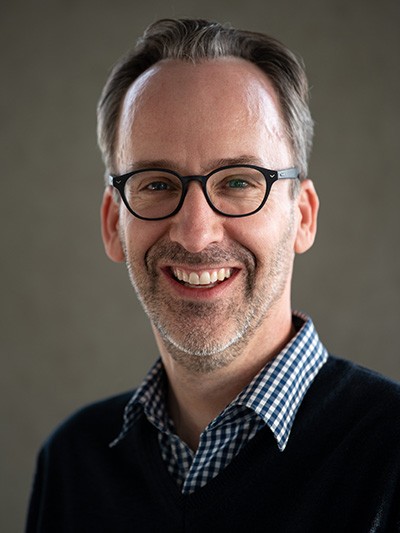
Michael Hagan is a Professor of Physics at Brandeis University, affiliated with the Martin A. Fisher School of Physics. His research focuses on understanding the physical principles governing assembly and dynamic organization in biological and biomimetic systems. He employs computational and theoretical methods, including machine learning, to study viral capsid assembly, bacterial microcompartments, and active matter systems. His work bridges length and time scales to elucidate emergent behaviors in nonequilibrium systems. Education: PhD in Physics from the University of California, Berkeley (2003). His group, the Hagan Lab, collaborates with experimentalists and has received funding from the DOE, NSF, Keck Foundation, and NIH. Key areas include viral genome assembly optimization, bacterial microcompartment formation, and the dynamics of active nematics. Recent studies explore defect-ordered phases, phase separation in active colloids, and programmable self-assembly of geometric structures. Research interests span biophysics, soft condensed matter, and computational modeling. His lab's work has implications for synthetic biology, drug design, and material science. Collaborations with experimental groups (e.g., Z. Dogic's lab) have led to discoveries in active matter dynamics and biomimetic systems.
Wolfgang Bösch is a Professor at Graz University of Technology's Institute of Microwave and Photonic Engineering, specializing in advanced RF components and measurement techniques. His research advances high-frequency systems through innovations in antenna technology and electromagnetic theory. Research domains include: metamaterial-based antennas, precision measurement calibration, microwave filter optimization, and 3D-printed RF components. Recent work demonstrates strong focus on millimeter-wave systems and reconfigurable antenna arrays. Publications highlight expertise in: machine learning for filter design, metasurface applications, PCB transitions for high-frequency systems, and uncertainty quantification in RF engineering. Research consistently addresses miniaturization and performance optimization challenges. Awards recognize contributions to measurement science and antenna design: Fellow of IET, Houska Prize, and best paper awards. Current laboratories investigate liquid crystal antenna systems and error calibration methodologies for next-generation wireless systems.
Paola Calza is a Full Professor in the Department of Chemistry at the University of Turin. Her research focuses on environmental chemistry, analytical chemistry, and advanced photocatalytic technologies for water purification. Her work addresses the degradation of emerging contaminants, transformation product analysis, and the development of novel materials for pollutant removal. She has contributed significantly to advancing photocatalysis, nanomaterial synthesis, and sustainable water treatment strategies. Her research spans diverse applications, including aquaculture water treatment, pharmaceutical pollution mitigation, and soil bioremediation. Key areas: Photocatalytic degradation, MXene-based nanocomposites, HPLC-HRMS analysis, and bio-inspired materials. Collaborations involve interdisciplinary approaches combining environmental science, materials engineering, and analytical techniques. Publications emphasize practical solutions for real-world water and soil contamination challenges.
Yang Cheng is an Associate Professor at the Department of Materials and Production, Aalborg University, Denmark. He holds a PhD in Mechanical Engineering from the same institution (2011), focusing on manufacturing strategy and network dynamics. His research spans supply chain management, sustainability, and global operations, with a focus on integrating technology and environmental policies into manufacturing systems. He leads or participates in high-impact projects like MAASive (2024–2026) and the Sino-Danish Center Research Project (2011–present), addressing resilience in value networks and global operations innovation. Research Interests: Supply Chain Management & Integration Sustainability & Green Technologies Manufacturing Strategy & Networks Technology Policy & Digitalization Global Operations & Cross-Border Collaboration Recent Work Trends: Prof. Cheng's 2025 articles emphasize blockchain in sustainable supply chains, green technology investments under carbon policies, and digitalization's ethical implications. His 2024 research explores smart factories, EU battery regulations, and robotization in manufacturing. These studies blend quantitative models with case-based analysis to address real-world challenges. Awards: 2024 Emerald Literati Awards – Outstanding Reviewer Advising & Grants: As PI for multiple Global Operations Management PhD programs (2019–2025), he guides research on digital transformation and university-industry collaboration. His projects receive funding from Danish and international grants, focusing on innovation and resilience in manufacturing networks. Labs/Teams: Collaborates with the Center for Industrial Production at Aalborg University and engages in international partnerships through the Sino-Danish Center. Active editorial roles include Production Planning & Control and Journal of Manufacturing Technology Management .
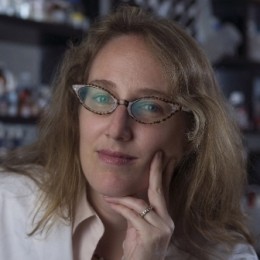
Marina Freire-Gormaly is an Assistant Professor in the Mechanical Engineering Department at York University's Lassonde School of Engineering. Her research focuses on renewable energy-powered water treatment systems, machine learning for smart design, advanced manufacturing, and sustainable engineering solutions for remote communities. She holds a PhD and M.A.Sc. from the University of Toronto, specializing in carbon capture and storage technologies. She has worked on nuclear energy projects at Ontario Power Generation and contributed to World Bank sustainability assessments. She currently chairs the Canadian Society of Mechanical Engineers' Student and Young Professional Affairs committee. Education: PhD in Mechanical Engineering, University of Toronto M.A.Sc. in Mechanical Engineering, University of Toronto Research Interests: She pioneers solar-powered reverse osmosis systems, energy recovery mechanisms, and IoT-driven smart systems. Her lab explores nanotechnology applications in environmental sustainability, including carbon capture and aquatic remediation. She integrates machine learning for optimizing energy-water nexus challenges in off-grid regions. Key Contributions: Developed models for membrane fouling in desalination systems, advanced pore network characterization for geologic CO2 storage, and designed automated renewable energy systems. Her work bridges engineering innovation with global sustainability goals. Grants & Collaborations: Engages with industries like Honda Canada and Trane Canada on sustainability initiatives. Supervises graduate students in emerging areas like nanobubble technology and direct air capture systems. Lab Activities: The Freire-Gormaly Lab focuses on clean energy-water systems, with current projects involving nano-technology for space applications (Canadian Space Agency collaboration) and life cycle assessments of carbon storage technologies.
Chris Patrick is a Professor at the Department of Psychology, Florida State University, specializing in neurobiological systems, psychopathy, and psychopathology. He directs the Patrick CNS Lab and focuses on clinical training and research. Education: Ph.D. in Psychology, University of British Columbia (1987) His research explores the neurobiological basis of mental disorders, particularly psychopathy, externalizing/internalizing disorders, and substance abuse. He developed the Triarchic Model of Psychopathy and cross-domain assessment protocols for traits like threat sensitivity, reward sensitivity, and inhibitory control. Scientific Awards: Lifetime Scientific Career Contribution Award (Society for Scientific Study of Psychopathy, 2013) Early Career Awards (SPR, 1995; APA, 1993) Fellow of the American Psychological Association and Association for Psychological Science Leadership Roles: President of the Society for Psychophysiological Research (2011-12) and Society for Scientific Study of Psychopathy (2007-09) Workgroup Member for NIMH RDoC initiative (2010), Scientific Advisor to DSM-5 PPD Work Group (2008-2013), and current DSM-5 Review Committee member for Externalizing and Personality Disorders Lab Affiliation: Patrick CNS Lab, which uses neuroscientific, genetic, and psychometric approaches to study psychopathy and externalizing disorders.
Professor Søren Kegnæs is a faculty member in the Department of Chemistry at the Technical University of Denmark. He holds the rank of Professor and leads a research group focused on functional nanomaterials and heterogeneous catalysis. His work addresses industrial chemical production, including the synthesis of nanoparticles, zeolites, and high-surface-area materials with controlled porosity. Key research areas include CO₂ utilization, sustainable chemical processes, and catalytic conversion of bio-based feedstocks. Education: Ph.D. in Chemistry (Technical University of Denmark, 2009), M.Sc. in Chemistry (University of Copenhagen, 2005), and a Graduate Certificate in Business Administration (Copenhagen Business School, 2012). Research Interests: The Kegnæs Group explores the design and application of nanomaterials in catalytic systems. Current projects focus on CO₂ hydrogenation, methanation, and the development of zeolite-based catalysts for renewable energy applications. Their work emphasizes industrial relevance, particularly in reducing carbon footprints through sustainable chemical processes. Advising & Grants: Supervises multiple PhD students (e.g., Spyros C., Zhuo G.J.S., Iltsiou D.) and leads projects funded by grants such as the Design of Novel Heterogeneous Catalyst for Dry Reforming (2025–2028) and CO₂ Utilization Catalyst Development (2024–2027). Collaborates widely on topics like bio-based chemical valorization and catalytic oxidation. Labs/Teams: The Kegnæs Group operates within the Department of Chemistry, utilizing advanced facilities for materials synthesis and characterization. Their work is showcased on csc.kemi.dtu.dk and kegnaesgroup.dk .
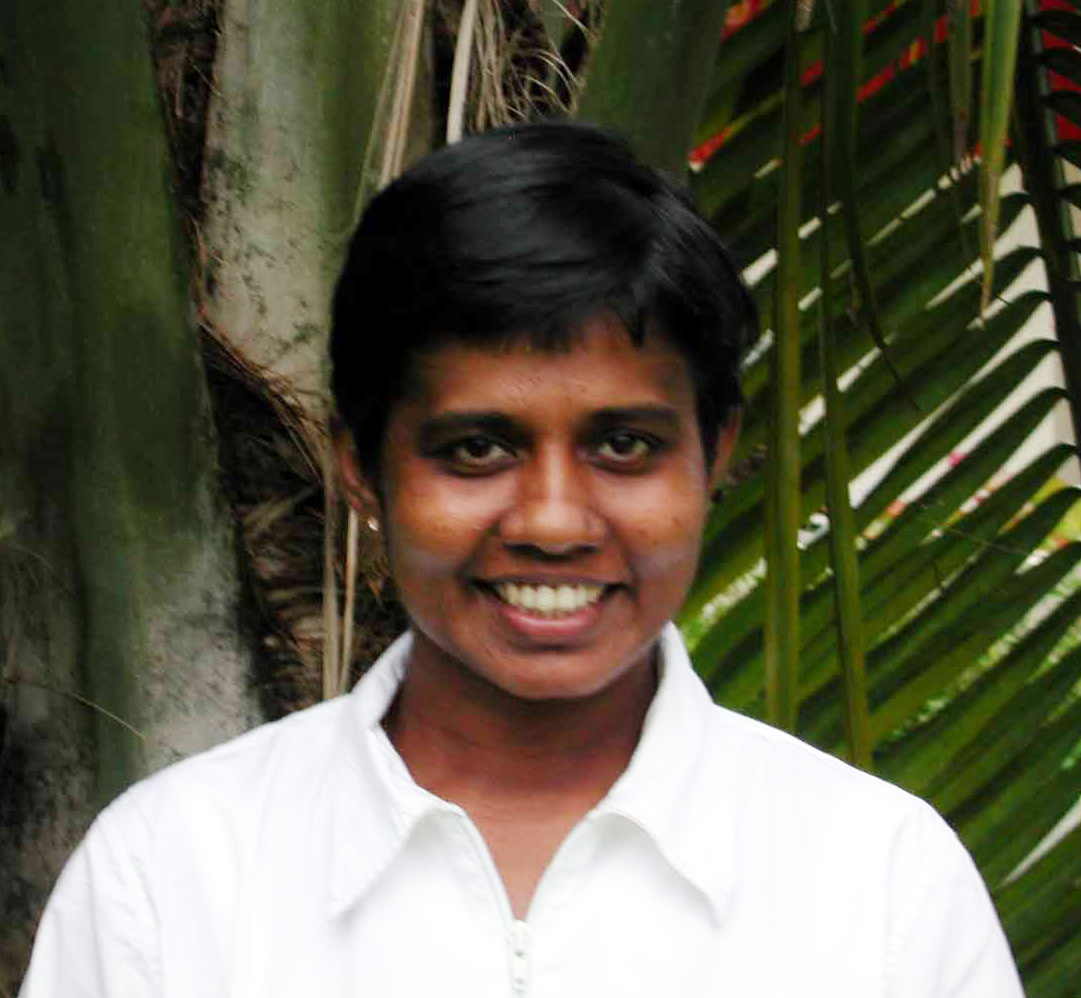
Dr. Kaushalya G. Amarasekare is an Associate Professor and Extension Specialist in Entomology at the Department of Agricultural Sciences and Engineering, College of Agriculture, Tennessee State University. Her research focuses on integrated pest management (IPM), biological control, and pesticide efficacy. She joined TSU in November 2015 and holds a Ph.D. in Entomology from the University of Florida, an M.S. from Oklahoma State University, and a B.S. (Honors) in Agriculture from the University of Peradeniya, Sri Lanka. Her research interests include pest-natural enemy interactions, effects of reduced-risk pesticides, and invasive pest management. She has authored numerous publications in journals like Journal of Economic Entomology and Biological Control , focusing on pesticide selectivity, insecticide residues, and biological control strategies in orchards. Her work often combines field and laboratory studies to assess ecological impacts of agricultural chemicals. Dr. Amarasekare has received grants totaling over $300,000 for projects like improving IPM practices for cucurbits and enhancing biological control in orchards. She is actively involved in professional societies such as the Entomological Society of America and the International Organization for Biological Control. Awards include the Outstanding Young Researcher Award (2019) and multiple ESA participation awards. Teaching responsibilities include AGSC 5900/7900 Applied Entomology (graduate) and AGSC 4900 Entomology (undergraduate). She leads Extension activities including farmer training, K-12 outreach, and stakeholder field visits. Her lab, the Fruit, Vegetable and Field Crop Entomology Lab, contributes to applied research and community education.
Stacey F. Bent is the Jagdeep and Roshni Singh Professor in the School of Engineering at Stanford University, where she serves as Professor of Chemical Engineering with courtesy appointments in Chemistry, Electrical Engineering, and Materials Science and Engineering. She also holds the position of Vice Provost for Graduate Education and Postdoctoral Affairs and is a Senior Fellow at the Precourt Institute for Energy. Her academic journey began with a B.S. in Chemical Engineering from UC Berkeley (1987) followed by a Ph.D. in Chemistry from Stanford University (1992), after which she completed postdoctoral work at AT&T Bell Laboratories and served as an assistant professor at New York University before joining Stanford in 1998. Dr. Bent's research focuses on understanding and controlling surface and interfacial chemistry with applications in semiconductor processing, micro- and nanoelectronics, nanotechnology, and sustainable energy. Her group employs molecular-level approaches to study semiconductor surface functionalization, atomic layer deposition mechanisms, nanoscale light absorption materials, photovoltaic interface engineering, and catalyst/electrocatalyst deposition. Her lab maintains extensive facilities including over ten ALD/MLD reactors, ultra-high vacuum chambers with in situ XPS capabilities, and various characterization tools for materials analysis. Her recent publications reveal strong focus areas in atomic layer deposition techniques, battery interface engineering, catalyst design for syngas conversion, and nanoscale patterning technologies. The research spans fundamental surface science to practical energy applications, with particular emphasis on developing precise materials synthesis methods for advanced electronic and energy systems. Among her numerous accolades are election to the National Academy of Engineering (2020), the ACS Award in Surface Chemistry (2018), and the ALD Innovator Award (2021). She has also received multiple teaching awards including the Tau Beta Pi Award for Excellence in Undergraduate Teaching (2006) and the Stanford Medal for Faculty Excellence Fostering Undergraduate Research (2013). Braskem Award for Excellence in Materials Engineering and Science (AIChE) (2021) ALD (Atomic Layer Deposition) Innovator Award (2021) National Academy of Engineering (2020) ACS Award in Surface Chemistry (2018) Fellow of the American Chemical Society (2013) AVS Fellow (2006) Dr. Bent has mentored over 70 graduate students and postdocs who have gone on to successful careers in academia, industry, and government. Her research group maintains strong collaborations with national laboratories and industry partners, particularly in semiconductor manufacturing and energy technologies. She previously served as Director of the TomKat Center for Sustainable Energy for 10 years and as co-Director of the Center on Nanostructuring for Efficient Energy Conversion (CNEEC), a DOE Energy Frontier Research Center. The Bent Research Group operates state-of-the-art facilities including multiple ALD/MLD reactors capable of depositing over 30 materials, in situ characterization tools, and access to Stanford's shared equipment facilities for advanced materials analysis. The group's international composition (with members from over 10 countries) reflects its global impact in surface science and materials engineering.
Doug L. James is a Full Professor of Computer Science at Stanford University since 2015, following roles as Associate Professor at Cornell University (2006-2015) and Assistant Professor at Carnegie Mellon University (2002-2006). He holds a PhD in Applied Mathematics from the University of British Columbia (2001), alongside earlier degrees from the same institution and the University of Western Ontario. His research focuses on computer graphics, sound synthesis, and physically-based modeling, with notable contributions to fluid simulation, cloth animation, and medical modeling. Key achievements include the 2012 Technical Achievement Award from the Academy of Motion Picture Arts and Sciences for 'Wavelet Turbulence,' and the 2013 Katayanagi Prize. He serves as a consulting Senior Research Scientist at Pixar Animation Studios and has led roles like Technical Papers Chair at SIGGRAPH 2015. His work integrates physics-based principles with interactive systems, emphasizing real-time applications and data-driven methods. Research interests span sound synthesis for animations (e.g., cloth, water, impact sounds), deformable models for medical simulation, and tools like 'svMorph' for virtual surgery planning. His publications reflect a blend of algorithmic innovation and practical applications in film, gaming, and healthcare.
Virginia W. Cornish is the Helena Rubinstein Professor in the Departments of Chemistry and Systems Biology at Columbia University. She is a pioneer in synthetic biology, focusing on engineering yeast for diagnostic and therapeutic applications. Her research integrates chemical synthesis and genetic tools to expand cellular capabilities, including yeast biosensors and protein engineering. Education: B.A. in Biochemistry, Columbia University (1991) Ph.D. in Chemistry, University of California, Berkeley (1996) Postdoctoral Fellow, MIT (1996–1999) Research Interests: Her work spans synthetic biology, directed evolution, and live-cell imaging. Key areas include: Development of yeast biosensors for pathogen detection Engineering yeast communities for therapeutic applications Expanding the genetic code for noncanonical amino acid incorporation Chemical tagging for protein visualization and manipulation Recent Article Trends: Recent work emphasizes yeast-based biosensors for clinical diagnostics, scalable peptide-GPCR communication systems, and advances in fluorescent tagging for multiplex imaging. Her group also explores genetic code expansion to study protein dynamics and function. Awards: NSF Career Award (2000) Sloan Fellowship (2003) Protein Society Sigal Award (2009) ACS Pfizer Enzyme Chemistry Award (2009) HHMI Gilliam Adviser (2021) Advising & Grants: She advises a dynamic lab of ~20 students/postdocs. Active grants include NIH, NSF, and DARPA funding for synthetic biology and therapeutics. Her team collaborates on projects like vaccine development and metabolic engineering. Labs & Teams: Her lab at Columbia focuses on translational synthetic biology, with facilities for genetic engineering, imaging, and bioassays. Collaborations include projects on yeast-based diagnostics and protein engineering with groups at Harvard, MIT, and Memorial Sloan Kettering.
Prof. David J. Norris is a Full Professor at ETH Zurich's Department of Mechanical and Process Engineering and Director of the Optical Materials Engineering Laboratory. He holds a B.S. in Chemistry from the University of Chicago (1990) and a Ph.D. in Physical Chemistry from MIT (1995). His research focuses on engineering materials to achieve novel optical properties, particularly semiconductor nanocrystals (quantum dots) and plasmonic films. Notable awards include the Max Rössler Prize (2015) and ERC Advanced Grant (2014-2019). Research interests span nanoscale optical phenomena, including exciton dynamics in colloidal systems and plasmonic nanofocusing. He has pioneered studies on magic-sized semiconductor nanocrystals and developed methods for high-throughput characterization of atomically thin semiconductors. His work bridges nanotechnology and photonics, addressing applications in lasers, sensors, and energy systems. Awards also include the Credit Suisse Award for Best Teaching (2015) and fellowships from the American Physical Society and AAAS. He serves on editorial boards for ACS Photonics and Nano Letters , reflecting his leadership in nanophotonics and materials science. Grants include an ERC Advanced Grant supporting his exploration of optical materials. His lab’s innovations include template-stripping techniques for plasmonic devices and plasmon-enhanced catalysis. Past roles include Director of Graduate Studies at the University of Minnesota and an Alexander von Humboldt Fellowship at TU Munich (2006-2007).
Professor Nick Turner is a Professor in Bioanalytical Chemistry at the University of Sheffield's Department of Chemistry within the School of Mathematical and Physical Sciences. He holds a BSc in Pharmacology (University of Southampton, 1997), an MRes in Biochemistry (University of Exeter, 1999), and a PhD in Bio-organic Chemistry (Cranfield University, 2004). His career includes roles at the University of Utah, University of Newcastle (Australia), Open University, and De Montfort University, where he progressed from Lecturer to Reader in Bioanalytical Chemistry. In 2022, he received an EPSRC Established Career Fellowship for artificial chaperone research and was awarded a personal chair. His research focuses on molecular recognition, particularly molecularly imprinted polymers (MIPs) for biosensing, nucleic-acid-polymer hybrids, and artificial chaperones. These technologies address challenges in drug detection, environmental monitoring, and biomedical diagnostics. He actively supports PhD applications in these areas. Awards: EPSRC Established Career Fellowship (2022), Senior Fellowship of HEA (2016) Professional Memberships: Royal Society of Chemistry, Macro Group UK (Secretary) Teaching interests include analytical chemistry and pharmacology, emphasizing modern techniques like VR/AR in drug design education. He contributes to interdisciplinary projects such as the Open Science Laboratory and MOOC development.
Dr. Peter Dunne is an Assistant Professor in Inorganic Energy Materials at Trinity College Dublin's Department of Chemistry. His research focuses on sustainable nanomaterials synthesis, particularly hydrothermal and solvothermal methods for producing inorganic nanocrystals. He has expertise in photocatalytic materials, layered double hydroxides, and 2D nanocomposites for water purification. Dunne's work emphasizes scalable production techniques and environmental impact assessment of nanomaterials. Education: BSc (Hons) Chemistry, National University of Ireland, Galway (2005) PhD in Chemistry, National University of Ireland, Galway (2009) Research Interests: His research integrates sustainable synthesis methods with advanced material characterization, emphasizing: Development of carbon dots from seaweed derivatives for optoelectronics Continuous-flow hydrothermal systems for energy materials Environmental lifecycle analysis of nanomaterial production Photocatalytic activity of transition metal-doped nanocrystals Current Project: Leading the SEAI-funded C-Weed project (2023–2026), exploring seaweed-derived carbon dots for energy applications like LEDs and photovoltaics. This work addresses sustainable materials design and renewable energy needs. Awards: No specific awards listed, but active in professional societies including the American Chemical Society. Grants/Labs: Recipient of SEAI funding for C-Weed project. Collaborates with international teams on nanomaterials projects, particularly in energy and environmental applications.
Mikko Ritala is a Professor at the University of Helsinki's Department of Chemistry. His research focuses on atomic layer deposition (ALD), thin film materials, and catalytic processes. He leads the HelsinkiALD research infrastructure and has been a project manager for initiatives like the Intel-Ritala 2023-2026 corporate-funded project. Ritala has received the Alfred Kordelin Foundation Award (2010) for his contributions to materials science. His work spans interdisciplinary areas including energy materials, biomedical coatings, and environmental applications of advanced materials. Key research interests include developing novel ALD processes for functional thin films, optimizing photocurrent responses in energy systems, and exploring catalytic etching techniques. He actively collaborates internationally and organizes conferences such as the Materials for Advanced Metallization Conference (MAM2025) and the International Conference on Atomic Layer Deposition (ALD 2024). Ritala's research group has published extensively (>625 outputs) on topics like ALD-grown oxides, carbides, and fluorides, as well as applications in photovoltaics and environmental engineering. The HelsinkiALD laboratory under his leadership serves as a hub for ALD innovation and industrial partnerships.