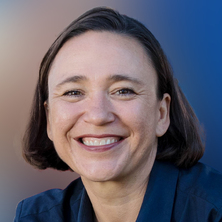
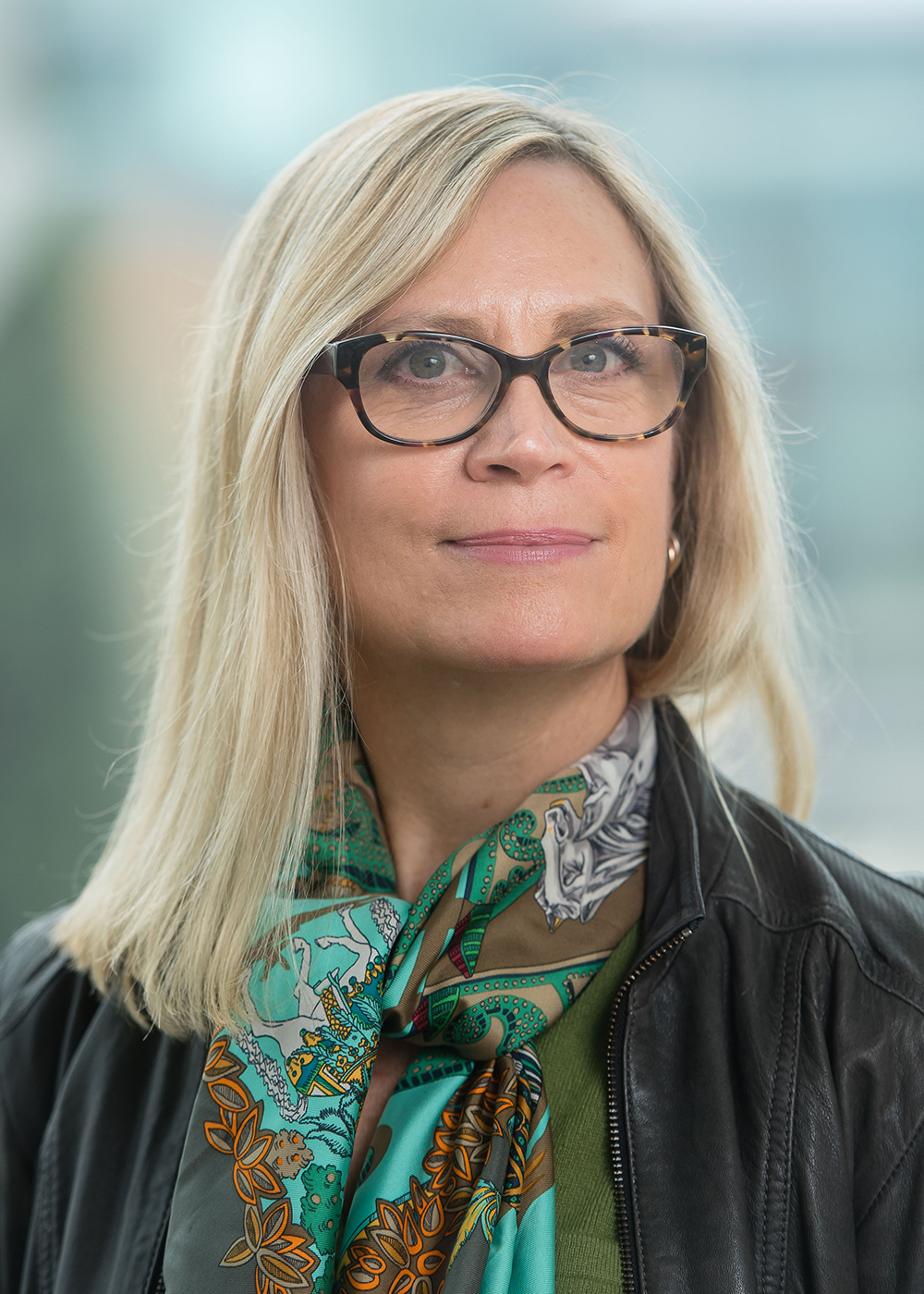
Professor Sara Dolnicar is an ARC Australian Laureate Fellow at the School of Business, Faculty of Business, Economics and Law, University of Queensland. With degrees in psychology and business administration from Wirtschaftsuniversität Wien, she specializes in market segmentation, sustainable tourism, social marketing, and environmental behavior. Born in Slovenia, raised in Austria, now based in Australia Over 300 refereed publications and 16 ARC grants Recipient of TTRA Distinguished Researcher Award (2017) and Slovenian Ambassador of Science (2016) Her research improves market segmentation methodology, addresses environmental sustainability in tourism, and develops behavioral interventions for eco-friendly tourist practices. She pioneered perceptions-based market segmentation and introduced bi-clustering techniques for improved data analysis. Recent publications focus on towel reuse interventions, buffet waste reduction, and smart sensor systems for hotel sustainability. She supervises PhD students in environmental behavior, tourism carbon emissions, and IoT applications for sustainability. Current grants include 'Mechanisms of Behaviour Change Theory' (2025-2028) and 'Reducing plate waste in hotels' (2021-2025). Key research areas: Sustainable tourism, market segmentation, social marketing Supervised over 15 PhD students in environmental behavior and disability employment Collaborates with industry partners like Energy Queensland and disability organizations
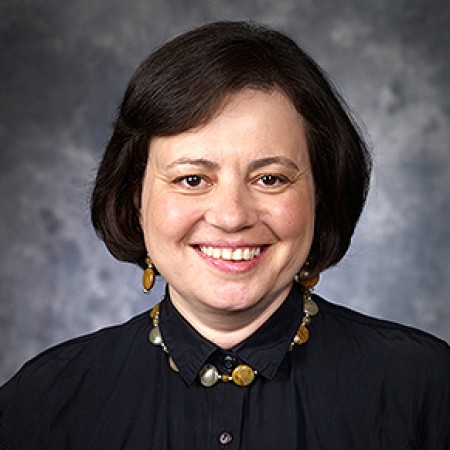
Elena Katok is a Professor of Supply Chain Management at the University of Texas at Dallas, Naveen Jindal School of Management. She serves as Co-Director of the Center and Laboratory for Behavioral Operations and Economics (LBOE) and holds editorial positions as Department Editor for Management Science (Operations Department) and Associate Editor for Manufacturing and Service Operations Management. Her research focuses on Behavioral Operations Management (BOM), Behavioral Market Design, and Auctions, with particular emphasis on using laboratory experiments to understand human behavior in operational contexts. Her work bridges the gap between traditional analytical operations models and actual human decision-making in supply chain and procurement settings. The analysis of her recent publications reveals a consistent research trajectory examining how psychological and behavioral factors influence operational decisions. Her work spans auction design, contract theory, trust mechanisms, and behavioral aspects of supply chain coordination. A notable pattern is her focus on the intersection of behavioral economics and traditional operations management problems, particularly how fairness concerns, risk perception, and trust impact procurement and supply chain decisions. Professor Katok has developed and implemented numerous classroom games to teach supply chain management concepts, demonstrating her commitment to translating research into practical pedagogy. She has created simulation tools through the SoPHIE platform to enhance experiential learning in operations management courses. Her teaching portfolio includes OPRE 6371: Purchasing, Sourcing and Contract Management for SCM MS and MBA students, OPRE 7309: Behavioral Operations Management at the PhD level, and OPRE/MECO 6355: Deal Making Strategies. She has also authored several case studies including eBay sniping, Winter Gear, Sears Logistics, Spectrum, and General Hospital to facilitate hands-on learning. As co-editor of The Handbook of Behavioral Operations published by Wiley, she has helped establish Behavioral Operations Management as a significant subfield that incorporates insights from psychology and behavioral economics to study how individuals make decisions in operational contexts.
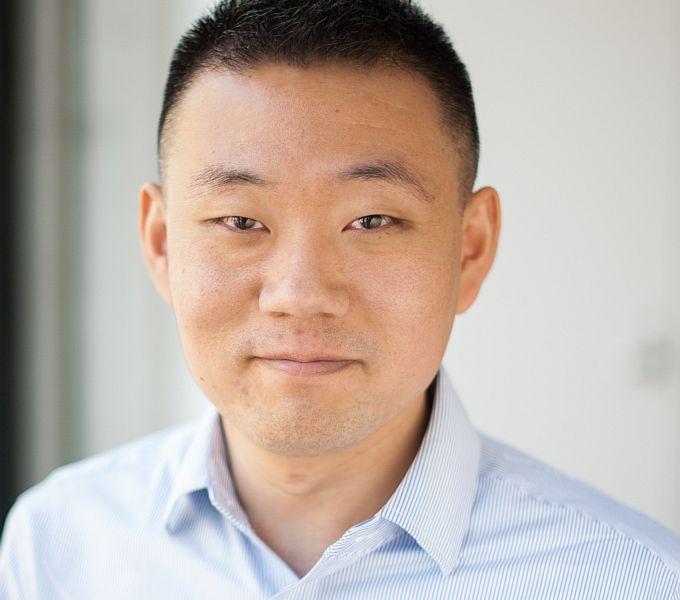
Yan Ma serves as Professor and Chair of Biostatistics at the University of Pittsburgh, with additional appointments in Orthopaedic Surgery and Clinical and Translational Science. Previously, he was Professor and Vice Chair at George Washington University Milken Institute of Public Health (2014-2022) and Assistant Professor at Hospital for Special Surgery/Weill Cornell Medical College (2008-2014). His educational background includes: PhD in Statistics, University of Rochester (2008) MA in Statistics, University of Rochester (2004) MS in Mathematics, Syracuse University (2003) BS in Statistics, Beijing Normal University (2001) Ma's research centers on advanced statistical methodologies including missing data imputation, machine learning, meta-analysis, causal inference, and longitudinal methods, applied across orthopedics, anesthesiology, health disparities, and emergency medicine through team science and translational research frameworks. His publication trajectory demonstrates sustained innovation from methodological foundations (2008-2012) to contemporary applications in health disparities and machine learning (2016-2022), consistently addressing complex biomedical challenges through high-impact journals like JAMA and Health Services Research. His scientific recognition includes: ASA's Statistics in Epidemiology Young Investigator Award (2010) Interorganizational Team Science Award (2012) ORISE FDA Research Fellowship (2017) APHA Achievement in Academia Award Ma has secured R01 funding from NIH/AHRQ for missing data methods in health disparities research while serving as Associate Editor for ASA journals and reviewer for NIH/PCORI/VA panels, demonstrating leadership in statistical methodology development and interdisciplinary collaboration. His team-science approach bridges statistical innovation with clinical implementation across orthopedics and anesthesiology, driving evidence-based practice through methodological rigor and cross-disciplinary partnerships.
Ravid Shwartz-Ziv is an Assistant Professor and Faculty Fellow at NYU's Center for Data Science, with a dual role as Senior Research Scientist at Wand AI. His research bridges theoretical foundations and practical applications in artificial intelligence, focusing on Large Language Models (LLMs), information theory, and neural network interpretability. Ph.D. in Computational Neuroscience, Hebrew University of Jerusalem (2021) B.Sc. in Computer Science and Computational Biology, Hebrew University of Jerusalem (2014) His research spans: Developing min-p sampling for LLM text generation Preventing representation collapse in Transformers Creating contamination-free LLM benchmarks like LiveBench Advancing information-theoretic frameworks for neural networks Exploring representation learning and model adaptation Recent publications demonstrate expertise in LLM efficiency, self-supervised learning, and multi-agent systems. Notable awards include the Google PhD Fellowship, Moore-Sloan Fellowship, and multiple best paper recognitions. He has led research initiatives at Intel and Google AI, focusing on neural network compression, XGBoost comparisons for tabular data, and innovative benchmarking frameworks.
Marta Molinas is a Professor at the Department of Engineering Cybernetics within the Faculty of Information Technology and Electrical Engineering at the Norwegian University of Science and Technology (NTNU). Her research spans multiple interdisciplinary domains with a focus on EEG technology and brain-computer interfaces. She actively supervises numerous Master's projects and maintains extensive international collaborations with institutions including Kavli Institute for Systems Neuroscience, RIKEN Center for Brain Science, University of Tsukuba, Juntendo University, and several European universities. Professor Molinas' research interests center on developing innovative EEG technologies, particularly her FlexEEG concept for reduced-channel EEG systems with brain imaging capabilities. Her work integrates signal processing, artificial intelligence, and neuroscience to create practical applications in mental health, sleep research, neurorehabilitation, and human-computer interaction. She specializes in EEG source imaging, machine learning for brain signal analysis, and the development of brain-computer interfaces for various applications including locked-in syndrome communication, ADHD treatment, and driver monitoring systems. Her publication portfolio demonstrates strong trends in interdisciplinary research combining neuroscience with electrical engineering and artificial intelligence. The work shows particular emphasis on developing practical EEG-based systems that minimize invasiveness while maintaining analytical power, with applications spanning healthcare, rehabilitation, and human augmentation. Her research bridges theoretical signal processing with real-world implementations through numerous student projects and international collaborations. Professor Molinas actively supervises a large team of Master's and PhD students across multiple projects, with each project typically requiring two students working collaboratively. Her research is supported through numerous international collaborations with institutions in Japan, India, and Europe, indicating substantial research funding and project leadership. She has developed a pipeline of student projects that build upon previous work, creating a cumulative knowledge base within her research group. She leads the EEG ITK research team at NTNU, which focuses on developing the FlexEEG headset prototype featuring flexible, wireless, dry electrodes designed to move across the scalp. This team works at the intersection of neuroscience, electrical engineering, and computer science, developing applications for sleep research, mental health monitoring, neurorehabilitation, and brain-computer interfaces. The team collaborates extensively with international partners including the Kavli Institute for Systems Neuroscience, the International Institute of Integrative Sleep Medicine at University of Tsukuba, and several engineering departments across Europe and Asia.
Ion Stoica is a Professor in the Electrical Engineering and Computer Sciences Department at the University of California, Berkeley, where he holds the Xu Bao Chancellor Chair. He serves as Director of the Sky Computing Lab and is Executive Chairman of both Databricks and Anyscale. His research spans distributed systems, cloud computing, and AI systems, with significant contributions to large-scale data processing frameworks. Stoica's research interests focus on the intersection of AI and systems, with emphasis on developing practical implementations that bridge theoretical foundations with real-world deployability. His work addresses fundamental challenges in distributed computing, resource management, and large-scale machine learning systems. Current projects include Ray (a distributed execution framework), vLLM (a high-throughput inference engine for LLMs), Chatbot Arena (an open platform for human preference evaluations), and SkyPilot (a framework for running AI workloads across clouds). His research output demonstrates a consistent trajectory toward more efficient, scalable systems for modern AI workloads, particularly focusing on optimizing inference performance, resource utilization, and cross-cloud deployment. Recent publications reflect growing interest in large language model serving, video generation optimization, and agent-based systems. ACM Fellow SIGOPS Hall of Fame Award (2015) SIGCOMM Test of Time Award (2011) ACM Doctoral Dissertation Award (2001) Member of National Academy of Engineering Honorary Member of the Romanian Academy Stoica has advised an extensive number of doctoral students who have gone on to prominent positions in academia and industry, including assistant professorships at Stanford, MIT, Carnegie Mellon, and other top institutions. He has received significant research funding through his lab activities and startup ventures. His research group has been particularly successful in translating academic research into widely adopted open-source technologies and commercial products. Stoica leads the Sky Computing Lab at UC Berkeley, which focuses on developing systems for AI workloads across multiple clouds. His research group has produced numerous influential open-source projects including Apache Spark, Apache Mesos, and Alluxio, which have become industry standards for large-scale data processing. The lab maintains strong industry partnerships while pursuing fundamental research in distributed systems and AI infrastructure.
Prof. Peter Müller-Buschbaum is a Full Professor and Head of the Chair of Functional Materials at the Physics Department of the Technical University of Munich (TUM). He has held this position since April 2018 and also served as Scientific Director of the Research Neutron Source Heinz Maier-Leibnitz (FRM-II) and the Heinz Maier-Leibnitz Center (MLZ) from 2018 to 2023. His leadership extends to multiple roles including Core Member of the Integrated Research Institute Munich Institute of Integrated Materials, Energy and Process Engineering (MEP) since 2021, and Head of the Renewable Energies Network (NRG) at MEP. Full Professor (W3), Head of the Chair of Functional Materials at TUM School of Natural Sciences (since 04/2018) Deputy Editor of "ACS Applied Materials & Interfaces" (since 01/2024) Supervising Professor "Electronics Laboratory" at TUM School of Natural Sciences (since 11/2023) Member of TUM Sustainability Board (since 05/2023) Core Member of MEP Institute (since 10/2021) Head of Renewable Energies Network at MEP (since 10/2021) Prof. Müller-Buschbaum's research spans energy materials for photovoltaics and battery technologies, smart responsive materials that adapt to environmental stimuli, and nanocomposite materials with tailored properties. His group employs advanced scattering techniques to characterize materials at the nanoscale, providing insights into structure-property relationships critical for developing next-generation energy technologies. His extensive publication record demonstrates particular expertise in perovskite solar cells, lithium-ion battery technologies, and polymer-based functional materials, with recent work focusing on improving device stability and efficiency while understanding fundamental degradation mechanisms. His publications reveal a strong emphasis on energy conversion and storage technologies, with particular attention to interfacial engineering in both photovoltaic and battery systems. The research shows sophisticated integration of materials synthesis, advanced characterization, and device engineering to address critical challenges in renewable energy technologies. His work bridges fundamental science with practical applications through collaborations with major international research facilities. Scientific Service and Recognition Member of the Council of the Cluster of Excellence "ORIGINS" (since 01/2019) Spokesperson of the Chemical Physics and Polymer Physics Association of DPG (03/2021-10/2022) Member of the European Spallation Source Scientific Advisory Panel (since 03/2011) German representative at the European Polymer Federation for polymer physics (since 03/2011) Chairman of the Keylab "TUM.solar" in the Bavarian research project "Solar Technologies Go Hybrid" (since 03/2012) Prof. Müller-Buschbaum actively contributes to academic community through editorial work, having served as Associate Editor (2012-2022), Executive Editor (2023), and currently Deputy Editor (2024-present) of "ACS Applied Materials & Interfaces". He maintains strong international collaborations with synchrotron and neutron facilities worldwide, reflecting his expertise in advanced materials characterization techniques essential for cutting-edge materials research.
Dr. Joshua Brinkerhoff is an Associate Professor in Mechanical Engineering at the University of British Columbia Okanagan Campus. He serves as the Associate Director for Research & Industrial Partnerships in the School of Engineering and leads the UBC-Okanagan Computational Fluid Dynamics Laboratory. His research spans computational fluid dynamics, turbomachinery, multiphase flows, hydrogen safety, wind energy, and biofluid mechanics. He teaches courses in mechanics of materials, alternative energy systems, turbulence, computational fluid dynamics, and aircraft design. PhD, Aerospace Engineering (Carleton University, Ottawa, ON) BEng, Aerospace Engineering (Carleton University) Dr. Brinkerhoff’s research interests include: Computational Fluid Dynamics (CFD) for laminar-to-turbulent transition and instability analysis Wind energy systems and turbine aerodynamics Hydrogen storage and safety protocols for transportation Biofluid mechanics for respiratory diseases and aneurysm modeling Multiphase flows in industrial and environmental contexts His publications focus on CFD simulations for: Aerosol dispersion and mitigation in indoor environments Wind farm interactions and atmospheric gravity waves Cavitation and phase transitions in cryogenic and LNG systems Heat transfer optimization in industrial and thermal systems Instability dynamics in buoyancy-driven and swept flows Turbulent structures in fluidized beds and reactors Dr. Brinkerhoff has no listed scientific awards in the provided data but has extensive contributions to renewable energy, hydrogen safety, and medical fluid dynamics. His laboratory develops open-source tools like TOSCA for large-eddy simulations and investigates practical applications in urban air quality, dental aerosol control, and turbine wake modeling.
Lisa Austin is a Professor of Law at the University of Toronto Faculty of Law, holding the Chair in Law and Technology. She serves as Associate Director at the Schwartz Reisman Institute for Technology and Society and is a Faculty Associate at Harvard University's Berkman Klein Center. Previously, she co-founded the IT3 Lab at the University of Toronto, which conducted interdisciplinary research on privacy and transparency issues. Professor Austin earned her BA &Sc from McMaster University (1994), MA from the University of Toronto (1995), LLB from the University of Toronto (1998), and PhD from the University of Toronto (2005). She was called to the Bar of Ontario in 2006 and previously served as law clerk to Mr. Justice Frank Iacobucci of the Supreme Court of Canada. Her research spans data governance, privacy law, property law, and legal theory. Professor Austin has published in prestigious journals including Legal Theory , Law and Philosophy , Theoretical Inquiries in Law , and Canadian Journal of Law and Society . She co-edited Private Law and the Rule of Law (Oxford University Press, 2015), challenging the conventional understanding that the rule of law applies only to public law. Professor Austin's scholarship consistently emphasizes the relationship between privacy, power dynamics, and legal frameworks, arguing that privacy is fundamentally about power rather than mere consent or harm prevention. Her recent work addresses pressing issues including the data governance gap during the COVID-19 pandemic, digital rethinking of constitutional privacy protections, and smart city data governance. 2017 President's Impact Award from the University of Toronto Professor Austin actively engages in policy discussions, having submitted testimony before parliamentary committees on privacy legislation reform, including the Privacy Act and the Security of Canada Information Sharing Act. Her work bridges academic scholarship with practical policy impact, making her a leading voice in Canadian privacy law and technology governance.
Prof. Dr.-Ing. Gerhard Müller is a Full Professor at the Chair of Structural Mechanics within the TUM School of Engineering and Design at Technical University of Munich (TUM). Since 2004, he has held this distinguished position, and since 2014, he has served as Executive Vice President for Academic and Student Affairs at TUM. His research focuses on structural dynamics and vibroacoustics, with specific expertise in dynamic soil-structure interaction, sound radiation analysis, and seismic risk assessment. Professorship: Structural Mechanics University: Technical University of Munich School: TUM School of Engineering and Design Department: Chair of Structural Mechanics in Civil Engineering Prof. Müller's research spans multiple domains, including: Structural Dynamics : Examining building and vehicle vibrations, seismic soil-structure interaction, and advanced model order reduction techniques Vibroacoustics : Investigating sound radiation from vibrating structures and developing acoustic metamaterials for noise control Computational Methods : Pioneering hybrid deterministic-statistical approaches, Wave Based Methods (WBM) for saturated elastodynamic structures, and parametric model order reduction His recent publications demonstrate expertise in: Wave propagation analysis in poroelastic media Bayesian parameter updating for structural models Acoustic metamaterials for vibration control Advanced numerical methods for seismic risk assessment Hybrid ITM-FEM approaches for soil-structure interaction Energy flow analysis in timber structures Awarded the Spindler Prize in 1984 , Prof. Müller also holds significant academic leadership roles: President of European Association for Structural Dynamics (EASD) Chairman of Bavarian-French University Center (BayFrance) Active member of ASIIN accreditation agency and Bavarian Chamber of Engineers Previously served as Dean of Civil Engineering and Surveying at TUM (2010-2014) He leads the Structural Dynamic Lab (formerly Vibroacoustics Lab) and has developed interactive web apps for engineering education. His work bridges theoretical advancements with practical applications in construction acoustics, transportation noise control, and geothermal energy infrastructure analysis.
Professor Gideon James Grogan is a distinguished academic at the University of York, holding a position in the Department of Chemistry within the Faculty of Sciences. With expertise spanning structural and applied enzymology, he leads research at the intersection of chemistry and biology, developing novel biocatalysts for sustainable chemical synthesis and pharmaceutical applications. Professor Grogan's research focuses on the identification, characterization, and application of enzymes with biotechnological potential. His work encompasses: Oxygenases including P450s, flavoprotein monooxygenases, and peroxygenases Reductases such as ketoreductases (KREDs), imine reductases (IREDs), and reductive aminases (RedAms) Lyases catalyzing asymmetric hydration of alkenes Ligases for amide bond formation His multidisciplinary approach integrates synthetic chemistry, microbiology, molecular biology, and X-ray crystallography to engineer enzymes using in vitro evolution techniques. Recent research has yielded significant advances in biocatalytic pathways for chiral pharmaceutical precursors and renewable material processing. Professor Grogan's publication record demonstrates consistent innovation in biocatalysis, with recent work focusing on peroxygenase applications, reductive amination technologies, and enzyme engineering for improved catalytic properties. His research shows strong trends in developing sustainable enzymatic routes for pharmaceutical synthesis, with particular emphasis on stereoselective transformations and cascade reactions. Professor Grogan has received significant research funding through major grants from: BBSRC (Biotechnology and Biological Sciences Research Council) EPSRC (Engineering and Physical Sciences Research Council) He actively supervises PhD students and collaborates extensively both within the University of York and internationally. His work bridges the Departments of Chemistry and the York Structural Biology Laboratory (YSBL), leveraging state-of-the-art facilities for organic synthesis, protein expression, and structural analysis. Professor Grogan maintains strong industry connections, translating fundamental research into practical applications for pharmaceutical and chemical manufacturing. His current projects include sustainable production of menthol enantiomers, development of native amine dehydrogenases for chiral amine synthesis, and discovery of securinine alkaloid biosynthesis pathways.
Simone D. Castellarin is a Professor in the Department of Applied Biology at the University of British Columbia's Faculty of Land and Food Systems, and holds the Canada Research Chair Tier 2 in Viticulture. His research focuses on the molecular and physiological mechanisms governing berry ripening and composition in grapes, blueberries, and raspberries, with emphasis on genomic regulation under environmental stressors like heatwaves and drought. PhD in Plant Biology from the University of Udine (2007) Postdoctoral training at Hochschule Geisenheim University and University of California Davis Research areas include terpene biosynthesis, jasmonate signaling, cuticular wax dynamics, and agronomic strategies for climate change mitigation. Key projects involve remote sensing for vineyard zoning , hormone application effects , and genetic studies of berry quality traits . His work spans collaborations with industry bodies like the BC Wine and Grape Council and academic partners including the Cantu Lab at UC Davis. Recent publications highlight genomic analyses of terpene synthases, water deficit impacts on metabolites, and postharvest quality assessments. Awards include the 2009 Rudolf Hermanns Prize for viticultural research. He supervises numerous PhD and Master's students, and leads the Castellarin Lab at UBC's Wine Research Centre.
Victoria Lemieux is a Professor at the University of British Columbia (UBC) Faculty of Arts, School of Information, and Cluster Lead for Blockchain@UBC, Canada’s largest research cluster focused on blockchain technology. Her research centers on risks to trustworthy records in blockchain systems and their impact on transparency, financial stability, and human rights. She has pioneered Canada’s first research-oriented graduate blockchain training program and organized multiple interdisciplinary summer institutes. Education: Ph.D. in Archival Studies from University College London (2002), Certified Information Systems Security Professional (CISSP, 2005). Affiliated with UBC’s Peter Wall Institute for Advanced Studies, Sauder School of Business, and Institute for Computers, Information and Cognitive Systems (ICICS). Research interests span blockchain technology , trustworthy records , risk management , information governance , and visual analytics , with recent work addressing healthcare data frameworks, Web3 AI integration, and socio-cultural dynamics of decentralized systems. She has published extensively on blockchain applications in archives, land transactions, and privacy-preserving technologies. Scientific Awards : 2015 Emmett Leahy Award 2015 World Bank Big Data Innovation Award 2016 Emerald Literati Award 2016 Emerald Literati Outstanding Paper Award Supervision: Currently accepts doctoral students in Computational Archival Science and blockchain-related archival research. Affiliated with the Blockchain@UBC cluster and multidisciplinary research teams exploring decentralized systems for social good.
Robin Kravets is a Professor in the Department of Computer Science at the University of Illinois at Urbana-Champaign, where she leads the Mobius research group. She earned her Ph.D. in Computer Science from the Georgia Institute of Technology in August 1999. Her office is located at 3114 Siebel Center for Comp Sci, and she can be contacted via email at rhk@illinois.edu or phone at (217) 244-6026. Courses Taught: CS 438 (ECE 438) - Communication Networks CS 498 WN3 (CS 498 WN4) - Wireless IoT Lab CS 591 PH2 (CS 591 PHD) - PhD Orientation Seminar CS 591 SCH - PhD Job Search Prep CS 591 WN - Wireless Networking Seminar ECE 439 (CS 439) - Wireless Networks ENG 572 - Professional Practicum Research Focus: Dr. Kravets specializes in wireless and mobile systems, with emphasis on IoT security, energy-efficient networking, and privacy-preserving protocols. Her work addresses challenges in dense network environments, vehicular communication, and low-power devices, often leveraging probabilistic models and adaptive protocols to enhance system resilience. Publication Trends: Her recent articles (2016-present) predominantly explore wireless IoT security (e.g., MAC randomization defenses, BLE optimization) and practical applications in environmental sensing/retail. Earlier work (2007-2015) established foundations in vehicular networks, disruption-tolerant communication, and energy-aware protocols. Leadership: She directs the Mobius Group, which develops solutions for mobile and IoT systems, including projects like IVP (Illinois Vehicular Project) and contributions to standards in pervasive computing.
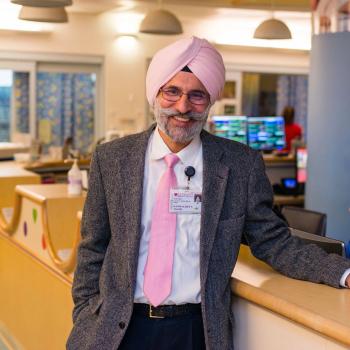
Dr. Kanwaljeet S. Anand is a dual-appointed Professor of Pediatrics (Pediatric Critical Care) and Anesthesiology, Perioperative & Pain Medicine at Stanford University School of Medicine. As director of the Pain/Stress Neurobiology Lab and Jackson Vaughan Critical Care Research Fund, he serves as Editor-in-Chief of Pediatric Research and maintains active membership in Bio-X, MCHRI, and Wu Tsai Neurosciences Institute. Rhodes Scholar with D.Phil from University of Oxford Harvard postdoctoral fellowship and Boston Children's Hospital residency Founded Harmony Health Clinic - Arkansas' largest charitable medical-dental facility A translational researcher with 30+ years of impact, Dr. Anand established the first scientific framework for infant pain perception and developed novel pain assessment methodologies. Current research focuses on: Hair biomarker analysis for stress and social affiliation (cortisol/oxytocin) Machine learning systems for objective pain detection in non-verbal infants Biopsychosocial interventions for stress reduction in disadvantaged youth Neurotoxicity mechanisms of sedatives in developing brains Global NICU opioid usage patterns through the NeoOpioid Consortium His work has yielded over 260 publications and significant advances in: Pediatric pain management protocols Neonatal stress biomarker development Critical care neurobiology insights Community health initiatives AI-driven clinical decision support systems Scientific Recognition 9th Annual 'In Praise of Medicine' Public Address, Erasmus University (2014) Nightingale Excellence Award (2016) Honorary Doctorate from University of Örebro (2019) NIH SBIB-H82 Study Section Chair (2018) Multiple IASP and American Pain Society awards Swedish Academy of Medicine's Nils Rosén von Rosenstein Award (2009) St. Jude Endowed Chairholder (2010) As mentor to Med Scholar Anjali Gupta and advisor to numerous professional bodies, Dr. Anand maintains active clinical leadership in Pediatric Intensive Care while advancing computational approaches to pain detection through collaborations with Stanford's AI researchers.