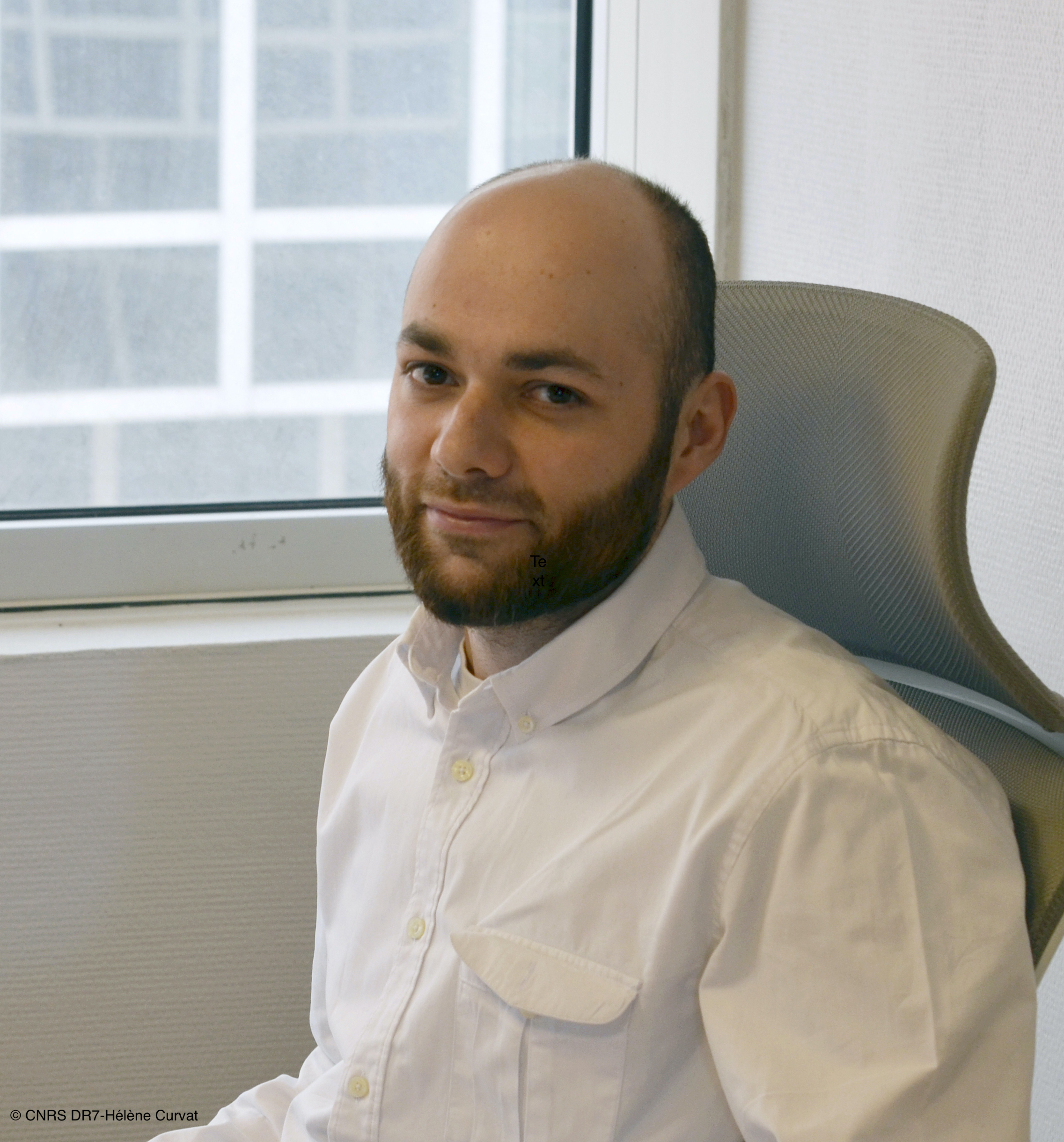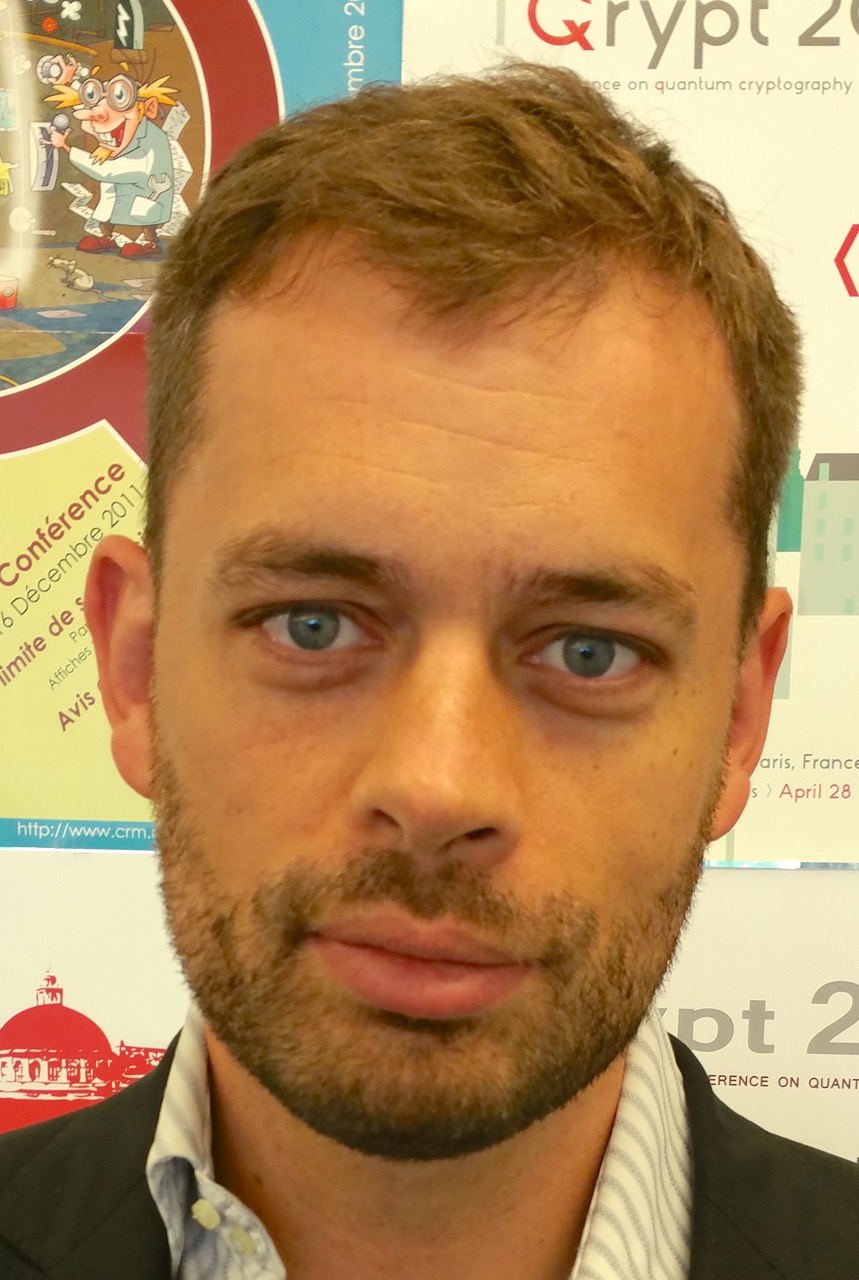
David Vitali is a Professor at the Department of Physics, University of Camerino, Italy, where he has been a faculty member since November 2001, following his role as an Assistant Professor from 1993 to 2001. He previously served as a Visiting Lecturer at the University of North Texas in 1992 and 1993. His research is centered on quantum optics, quantum information processing, decoherence control, optomechanical systems, and quantum communication. Laurea in Physics, University of Pisa PhD in Physics, Scuola Normale Superiore di Pisa David Vitali's research focuses on the theoretical and experimental aspects of quantum systems, particularly in the areas of quantum entanglement, cavity QED, quantum feedback, and noise control in quantum measurements. His work explores methods to preserve quantum coherence through feedback and dynamical decoupling, and he investigates implementations of quantum information processing using trapped electrons, cavity QED, and slow light media. He is particularly known for his contributions to macroscopic entanglement, quantum measurements, and two-way quantum communication. His recent publications from 2004 to 2007 reflect a strong trend in quantum optomechanics, entanglement generation, and quantum control. Key themes include optomechanical entanglement, quantum phase gates, stochastic control of coherence, and high-precision quantum measurements. These works demonstrate a consistent focus on continuous variable quantum information, cavity-based quantum systems, and the engineering of non-classical states of light and matter. David Vitali has coordinated major research initiatives, including the EU FET programs ACQUIRE and QUIPROCONE, and the national PRIN program on decoherence control. He has been actively involved in EU programs such as HCM, TMR, QUEST, CONQUEST, and STREP QUELE, as well as numerous national research projects. He is a principal investigator in the Quantum Optics Lab at the University of Camerino, where he leads a research group working on foundational and applied aspects of quantum technologies. The group collaborates internationally and contributes to advancing quantum communication and quantum computing platforms.