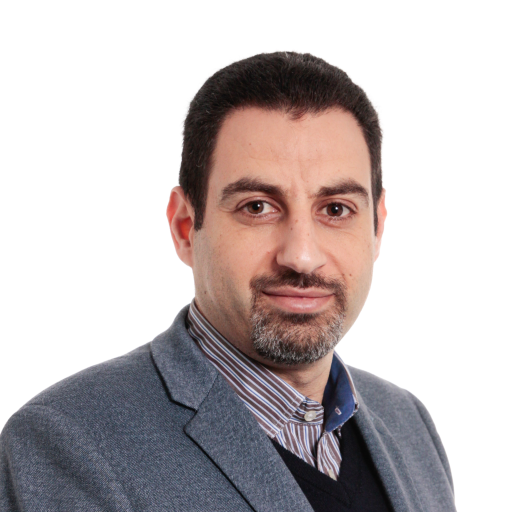
Dr. Seán Lacey is a Lecturer in the Department of Mathematics at Munster Technological University (MTU), previously at Cork Institute of Technology (CIT). He holds a BSc in Mathematical Sciences & Computing (2003) and a PhD in Applied Mathematics (2008) from the University of Limerick. His roles include serving as Chair of the Research & Innovation Committee (2016–2020) and Chair of the Department of Mathematics Research Committee at MTU/CI. He has collaborated extensively with APC Microbiome Ireland, UCC, and other institutions, focusing on statistical analysis in clinical trials, real-world data studies, and sports science. Dr. Lacey has designed and delivered over 70 Continuing Professional Development (CPD) workshops and contributed to the development of Data Science and Analytics programs at MTU. He currently supervises two postgraduate students and has authored/co-authored over 30 peer-reviewed publications. His research interests span statistical methodologies, educational technology, and interdisciplinary applications in medicine, agriculture, and sports. His academic service includes membership in MTU Academic Council (2013–2020), National Forum Research Ethics Committee (2019–2021), and leadership in projects like QUARTILES and SUCCEED. Key collaborations include work on fundamental motor skills in children, pandemic impacts on healthcare, and agricultural pest management.
Robin Toft Klar is a Clinical Professor at NYU Rory Meyers College of Nursing, where she has dedicated her career to advancing nursing through environmental and systems-level research. Her work focuses on the built environment’s impact on population health, nursing workforce capacity building in low- and middle-income countries, and interprofessional education. She is a Fellow of the American Academy of Nursing and actively mentors PhD students. Education: Post-Doc, Case Western University (2012) DNSc, Yale University (2002) MS, Boston College (1980) BSN, Fitchburg State College (1979) Diploma, Worcester City Hospital School of Nursing (1975) Her research interests include global health, nursing workforce development, infection prevention and control, continuing professional development, and environmental design in healthcare. She has led major initiatives in Liberia and Rwanda to strengthen nursing and midwifery education and practice. Her recent publications show a strong trend in global health systems strengthening, particularly in post-crisis settings (e.g., post-Ebola Liberia), with a focus on curriculum reform, preceptor training, PPE access, and pandemic adaptation. She integrates geospatial tools, simulation, and quality improvement frameworks into her work. Scientific Awards: Fellow, American Academy of Nursing (2019) Nurses with Global Impact Award, United Nations (2019) Recognition, Rwanda Ministry of Health (2016) Fellow, Comprehensive Geriatric Education Program, UMass (2013) Educational Achievement Award, UMass (2009) Fellow, Career Development Institute, UMass (2008) Leadership Award, Fitchburg State College (2003) Dr. Klar has been instrumental in advising and leading multiple federally funded and international projects, including HRSA/PEPFAR-supported programs in Liberia and Rwanda. She collaborates extensively with academic and governmental partners to strengthen health systems. Her work in developing continuing professional development programs, curricular reforms, and resilient health workforce models demonstrates a sustained commitment to equity and sustainability. She is actively involved in media and public engagement, with recent coverage of her work in Ghana involving health screenings and student training. Her lab and team efforts focus on global nursing innovation, particularly through the Resilient and Responsive Health Systems (RRHS) initiative.
Louise Derham is a part-time Senior Lecturer at Manchester Metropolitan University (MMU) within the Faculty of Health and Education. She has been affiliated with MMU since 2003, contributing to various teaching and academic roles. Her current role includes serving as Programme Leader for the PgDip District Nurse Apprenticeship and pursuing a PhD exploring nurse education through oral history. Academic Qualifications: RN (Adult) DPNS (Adult) BSc (Hons) Nursing BSc Community Nursing Community Nurse Prescriber MSc Nursing PGCE Research and Teaching Focus: Her expertise centers on prescribing practices, community nursing, continuing professional development (CPD) for staff nurses, and the historical evolution of nurse education. She teaches on CPD units covering evidence-based practice, research methodologies, and leg ulcer management. Advising and Professional Contributions: As Programme Leader for the District Nurse Apprenticeship, she oversees curriculum development and student supervision. Her PhD research employs oral history to document and analyze nursing education practices.
Charlynne Pullen is a Principal Research Fellow at Sheffield Hallam University, affiliated with the Sheffield Institute of Education within the College of Social Sciences and Arts and the Social and Economic Research Institute. With over 20 years of experience in educational research and policy, she joined Sheffield Hallam in 2022. Her expertise spans qualitative and quantitative research methods, policy analysis, and evaluation in post-16 education, particularly focusing on vocational pathways and workforce development. She holds a BA (Hons) in Modern History from the University of Oxford, an MSc in Social Research Methods from the Open University, a Graduate Diploma (Level 6) in Economics from Birkbeck College, University of London, and is completing her PhD in the Economics of Education from the University of Sheffield. Her educational background combines historical analysis, advanced research methodology, and economic theory applied to education systems. Pullen's research centers on post-16 technical and vocational education, with specializations in apprenticeships (particularly higher and degree apprenticeships), Further Education workforce dynamics, and skills policy implementation. She employs mixed-methods approaches including policy analysis, large-scale data evaluation, and qualitative case studies to investigate systemic challenges in vocational education, such as widening participation barriers, curriculum design efficacy, and labor market integration. Her work frequently addresses tensions between policy intent and practical implementation across diverse educational settings. Analysis of her 15 most recent publications (2024-2025) reveals three dominant thematic clusters: apprenticeship system design (examining demographic shifts toward adult learners and equity implications), generic skills integration in curricula (with international comparative perspectives), and future skills forecasting methodologies. Her research consistently bridges academic analysis with actionable policy recommendations, often commissioned by government bodies like the Department for Education and sector organizations including the Edge Foundation and Education and Training Foundation. No scientific awards were mentioned in the provided documentation. Pullen demonstrates extensive grant leadership through major commissioned research projects, including the Department for Education's Future Skills Projections report (2024), Edge Foundation's Widening Participation in Degree Apprenticeships study, and the Education and Training Foundation's Staff Individualised Record analyses. Her governance roles at Milton Keynes College Group and University of Bedfordshire further illustrate her strategic influence in educational policy implementation, though specific doctoral students are not documented in the provided materials. She actively contributes to the Social and Economic Research Institute's mission through collaborative projects like the Milton Keynes College Group Greater Than Network evaluation, where she developed network-based professional development models. Her current work integrates economic analysis with vocational education research, particularly through her PhD in Economics of Education, positioning her at the intersection of labor economics and educational policy design.
Carly Maguire is a Lecturer and Course Leader in the Department of Education at Buckinghamshire New University, Faculty of Society and Health. She leads the FDA Professional Practice Primary Education program and teaches across several undergraduate degrees including BA (Hons) Childhood Studies with Early Years and BA (Hons) Childhood Studies with Primary Education. Her research focuses on key areas in primary education, particularly maths anxiety , reading for pleasure , reflective practice , and responsive teaching . She is deeply interested in how children's educational experiences are shaped by their families and broader societal contexts. Her work bridges theory and practice, informed by over a decade of classroom experience. While no formal publications are listed, her research interests suggest a strong emphasis on pedagogical psychology and inclusive teaching practices in early education. She has shared her expertise internationally, notably presenting on Assessment for Learning in Azerbaijan. Scientific Awards and Recognitions: Invited presenter at an international conference on Assessment for Learning in Azerbaijan Carly actively contributes to teacher development, having mentored trainee and early-career teachers and led CPD sessions during her time in primary schools. At BNU, she continues this mission through course leadership and staff development. There is no mention of research grants, but her leadership roles indicate active engagement in educational innovation and curriculum design. She is affiliated with teams focused on professional practice in primary education and childhood studies, contributing to programs that prepare future educators and early years specialists.
Dr Clare Bentall is an Associate Professor at University College London's Institute of Education (IOE), within the Department of Curriculum, Pedagogy and Assessment. With over 25 years of experience in educator training across UK and international contexts, she currently serves as co-Academic Head of Learning and Teaching for her department (2023-present). Her work spans development education, global learning, and professional development of educators in higher and professional education settings, with significant contributions to UCL's sustainability initiatives through SDG-focused teaching frameworks. Clare holds a PhD in Education from the Institute of Education (2003) and is fluent in German with conversational Indonesian proficiency. Her research centers on global citizenship education, development education, and the pedagogical training of educators, particularly examining blended learning models in police education, third-sector CPD provision, and international volunteering impacts. Recent publications demonstrate strong interdisciplinary connections between educational technology, social justice, and professional development across diverse sectors. As Editor of the International Journal of Development Education and Global Learning and Series Editor for Advances in Global Citizenship Education Policy and Practice , she has shaped scholarly discourse in the field. Her 2022 recognition as a UKCGE Recognised Research Supervisor underscores her supervisory excellence. Clare actively collaborates with international partners across Pakistan, China, Slovenia, and Poland, notably leading a European-funded program (2018-2022) to enhance Polish university lecturers' teaching capabilities. Her leadership extends to directing UCL's Global Citizenship Programme (2017-2020), co-leading the Development Education Research Centre, and serving on UCL's sustainability steering groups. Current projects include police education research on blended learning effectiveness and advancing global learning frameworks within UK further education colleges.
Dr. Samer Skaik is a Senior Lecturer in Project Management at Central Queensland University's Melbourne campus since 2017. He holds a PhD from Deakin University and PMP certification from the Project Management Institute. Education : BSc Civil Engineering, MSc Construction Project Management (Distinction), PhD (Deakin University), Graduate Certificate in Tertiary Education (CQU) Professional : Certified Adjudicator, Certified Arbiter, Project Management Professional (PMP) His research focuses on: Optimizing statutory adjudication in construction projects Improving group-based assessments in higher education Combating academic dishonesty through technology Recent research trends show: 33% of publications focus on adjudication process improvement 40% address educational innovation in project management 27% examine construction payment disputes Scientific recognition includes: 5x Brooking Prize Commendations (2016-2023) Walt Lipke Award for project governance (2021) Student Voice Awards at CQU (2017, 2020) Currently supervising 4 research candidates in topics including: Statutory adjudication accessibility Group assessment skill development Building regulatory systems Design liability in high-rises Industry engagement includes: Ad-hoc construction consultancy services Contributions to Australian legislative reforms Participation in international conferences (UK, India, UAE)
Dr. Louise Pemberton is a Senior Lecturer in Biomedical Science at Charles Sturt University, affiliated with the School of Dentistry and Medical Sciences. She currently serves as Acting Sub Dean (Learning & Teaching) and Associate Head (Learning & Teaching) at the Albury/Wodonga campus. Education: BSc (Hons) in Microbiology, Trinity College Dublin PhD in Neurovirology, University of New South Wales Graduate Certificate in Learning and Teaching in Higher Education, Charles Sturt University Research Interests: Louise's research focuses on the neurological complications of viral infections, particularly HIV-associated dementia and the neurotoxin Quinolinic acid. She also investigates diabetes complications and specializes in medical education innovations such as adaptive learning and professional identity development. Publication Trends: Her recent work centers on medical education strategies, including adaptive learning, online modules, and microsession courses for undergraduate medical laboratory science students. Scientific Awards: Louise has received multiple accolades, including the prestigious Australian Award for University Teaching (2017) and UK Senior Fellow Higher Education Academy (2019) . Australian Award for University Teaching (2017) Charles Sturt Vice Chancellors Award (2015) Teaching Academy - 2023 Change One Thing Award UK Senior Fellow Higher Education Academy (2019) Teaching & Leadership: She teaches physiology, pathophysiology, and pharmacology across allied health courses, emphasizing student engagement in first-year subjects. Her leadership roles include Acting Sub Dean (Learning & Teaching) and Associate Head (Learning & Teaching).
Dr. Colin Roberts is an Associate Professor specializing in Advanced Practice within the School of Nursing and Midwifery. A former General Practitioner, he focuses on integrating clinical science into educational programs for aspiring advanced practitioners. His work emphasizes equipping students with diagnostic skills and confidence, while maintaining clinical practice to stay contemporary. He contributes to UN Sustainable Development Goals through healthcare education and workforce development in the South West region. Professional Memberships: British Medical Association (BMA), General Medical Council (GMC) licensed as a GP. Research interests include clinical decision-making, diagnostic reasoning, and the evolution of advanced clinical practice roles. He collaborates with stakeholders to enhance educational support for practitioners and leads continuing professional development (CPD) programs across regional training hubs. No specific grants or awards are listed, though his contributions to clinical education and workforce development are highlighted. He is part of the Advanced Professional Practice team, influencing high-quality learning across primary and secondary care networks.
Lesley Smitheringale is a Senior Lecturer (Learning and Teaching) at Teesside University International Business School (TUIBS), part of Teesside University. She has held academic roles for over 7 years, including previous stints as Principal Lecturer (Staffing and Resources) and Senior Lecturer in Accounting and Finance. Her work spans teaching, curriculum development, and academic leadership. Education: MA Work-Based Learning (Leadership and Management), Teesside University (2014–2016) CIMA Advanced Diploma in Management Accounting (2000–2001) BA (Hons) Business Studies (1985–1989) Research & Teaching Focus: Lesley specializes in management and financial accounting, personal/professional development for apprenticeship and accredited programs. She leads initiatives in learning and teaching excellence, including staff induction, student voice, and continuous professional development (CPD). Her recent work emphasizes curriculum design and employer-partner collaboration to align education with industry needs. Awards: Fellow of the Higher Education Academy (FHEA), 2016 Advising & Management: Oversees staff workload allocation, module/course leadership, and dissertation supervision in the Finance, Performance & Marketing department. Previously managed Educational Partnerships budgets and quality assurance for FE partnerships and employer programs. Labs/Teams: Active in TUIBS leadership and the Educational Partnerships team, focusing on strategic course development and stakeholder collaboration.
Dr. Mary-Rose Puttick is a Research Fellow at the Institute for Community Research and Development (ICRD), University of Wolverhampton, where she leads the Migration and Mobilities research strand. She is actively involved in Arts Council England-funded projects including Artists' Care and the Wolverhampton City of Youth Culture initiative, and contributes to the evaluation of the West Midlands Violence Reduction Partnership. Her work integrates academic research with third-sector engagement, focusing on refugee and migrant communities. Her educational background includes a PhD in Education from Birmingham City University, an MA in Applied Linguistics from Manchester Metropolitan University, a BA in Media and Cultural Studies from Liverpool John Moores University, and a PGCE in Adult, Further and Higher Education Teaching. PhD, Education — Birmingham City University, 2021 MA, Applied Linguistics — Manchester Metropolitan University, 2015 BA (Hons), Media and Cultural Studies — Liverpool John Moores University, 2000 PGCE, Adult, Further and Higher Education Teaching — Manchester Metropolitan University, 2010 Dr. Puttick's research centers on refugee education, family literacy, inclusive pedagogy, and participatory methodologies. She employs arts-based and ethnographic approaches to explore how literacy, language, and identity intersect in transient and marginalized communities. Her work emphasizes co-production with practitioners, artists, and lived-experience groups, particularly in education, policing, and third-sector settings. Her recent publications reflect a strong trend in community-engaged scholarship, with a focus on trauma-informed practice, translanguaging in teacher education, and resilience in English language teaching for newly arrived children. She frequently collaborates across sectors and disciplines, producing research reports, journal articles, and policy briefings that bridge academic and practical domains. Her work often examines the affective, spatial, and embodied dimensions of learning and inclusion. Scientific awards and recognitions include: British Council ELTRA Award (Principal Investigator, 2022–2024) Dr. Puttick has led and co-investigated multiple funded research projects, including evaluations of the Schools of Sanctuary programme and trauma-informed policing training. She has contributed to policy development through co-created charters and regional integration strategies. Her grants reflect partnerships with the Paul Hamlyn Foundation, British Council, Barrow Cadbury Trust, and Arts Council England. She is actively involved in community research, currently working with the University of Birmingham on a Regional Refugee Integration Strategy. Her voluntary role as an Asylum Guide with Refugee Action underscores her commitment to grassroots activism and social justice. She also contributes to interdisciplinary teams and evaluation consortia, emphasizing collaborative knowledge production and impact-driven research.
Fi Branagh is an Associate Professor in Science Education at the School of Education and Social Work, University of Sussex . With over two decades of experience in science education and mentoring, she serves as Lead Science Tutor in Initial Teacher Education (ITE) and Lead Tutor for Mentoring in ITE. Her work focuses on improving classroom practice, mentoring frameworks, and science education for pupils with special needs. Specializes in Biology and Chemistry education Developed undergraduate modules: 'Communicating STEM', 'Researching STEM', and 'Communicating STEM for Life Sciences' Coordinates international projects to enhance mentoring and continuing professional development (CPD) for teachers Research Interests Her research centers on: Mentoring dynamics between mentors and trainee teachers Adapting science education for pupils with special needs STEM communication strategies in higher education Scientific Awards Sussex Teaching Awards (2012, 2015) Nominee for Sussex Teaching/Spirit Awards (2011, 2019, 2020) Outstanding Support for Learning Experience of Students (2018, as part of ITE Team)
Javier Monforte Alarcon is an Assistant Professor at the Universitat de València, affiliated with the Faculty of Physical Education and Sport Sciences and the Department of Physical and Sport Sciences. He is a member of the AFES (Physical Activity, Education and Society) research group, focusing on critical and qualitative approaches to sport, disability, and inclusion. His research centers on the intersection of Critical Disability Studies and physical activity, with a strong emphasis on qualitative inquiry. Key areas include narrative analysis, narrative pedagogy, disability exercise, and the philosophies and politics of research methodology. He actively promotes inclusive physical activity for disabled individuals through innovative pedagogical and research practices. Monforte has been recognized with prestigious early-career awards: the ECR Award from the International Society of Qualitative Research in Sport and Exercise and the Young Investigator Award from the European Federation of Adapted Physical Activity. These reflect his growing international impact in the field of qualitative sport and exercise research. He supervises three PhD students and numerous master’s and undergraduate theses, contributing significantly to academic mentorship. He teaches courses in basketball fundamentals, applied research methods, and interdisciplinary doctoral and continuing professional development (CPD) programs. His current research projects include 'Moving Social Work' (UK) and 'Mou-te amb Lesió Medul·lar' (Spain), both aiming to advance inclusive practices in physical activity for people with spinal cord injuries and other disabilities. He is actively writing books, book chapters, and articles, further disseminating knowledge in narrative methods and disability-inclusive physical education.
Carrie Jackson is an Honorary Senior Fellow in the School of Health Sciences at the University of East Anglia (UEA), affiliated with the Norwich Epidemiology Centre. She holds adjunct roles as Adjunct Professor at Federation University Australia and Adjunct Associate Professor at the University of Wollongong, Australia. Formerly, she served as Director of UEA Health and Social Care Partners and co-founded the England Centre for Practice Development (ECPD). She actively supervises PhD students and focuses on healthcare systems transformation, leadership, and participatory research. Education includes a Bachelor of Arts in Nursing (Queen Margaret University, 1987), MSc Nursing (Royal College of Nursing, 1997), and Postgraduate Diplomas in Education and Coaching. Her research emphasizes large-scale evaluation, workforce development, and systems innovation to address health inequalities. Her recent articles explore leadership programs, nursing professional development, and embedded research models in healthcare. She has been recognized with an Honorary Associate Professor title (2022). Projects include evaluations of healthcare innovation hubs in Cambridgeshire and Peterborough. She contributes to initiatives like PERCiE, fostering interprofessional education and community-centered care models.
Sylvia Atanasova Velikova is an Associate Professor at St. Cyril and St. Methodius University of Veliko Turnovo, affiliated with the Faculty of Modern Languages and the Department of Methodology of Linguistic and Literary Education. She has maintained an active research and publication record from 2002 through 2022, demonstrating her ongoing contribution to the academic community. Her research interests span language education, multilingualism, psychology of language and communication, listening in intercultural communication, EAP (English for Academic Purposes), teacher education and development, communication studies, and media discourse. Her work demonstrates a consistent focus on the practical application of linguistic theory to educational contexts, particularly in the areas of listening comprehension and language teacher development. Analysis of her recent publications (2014-2022) reveals a strong emphasis on academic listening comprehension, language teaching methodology, media discourse, and teacher professional development. Her research often bridges theoretical linguistics with practical educational applications, particularly in second language acquisition contexts. She has made significant contributions to understanding how students comprehend academic lectures in foreign languages and how teachers can develop more effective language teaching practices. Dr. Velikova has served as an editor for professional publications including the BETA-IATEFL E-Newsletter and has participated in projects supporting the publication of academic journals such as "Education and Qualification." Her involvement in international collaborations, particularly with European language teaching associations, demonstrates her engagement with the broader academic community. Her professional activities include participation in numerous conferences and workshops, including those organized by the European Centre for Modern Languages. She has contributed to the development of language teacher education frameworks such as the European Portfolio for Student Teachers of Languages (EPOSTL), indicating her influence on language teacher training methodologies across Europe. Dr. Velikova maintains active scholarly presence through her ORCID profile (0000-0002-1301-2903) and continues to contribute to her field through research, publication, and professional engagement.