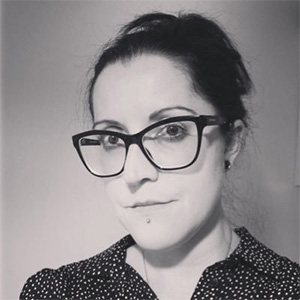
Emma Richardson is a Part-Time Assistant Professor at McMaster University in the Department of Health Research Methods, Evidence, and Impact , focusing on interdisciplinary approaches to global health and community engagement. Her research spans public health policy, gender equity, and ethical practices in health research. Research Themes: Community engagement frameworks, gender equity in health systems, science communication, and historical bioethics. Notable Trends: Recent work emphasizes realist review methodologies for analyzing complex health interventions and critiques of policies affecting women's leadership in global health. Contact: richae10@mcmaster.ca
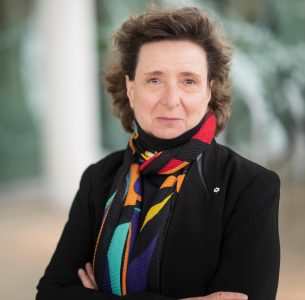
Dr. Judy Illes is a tenured Professor in the Division of Neurology at the University of British Columbia's Faculty of Medicine, and holds cross-appointments in the School of Population and Public Health, School of Journalism (UBC), and the Department of Computer Science and Engineering at the University of Washington. She is a globally recognized pioneer in neuroethics, focusing on ethical, legal, and policy challenges in neuroscience, particularly regarding neurotechnology, Indigenous health, and cross-cultural perspectives. As Director of Neuroethics Canada, she leads initiatives to integrate ethics into global neuroscience research and policy. Dr. Illes earned her PhD in Hearing and Speech Sciences and Neuropsychology from Stanford University (1987). Her career has bridged neurosciences and ethics, including foundational work in functional MRI and EEG applications in neurodegenerative diseases. She chairs international ethics working groups for Health Canada and UNESCO, advises the World Health Organization, and co-authored OECD neurotechnology ethics principles. She has published over 300 articles, 11 edited volumes on neuroethics, and produced an award-winning film on pediatric neurotechnology decision-making. Her research emphasizes equity, including Indigenous representation in neuroscience, ethical implications of portable MRI in underserved communities, and global governance of neurotechnology. She advocates for inclusive policies to address health disparities and ensure ethical innovation in brain science. Dr. Illes received Canada's highest honor, the Order of Canada (2017), and leads the seven-nation International Brain Initiative to advance equitable, politically free global neuroscience. Her grants and collaborations span neurotechnology ethics, spinal cord injury research, and cannabis policy, with a focus on patient-centered care and marginalized populations. She directs training programs to cultivate future neuroethics leaders and has mentored numerous early-career researchers. Dr. Illes also chairs the Canadian Neurotechnology Ethics Working Group and advises the Canadian Institutes of Health Research on neuroethics priorities.
Claudia Merli is an Associate Professor at the Department of Cultural Anthropology and Ethnology at Uppsala University. Her research focuses on Medical Anthropology, Disaster Anthropology, and Southeast Asian Studies, with a particular emphasis on Thailand and Japan. She explores issues such as gendered bodily practices, disaster responses, and the intersection of culture and health. Merli has conducted extensive fieldwork in Southern Thailand since 2002 and has studied volcanic ash health risks in Japan through the HIVE consortium. She has held academic roles at Durham University and is currently affiliated with multiple research initiatives, including the Centre for Medical Humanities and the FACE-UP Consortium on childhood exposure to particulates. Her work spans interdisciplinary projects, such as analyzing the 1963 Vajont Dam disaster and the sociocultural impact of the 2004 Indian Ocean tsunami. Merli also investigates contemporary issues like the symbolism of the yōkai Amabie during the COVID-19 pandemic. She serves on editorial boards and expert committees, including the Swedish Collegium for Advanced Study and the Royal Anthropological Institute. Key Roles: Senior Lecturer/Associate Professor, Member of the Centre for Medical Humanities Board, Ethics Expert for Horizon Europe Research Themes: Medical ethics, disaster vulnerability, gender studies, ethnopsychiatry Awards: Senior Global Horizons Fellowship (2022–2023), Luttemans stipendium (2019), Fellowships from the Higher Education Academy and Royal Anthropological Institute Merli’s publications address topics ranging from genital cutting practices to volcanic health risks and pandemic symbolism. She actively engages in public debates on global health and cultural resilience.
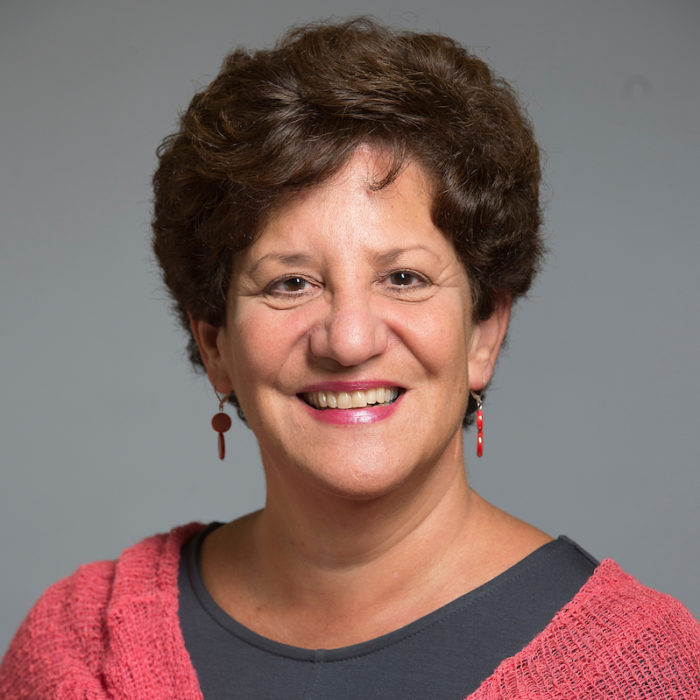
Gail Geller, ScD, MHS, is a Professor at Johns Hopkins University with appointments across multiple schools: the School of Medicine (Department of Medicine), Bloomberg School of Public Health (Departments of Health, Behavior & Society and Health Policy & Management), and Krieger School of Arts & Sciences (Department of Sociology). She also holds an adjunct role at the Center for Medical Humanities and Social Medicine. Her work bridges sociological and ethical dimensions of healthcare, focusing on genetics, infectious disease, and medical education. Dr. Geller earned her BS from Cornell University and both her ScD and MHS from the Johns Hopkins Bloomberg School of Public Health. Her research spans over 30 years, addressing ethical implications of genetic testing in adults and children, and applying genomics to infectious disease contexts. She co-led NIH consortia on cancer genetics and informed consent, and co-directed a Fogarty International Center training program in China, educating geneticists on ethical and cultural dimensions of research. Her current projects include an NIMH-funded study on ethics and HIV surveillance, and the Vision of Hope initiative expanding palliative care to chronically ill children. Key research interests include provider-patient communication under uncertainty, cultural health attitudes, and fostering ethical character in medical education. Key Roles: Co-Principal Investigator, NHGRI CEER Center (2017) Former Co-Director, Fogarty International Training Grant (China) Task Force Co-Chair, Informed Consent for Cancer Susceptibility Testing Grants: NIMH-funded HIV surveillance ethics study NHGRI Center of Excellence in ELSI Research (CEER) Labs/Teams: Berman Institute of Bioethics research teams focusing on ELSI, medical humanities, and global health ethics.
Tatenda Chatikobo is a Research Fellow at the University of Warwick's School of Law, working on a Wellcome-funded project analyzing global health law, bioethics, entrepreneurship, epidemiology, and governance. His research focuses on digital health data governance, digital inequalities, and decolonial approaches to technology design. He previously conducted postgraduate research at Rhodes University on the Siyakhula Living Lab project, addressing ICT infrastructure and training in rural South Africa. Current Project: Regulation of digital health applications and cross-border data migration governance Prior Collaboration: Developed mobile applications with Bruno Kessler Foundation (Italy) for rural service delivery His work emphasizes inclusive, culturally sensitive methodologies for digital technology deployment in marginalized contexts. Research interests include: Digital Coloniality Critical Data Studies Rural ICT Infrastructure Decolonial Theories Mobile Media in Development Publications highlight trends in digital health, rural development, and global data inequalities, with a focus on Southern African contexts. Collaborative efforts span international teams and interdisciplinary approaches to technology design. He is affiliated with the Wellcome-funded project and has worked in multidisciplinary teams across academia and international foundations.
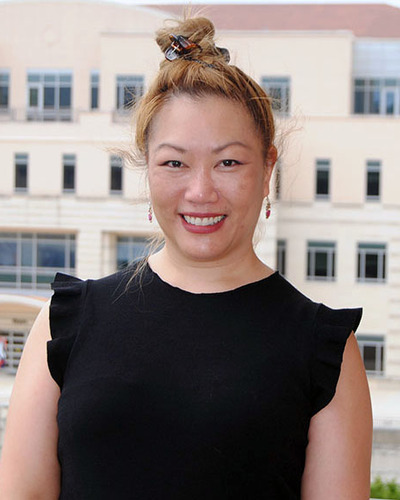
Pepe Lee Chang is an Associate Professor in the Department of Management at The University of Texas at San Antonio (UTSA), Alvarez College of Business. She has been affiliated with UTSA since 2007, following her Ph.D. in Philosophy from the University of Utah and a B.S. in Business from the same institution. Her work focuses on the intersection of business ethics and medical ethics, particularly in the pharmaceutical industry. She teaches MBA courses in ethics, globalization, and healthcare management, as well as undergraduate courses in business ethics and bioethics. Dr. Chang’s research explores moral philosophy applications in business contexts, stakeholder theory in healthcare commodification, and pharmaceutical industry obligations. Her notable publications examine ethical challenges in pharmaceutical research, access to medicines, and corporate social responsibility. Her work often bridges theoretical philosophy (e.g., Bernard Williams) with practical business and healthcare dilemmas. Her teaching includes oversight of the MBA ethics curriculum and courses in leadership ethics. Recent articles highlight themes like pharmaceutical companies' obligations to research participants and global health equity. No specific awards are mentioned, though her scholarly contributions reflect sustained engagement with critical ethical issues in business and healthcare. Dr. Chang’s academic service includes curriculum development and research in academic ethical infractions. Her work contributes to debates on balancing corporate profit motives with ethical responsibilities in global contexts.
Odina Sturzenegger-Benoist is a Lecturer in Anthropology at Aix-Marseille University, specializing in Indigenous rights, ethnomedicine, and interdisciplinary research. Her work bridges anthropological theory with practical applications in legal and cultural contexts. She has authored and co-edited books such as The Evil Eye of the Moon (2020) and Inter-Sections (2016), exploring themes like Creole ethnomedicine and interdisciplinarity. Her research focuses on Indigenous women’s rights, the impact of colonial legacies on gender dynamics, and the intersection of customary law with national legal frameworks. Notable studies include analyses of marital practices among Andean and Argentine Indigenous communities, highlighting tensions between traditional norms and modern legal systems. Odina’s publications span academic journals and edited volumes, addressing topics such as the recognition of Indigenous rights, medical anthropology, and cultural identity. She collaborates with institutions like the CReCSS (Center for Research on Cultures, Health, Societies) and contributes to debates on ethical anthropological practices. Recent works (2023) examine how legal systems address historical injustices against Indigenous women, blending historical analysis with contemporary case studies. Her interdisciplinary approach underscores the need for culturally sensitive legal frameworks.
Dr. John Harries is a Senior Lecturer and Director of Learning and Teaching at the University of Edinburgh's School of Social and Political Science. He earned his PhD in Social Anthropology from the same institution in 2002 and has held continuous academic positions since, including roles at the University of Glasgow and Edinburgh's Centre of Canadian Studies. His work bridges anthropology, heritage studies, and indigenous rights. Harries' research examines time, materiality, and memory in postcolonial contexts—particularly Newfoundland's Beothuk heritage—with emphasis on human remains ethics. He co-founded the Bones Collective , exploring the emotive presence of ancestral remains in museums. Current projects include TRACES (EU Horizon 2020) on contentious heritage, and a Canada-UK initiative on repatriating Indigenous ancestral remains. He is developing work on urban human-cat relationships. His publications focus on settler colonialism, heritage politics, and ethics, with recurring themes of: Material traces of violence and memory Indigenous-settler reconciliation Ethical curation of human remains Algorithmic governance in public services Harries supervises postgraduate research in social anthropology, specializing in indigeneity, heritage conflict, and interspecies relationships. He has led grants including Horizon 2020 collaborations and Edinburgh-Toronto partnerships. No awards or direct student advisees are documented in available sources.
Henry J. Silverman, MD, MA, is Professor of Medicine at the University of Maryland School of Medicine with a secondary appointment in Epidemiology & Public Health. He serves as Principal Investigator for NIH-funded research ethics training programs in the Arab Middle East and Myanmar, and co-investigator for a Gambia-based initiative. At the University of Maryland Medical Center, he chairs the Ethical Advisory Committee overseeing ethics consultations, policy development, and education. He also directs a 12-credit online certificate program in research ethics at the University of Maryland Graduate School. Education includes: BS/MS in Biomedical Engineering, Rensselaer Polytechnic Institute (1974) MD, Johns Hopkins School of Medicine (1978) MA in Bioethics, Georgetown University (1995) His research spans international research ethics with focus on: informed consent frameworks, research ethics committee operations, genomic/biobanking ethics, plagiarism, research misconduct, and integrity climate assessment. Clinical ethics investigations include moral distress in COVID-19 care, ICU decision-making climates, medical student ethics training, and xenotransplantation ethics. His work emphasizes interdisciplinary collaboration across the Middle East, North Africa, and Southeast Asia. Publication trends reveal concentrated focus on ethical dimensions of global health research (2020-2024), particularly biobanking regulations, research integrity climate, and pandemic-related ethical challenges. Earlier work established foundations in critical care trial ethics and research oversight frameworks. Awards: Senior Resident's Teaching Award (1988) Humanism in Medicine Award (2001) Public Health Teaching Award (2013) As Principal Investigator for major NIH grants: Middle East Research Ethics Training Initiative ($1.43M; 2016-2024) Myanmar Master's Program in Research Ethics ($1M; 2017-2025) He mentors international trainees through Fogarty programs and leads the Medical Ethics Interest Group at UMSOM.
Dr. Christine Lai serves as a Research Associate at the Centre for Ecclesial Ethics and a Guest Professor at Holy Spirit Seminary College of Theology and Philosophy in Hong Kong. She is also affiliated with the HK Bioethics Resource Centre as a Researcher, co-supervises DProf students at Anglia Ruskin University, and acts as a Spiritual Advisor at Caritas. Her interdisciplinary work bridges practical theology, spirituality, and intercultural studies, focusing on integral ageing and midlife transformation. Her educational journey spans multiple disciplines: Professional Doctorate of Practical Theology (DProf), Anglia Ruskin University, 2019 Master of Arts in Christian Studies, Chinese University of Hong Kong, 2008 Doctorate of Business Administration (DBA), Hong Kong Polytechnic University, 2003 Executive Master of Business Administration (EMBA), Chinese University of Hong Kong, 1997 Bachelor of Social Science (Social Work), Chinese University of Hong Kong, 1986 Dr. Lai's research centers on integral ageing and spiritual care, midlife transformation, Ignatian spirituality, and interfaith dialogue within Integral Human Development. She develops models for spiritual practice among midlife professionals and advocates for holistic elderly care by integrating Catholic social teaching with Chinese wisdom traditions. Her work emphasizes interdisciplinary approaches to wellness across the lifespan. Her publication record shows an evolution from business management to practical theology. Recent works explore intercultural dimensions of ageing and Integral Human Development, particularly in end-of-life care, reflecting a strong commitment to applied, context-sensitive scholarship that bridges theory and practice. As a co-supervisor for doctoral students, Dr. Lai mentors emerging scholars in practical theology. She leads community projects such as Caritas' "Integral care for elderly" initiative and designs workshops on spiritual wellness for social workers and church leaders. Dr. Lai collaborates extensively with organizations including Caritas Elderly Service, the Macau Ricci Institute, and the Yuan Dao Study Society. She co-organizes the "Living out traditions" webinar series, fostering intercultural and interreligious dialogue on contemporary issues.
Elizabeth L. Fox serves as Assistant Professor of Practice at Cornell University with dual appointments in the Department of Public & Ecosystem Health (College of Veterinary Medicine) and the Latin American and Caribbean Studies program. Her interdisciplinary work bridges nutrition science, food systems analysis, and ethics, focusing on how food systems interact with individual lived experiences and the complex tradeoffs in nutrition decisions across diverse socioeconomic contexts. Her educational background includes a PhD in International Nutrition (2016) and BS in Nutritional Sciences (2009) from Cornell University, with minors in Epidemiology, Social Policy, and Global Health, plus a Dietetic Internship from Iowa State University (2019). Prior to her faculty position, she was a Hecht-Levi Postdoctoral Fellow at the Berman Institute of Bioethics’ Global Food Ethics and Policy Program. Dr. Fox’s research employs focused ethnographic methods to study nutrition decision-making in low-, middle-, and high-income countries, with fieldwork in Haiti, Kenya, and the US. Key themes include culturally appropriate nutrition interventions, sustainable diets, food environments in informal settlements, and ethical frameworks for identifying marginalized populations. Her work spans child/adolescent nutrition, women’s health across the life course, and aquatic food systems. Her publication portfolio features high-impact contributions including the EAT-Lancet Commission report in The Lancet (2019), UNICEF’s Food Systems for Children and Adolescents (2019), and over 20 peer-reviewed articles addressing food system inequality, sustainable consumption, and context-specific implementation science. Scientific recognition includes: American Dissertation Fellowship (AAUW, 2015-16) Society for Applied Anthropology Student Poster Competition First Place (2016) Provost’s Diversity Fellowship at Cornell (2014) Sphinx Head Senior Honor Society (2008-09) As a registered dietitian (RDN), she maintains active collaborations with UNICEF, Global Alliance for Improved Nutrition, and the Society for Implementation Science in Nutrition. Her prior field experience includes pediatric nutrition work at GHESKIO clinics in Haiti and WIC program implementation in San Diego. Current projects focus on developing context-responsive tools for measuring food environments in LMICs and advancing ethical frameworks for food system transformations targeting vulnerable populations.
Nada Eltaiba is an Adjunct Research Fellow at the School of Allied Health , The University of Western Australia. She holds concurrent roles including Associate Professor in Social Work at the German Jordanian University and previously served as Senior Lecturer at Qatar University. Her expertise spans Mental Health , Cross-cultural Practice , and Religion and Spirituality in social work contexts. Dr. Eltaiba holds a Ph.D. from The University of Western Australia (2007), a Master of Narrative Therapy from the University of Melbourne (2018), and multiple other qualifications. She has taught at institutions including UWA, Qatar University, and Al-Balqa Applied University, emphasizing field education and ethical practice . Her research focuses on Muslim communities' mental health challenges Refugee mental health Integration of spirituality into clinical practice Ethics in social work curricula Key grants include the 2017 WISH/WEYAK mental health project in Qatar ($50k) and a 2010 UWA research award. She has authored 15 peer-reviewed articles, including studies on multicultural field placements and Islamic ethical frameworks. Her 2010 Fay Gale Fellowship recognizes her contributions to equity in education. Teaching contributions include curriculum development for ethics courses and guest-editing the International Social Work journal's 2013-2015 special issue on Islam and Social Work .
Philip Nickel is Associate Professor in Philosophy & Ethics at Eindhoven University of Technology, where he researches trust, consent, and human reliance in technological contexts. His work examines philosophical aspects of technology-mediated care, particularly in mobile health applications and AI-driven medical systems. Research areas include: Ethics of trust in digital health systems Epistemology of reliance in human-technology interactions Reimagining consent frameworks for data-intensive medicine Normative challenges in socially disruptive technologies He investigates how traditional bioethical values translate to emerging healthcare technologies, with recent work focusing on justice implications of digital health platforms and trust relationships with medical AI systems.
Dr. Kirsty Squires is an Associate Professor of Bioarchaeology and MSc Forensic Science course leader at Staffordshire University. She holds affiliations with multiple academic organizations including the British Association for Biological Anthropology and Osteoarchaeology, and serves as a Research Associate at the Observatory for the Mummified Heritage of Sicily. Her research focuses on ethical considerations in bioarchaeology, Sicilian mummy studies, and early medieval cremation practices. Education: PhD Archaeology: University of Sheffield (2012) MA Education: University of Staffordshire MSc Human Osteology: University of Sheffield BSc Archaeology: University of Nottingham Research Interests: Cremation studies and ethical analysis of funerary practices Mummy studies focusing on health and social identity Childhood bioarchaeology and its role in historical contexts Heritage crime prevention and dark tourism ethics Grants: "The health, development and social identity of children afforded mummification in the Capuchin Catacombs of Palermo, Sicily" (AHRC Funded) Awards: Fellow of the Society of Antiquaries (FSA) Fellow of the Royal Anthropological Institute Senior Fellow of the Higher Education Academy Labs/Teams: CRICC (Crime Scene Investigation and Criminalistics Centre) Kenyon Emergency Services Capuchin Catacombs Research Collaboration
Dr. Ayesha Ahmad is a Reader in Global Health Humanities at St George's, University of London, affiliated with the Institute of Medical and Biomedical Allied Education. She holds a PhD in medical ethics and specializes in transcultural psychiatry, cross-cultural mental health, and ethical dimensions of mental health practices. Her work focuses on trauma in conflict zones, particularly gender-based violence and humanitarian crises, with projects in Kashmir, Turkey, and collaborations across Afghanistan, Tunisia, and South Africa through the SHAERCircle initiative. Dr. Ahmad has developed courses in culture and mental health for undergraduate and postgraduate students and established the Global Health Humanities Hub to address inequities through humanities-based methodologies. She serves as an Expert Witness, providing reports on asylum seeker cases involving war, mental health, and gender-based violence. Her research integrates traditional storytelling as a therapeutic intervention for trauma and critically examines concepts like 'land trauma' against biomedical mental health paradigms. Key collaborations include work with UCL’s Institute for Global Health and Queen Mary University London in transcultural psychiatry. She co-leads an MRC/AHRC-funded project on narrative therapies for gender-based violence in extreme settings. Media engagements include blogs on conflict trauma, Afghan women’s issues, and pandemic narratives.